Greg Mottola’s Superbad is a filthy, funny comedy whose frightened boys are worth caring about. Jonah Hill and Michael Cera make the friendship convincing, even when the police subplot overstays its welcome and the girls deserve more attention.
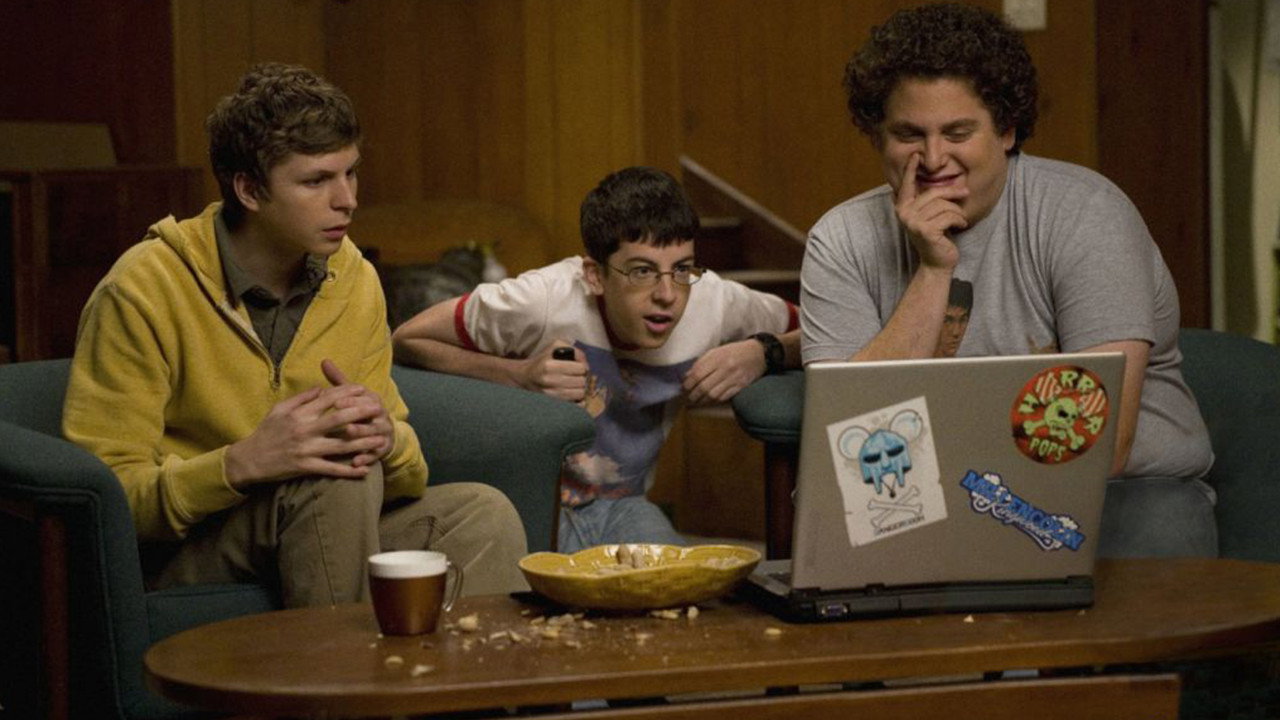
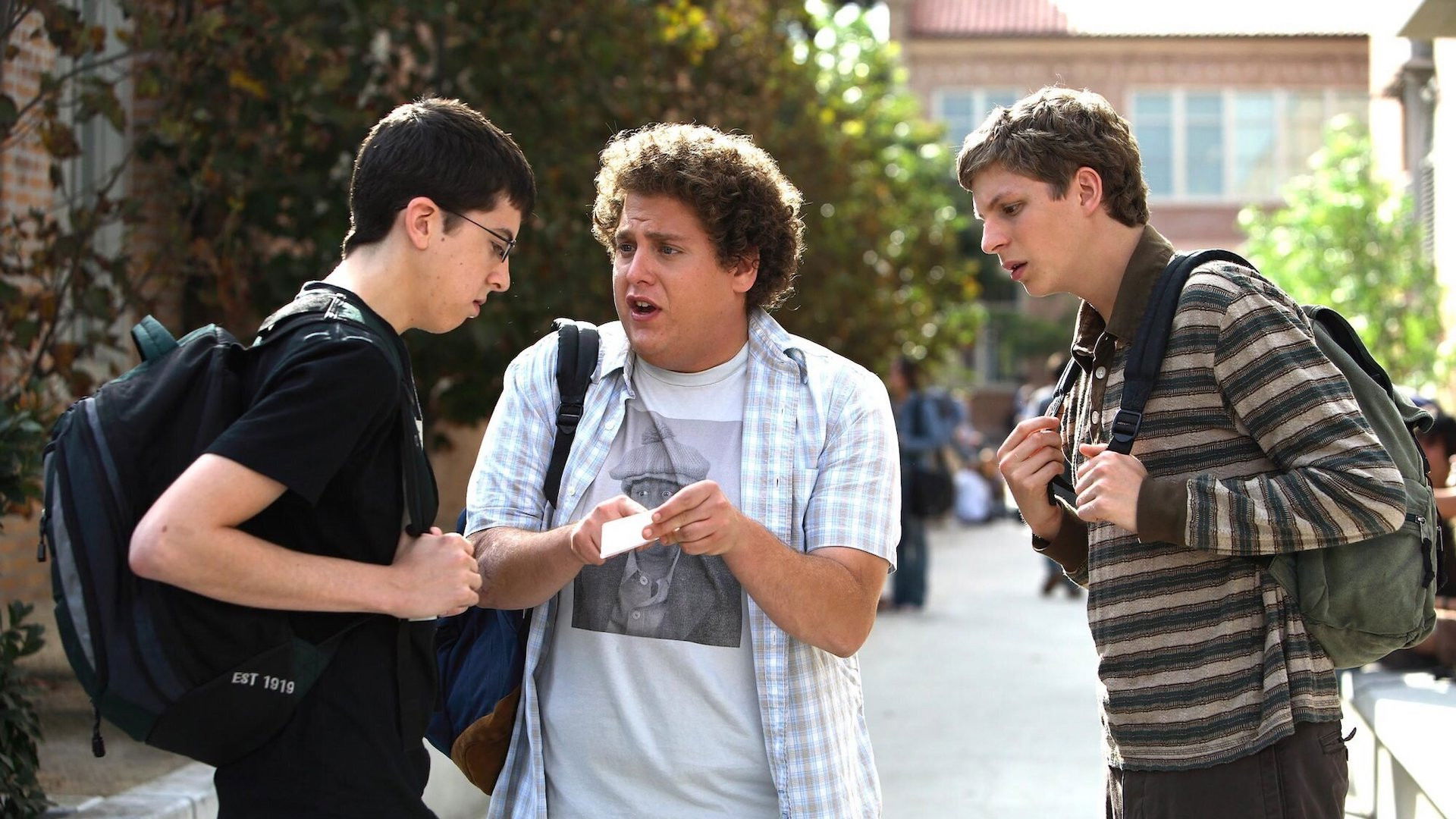
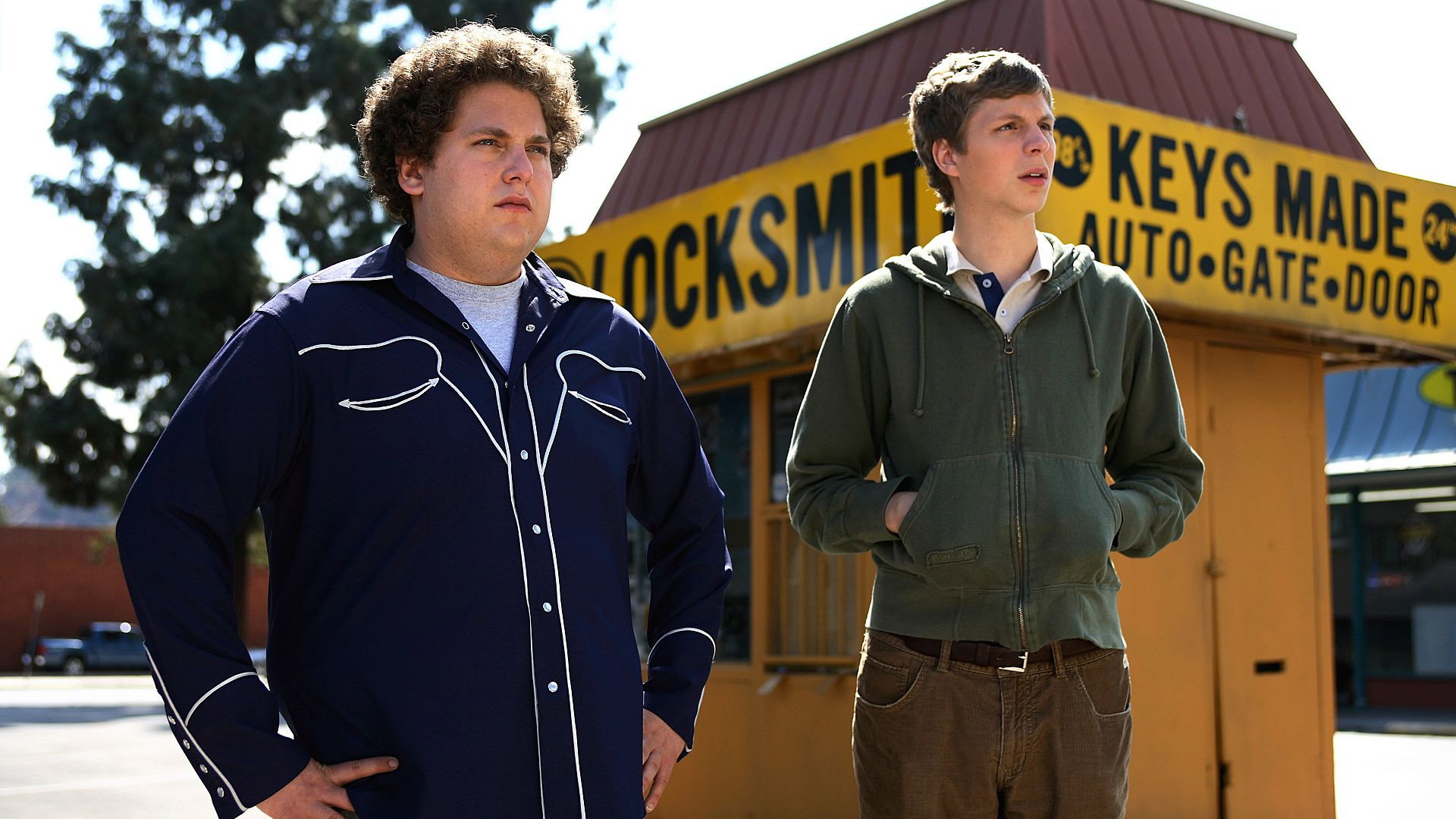
Greg Mottola’s Superbad understands how much effort teenage boys can put into pretending not to be frightened. Seth and Evan are approaching college and separation, but most of their conversation concerns sex, as though talking about it might count towards a qualification. Seth Rogen and Evan Goldberg’s script makes that evasiveness funny without treating the friendship as something embarrassing to be smuggled in afterwards. We recommend it warmly: the jokes are plentiful, and Jonah Hill and Michael Cera give the impending separation enough weight to matter.
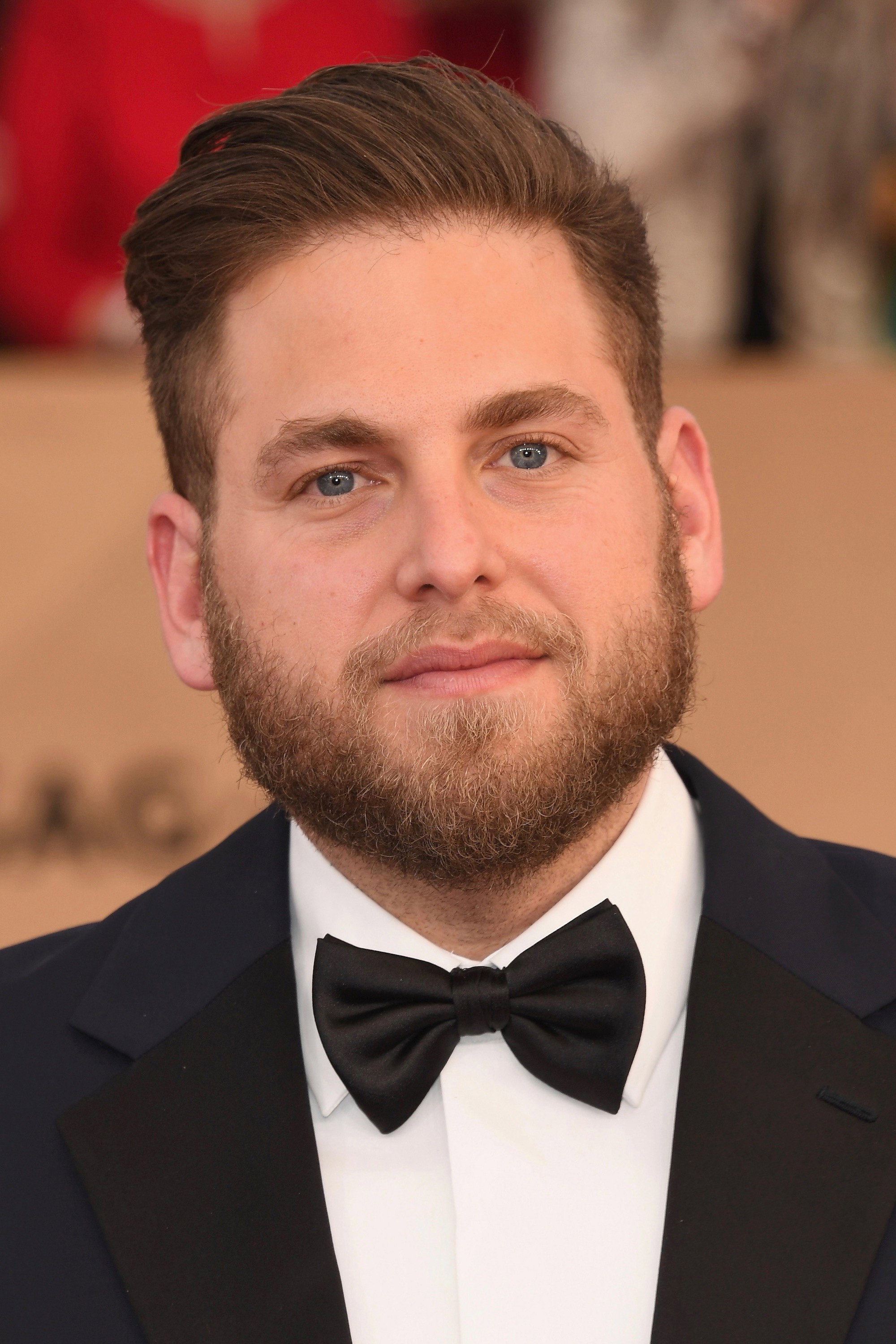
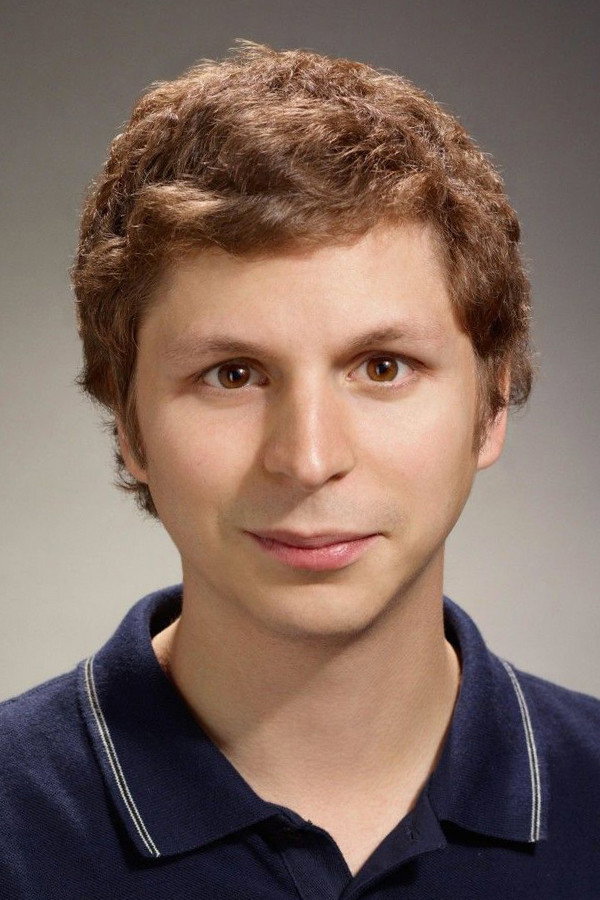
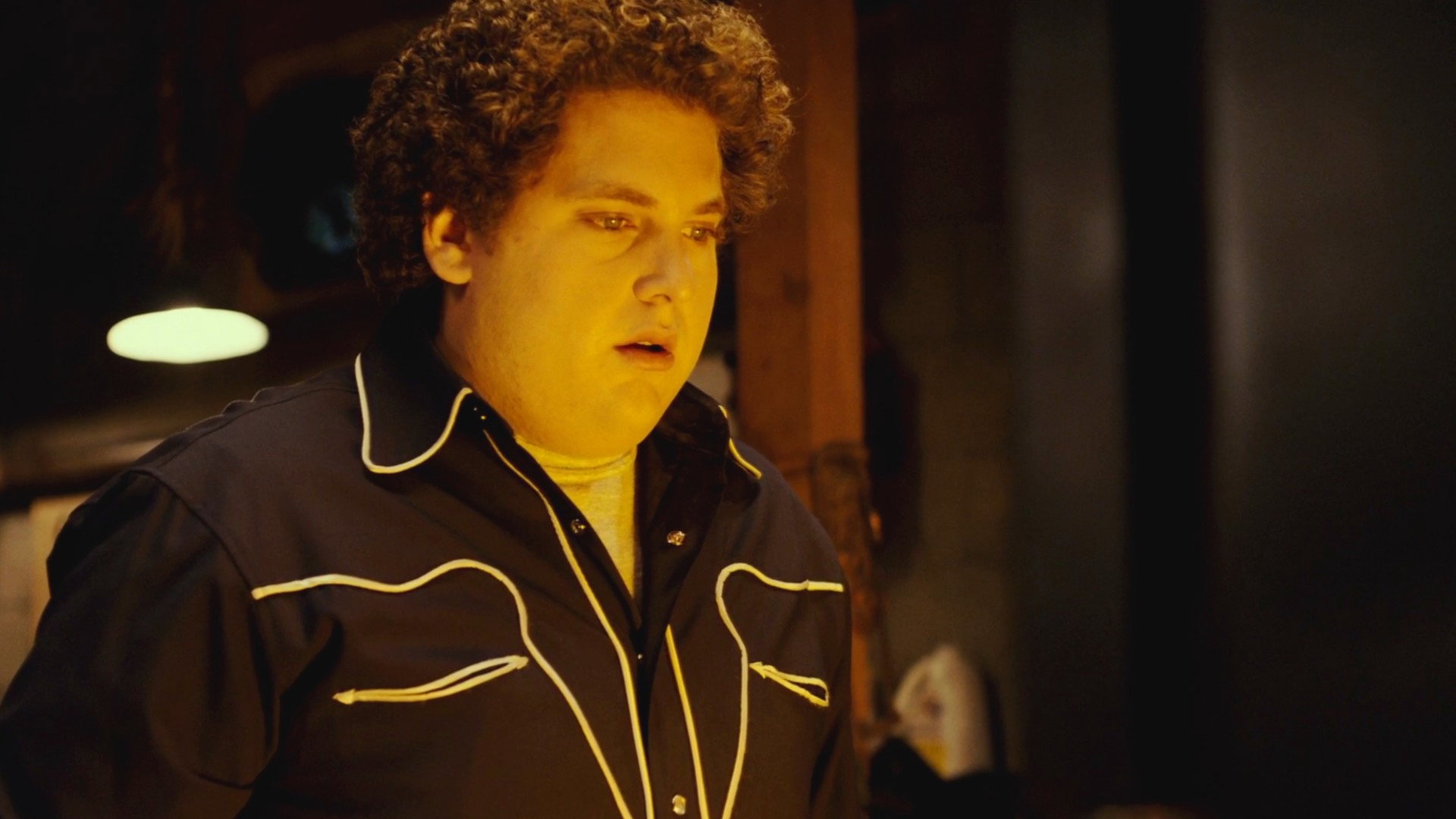
Hill’s Seth is exhausting in a useful way, pushing his talk further than the occasion or his companion requires. Cera’s Evan supplies the hesitation, and their exchanges work because neither performance settles into a simple loud-boy, quiet-boy routine. We laughed at the obscene doodles because their sheer accumulation makes adolescent obsession look like an activity that could consume an entire education. Both actors also keep the wish to be liked painfully clear, especially when being agreeable seems beyond Seth’s abilities.
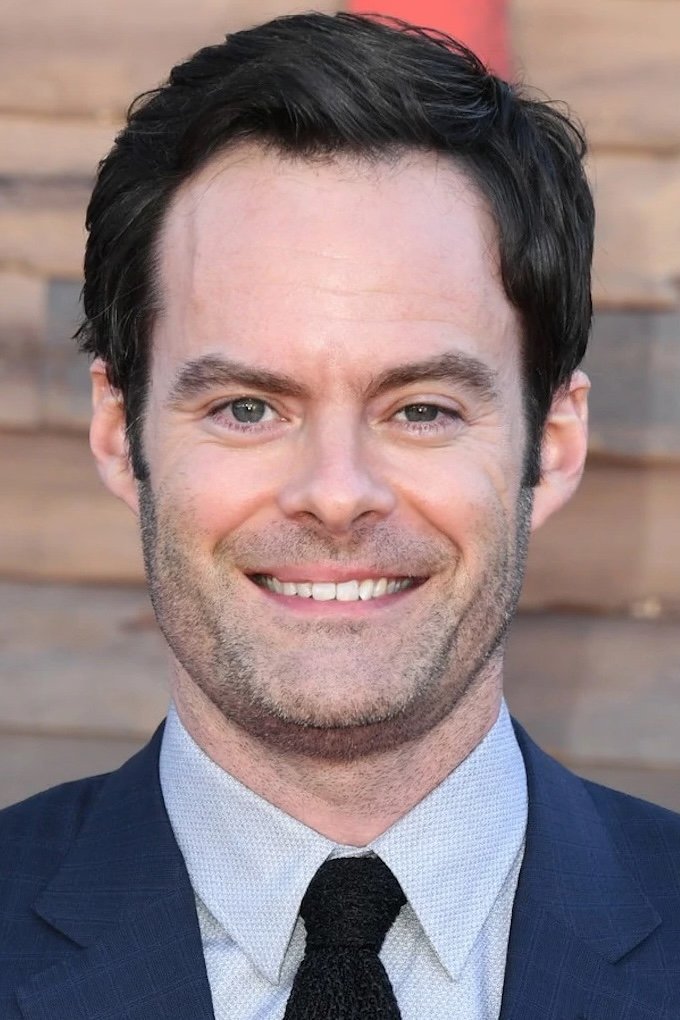
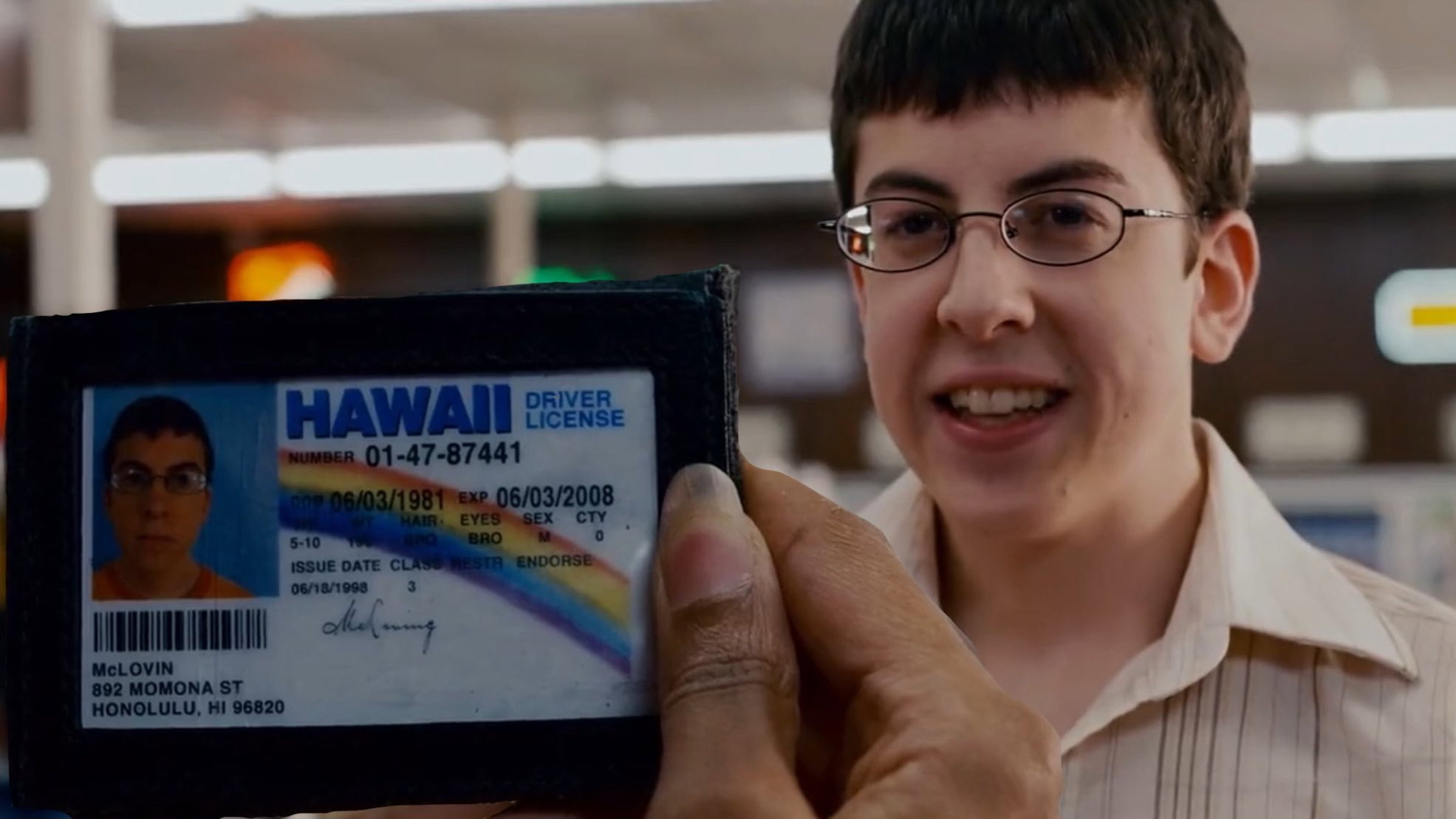
Christopher Mintz-Plasse gives Fogell a different sort of misplaced confidence, enough to make the liquor-store business a highlight without requiring us to believe that he has suddenly become competent. His scenes widen the comedy beyond the central pair’s habits. Bill Hader’s Officer Slater and Rogen’s Officer Michaels are funny company, too, but the police subplot keeps asking for attention after its appeal is clear. Mottola is generous with his performers, and here that generosity leaves us waiting to get back to the boys.
Russ T. Alsobrook’s cinematography gives the boys’ embarrassed faces the attention they need, without making their surroundings more interesting than their conversation. Chris L. Spellman’s production design makes the suburban setting feel ordinary enough for these social disasters to seem horribly plausible. It matters that these are recognisable places, since the boys already regard every social encounter as an occasion for panic. Lyle Workman’s music supplies a confidence the boys keep failing to sustain, a useful accompaniment to all their attempts to sound experienced.
William Kerr’s editing is more persuasive in the conversations than in managing the detours, letting a reply arrive awkwardly enough to become another joke. At 113 minutes, the film has more room for additional mishaps than it needs. The police material is the clearest candidate for trimming, because time away from Seth and Evan weakens the worry about their future. The problem is modest but persistent: scenes can be amusing on their own and still delay the people we have come to care about.
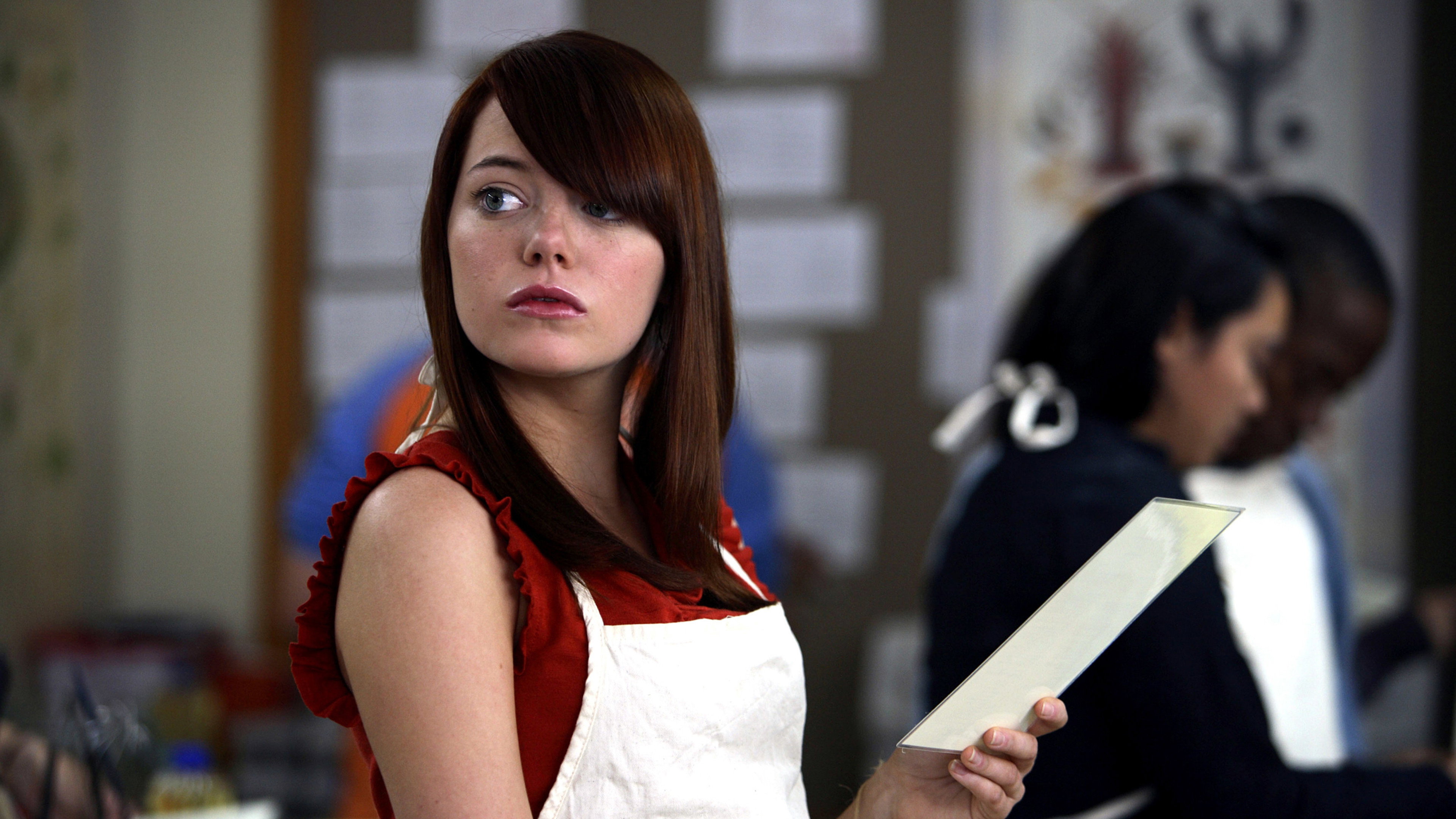
The girls receive less of that care from the writing. Emma Stone’s Jules and Martha MacIsaac’s Becca have to hold our interest with less help than the boys get, and both actresses give them enough presence to make the imbalance noticeable. Rogen and Goldberg understand the boys’ anxiety about women more fully than they imagine what the women might be thinking. We need not demand equal time from a comedy about male friendship to wish its female characters had more room to surprise us.
What distinguishes Superbad within the teenage sex comedy is how seriously it takes the fear of losing a friend. Its boys can be crude, tiresome and selfish without the film deciding that affection for them excuses everything they do. Mottola gets enough tenderness from Hill and Cera that the friendship remains worth our attention through the excess business around it. Watch it with company that enjoys filthy talk; there is plenty, and the sweetness does not make it suitable for anyone who cannot bear the vocabulary.