Learn · How a film gets made · The whole process
Producers
Nobody outside the industry can say what a producer does, and the industry likes it that way. The producer is the person who wants the film to exist more than anyone else, who is there before the director and after the audience, and whose job is everything nobody else will do. This is what that means in practice, why there are six kinds of producer credit, and why the one at the Oscars belongs to them.
Ask what a director does and people can tell you, more or less. Ask what a producer does and you get a pause, then a guess about money. The guess is a third right. A producer finds the film, pays for the film, hires the people who make the film, keeps it alive while they do, and delivers it to the people who will sell it; and the reason the job is hard to describe is that it is defined by what is missing. Whatever nobody else on a film is responsible for, the producer is.
The three previous lessons were about a producer's work without saying so: finding and securing a property, getting it through development, assembling the money. This one is about the person, because the producer is the only one on a film from the first day to the last. The director arrives after the script and leaves after the mix. The actors come for the shoot. The producer was there when there was nothing but a book on a plane, and will be there, years later, when the last territory finally pays.
The producer as author
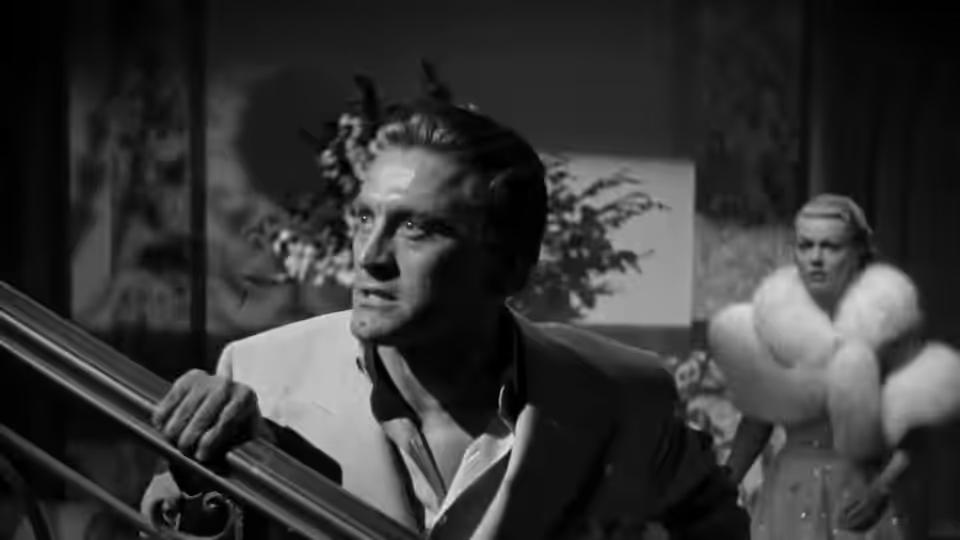
Hollywood's own account of the job is The Bad and the Beautiful, and it is more honest than the industry has been since. Jonathan Shields, Kirk Douglas at his most carnivorous, is a producer who makes three careers, a director's, a star's and a writer's, and betrays each of them in the making. The film is told as three flashbacks, each by one of his victims, summoned to a studio office to hear that Shields, broke and in Paris, wants them for a new picture. Each of them says no. In the last shot, all three are listening on the extension.
What the film understands is that in the studio era the producer was the creative authority. Shields is modelled on several real men, Selznick and Val Lewton among them, and the things he does are the things they did: he finds the film inside a budget, as in the cat-men picture of our first lesson; he decides that a novelist's wife is a distraction and arranges for her to be kept out of the way, with consequences the film does not soften; he takes a director's film away in the cutting room because the director cannot see what it is. He is right every time and monstrous every time, and Minnelli does not pretend the two can be separated. The house view is that the film is right, and that the industry has spent the seventy years since pretending the director was always the author so as not to have to think about Jonathan Shields.
What the job is
Strip the glamour off and the job has five parts. The producer finds: the property, the writer, the angle that makes it a film. The producer finances: the whole tower of the last lesson, built and kept standing. The producer hires: above all the director, then with the director the heads of department, and sets the budget and the schedule with the line producer, who will run both day to day. The producer protects, in two directions at once: the film from the money, when a financier wants a star who is wrong or an ending that is false, and the money from the film, when a director wants another week. And the producer delivers: not just a finished film but the hundred items on a distributor's delivery schedule, the masters and the music licences and the chain of title and the insurance certificates, without which no cheque is written. Most of this is unglamorous and all of it is the difference between a film and a project.
The best film about the job removes the film. In Wag the Dog Dustin Hoffman's Stanley Motss, a Hollywood producer with a tan and a career of credits nobody remembers, is hired by a White House fixer to produce a war that is not happening, as a distraction from a scandal that is. He treats it exactly as he would a picture. He wants a theme song, a hero, a girl with a kitten on a bridge, a merchandising line, and when each piece collapses he says the same thing, that this is nothing, and tells a story about a shoot that was worse. He is not cynical about the war. He is professional about it. Take the film away and what is left is the job: a man who solves the next problem, and the next, because the thing must exist and nobody else will make it. Motss's one mistake is to want the credit. The film is clear about what happens to producers who do.

Anyone can be one
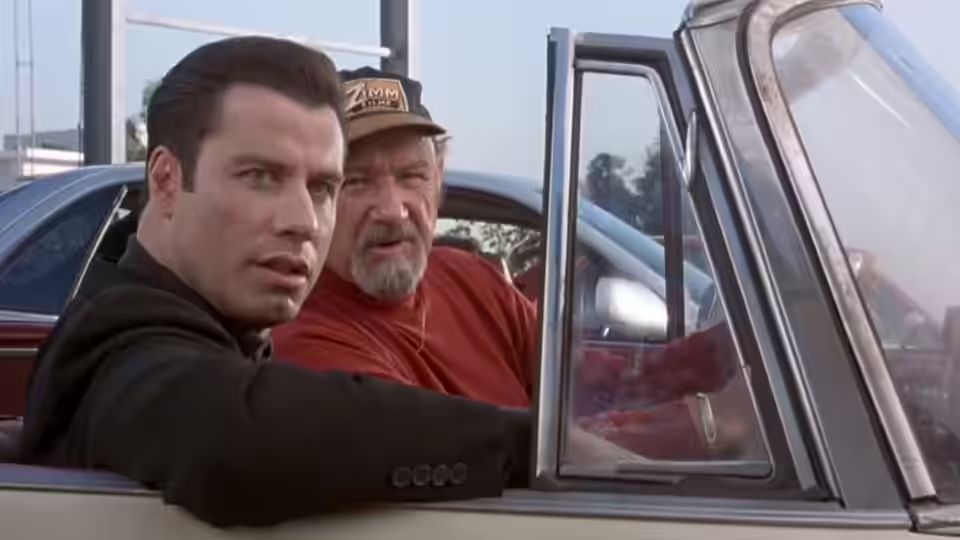
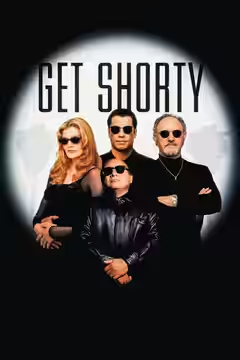
There is no licence. A director needs a crew to agree to follow them; an actor needs to be cast; a producer needs only to say so and then be right about something. This is the industry's oldest joke and its most honest fact, and Get Shorty is built on it. Chili Palmer is a Miami loan shark who goes to Los Angeles to collect a debt from Harry Zimm, a producer of films about slime, and discovers within a day that he has been a producer all along. The skills are the same. You find out what people want, you look at them until they do what you say, you keep the money moving, and you never let anyone see that you do not know what happens next. Elmore Leonard's joke is not that Hollywood is like organised crime. It is that producing is a talent some people have, and it has nothing to do with film.
The same fact explains why the credit inflated. If anyone can be a producer, the title can be given to anyone: to the financier as a courtesy, to the star's manager as part of the deal, to the author of the book, to the actor who wants to be taken seriously, to the executive who will not get out of the way otherwise. By the century's end a mid-sized film might carry a dozen producer credits of various kinds and a reader of the poster could not tell which of them had made it. An old joke, variously attributed, says an associate producer is the only person who will associate with the producer. It stopped being funny when the Oscar for Best Picture, which goes to the producers, had to start limiting how many could come up.
The credits, decoded
- Produced bythe people who actually made it; in America, marked p.g.a. when the Guild has certified the work
- Executive producerthe money, the rights, the star’s manager, or the company that financed it; the widest and vaguest credit
- Co-producera producer with a smaller share, or the partner producer in another country on a co-production
- Line producerruns the budget and the schedule day to day; the producer’s general on the ground
- Associate producera courtesy, usually; sometimes a junior who did real work
- Executive in charge of productionthe studio’s or financier’s own person, watching their money
In the United States the Producers Guild, which is a trade association rather than a union and cannot strike, answered the inflation by certifying. A producer who can show the Guild that they did the work, through development, financing, production and delivery, gets the letters p.g.a. after their name in the credits, and the Academy adopted the Guild's determination for Best Picture, so the mark now decides who walks up. In Britain the producers' body is Pact, which negotiates terms with the unions and the broadcasters and is the producers' voice to government on the tax relief; there is no mark, and the credit is a matter of contract. In Europe the producer has a legal identity the Anglo-American one does not: in France the producteur délégué is the person responsible in law for the film, who signs for the money and answers to the CNC, and the European Producers Club exists to speak for independent producers across the Union's funding systems. Same job in all three; what differs is whether anyone outside the industry can tell who did it.
Who has the last word
The producer hired the director. Whether the producer can overrule the director is a different question in each country, and it is the question behind most of the famous fights. In America the studio or financier has final cut unless the director has negotiated it, and few have; the producer sits between, with the authority to take the film into the cutting room if the money demands it, and the knowledge that doing so is the end of the relationship. In Britain the same, by contract, with the BFI and the broadcasters sometimes holding a say of their own. In France the finished film is in law a joint matter between director and producer: neither may release a cut the other has not agreed, and the director's moral right in the work survives any contract. The French producer therefore cannot be Jonathan Shields. The American one still can, and the best of them choose not to.
Which is the thing to understand about the job at its best. Directors have talked for seventy years about producers as the enemy, and some are. But every film you love was wanted into existence by somebody who was not on set when it was praised, who gave up the first years and the last years to it, and whose name you have never heard. The Oscar goes to them because the Academy knows who made the film possible. The next lesson is about the person they hired.
What to take from this
A producer is defined by responsibility rather than by task: whatever nobody else answers for, they do. The job has five parts, finding, financing, hiring, protecting and delivering, and most of them happen when nobody is filming. Anyone may use the title, which is why the credits had to be decoded, and the one that matters, in America, carries three small letters after the name. When a film is good, somebody wanted it to be, for years, before anyone else did.
WatchThe films this lesson is drawn from, with our scores
 84
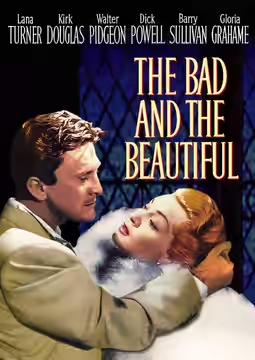
The Bad and the Beautiful
1952 · Drama
The producer as author, and as monster; the industry’s own account.
 77
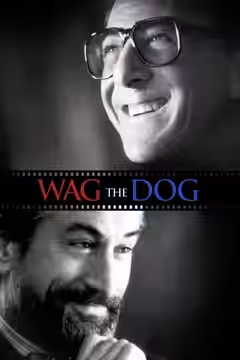
Wag the Dog
1997 · Comedy
The job with the film taken away: a producer solving the next problem.
 82
Get Shorty
1995 · Comedy
Anyone can be one; the skills have nothing to do with film.
 85
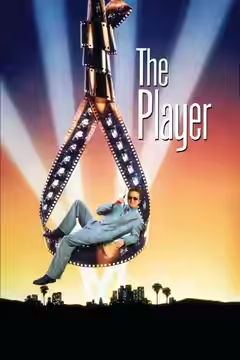
The Player
1992 · Mystery
The executive, who is not the producer, and the difference.
TermsThe words this lesson uses, as the trade uses them
- Producer
- The person responsible for a film from inception to delivery: finding it, financing it, hiring the director and heads of department, protecting it, delivering it.
- Executive producer
- The widest credit: a financier, a rights holder, a star’s manager, the company behind the film, or a producer who oversaw rather than ran it.
- Line producer
- The producer’s general on the ground: budget and schedule, day to day, through the shoot.
- Co-producer
- A producer with a smaller share of the work, or the partner producer in another country on a treaty co-production.
- Associate producer
- Usually a courtesy credit; sometimes a junior producer who did real work. The subject of the industry’s oldest joke about credits.
- p.g.a.
- The Producers Guild of America’s mark after a producer’s name, certifying that they did the work. Decides who is eligible for the Best Picture Oscar.
- Producteur délégué
- In France, the producer legally responsible for the film, who signs for the money and answers to the CNC.
- Final cut
- The right to decide the released version of a film. In America the financier’s unless a director negotiates it; in France shared in law between director and producer.
- Delivery
- Handing the finished film to the distributor with everything on their schedule: masters, music licences, chain of title, insurance, paperwork. Payment follows delivery, not the wrap.
- Chain of title
- The documents proving the producer owns every right the film uses, from the option to the composer’s contract. Distributors and insurers will not proceed without it.
- Packaging
- Attaching a director and cast to a script so that financiers will commit; the producer’s work between development and the greenlight.
- Executive
- A studio or financier’s employee who develops and oversees films on its behalf. Not a producer, though the two are often confused; Griffin Mill in The Player is one.
SourcesWhere the facts in this lesson come from, and when we last checked them
- Producers Guild of AmericaThe Producers Code of Credits (what each producer credit means) and the Producers Mark (p.g.a.) certification. Checked 4 October 2026.
- Academy of Motion Picture Arts and SciencesBest Picture rules: producer eligibility by the Producers Guild’s determination. Checked 4 October 2026.
- PactThe UK trade body for independent producers: agreements with the unions, terms of trade with broadcasters, the case to government on the tax relief. Checked 4 October 2026.
- European Producers ClubThe association of independent European film and television producers. Checked 4 October 2026.
- Centre national du cinéma et de l’image animéeThe producteur délégué: the producer’s legal responsibilities on a French film. Checked 4 October 2026.
- Légifrance, Code de la propriété intellectuelleArticle L121-5: the finished audiovisual work is agreed between director and producer; the author’s moral right. Checked 4 October 2026.
Lessons are written in Fi1m’s voice, checked against the sources above and our own reviews before publication, and corrected in the open. If something here is wrong, tell us. How we use AI