Film review

Wag the Dog

1997 · Directed by Barry Levinson · 1h 37m · MPA R

In a sentenceDustin Hoffman makes inventing a war look like a reasonable use of a producer’s afternoon

ComedyDrama

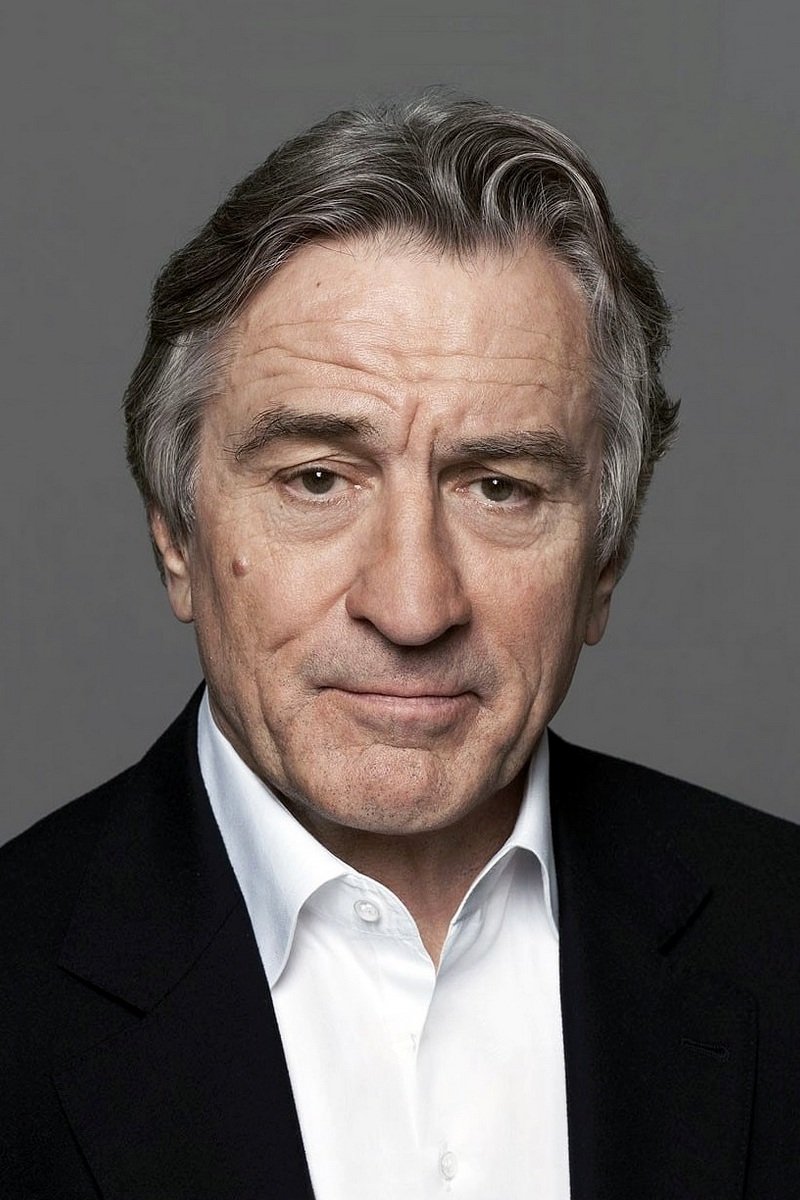
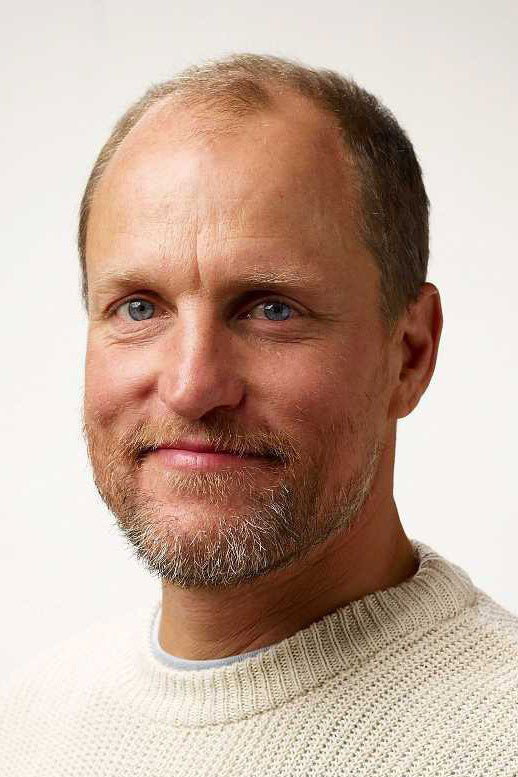
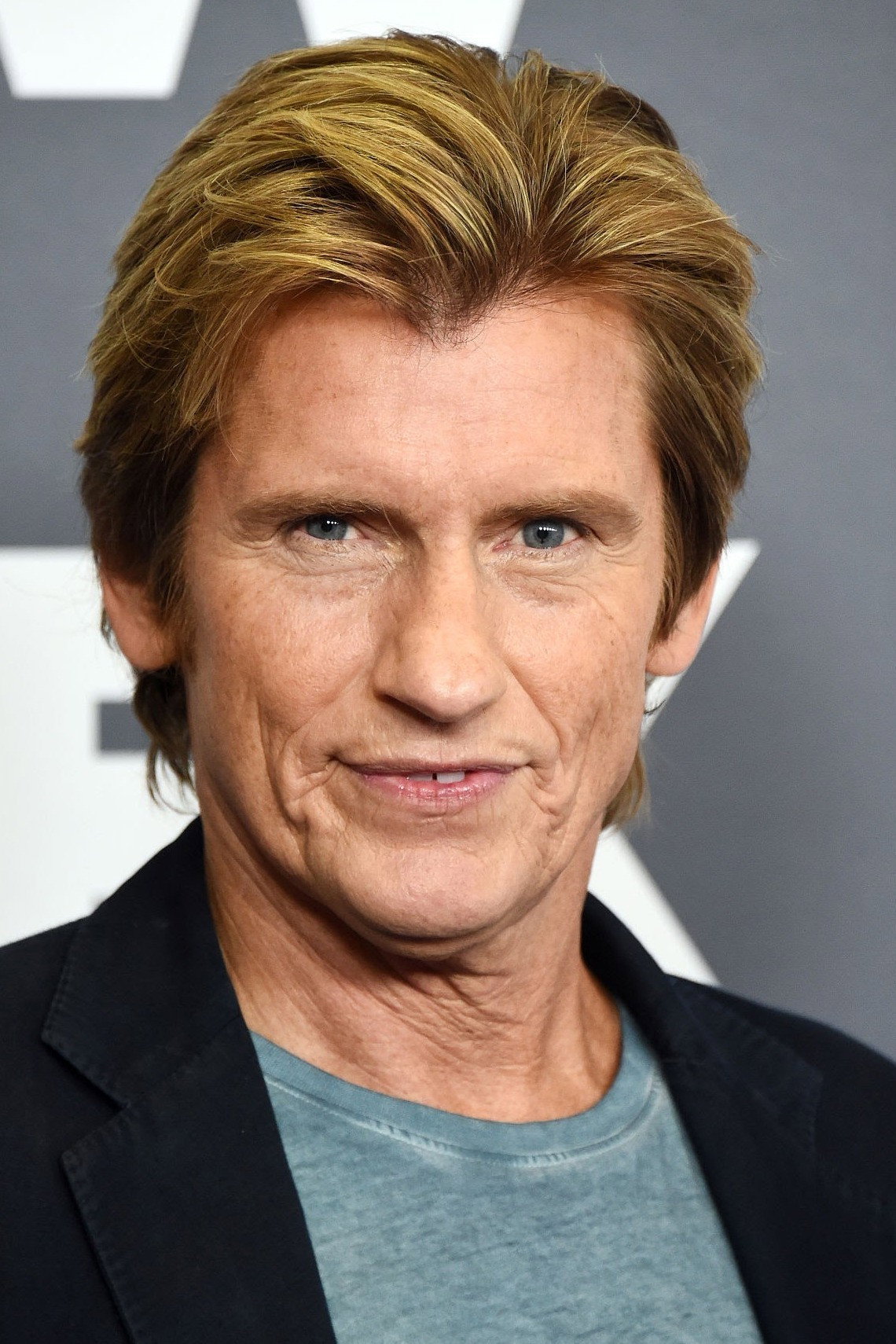
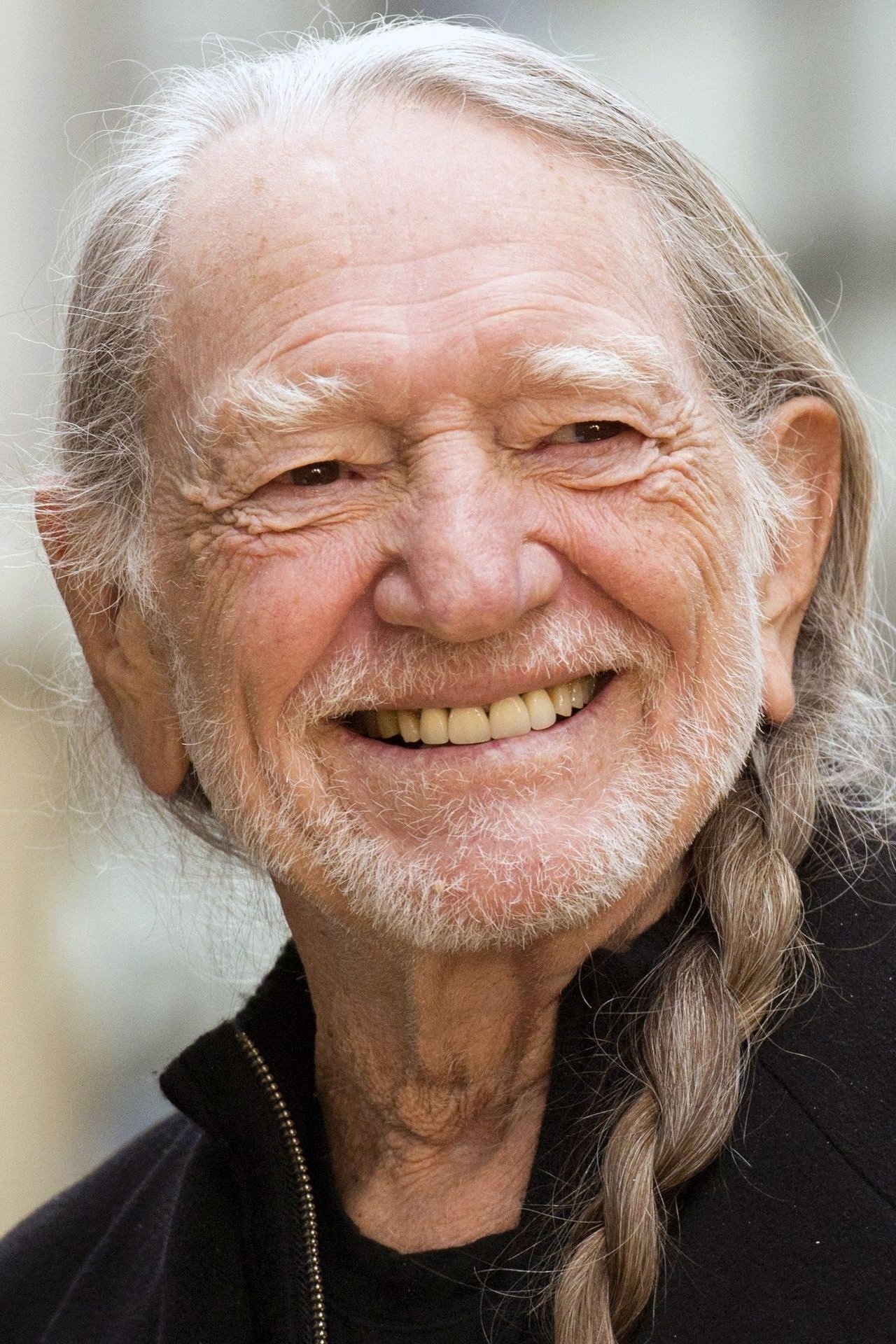
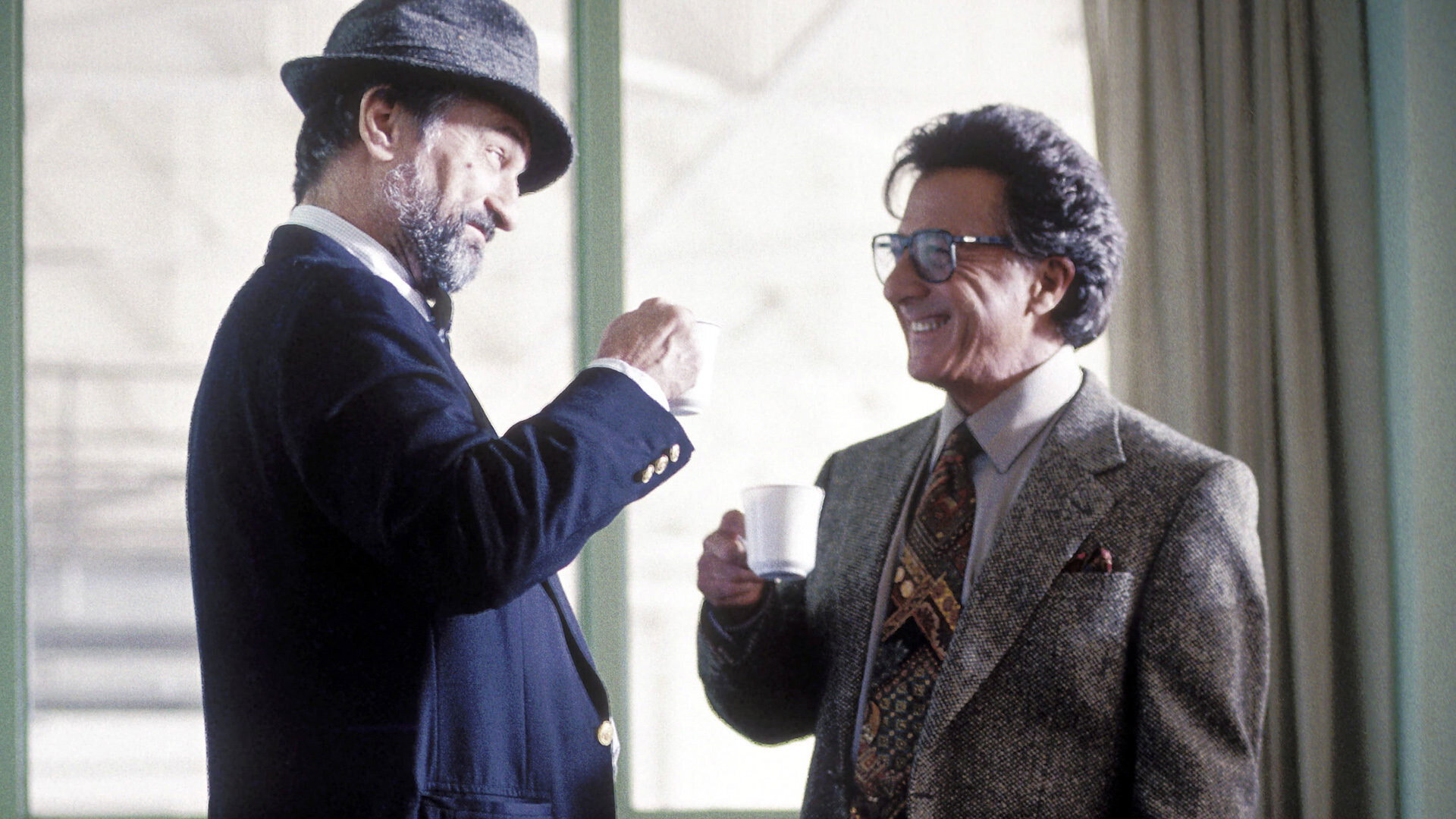
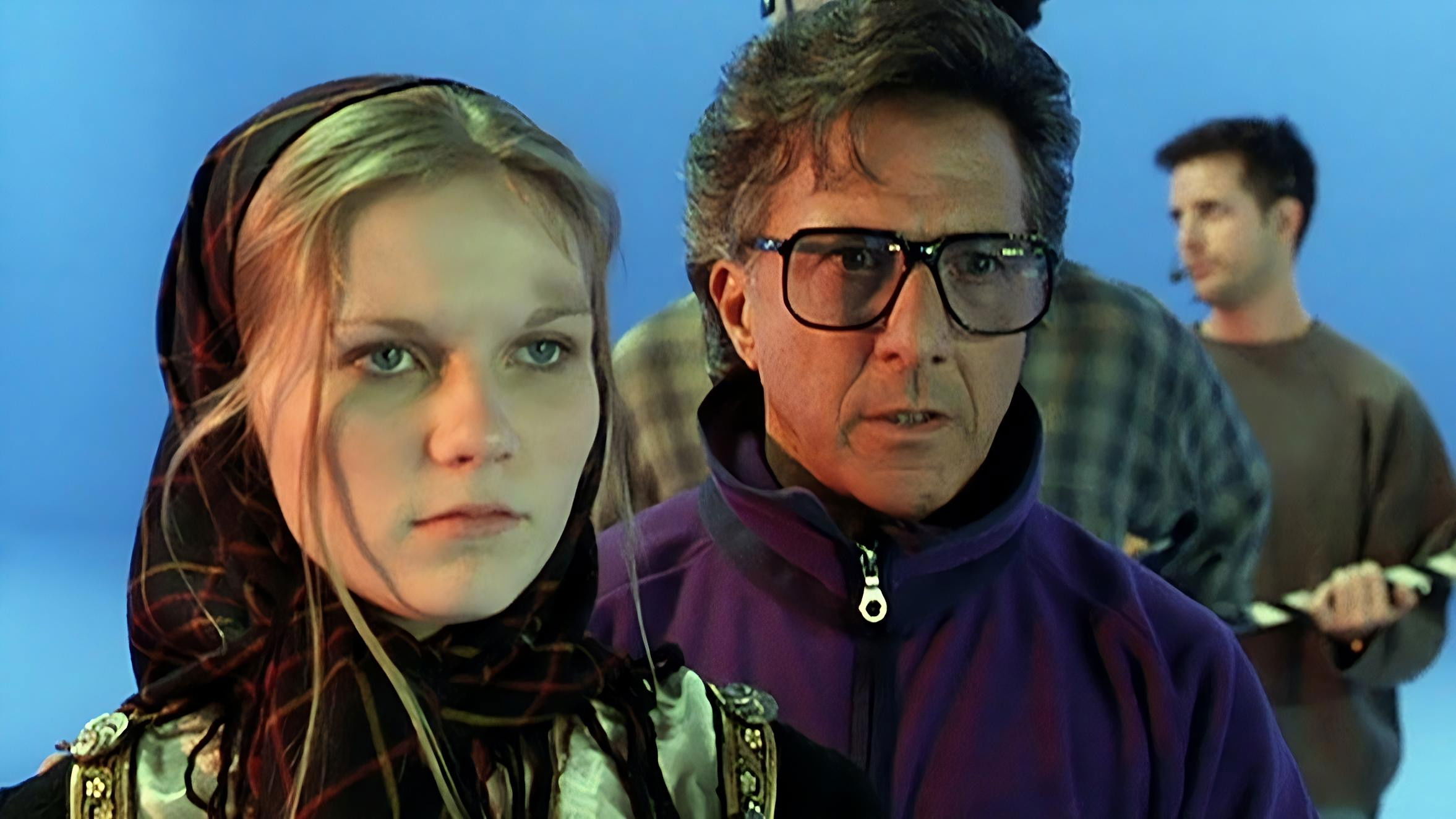
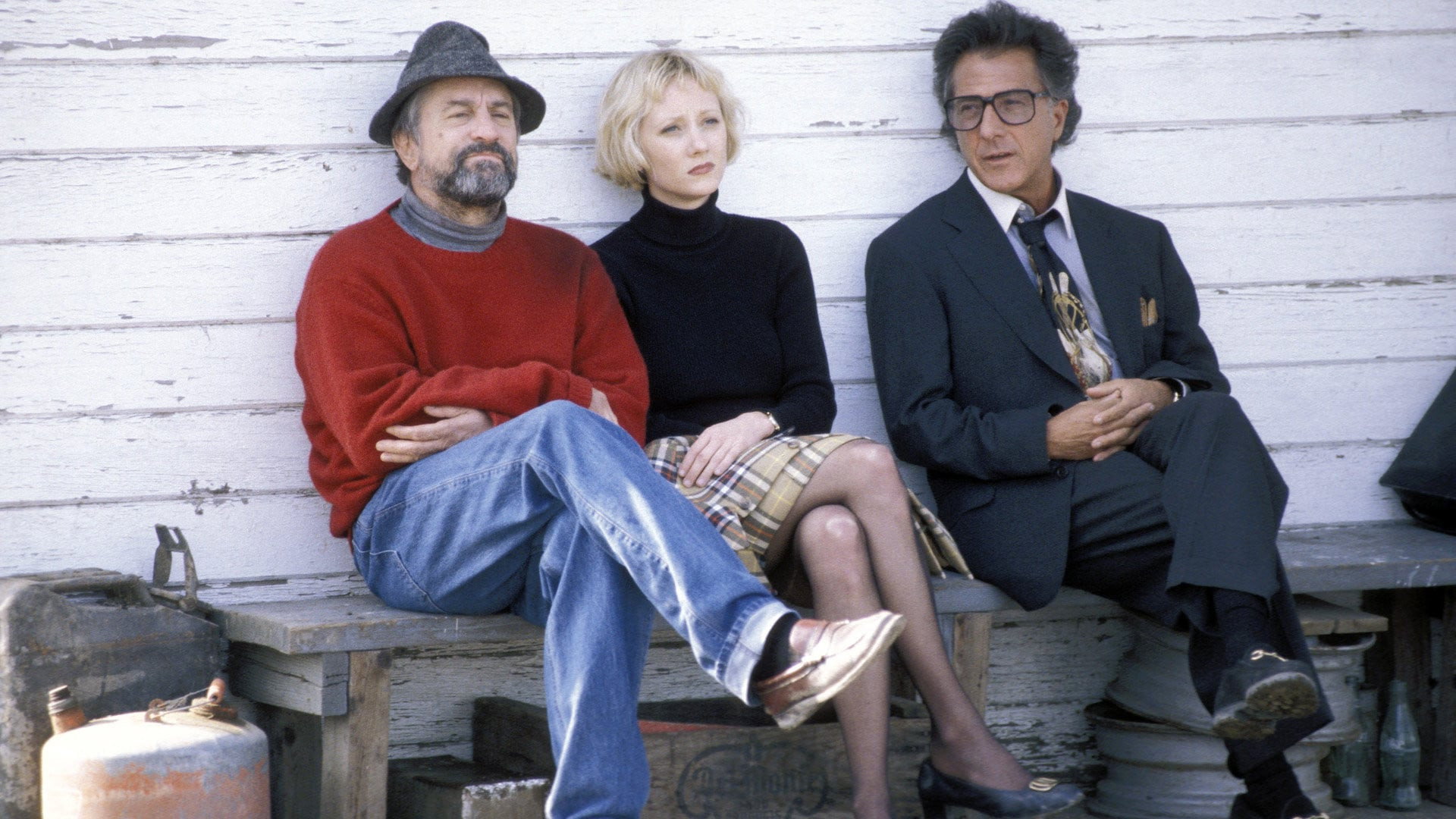
With a president caught in a sex scandal, spin doctor Conrad Brean (Robert De Niro) looks for a story that can draw attention elsewhere. He turns to Hollywood producer Stanley Motss (Dustin Hoffman), and together they set about fabricating a war. Their work brings the methods of show business into politics, with the media providing the means to sell the distraction. Anne Heche plays Winifred Ames, alongside a supporting cast that includes Woody Harrelson, Denis Leary and Willie Nelson. Barry Levinson directs from a screenplay by David Mamet and Hilary Henkin.

Plays from YouTube when you press play; nothing loads from them until then.

Fi1m review

Barry Levinson’s political comedy is sharpest when Dustin Hoffman treats deception as a production problem. The performances and dialogue earn the laughs; the satire is less searching than its confidence suggests.

Wag the Dog is a good political comedy with a narrower reach than its premise promises. Barry Levinson takes a spin doctor, a Hollywood producer and a presidential scandal, then lets the first two solve the third by inventing a war. The pleasure comes from watching people take such professional satisfaction in something appalling. David Mamet and Hilary Henkin give them dialogue quick enough to make the scheme entertaining before we have time to object.

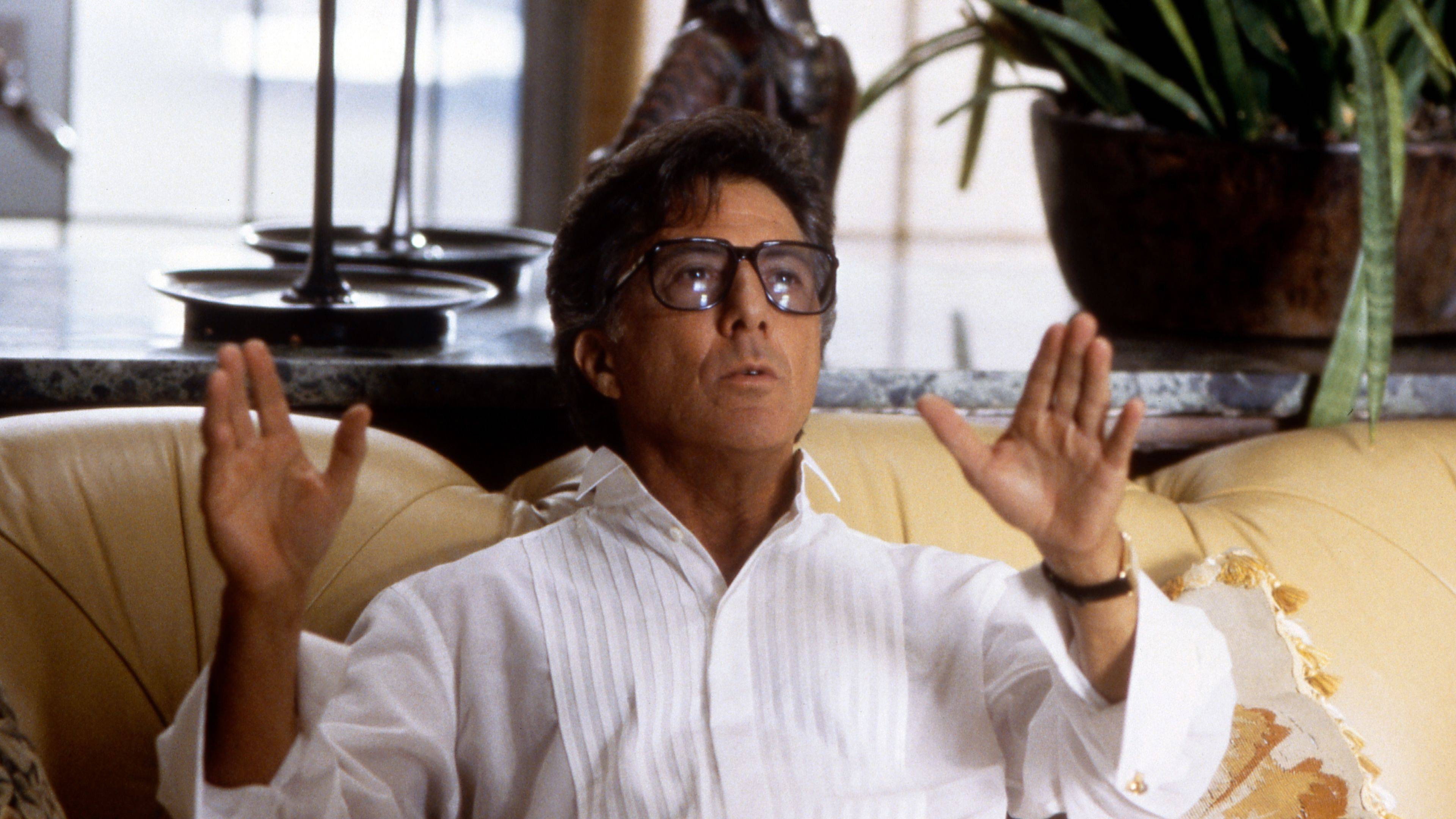
Hoffman’s Stanley Motss is the reason to watch. His producer’s self-importance makes the fraud feel like another opportunity to demonstrate how useful he is, and Hoffman gives that vanity a cheerful persistence. We laughed at his pleasure in the work, then felt slightly ashamed of ourselves: fabricating a war has become an occasion to enjoy a man’s enthusiasm. The performance keeps the joke attached to a recognisable human failing, the wish to be appreciated for doing a job well.

Robert De Niro’s Conrad Brean gives him a useful partner. De Niro makes the spin doctor’s competence persuasive without asking us to admire him, keeping the performance economical beside Hoffman’s expansive vanity. Their pairing gives Levinson something more dependable than topical jokes: two people whose ways of getting things done are funny together. We do not need to approve of either man to want their conversation to continue.

Stu Linder’s editing is a substantial part of the appeal: at 97 minutes, the film moves briskly between problems and proposed solutions. That pace suits Mamet and Henkin’s dialogue, where an outrageous suggestion can be treated as settled business almost before its implications register. Some of the story’s leaps are much too easy, though, and cutting quickly past them does not make them persuasive. We can enjoy the efficiency while noticing how conveniently obstacles make way for the next joke.

Robert Richardson’s cinematography gives the scheming a polished finish, and Wynn Thomas’s production design helps politics and show business feel like compatible workplaces. That smoothness suits the plotters’ confidence, although it also makes their activities rather comfortable to watch. Mark Knopfler’s music makes less impression than the rhythm of Mamet and Henkin’s exchanges. The actors are funniest when they give an outrageous proposal the courtesy of sober consideration.

Political satire should be able to make us question our own judgement, and here the film is less successful. It is too pleased with how easily the deception can be organised. The media’s hunger for a story gets a thorough mocking, while our confidence that we would never fall for such nonsense goes largely undisturbed. There is little curiosity about why people might believe a lie, or how their trust was won in the first place.

Still, a comedy need not explain the entire political system to earn its laughs. Levinson gets enough from the vanity and ingenuity of his plotters to make these reservations worth arguing about afterwards, rather than reasons to stay away. If political farce is what the evening needs, Hoffman’s producer is excellent company, provided we do not give him anything important to arrange.
Critical consensus AI synthesised

69
Positive
5
Mixed
1
Negative
1

Most critics respond warmly to Wag the Dog as a brisk, cynical satire on political spin and Hollywood’s ability to manufacture a convincing story. Praise centres on the comic precision, sharp dialogue and performances, with Dustin Hoffman’s self-infatuated producer the most consistently admired element. Robert De Niro also earns approval, while the favourable reviews find the connection between media manipulation and political power both funny and disturbingly plausible.

The disagreement is over how hard the satire actually hits. Even some sympathetic reviews find its cleverness calculated and its cynicism too flattering to an audience that already distrusts politicians and the media. Others regard the premise as stronger than the finished film. The spread is wide: Time Out offers a marked dissent, finding the construction lazy, the skits soft and the leaps in the story poorly handled, rather than sharing the prevailing appreciation of its pace and wit.

Los Angeles Times
24 December 1997 · Kenneth Turan
85*

The critic calls it a gloriously cynical black comedy and wicked smart satire on politics and show business that confirms every awful thought about media manipulation. It singles out the sharp-edged farce with its hard-hitting lines and gleeful plot twists for praise.

Read the full review →
The Independent
15 March 1998
80*

The critic praises the film's prescient satire on spin-doctoring and media manipulation, noting its timely release amid real-world scandals and its sharp take on how politics and Hollywood intersect.

Read the full review →
Variety
15 December 1997 · Godfrey Cheshire
75*

The review notes that glib cynicism gains appeal here through comic precision and polished handling, making for a concise and energetic satire that flatters viewers' knowingness. It singles out Dustin Hoffman's hilarious and fresh turn as the self-infatuated producer as the film's strongest asset.

Read the full review →
The New Yorker
29 December 1997 · Daphne Merkin
70*

The review finds the film a timely but ultimately limited satire on spin and hype that may charm some while leaving others irritated by its calculated cleverness. It singles out Dustin Hoffman's performance as the standout element that helps carry the picture.

Read the full review →
Empire
1 January 2000 · William Thomas
65*

The review finds the premise timely and the performances strong, especially from De Niro and Hoffman, but notes the satire lacks bite and feels only half-realised overall, though still entertaining.

Read the full review →
Time Out
10 September 2012 · NB
30*

The critic describes the plot involving a spin doctor and Hollywood producer fabricating a war to distract from a presidential scandal. They criticize the film as lazily assembled with soft skits and badly handled story leaps, seeing it as symptomatic of mainstream American cinema's decline.

Read the full review →

Cast

Stills

Awards

Academy Awards, 1998

Nominated
Best Actor
Nominated
Best Writing, Adapted Screenplay

Berlin International Film Festival, 1998

Won
Silver Bear Grand Jury Prize

If you liked this, try…

The Great McGinty poster

The Great McGinty

1940 · Political corruption becomes everyday business in a comedy with sharper consequences.

Z poster

Z

1969 · Official lies meet stubborn investigation in a political thriller with bitter humour.

Network poster

Network

1976 · Television turns public anger into a product, with considerably less reassurance.

In the Loop poster

In the Loop

2009 · Another war takes shape through evasive language and appalling professional manners.

No poster

No

2012 · Political advertising gets a more searching treatment of persuasion and compromise.