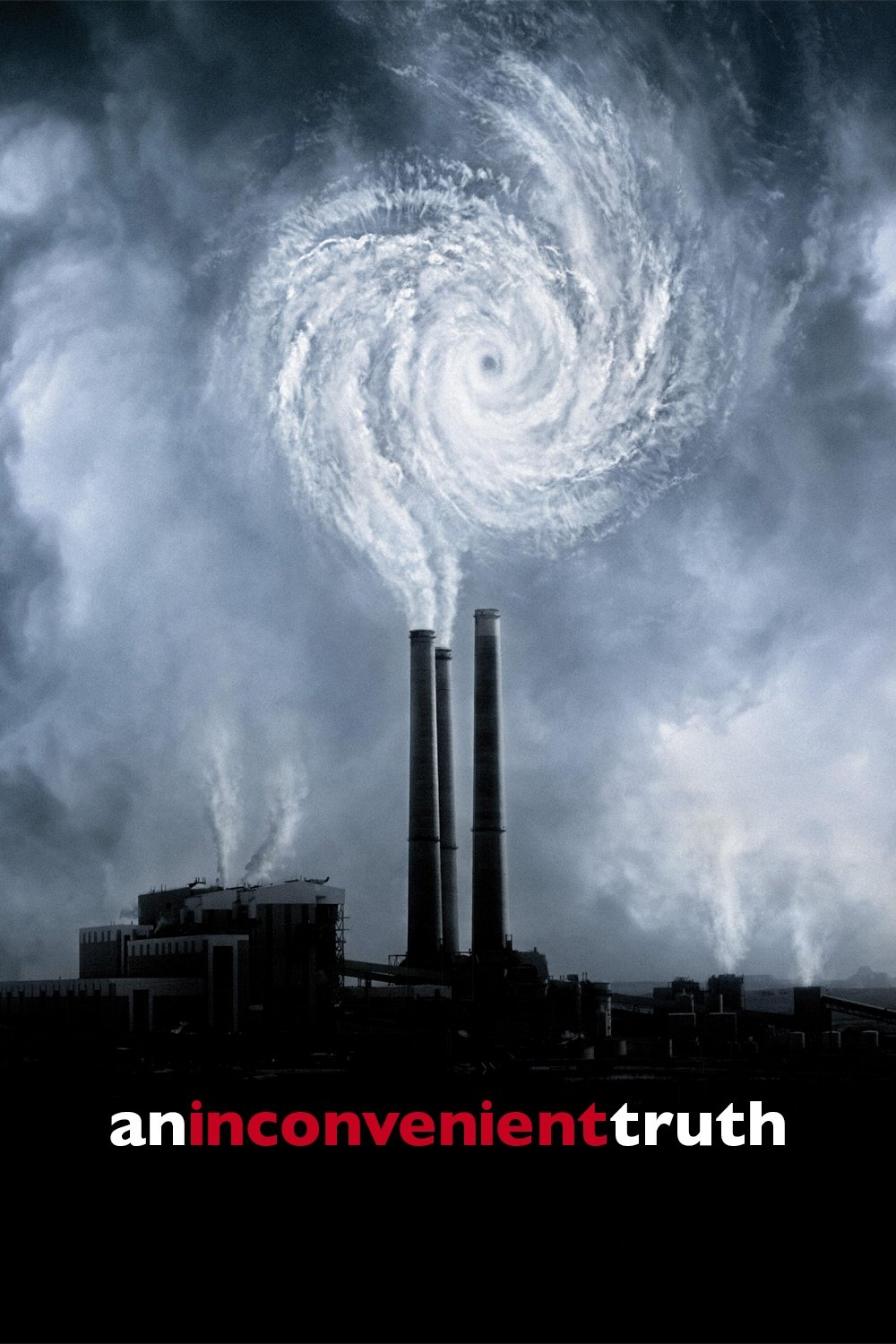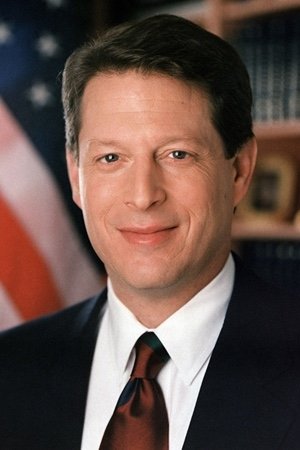
Al Gore holds our attention by explaining difficult material clearly and allowing himself the occasional joke. We rate him as a screen lecturer; An Inconvenient Truth is less persuasive when it interrupts him to insist on his sincerity.
Fi1m perspective
Al Gore explains a slide, offers the occasional joke and takes the trouble to make himself understood. In An Inconvenient Truth (2006), his schoolmasterly delivery works because he seems concerned that we should follow what he is saying. We were frightened by the slide show's account of accelerating warming: the low-key explanations gave us time to examine the visual material and recognise what it meant. The lecture holds our attention far more readily than its premise suggests, and Gore needs surprisingly little help to make it watchable.
Playing himself has also taken him into comedy, with recurring voice appearances in Futurama from 2000 and cameos in 30 Rock between 2007 and 2009. Those appearances leave room for self-mockery, a useful companion to the formality of the lectures. He has writing credits on both An Inconvenient Truth and An Inconvenient Sequel: Truth to Power (2017), which continues the documentary work.
Director Davis Guggenheim understands the value of an approachable speaker, but his admiration for Gore weakens the personal portrait. The biographical passages keep establishing a sincerity already apparent in the lecture, without telling us enough more about the man to justify the interruptions. The music by Daniel Nielsen and Michael Brook can also feel like an unnecessary instruction to take the subject seriously. Gore has already done that work through explanation, and we would rather have the time spent on a harder question or a fuller account of the material.
His humour is worth preserving because it makes the bleak material bearable without asking us to dismiss it. So is his insistence that action remains possible: there is a limit to how long an audience will listen if every explanation supplies another reason to despair. The formality can be wearing, but it is bearable when the explanation is this clear. Start with An Inconvenient Truth, and be prepared to wish Guggenheim would let the lecture continue.
Biography
Albert Arnold 'Al' Gore Jr. is an American politician, author and environmental activist who has contributed to several films and television programmes. He served as the 45th Vice President of the United States from 1993 to 2001.
Gore wrote and appeared as himself in the documentary An Inconvenient Truth (2006), directed by Davis Guggenheim. He has also voiced himself in episodes of the animated series Futurama (from 1999) and its film Futurama: Bender's Big Score (2007), and appeared as himself in 30 Rock (2006–2009).
In 2007 Gore shared the Nobel Peace Prize with the Intergovernmental Panel on Climate Change for efforts to build greater knowledge about climate change.