Al Gore’s climate lecture makes a clear, unsettling documentary, with enough wit to keep the bleak material bearable. Davis Guggenheim is less convincing when he interrupts it to explain the man delivering it.
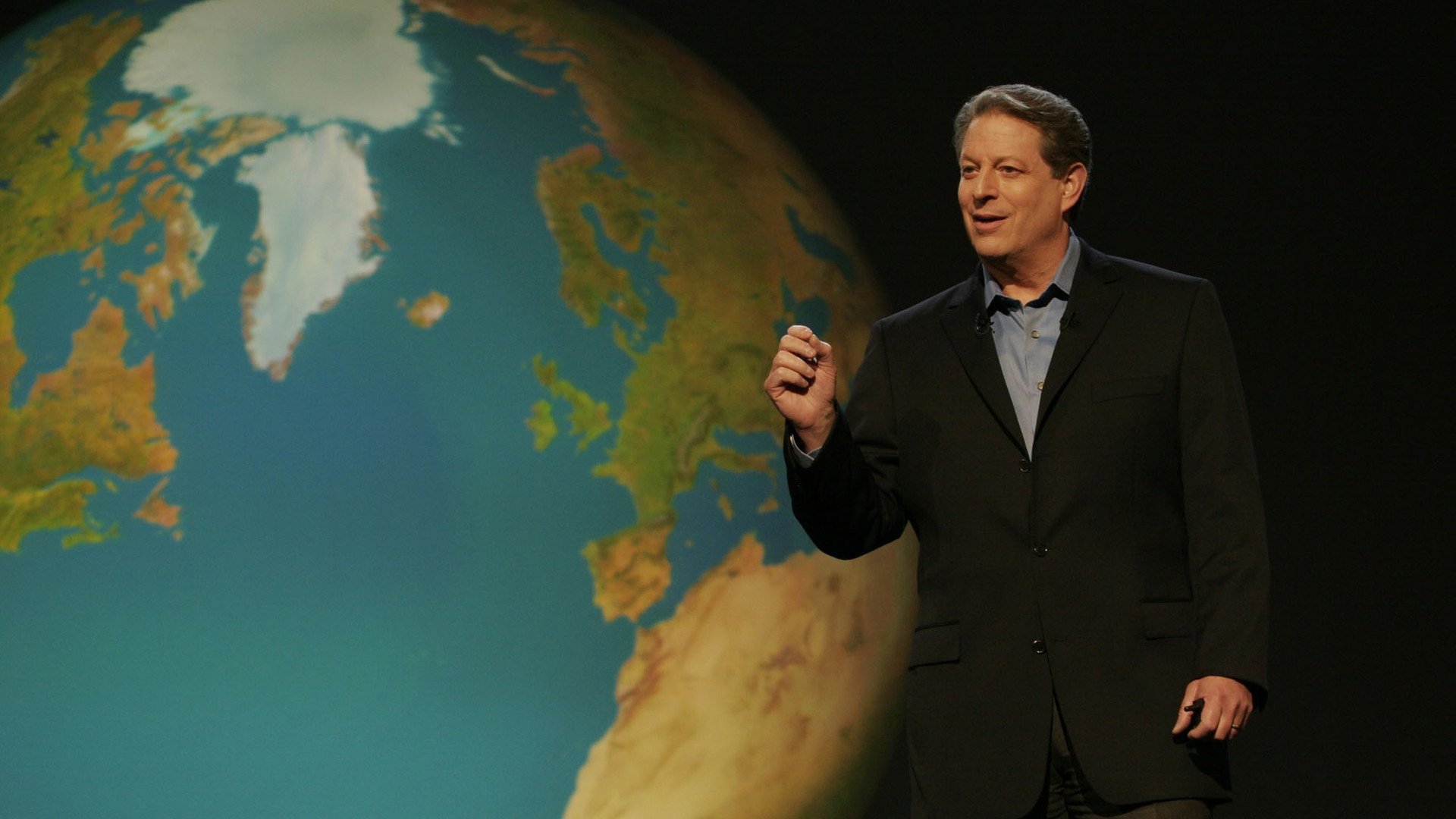
An Inconvenient Truth is a good campaigning documentary with a less convincing personal portrait attached. Davis Guggenheim builds it around Al Gore’s presentation on global warming, a premise that sounds more dutiful than diverting. The surprise is how readily the lecture holds our attention, and how little embellishment it needs. Gore explains, illustrates and occasionally makes a joke, trusting that an audience will stay with a serious subject if someone takes the trouble to make it intelligible. For much of the film, that trust is justified.
Gore’s delivery has a schoolmasterly formality, but he seems interested in whether we have understood, which makes the formality bearable. His humour offers some relief without making light of the subject or apologising for asking us to concentrate. We were frightened by his slide show’s account of accelerating warming. The low-key explanations make us attend to what he is describing, and the visual material gives us something to examine while he talks. He gives the information time to trouble us.
Robert Richman and Guggenheim’s cinematography is useful precisely because it does not compete with the presentation. The visual material is clear enough to study, and following an explanation feels like a worthwhile use of a cinema screen. Editors Dan Swietlik and Jay Cassidy keep the lecture moving without making it seem impatient with its subject. There is satisfaction in being taken carefully through a difficult idea, and the cutting preserves that satisfaction. At 100 minutes, the film gives the lecture enough space to develop.
The personal material is less persuasive. Guggenheim brings in Gore’s history to explain his commitment, but these passages do too little to deepen our understanding of the man. His sincerity is plain already; returning to it uses time that might have gone to a harder question or a fuller explanation. The music by Daniel Nielsen and Michael Brook can feel like an unnecessary prompt to take the subject seriously. None of this wrecks the documentary, though it makes the interruptions to the lecture feel longer than they need to be.
A campaigning documentary is entitled to try to persuade us, and this one is admirably open about doing so. Gore’s explanation of the science and his frustration with political resistance belong in the same film, because the question being asked is what to do about the information. His insistence that action is possible also matters: an audience given only reasons to despair can quite reasonably stop listening. Guggenheim understands the value of an approachable speaker, although his admiration for Gore leaves the biographical passages short of scrutiny.
There is enough humour here to make this a sensible evening’s viewing rather than an act of civic penance. It asks for concentration, and rewards it with a clearer grasp of why Gore thinks action cannot wait. If the prospect of a filmed lecture puts you off, give this one a chance; the lecture is the part that works.