Godfrey Reggio makes the strain of modern life absorbing to watch, with Ron Fricke’s photography and Philip Glass’s music doing the difficult work. The ecological case is thin, but the pleasure and unease are worth staying with.
Godfrey Reggio’s Koyaanisqatsi is a compelling film with a rather blunt view of what has gone wrong with modern life. Its 86 minutes bring natural landscapes and urban development into a comparison that can feel settled before we have begun looking. Yet the images keep giving us reasons to look more closely, and Philip Glass’s music makes that looking pleasurable even when the subject is troubling. The film asks for sustained attention without providing a conventional narrative.
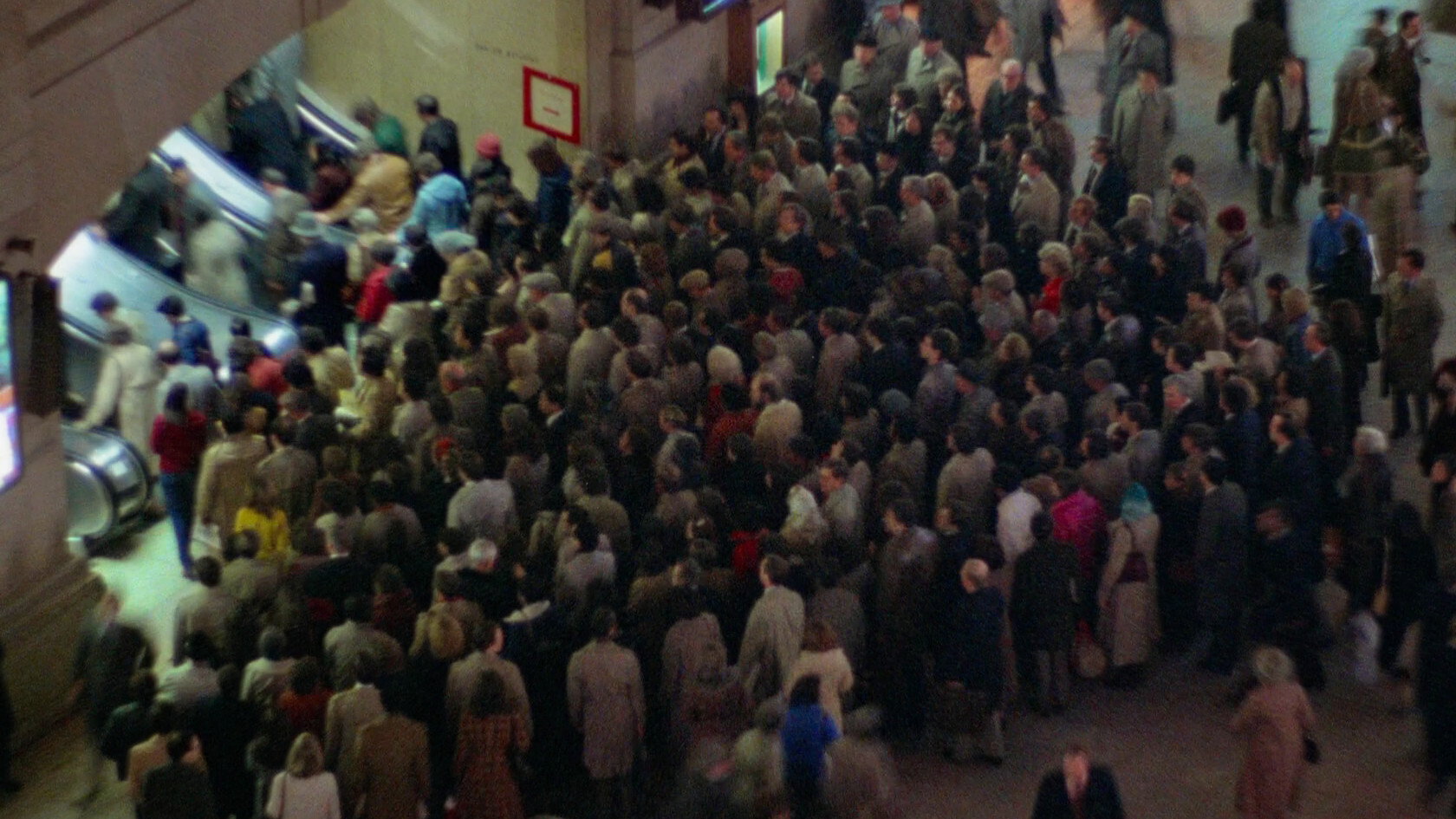
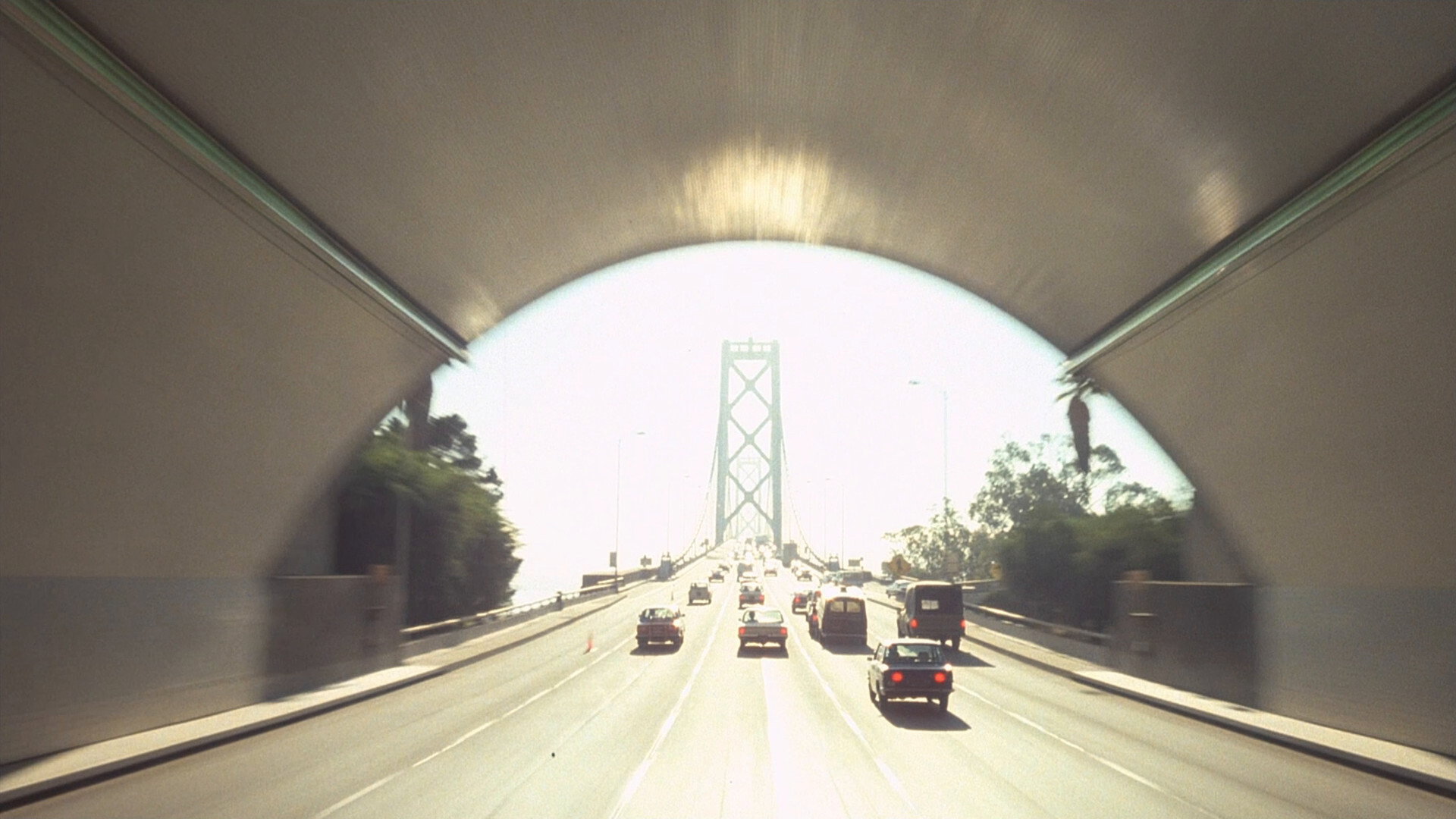
Ron Fricke’s time-lapse photography is crucial because it changes what we notice about movement. At this speed, urban activity becomes a pattern before we can consider the separate actions that produce it. We were exhilarated by those accelerated city images, then uncomfortable with how readily we enjoyed a view of modern life that the director presents as troubling. The photography leaves us looking for order even in the urban decay.
Philip Glass supplies much of the energy, and the score deserves attention of its own. Its persistence can make contemplation feel urgent; we find ourselves wanting the images to keep moving even while considering the environmental cost of all this activity. Music this forceful risks telling us what to feel, and there are passages where it seems to settle our response before we have looked properly. More often, the pleasure of listening makes us stay with images we might otherwise have decided we understood.
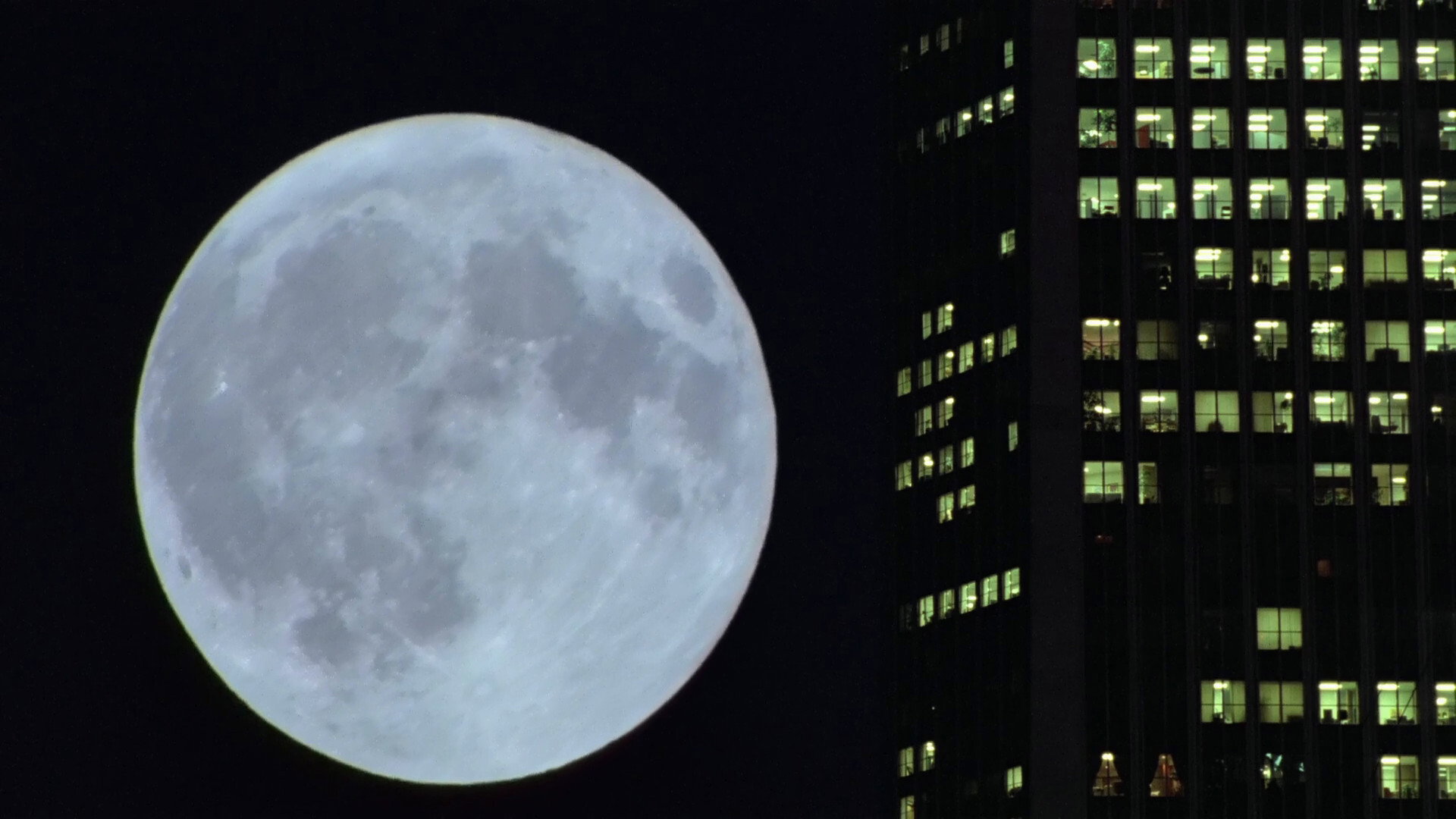
The editing by Ron Fricke and Alton Walpole matters just as much as the individual images. Placing nature and urban development together invites an easy judgement, and the cutting sometimes makes that judgement for us. What works better is the chance to notice how movement connects images whose subjects appear opposed. As a documentary, Koyaanisqatsi is strongest when it encourages that sort of looking, allowing us to consider what we have seen without needing to agree with every implication.
The limitation is the suggestion that nature is innocent and the city is where the trouble starts. Godfrey Reggio makes the contrast forcefully, but it remains a broad judgement about an enormous subject. We can accept the environmental concern without accepting that urban life is adequately described by its damage, or that natural beauty explains how we should live. The images cannot tell us whose choices produced the damage they show.
Most critics disagree with our enthusiasm. The consensus is mixed, with objections clustering around the simple environmental message and the film’s attraction to the technology it questions. We think that gives the message too much weight when judging the film: the photography and music sustain interest well beyond the point at which the comparison has become clear. Its broad judgements did not stop us finding more to notice in the images as we watched.
Give it a large screen and enough volume for the music to do its work. Anyone hoping for a detailed account of how cities function should choose a different documentary. Watch it when you can leave the phone in another room.