Dziga Vertov’s silent record of a Soviet city from waking to bedtime is the quickest 68 minutes in the documentary canon, and most of its tricks have not been bettered. Its politics have dated; its cutting has not.
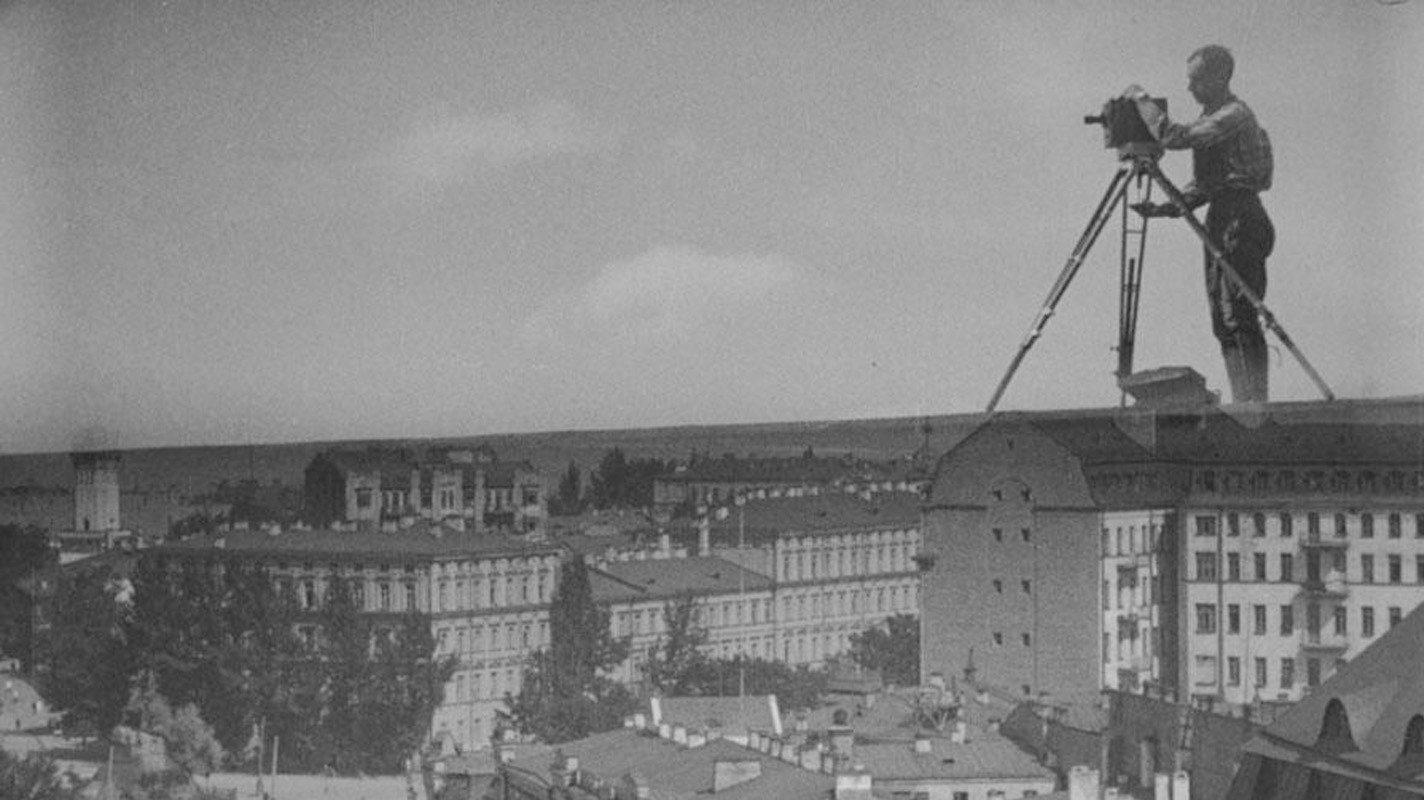
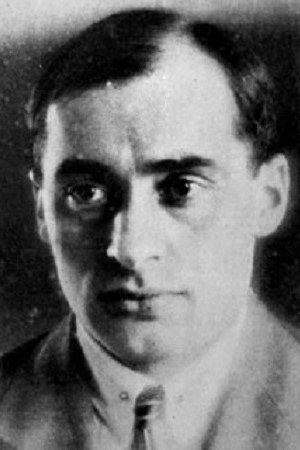
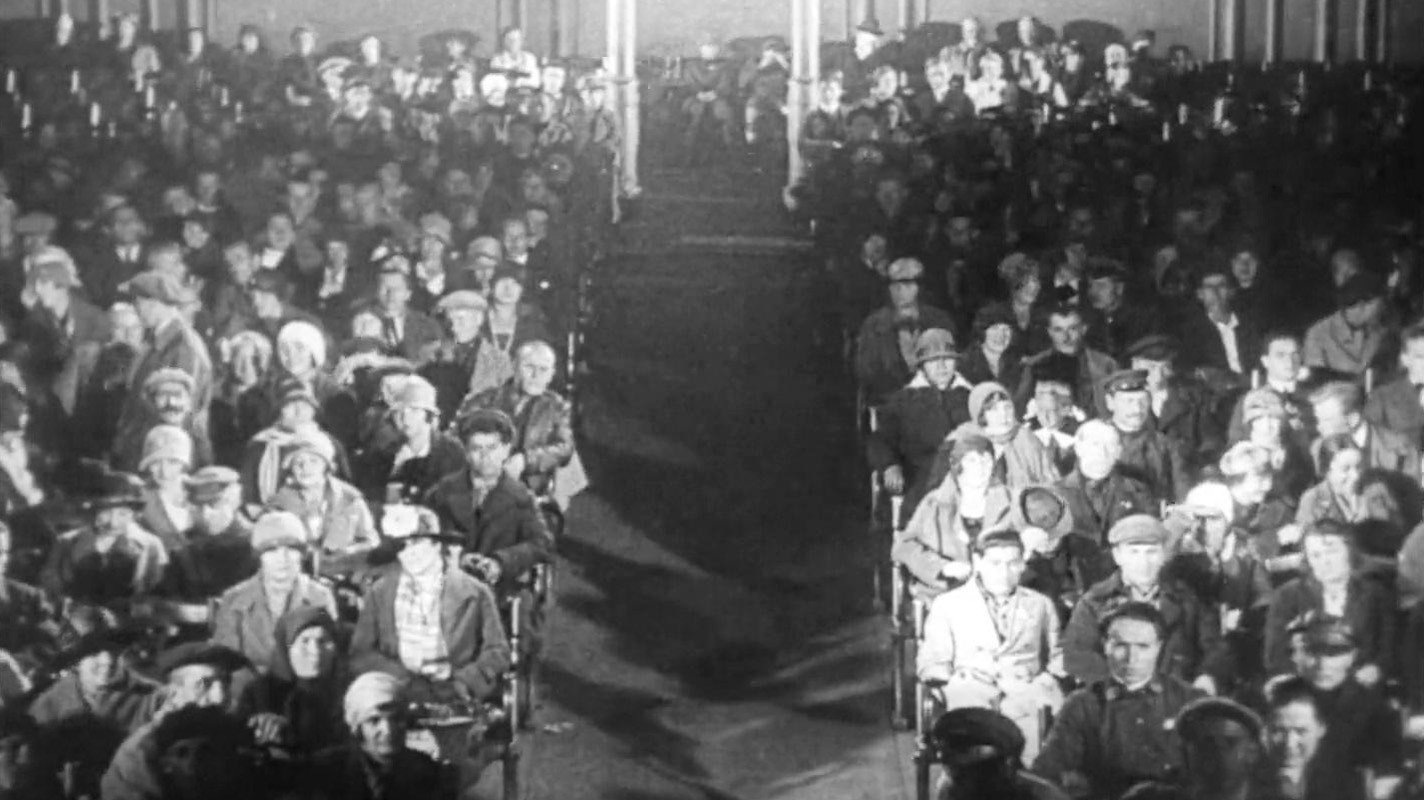
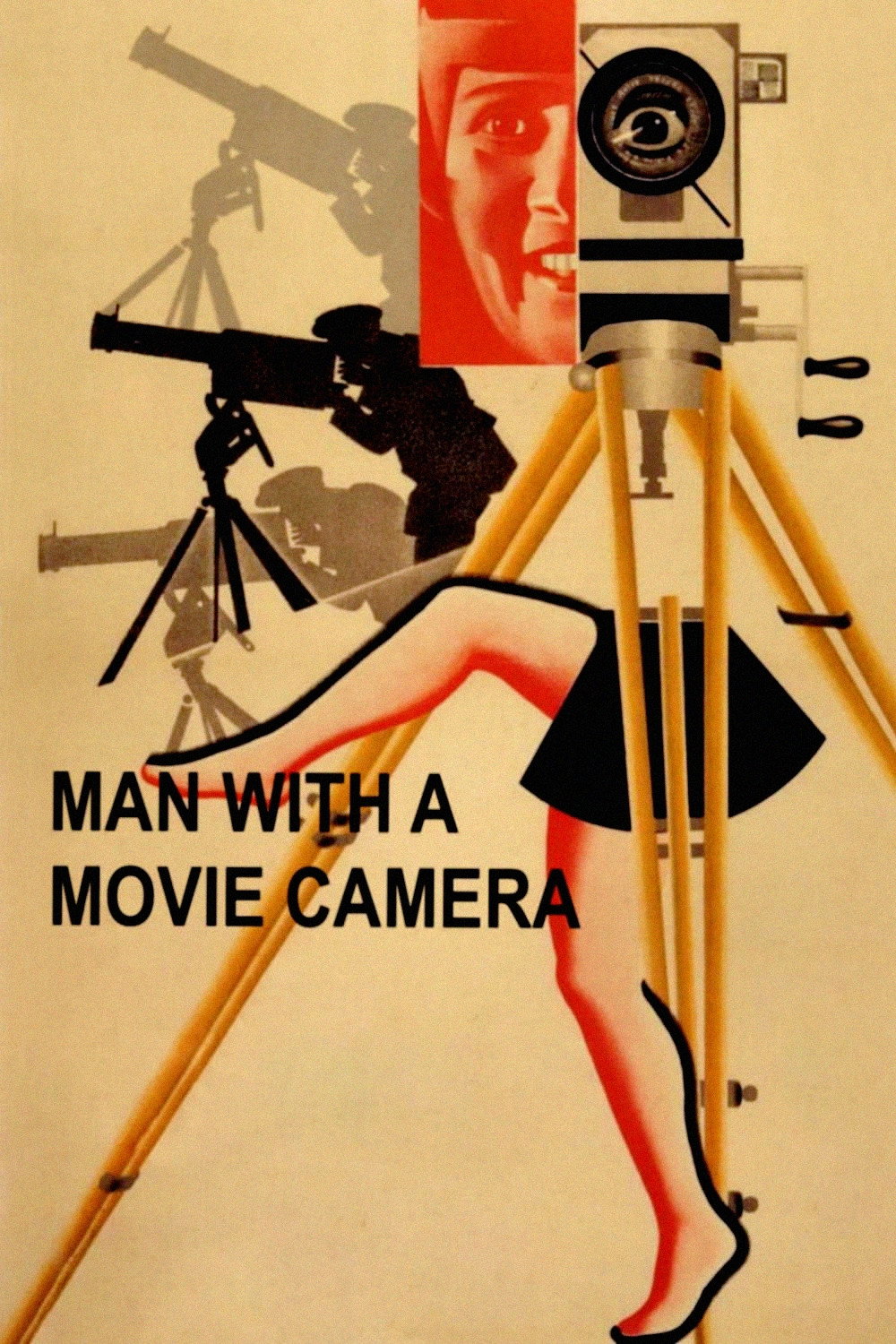
Dziga Vertov opens with a run of title cards explaining what we are about to see: an experiment in filming real life with no story, no actors, no sets and no further titles. He then keeps his word for 68 minutes. What follows is a day in a Soviet city, assembled from footage shot in Kyiv, Kharkiv and Odesa and cut to look like one place, from a woman waking in her bed to a crowd leaving a cinema at night. The nearest thing to a character is a man in a flat cap with a tripod on his shoulder, played by Mikhail Kaufman, who also shot most of it and is credited as The Cameraman.
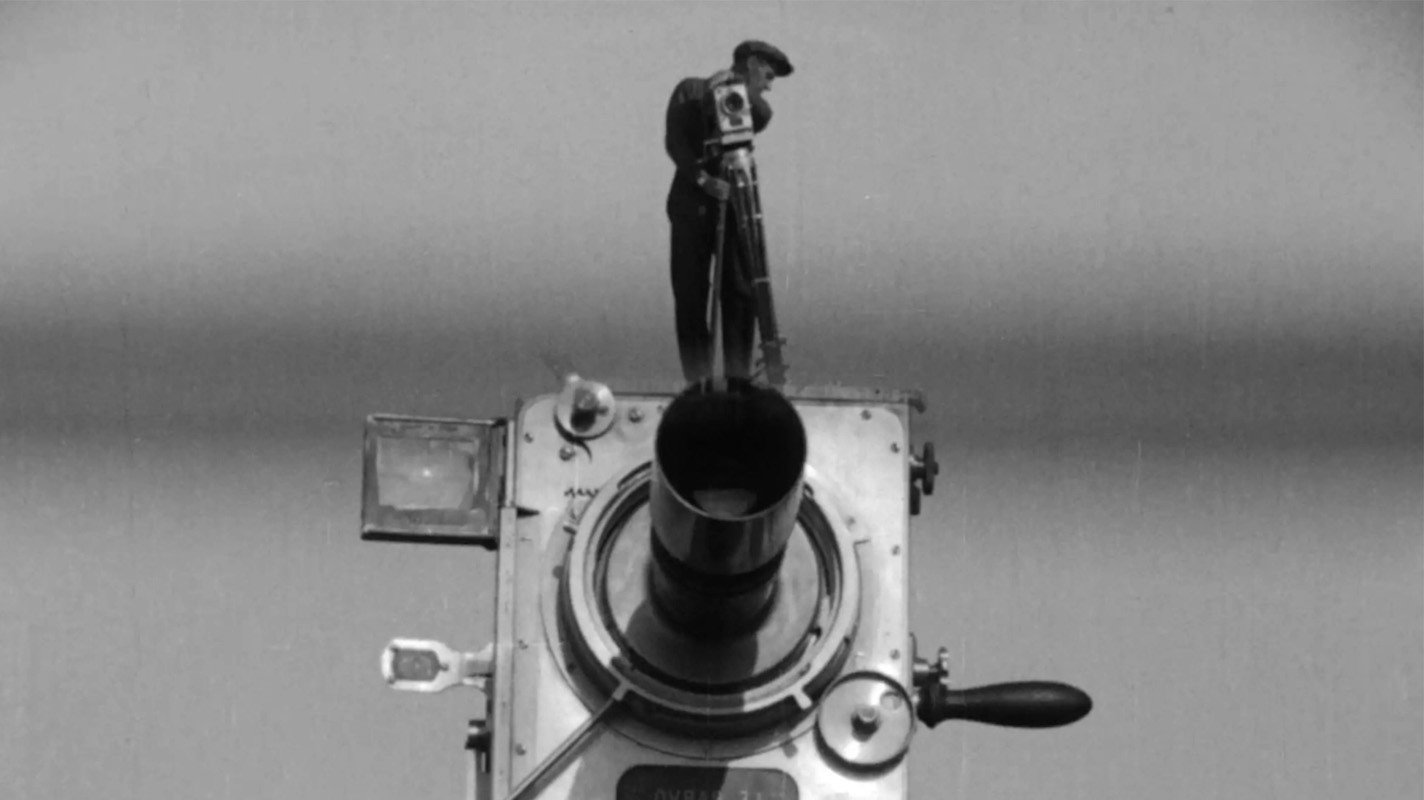
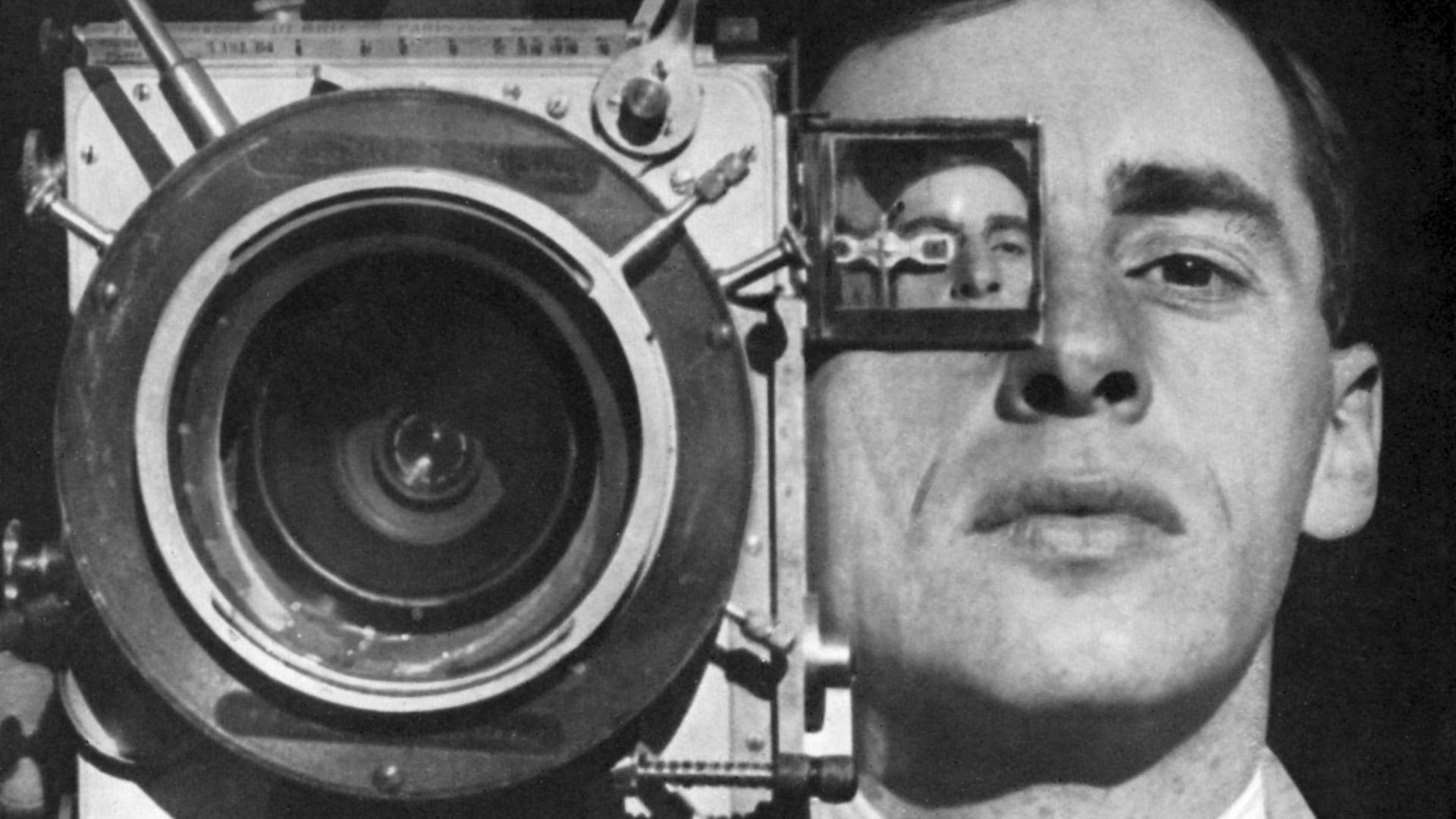
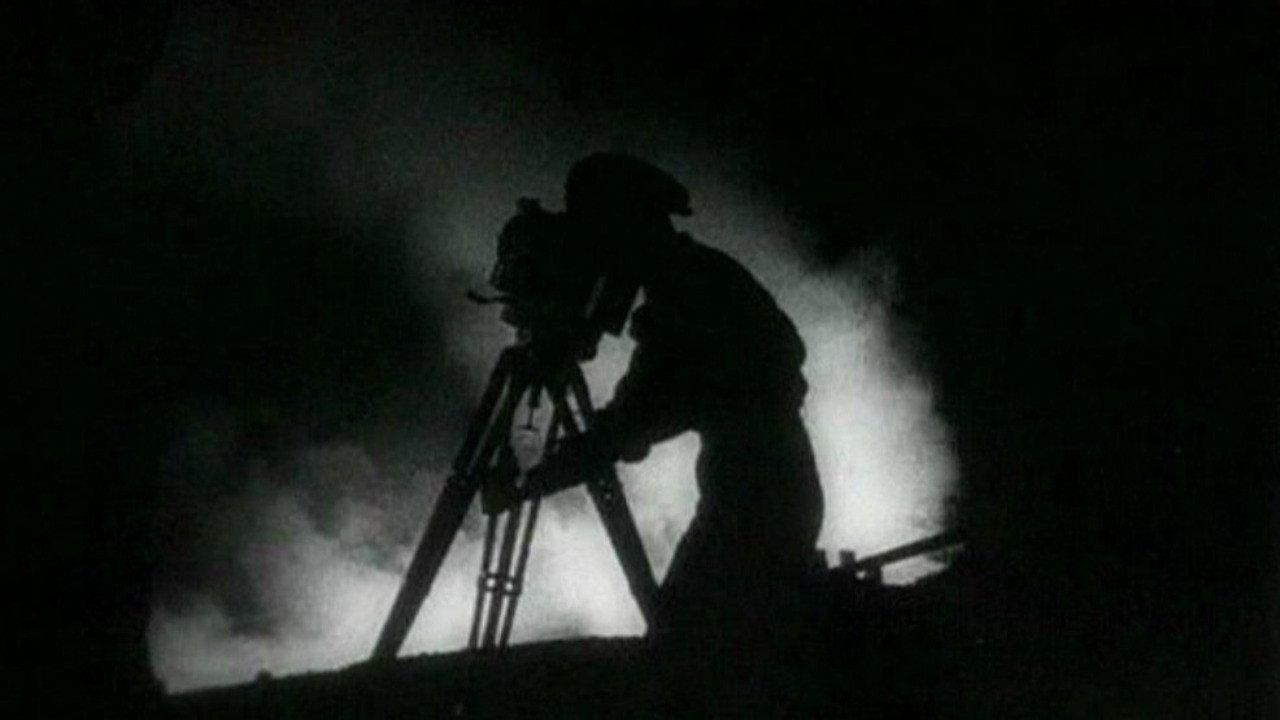
Kaufman is the reason the film still looks dangerous. He lies flat between tram rails and lets the tram pass over the lens. He bolts the camera to a moving car and films a carriage from the road at full tilt, then swings round to film the passengers laughing at him. He rides a mine bucket, climbs a chimney, hangs from a bridge. Gleb Troyanski is credited alongside him, and between them they try every trick a hand-cranked camera allows: double exposure, split screen, a tripod that walks across a stage on its own, athletes slowed until a high-jumper hangs in the air with time to think. Most of these shots would still need a permit and a lawyer.
The editor is Elizaveta Svilova, and Vertov puts her in the film. We see her at a bench with strips of celluloid pinned above her, holding frames up to the light, and then the film shows us what she does with them: a galloping horse stops mid-stride, a child’s face stops mid-laugh, and we are shown the stopped frames as strips in her hand before she sets them running again. It is the plainest lesson in how films are made that we know of. Her cutting gets quicker as the day does. By the last reel she is down to single frames, and trams, typewriters, machine parts and spinning reels go past faster than the eye can sort them.
We should say what it did to us. Halfway through, Svilova cuts between a wedding being registered and a divorce being registered at the same sort of desk, then between a funeral procession and a woman in labour, and the birth is shown, all of it, without a cutaway. We were not ready for that. We sat forward, and the film went straight on to the next thing as though it had shown us a tram. Later, in the final rush, we noticed we were breathing quickly. It is an advertisement for Soviet productivity and it had our pulse up anyway, which we found slightly embarrassing and entirely to its credit.
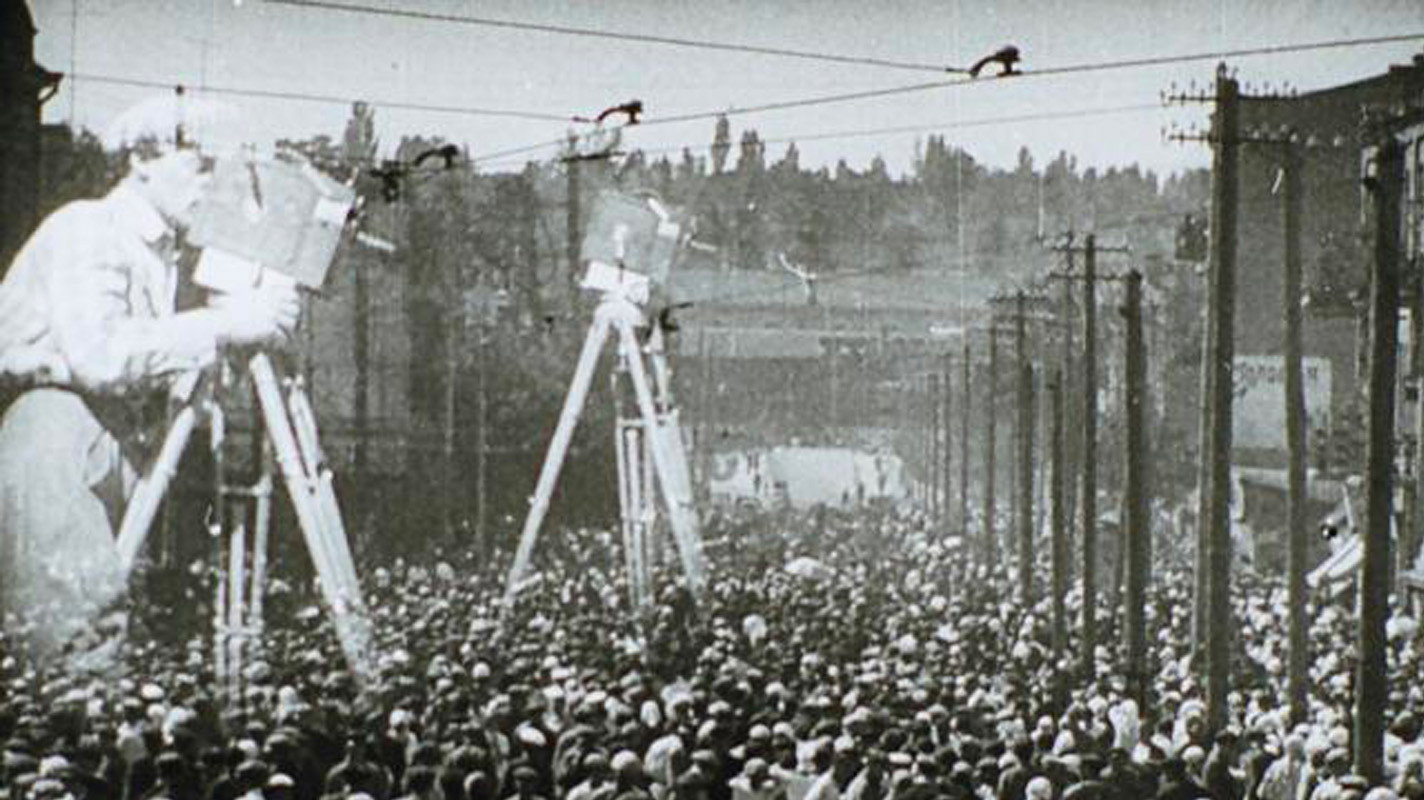
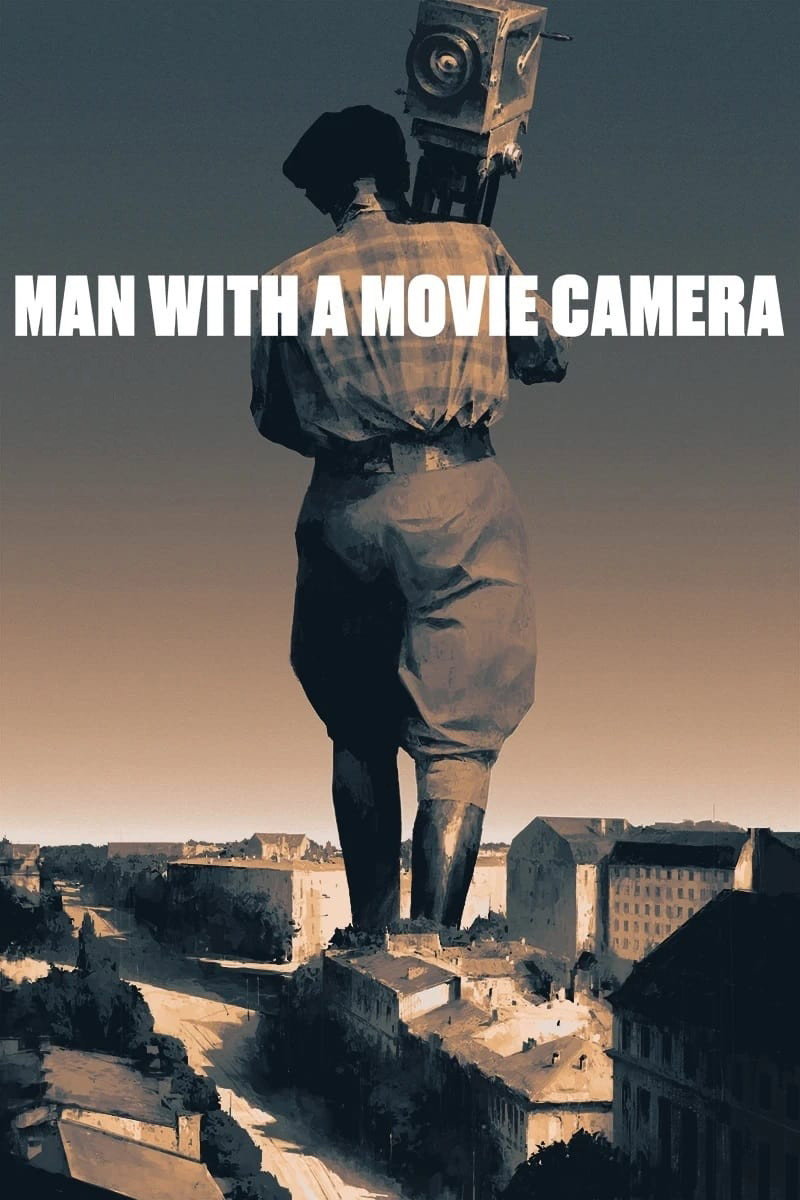
It is not all that good. The middle stretch, in the factories and the mine, makes the same point about labour a dozen times, and the smiles of the women at the cigarette-packing machines are carrying a lot of it. The beach passage, with the sunbathers and the mud baths, runs a few minutes past its usefulness. The trickery sometimes becomes the point: the cameraman superimposed to giant size and striding above a crowd is funnier the first time than the third. And this is a city where nobody minds being filmed, which was not the Soviet Union of 1929.
The film is silent, and any copy you find will come with somebody’s music; one much-circulated version carries a Michael Nyman score. The pictures already hurry. Music that hurries them further can leave you worn out by the half-hour mark, so if there is a choice, take the quieter one.
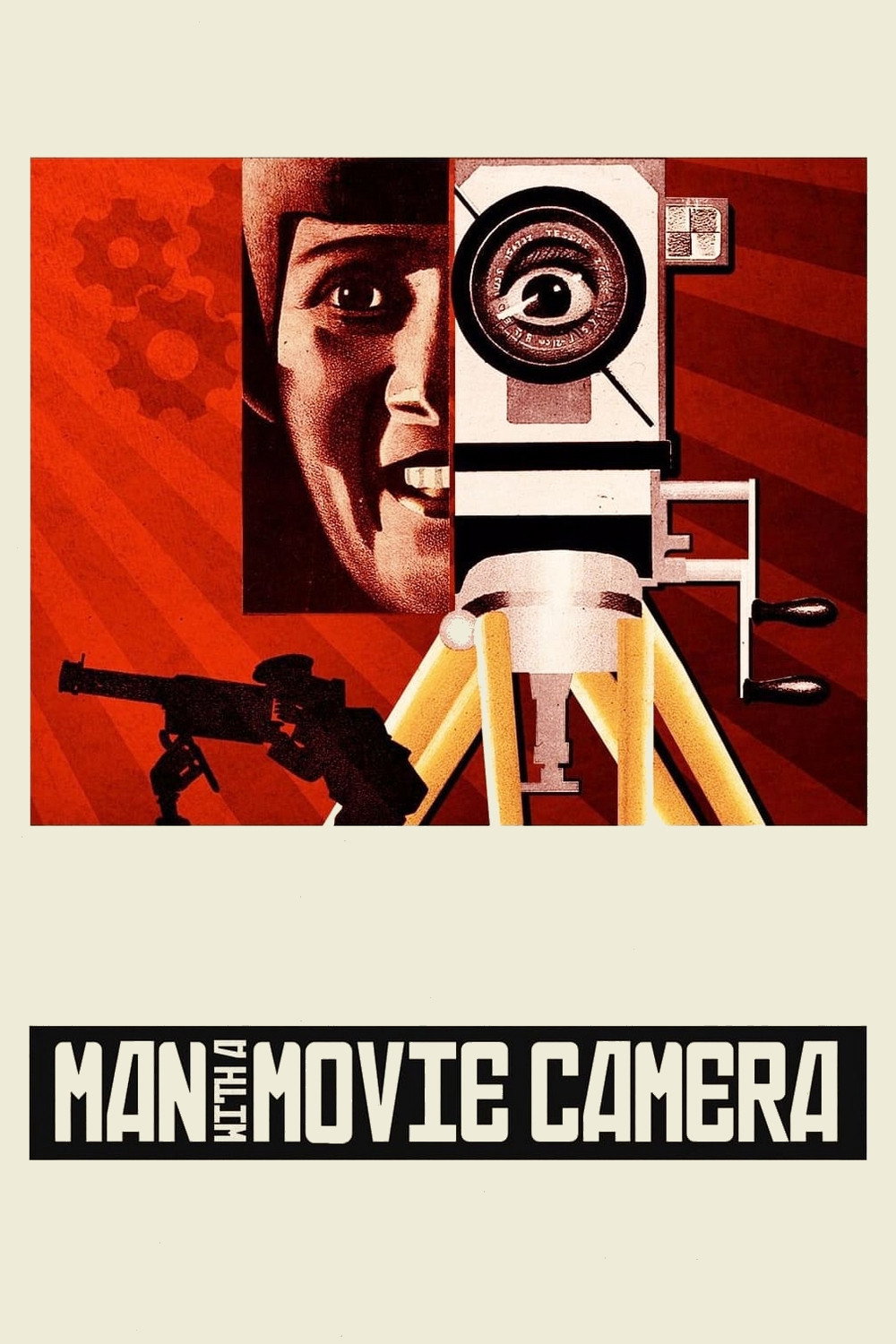
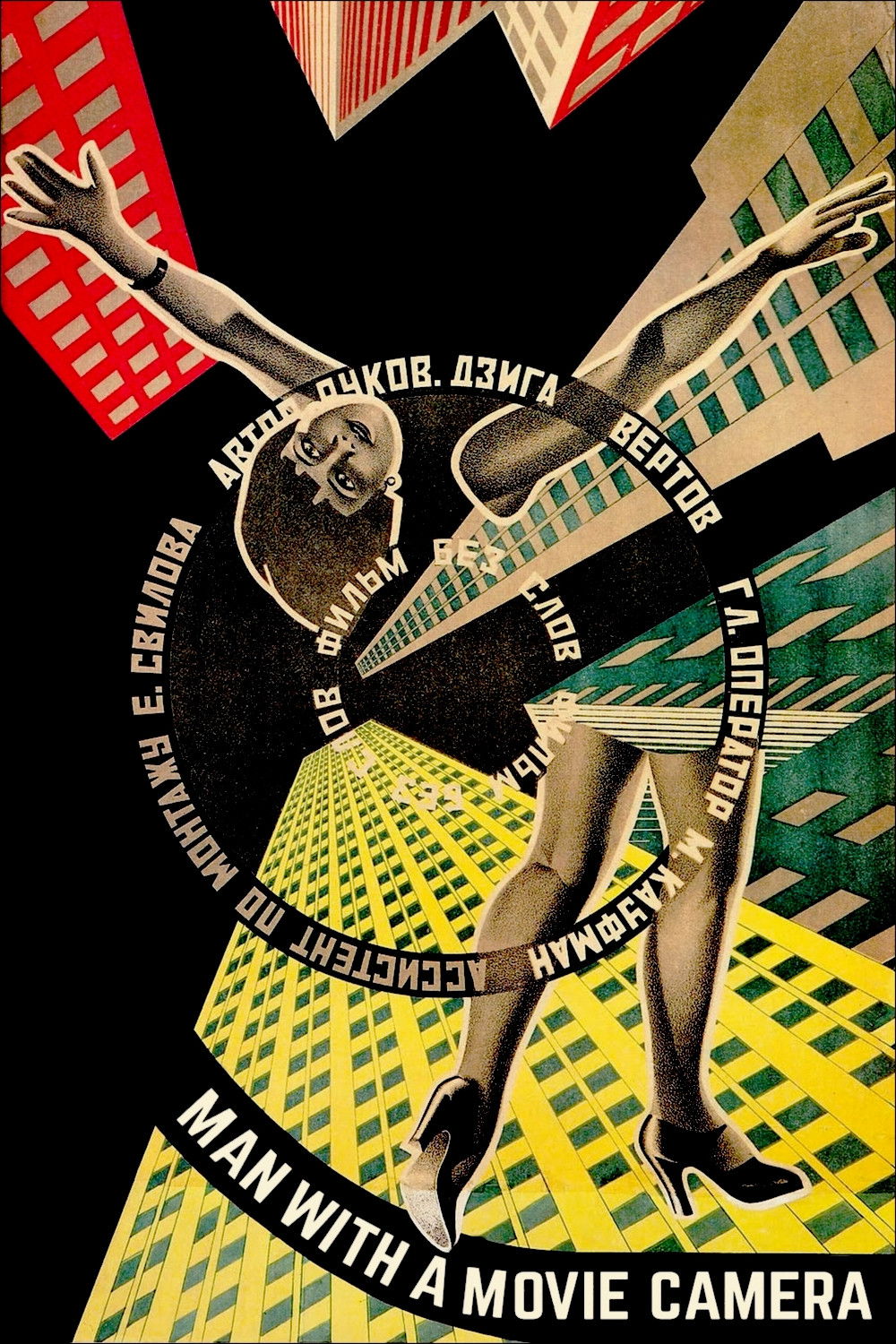
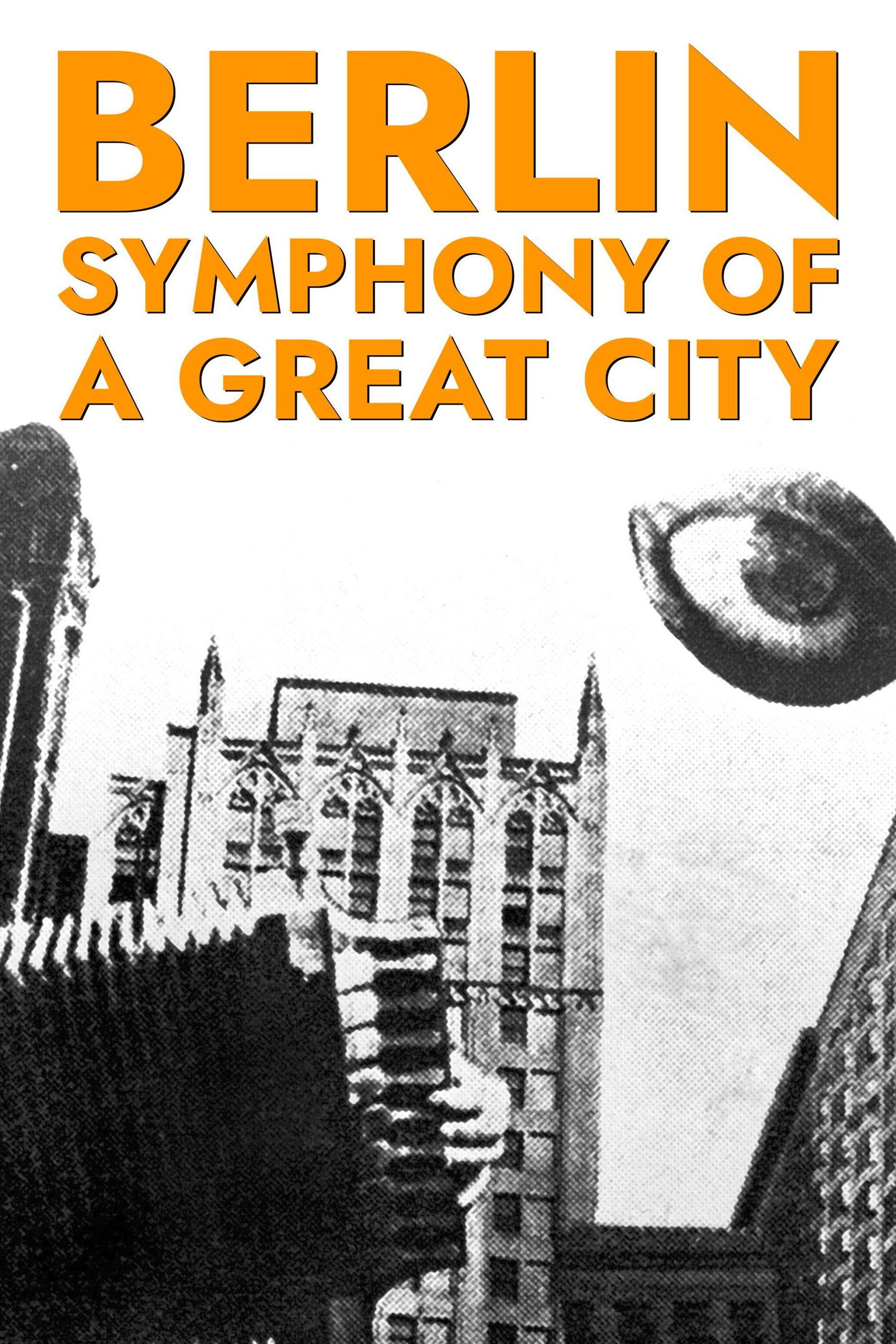
Walter Ruttmann had made Berlin: Symphony of a Great City two years earlier, and it is the more graceful film. This is the cheekier one and the one later documentaries keep borrowing from, because it films the people who filmed it. The poster for the restoration that reached British cinemas on 31 July 2015 calls it the greatest documentary ever made, which is not a phrase we use. We understand the temptation. It asks 68 minutes of your evening, and you will spend a fair share of them wondering how a man with a tripod got up there.