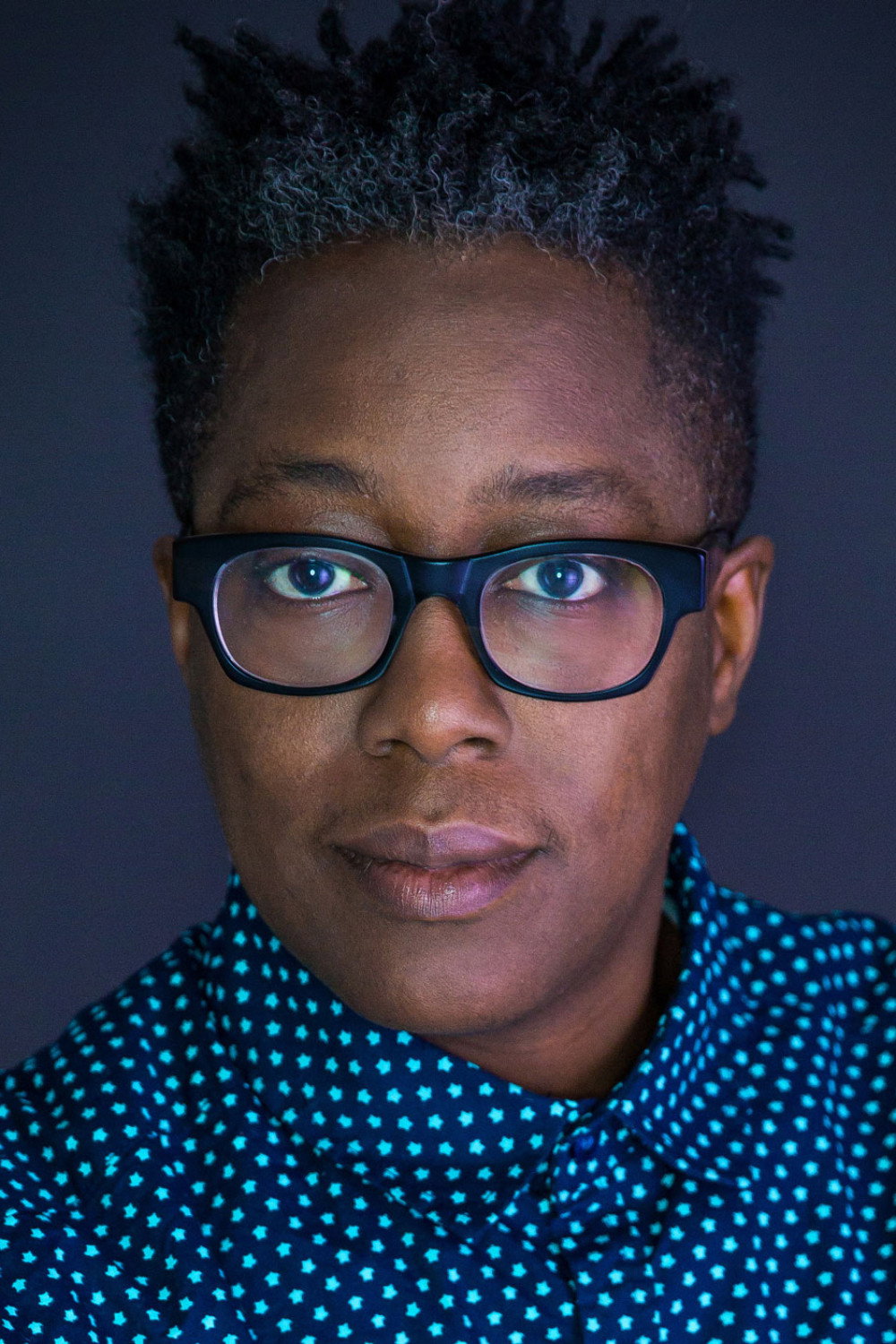
Cheryl Dunye made her name by stepping in front of her own camera and mixing what happened to her with what she made up. Television has since borrowed her for other people's stories, and we have yet to see the episode that is unmistakably hers.
Fi1m perspective
For the first decade of her career, Cheryl Dunye's habit was to step in front of her own camera and tell us she was making a film. Her early shorts, from the early 1990s, put documentary footage and personal testimony next to invented scenes and let the joins show, and she gave the method a name: the dunyementary. The Watermelon Woman (1996), which she wrote, directed and starred in, did the same at feature length, a story about Black lesbian life and film history in which the woman searching the archive is played by the woman who made the film. We have not reviewed it, so we will not weigh it here, but it is the film she is known for and the reason most readers are on this page.
What followed was a career in two halves. Stranger Inside (2001), a drama about women in prison, kept her in the independent world; My Baby's Daddy (2004), a studio feature, was poorly reviewed and is the one entry nobody brings up. Then in 2017 she went into television, directing episodes of Ava DuVernay's Queen Sugar, and has stayed there since: Lovecraft Country, Bridgerton, The Umbrella Academy and a good many others. It is steady, skilled work, and it is other people's.
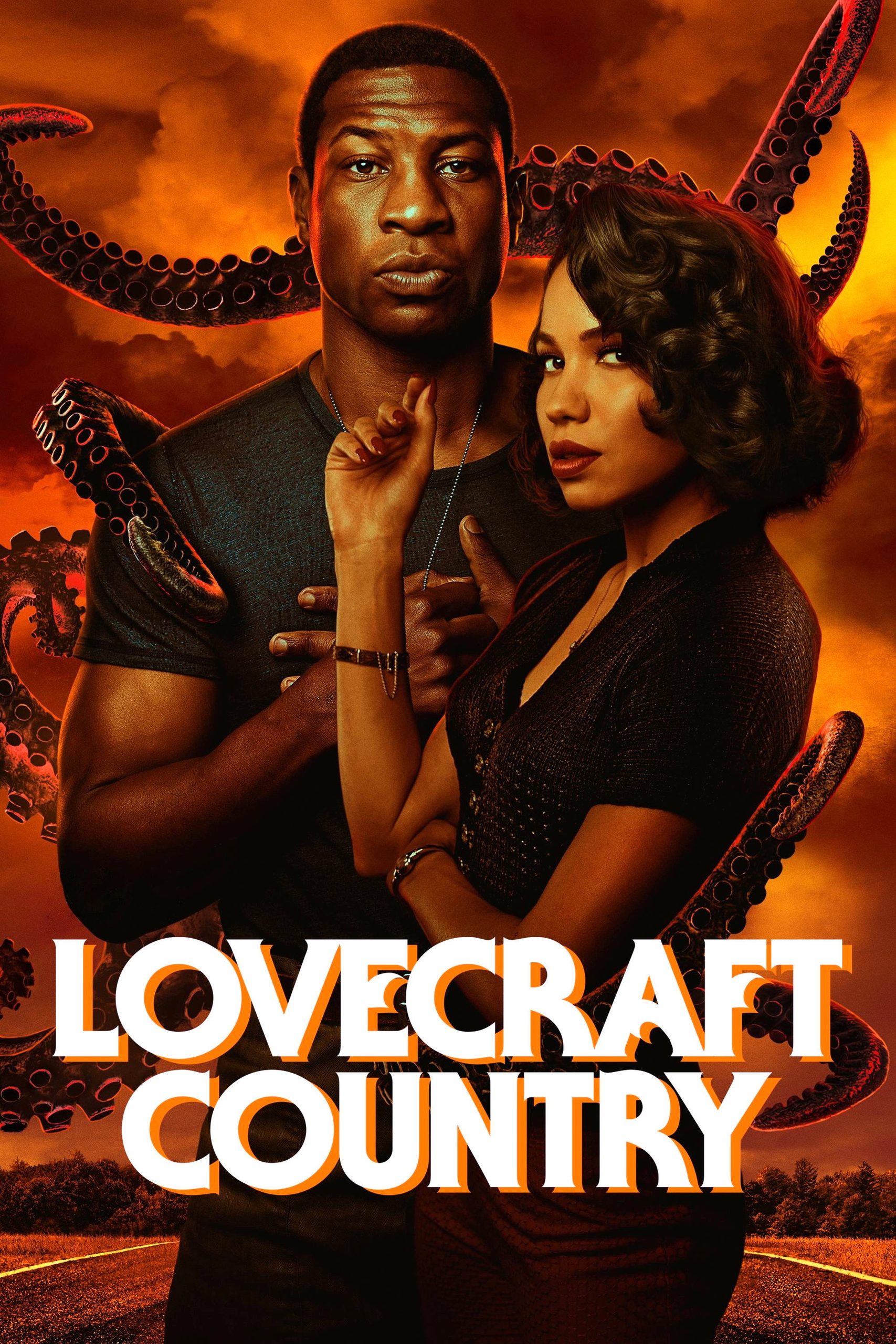
That is the difficulty in writing about her now. We scored Lovecraft Country (2020) a 74 and called its first episode the most frightening hour of horror television in years and the series as a whole among the busiest. We were frightened for an hour and then, for the best part of nine more, merely kept occupied, and the gap between the two bothered us. Dunye directed one episode, "Strange Case", which turns on shapeshifting and on what a change of skin does to race, gender and the self, the natural home for a director who has spent a career on identity and who told an interviewer, "I'm queer, I know cinema, I know Blackness." Our review did not single her out. On a show that crowded, no one director's hand is easy to find, and that says more about episodic television than about her.
So the honest position is this. Her reputation rests on a film she made almost entirely herself, in which mixing the real and the invented was the whole idea. The television work is honourable and largely anonymous, as television directing is built to be, though four titles with DuVernay suggest she has found a producer who wants what she brings. We would like to see her next feature: hers from the first frame, camera turned round, joins showing. Until then, watch Lovecraft Country for its opening hour and stay for "Strange Case", which is the one episode where the show's interests and hers are the same.
Biography
Cheryl Dunye is a director, producer, screenwriter, editor and actress. Born on 13 May 1966 in Monrovia, Liberia, she grew up in Philadelphia. She holds a BA from Temple University and an MFA from Rutgers University’s Mason Gross School of the Arts.
Dunye began her career with short films that mixed documentary and fiction, a style she has called 'dunyementaries'. Her debut feature The Watermelon Woman (1996), which she wrote, directed and starred in, was the first narrative feature directed by an out Black lesbian. She has since directed the features Stranger Inside (2001), My Baby's Daddy (2004), The Owls (2010) and Mommy Is Coming (2012).
Dunye has directed episodes of numerous television series, including Queen Sugar, Dear White People, Bridgerton, The Umbrella Academy, You, Manifest and Lovecraft Country (2020). She founded the production company Jingletown Films in Oakland, California.