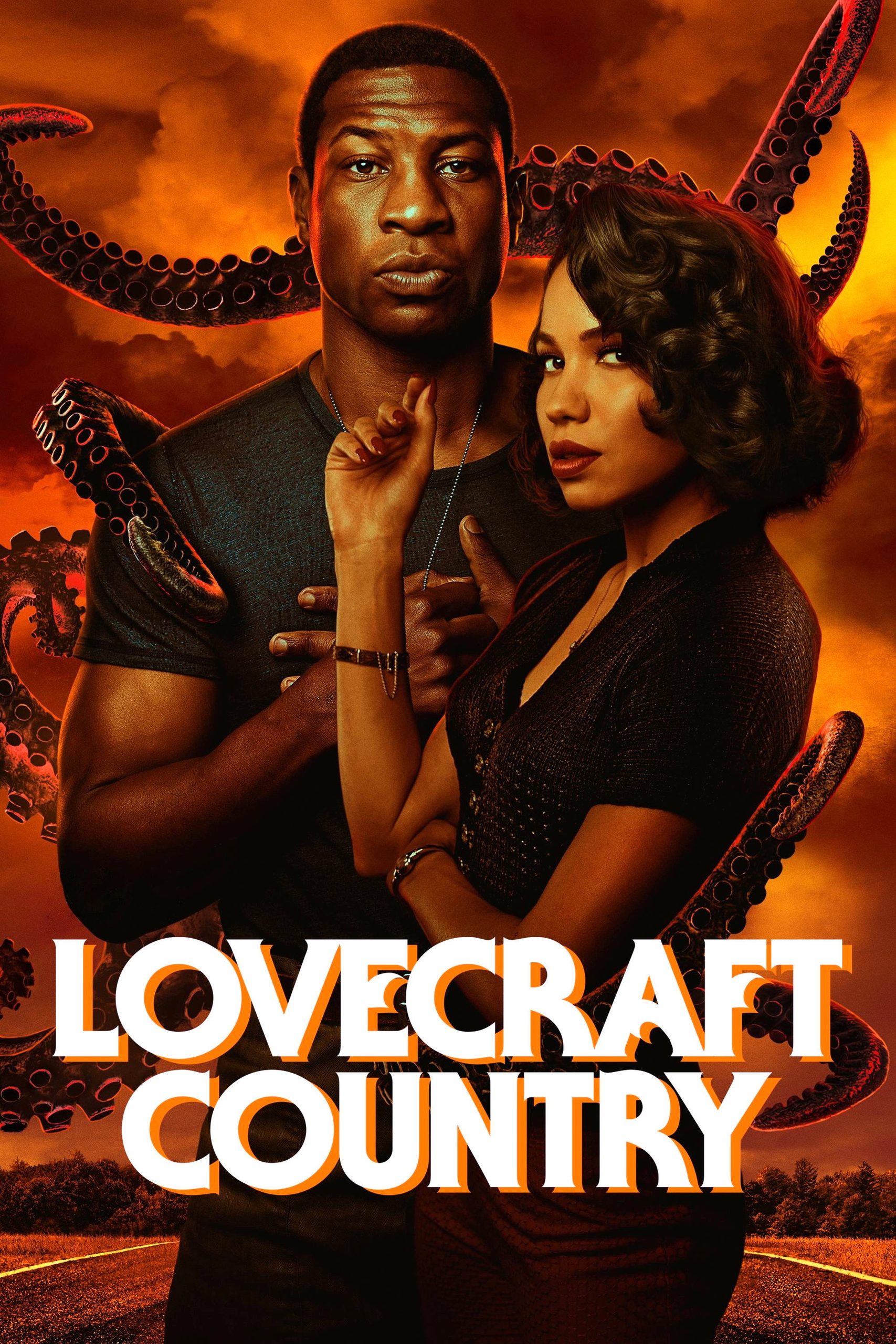
Misha Green’s adaptation of Matt Ruff’s novel starts as the most frightening hour of horror television in years and ends as ten of the busiest. We recommend it, with a warning: the first episode sets a standard the rest cannot keep.
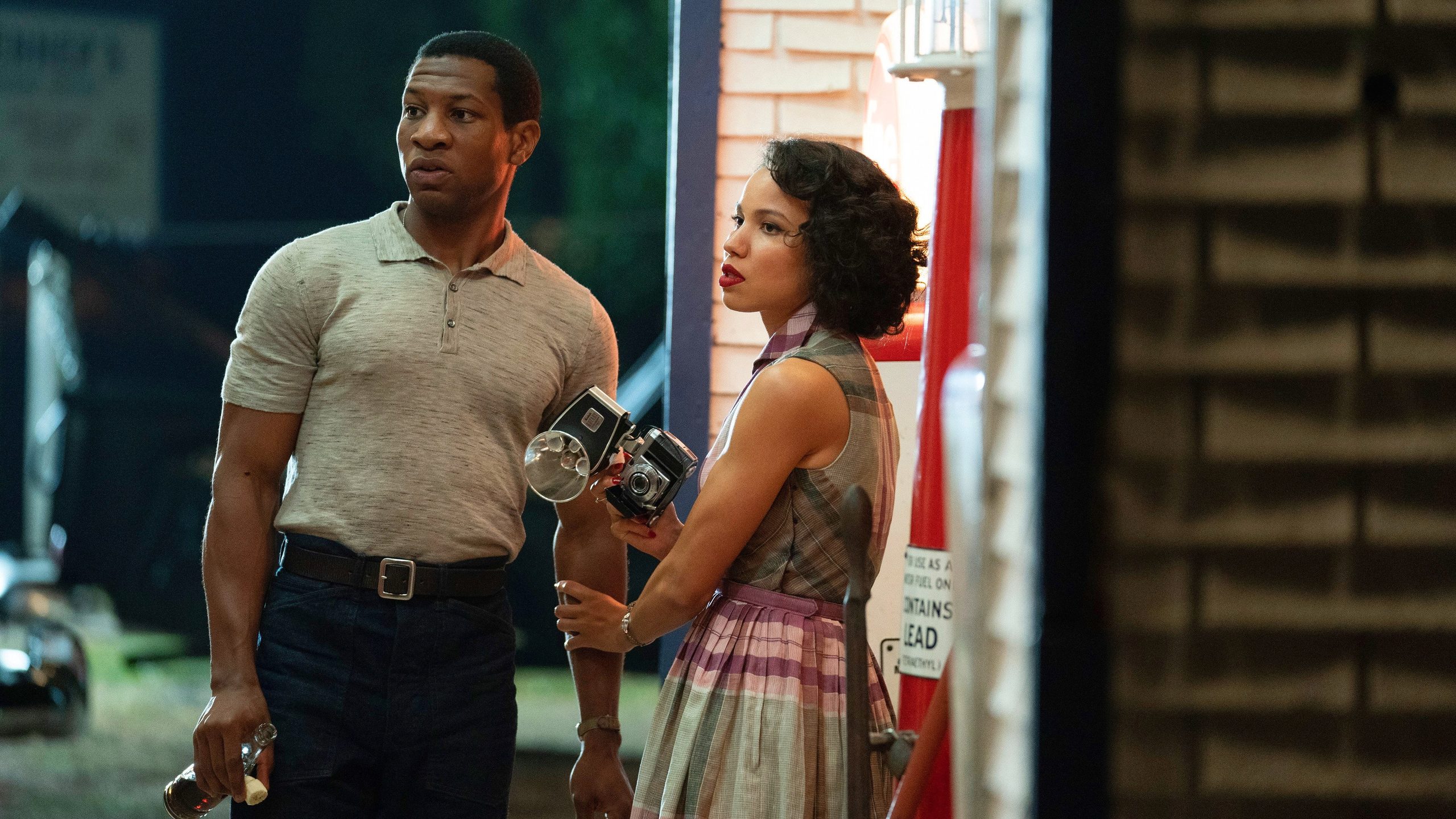
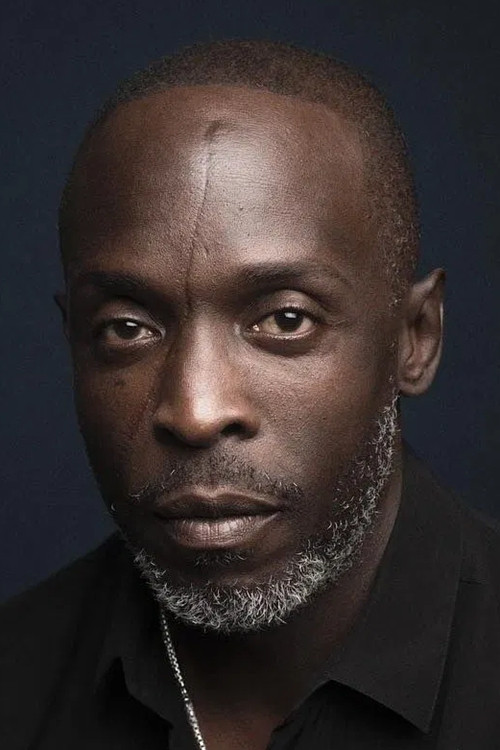
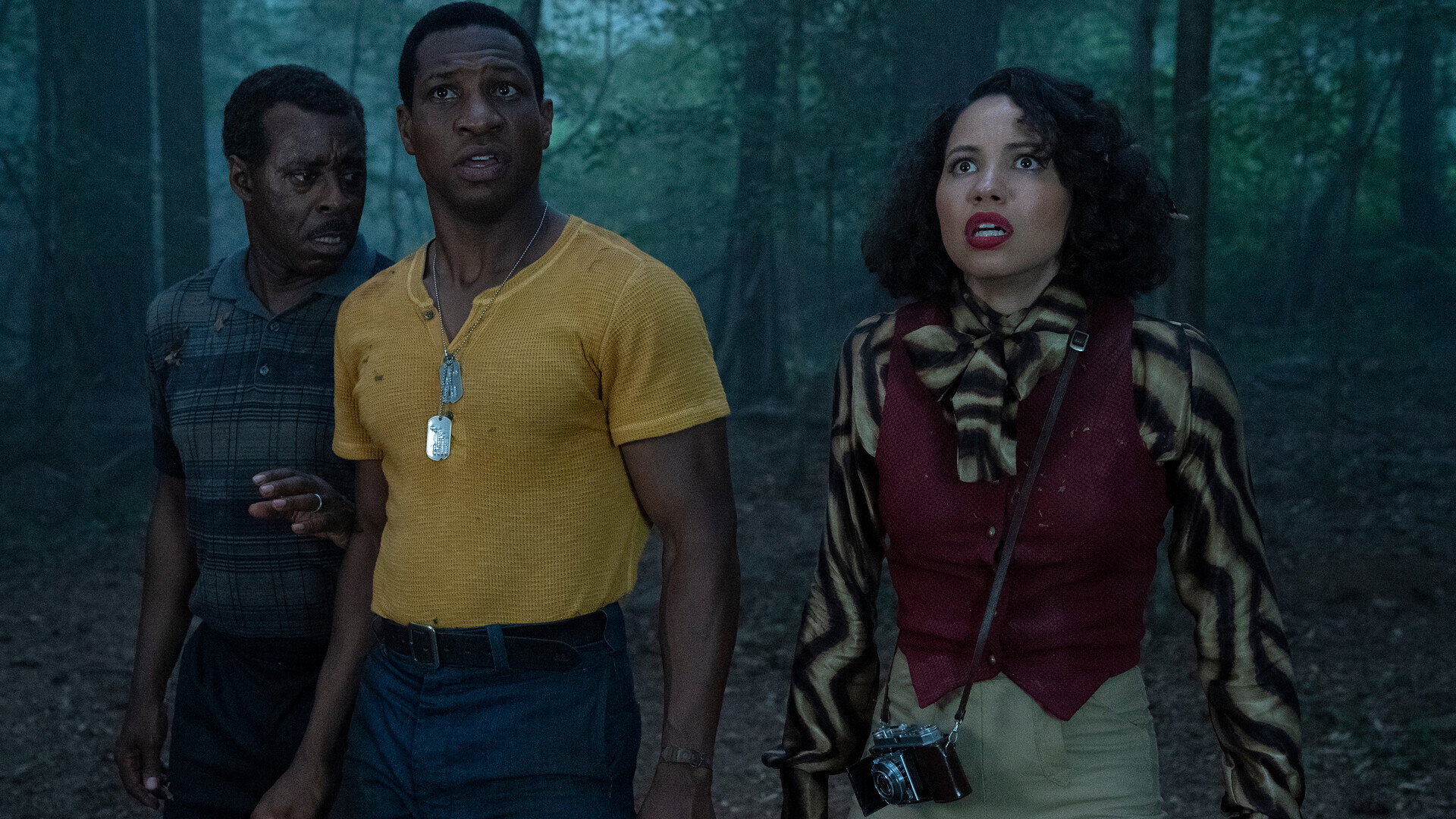
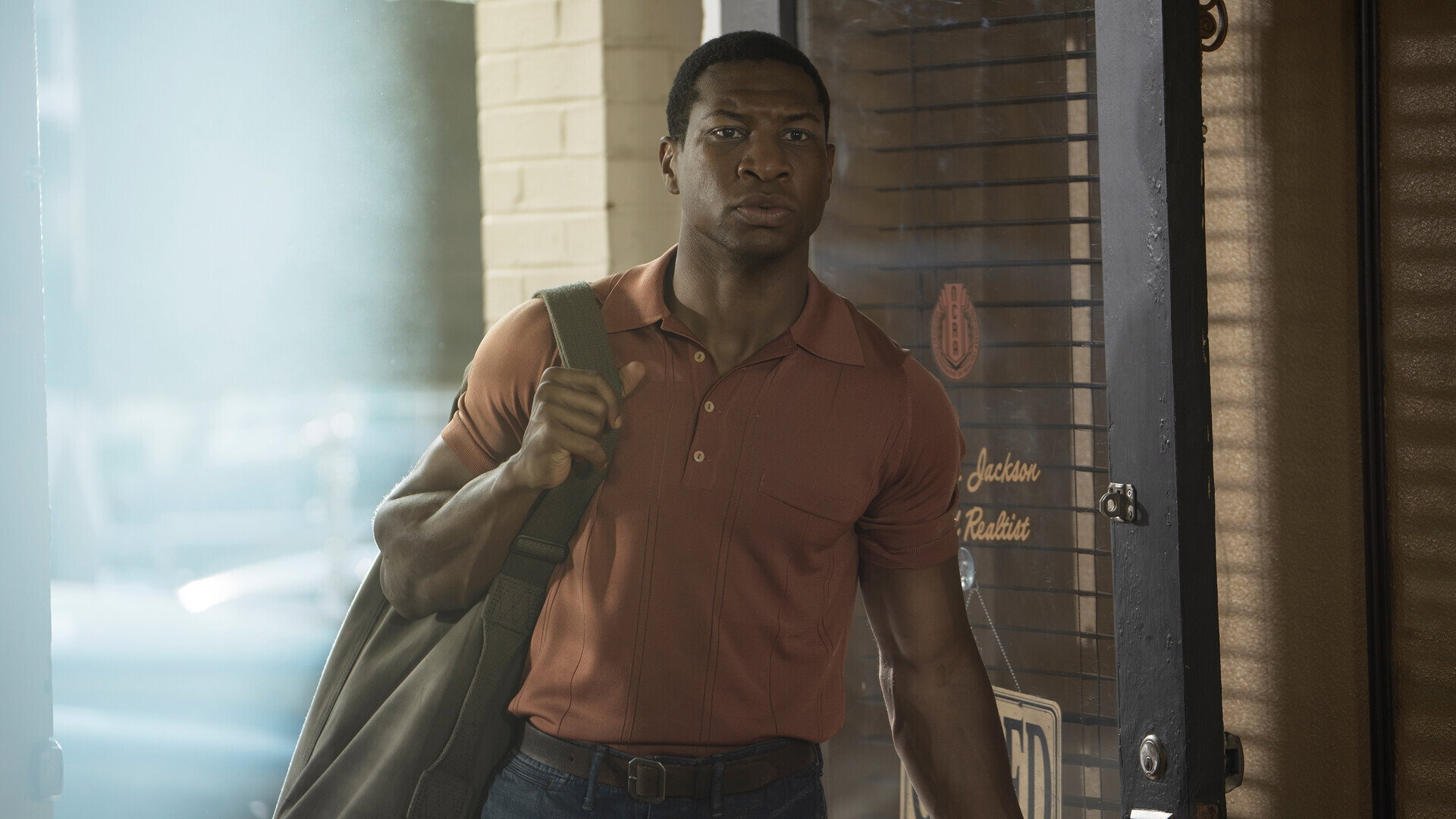
Misha Green’s series takes its title from H. P. Lovecraft, the New England horror writer whose racism was not incidental to his work, and sets out to give his monsters to the people he feared. Adapted from Matt Ruff’s novel, it follows Atticus Freeman (Jonathan Majors), home from Korea, on a drive north with his uncle George (Courtney B. Vance) and his friend Leti (Jurnee Smollett-Bell) to find his missing father Montrose (Michael Kenneth Williams). The first season runs to ten hour-long episodes. It is a series that would rather try twelve things and drop four than try six and land them all.
Our verdict is that the trying is worth your time, and that it is uneven in ways that matter. The opening episode is as good as anything of its kind we have seen. By the tenth the show has spent most of what it had and is running on plot.
The scene that frightened us properly comes early. The three travellers are stopped by Sheriff Eunice Hunt (Jamie Harris), who tells them, almost kindly, that they have a few minutes to be out of his county before the sun goes down, and then follows them to make sure. Yann Demange directs it as a slow drive, the car crawling because it cannot be seen to speed, the light going orange behind the trees. Nothing supernatural has happened yet and we could hardly breathe. When the creatures do arrive, many-eyed and fast, they are a release. That is the show’s whole argument in one sequence, and it never puts it better.
Tat Radcliffe and Robert McLachlan shoot the human world in warm daylight and the other one in purple and green, and the Ardham lodge, built by production designers Howard Cummings and Kalina Ivanov as a place of carved wood and long tables, looks like a country house that has been waiting for guests it intends to eat. Laura Karpman and Raphael Saadiq supply the score, and Green lays songs recorded decades after the setting over 1950s streets. We expected to hate this and did not. It makes the point that the past is not over without anyone having to say so.
The cast carries the rest. Majors plays Tic as a large man who has learned to stand still, and Smollett-Bell gives Leti a temper that keeps the scenes moving when the writing stalls. Wunmi Mosaku, as Ruby Baptiste, is the best thing in it, and gets an episode of her own that we will not describe except to say it is the one hour where the horror and the argument about race are the same thing at the same moment. Williams makes Montrose a father you understand without forgiving, and Aunjanue Ellis-Taylor’s Hippolyta, George’s wife, has a stretch late on that moved us more than the plot around it deserved.
What does not work is the shape. Green and her writers send each episode off in a different direction, a haunted house here, a Korean war story there, a treasure hunt, a time slip, and the four credited editors, Joel T. Pashby, Marta Evry, Chris Wyatt and Bjorn T. Myrholt, are asked to cut across places and decades at a pace that flattens the differences. The mythology of the Braithwhite family, with its spells and books and bloodlines, is explained at length and matters less each time. Abbey Lee’s Christina is more interesting when she is a threat in a doorway than when she is delivering the rules.
Lovecraft wrote about the dread of the unknown from the point of view of a man who found most of humanity unknown. Green’s answer is to put a black family in his New England and let the actual horrors of the period, the sundown towns and the sheriff’s deputies, sit beside the invented ones. When the show trusts that idea it is fierce. When it reaches for a bigger plot it becomes ordinary fantasy television, well dressed.
Watch the first three episodes. If they hold you, keep going, and accept that the later hours will be louder and less sure of themselves. If they do not, nothing after will change your mind.