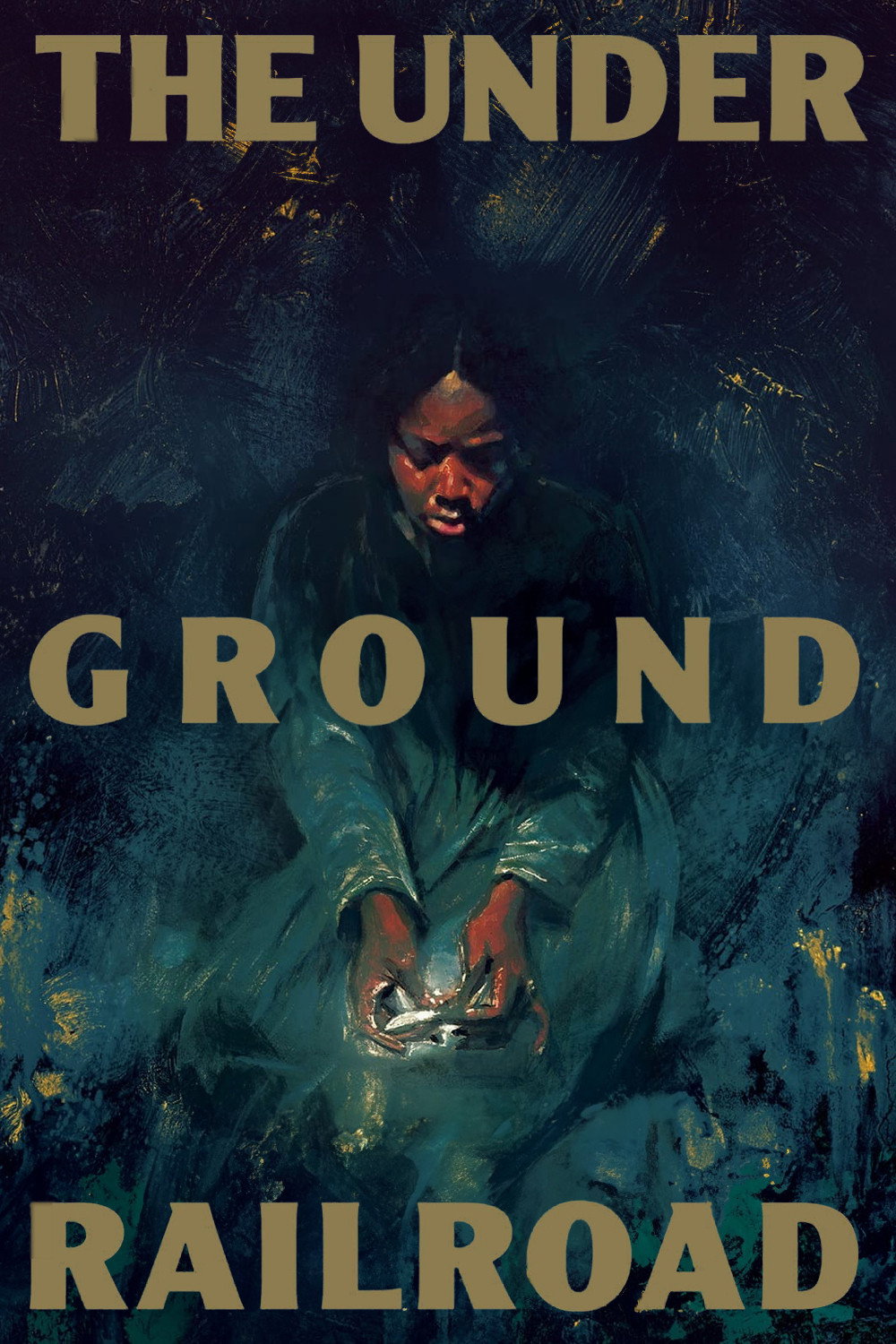
Barry Jenkins’s ten-part adaptation of Colson Whitehead’s novel is slow, exact and hard to watch. Thuso Mbedu carries it without asking to be liked; the middle drifts, but it is his most serious work.
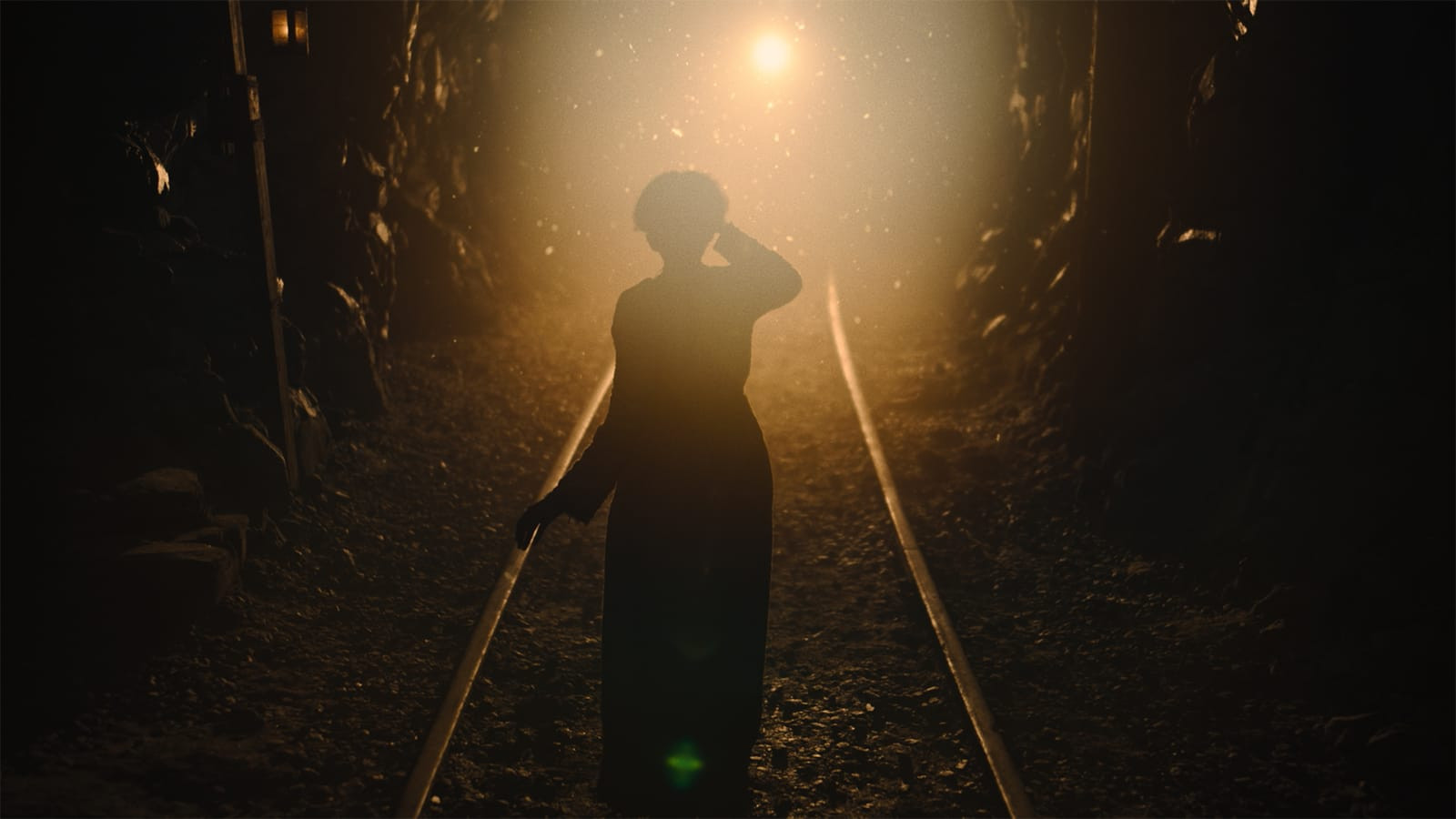
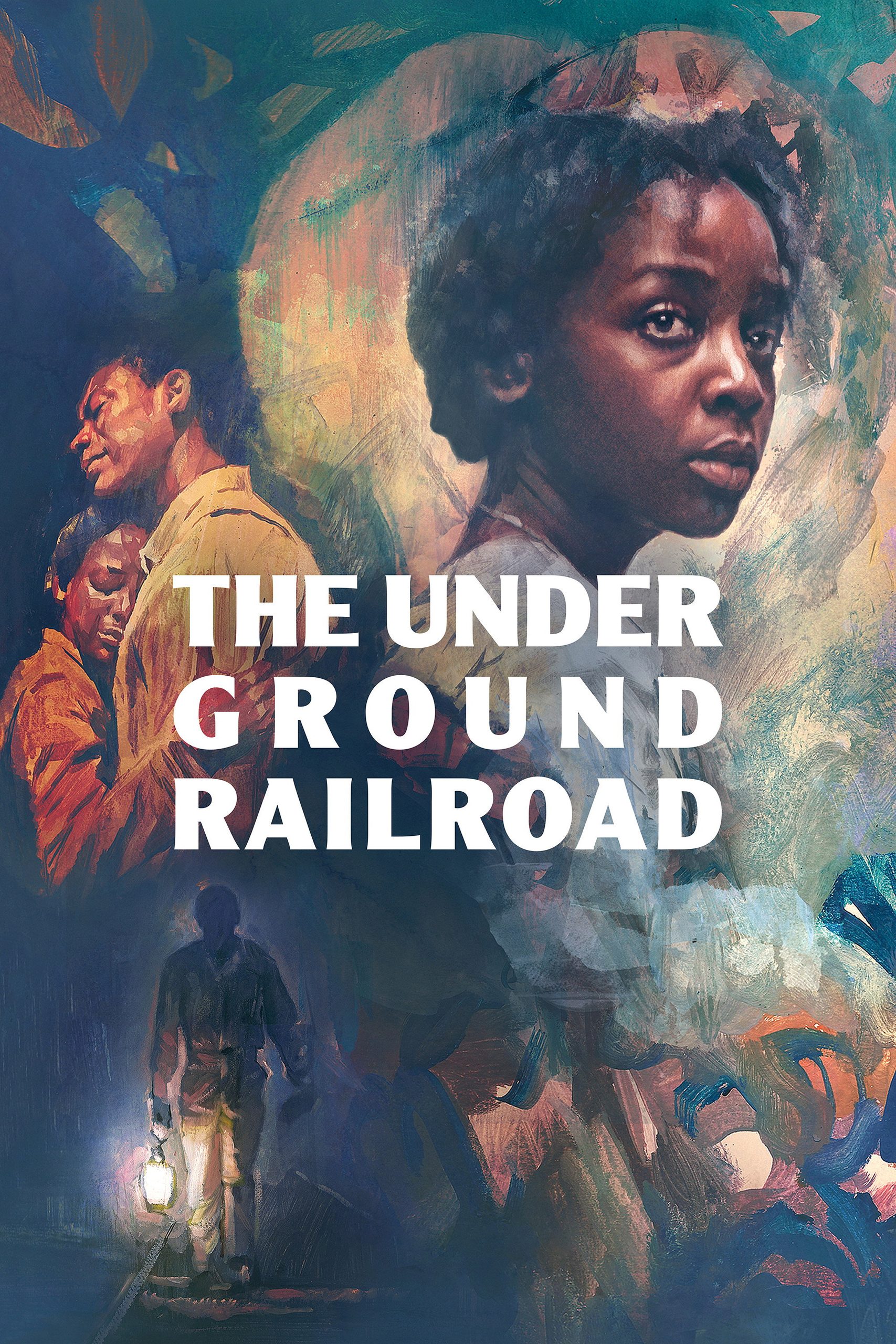
Colson Whitehead’s novel had one idea everyone remembers: the Underground Railroad was not a chain of safe houses but an actual railway, dug beneath the southern states. Barry Jenkins keeps the idea and builds ten episodes on it. Cora Randall runs from a Georgia plantation and the series follows her from state to state, each a different America with its own arrangement for people like her. Our verdict is that this is the most serious work Jenkins has made and that most viewers will find it hard going. The second is not a complaint.
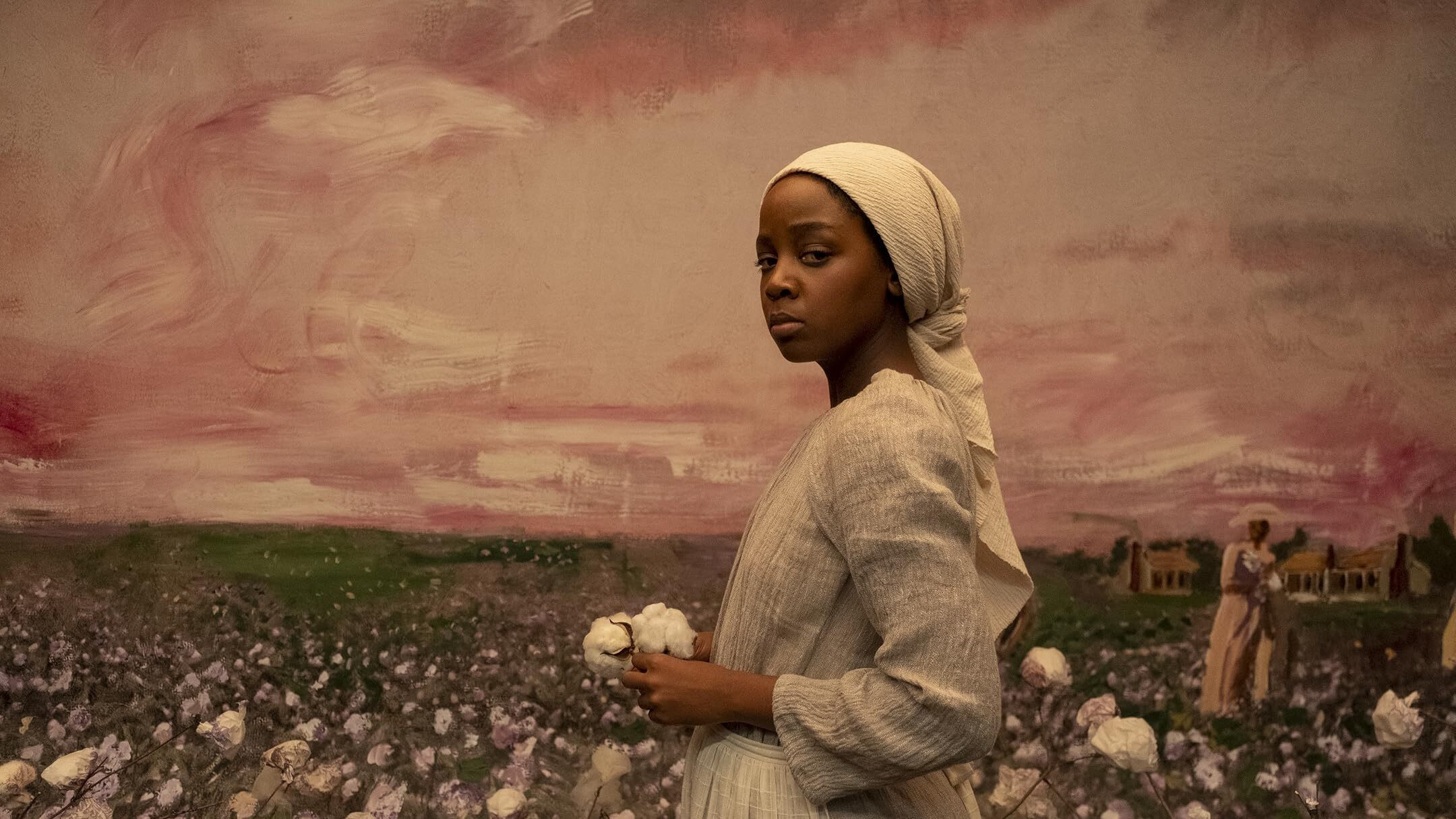
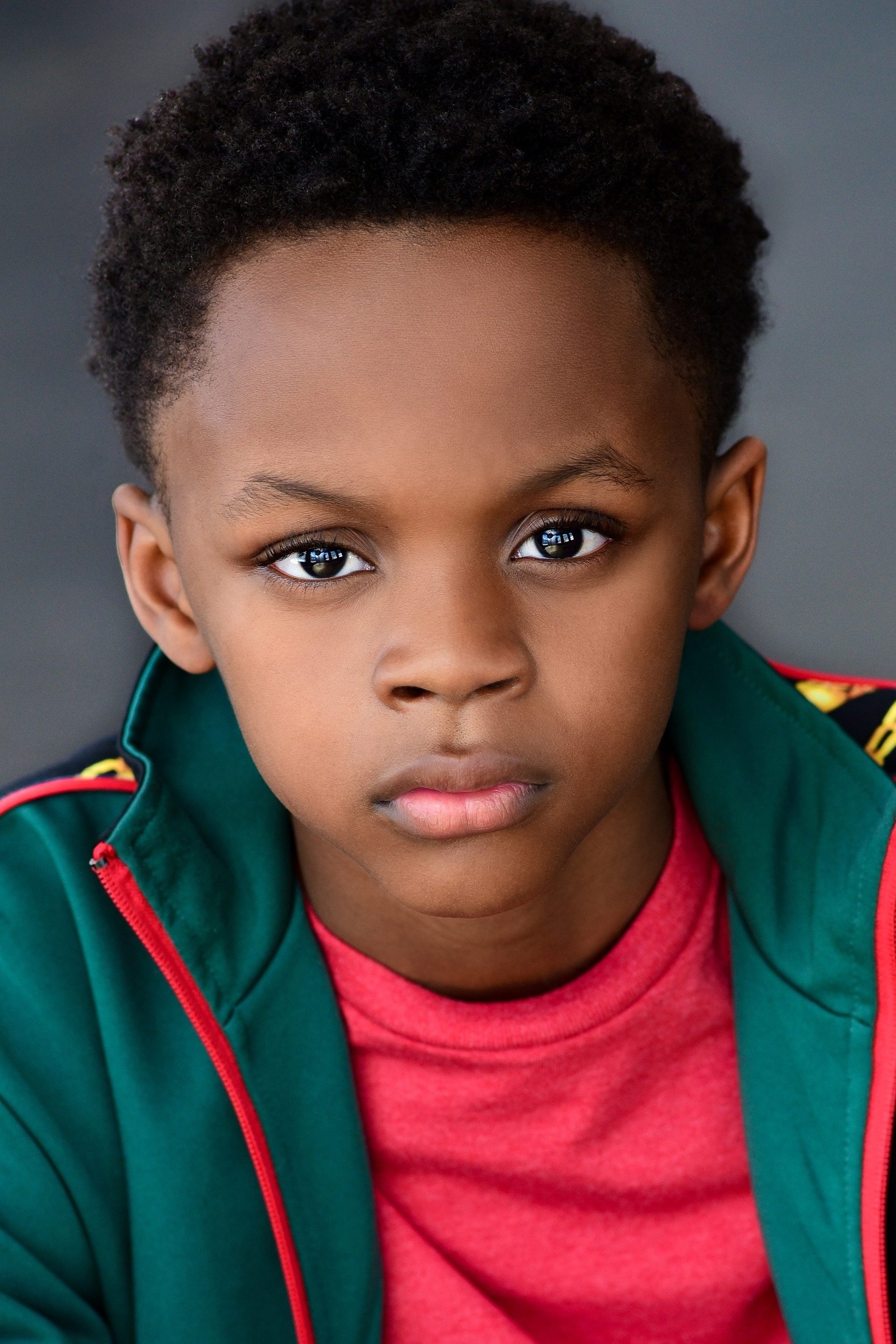
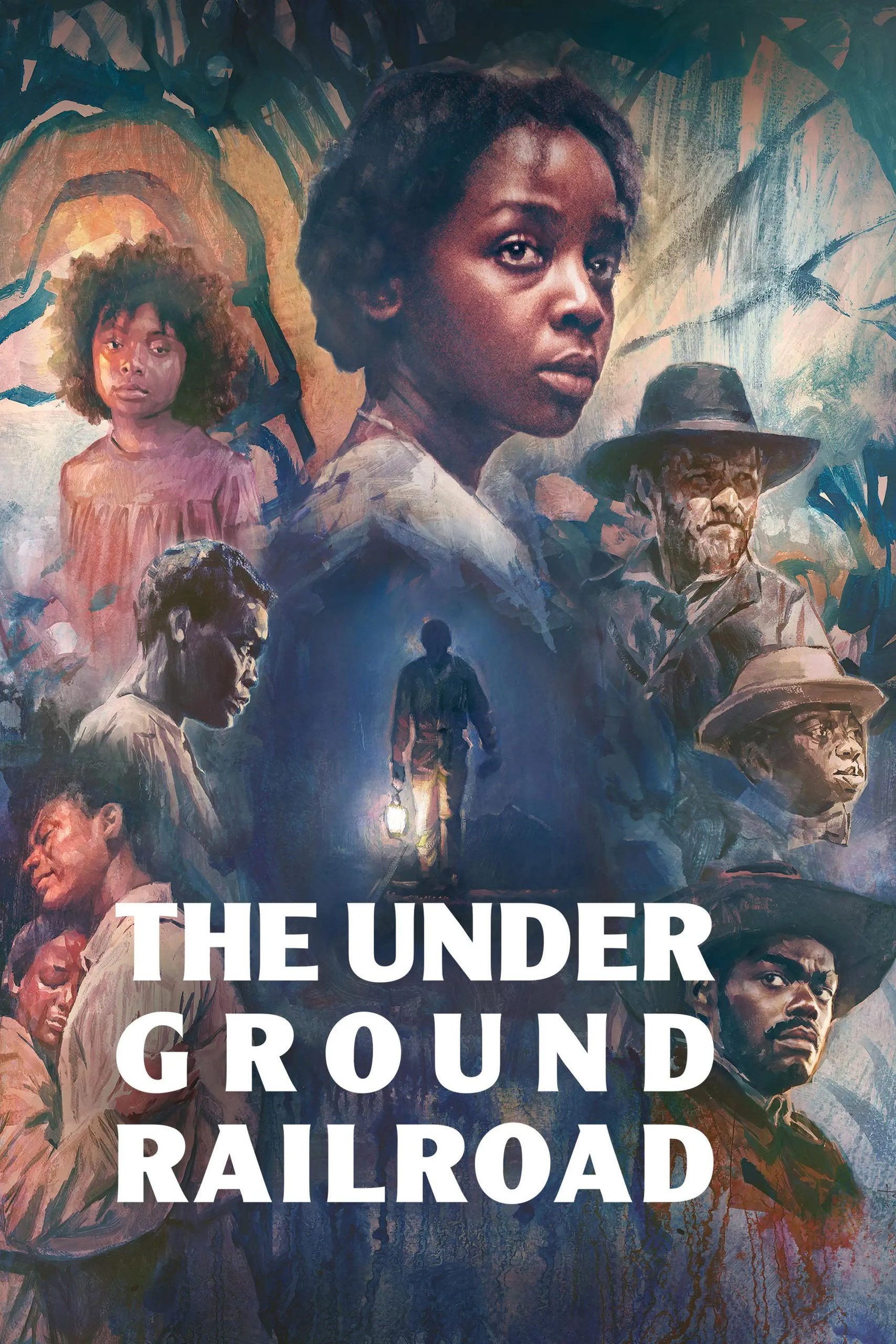
Thuso Mbedu plays Cora with no visible effort to be liked. She listens more than she speaks, and treats any comfort she is offered as something she will be asked to pay for later. The performance is built on stillness and holds for ten hours. Joel Edgerton’s Ridgeway, the slave catcher on her trail, talks constantly, and Edgerton lets us hear a man arguing with himself underneath the philosophy. Beside him rides Homer (Chase W. Dillon), a small Black boy in a suit and bowler hat who keeps the accounts and is the most unsettling person on screen. Dillon gives him the calm of a child who made his arrangements early.
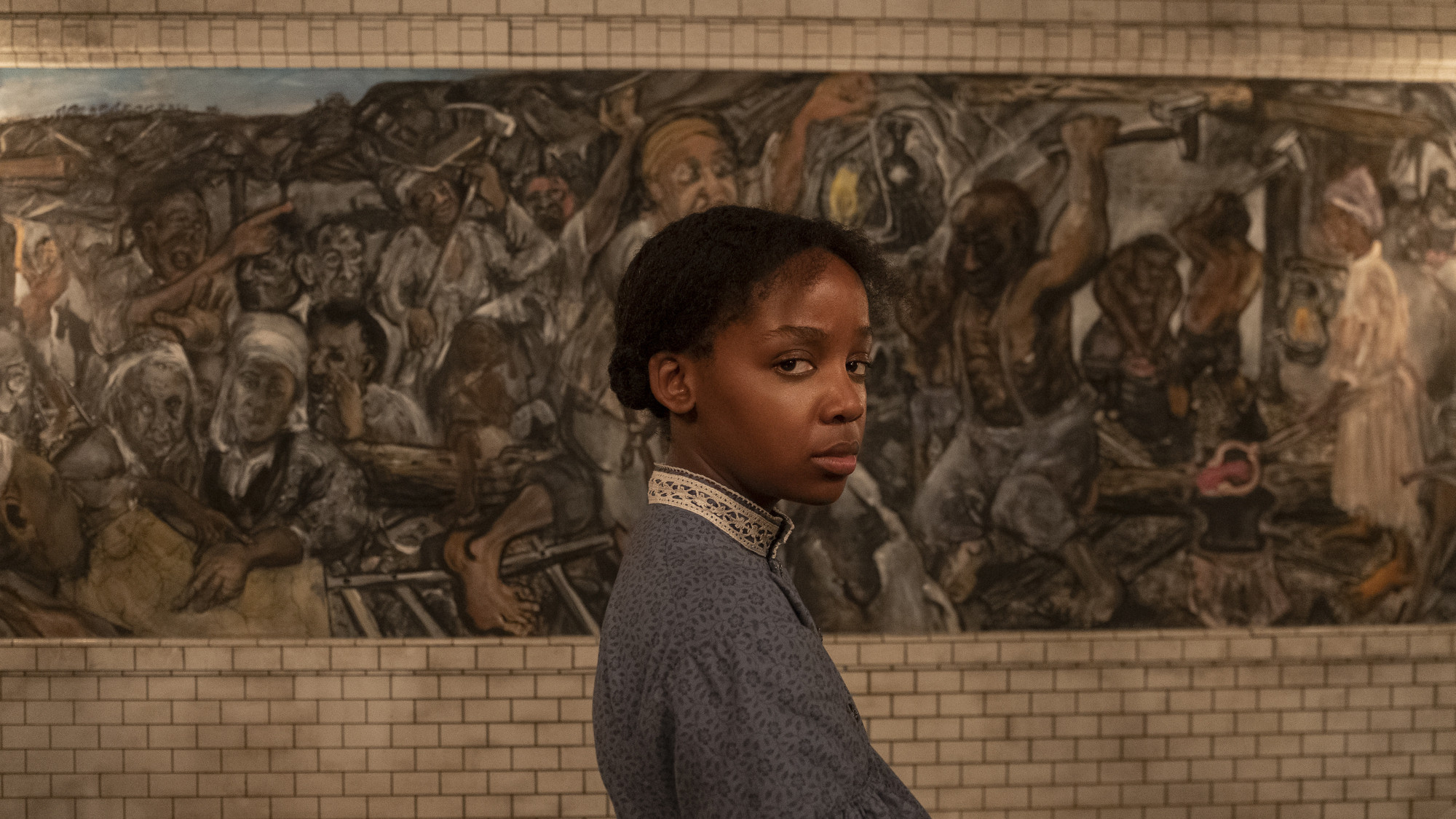
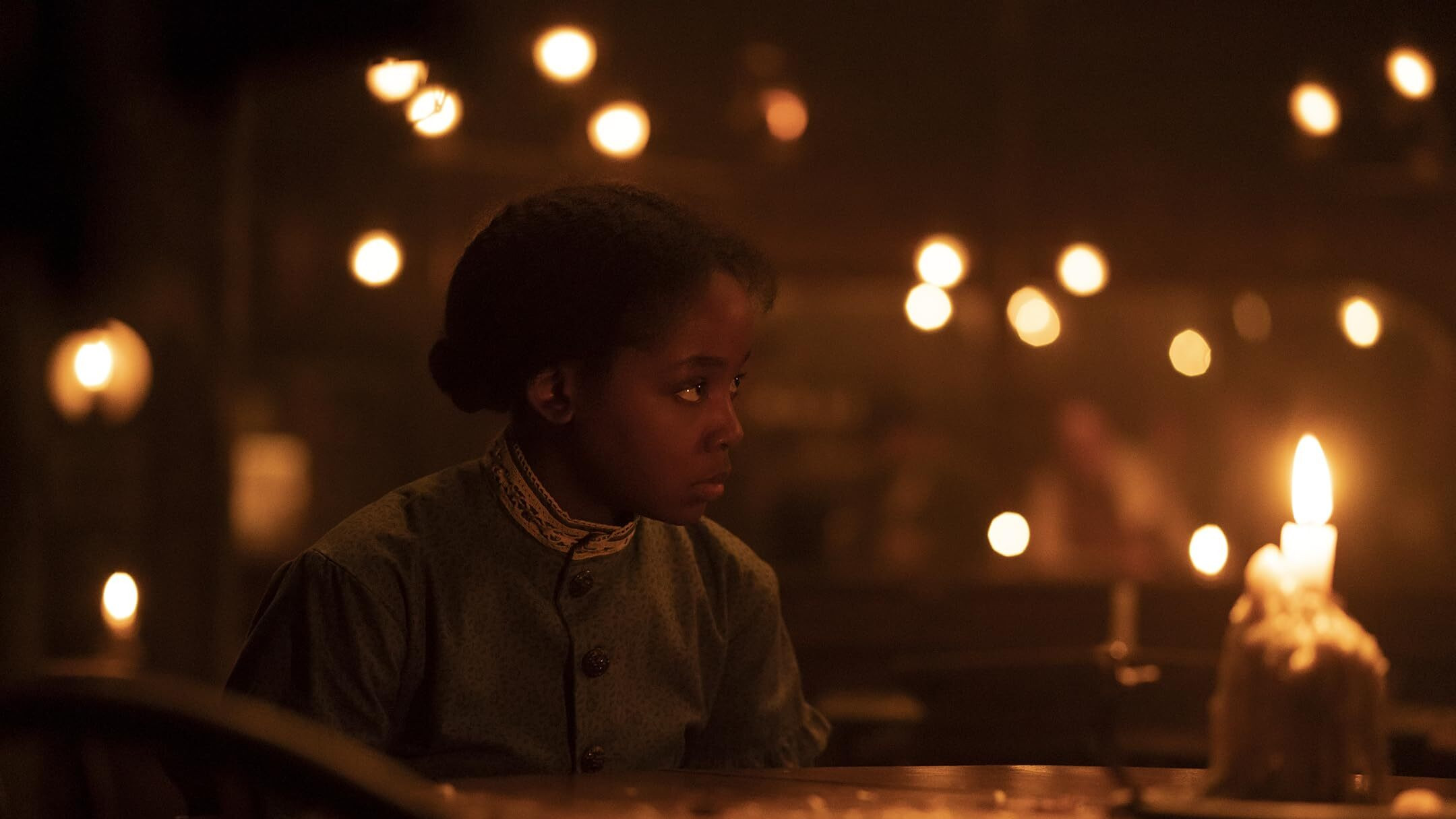
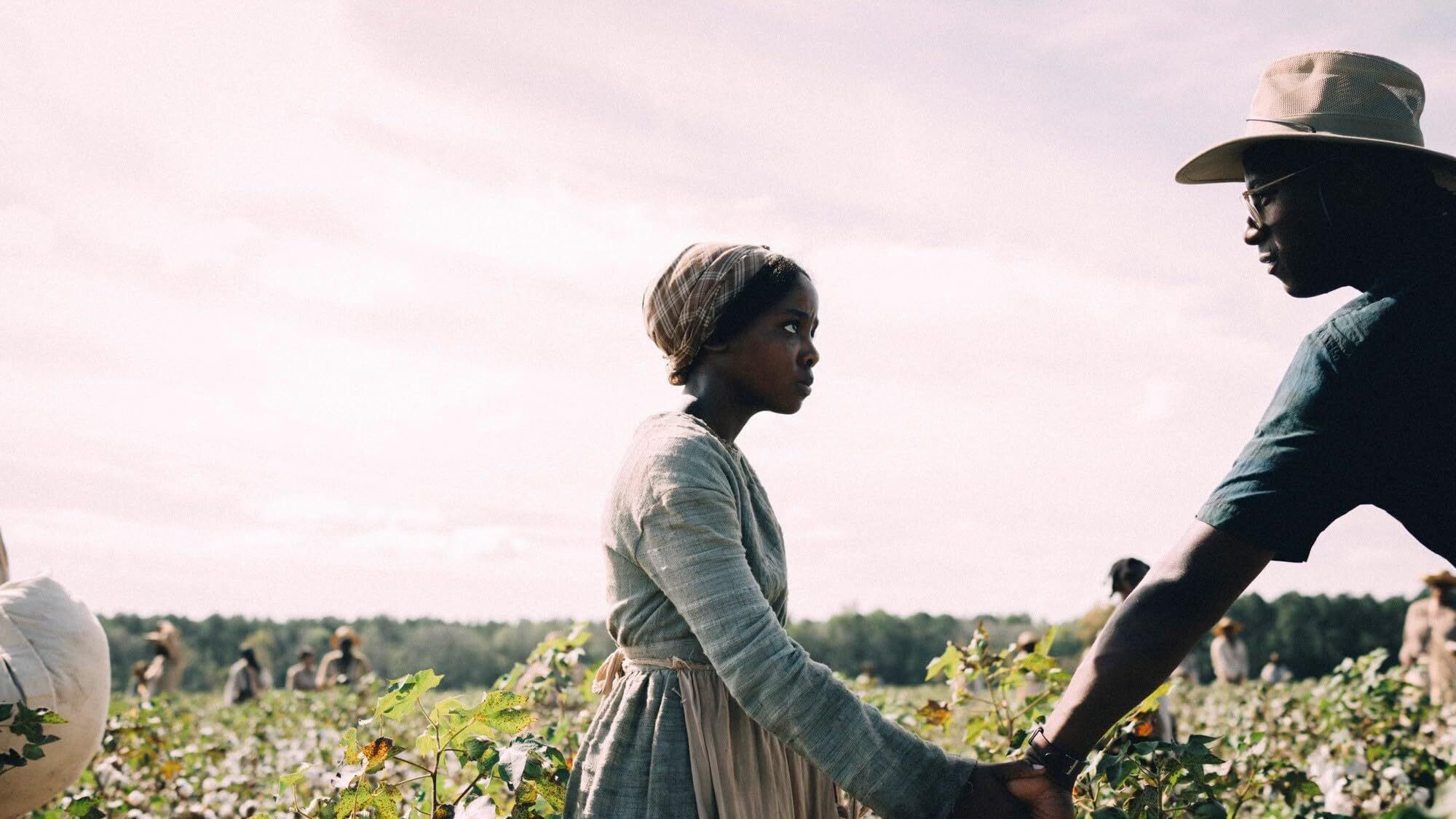
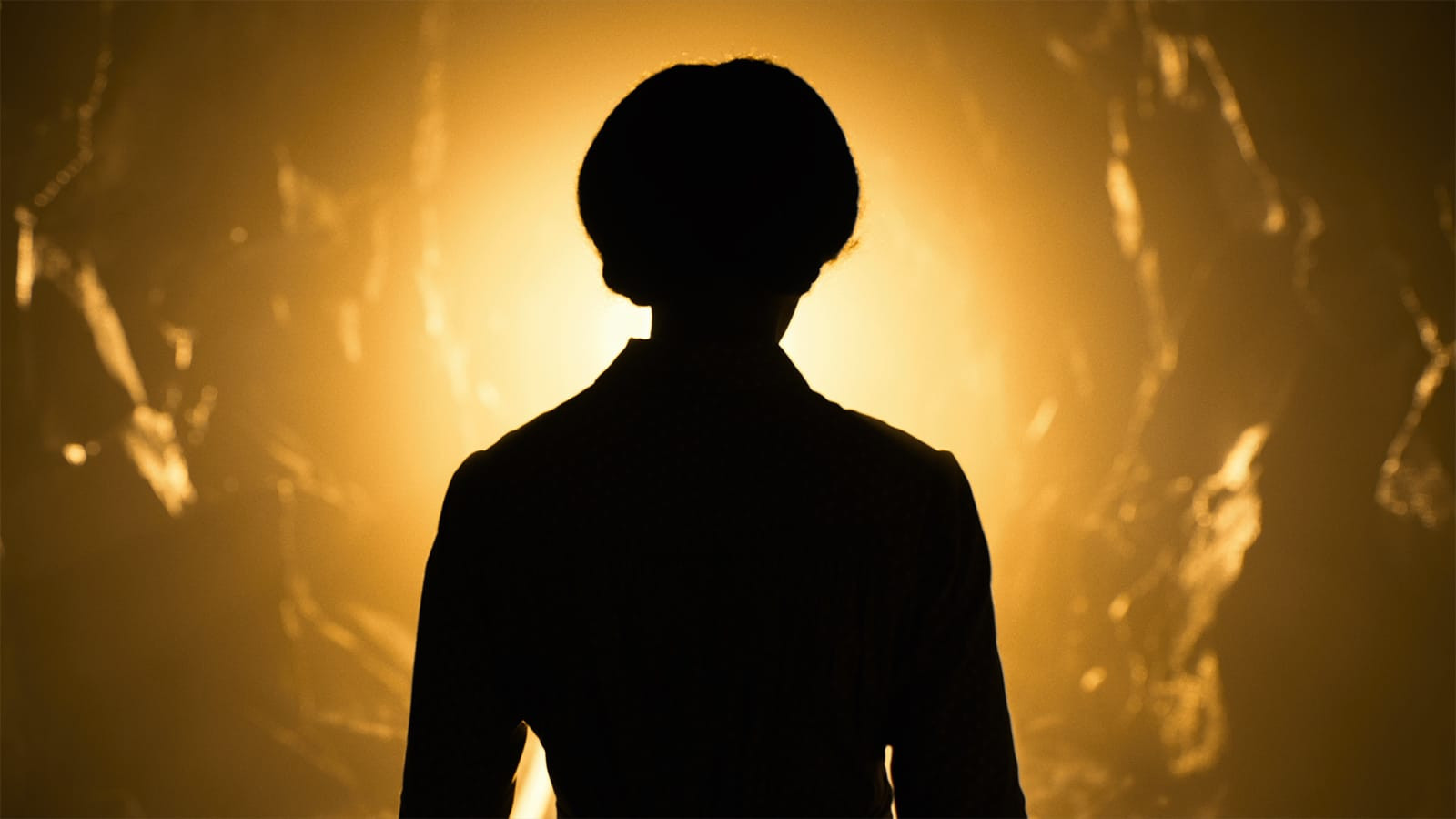
James Laxton shoots in the light Jenkins likes, low sun, firelight and the blue just before dark, and lets the camera drift across a field to find people rather than cutting to them. Characters stop, turn and look straight down the lens for long seconds, sometimes a dozen at once, like sitters for a photograph nobody took. It ought to wear thin; it did not, because each time it insists these were people with faces. Mark Friedberg’s stations are the best of the design: one is a tiled hall with electric light, another a hole in the earth with a plank platform and a lantern, and the difference tells you what kind of state is above. Caroline Eselin dresses Cora in cotton that gets dirtier as she travels and Ridgeway in a long coat too heavy for the country.
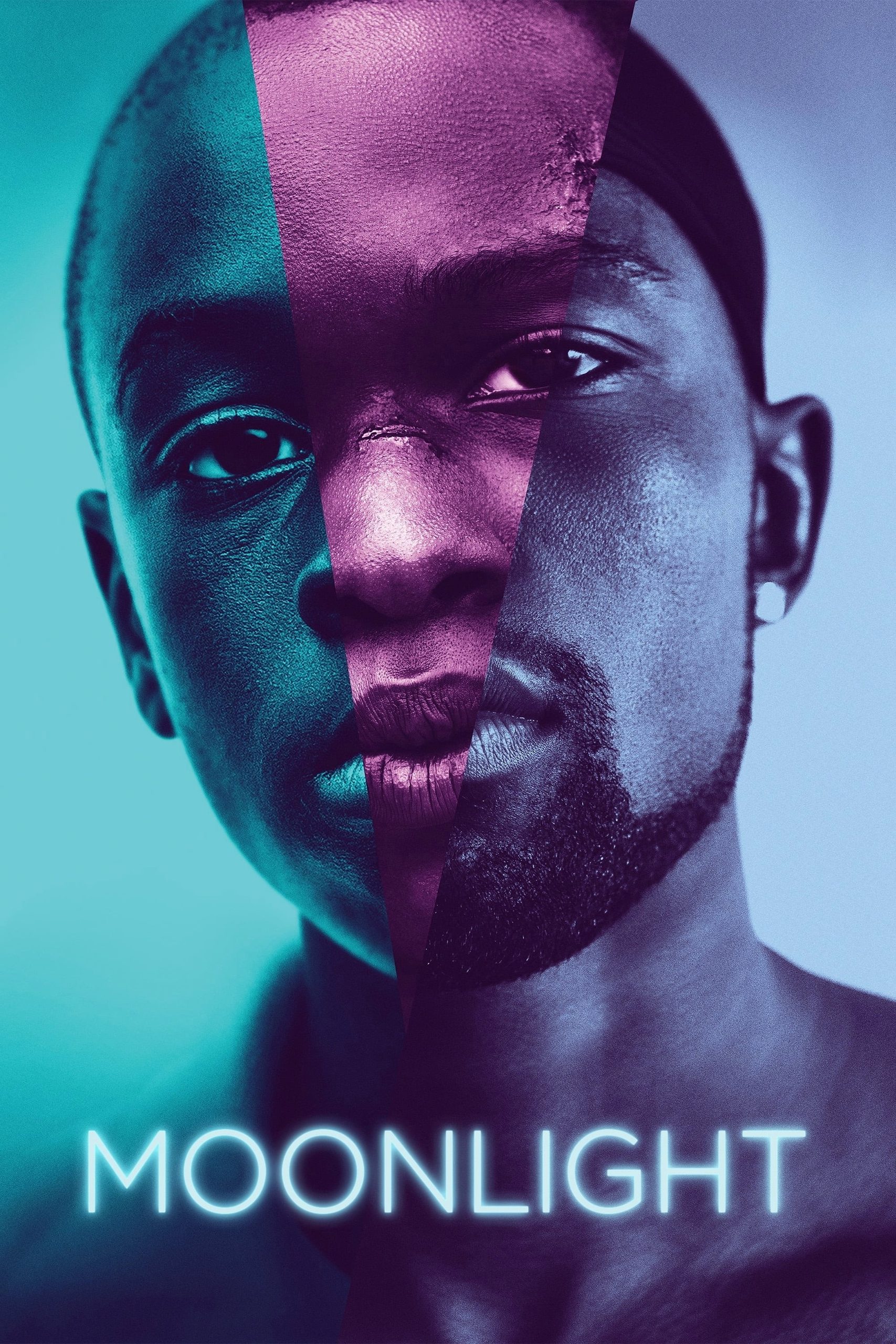
Nicholas Britell’s music is strings again, as on Moonlight, but slowed and darkened, and much of it sits under the sound of the trains, which arrive as a shaking in the ground before you see them. Whole scenes play with no music, only insects, wind and a hammer somewhere.
One scene in the first episode told us what the series would be. Terrance Randall hosts a dinner party on the lawn while a recaptured runaway is punished in front of the guests. Jenkins does not cut away from the punishment, but he does not dwell on the body either; he cuts to the faces of the enslaved men and women made to watch, and then to the diners, who go on eating. We felt sick, and then something worse than sick, because the scene is composed as carefully as everything else and we caught ourselves admiring it. We think that is intended.
It is slow. Jenkins takes the time he is given whether the story needs it or not. A stretch in the middle, mostly in Tennessee, drifts; the land is burnt and empty and so is the plot. A whole episode goes to Ridgeway’s early life, and while Edgerton earns it, we were impatient to be back with Cora. Then there is the old problem of beautiful films about ugly things. Laxton’s images are so handsome that you could sit through the North Carolina chapter admiring the light and miss what the town does on Friday evenings. Jenkins knows this and pushes against it; he does not always win. The 18 certificate is deserved.
Jenkins made Moonlight (2016) and If Beale Street Could Talk (2018), both about people the camera loves in a world that does not; this is the same method on a harder subject. The teleplays, by Jenkins with Jacqueline Hoyt, Nathan Parker, Allison Davis, Adrienne Rush and Jihan Crowther, keep the novel’s structure of states, none of which is the answer. Watch it two episodes at a time. It is a long way to go with Cora, and it is meant to be.