Barry Jenkins’s Moonlight is a deeply moving drama about a boy learning how little of himself he can safely show. Its three-part structure sometimes hurries us past important years, but the performances make the gaps worth accepting.
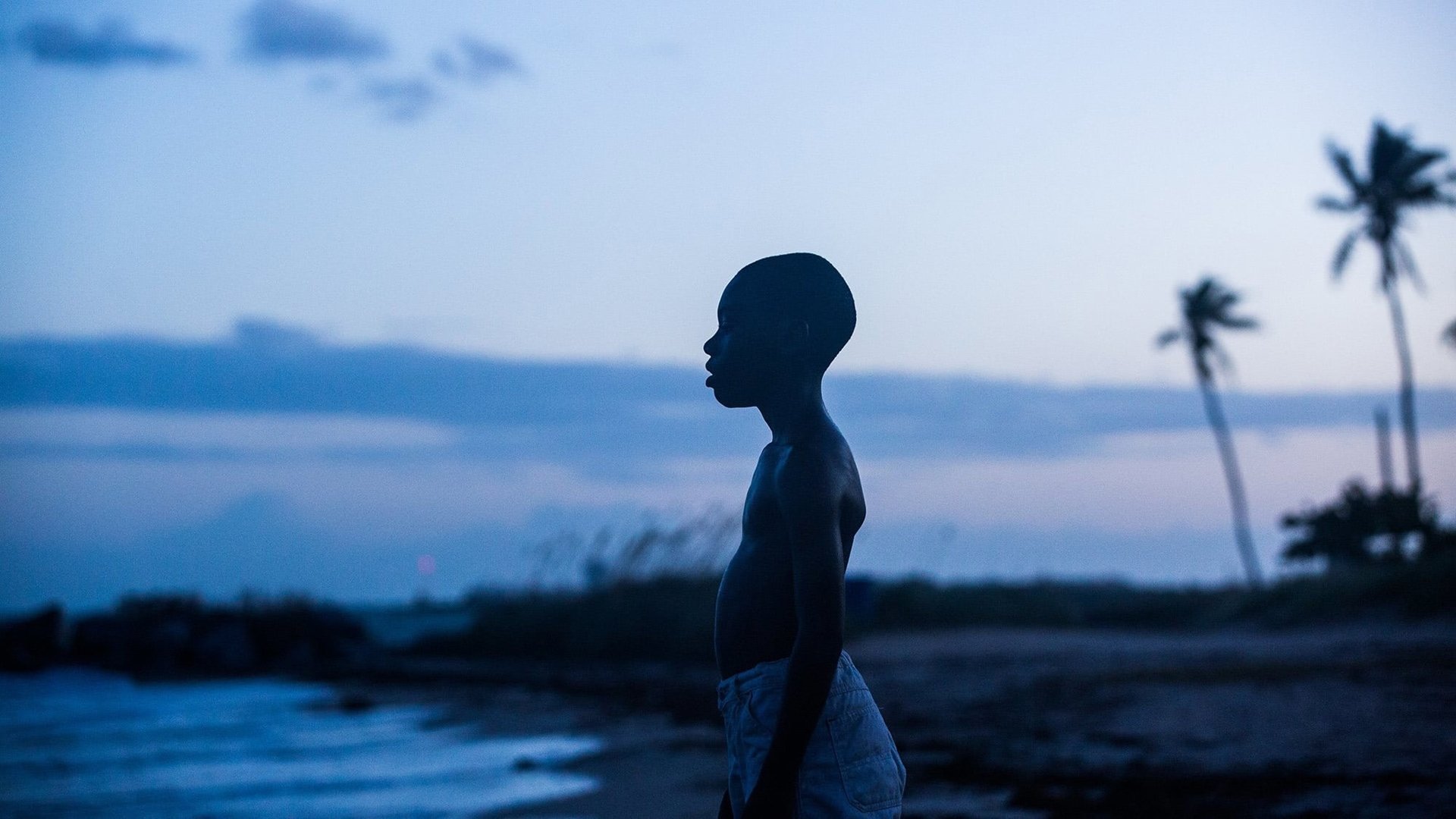
Moonlight is a moving, closely observed drama, and we recommend it despite a few awkward gaps in the telling. Barry Jenkins follows Chiron through three stages of life, concentrating on how difficult it is for a Black gay boy to discover what he wants when other people have already decided what he should be. Jenkins’s screenplay, from a story by Tarell Alvin McCraney, leaves much of that struggle unspoken. The actors have to make us understand it.
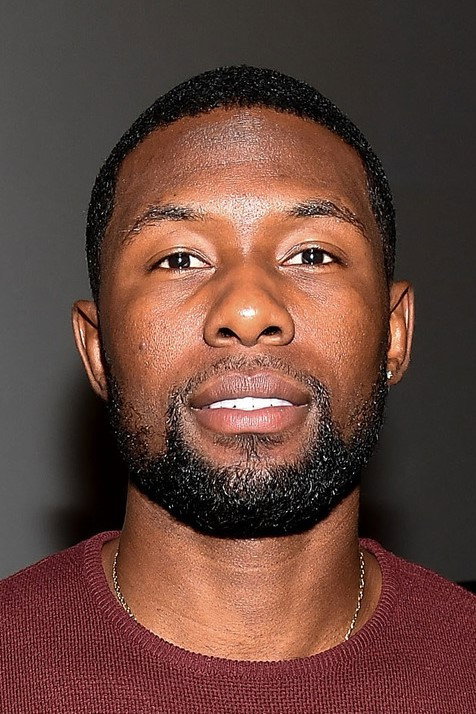
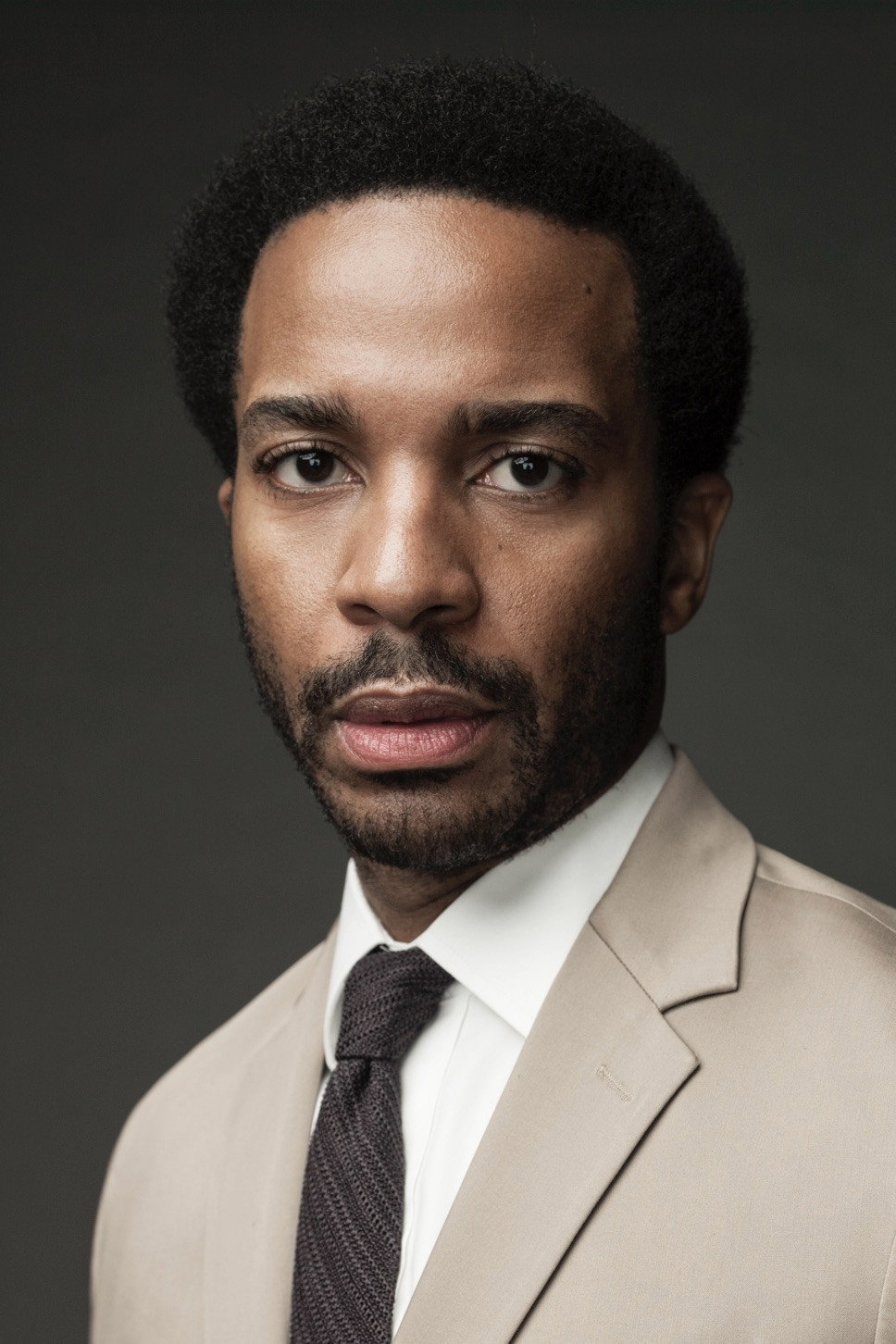
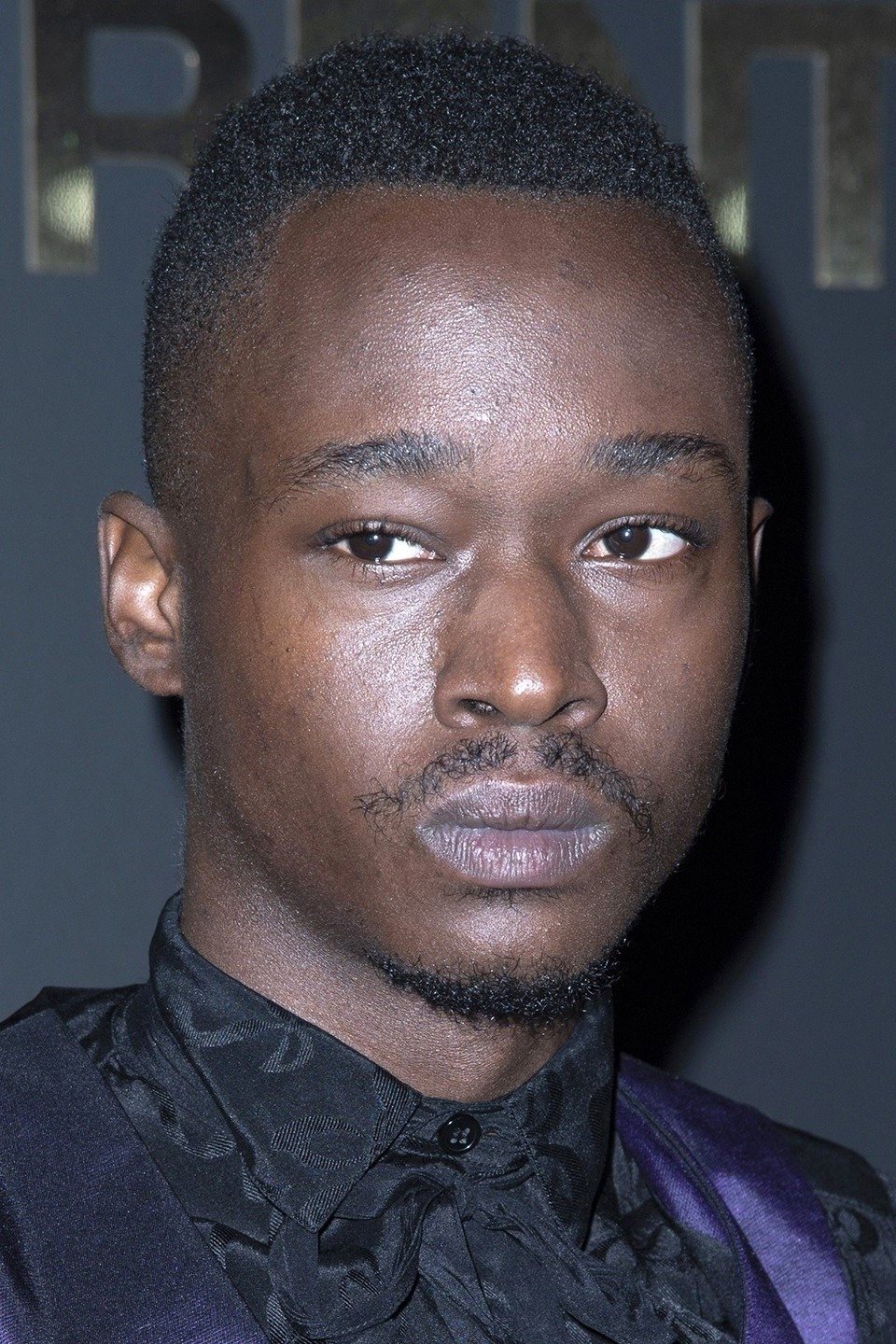
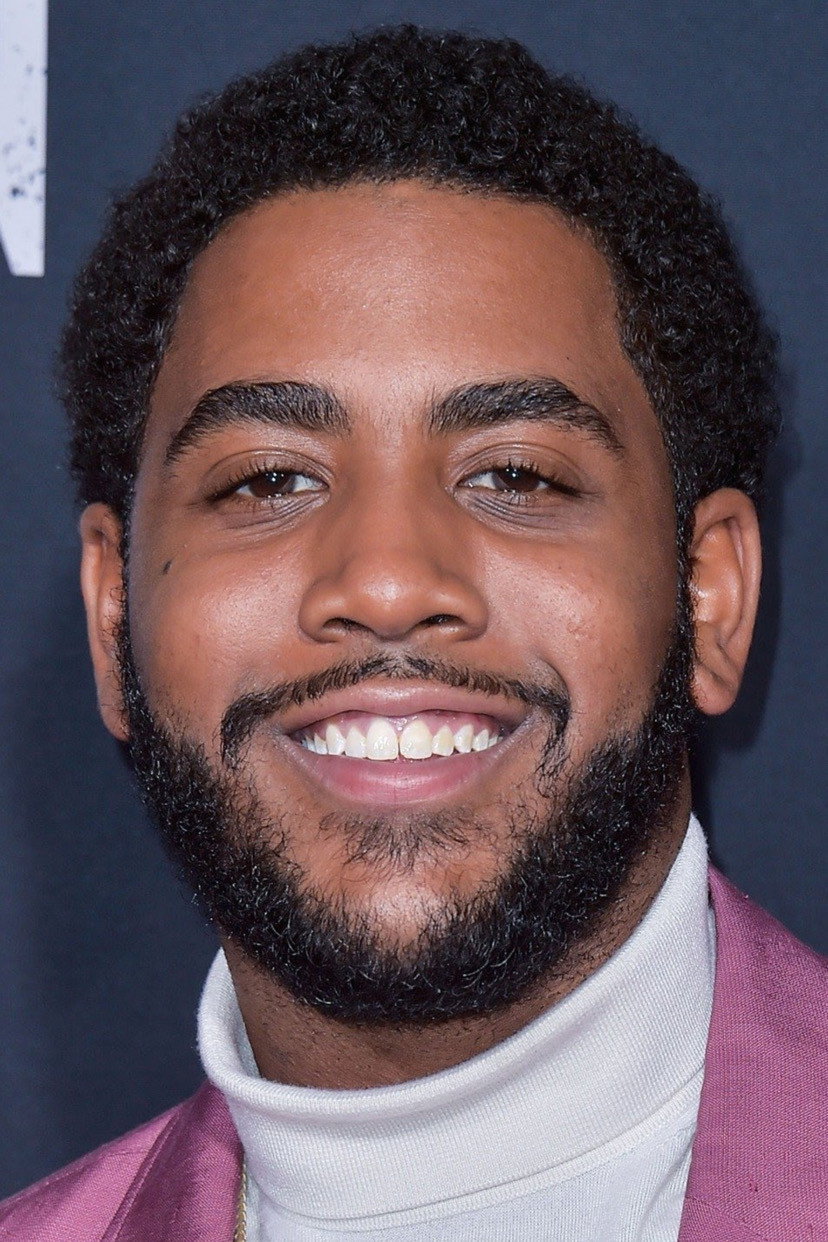
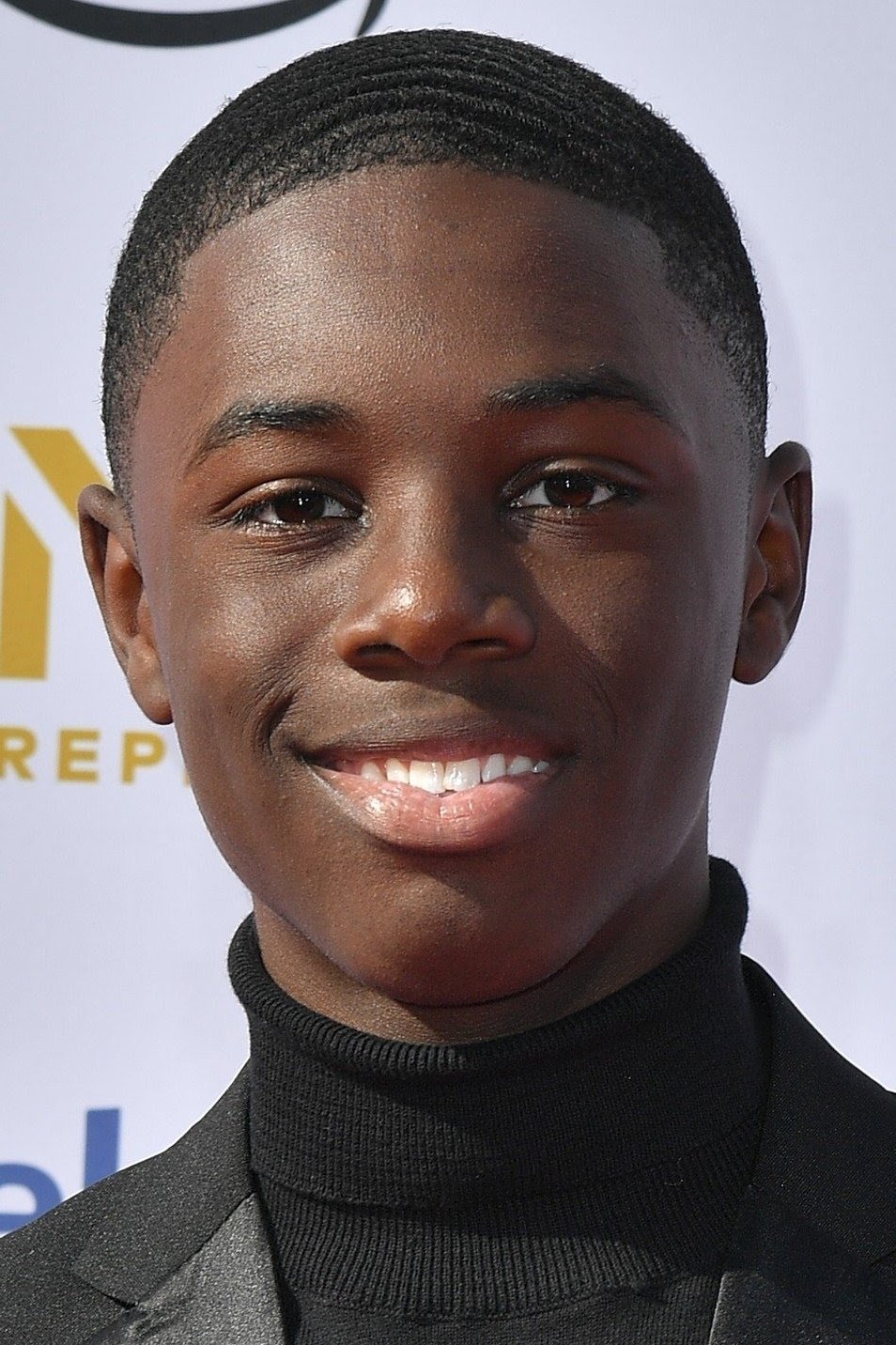
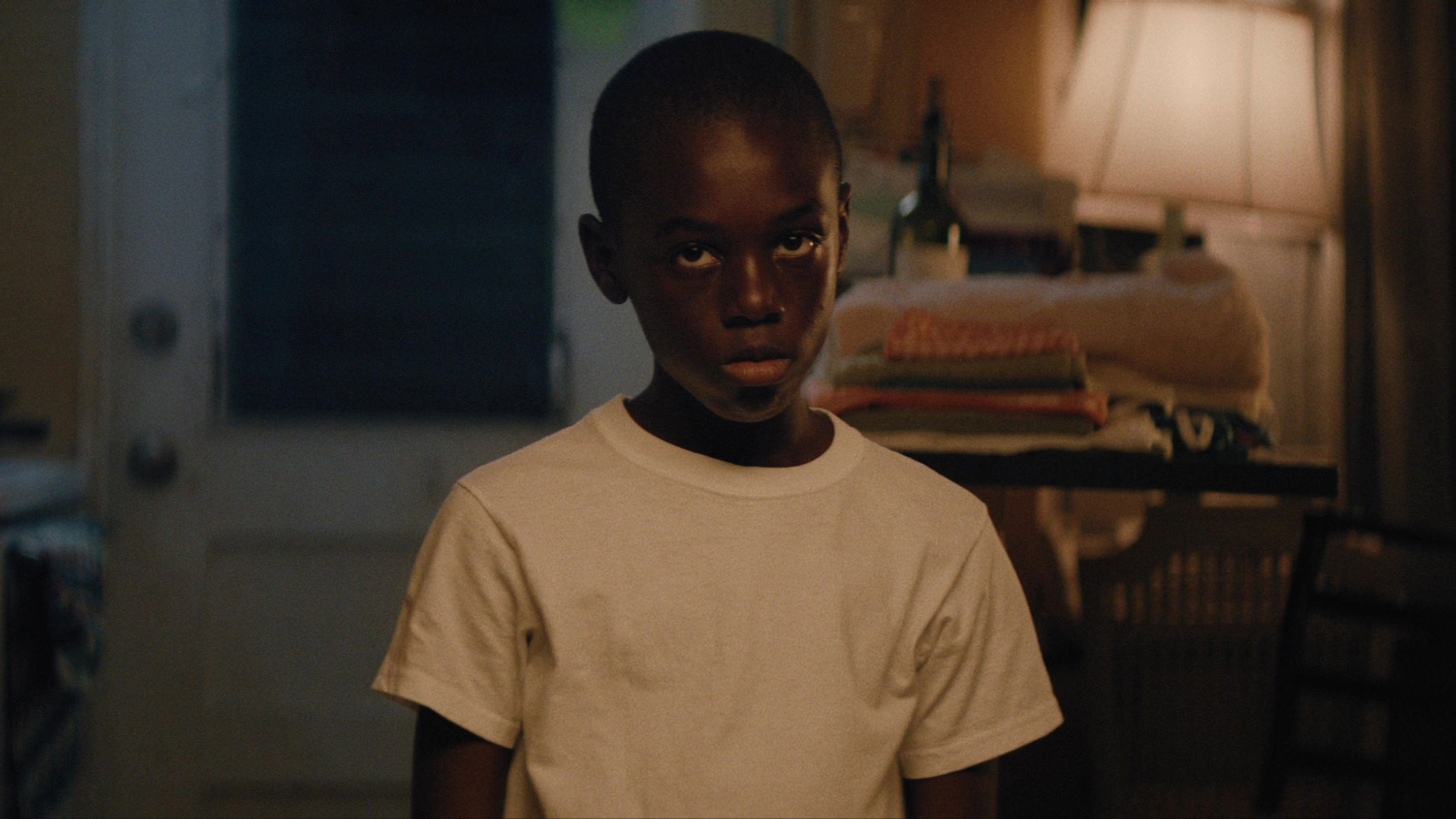
Alex R. Hibbert, Ashton Sanders and Trevante Rhodes make the casting across those stages feel remarkably natural. Their performances share a watchfulness that persuades us we are spending time with the same person, even when much else has changed. None treats silence as permission to stop acting; there is apprehension in the way each lets another person look at him. We were moved by that persistent caution. Their guarded expressions made us want someone to be patient with Chiron, without demanding an explanation.
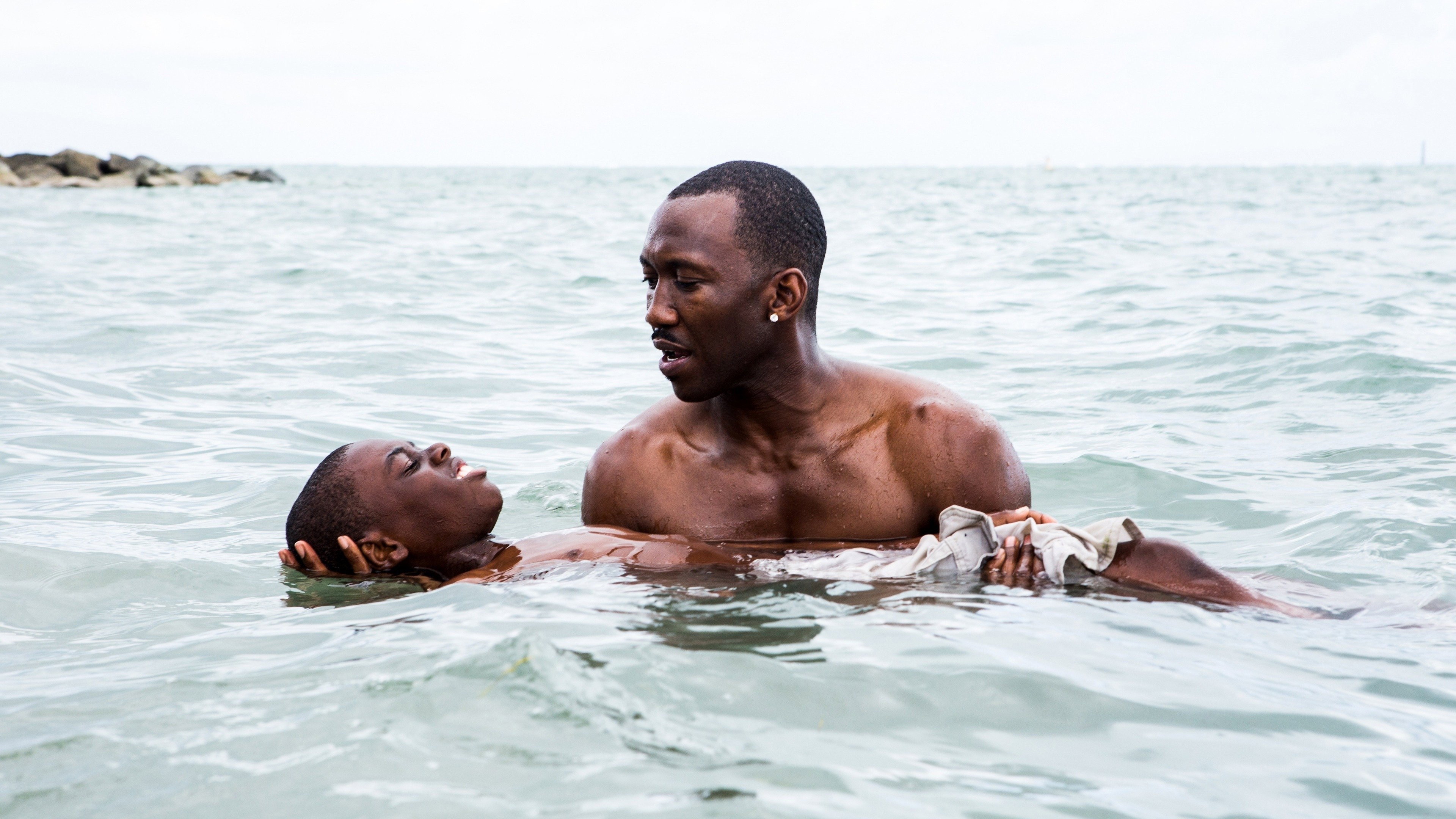
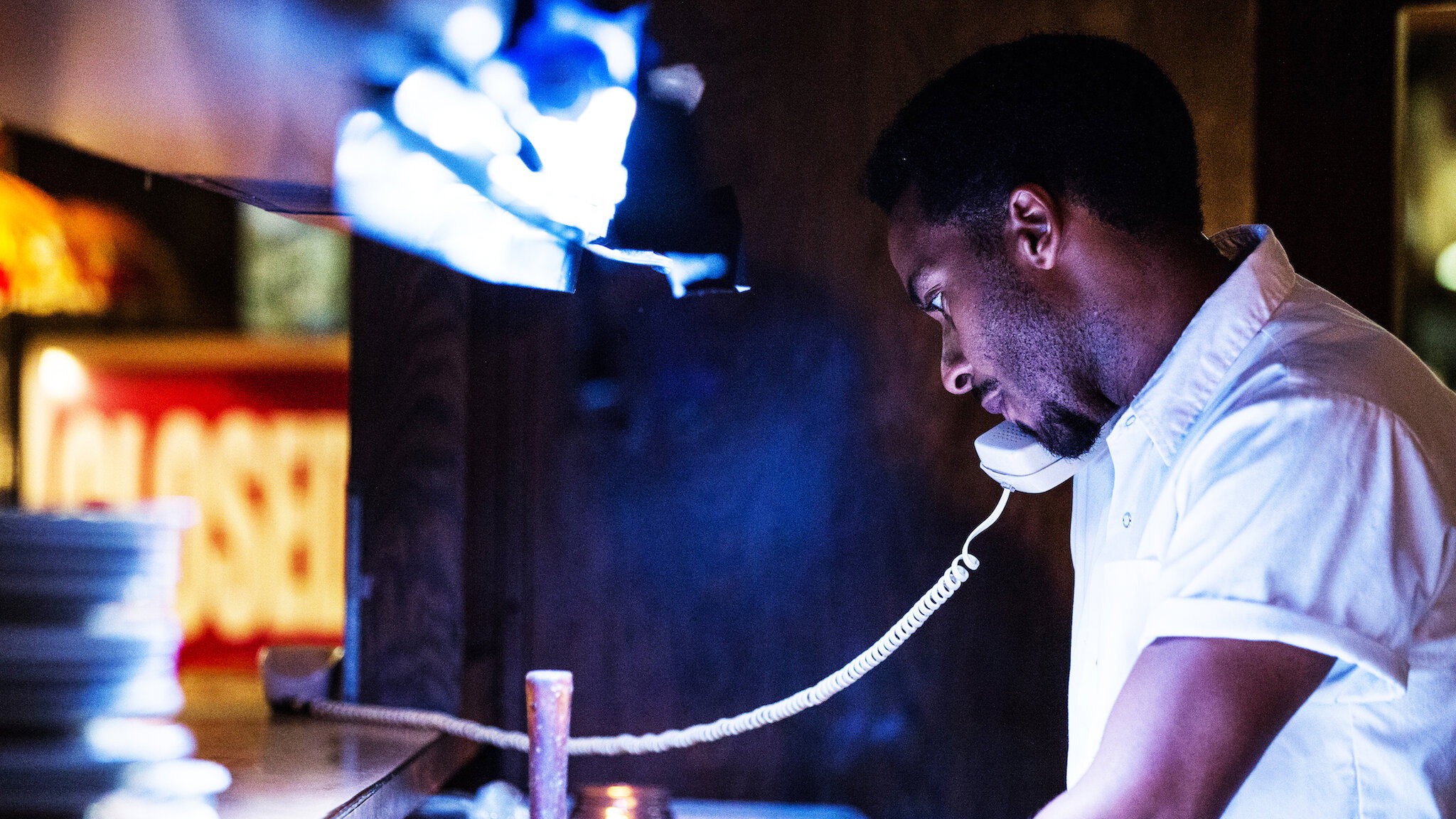
Mahershala Ali gives Juan a gentleness that does not make him simple or automatically trustworthy. Ali is so easy to listen to that Juan’s reassurance reaches us before we have decided what to make of him. Naomie Harris’s Paula is harder company, and Harris makes her volatility painful without reducing her to an obstacle in her son’s story. Janelle Monáe gives Teresa a welcome steadiness. The supporting cast gives Chiron people worth studying even when he cannot comfortably speak to them.
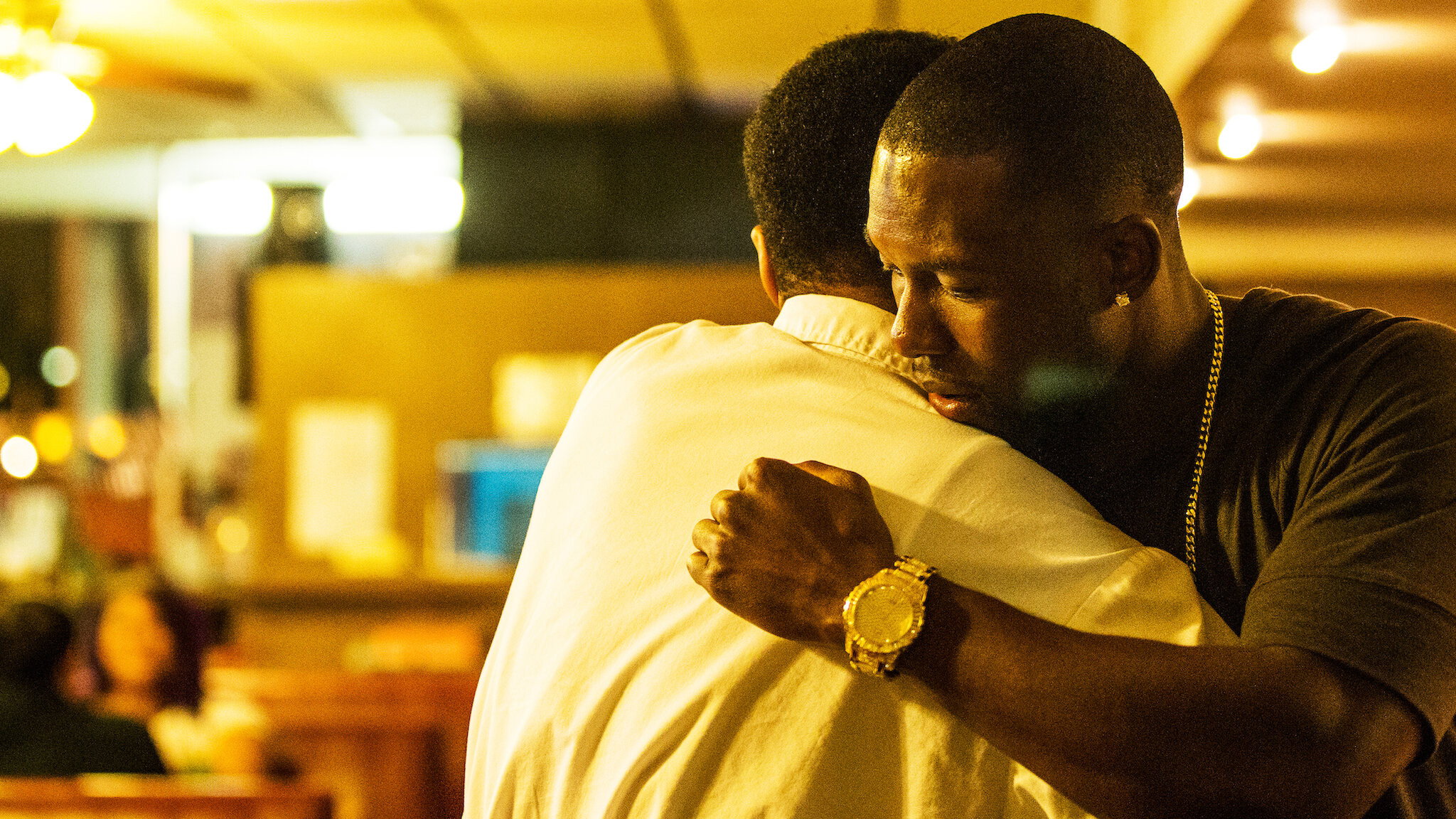
James Laxton’s fluid camerawork and rich colour make looking at a face an event worth staying with. The camera’s closeness lets a small change of expression carry weight, and the beauty never made us forget how uneasy the person being watched might feel. Nicholas Britell’s music gives these private anxieties considerable scale. The classical scoring takes the feelings seriously, which seems appropriate to a boy for whom an ordinary encounter can be difficult.
Hannah Beachler’s production design helps establish a Miami where money is short, without turning the setting into a catalogue of deprivation. The sense of a place being lived in holds the film steady through its more dreamlike passages. Editors Nat Sanders and Joi McMillon are especially good at preserving the uncertain rhythm of an exchange. They let a conversation stay awkward long enough for us to feel why speaking costs Chiron so much.
The larger leaps are less satisfying. Moving between three life stages leaves us wanting some of the ordinary days that might explain a change, and occasionally Jenkins asks a look to account for too much. A coming-of-age film need not provide a complete case history, but there are stretches here where we feel the compression. Now and then, the music and images also insist on the importance of something the actors have already made clear, and we wish Jenkins would leave them alone.
Those reservations matter, but they never made us indifferent to Chiron. Jenkins gives his characters time to be difficult, uncertain and occasionally hard to like, without making their pain a lesson for the audience. That is a substantial achievement in a genre often eager to explain exactly what growing up has taught its hero. Set aside an evening when you can give it your full attention, and do not expect every silence to be explained.