Film review

Candyman

1992 · Directed by Bernard Rose · 1h 40m · MPA R

In a sentenceTony Todd gives us a convincing reason to keep our mouths shut

DramaHorrorThriller

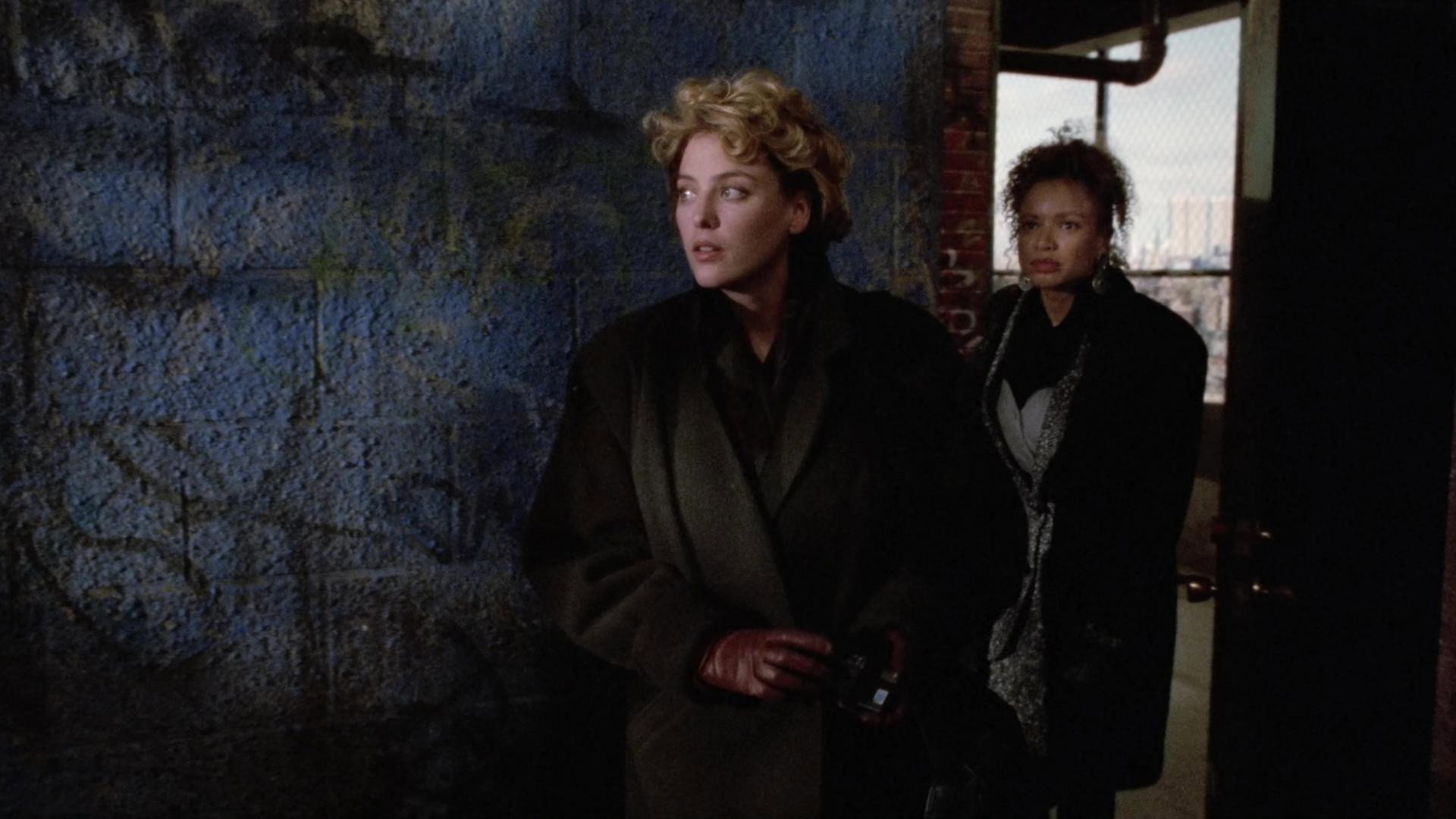
Helen Lyle (Virginia Madsen) becomes caught up in the story of Candyman (Tony Todd), a figure whose name comes with a challenge: say it five times. Set around Chicago’s housing projects, Bernard Rose’s horror film follows Helen into a legend entangled with race, class and the fears of the people who live there. Xander Berkeley plays Trevor Lyle, with Kasi Lemmons as Bernadette Walsh and Vanessa Williams as Anne-Marie McCoy. As Helen’s involvement deepens, the distinction between a story people repeat and a danger they face becomes harder to draw.

Plays from YouTube when you press play; nothing loads from them until then.

Fi1m review

Bernard Rose’s Candyman is frightening, thoughtful horror, with Tony Todd giving its legend a disturbing attraction. Uneven pacing and a narrow view of its community matter, but neither spoils the dread.

Bernard Rose’s Candyman is frightening, intelligent horror whose uneven pacing does not undo its hold on us. Set around Chicago’s housing projects, it makes the telling of an urban legend a question of who has the freedom to be curious. Helen Lyle can approach these stories from a distance that the residents do not have. Rose finds unease in that difference, and the film is more interesting whenever he lets it affect our judgement of Helen.

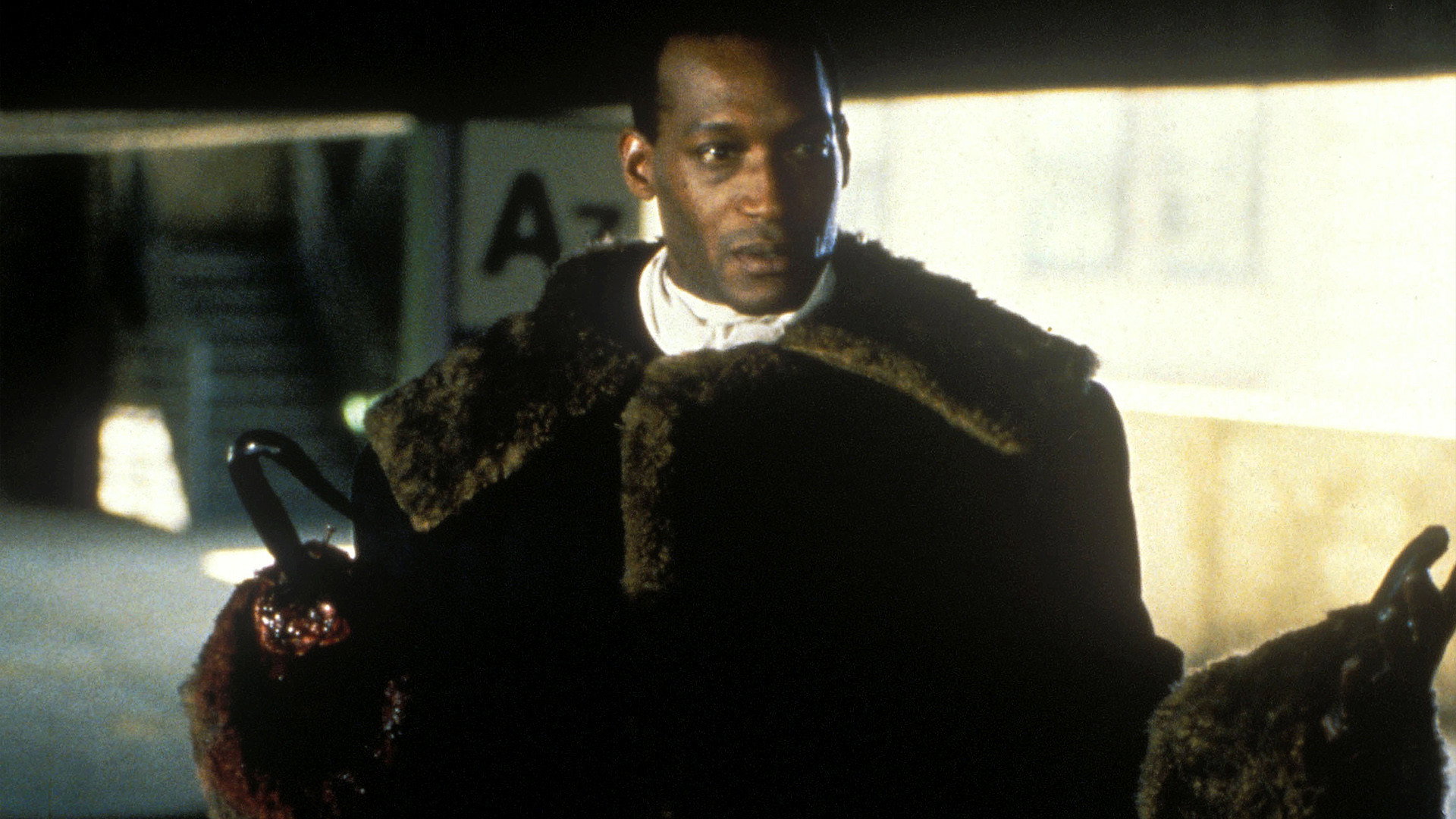
Virginia Madsen keeps Helen convincing even when the story threatens to overwhelm her. Her performance gives us somebody to stay with through the uncertainty, without demanding that we approve of every decision. Tony Todd makes Candyman seductive enough to complicate the simple wish to get away from him. We were unnerved by the warmth in his voice, which makes the danger sound inviting. He is allowed to be compelling for longer than it takes to deliver a scare.

Anthony B. Richmond’s cinematography finds an unsettling romance in the housing project’s decay. Jane Ann Stewart’s production design keeps that deterioration prominent, so the surroundings remain uncomfortable even when nothing overtly supernatural is happening. The combination works because the place matters before it becomes somewhere to stage a scare. There is a danger of admiring these images and forgetting the people who have to live in them, a danger Rose is not always alert enough to avoid.

Philip Glass’s score encourages the same uneasy attraction as Todd’s performance. Its romantic sweep makes sense of a film that wants us drawn towards its monster, and the music sustains apprehension through the quieter passages. Dan Rae’s editing is less reliable. The pace slackens in places, and the renewed bursts of violence do not always feel earned by what precedes them. Rose has actors capable of holding our attention without another shock; the cutting sometimes seems impatient with them.

The larger reservation concerns the people around Helen. Rose’s writing gives race and class a place in the horror, but her experience takes up so much attention that the community risks becoming material for her ordeal. That is a limitation worth naming in a film interested in the distance between privileged outsiders and the people they observe. Vanessa Williams, as Anne-Marie McCoy, makes us wish Rose had given the residents more attention.

The consensus is less enthusiastic than we are. We think the objections to the gore give too little weight to the fear that Madsen and Todd sustain between the shocks. As a supernatural horror film, Candyman offers the basic pleasure of an imposing monster, then makes our attraction to him uncomfortable.

Give it a quiet room and a little patience with the uneven stretches. The 18 certificate is worth taking seriously; the interest in race and class does not make the violence polite. We would not choose it as a way of winding down.

Critical consensus AI synthesised

5 of 6
Positive
3
Mixed
1
Negative
1
Radio Times
★★★★ · Alan Jones
80

The critic describes the film as an intelligent, gripping and gimmick-free adult study in psychological fear and a breath of fresh scare. Virginia Madsen's performance and Bernard Rose's bold direction are singled out for praise.

Read the full review →
The New York Times
16 October 1992 · Janet Maslin
70*

The review highlights how the horror unfolds inside a housing project against a backdrop of racial injustice. It notes the spooky atmosphere from the cinematography and Philip Glass score while observing that the lead performance and direction exceed what the material demands.

Read the full review →
The New Yorker
12 October 1992 · Michael Sragow
60*

The review calls the racial brinkmanship the film’s most original and effective gimmick, with the underlying notion about privileged whites and urban-black reality sharpening the satiric scenes. It concludes that despite slick savvy the film remains just a gory campfire tale best seen at midnight in a city.

Read the full review →
Los Angeles Times
16 October 1992 · Kevin Thomas
30*

The review finds the film pretentious and preposterous as it drowns in gore, with the writer-director focusing on violence rather than artistry or coherent ideas about racism and mythology. It praises the cast’s efforts but concludes they deserve better than this numbing result.

Read the full review →
Empire
1 January 2000 · Adam Smith

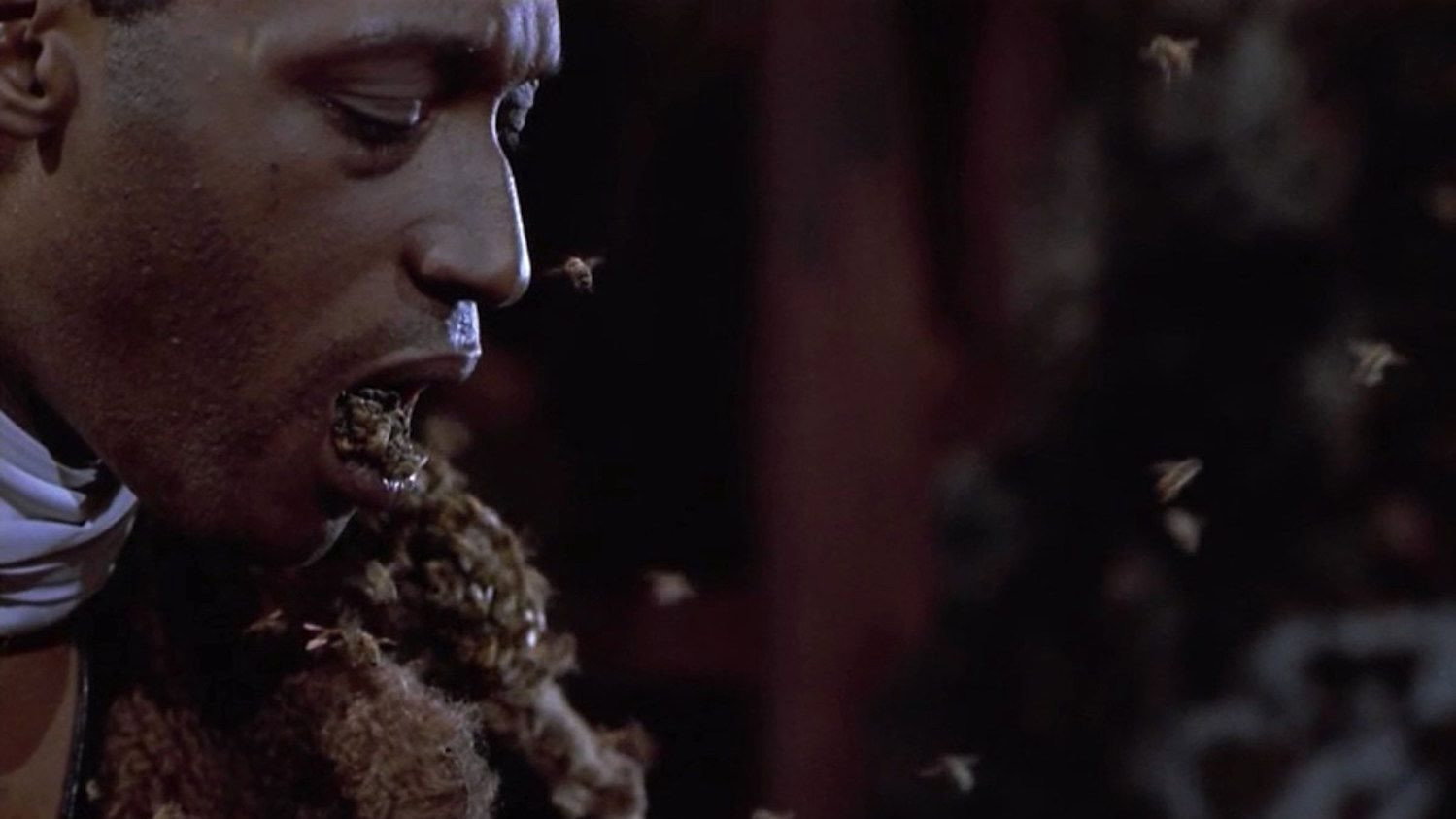
The critic calls Bernard Rose's film one of the most interesting and scary horror movies of the 1990s, played straight as intelligent and challenging horror. They single out the fantastic Philip Glass score and how bee stings have never seemed scarier.

Read the full review →
Little White Lies
28 October 2018 · Anton Bitel

The critic praises Bernard Rose's adaptation for its fluid boundaries between myth and reality and its exploration of sex, class and race in Chicago's projects. The film is highlighted for its unresolved narrative ambiguities and Philip Glass score that keep the Candyman legend alive.

Read the full review →

Cast

Stills

If you liked this, try…

The Devil's Backbone poster

The Devil's Backbone

2001 · A ghost story where violence against children makes the supernatural painfully understandable

Dark Water poster

Dark Water

2002 · Neglected housing and a mother’s anxiety make every damp corner feel threatening

The Haunting poster

The Haunting

1963 · For sustained dread, an unsettled heroine and rooms that refuse to feel empty

His House poster

His House

2020 · Another haunting that takes housing, exclusion and its characters’ histories seriously

A Girl Walks Home Alone at Night poster

A Girl Walks Home Alone at Night

2014 · A seductive monster and a troubled neighbourhood, with room for dry humour