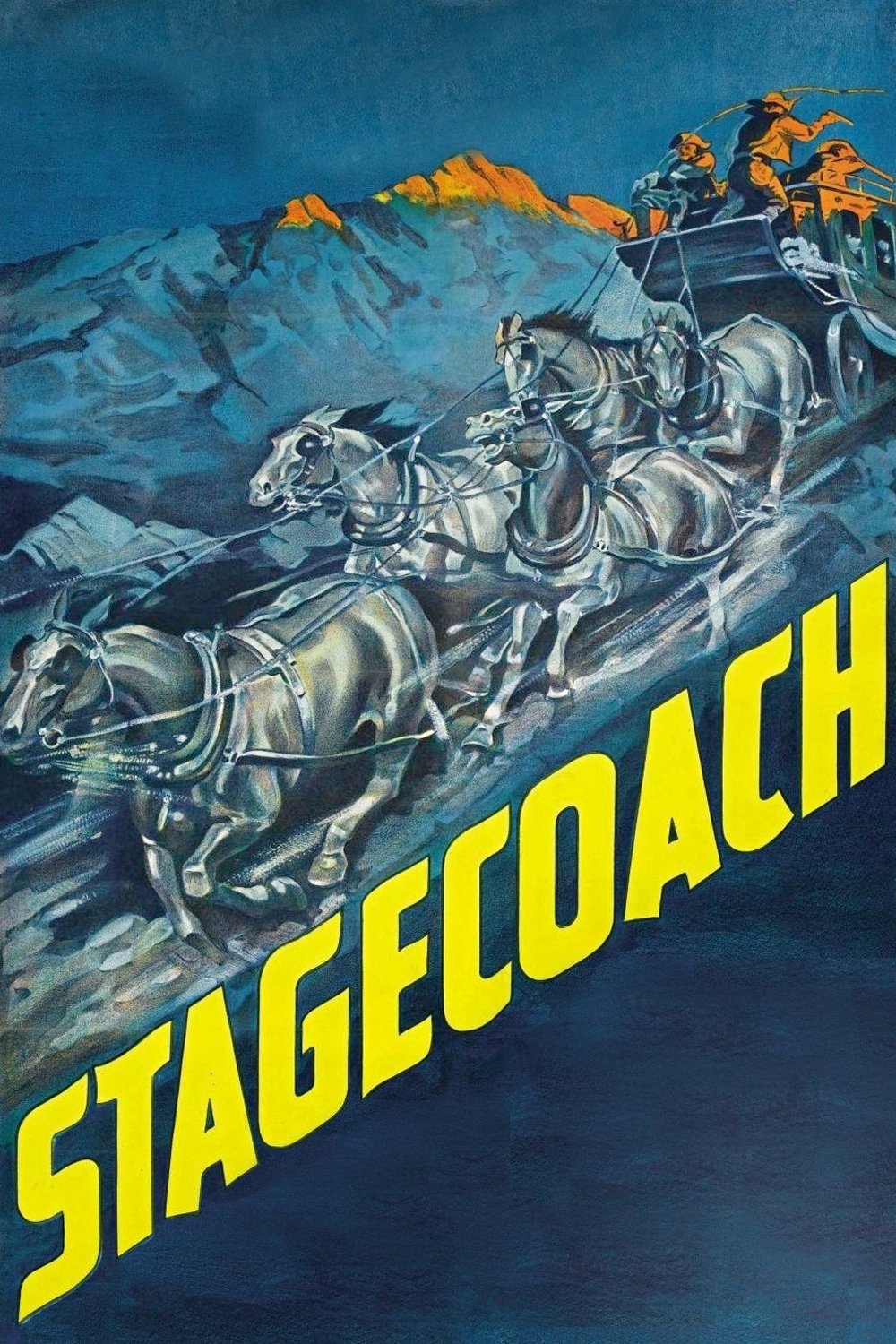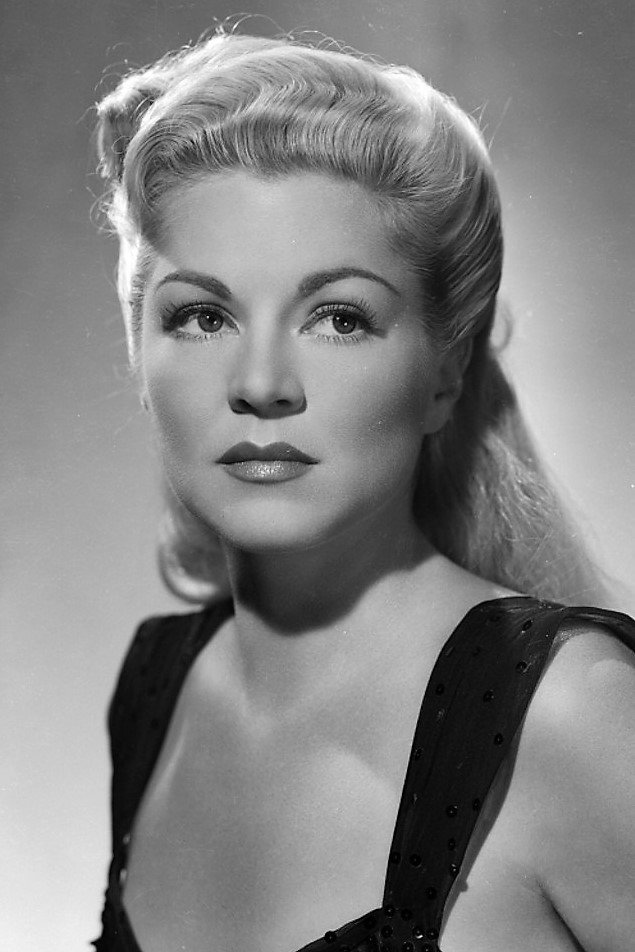
Claire Trevor gives tough-talking women feelings worth attending to, and she does it without demanding our pity. Stagecoach is the place to start: an affecting performance that never crowds the other passengers out.
Fi1m perspective
In Stagecoach (1939), Dallas matters even when nobody is in immediate danger. Claire Trevor gives her feelings enough weight to hold our attention without making the journey seem like an interruption. We cared about what would happen to her because Trevor had made the quieter business between the dangers worth watching. Dallas is an ostracised prostitute, but the performance keeps her from shrinking to that description. She remains someone we want to spend time with, without needing the whole film arranged around her.
The early Fox programmers offered Trevor work within fairly narrow expectations. The brief appearance as Francey in Dead End (1937) put her ability to do concentrated emotional work in close-up to use. She had top billing in Stagecoach, before becoming a prominent presence in 1940s film noir. Murder, My Sweet (1944), opposite Dick Powell, and Born to Kill (1947) belong to that run.
The frustration is how often she was asked to do much the same thing. Moving between Westerns, thrillers and dramas did not necessarily free her from the hard-bitten woman with a history of being hurt. Her strength was in giving those women sincere feelings rather than relying on the tough talk alone. Gaye Dawn in Key Largo (1948) offers another example of that emotional depth, though Dallas remains our starting point.
John Ford gets particularly good use from her willingness to belong to an ensemble in Stagecoach. John Wayne's direct, unforced Ringo Kid helps too: together they make the passengers worth knowing before the journey tests them. Trevor can hold our interest without insisting that everyone else recede, and the adventure benefits from her restraint. We recommend it with a serious caveat about its treatment of the Apache. Start there, provided that caveat is one you can accept.
Biography
Claire Trevor (née Wemlinger) was an American actress. She appeared in 65 feature films between 1933 and 1982, and also worked in theatre, radio and television. She received top billing ahead of John Wayne in Stagecoach (1939), in which she played Dallas.
Trevor made her Broadway debut in Whistling in the Dark (1932) and her film debut in Jimmy and Sally (1933). She won the Academy Award for Best Supporting Actress for her role in Key Largo (1948) and was nominated for her performances in Dead End (1937) and The High and the Mighty (1954). Among her other notable films are Murder, My Sweet (1944) and Born to Kill (1947). She also appeared in episodes of Alfred Hitchcock Presents and Murder, She Wrote.