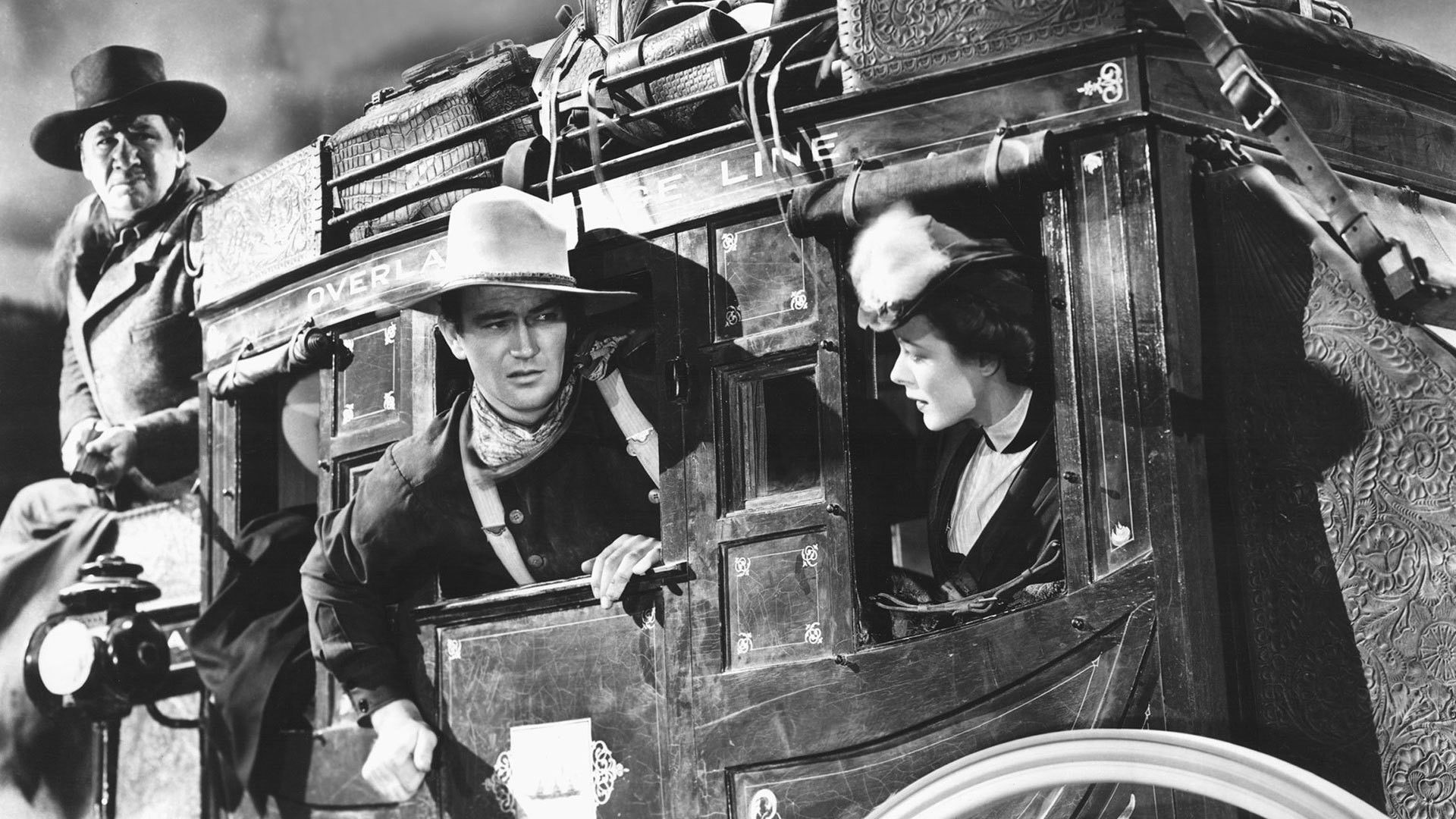
John Ford’s Western gives its passengers the attention that makes the action matter. It is a gripping ensemble adventure, with a serious caveat about its treatment of the Apache.
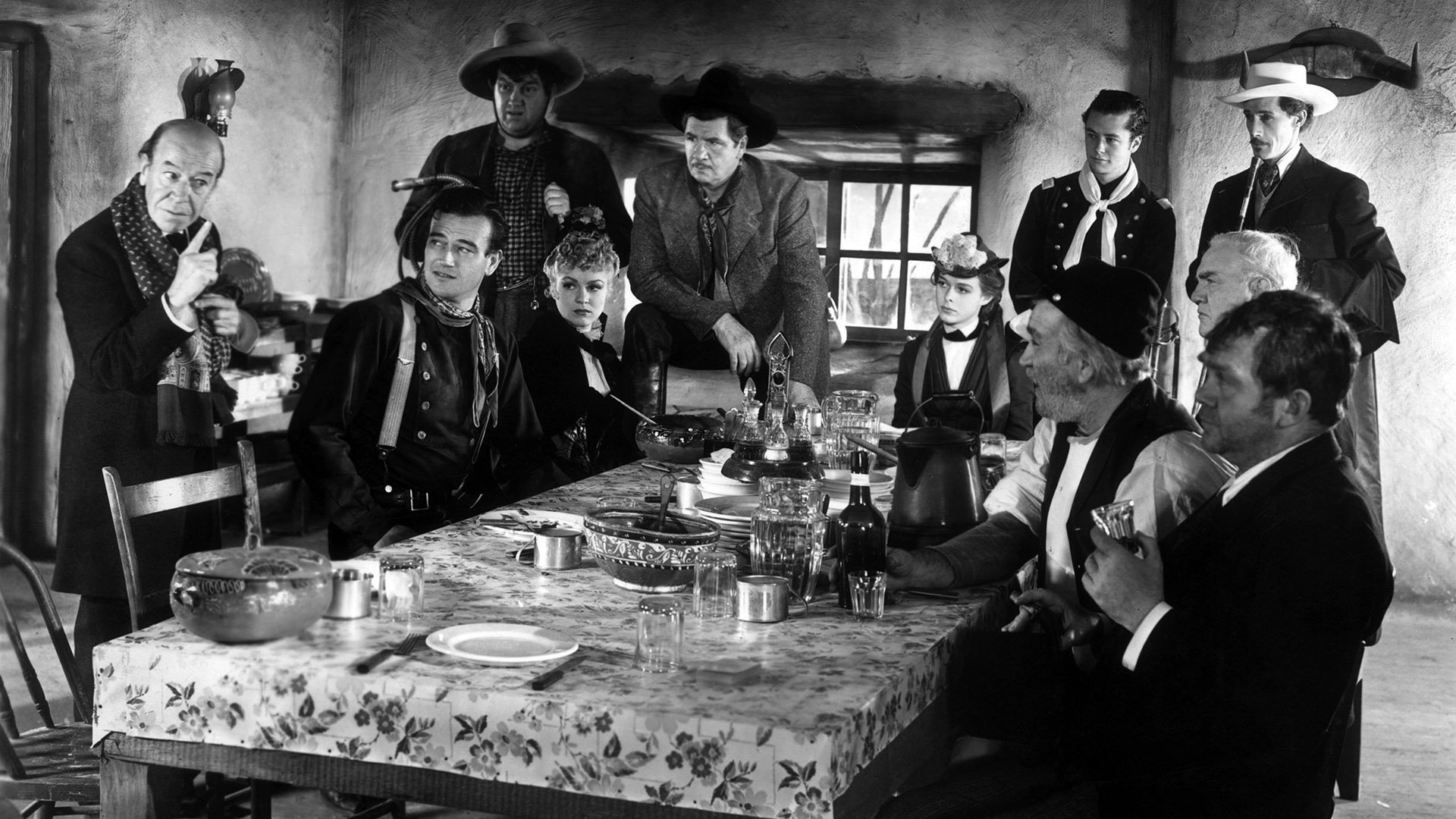
John Ford’s Stagecoach is a fine Western, brisk, involving and more interested in its passengers than its simple journey requires. It understands the pleasure of putting incompatible people in close quarters and making them stay there. Dudley Nichols gives the ensemble enough competing claims on our attention that waiting for action never feels like waiting for the film to begin. Across 96 minutes, the coach has to carry a considerable amount of human disagreement. The journey gives those disagreements time to develop.
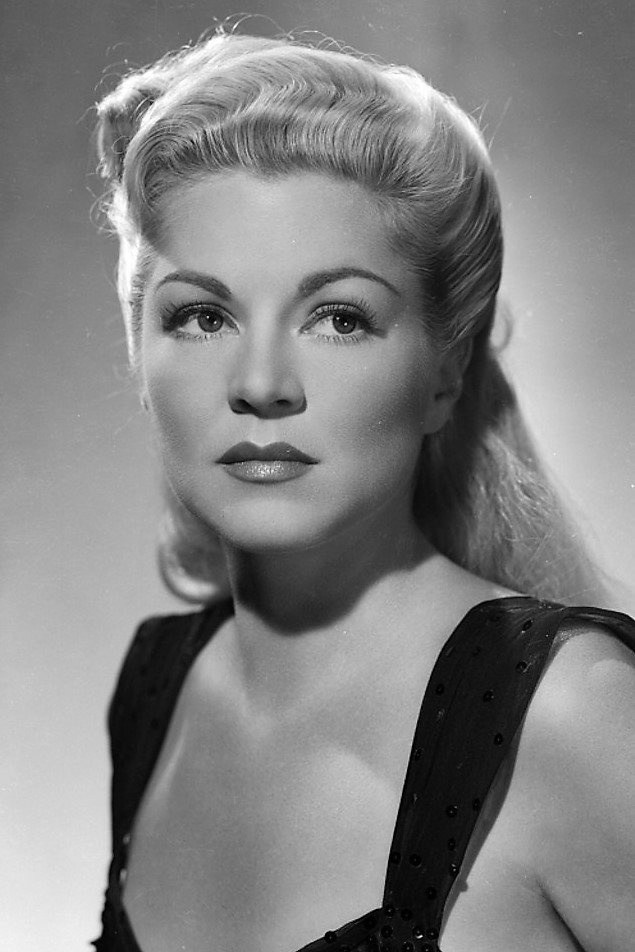
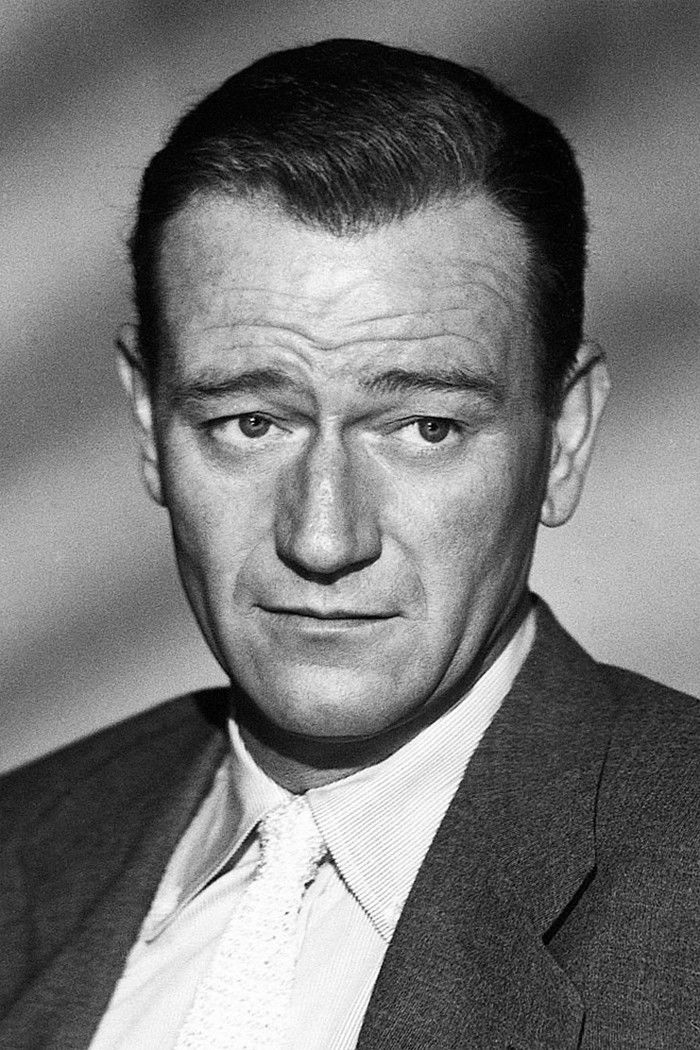
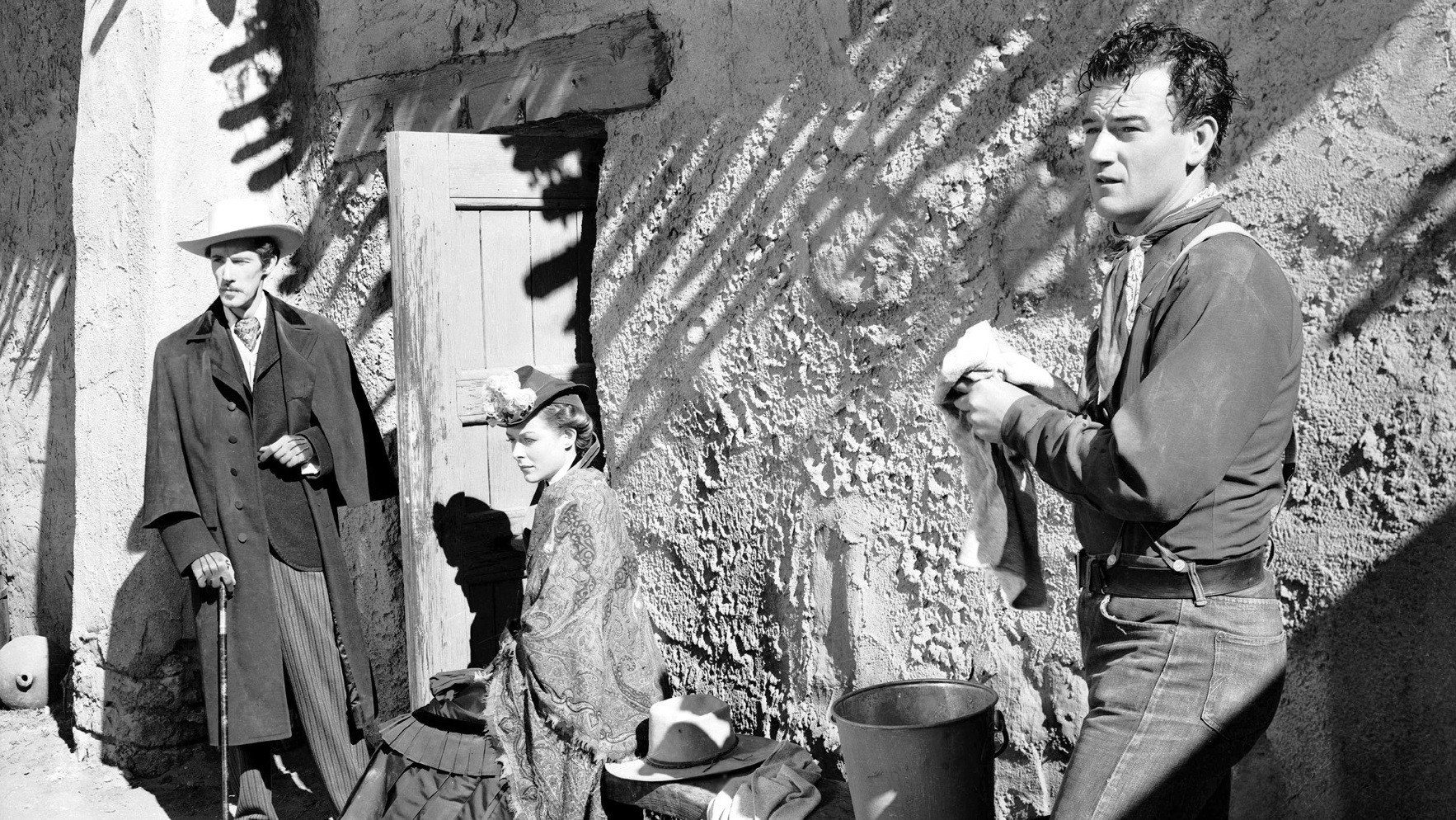
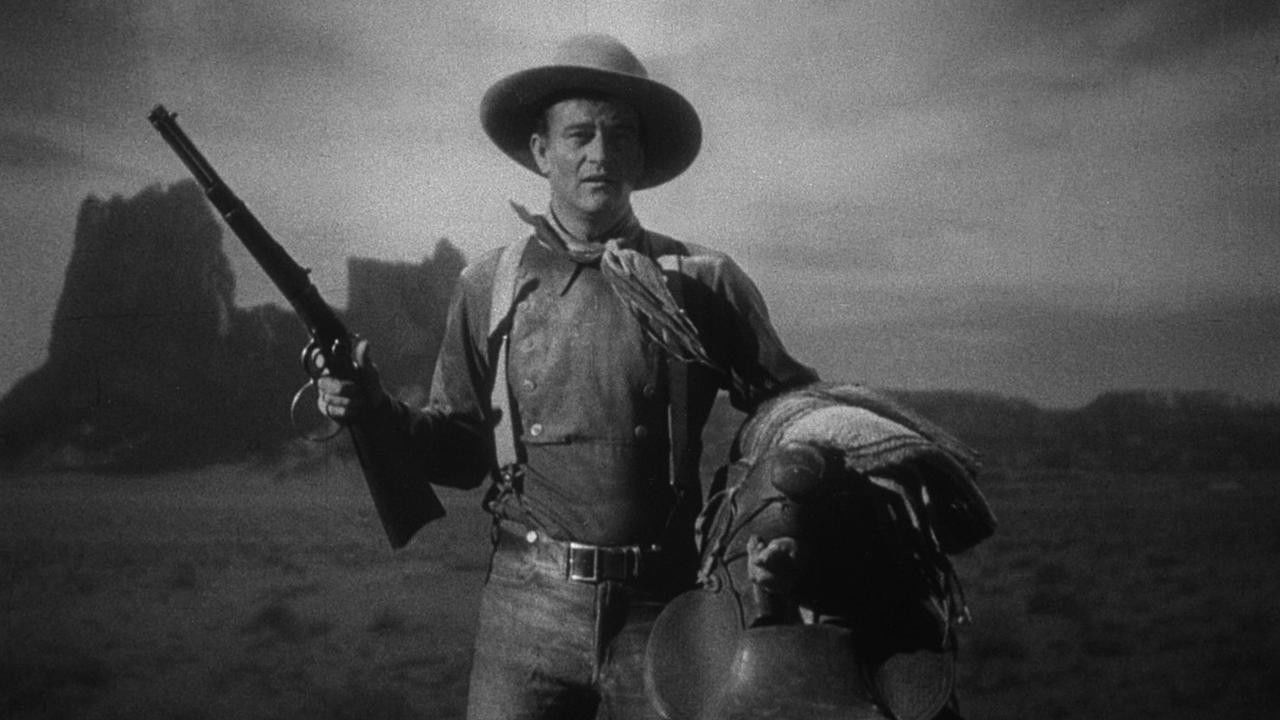
Claire Trevor, as Dallas, makes us care about what happens between the dangers. She gives the character enough feeling to hold our attention without needing the whole film arranged around her. John Wayne plays The Ringo Kid with a directness that suits the pace, and his ease makes the performance feel unforced. Their appeal is important to the film’s generosity: we are interested in spending time with these people well before the journey has tested them.
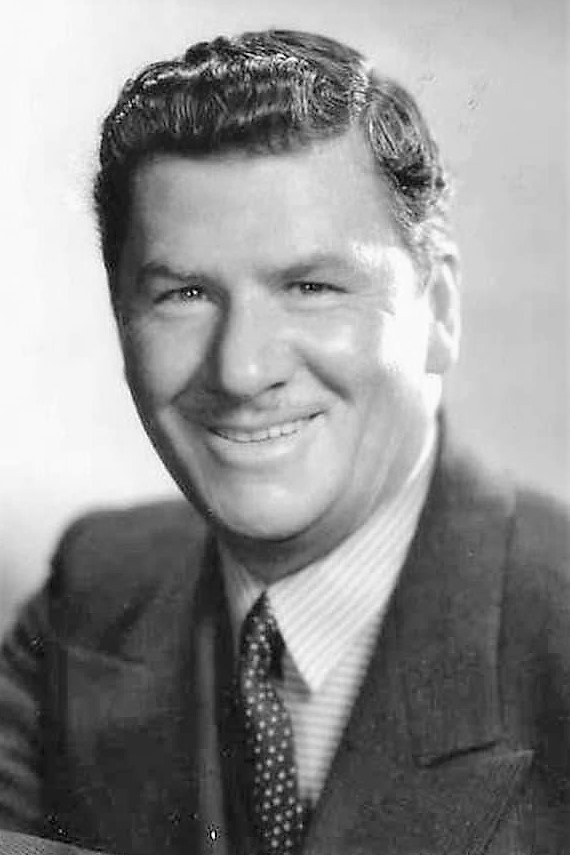
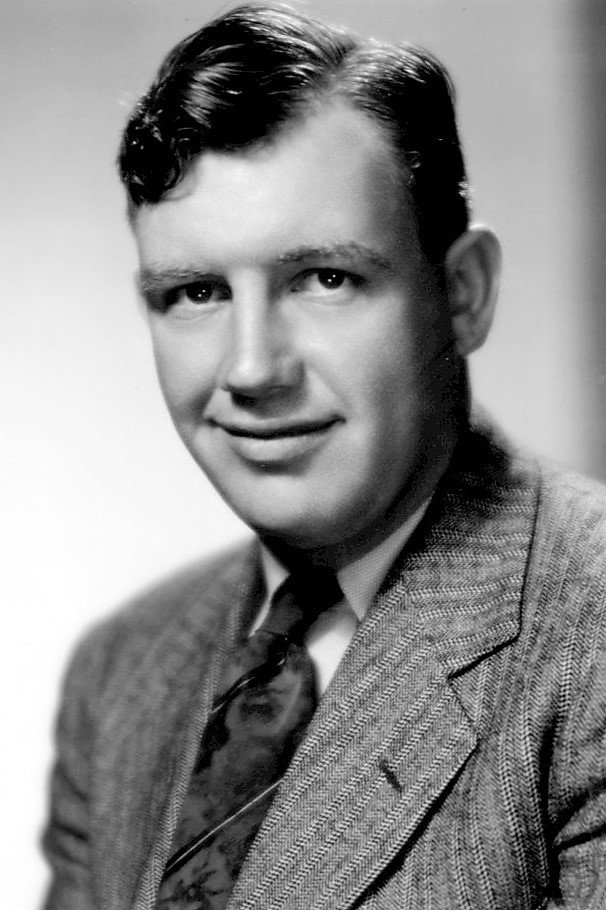
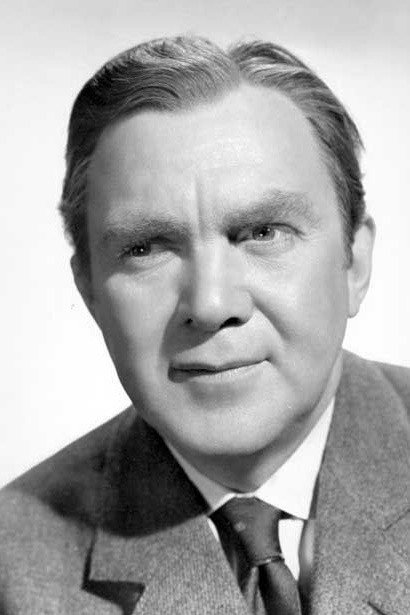
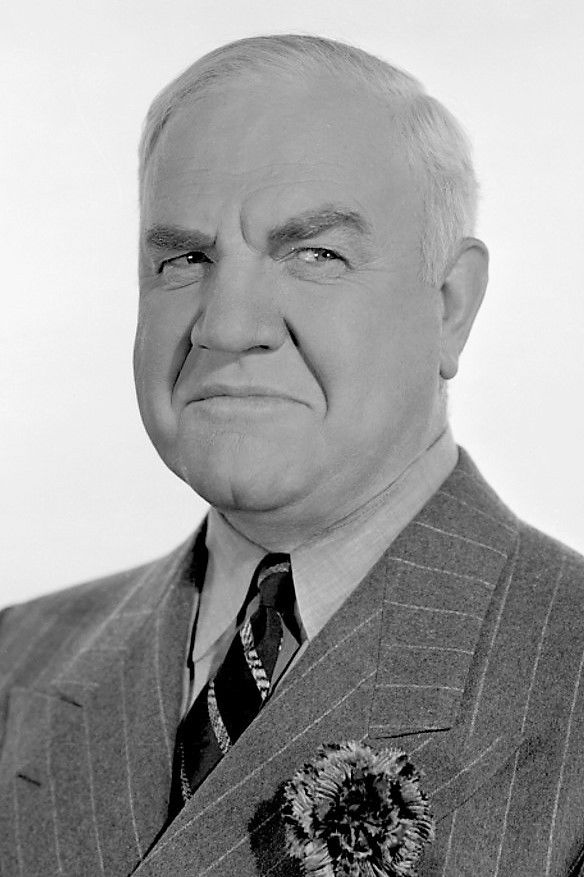
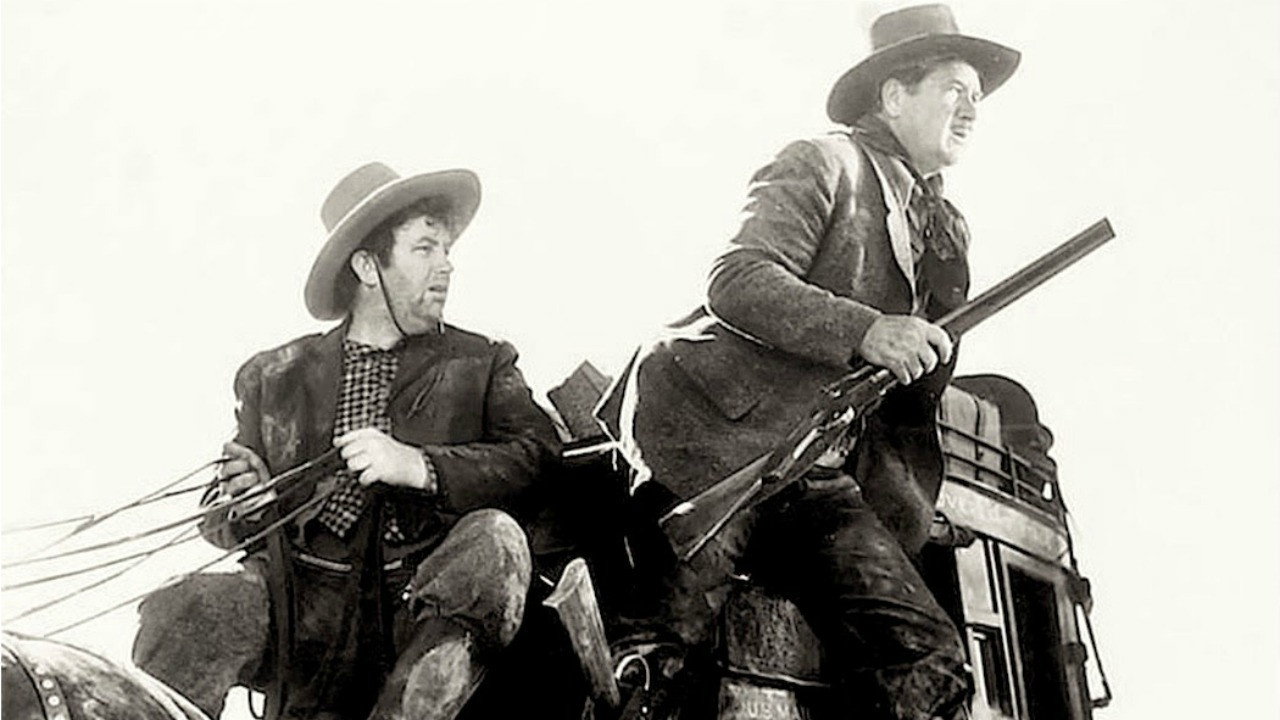
Thomas Mitchell’s Doc Josiah Boone and Andy Devine’s Buck give the journey much of its comic energy. Some of the comic business goes on after we have got the joke. George Bancroft, as Marshal Curly Wilcox, provides a useful steadiness beside them. Dudley Nichols’s script occasionally makes it too easy to decide which travellers deserve our trust. The cast keeps us interested after the writing has settled the matter.
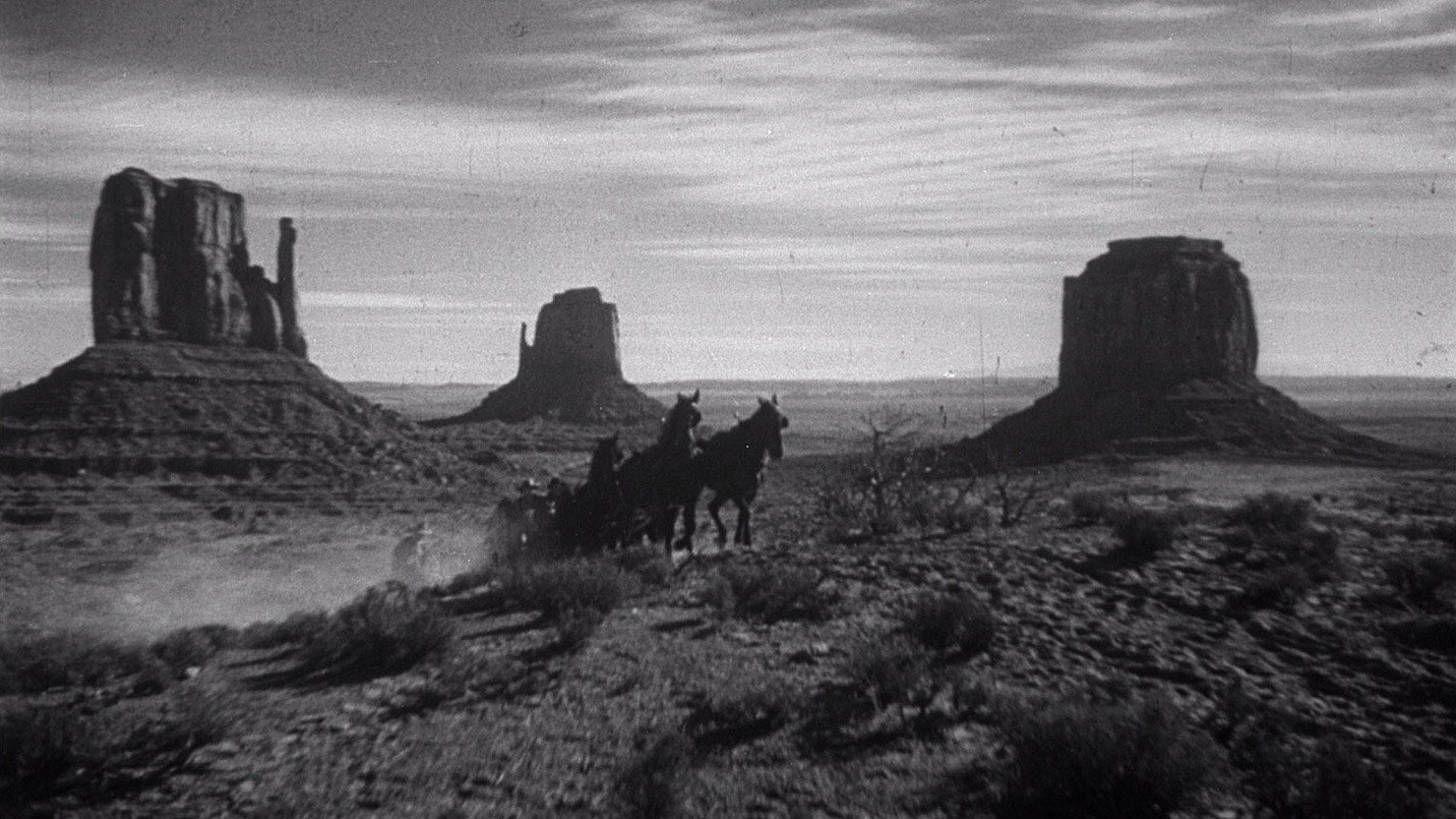
Bert Glennon’s cinematography gives the country around the coach a scale that makes the journey feel exposed. We have time to register the size of the landscape and the vulnerability of the people crossing it. Walter Plunkett’s costume design helps keep the crowded company distinct, although the acting does most of the work of establishing their differences. The open country makes a useful contrast with the coach, where differences of manner and status are difficult to avoid.
Otho Lovering, Dorothy Spencer and Walter Reynolds edit the action with a welcome respect for where everyone is. We were gripped because we could follow the coach through the danger, with none of the uncertainty about space that so often passes for excitement. That clarity also lets us keep thinking about the passengers while the action is under way. Gerard Carbonara’s music is less subtle: its encouragement sometimes adds emphasis that the action does not need.
The serious reservation is the Apache threat. John Ford gives the travellers the benefit of individual attention, then asks us to accept the people threatening them chiefly as a source of danger. We can admire the suspense without pretending that this is a small matter, particularly in a film so alert to unfair judgements elsewhere. The warmth within the coach makes the lack of comparable curiosity outside it more conspicuous.
For an ensemble adventure, this is still a persuasive way to proceed: establish the company, then make us worry about it. The film’s reputation as a model for later stories of people thrown together is easy to understand. Its economy is especially welcome; John Ford does not need a long running time to make a crowded cast memorable. See it for the passengers, even if Westerns are not usually your choice.