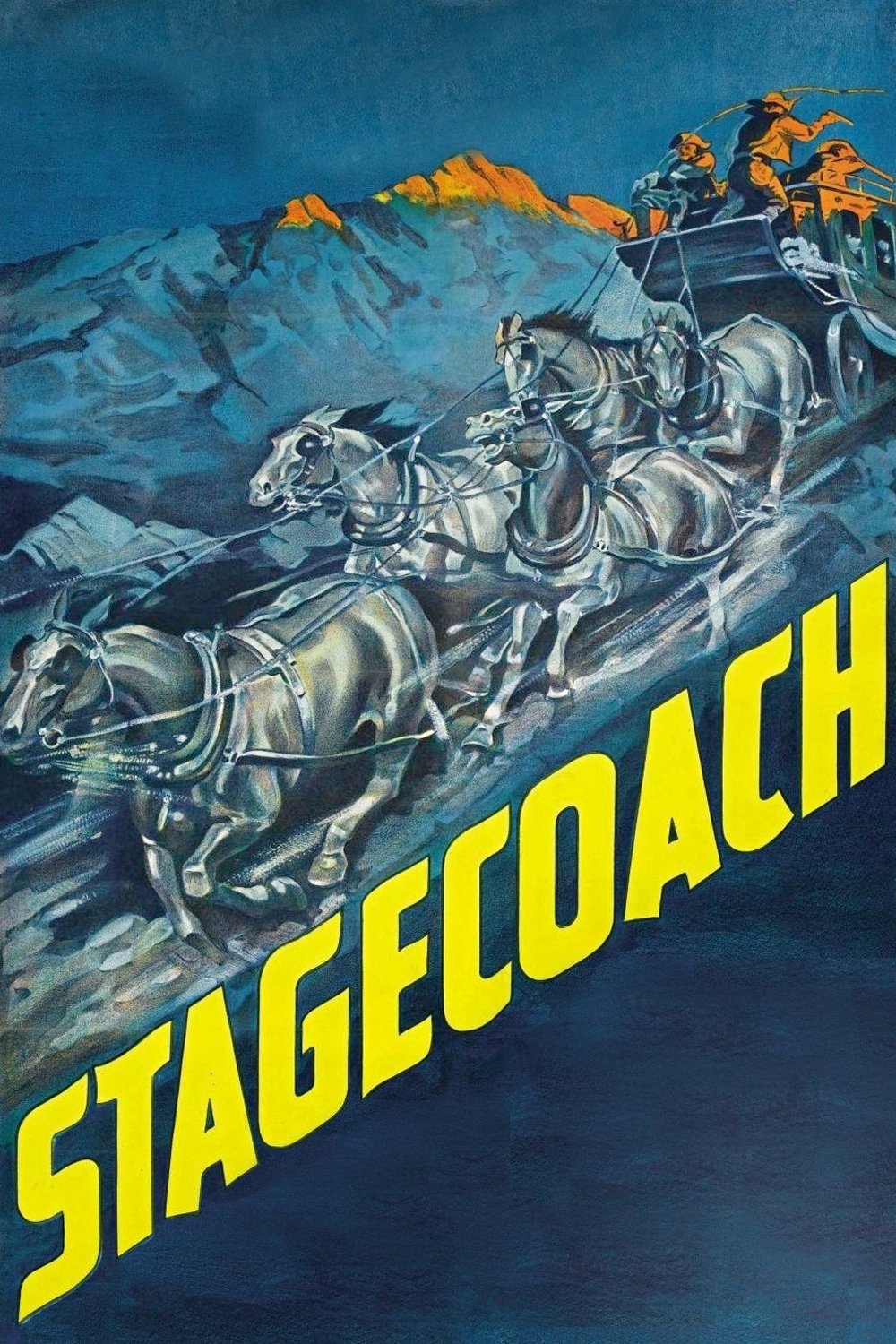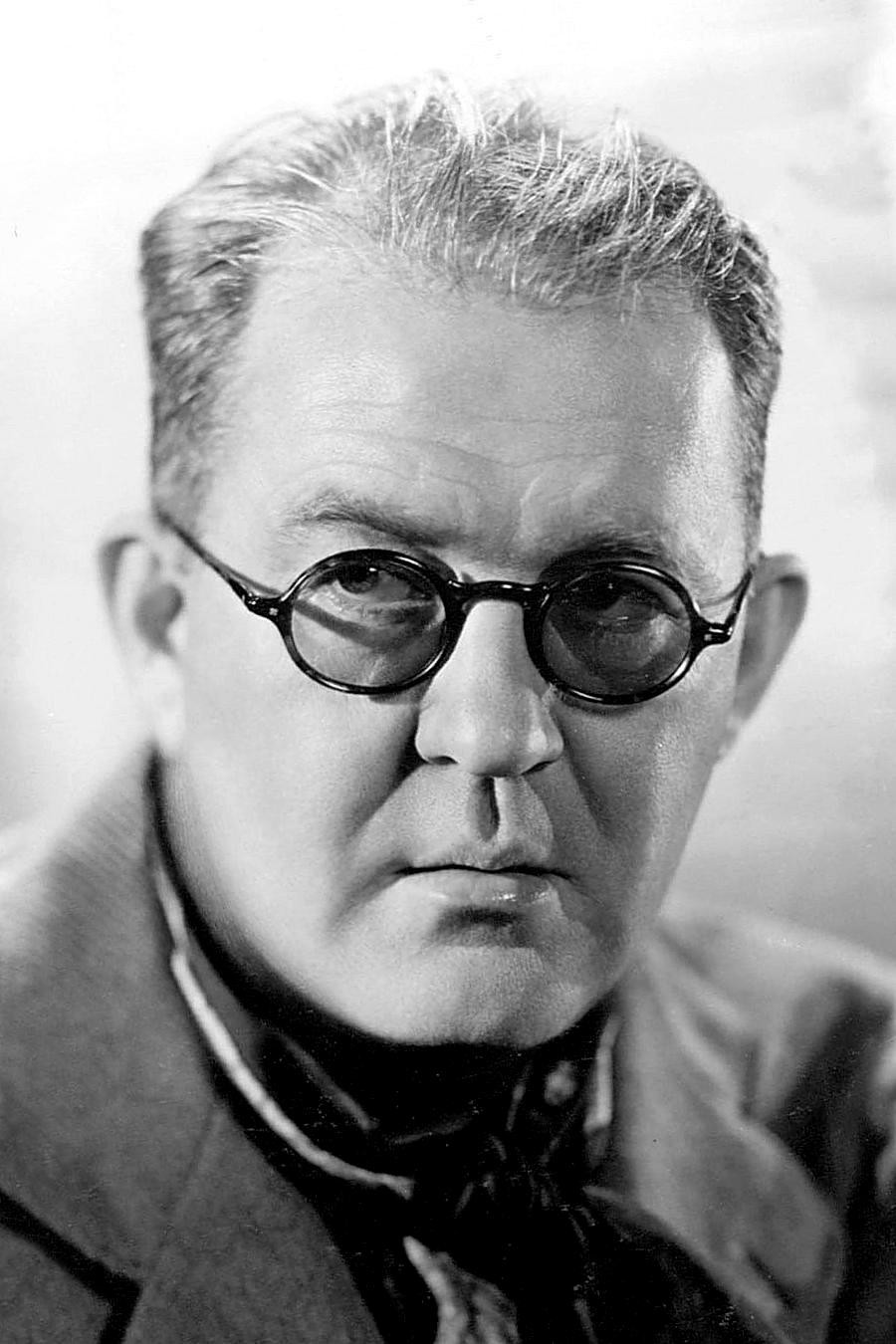
John Ford makes communities worth caring about before putting them under strain. We recommend his films for their warmth and precision, but his treatment of the Apache in Stagecoach needs more than a passing caveat.
Fi1m perspective
In Stagecoach (1939), people who would rather not share a journey have to sit together and endure one another. Ford makes the time spent among them worth as much as the action. Dudley Nichols's script gives the passengers competing concerns, and Ford keeps the ensemble clear without reducing everyone to a single distinguishing trait. We were gripped even while waiting for the action, because the disagreements inside the coach already mattered to us. The journey allows those differences to develop without making us impatient for the next interruption.
His Westerns grew out of a silent-film career, with The Iron Horse (1924) his first major success. The peak around Stagecoach extended through The Grapes of Wrath (1940) and How Green Was My Valley (1941), taking his interest in people living together beyond the Western. The later Westerns examine vengeance and racism in The Searchers (1956), then the gap between fact and legend in The Man Who Shot Liberty Valance (1962).
The long shots matter because Ford keeps people visible within the landscape, especially in Monument Valley. A still camera, or a movement with a clear purpose, lets us register where they stand and how they gather. Doorways, dances and arriving wagons recur; he keeps returning to the ways people enter a place or become part of a group. Stagecoach helped make John Wayne a major star, yet Ford never treats the other passengers as mere company for a leading man. The action editing works because the chase involves people whose differences we have already had time to notice.
The serious limit is there in Stagecoach, too. The Apache are presented chiefly as a danger to people we have been encouraged to understand individually. Ford notices how unfairly the passengers judge one another, but gives us little encouragement to consider the people threatening them with comparable curiosity. We do not think the suspense excuses that disparity, particularly when the warmth elsewhere makes it so conspicuous. Start with Stagecoach for the passengers; its treatment of the Apache deserves considerably less trust.
Biography
John Ford was an American film director. He directed and produced Stagecoach (1939).
Ford is known for his work in westerns, including The Searchers (1956), The Man Who Shot Liberty Valance (1962), My Darling Clementine (1946), Fort Apache (1948) and She Wore a Yellow Ribbon (1949). Other notable films include The Grapes of Wrath (1940), How Green Was My Valley (1941) and The Quiet Man (1952).
He received four Academy Awards for Best Director. Ford was born in Cape Elizabeth, Maine, on 1 February 1894 and died on 31 August 1973.