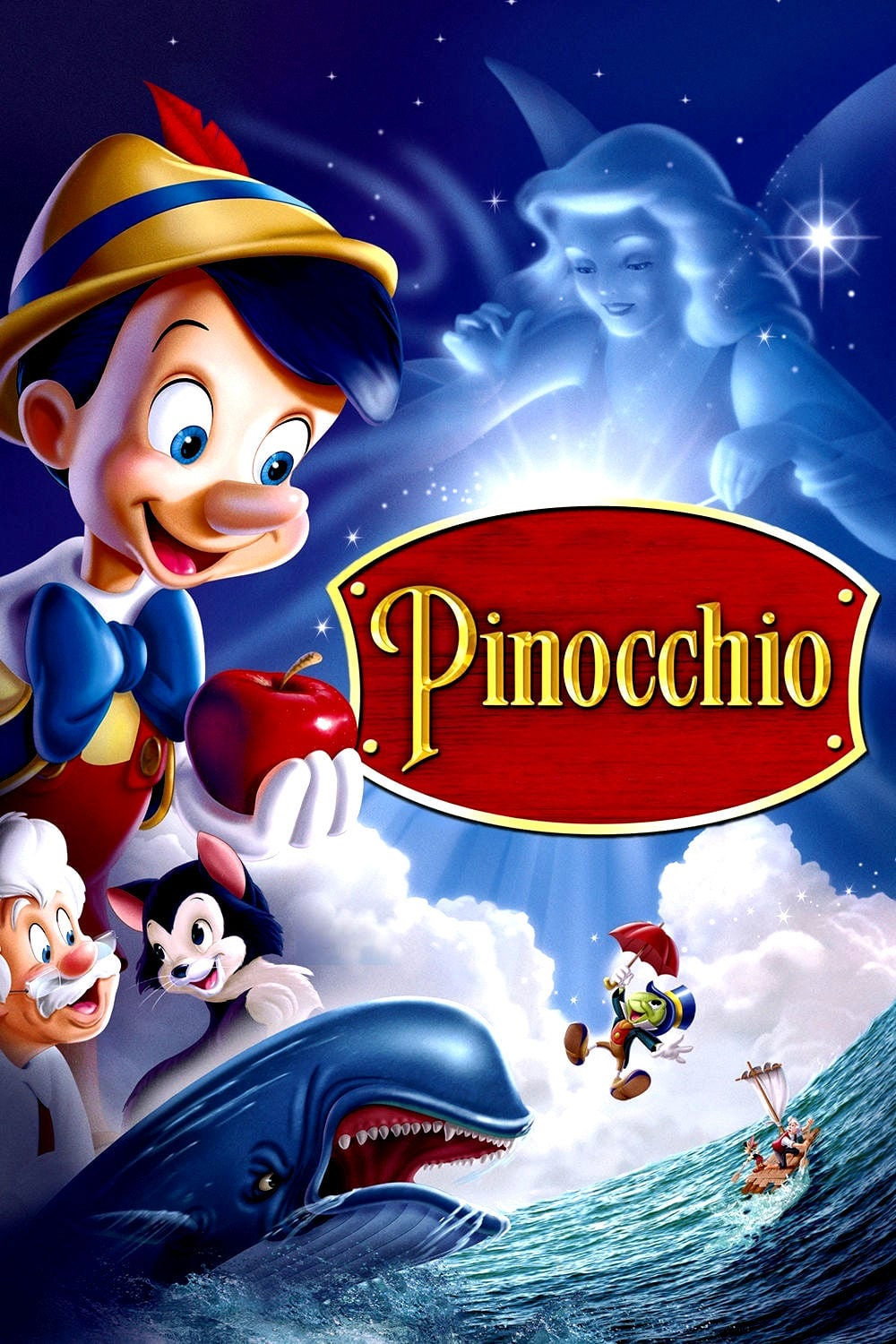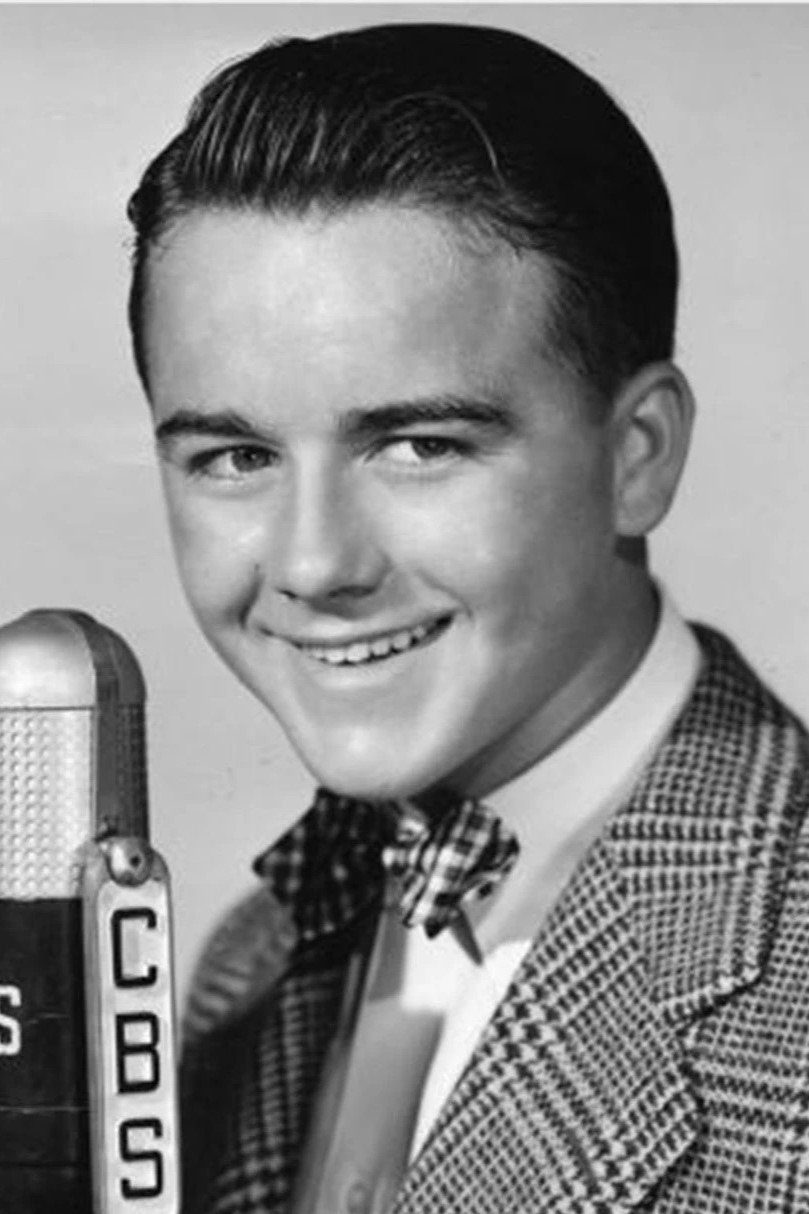
Dick Jones is the boy in Pinocchio and not much else that anyone remembers, which is no slight. He gave the puppet a real child's voice when the studio had been trying to fake one with adults, and the film still rests on it.
Fi1m perspective
The puppet wakes in Geppetto's workshop, looks at his own hands, and speaks. What comes out is not an actor doing a boy but a boy, and the difference is the whole performance. Disney had been auditioning grown-ups to play the part before Jones was picked from more than two hundred hopefuls. Jones put it plainly years later: "They started off with adults, and when Walt first heard the ones trying to act like kids, he said no."
Our review called his Pinocchio an eager blank, and meant it as description rather than complaint. The character is a boy who wants only what the last person told him to want, and Jones says yes to everyone in the same open, unguarded note. That is what makes the film hurt. When Honest John takes his arm on the road to school in the first act, we wanted to shout at the screen, and it was the voice that did it: there is no guile anywhere in it, so every lie lands on something soft. He recorded the speaking and singing over roughly nineteen months and stood in front of a camera so the animators could study how a real child moves, which is why the puppet's gawkiness looks observed rather than invented.
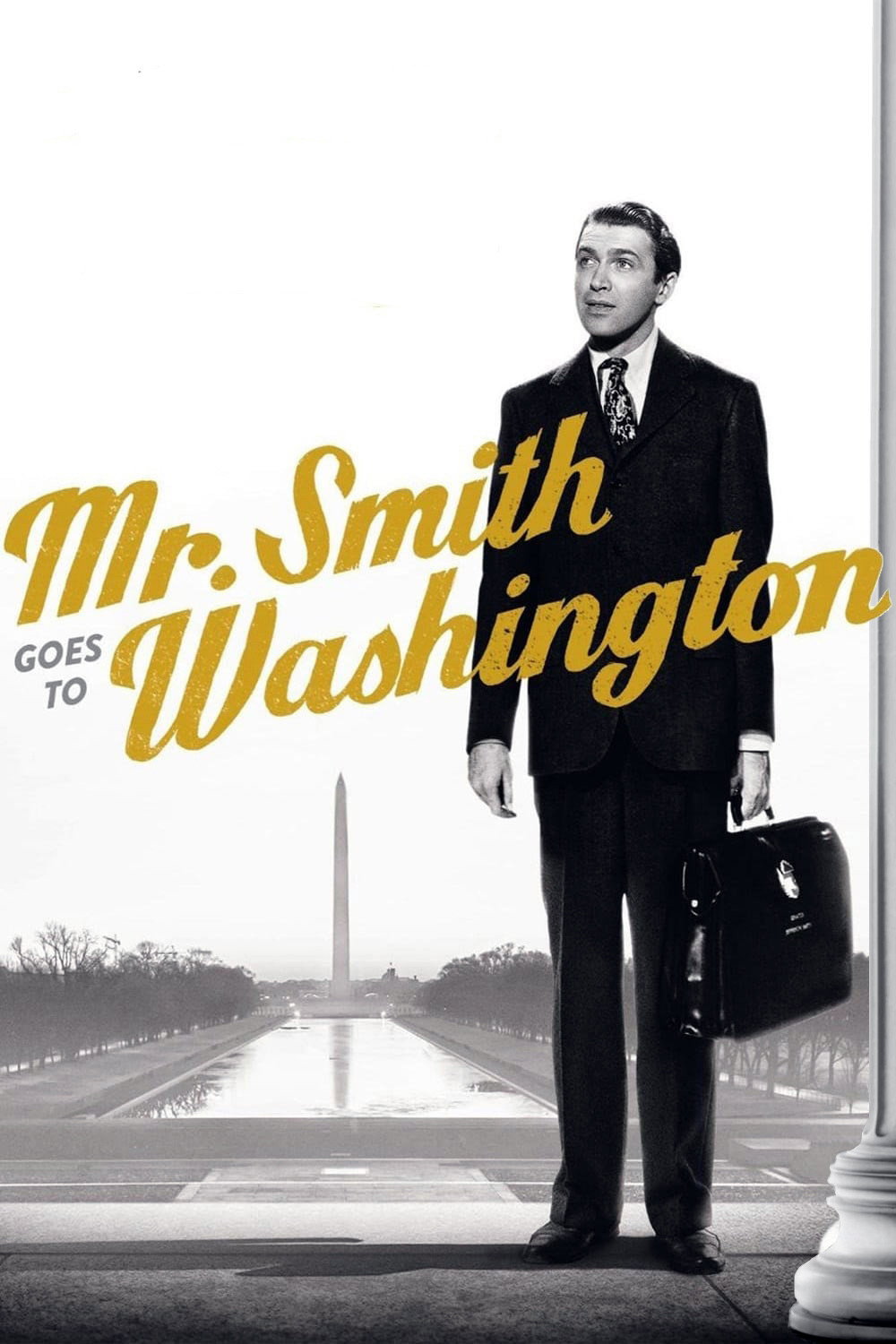
He had been in pictures for six years by then. A child trick rider from Snyder, Texas, spotted by the cowboy star Hoot Gibson, he was in Hollywood by about six and working from 1934, mostly in small and uncredited parts. He is a credited son in Stella Dallas (1937) and an uncredited Senate page boy in Mr. Smith Goes to Washington (1939). We have not reviewed those and will not pretend to judge them; the point is that Pinocchio (1940) came out of a working child's career, not a discovery.
After the war, in which he served in the army in Alaska, the rodeo skills did the work the voice had done. He rode as Dick West beside Jock Mahoney through seventy-six episodes of The Range Rider (1951–53) and then headed his own Gene Autry-produced series, Buffalo Bill, Jr. (1955), for forty-two more. He never moved into adult leads in major features, and the usual account of his career treats that as a falling-off. It reads to us more like a horseman who could act finding steady work on horseback. His last film was in 1965, and he sold property afterwards.
He said in later life that Pinocchio had been just a job at the time. Put it on and listen to the first ten minutes with your eyes shut. That voice is the whole reason he has a page here, and it is reason enough.
Biography
Dick Jones, also credited as Dickie Jones or Richard Percy Jones, was an American actor and singer. Born in Snyder, Texas, in 1927, he began performing as a child, appearing in films from the mid-1930s. He is best known for voicing the title character (and Alexander) in Walt Disney's Pinocchio (1940).
Jones appeared in other notable films including Mr. Smith Goes to Washington (1939), Destry Rides Again (1939), Young Mr. Lincoln (1939) and Stella Dallas (1937). He later worked in B-Westerns and on television, starring as Dick West in The Range Rider and in the title role of Buffalo Bill Jr. (1955–1956). He also had a star on the Hollywood Walk of Fame.