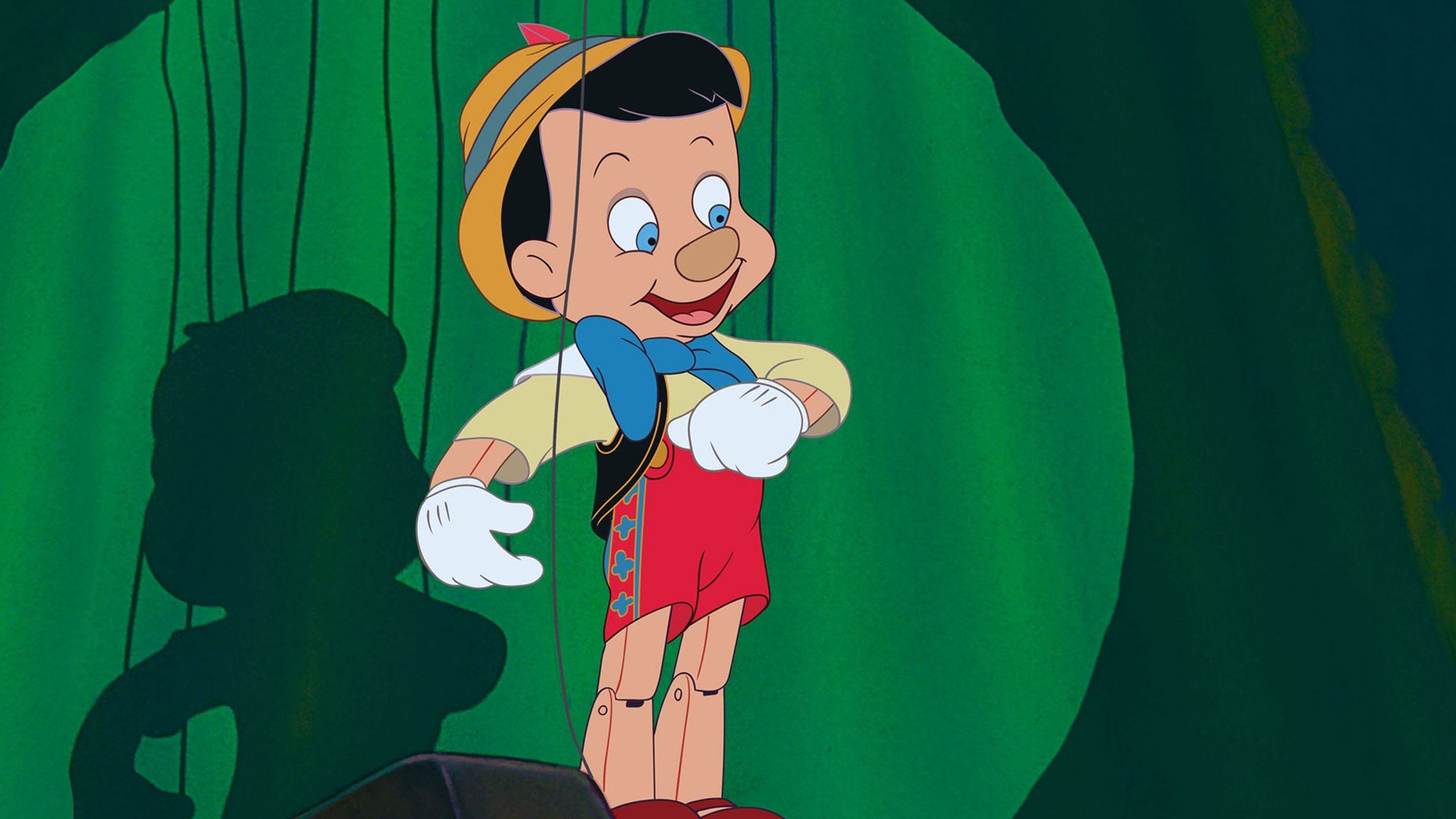
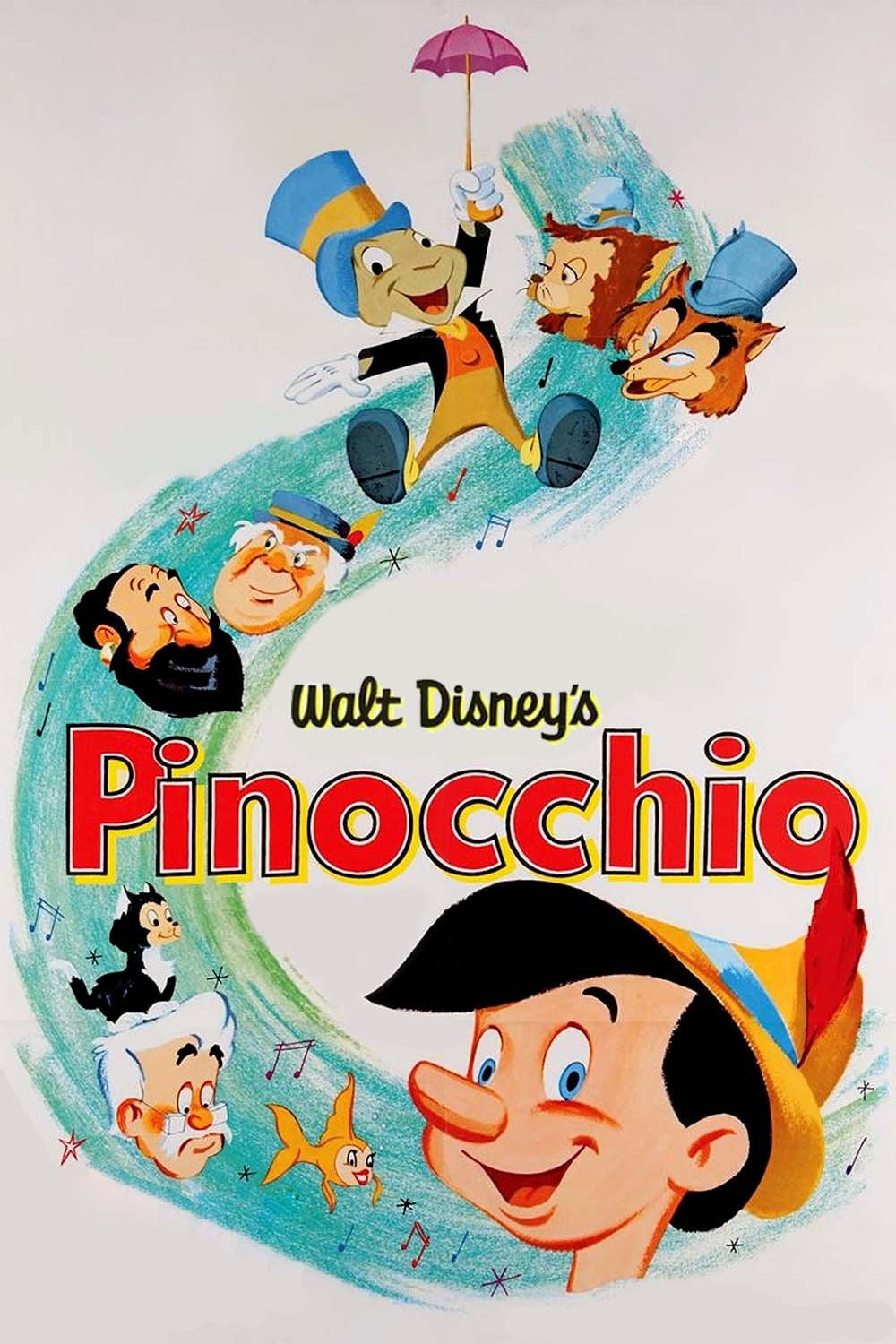
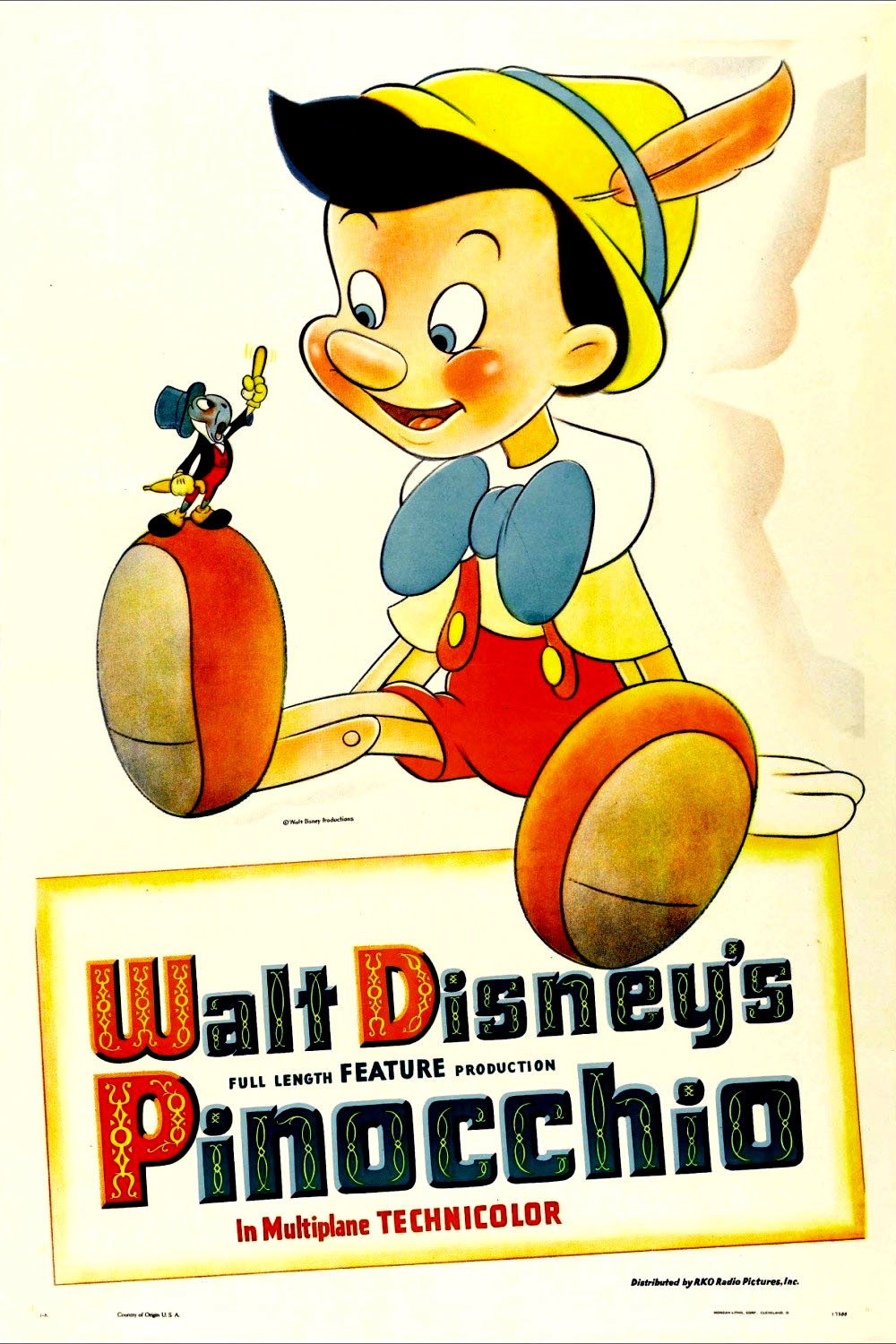
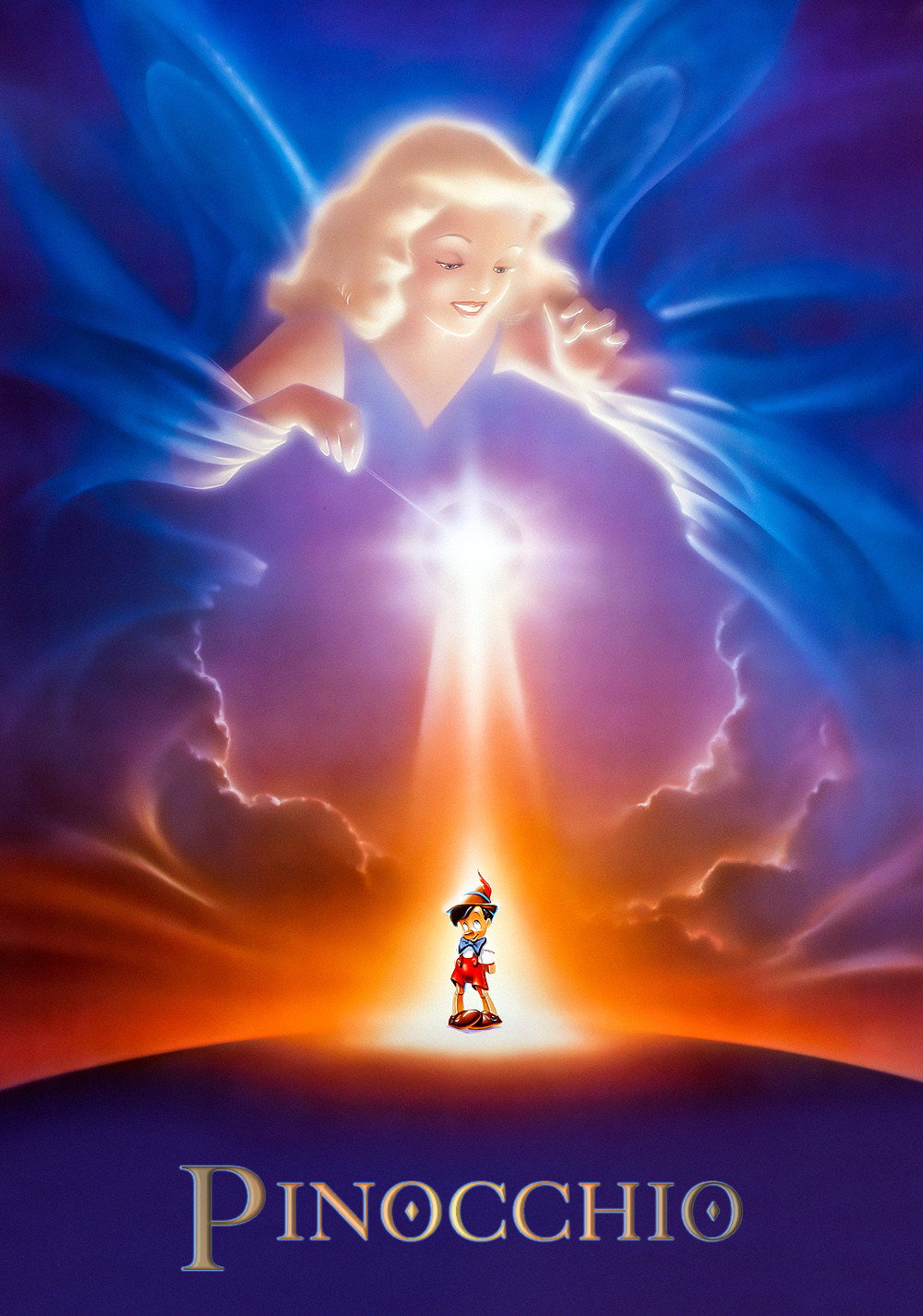
Disney’s second feature is still the strangest and most frightening thing the studio ever put its name to, a fable about a child who is lied to by every adult he meets. The animation has hardly dated; the Blue Fairy and the kitten have.
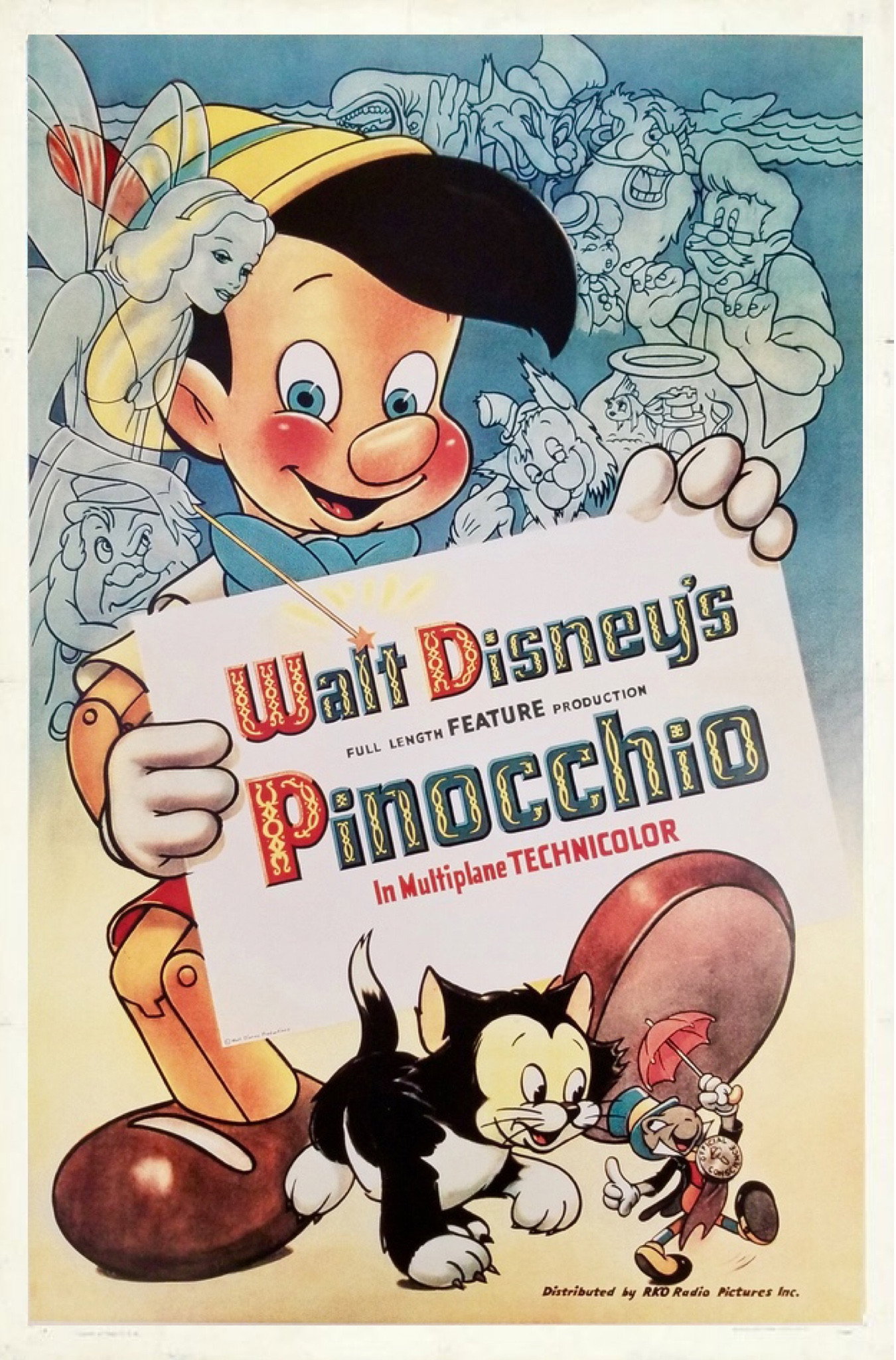
Walt Disney’s second feature-length cartoon, released in Britain on 13 May 1940, has a reputation as the sweet one, the film with the song about wishing on a star. That reputation is a trick of memory. Pinocchio is a story about a newborn child sent out into the world with a conscience the size of a thumb, who is then lied to, sold, caged and nearly destroyed by almost every grown-up he encounters. It is a great film. It is also a film we would think twice about showing a four-year-old at bedtime, and we mean that as a description, not a complaint.
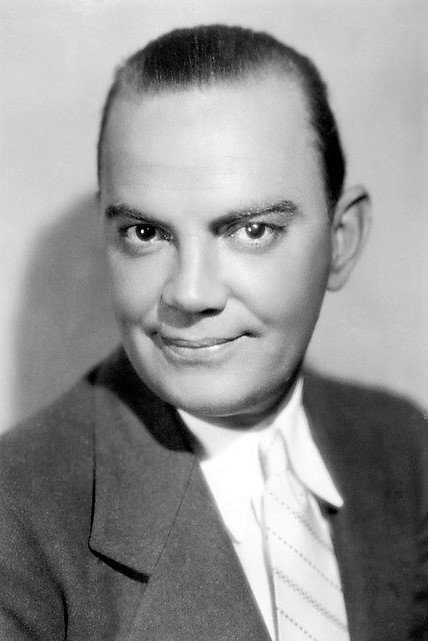
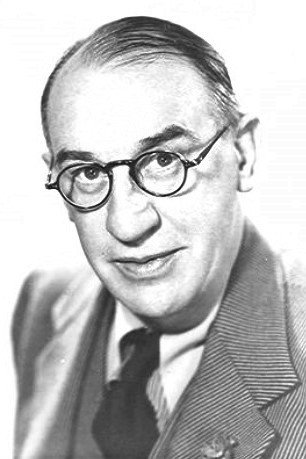
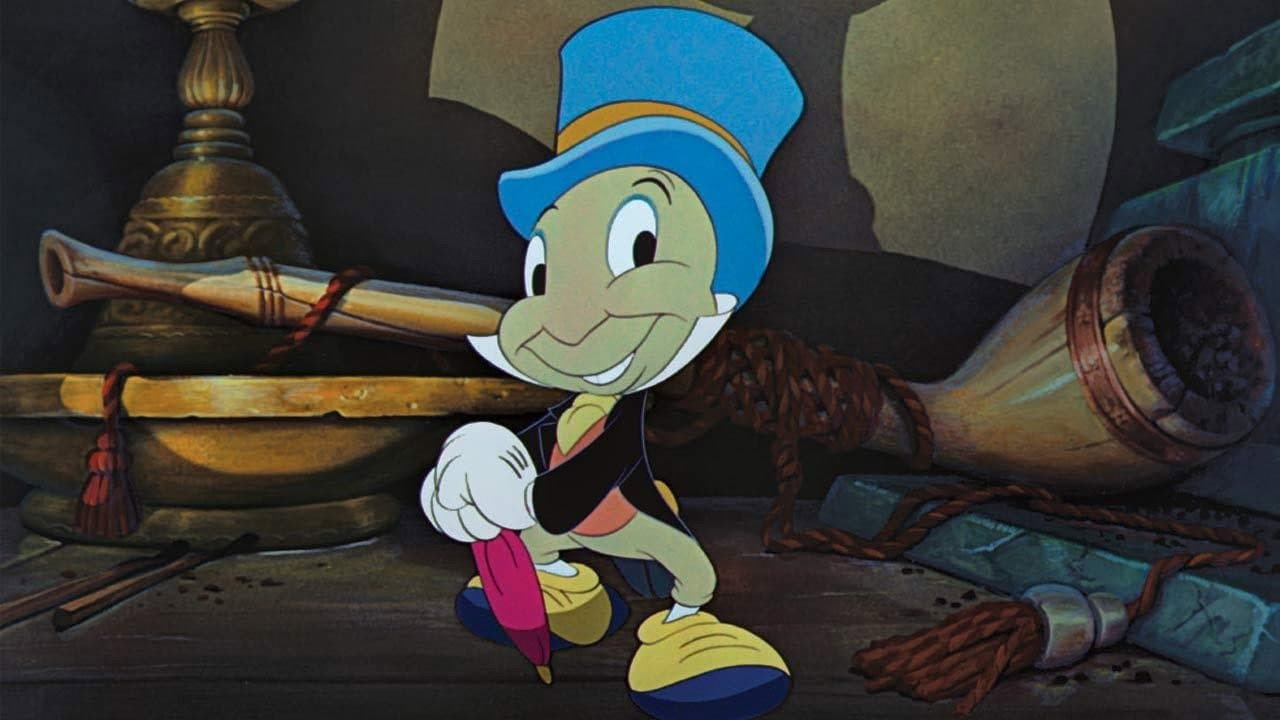
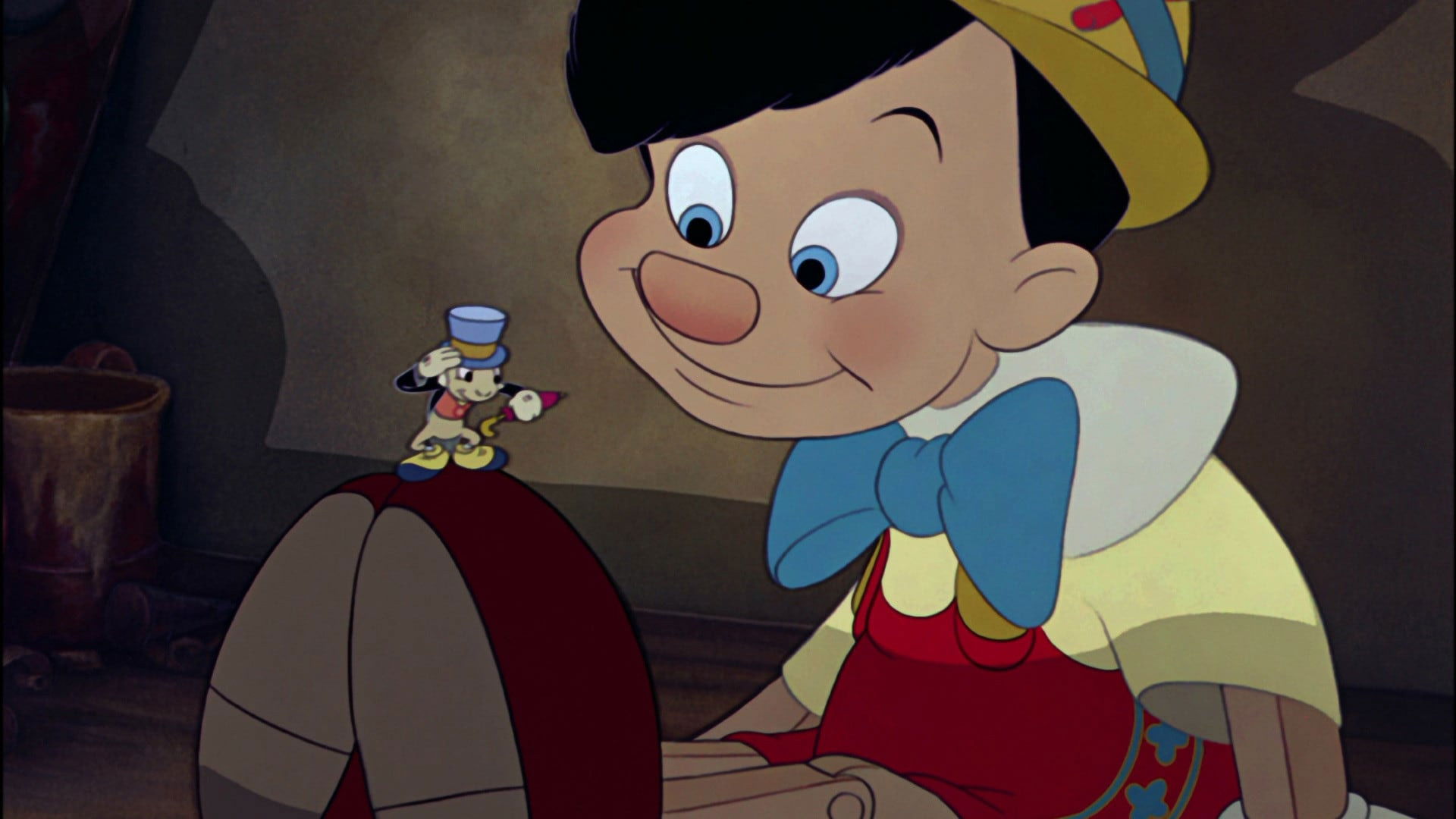
The opening twenty minutes are as good as anything the studio has made. Geppetto’s workshop, with its cuckoo clocks and music boxes and a goldfish named Cleo, is drawn in a depth and warmth that most animation still cannot manage; the camera seems to move through the workshop rather than across it, and the light from the candles sits on the wood grain. Christian Rub voices Geppetto as a lonely, fussing old man rather than a saint, and Cliff Edwards gives Jiminy Cricket a small-time hustler’s confidence and a singing voice that sounds like it has been round the block. When he sings the lullaby in the dark workshop, the film goes quiet and simply lets him, and we found ourselves unexpectedly caught by it.
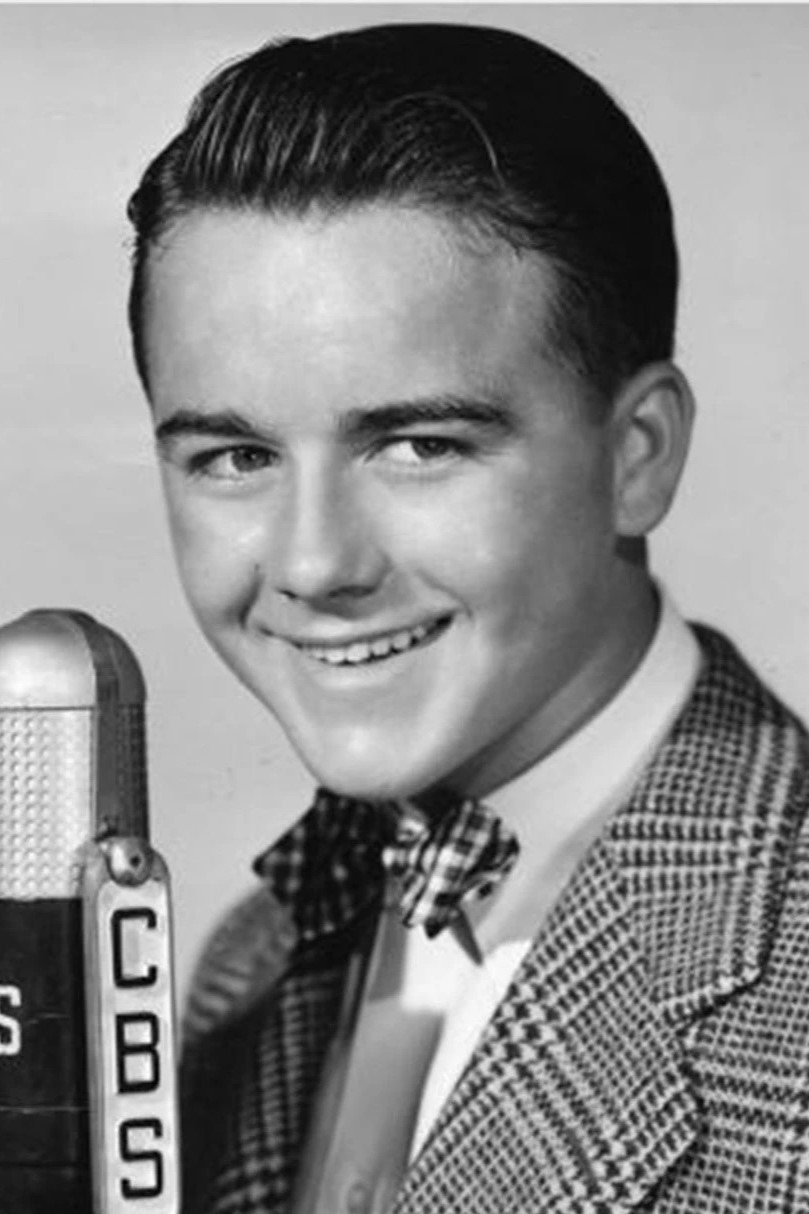
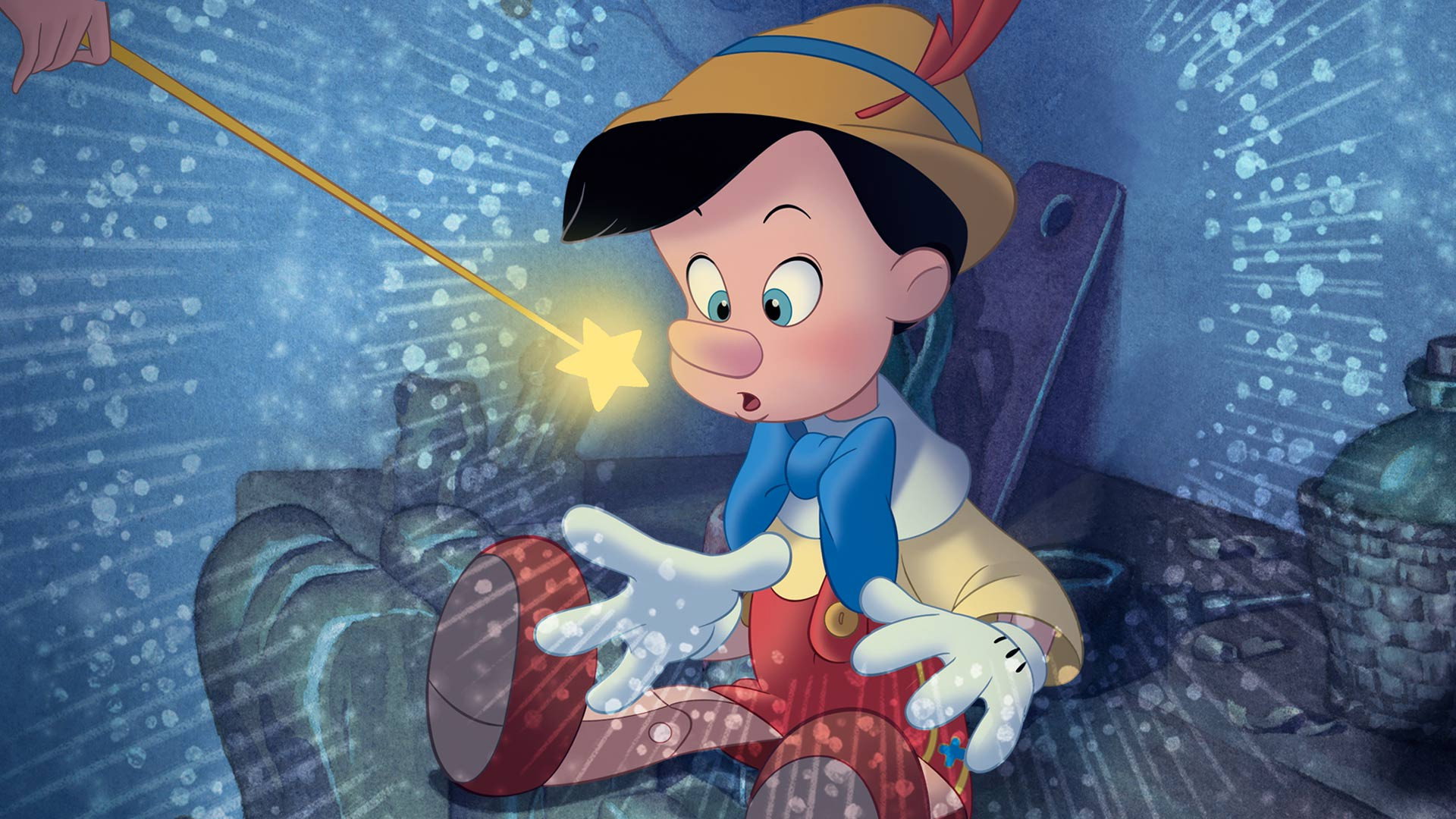
Seven directors are credited, Hamilton Luske and Ben Sharpsteen among them, and the film is built from set pieces the way a stage revue is. That is its structure and its main weakness. Pinocchio leaves home, meets a villain, escapes, meets another. Dick Jones plays him as an eager blank, which is the point of the character, but it means the film’s centre is a boy who wants only what the last person told him to want. The story comes from Carlo Collodi’s novel and keeps its episodic shape; what the Disney writers add is Jiminy as a running commentary, and he is the reason the middle stretch holds together at all.
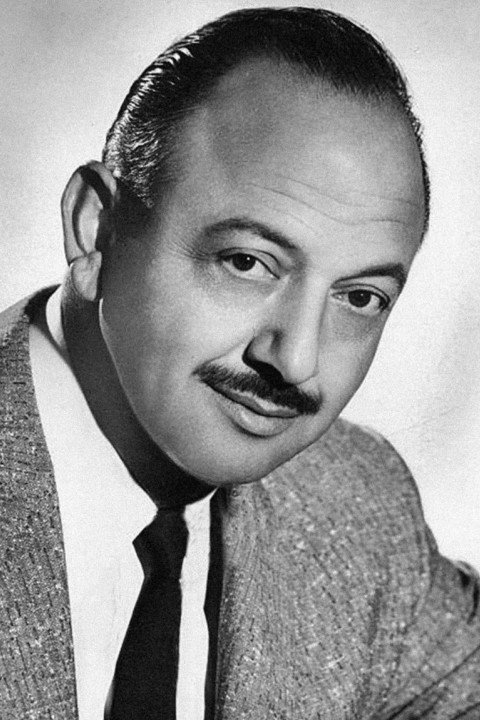
The villains are what people remember, rightly. Walter Catlett’s Honest John is a fox in a shabby coat who talks the way estate agents talk, all warmth and no meaning, and his sidekick Gideon, voiced in a single hiccup by Mel Blanc, is a small masterclass in silent comedy. Then there is Stromboli. Charles Judels plays him as a bear of a man who laughs with his whole body, and the moment his laugh turns, mid-sentence, into a threat, and a wooden child is flung into a birdcage and locked in, we were frightened, and we are not children. The animators give him a physical weight no other Disney villain has had; when he moves, the caravan seems to tilt.
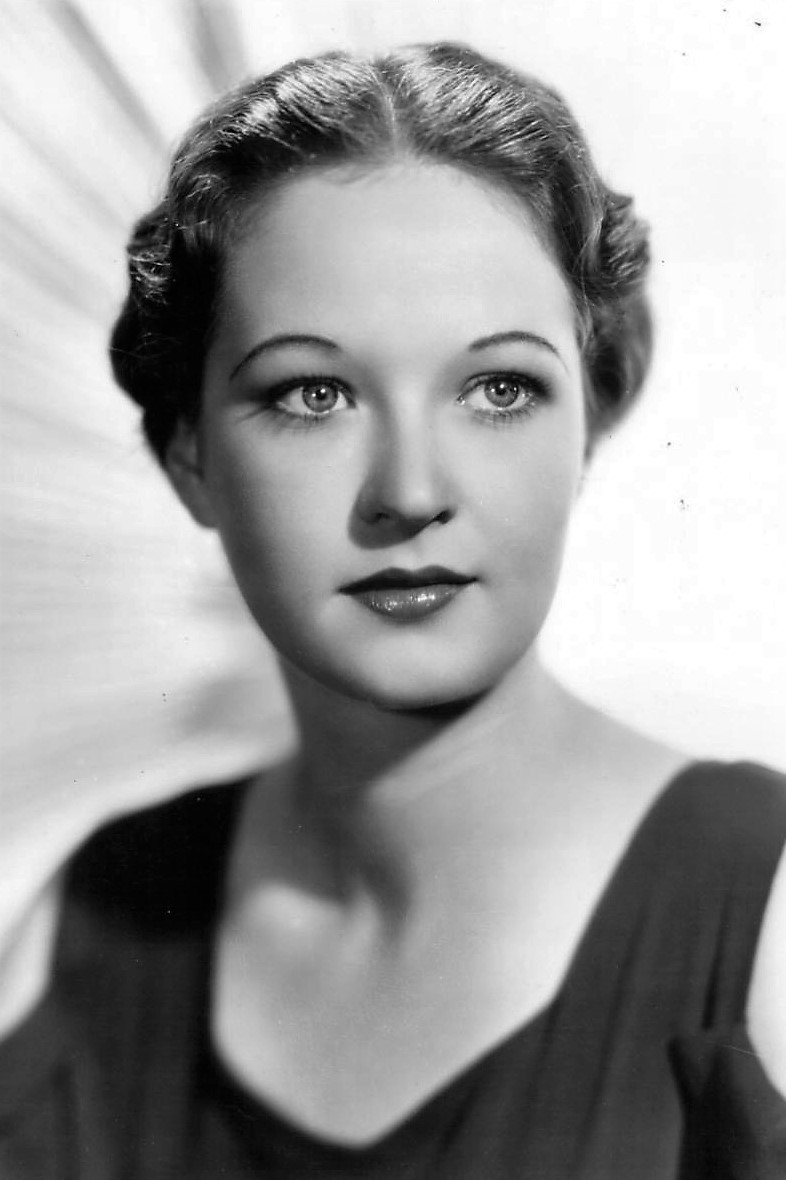
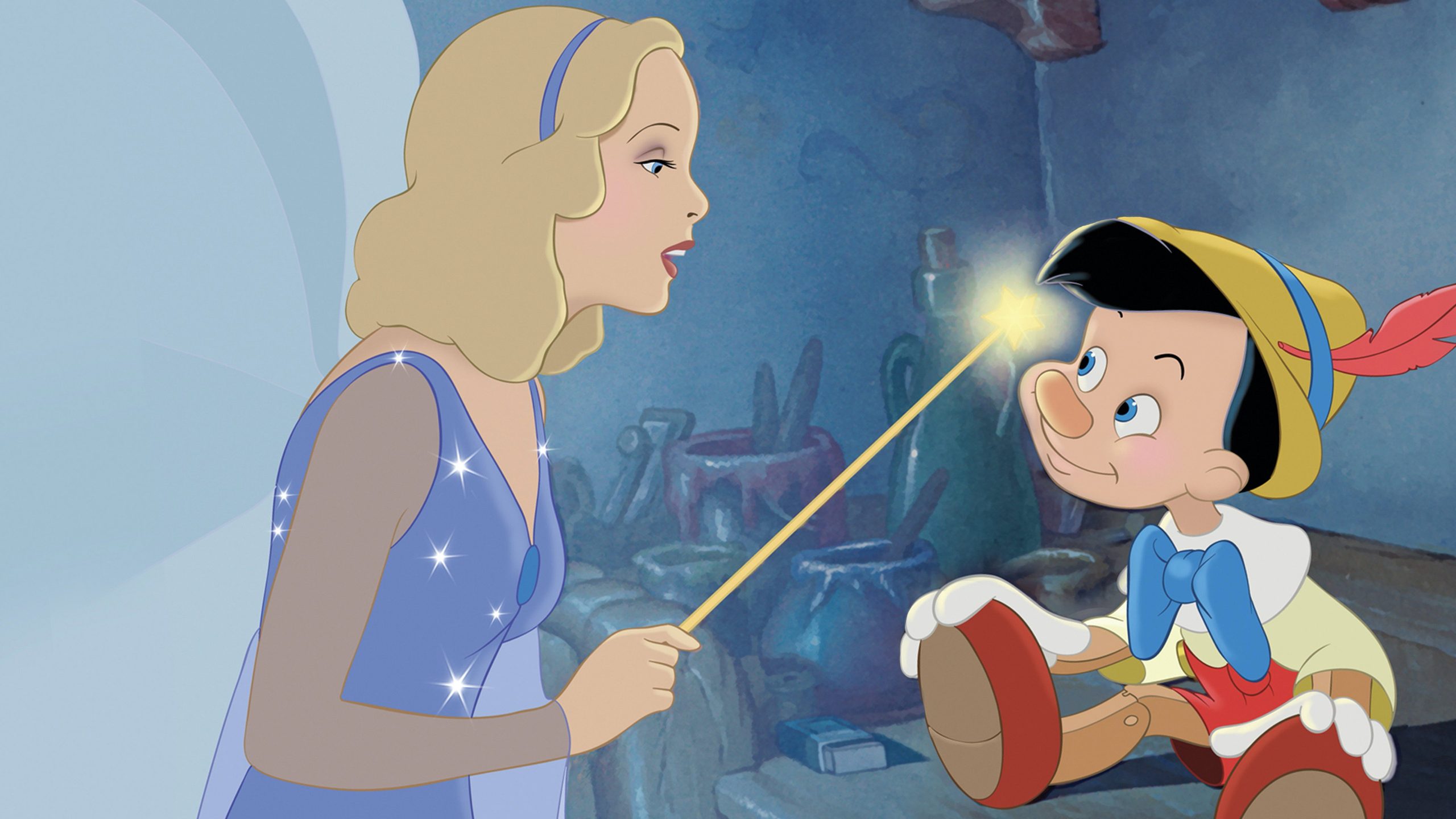
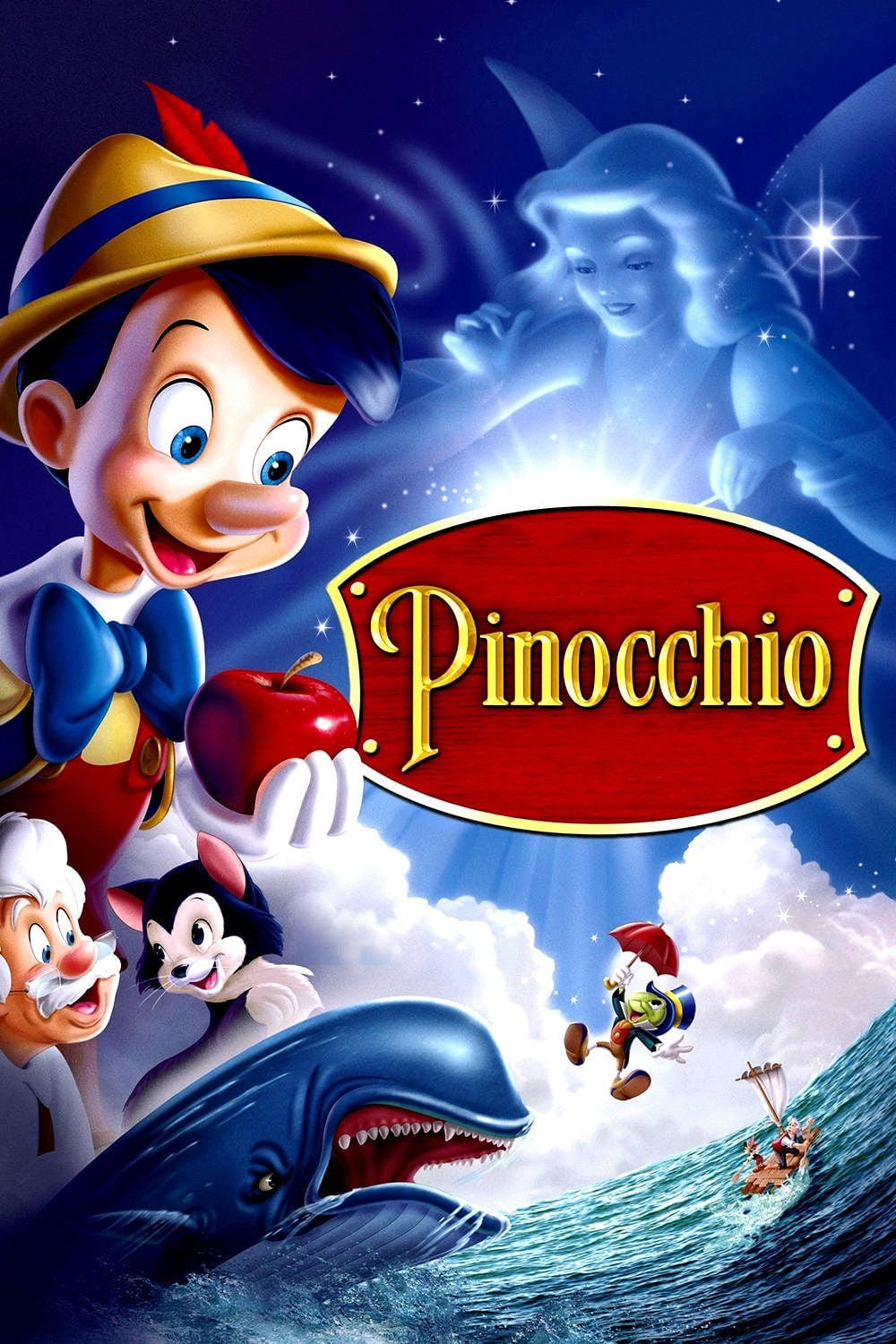
What has not survived so well is the film’s idea of the good. The Blue Fairy, voiced by Evelyn Venable, is drawn like a department store illustration and moves like one; she floats in, scolds gently, floats out. The kitten Figaro and the goldfish are cute in the way the studio would later make a business of, and each time they appear the film’s temperature drops. Leigh Harline, Paul Smith, Frank Churchill and Edward H. Plumb are credited with the music, and the songs divide the same way: the star song and the cricket’s lullaby have lasted eighty years for good reason, while the marionette number is a jingle and knows it.
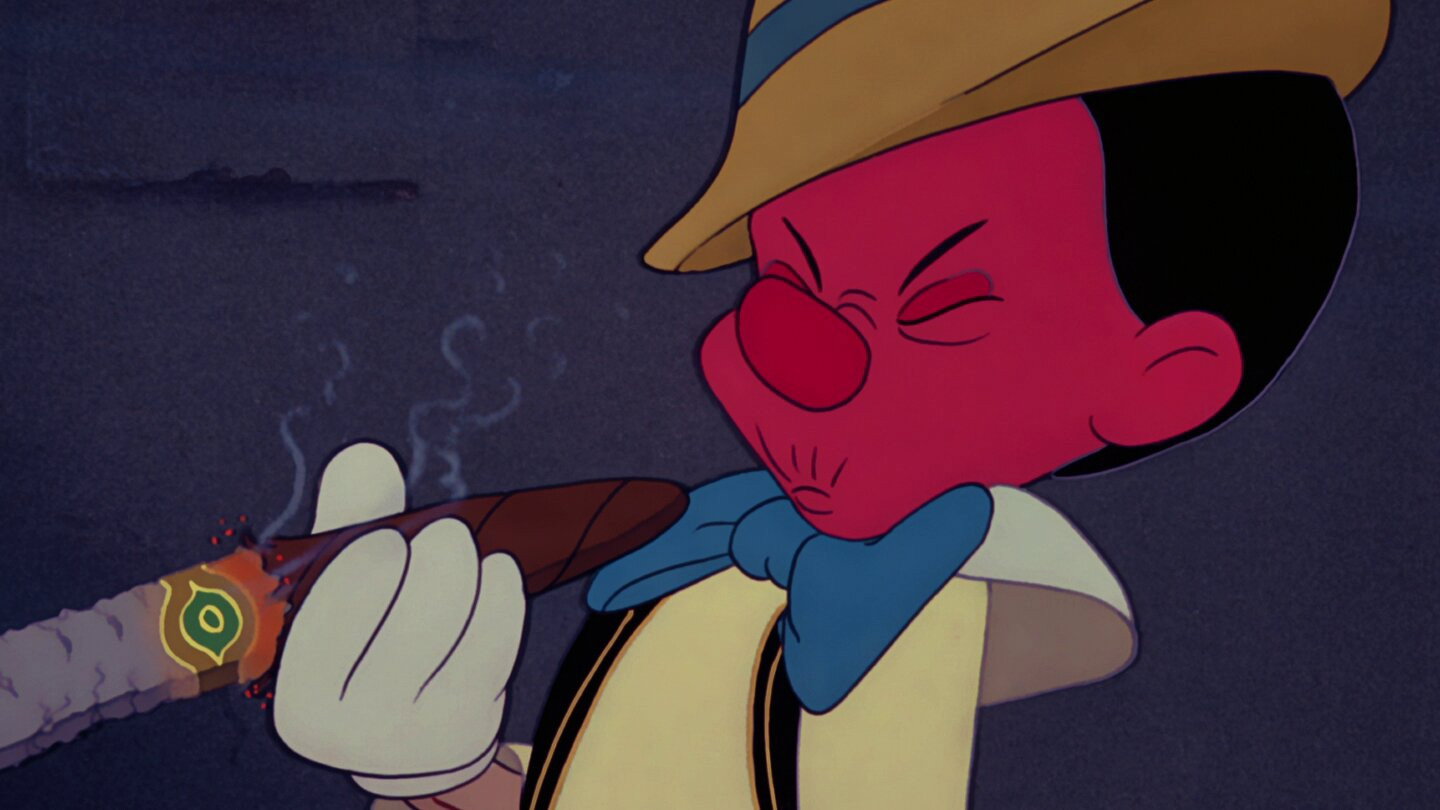
The second half goes to darker places than the first, and we will not describe them, except to say that the film’s moral, that a boy who lies and idles will be punished, is delivered with a relish that most critics have chosen to call bold. We mostly agree. Once or twice it tips into cruelty for its own sake, and a child on the sofa may need a hand to hold. The colour throughout, an early and confident use of Technicolor, is the deep, slightly bruised palette of storybook illustration rather than the bright primaries the studio later settled on.
Against Snow White, its predecessor, this is the more ambitious film and the better one, more finely drawn and far less certain that the world is kind. At 88 minutes it wastes little. Watch it with a child old enough to be scared and then to talk about it afterwards, which is more or less what the film is asking you to do.