Christian Rub spent the 1930s and 1940s playing soft-spoken innkeepers and valets in other people's films, mostly without a credit. Then Disney borrowed his face and his voice for Geppetto, and the fussing old man he made is the one thing of his that lasts.
Fi1m perspective
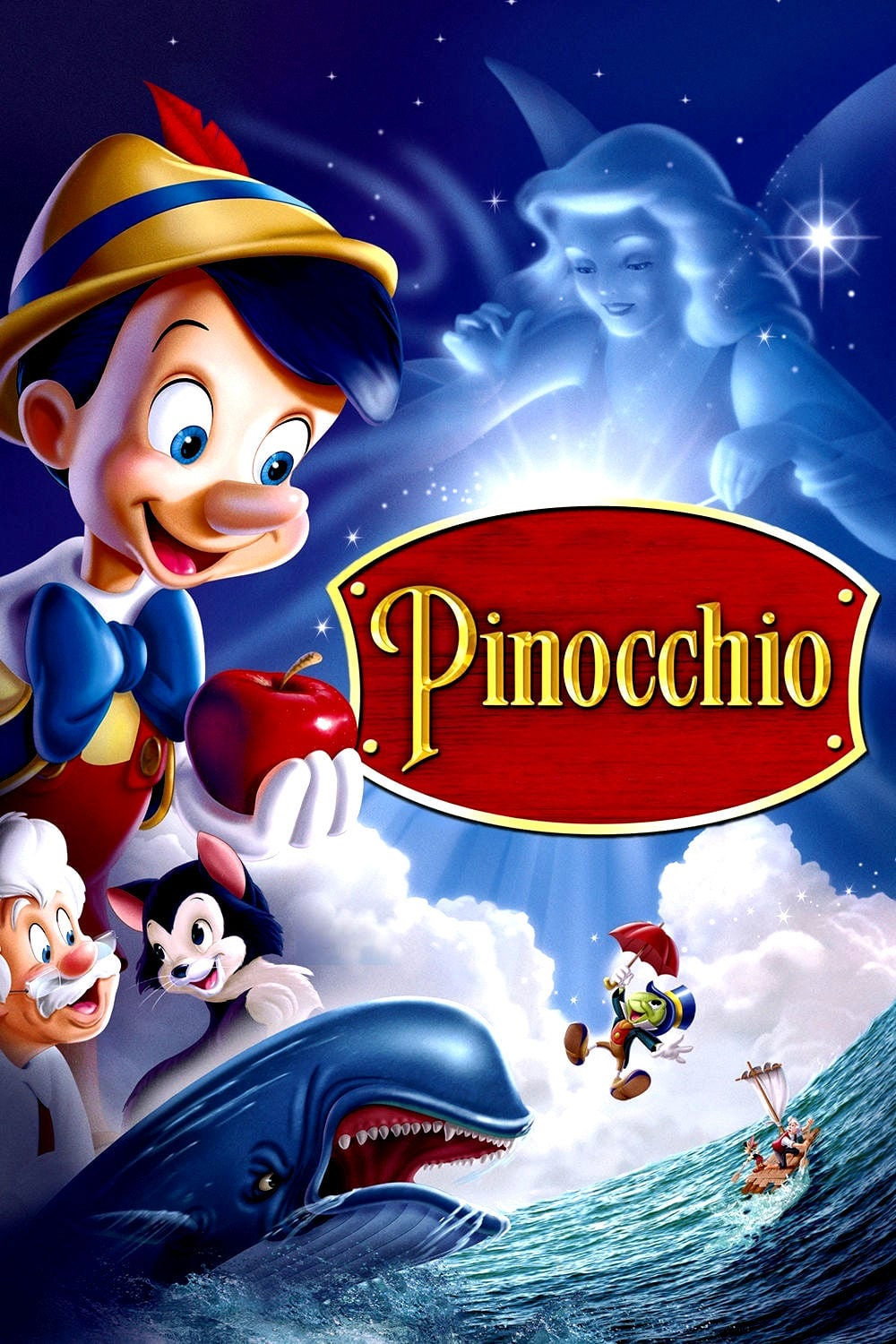
Before the puppet moves, the old man is already talking to it. He talks to the cat, to the goldfish, to the clocks, to the wooden boy he has just finished painting, and Christian Rub gives all of it the same soft, worried, slightly nagging tone, as if Geppetto has been keeping up his end of a conversation for years and has stopped expecting an answer. He is not playing a saint. He is playing a man alone in a room full of things that tick. What got at us, watching Pinocchio (1940) again, was how lonely that voice sounds under the warmth of the workshop, and how little the film has to do to make us want the wish granted on his behalf.
That voice was his trade. Born in Graz to theatrical parents, on stage from childhood in Germany and Austria, Rub came to American films with the silent The Belle of New York (1919), did two-reel comedies, and went back to the stage in the early 1930s for Grand Hotel in Los Angeles. From the middle of that decade he was rarely out of work and rarely named for it: more than a hundred films, a great many uncredited, as mild Germanic or Scandinavian villagers, bakers, musicians and manservants. He is in Mr. Deeds Goes to Town (1936) and Captains Courageous (1937) without a credit, in Heidi (1937) as a baker, and in You Can't Take It with You (1938) as Schmidt. Studios also hired him to voice kindly old men in cartoons at MGM, Fox and Warner Bros., which is how a working character actor ends up in the one part nobody forgets.
Disney had cast someone else first and found him too harsh. Rub was brought in, and the animators did not stop at his voice: they used his features and his manner as the model for the character, so that Geppetto's shuffle and his hands and the way he peers at things are Rub's as much as the words are. We think the opening twenty minutes of Pinocchio are among the best the studio ever made, and the reason the workshop feels lived in rather than merely drawn is partly that there is a real, particular, slightly ridiculous old man at the centre of it, fretting about a cat.
His last screen role was in Something for the Birds (1952). He never had a leading part, and the film he is remembered for does not print his name. Watch those first twenty minutes and listen to how much he manages with a man who mostly talks to furniture; then, next time a baker or a valet in a 1930s comedy sounds oddly familiar, it is probably him.
Biography
Christian Rub (13 April 1886 – 14 April 1956) was an Austrian-born American character actor. He appeared in more than 100 films between 1919 and 1952, often in small roles as Germanic or Scandinavian villagers, innkeepers or valets.
Born in Graz, then part of Austria-Hungary, Rub began his career on the stage in Europe before moving to the United States. He made his film debut in The Belle of New York (1919) and later worked in both comedy and drama, including a stage role in a Los Angeles production of Grand Hotel.
He is best known for providing the voice of Geppetto in Walt Disney's Pinocchio (1940), for which he also served as the visual model. Other notable film credits include Mr. Deeds Goes to Town (1936), You Can't Take It with You (1938) and Heidi (1937).