Hamilton Luske spent nearly four decades making Disney look like the work of one hand, and the hand was never his. He was the studio's consistency man, and his best film is one on which seven directors share the credit.
Fi1m perspective
Snow White walks like a person because a person walked first. Luske, her supervising animator on Snow White and the Seven Dwarfs (1937), had live models filmed and told his animators to draw from the footage, and the result is a heroine who moves as if she has a spine and a floor under her. It is the least showy thing in the film and the hardest, and it is where Luske's career lives: not in a scene you remember, but in a hundred drawings agreeing with each other.
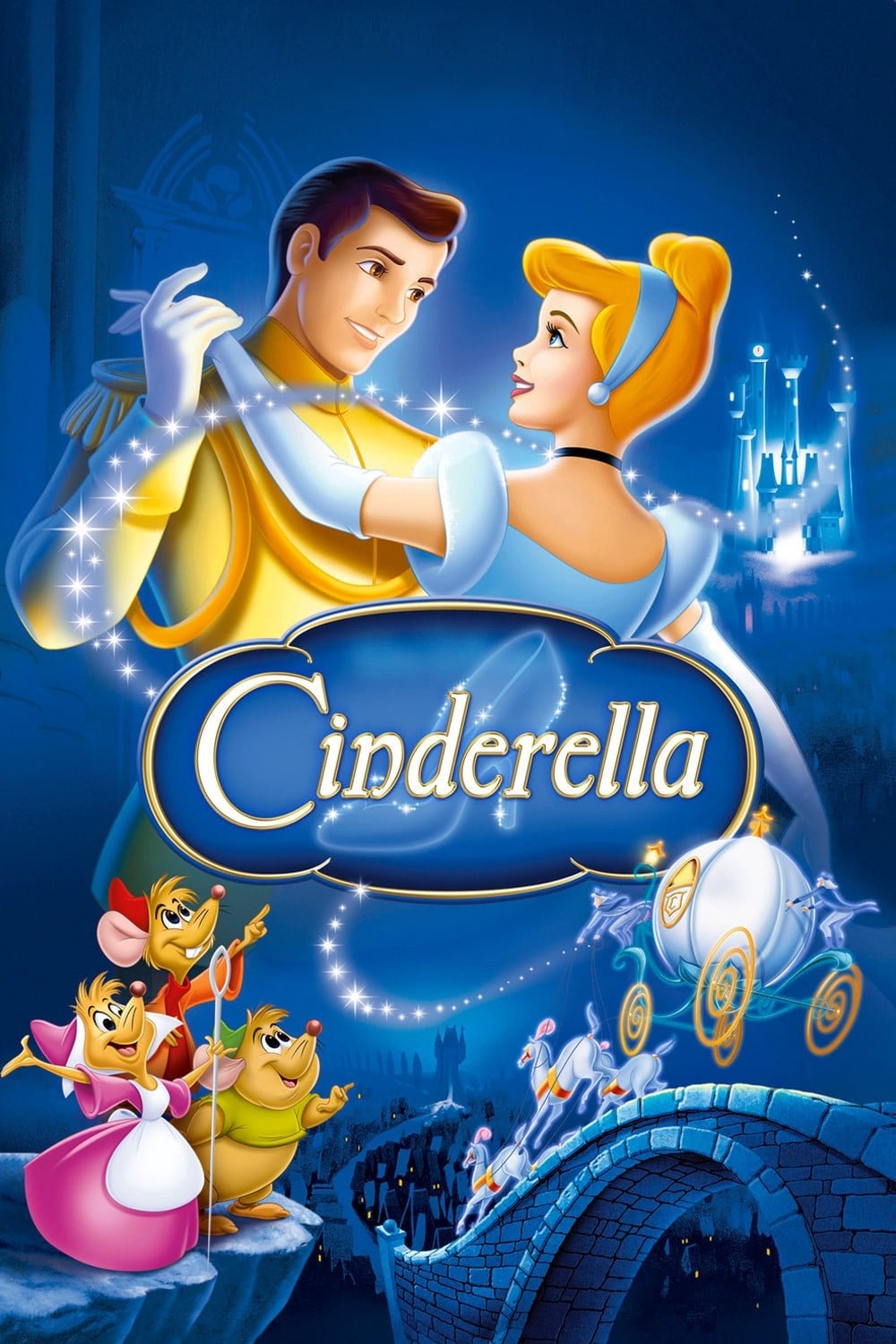
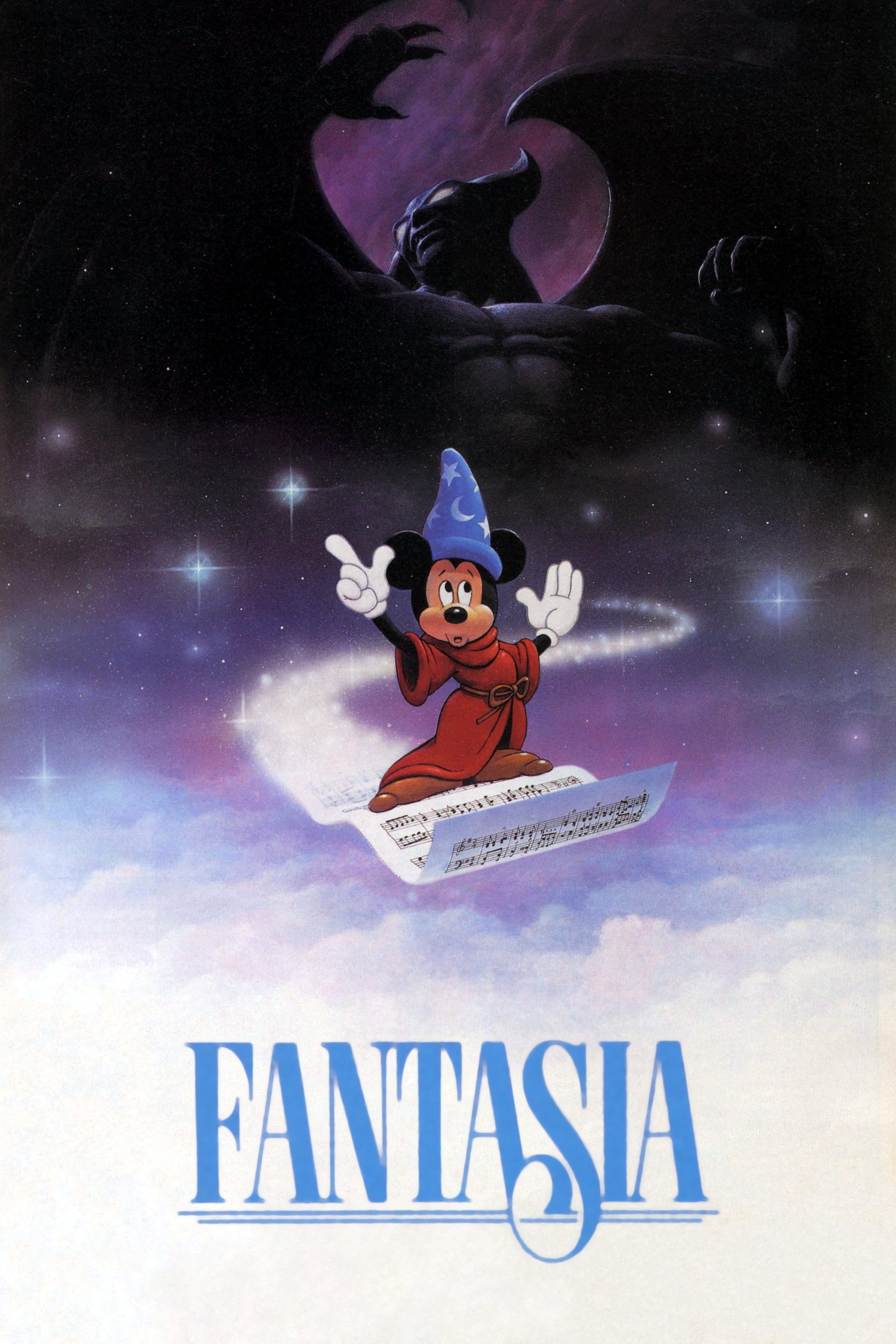
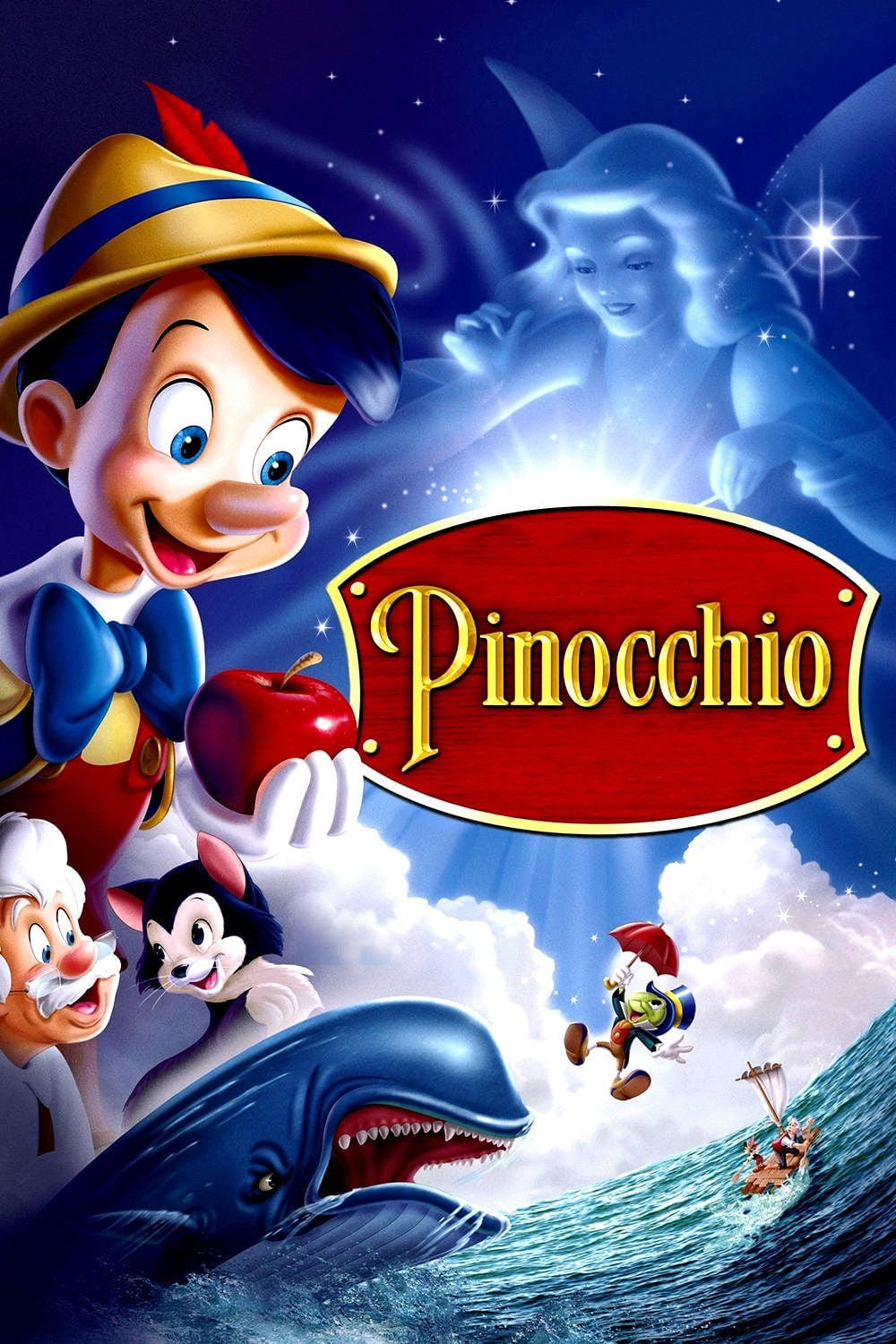
He came to Walt Disney Productions in 1931 from newspaper cartooning in Oakland, with a business degree from Berkeley behind him, which may explain the temperament. By the late 1930s he was directing. He shared the supervising director credit on Pinocchio (1940) with Ben Sharpsteen, took the Pastoral Symphony segment of Fantasia (1940), and co-directed Cinderella (1950) and One Hundred and One Dalmatians (1961), the latter the film that brought the Xerox cel process into the studio. Wilfred Jackson and Clyde Geronimi each sat beside him on three films. His last major job was directing the animated sequences of Mary Poppins (1964), where cartoon penguins had to serve drinks to a live Dick Van Dyke, and did.
Pinocchio is the one we have reviewed, and it is built from set pieces the way a stage revue is: the boy leaves home, meets a villain, escapes, meets another. That is the film's structure and its main weakness, and with seven directors it is not possible to say how much of either is Luske's. What we can say is that it remains the strangest and most frightening thing the studio ever put its name to, a fable about a child lied to by every adult he meets, and that it frightened us more as adults than it did as children, because now we recognise the adults.
The method was planning. Luske laid out scenes step by step so that a dozen animators could work on one character without the character coming apart, and he pushed for appeal, for what he called the 'Ooooooh' in a drawing. That instinct cuts both ways. It is why the studio's people hold together across a feature; it is also, we suspect, why the Blue Fairy and Figaro the kitten have dated when the rest of Pinocchio has hardly aged at all. The nearest thing to a criticism anyone has made of him is that he followed Walt Disney's direction closely and never developed a style of his own. We think that is exactly right, and that he would have taken it as a compliment.
So he is a difficult man to recommend, because there is no Luske film, only Disney films that work. Watch Pinocchio for the fear and Mary Poppins for the penguins, and know that the reason nothing wobbles is that somebody made sure it did not.
Biography
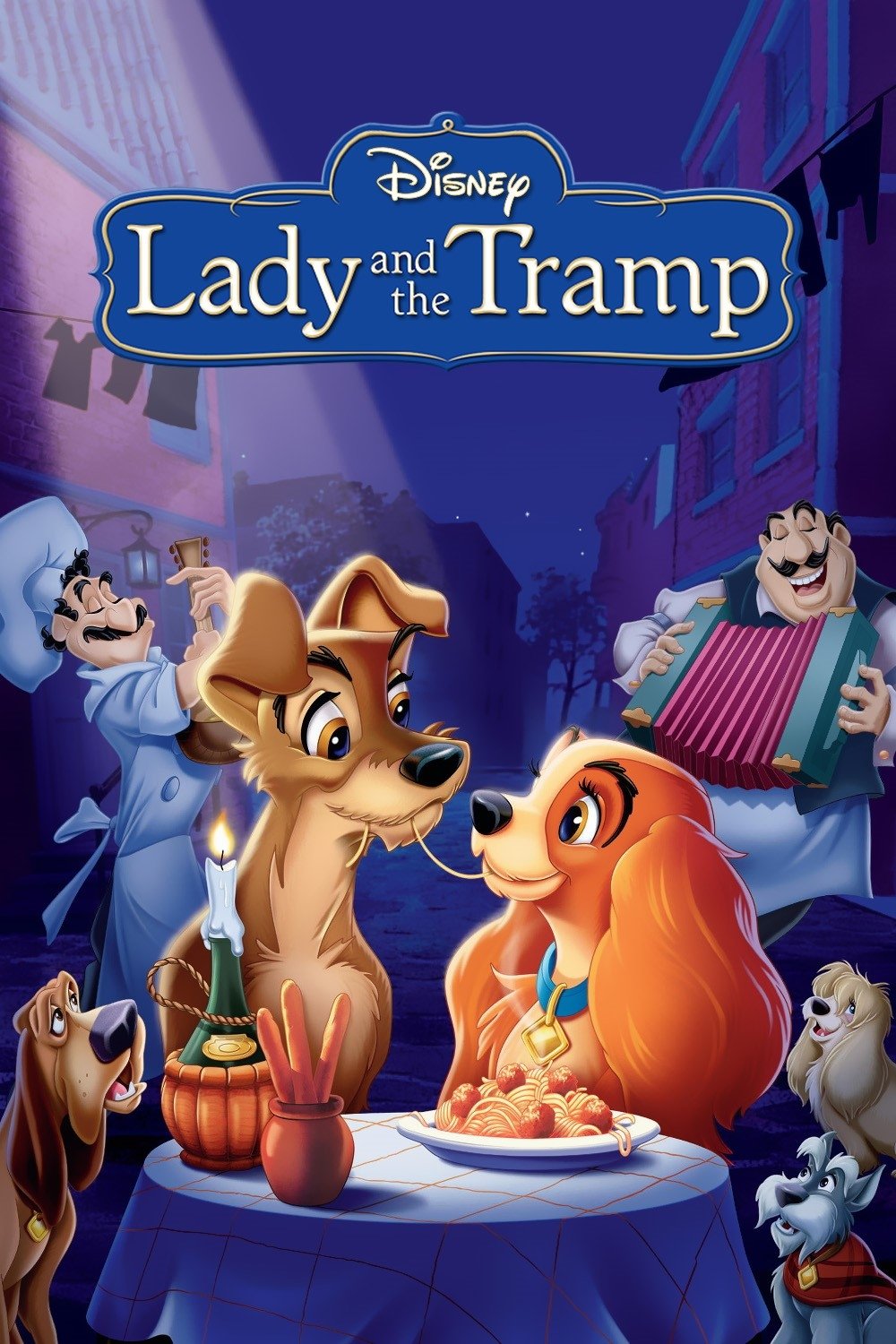
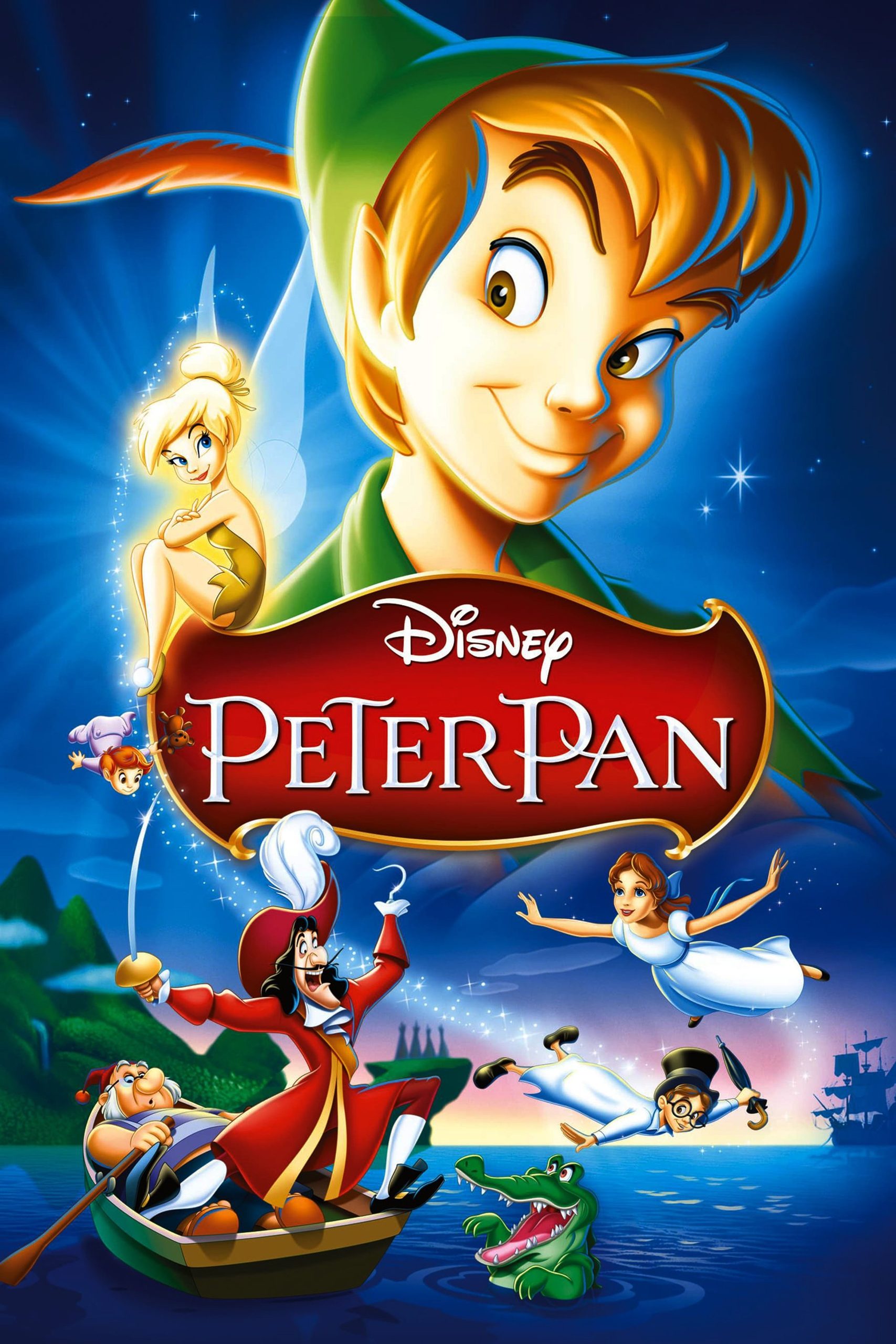
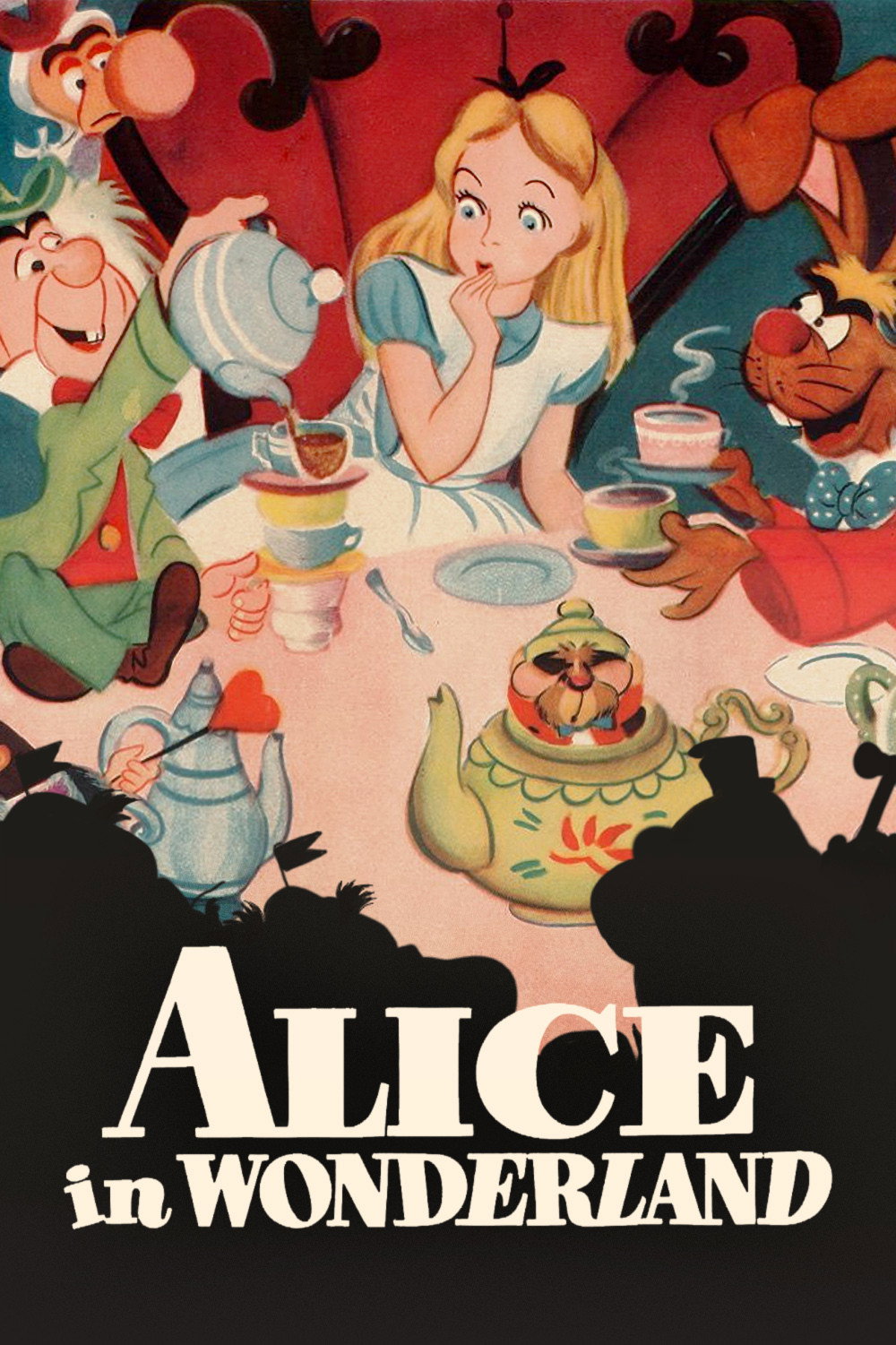
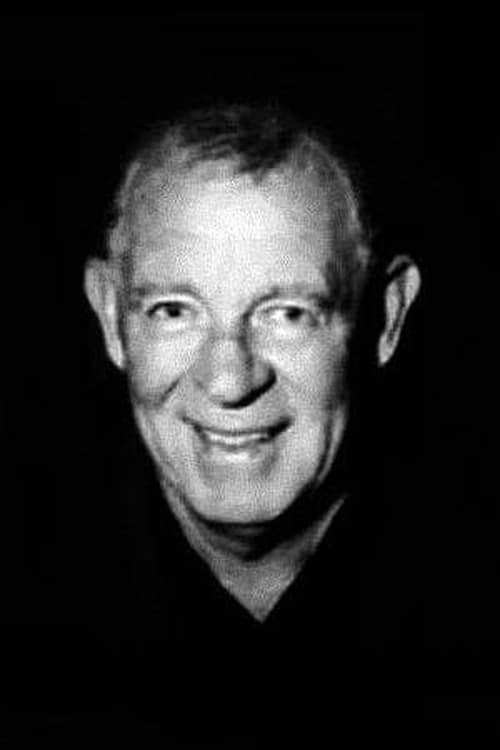
Hamilton Luske (1903–1968) was an American animator and film director. He joined Walt Disney Productions in 1931 and worked there until his death. He directed or co-directed several Disney feature films, including Pinocchio (1940), Fantasia (1940), Cinderella (1950), Alice in Wonderland (1951), Peter Pan (1953), Lady and the Tramp (1955) and One Hundred and One Dalmatians (1961).
Earlier in his career Luske served as supervising animator for the title character in Snow White and the Seven Dwarfs (1937). He won the Academy Award for Best Visual Effects for directing the animated sequence in Mary Poppins (1964). Luske was the father of actor Tommy Luske, who voiced Michael Darling in Peter Pan.