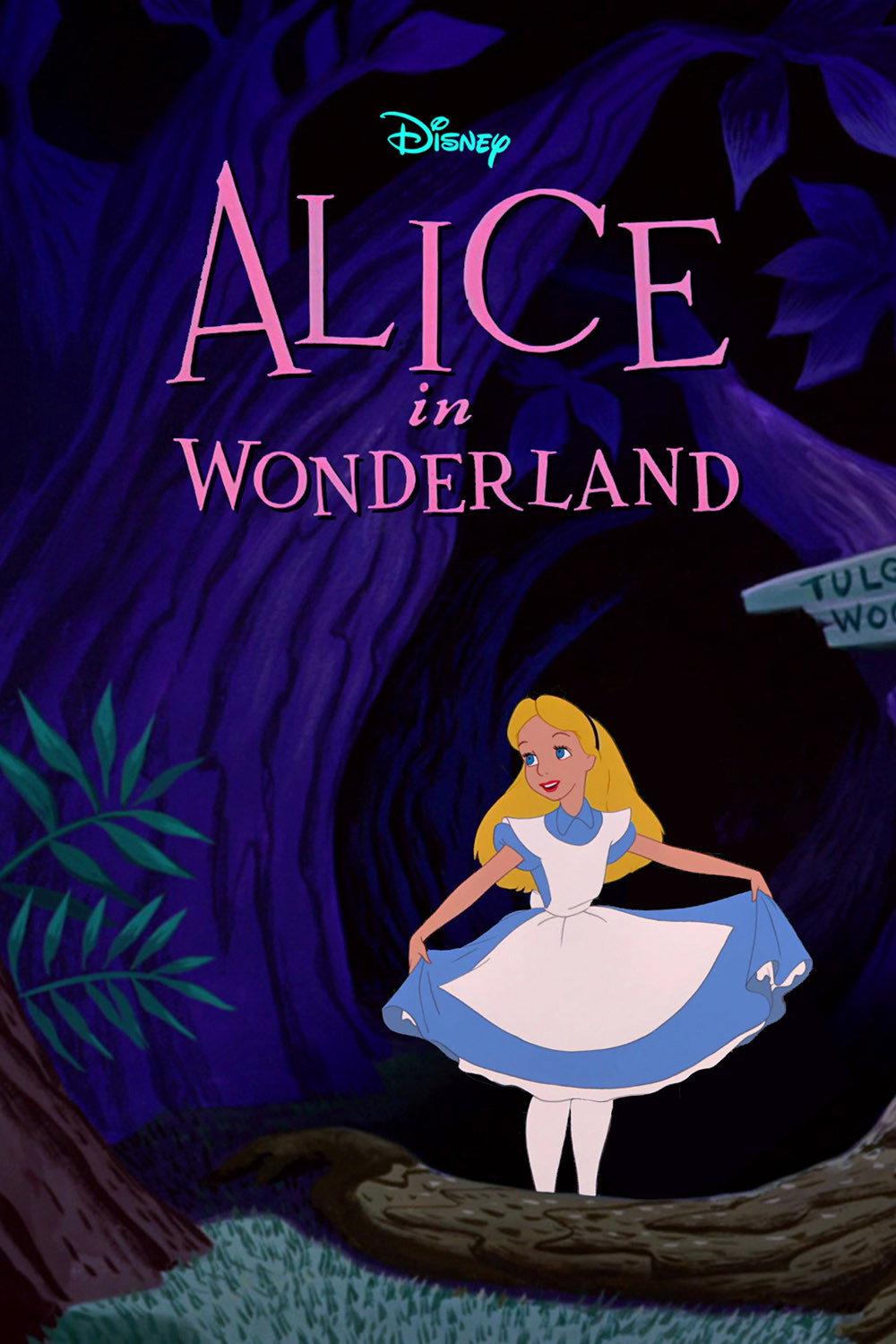
Disney’s Alice is a string of bright, well-voiced sketches that never adds up to a story, and never meant to. Ed Wynn’s Hatter and Sterling Holloway’s Cat carry it; the last act tires, but 75 minutes is exactly long enough.
The credits tell you what kind of film this is. Three directors, Clyde Geronimi, Wilfred Jackson and Hamilton Luske. Fourteen names under story, one of them Aldous Huxley’s. Two Lewis Carroll books boiled down to 75 minutes, with Tweedledee, Tweedledum and the Walrus fetched over from Through the Looking-Glass. Walt Disney has not made a story out of Carroll, because there is no story in Carroll to make. He has made a run of sketches, most of them good and a few of them wonderful, and let the girl in the blue dress walk from one to the next.
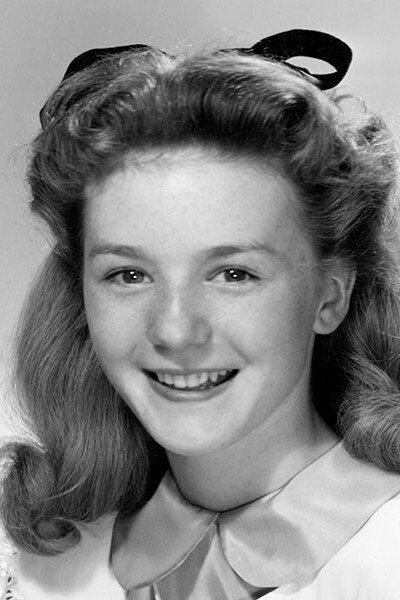
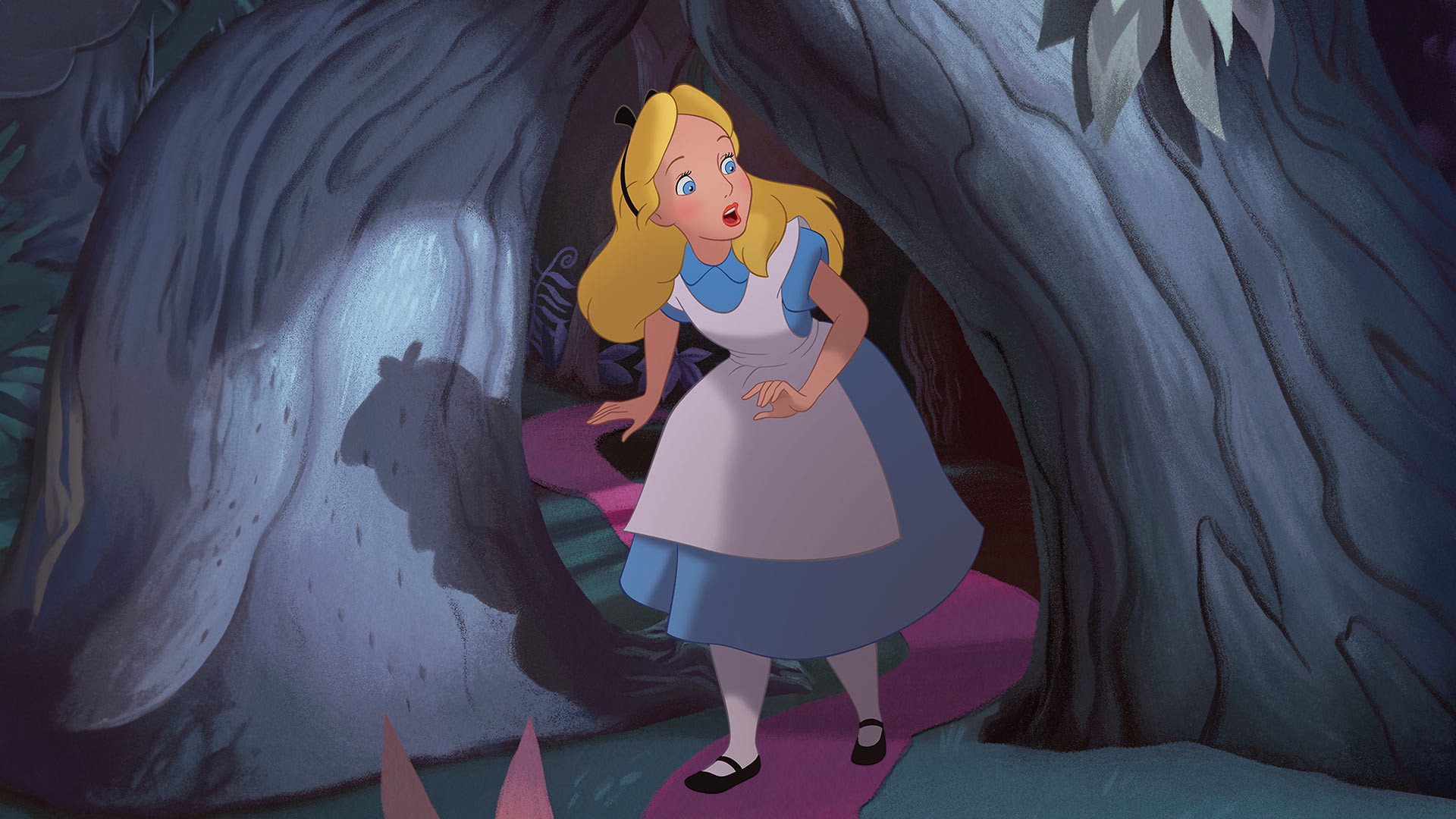
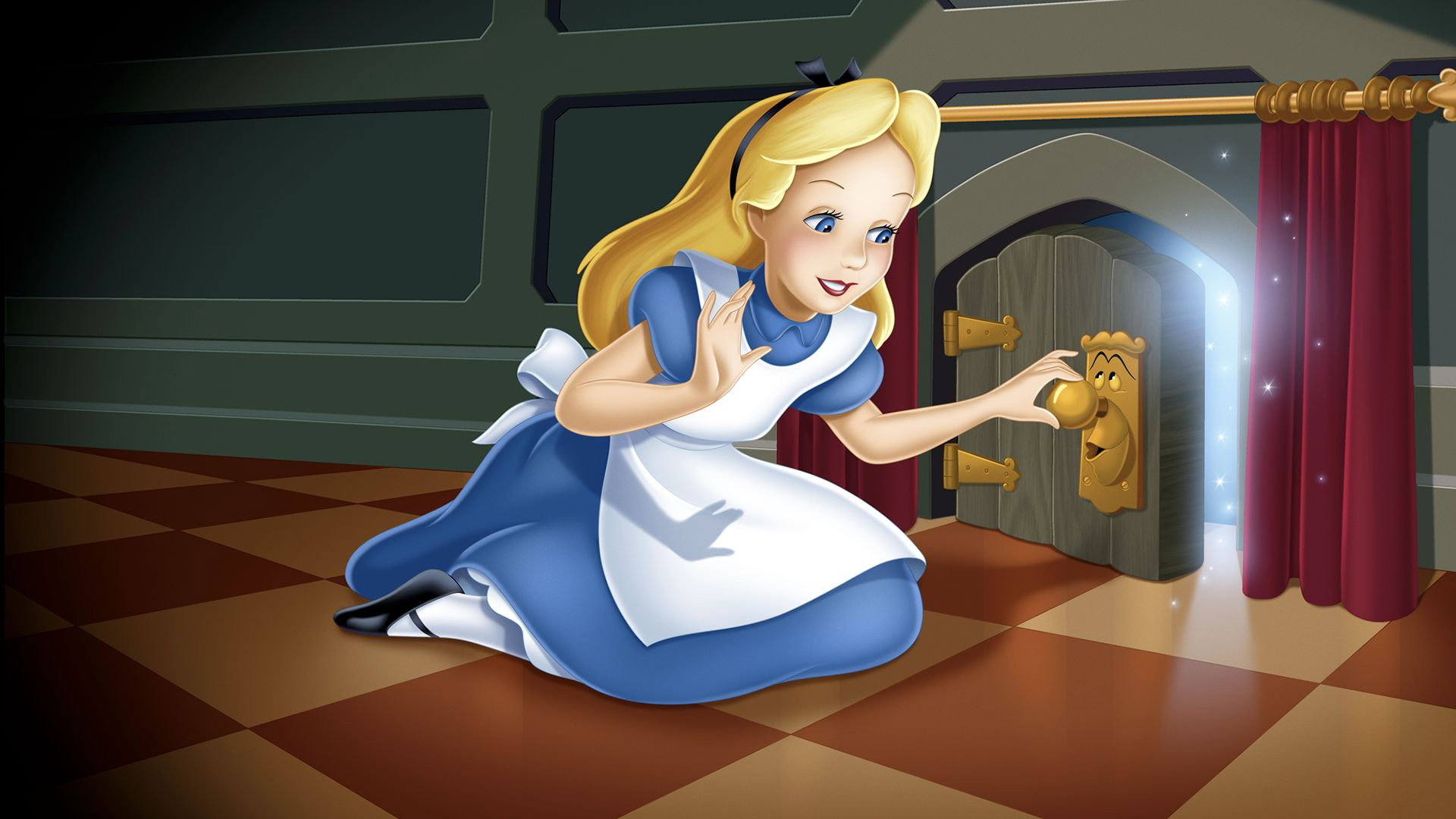
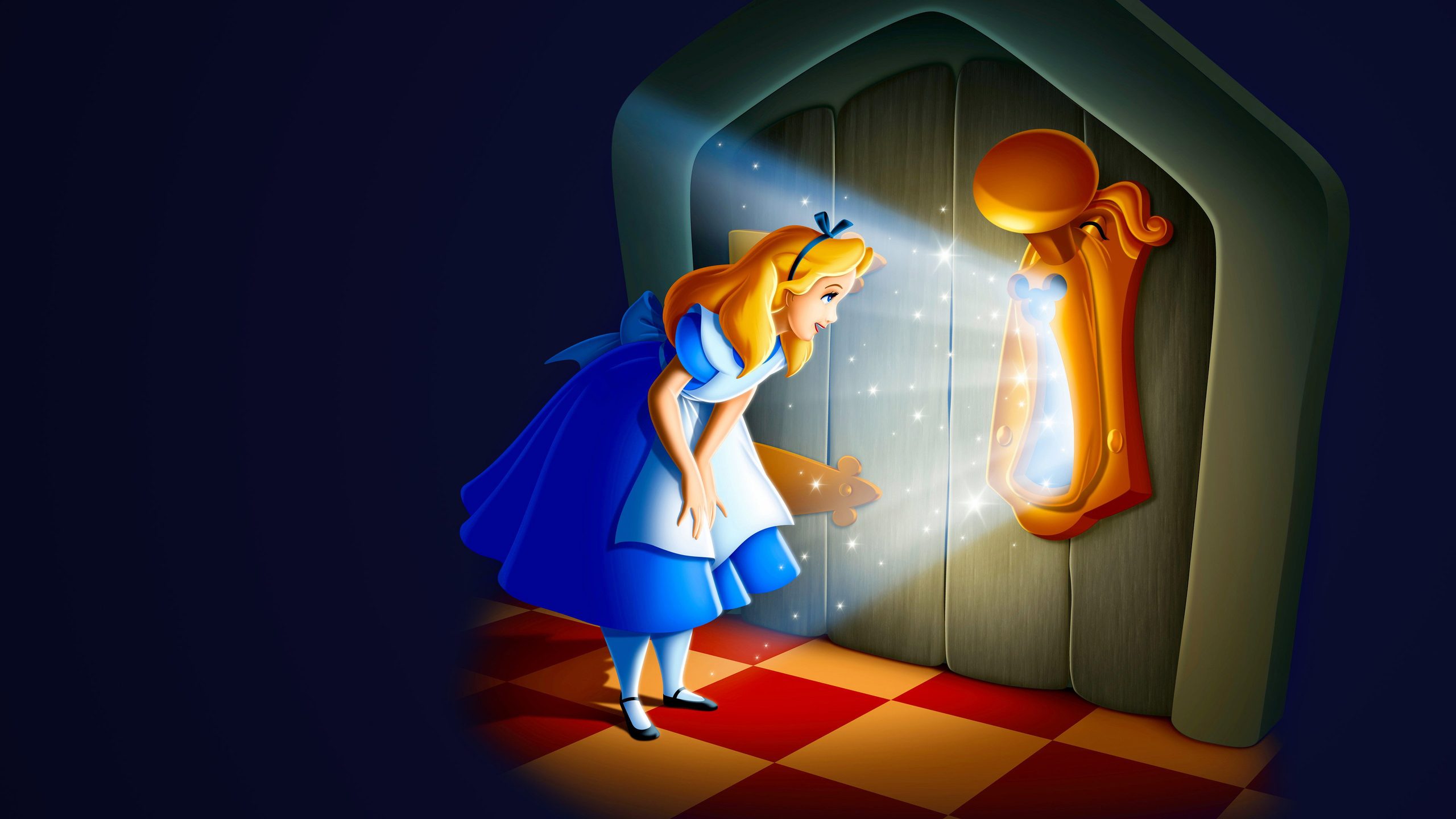
It opens on a riverbank. Alice’s sister (Heather Angel) reads aloud from a history book while Alice (Kathryn Beaumont) lies in the branches above, wishing for a world where books are all pictures and rabbits live in houses. Beaumont gives her a clear, polite voice with a temper under it, and the film is wise enough to let her be cross. The White Rabbit (Bill Thompson) hurries past with a waistcoat and a watch, Alice follows him down the hole and drifts, her skirt a parachute, past lamps and rocking chairs and a mirror. At the bottom is a Doorknob (Joseph Kearns) who talks, a bottle that shrinks her, a biscuit that grows her, and a flood of her own tears that carries her out to sea.
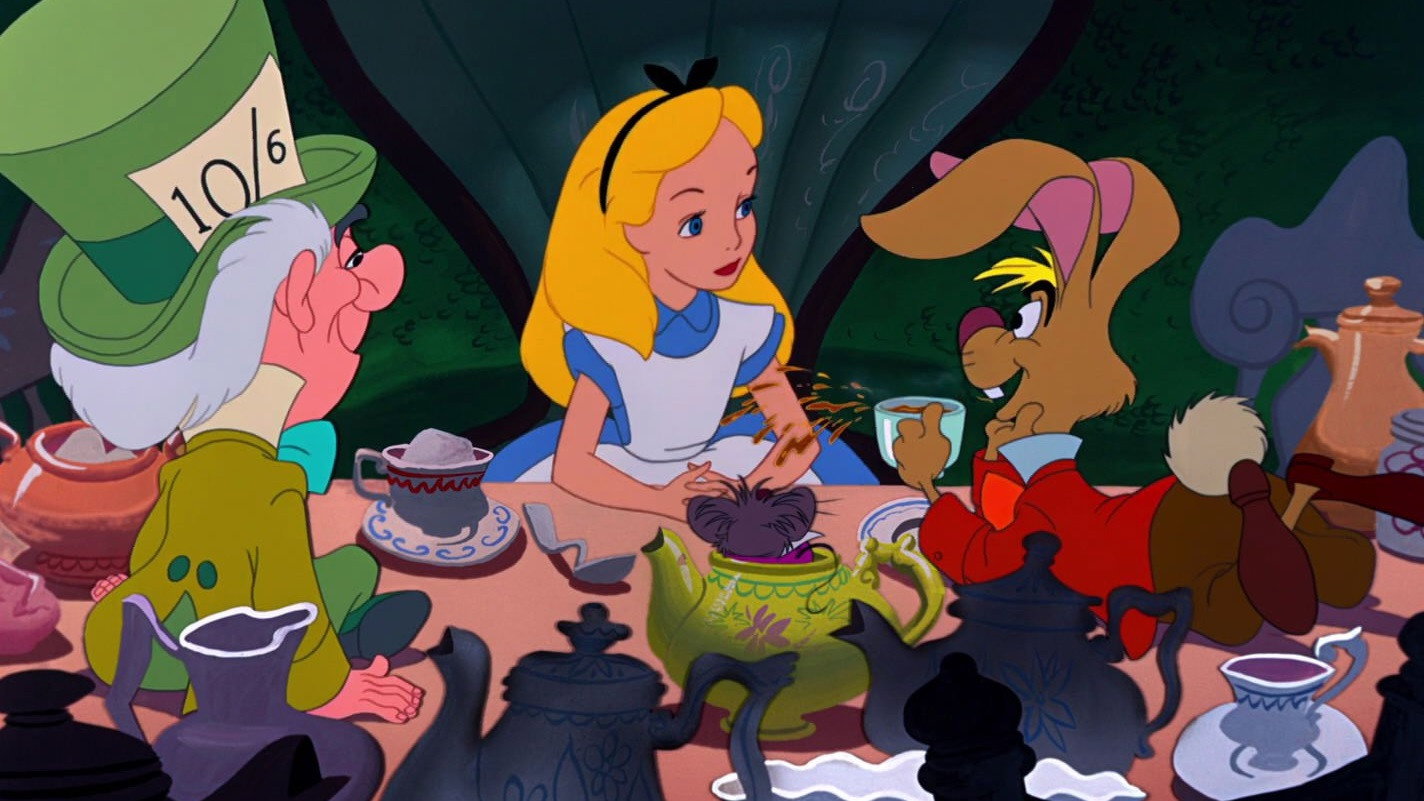
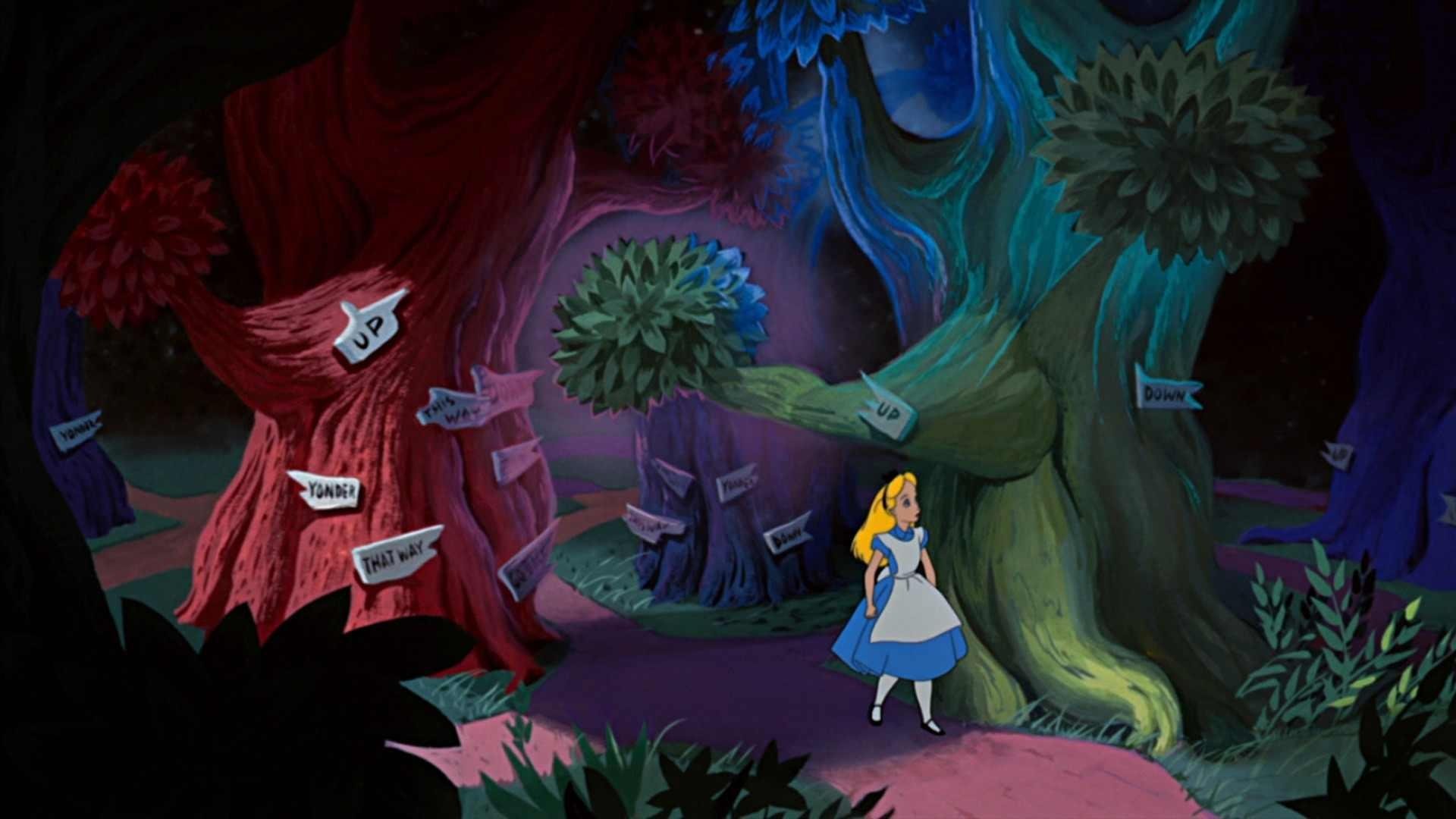
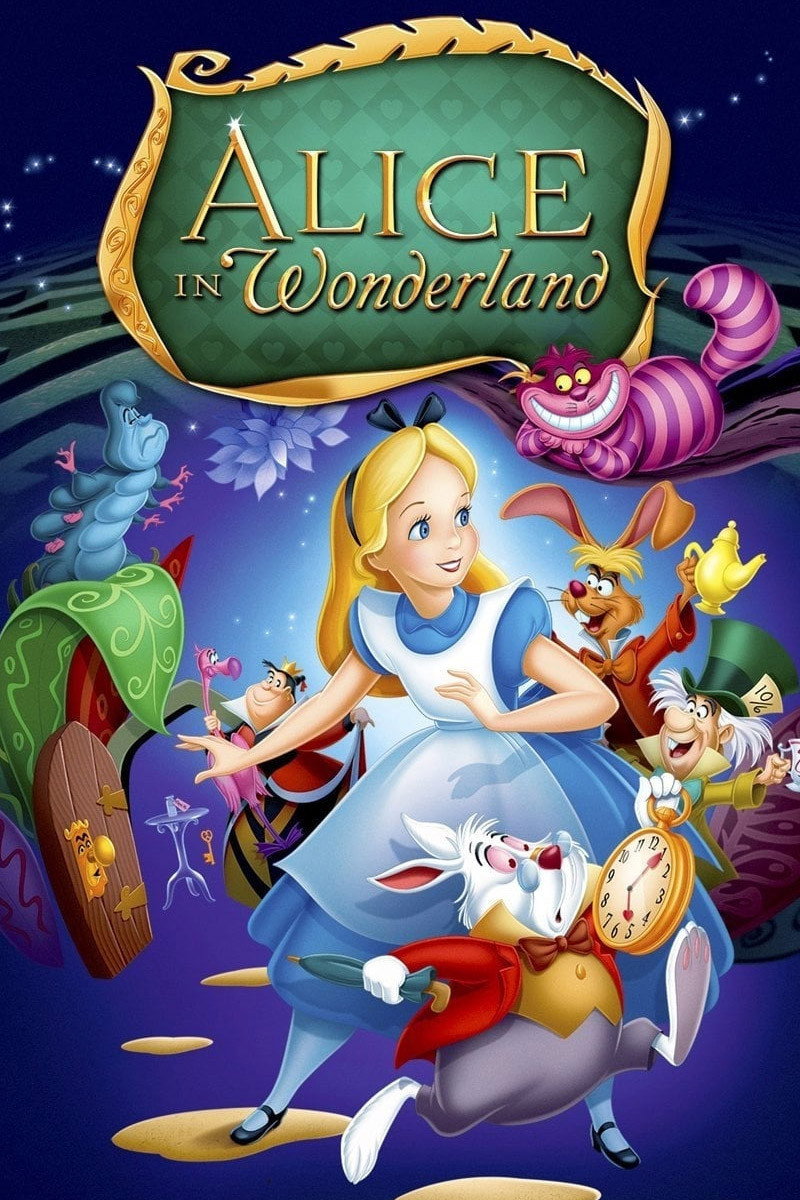
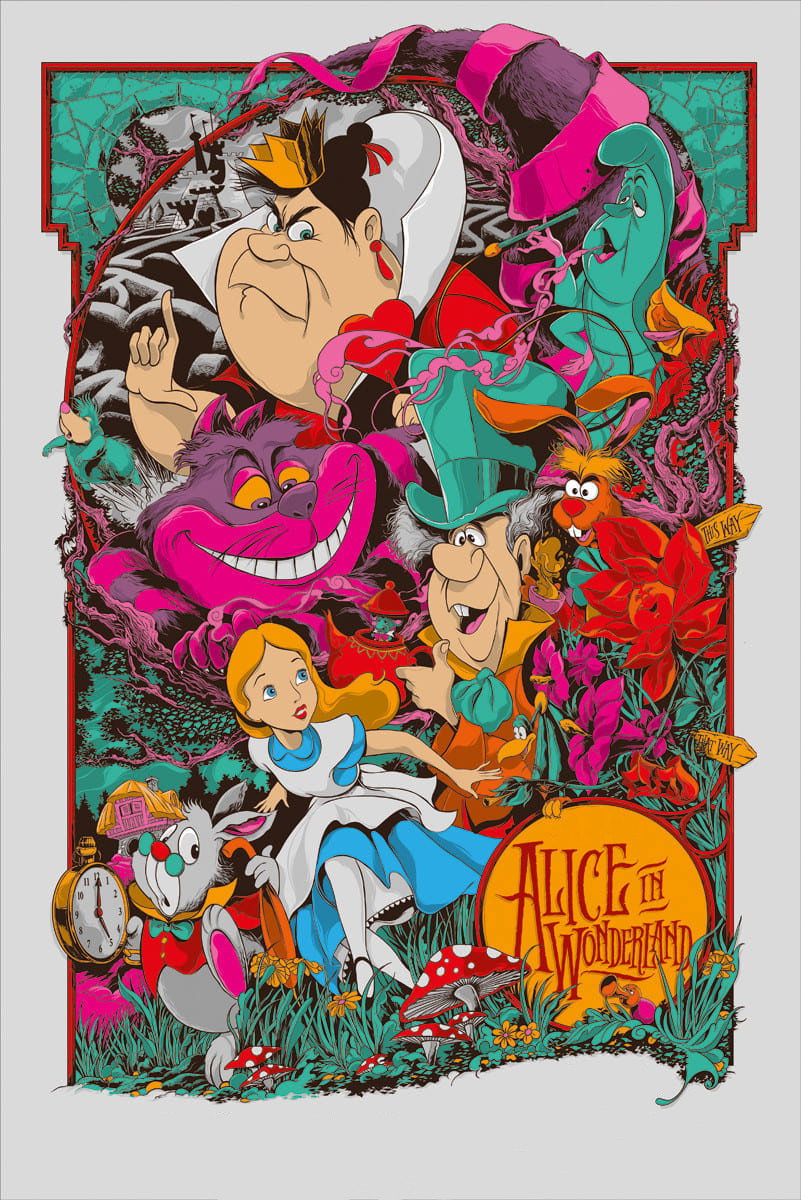
The look is Mary Blair’s, and it is the reason the film has lasted. Colour comes in flat, hard slabs, magenta against teal, mustard against a violet sky, and the backgrounds have almost no depth, so Wonderland is a stage set the size of a page. The talking flowers are the best of it: a rose taller than Alice, pansies with faces, a dandelion with a lion’s head, all of them appalled by her. The Caterpillar (Richard Haydn) blows his vowels in coloured smoke. Oliver Wallace’s music comes in the same spirit, songs that last a minute or less and are thrown away as fast as they start. The unbirthday tune is the only one we could hum an hour later.
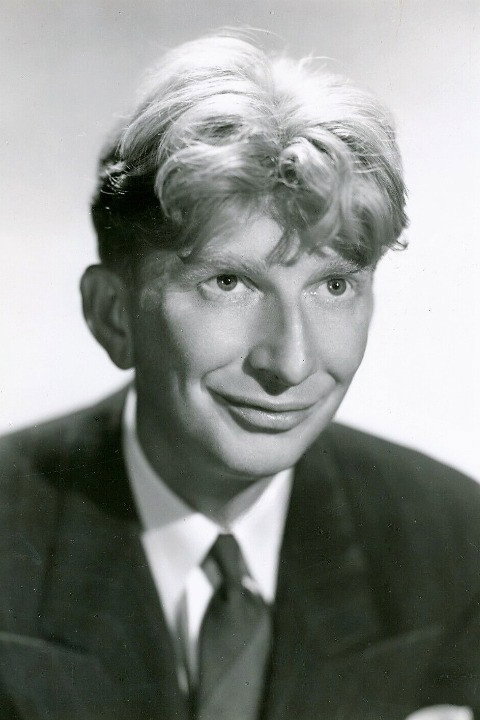
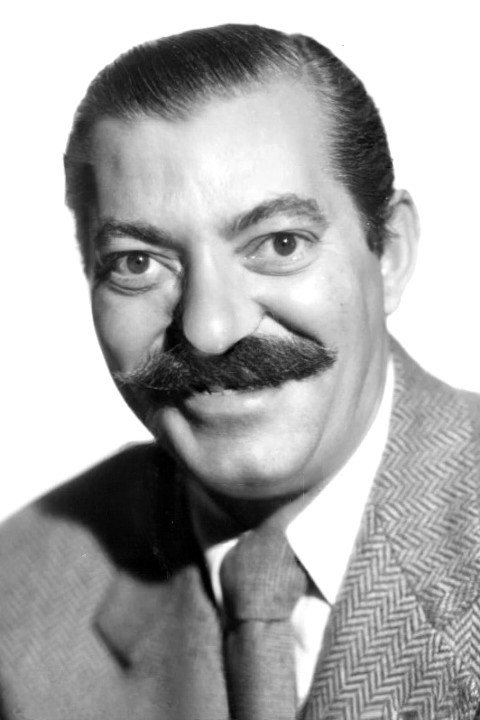
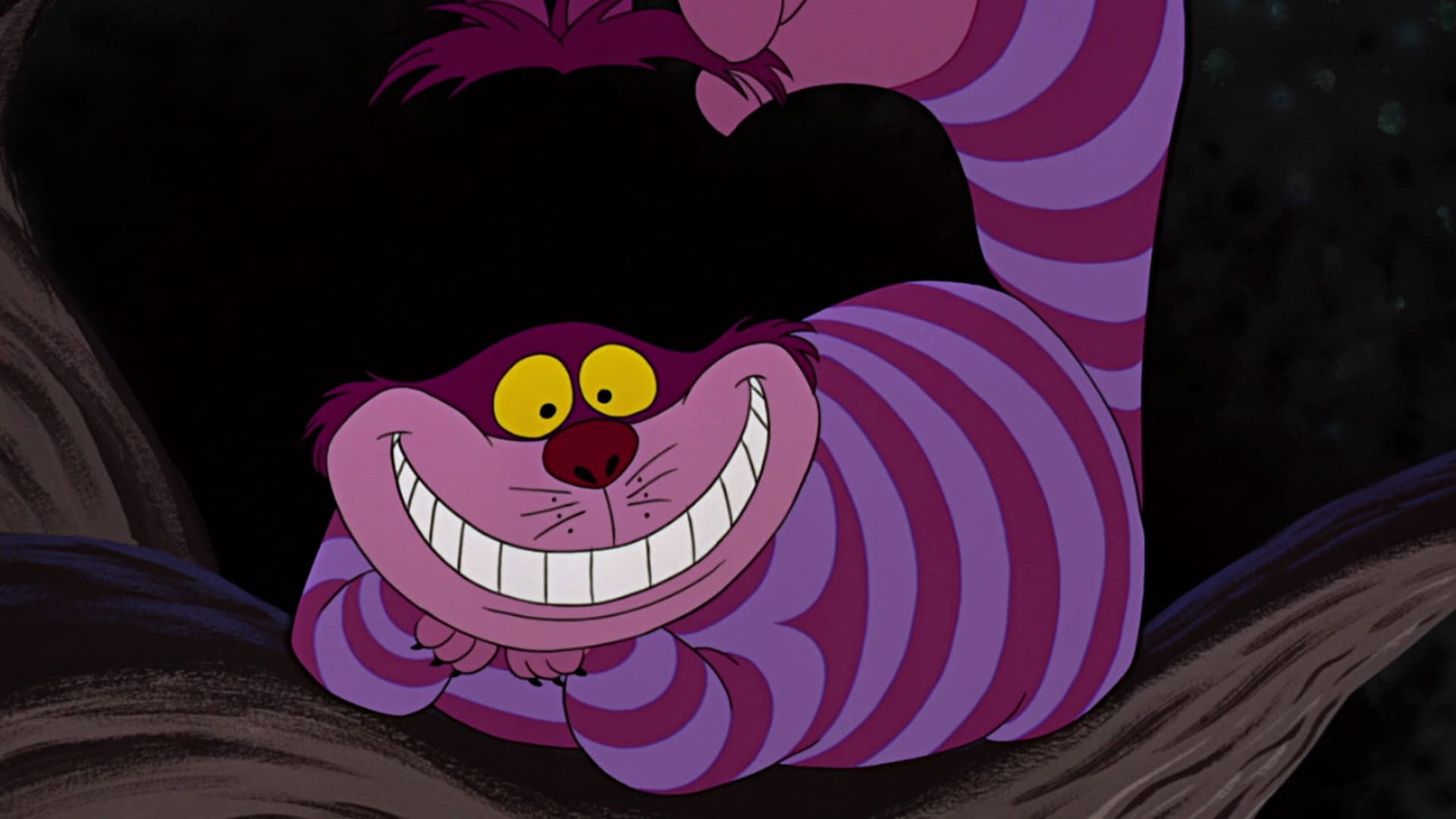
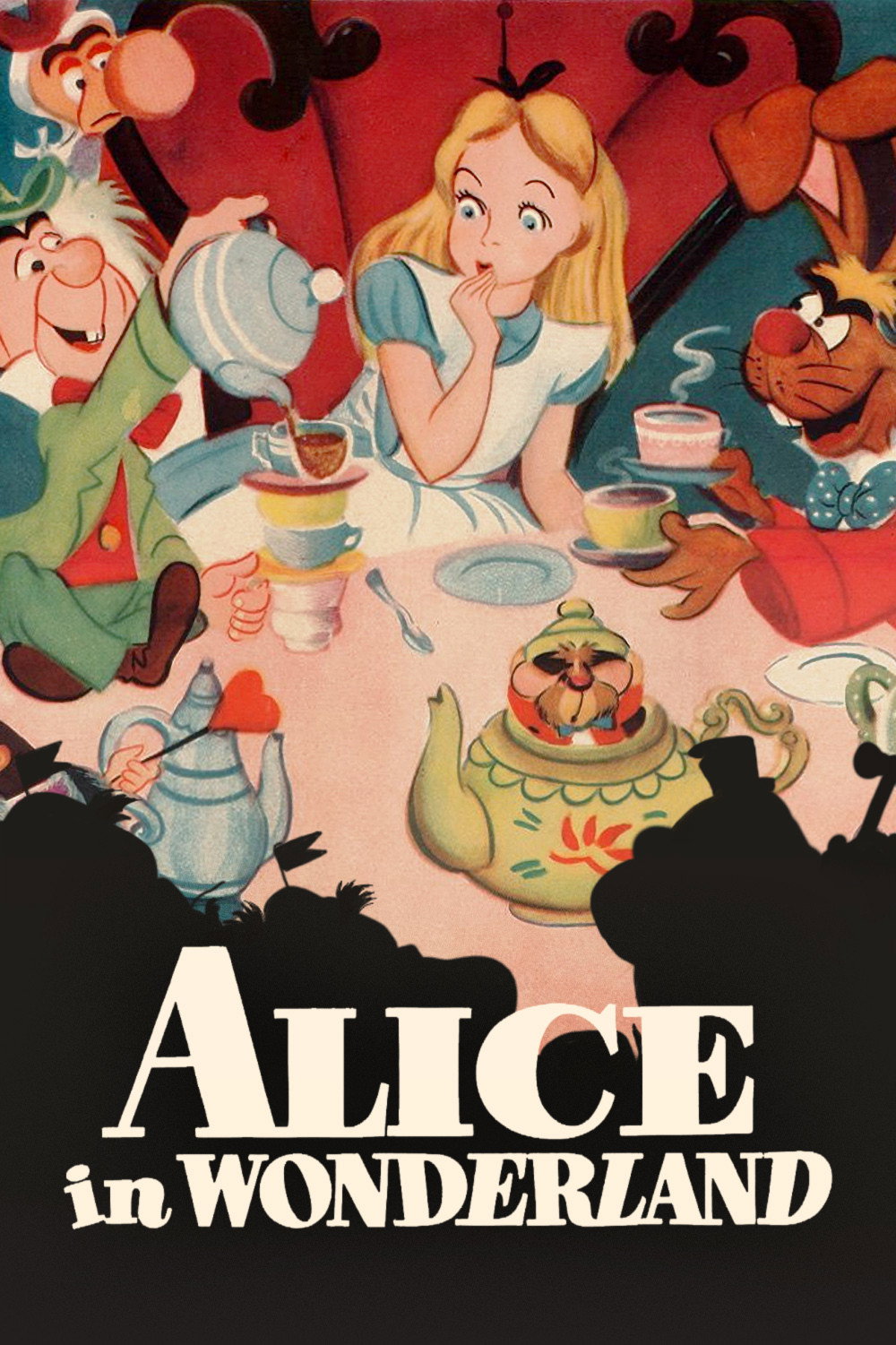
The voices carry the middle third. Ed Wynn’s Mad Hatter has a laugh that starts before the joke and outlasts it, and Jerry Colonna’s March Hare answers him with a stare and a shout. Sterling Holloway’s Cheshire Cat is the one calm presence, arriving grin first and offering advice that is accurate and no help at all. We laughed out loud at the tea party, and mostly at one thing: the Hatter mending the Rabbit’s watch with butter, jam and tea, pronouncing it the best butter, and Colonna’s Hare settling the matter with a mallet. It is timed like a music-hall turn and Wynn plays it as if he had been doing it for forty years.
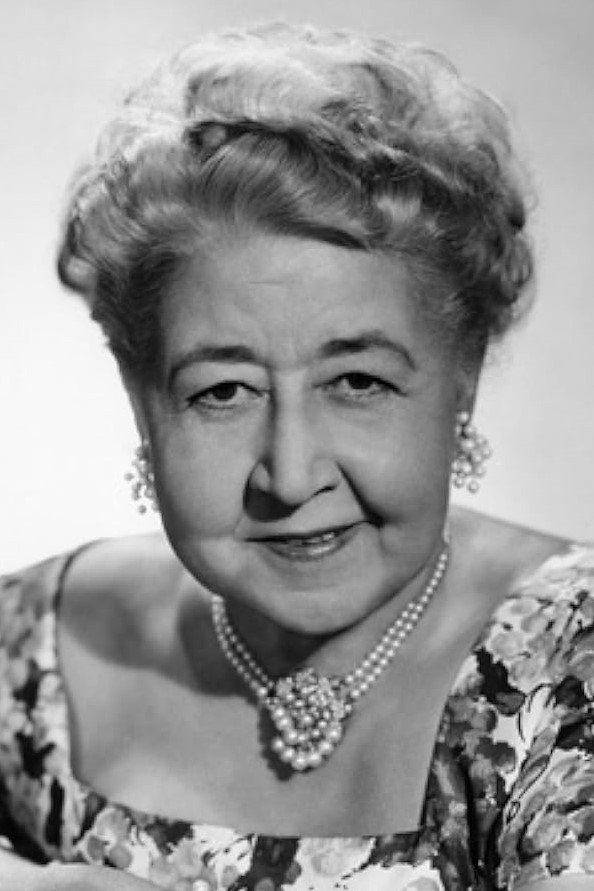
Then it runs out of tea. Once Alice leaves the party the film has nowhere in particular to be, and Lloyd L. Richardson’s cutting, which had joined sketch to sketch at a brisk clip, starts to look like a list. Alice sits down in a dark wood and cries, and it is the first time she has wanted anything for longer than a scene. Verna Felton’s Queen of Hearts bellows, and bellowing is most of the joke; the croquet game with flamingos and hedgehogs has a lot going on and not much of it lands. By the trial we were tired, and a little impatient with a film that had been so quick on its feet an hour before. The last ten minutes get her home in a rush.
Against the studio’s earlier features this is the odd one out. Snow White (1937) and Pinocchio (1940) each had one story, one villain and a lesson, and this has none of them and does not want them. Its admirers make a case for that as the point, and we half agree; the film never stops to tell a child how to behave, which is rarer than it should be. But Carroll’s Alice was a girl with an argument in her, and Beaumont’s is mostly a girl with a complaint, and that is why the film flags when the jokes do.
It reached British cinemas on 19 October 1951 and carries a U. Watch it on the largest screen you have, with a child if one is available, because the colours are the point. At 75 minutes it asks for almost nothing and gives back a run of scenes you will remember out of order. Do not wait for a plot. The tea party comes about halfway through, and it is the reason to stay.