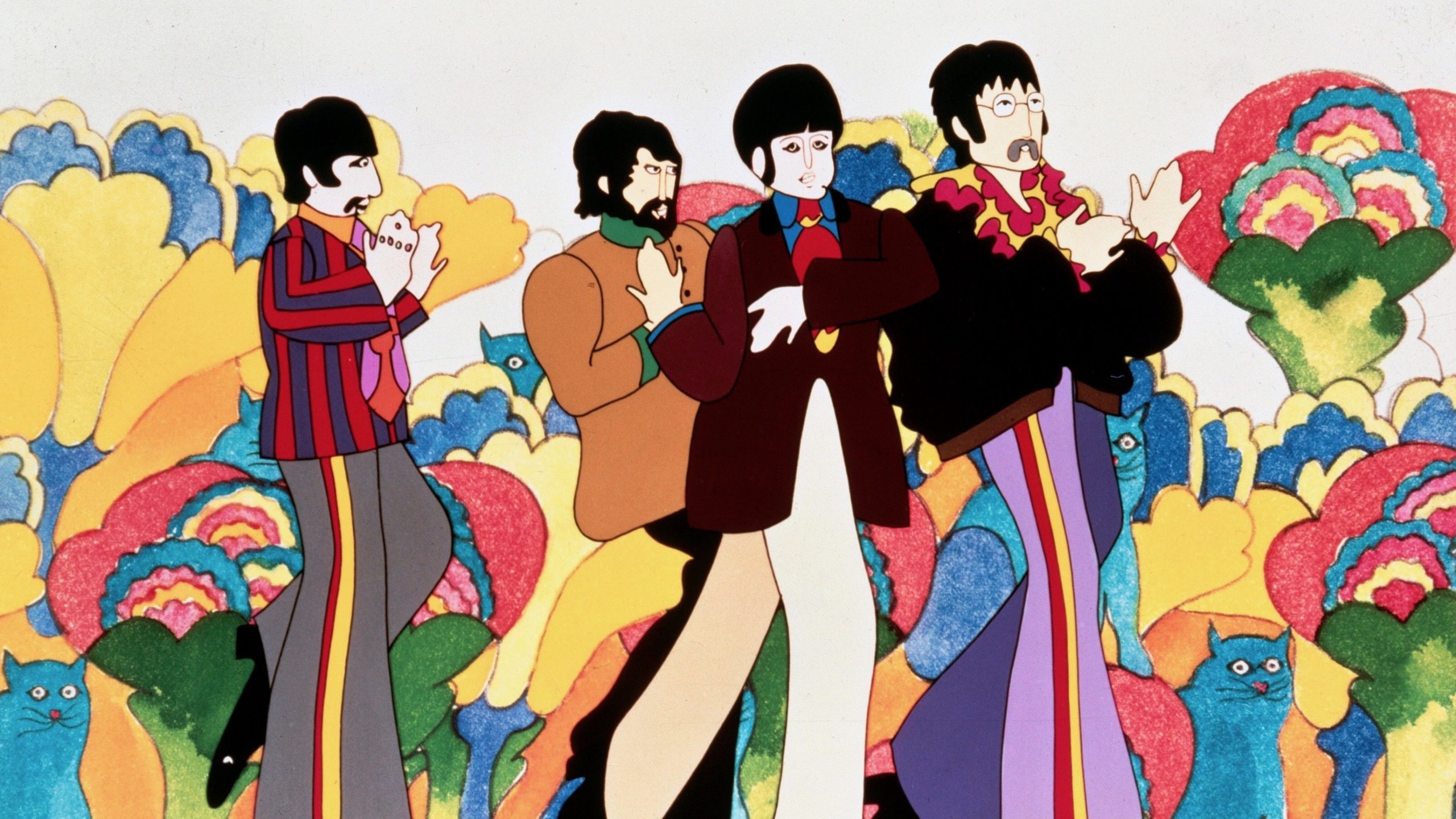
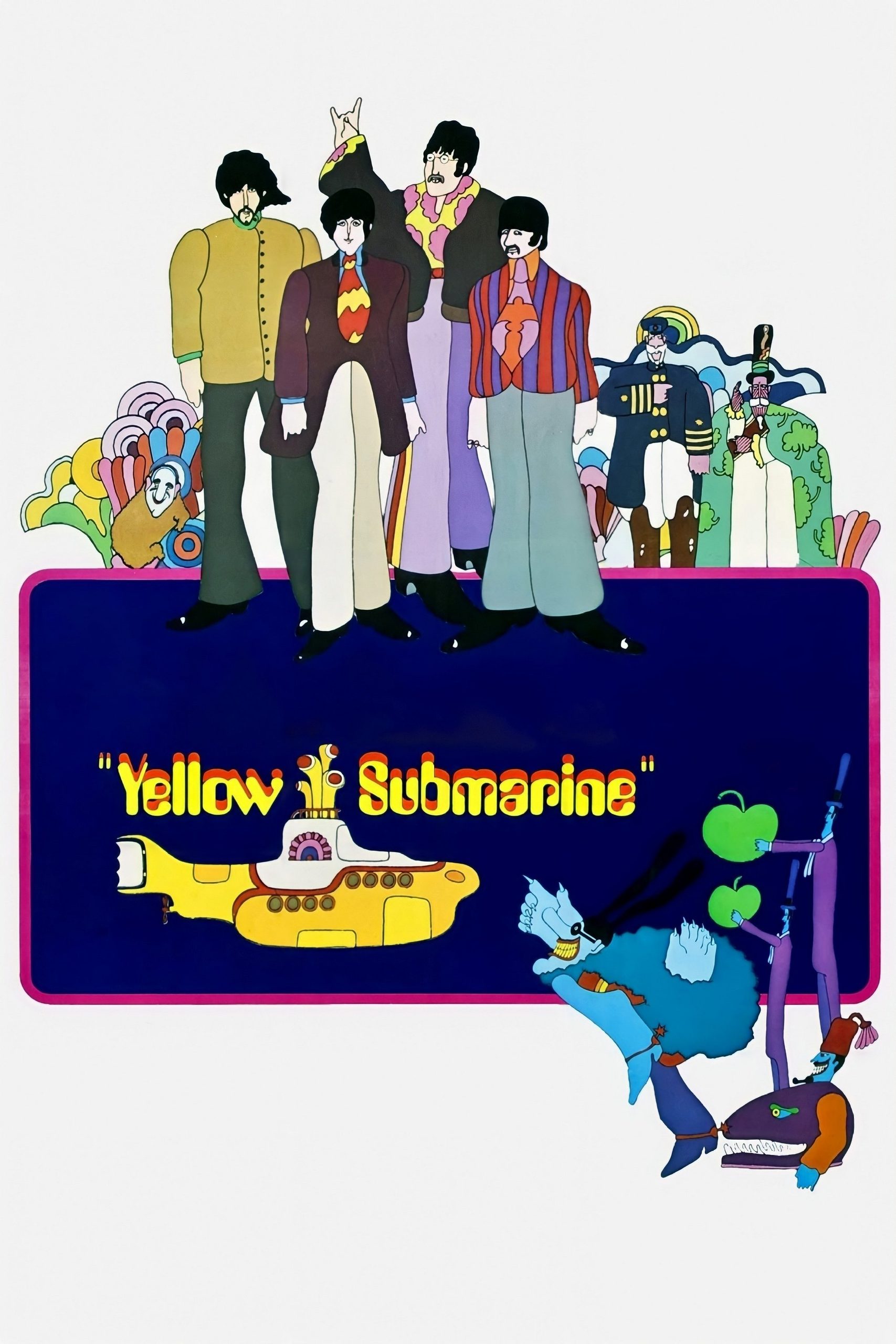
George Dunning’s cartoon voyage to Pepperland is the boldest thing the Beatles put their name to on film, and every song sequence is worth the trip. Between the songs, four credited writers pass the time with puns. We recommend it, with patience.
The Beatles are in Yellow Submarine briefly, uncredited, and they did not voice their own cartoons. What George Dunning had instead was Heinz Edelmann’s designs, four credited writers and the songs, which are the Beatles’ own and are the reason the film exists. It is a 90-minute attempt to draw what the records sound like. When it is doing that, it is one of the most inventive animated films of its decade. When it is talking, it is waiting for the next song, and so were we.
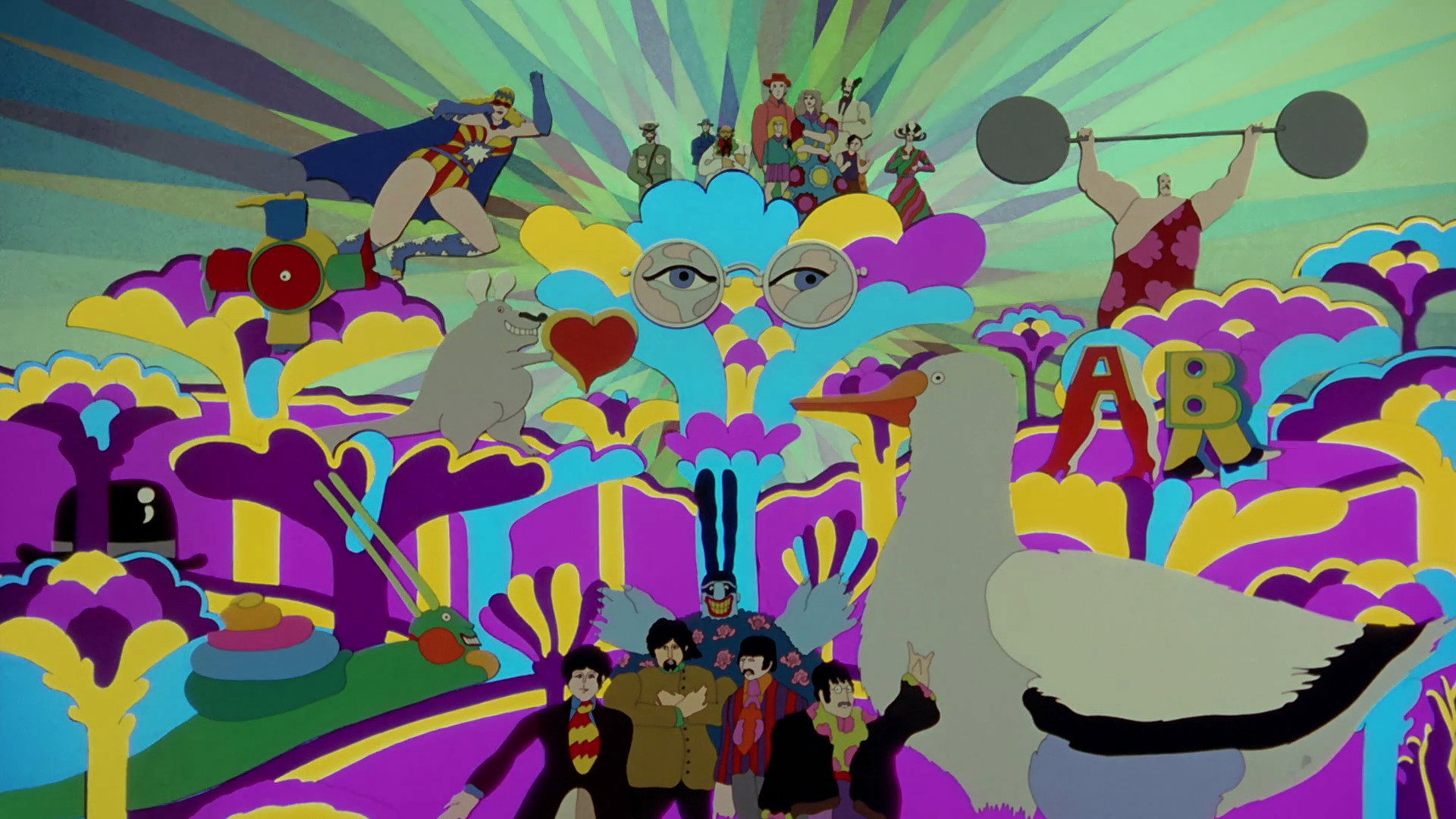
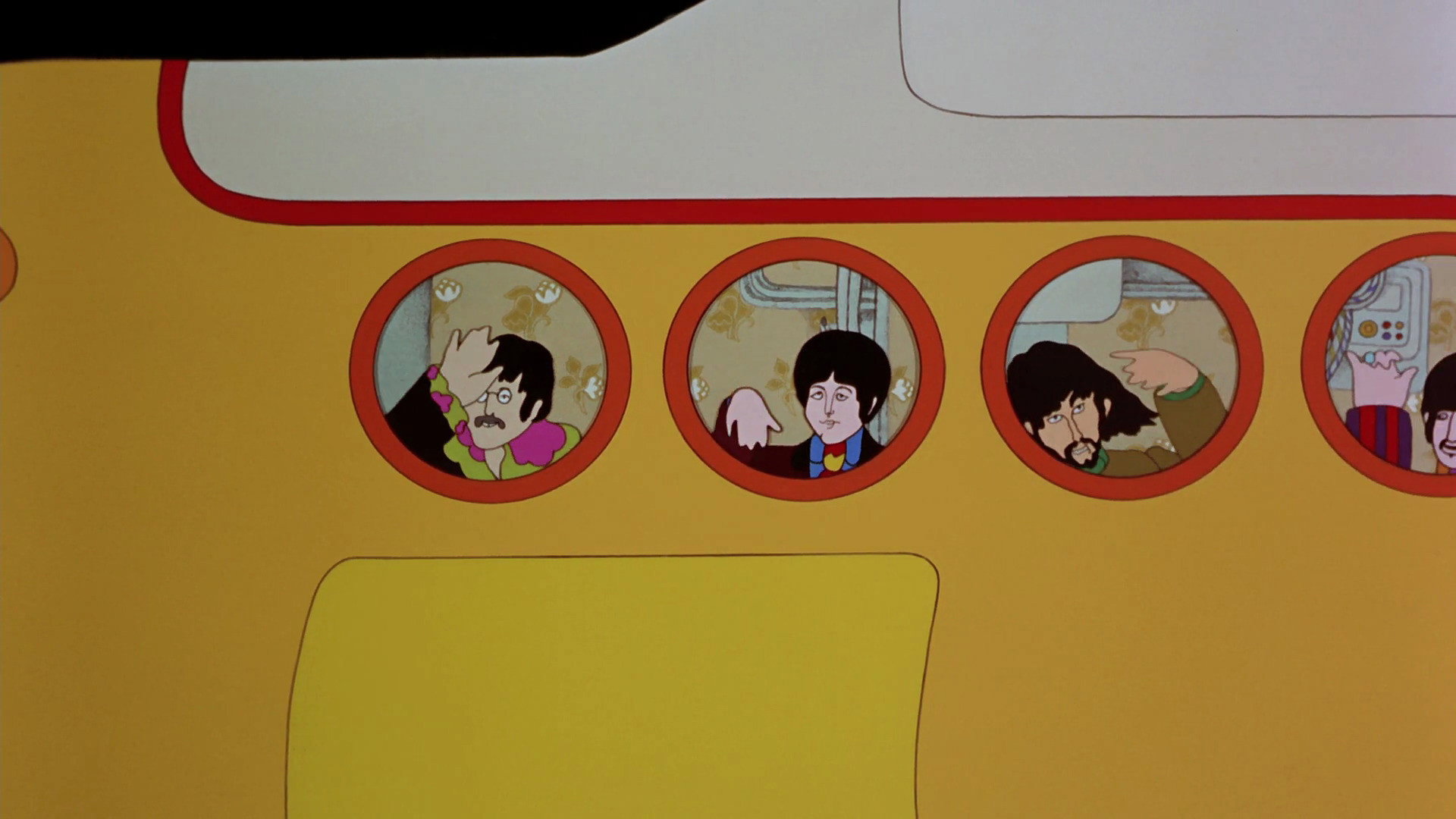
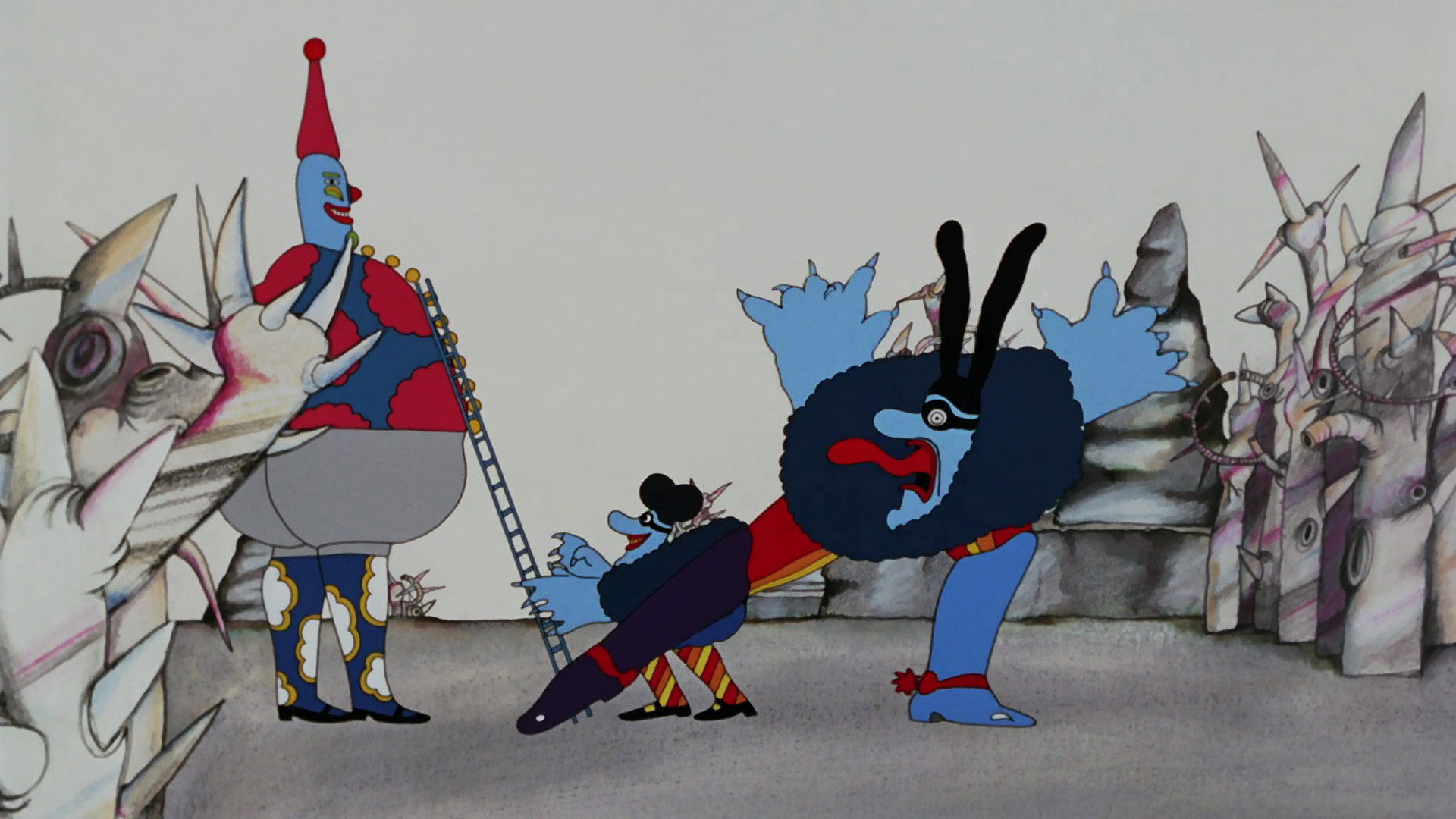
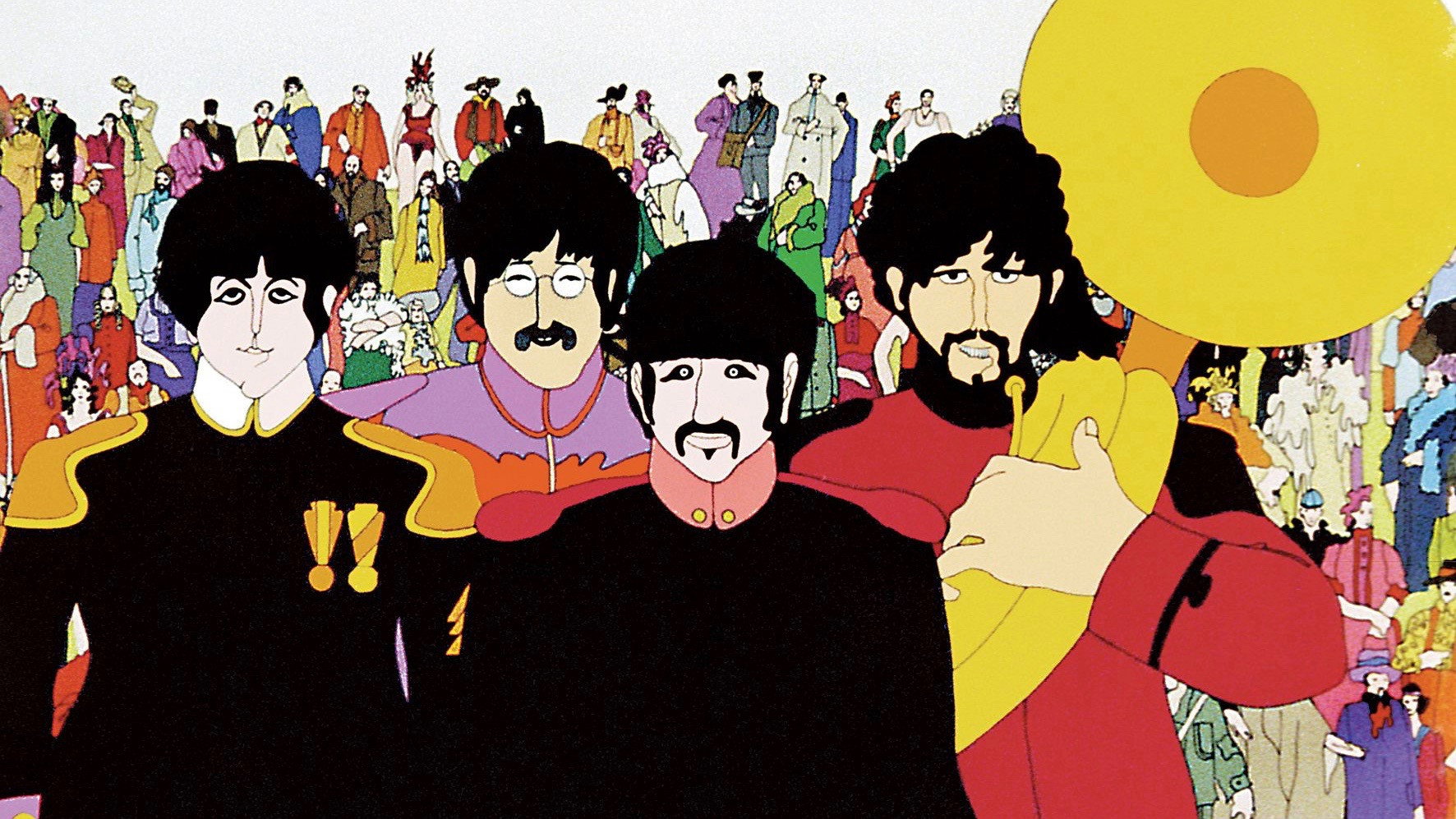
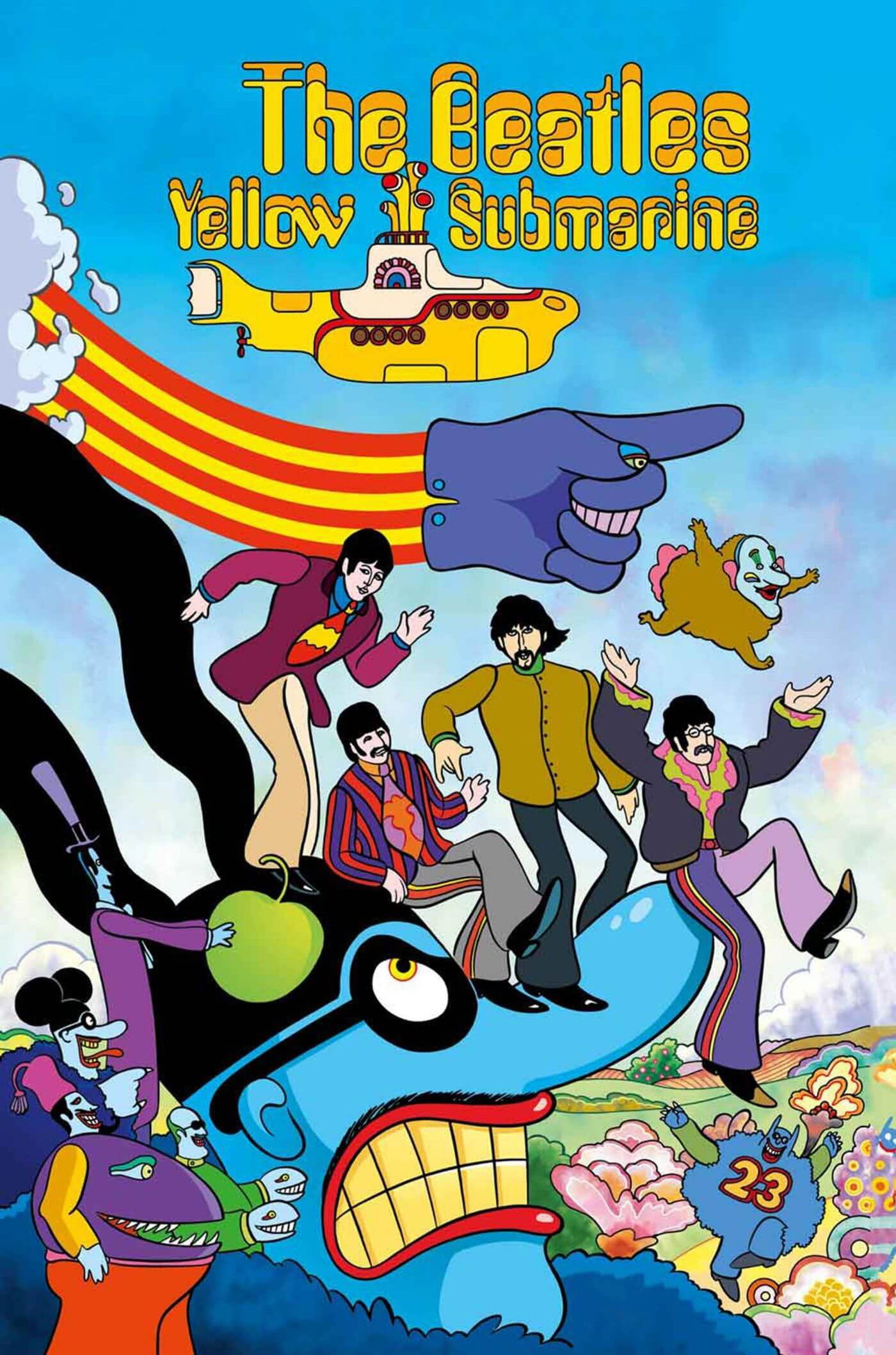
Edelmann is the film’s real author. Pepperland is a hillside of paper flowers and striped bandstands in colours nobody had put on a cinema screen at this scale, flat and printed-looking, nearer a poster than a painting, and John Williams, credited with cinematography, keeps it that way on the cels. The Blue Meanies who invade it are the best thing here: a squat army in Napoleon hats with too many teeth, tall Apple Bonkers who drop fruit on people’s heads, a flying glove the size of a house that points before it strikes. The cartoon Beatles, long-faced men in tight jackets, are the dullest things on screen. They are there to walk us through the gallery.
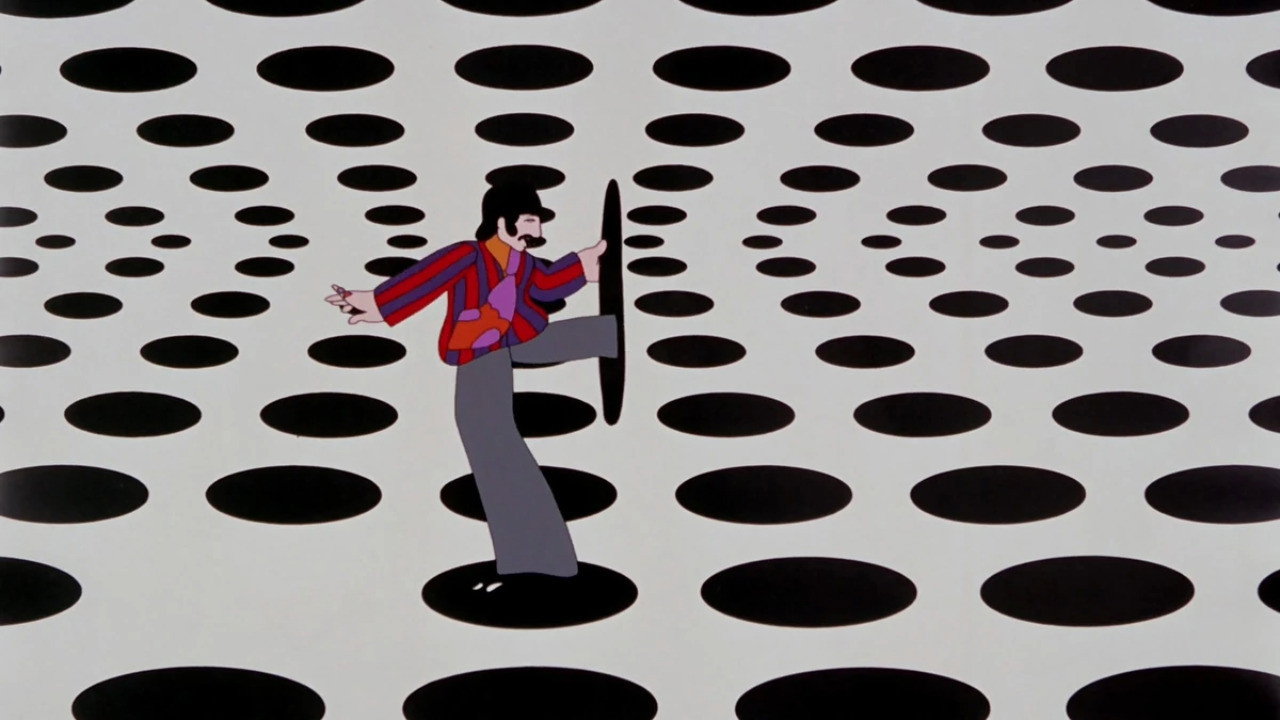
The voyage passes through a Sea of Time, a Sea of Science, a Sea of Monsters and a Sea of Holes, and each is an excuse for a song, and each song is animated differently. ‘Eleanor Rigby’ is the one we did not expect. Dunning drops the cartoon Beatles almost entirely and fills the frame with photographs of a grey Liverpool, docks and terraced streets and figures who do not move, tinted blue and slid across the screen so that a whole city seems to be shuffling past. It moved us more than anything else in the film, and it is over quickly. ‘Lucy in the Sky with Diamonds’ does the opposite: dancers traced from live film and coloured in shifting inks, so the figures are real and nothing around them is. Brian J. Bishop cuts these passages on the beat, plainly, and the songs can carry it.
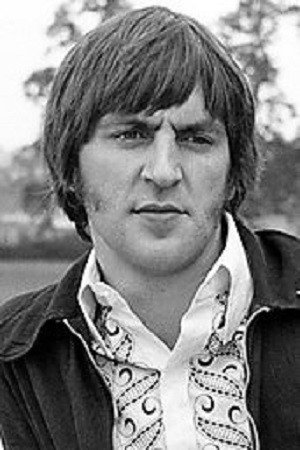
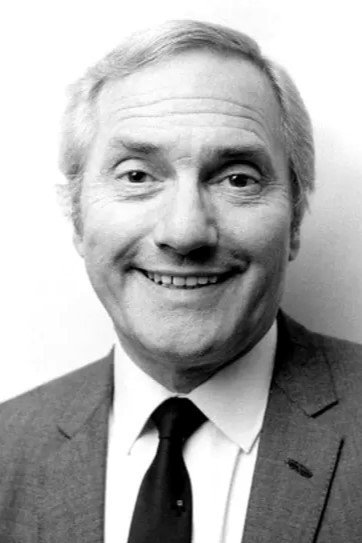
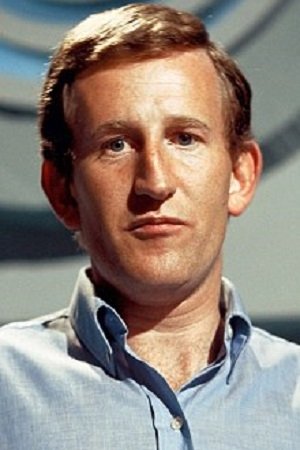
The voices are a curiosity. Paul Angelis does Ringo as a flat Scouse mumble and the Chief Blue Meanie as a shrieking aristocrat, and is good at both. John Clive’s John has the nasal edge; Geoffrey Hughes’s Paul has the head-boy cheer. George is shared between Peter Batten, who goes uncredited, and Angelis, and if you listen you can hear the join. Dick Emery voices the Lord Mayor and Jeremy Hillary Boob, Ph.D., the Nowhere Man, a small furry academic who rhymes everything and of whom the film is fonder than we were. Lance Percival’s Old Fred, the conductor who fetches the band, is the one voice with warmth in it.
Between the songs, the writers, Lee Minoff, Al Brodax, Jack Mendelsohn and Erich Segal, who would shortly write Love Story, keep the cartoon Beatles talking, and what they talk in is puns. There are a great many. Perhaps one in five landed with us. The Sea of Monsters, where the submarine is chased by a creature that hoovers up everything in sight, is the one long stretch where the pictures do the writers’ work for them. Elsewhere we were bored, and it took us a moment to admit it, because the film is so pretty that boredom feels like ingratitude. It is not.
The Blue Meanies do give the film a spine. When they arrive they freeze Pepperland’s people grey with a bang from their gloved hands, and the first attack on the bandstand, the band still playing as the colour drains out of them, has more menace than we remembered. Angelis’s Chief, all giggles and tantrums, is a proper villain, and his hatred of music is the one idea the film takes seriously. It is a U certificate. The songs will hold a child; the chat between them will not, and the glove may follow one or two of them to bed.
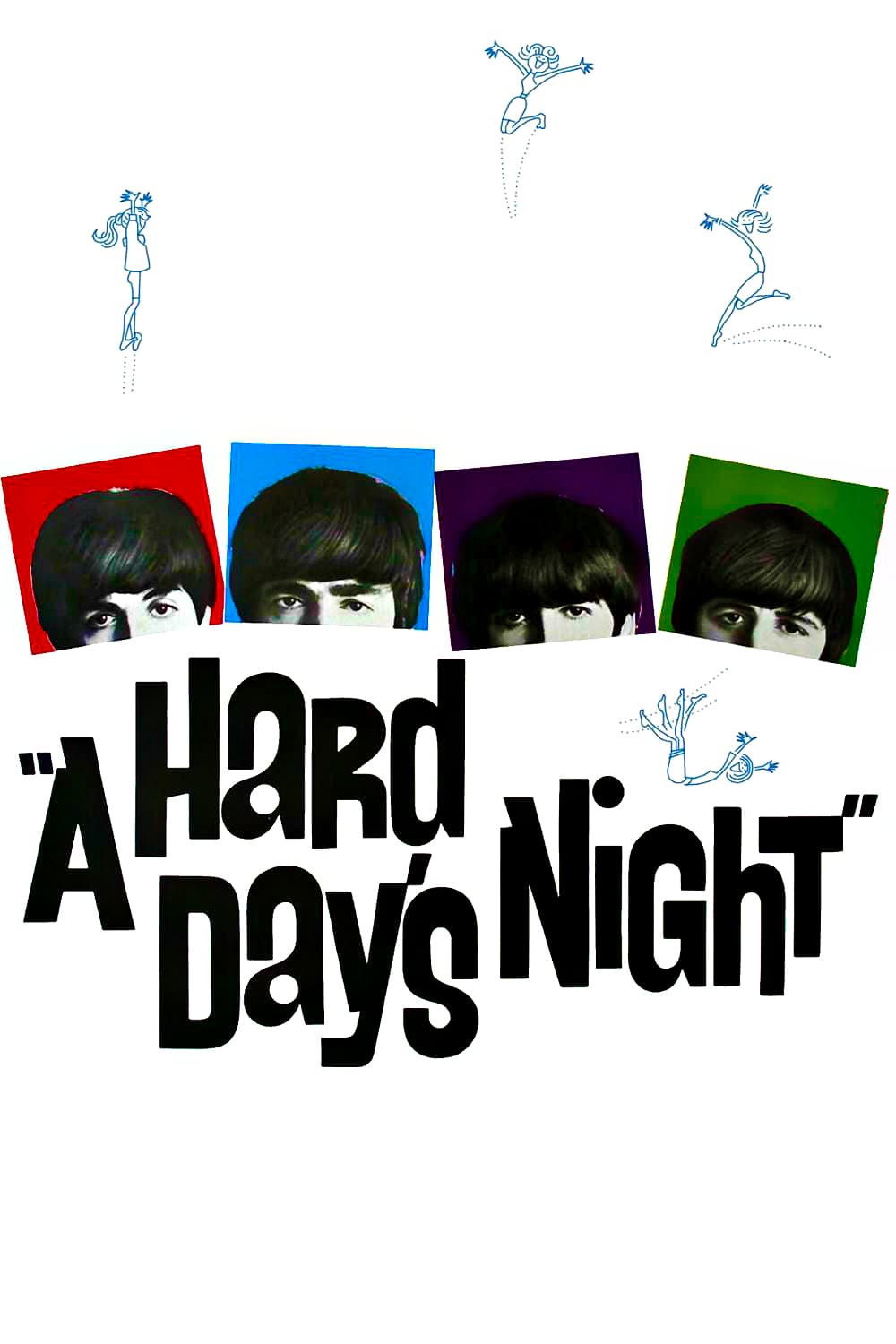
Set beside the band’s live-action films it is the odd one out. A Hard Day’s Night has the Beatles in it, quick and rude and themselves; this has their records, and men drawing to them. Most animation of the period told stories and asked you to mind about a rabbit or a princess. Dunning and Edelmann had no interest in that, and the story is there so the pictures have a route from one to the next. Watch it at home, where you can turn it up for the songs and talk through the rest. The film half expects you to.