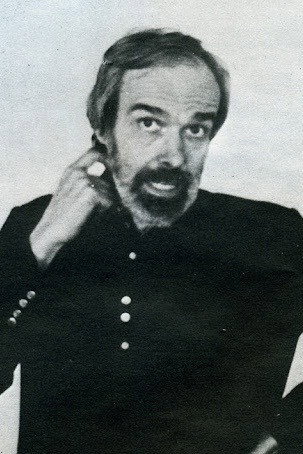
George Dunning directed one feature and it is enough to place him: an animator who drew what records sound like, changed his method with every song and left the story to others. His shorts show where the habit came from.
Fi1m perspective
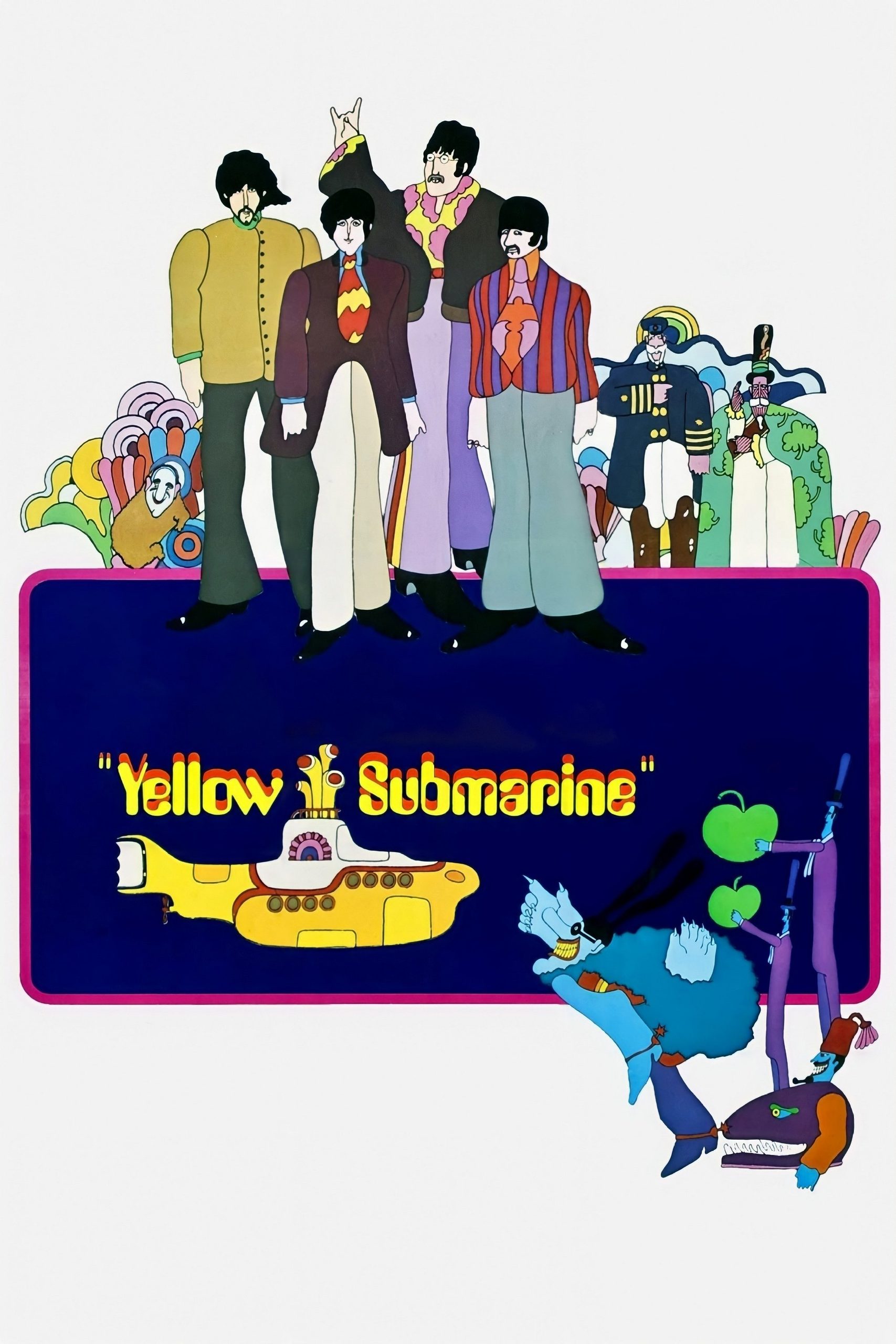
Midway through Yellow Submarine (1968) the cartoon Beatles all but disappear and the frame fills with photographs of Liverpool: docks, terraced streets, people who do not move, tinted blue and slid across the screen so that a whole city seems to shuffle past. It lasts the length of 'Eleanor Rigby' and then it is gone, and the next song is drawn another way entirely. That is George Dunning in one stretch of film. He does not settle on a look. He picks a technique for the moment and drops it when the moment is over.
He learned that at the National Film Board of Canada, which he joined in 1943 under Norman McLaren and where he made his first experimental shorts. By the time he moved to Britain in 1956 and set up TVC in London with John Coates, painting on glass, loose watercolour, rotoscoping and mixed media were his ordinary tools rather than his tricks. The shorts of the early 1960s are where his reputation for wit and oddness comes from: The Flying Man (1962), made in watercolour brushstrokes, and The Apple (1962), an absurdist piece with hardly a line on the page that is not needed. TVC then produced the Beatles television series from 1965 to 1967, and the feature followed, with Dunning directing more than 200 artists over eleven months and Heinz Edelmann designing the world they drew. He never directed another.
In Yellow Submarine the songs are the film and the method is the one from the shorts, done at scale. Each sea the submarine crosses is an excuse for a song and each song is animated differently. 'Lucy in the Sky with Diamonds' traces dancers from live film and colours them in shifting inks, so the figures are real and nothing around them is; Brian J. Bishop cuts on the beat and lets the records do the rest. 'Eleanor Rigby' moved us more than anything else in the film, and the reason is simple: after an hour of coloured shapes, a grey photograph of a real city is a shock. The cost of a director who thinks in sequences is everything between them. Four credited writers fill the gaps with puns, and the story exists so the pictures have a route from one to the next. We were waiting for the next song, and so, we suspect, was he.
He went back to shorts afterwards. Damon the Mower (1972) sets a Marvell poem in graphite sketches and turns the rostrum camera on the drawing itself, so the audience watches the animation being made. The Maggot (1973) is an anti-drug film. He died in London in 1979 while developing a feature of The Tempest, a play with an island, spirits and a good many songs, and it sounds like his sort of material. Watch Yellow Submarine with the volume up for the songs and the patience to sit through the rest, and if you can find the shorts, they are the same man with nobody asking him to explain the plot.
Biography
George Dunning was a Canadian animator, producer and director. Born in Toronto in 1920, he studied at the Ontario College of Art and joined the National Film Board of Canada in 1943, where he worked with Norman McLaren. In 1949 he co-founded Graphic Associates in Toronto before moving to England in 1956, where he established TVC London.
Dunning is best known for directing the 1968 animated feature Yellow Submarine, produced by his company for King Features. He supervised over 200 artists during its eleven-month production and personally directed the 'Lucy in the Sky with Diamonds' sequence. Earlier he had produced the 1965–67 television series The Beatles. His other work includes short films such as The Flying Man (1962) and The Apple (1963). Dunning died in London in 1979.