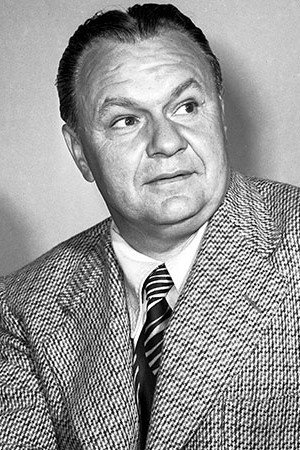
Clyde Geronimi spent nearly three decades directing for Walt Disney without directing a film that was his alone. What he brought to Cinderella and the features around it was timing, mood and an animator's patience, and it shows if you know where to look.
Fi1m perspective
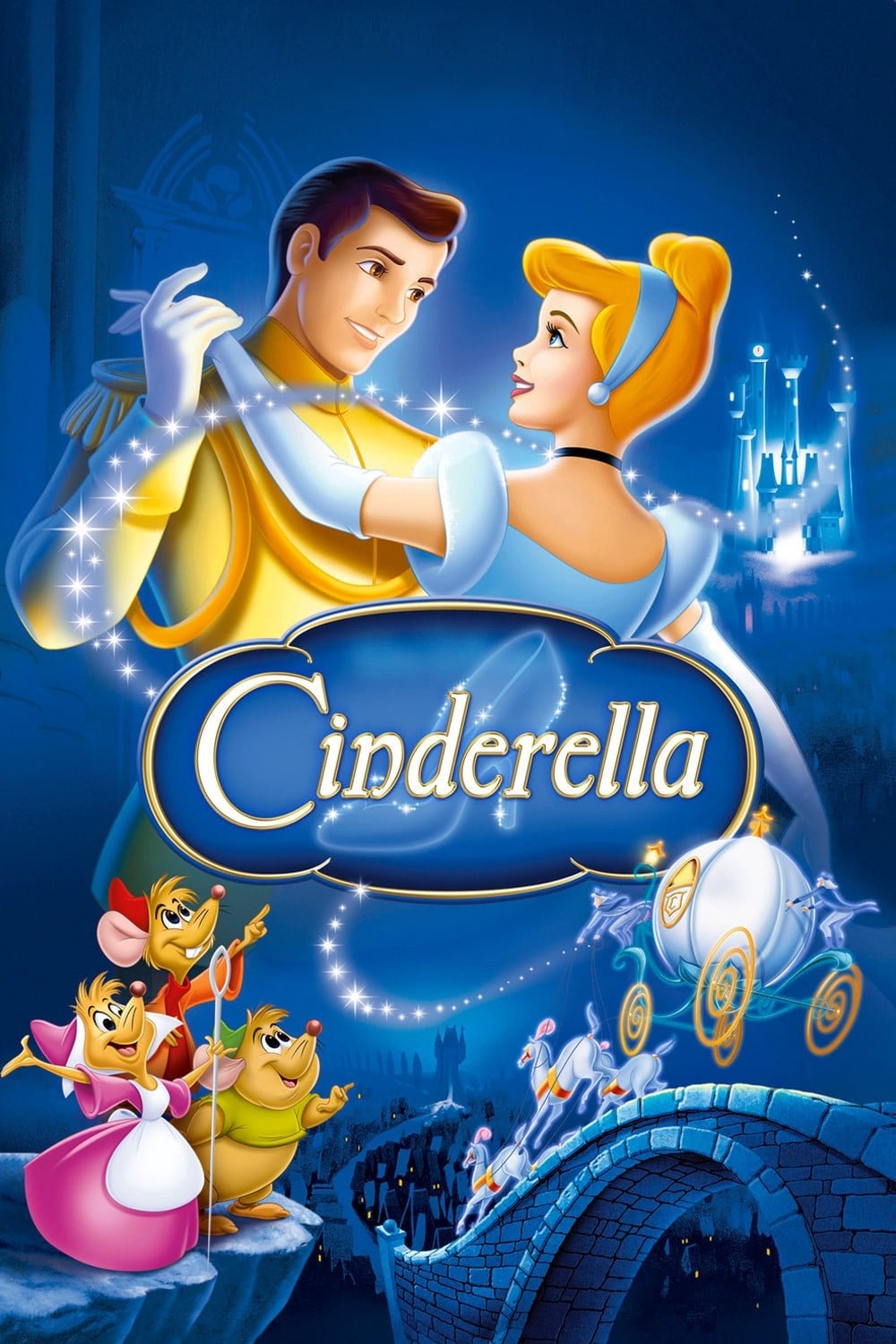
Look at the stepmother's cat in Cinderella (1950). He has real menace, and menace in a cartoon animal is mostly a matter of timing: how long a look is held, how quickly a movement follows it. Timing was the least glamorous skill in animation and the one Clyde Geronimi cared about most, working the exposure sheets with his animators and deciding when a beat lands. We were more unnerved by that cat than a grown adult should be, and the film knows what it has: the stepmother is one of the studio's best villains, her cat has more presence than the heroine and the prince, who are the thinnest things in it. The film is short and tidy, and the mice have to carry the middle third, which is where that kind of care pays off.
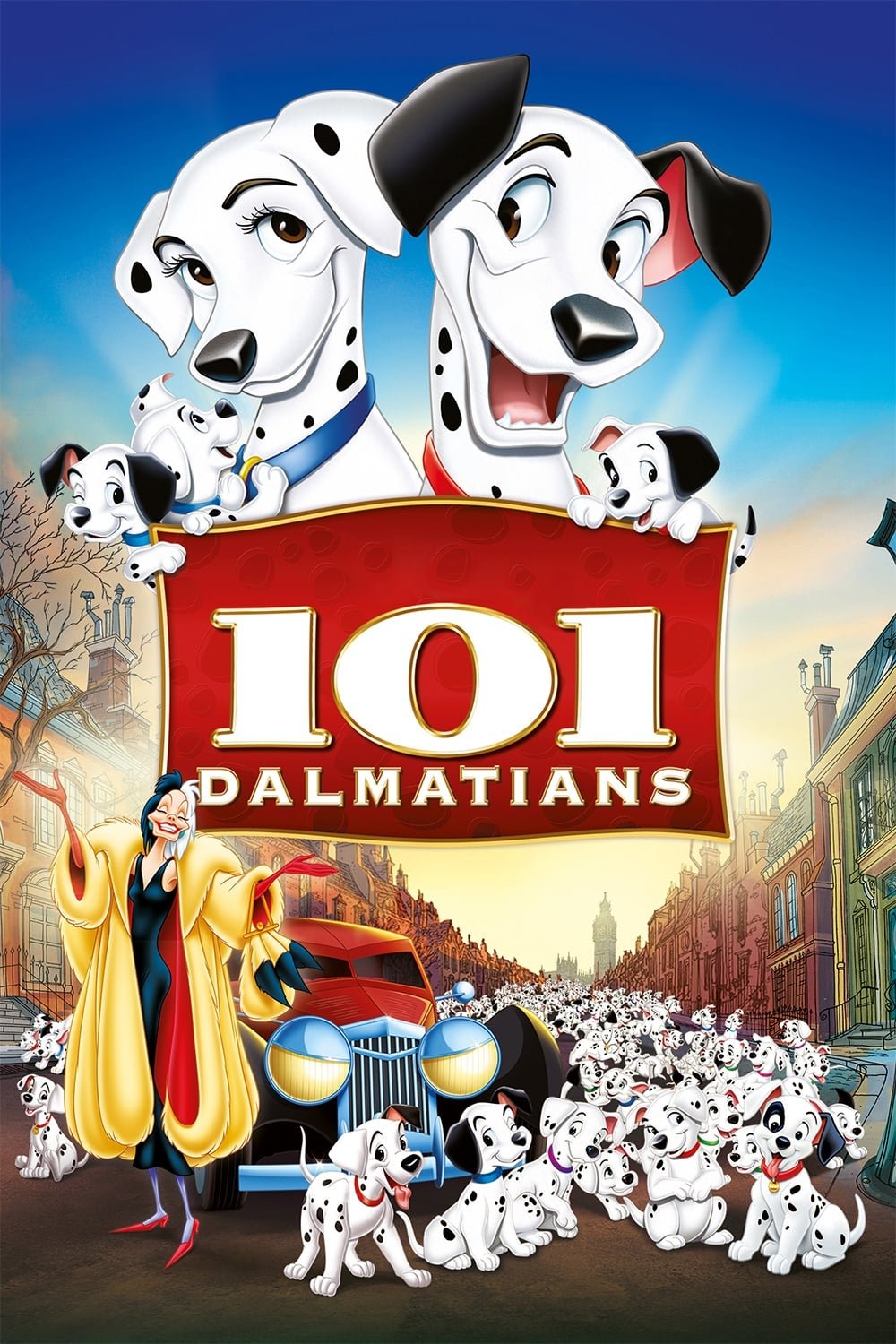
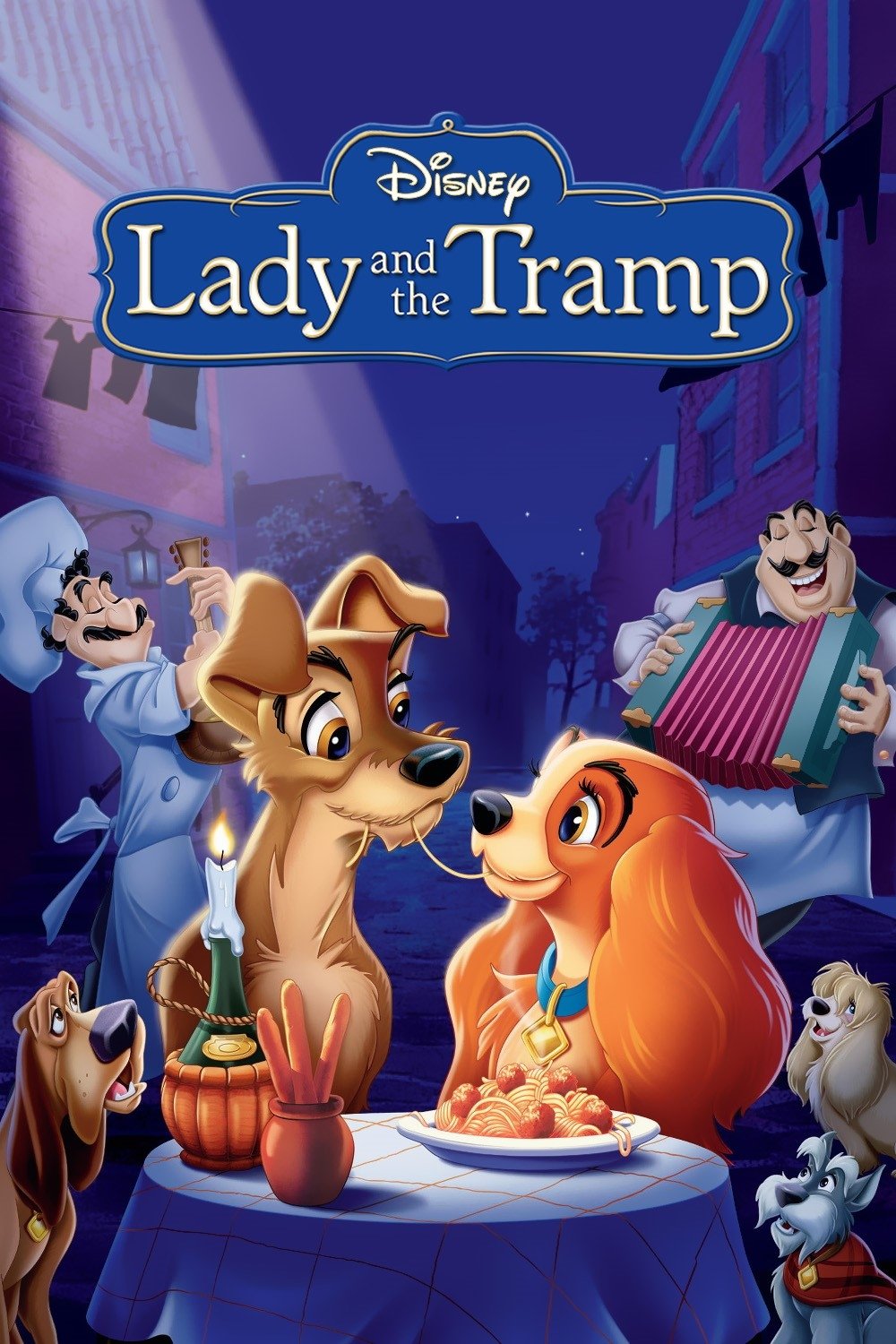
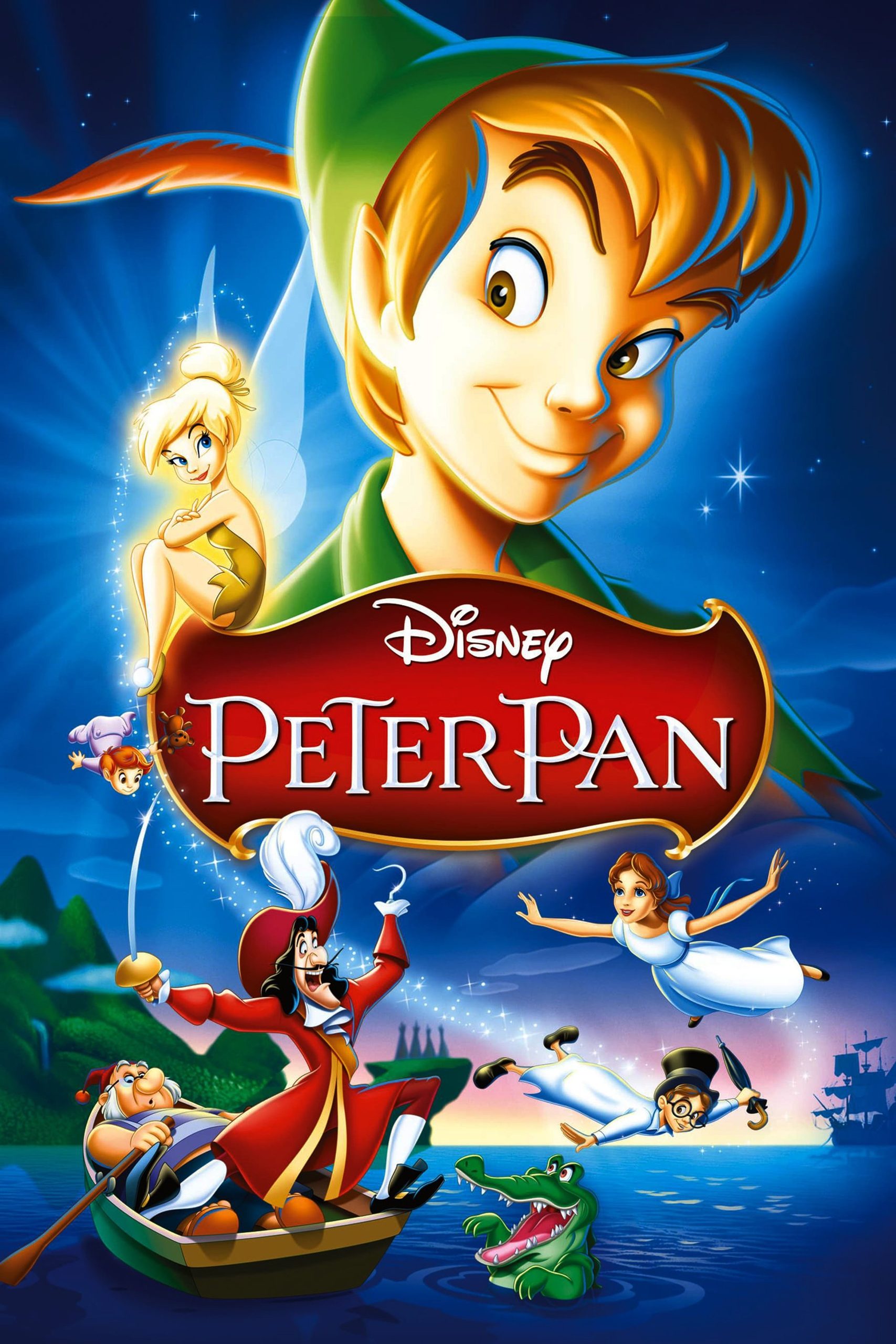
He came to Disney in 1931 as an animator, having started with Walter Lantz at J.R. Bray, and was directing by 1939, first shorts and then wartime work. From The Adventures of Ichabod and Mr Toad (1949) through One Hundred and One Dalmatians (1961) his name sits on nearly every feature the studio made, and always beside others: Wilfred Jackson and Hamilton Luske four times each, with Walt above them all. This is the difficulty in writing about him. Disney features were made in the director's room, by committee, and a sequence director's job was to develop story, time the business and plus the gags, a beat added here and one cut there. Whose film Peter Pan (1953) is, or Lady and the Tramp (1955), is a question the credits were designed not to answer.
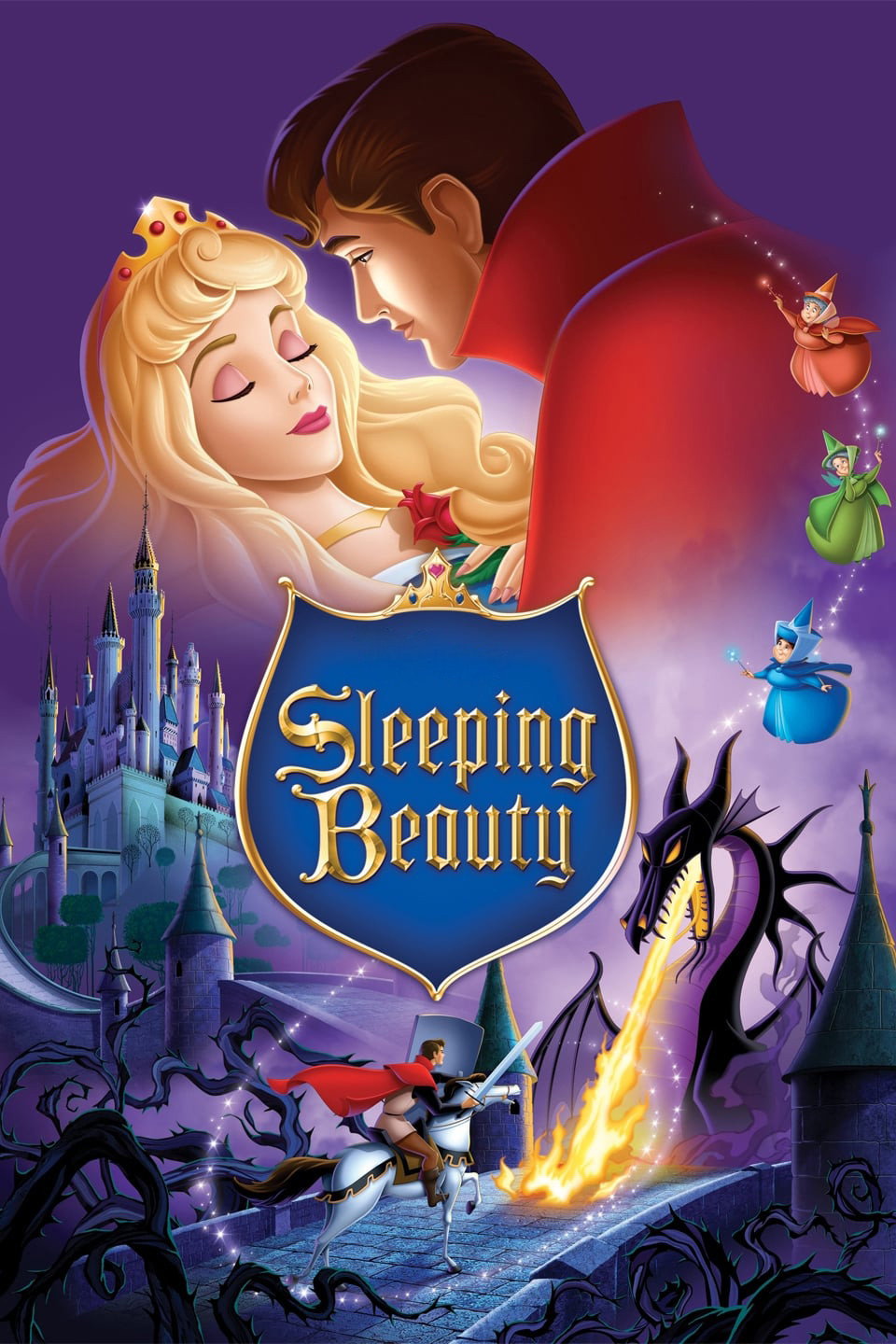
What he stood for was atmosphere. On Sleeping Beauty (1959), where he was supervising director and Eyvind Earle painted the backgrounds, he argued over how dark the dungeon should be and how the whole picture should feel. Not everyone in the building enjoyed working under him. Some animators thought him high-handed and put the success of his sequences down to the strong teams he was given, and he did not pretend to be a gentle presence: "with patience and flattery I bring them around to my way of thinking," he said of the job. That is the manner of a foreman rather than an artist, and a studio turning out a feature every two years needed foremen.
He left Disney for television at the end of the 1950s, at UPA and elsewhere, including episodes of Spider-Man, and the trail goes quiet. If you want to see what he did, do not hunt for a signature. Look at Cinderella, at the mice carrying its middle third and the menace of the cat, and at how little of its 74 minutes is wasted. That is not a signature. It is a trade, and on that evidence he was good at it.
Biography
Clyde "Gerry" Geronimi (12 June 1901 – 24 April 1989) was an Italian-American animation director. Born Clito Enrico Geronimi in Chiavenna, Italy, he immigrated to the United States as a child. He began his career in animation at J.R. Bray Studios, where he worked with Walter Lantz, before joining Walt Disney Productions in 1931.
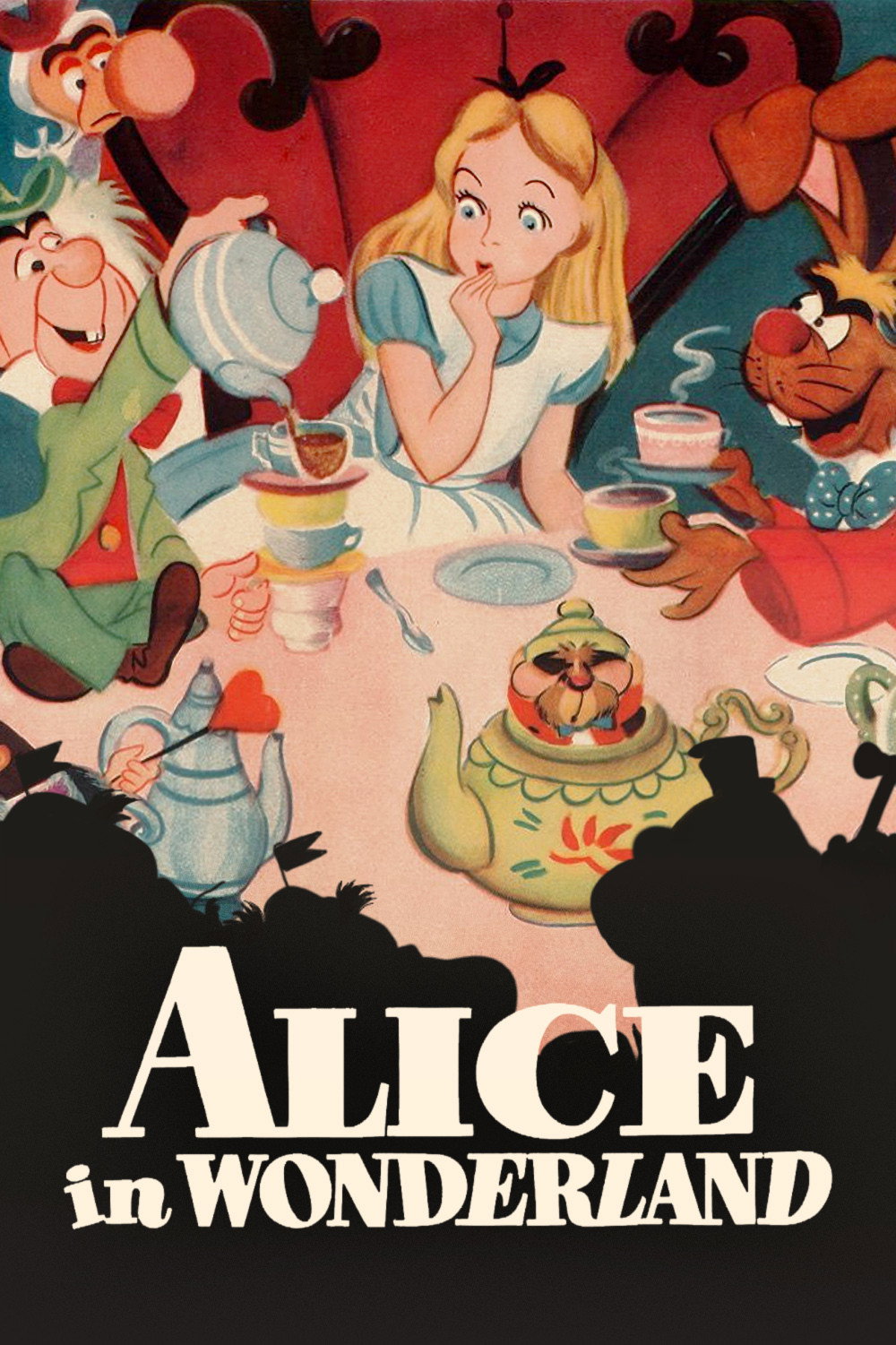
At Disney he directed numerous shorts and, after the Second World War, co-directed several feature films including Cinderella (1950), Alice in Wonderland (1951), Peter Pan (1953), Lady and the Tramp (1955), Sleeping Beauty (1959) and One Hundred and One Dalmatians (1961). His short Lend a Paw (1941) received an Academy Award.
Geronimi left Disney in 1959 and later directed episodes of television series including Spider-Man (1967). He received the Winsor McCay Award in 1978 for lifetime achievement in animation.