Film review

Peter Pan

1953 · Directed by Clyde Geronimi, Wilfred Jackson, Hamilton Luske · 1h 17m · MPA G

In a sentenceCaptain Hook loses to a crocodile every twenty minutes and we never once tired of watching him lose

AnimationFamilyAdventureFantasy

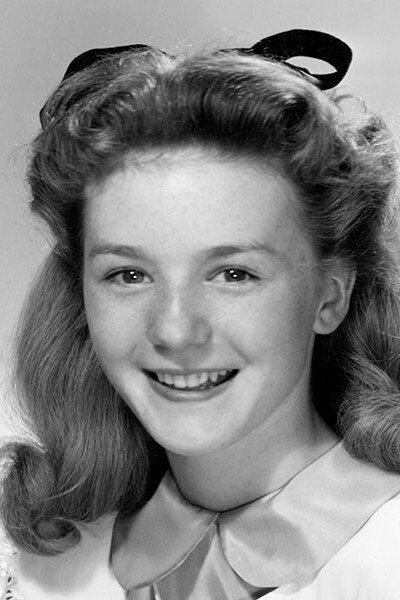
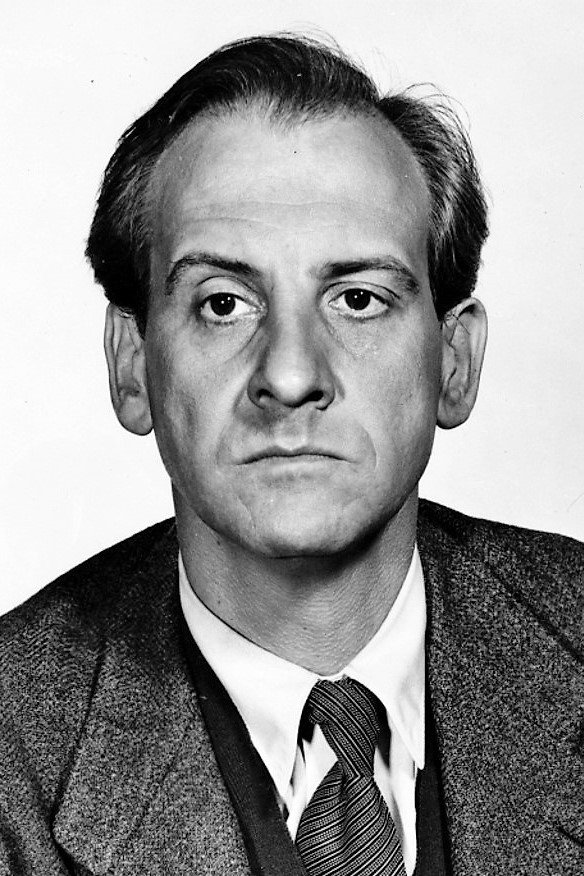
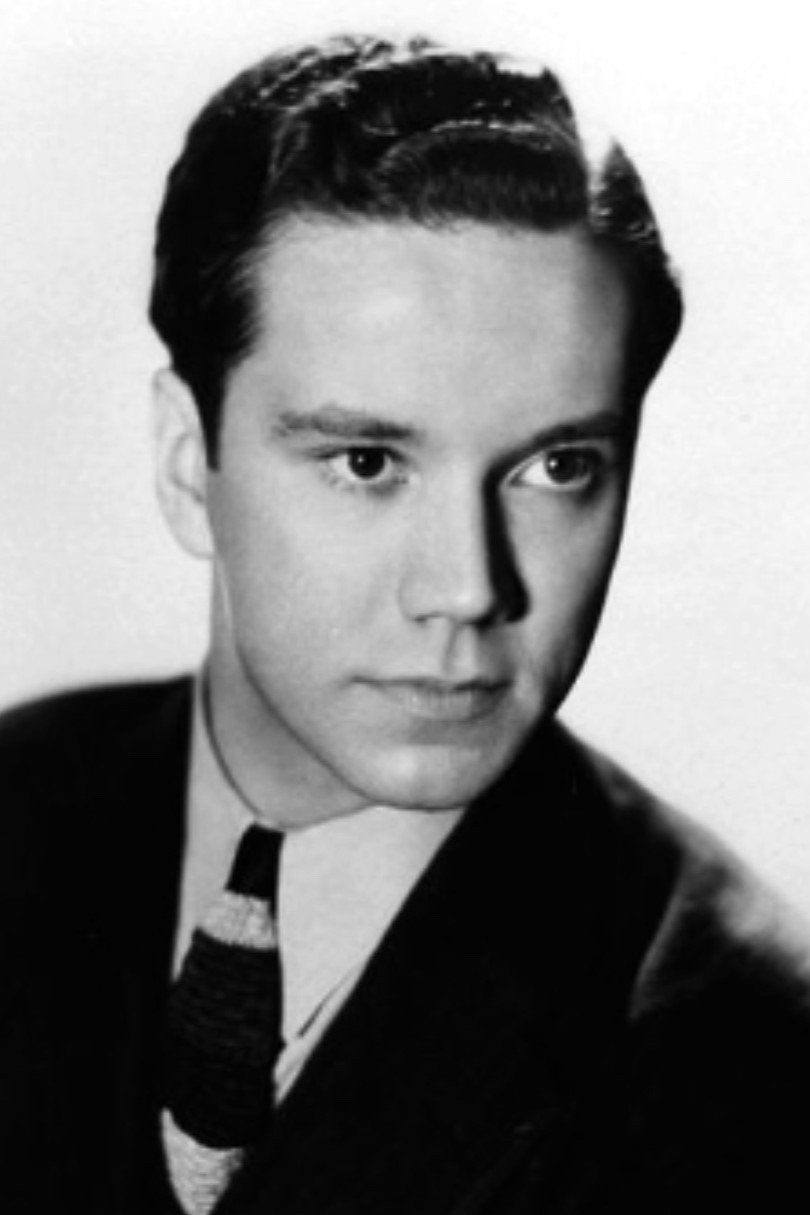
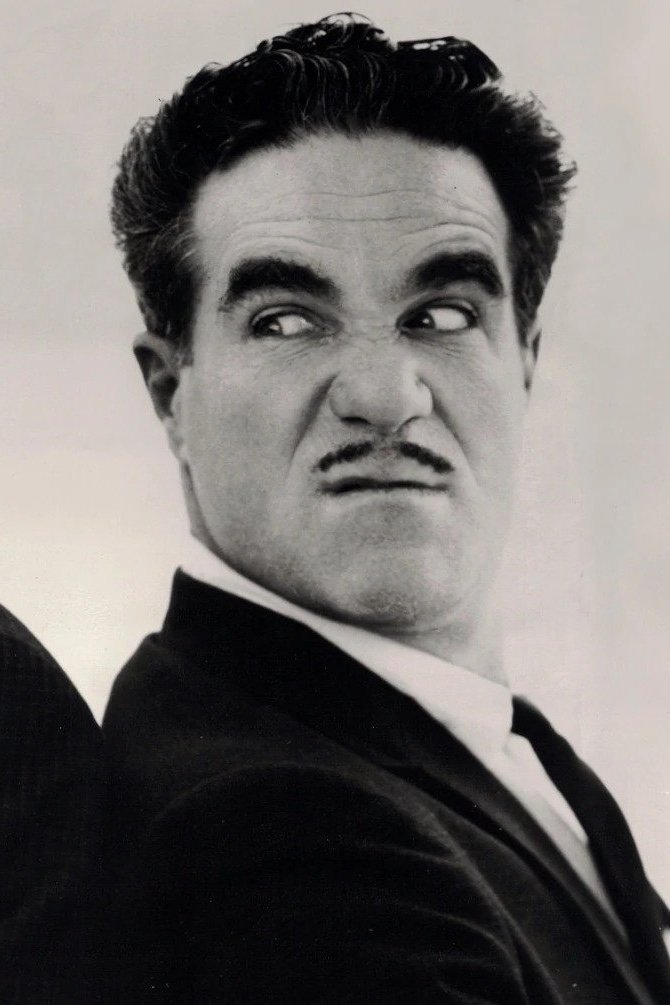
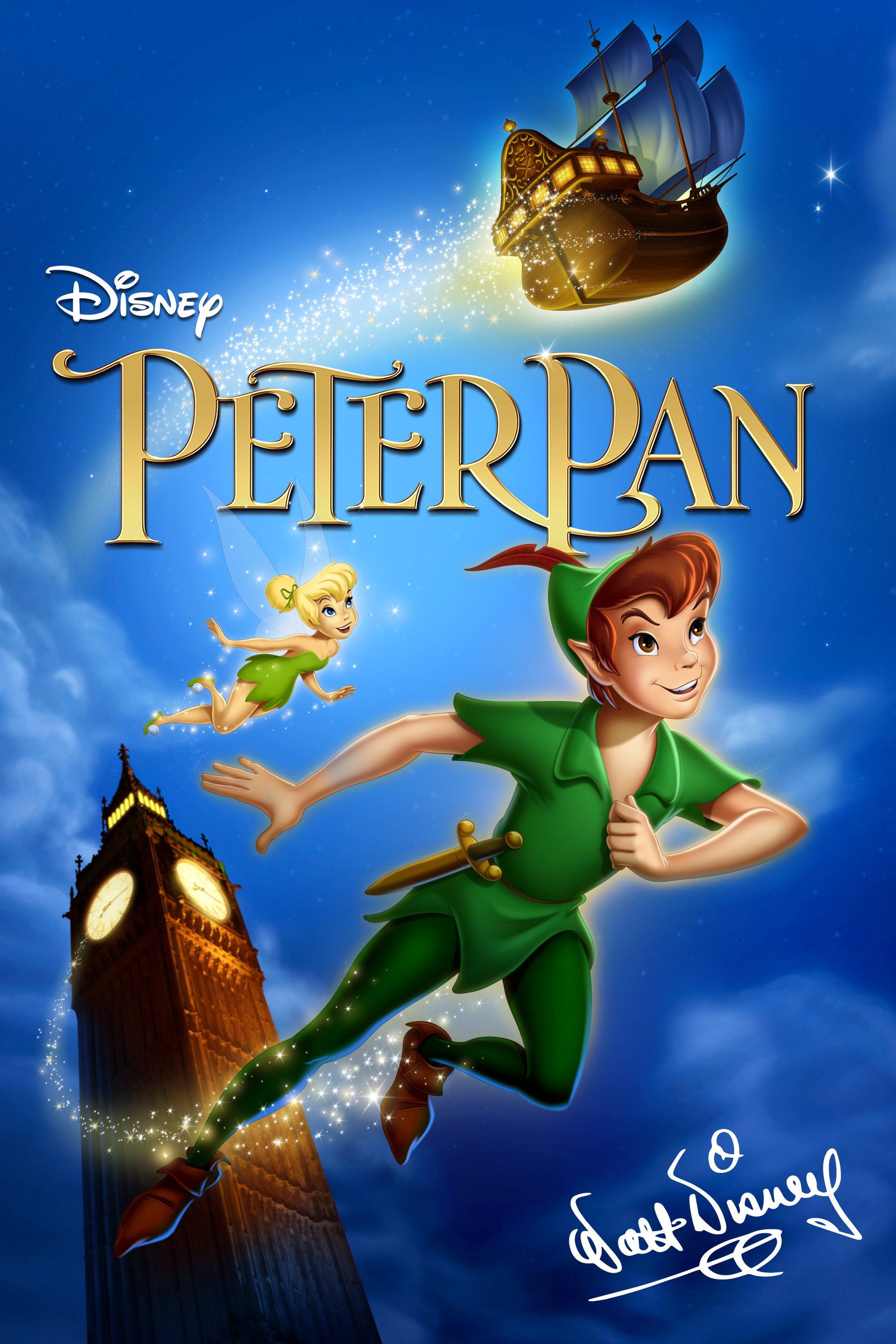
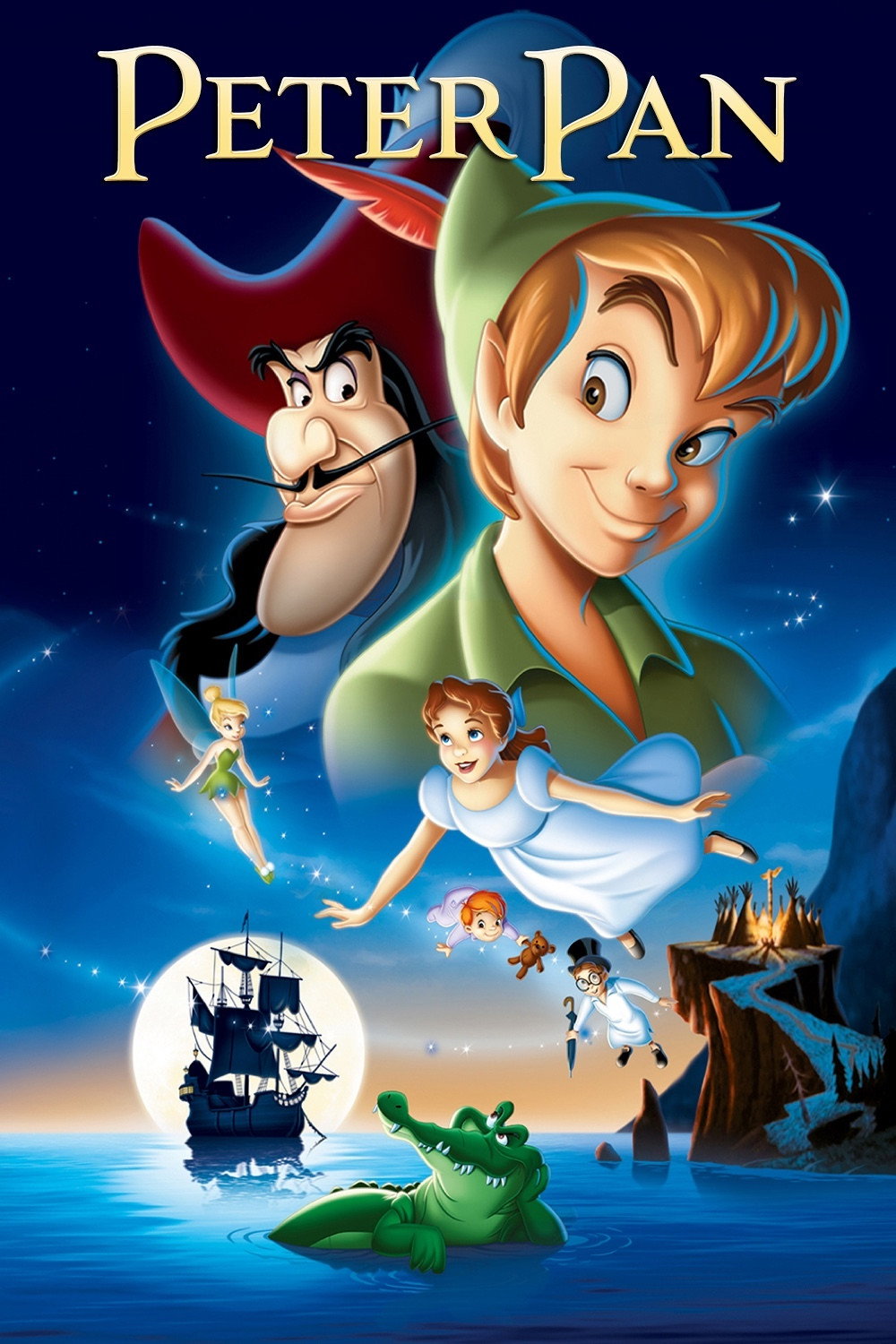
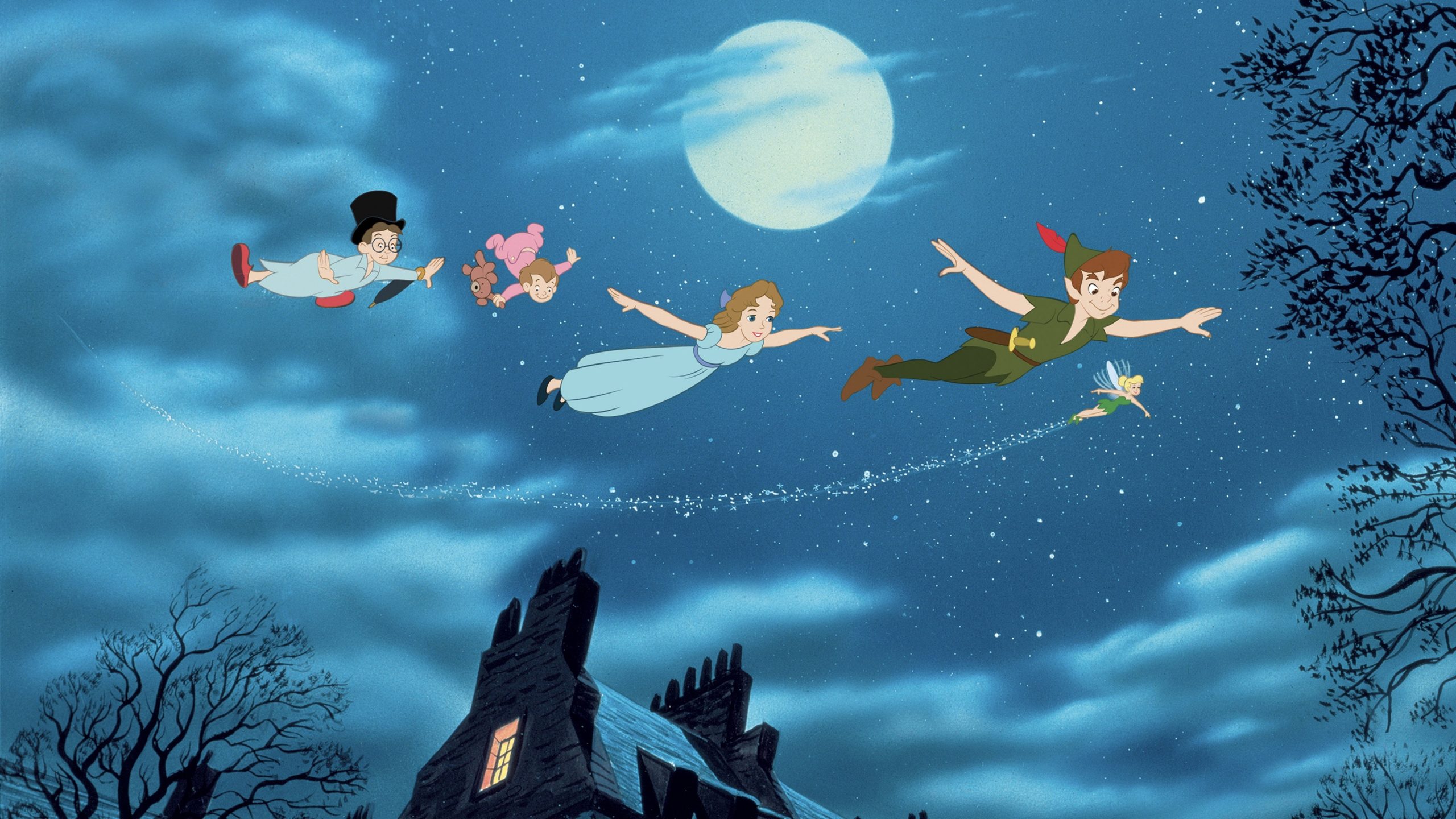
London, on a quiet street in Bloomsbury. On the night Wendy Darling (Kathryn Beaumont) is told she must leave the nursery and grow up, her father (Hans Conried) has lost his cufflinks and put Nana the dog out in the yard. Once the parents have gone to their party, Peter Pan (Bobby Driscoll) climbs in at the window looking for his shadow, and Wendy sews it back on. He offers to take her and her brothers John (Paul Collins) and Michael (Tommy Luske) to Never Land, where nobody grows up. A shake of Tinker Bell’s dust and they are over the rooftops. On the island, Captain Hook (also Conried) and Mr Smee (Bill Thompson) wait by a cannon, and a crocodile with a clock in its stomach waits for Hook.

Fi1m review

Disney’s Peter Pan is 77 minutes of bright colour and brisk business, and Hans Conried’s Hook is one of the studio’s best villains. It has taken out everything in Barrie that hurts, and the Indian camp sequence has aged badly.

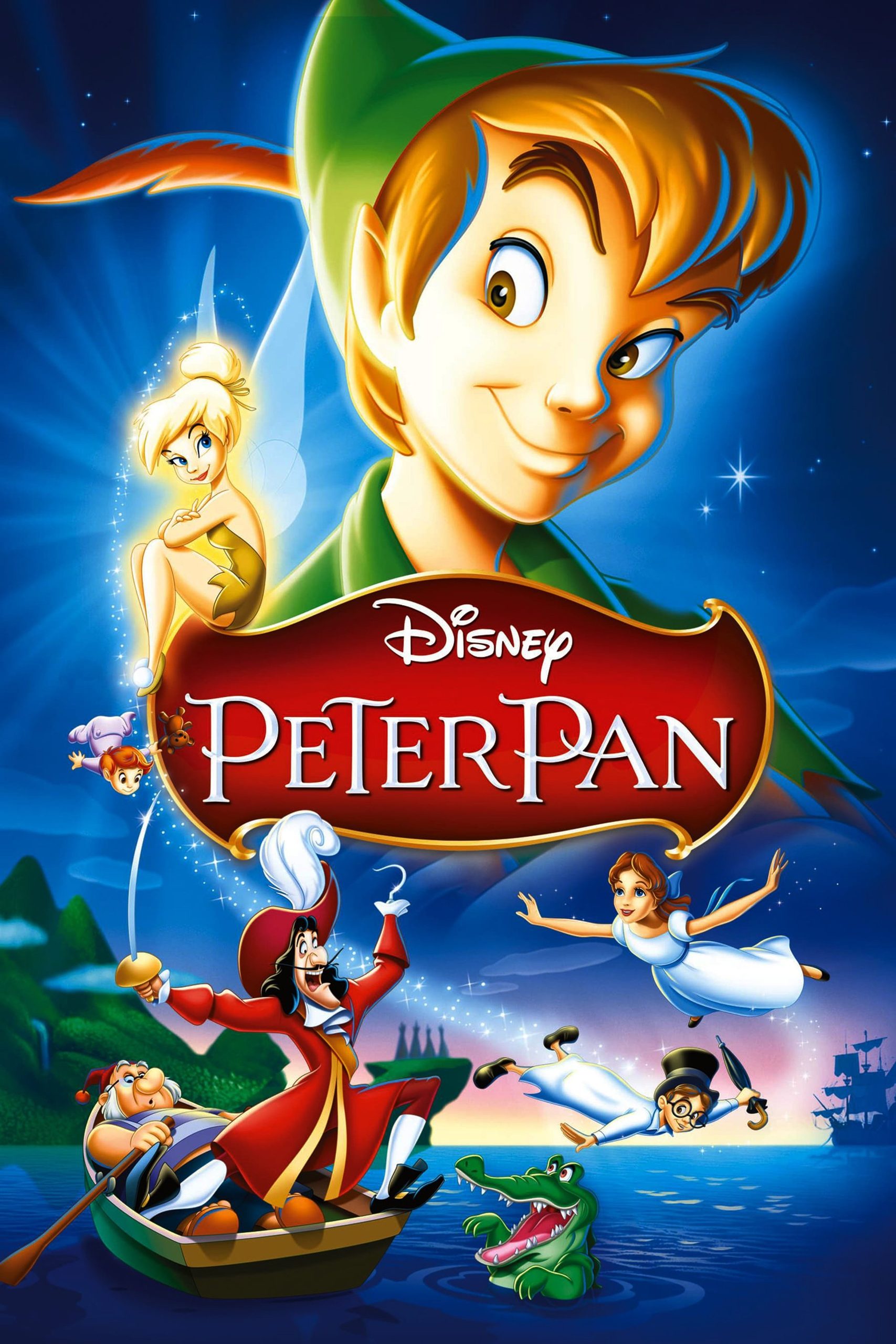
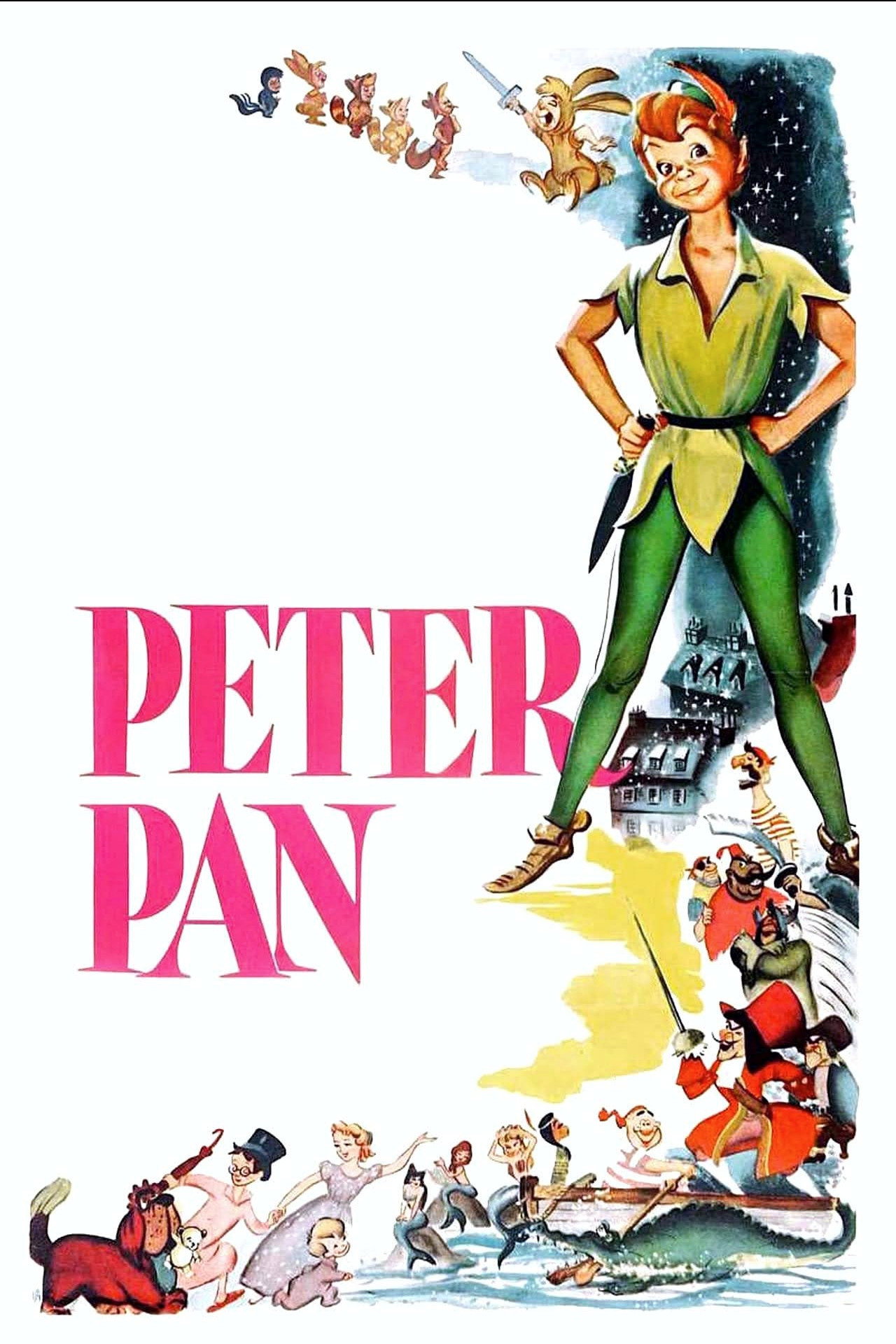
Walt Disney’s Peter Pan takes J.M. Barrie’s play about the boy who would not grow up and makes it into 77 minutes of flying, fencing and pirates falling into the sea. Three directors, Wilfred Jackson, Clyde Geronimi and Hamilton Luske, share the credit, and eight names share the writing, which tells you how it was built. It is a bright, fast, likeable children’s adventure with one of the studio’s best villains. It is not much of a Peter Pan, because everything in Barrie that hurts has been taken out, and what is left is a chase.

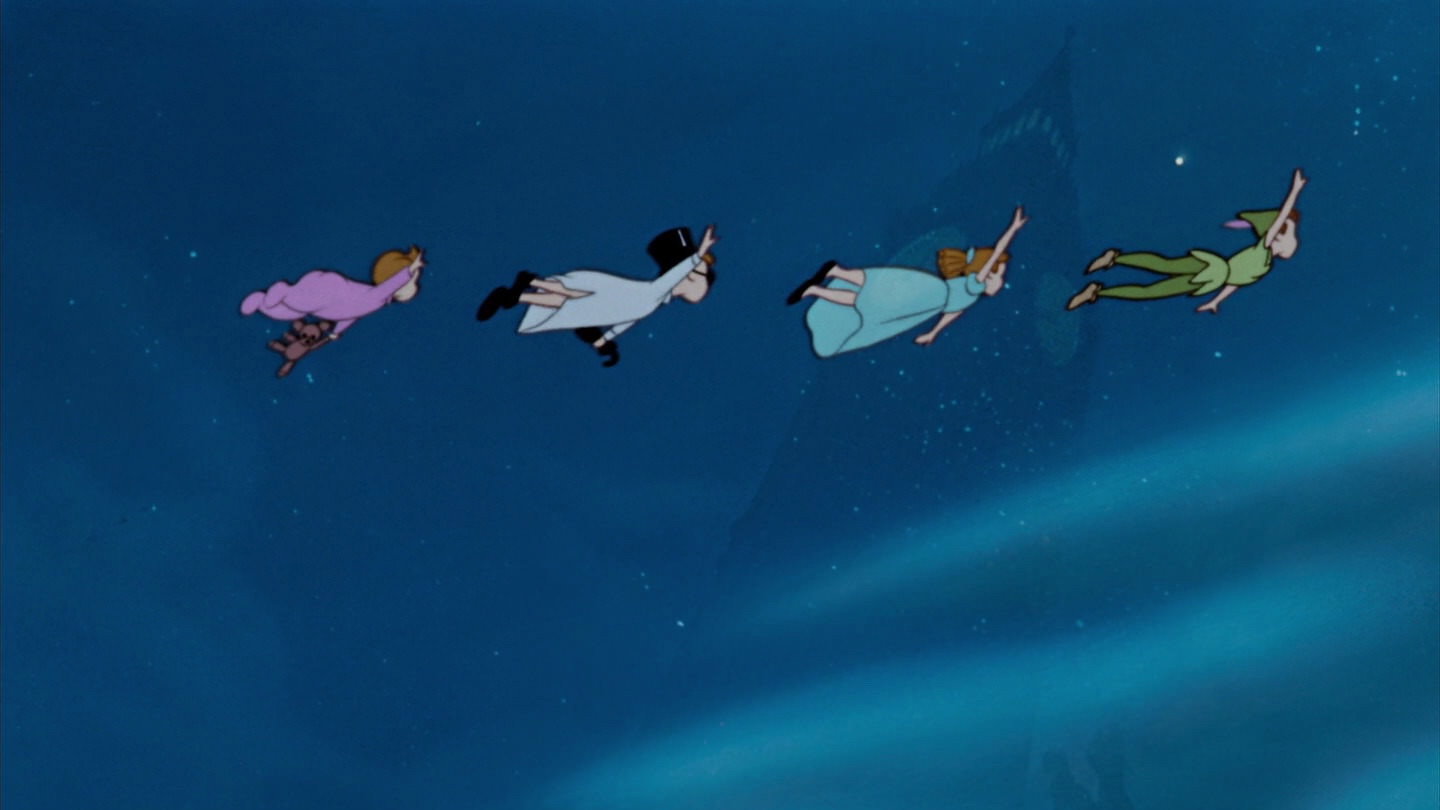
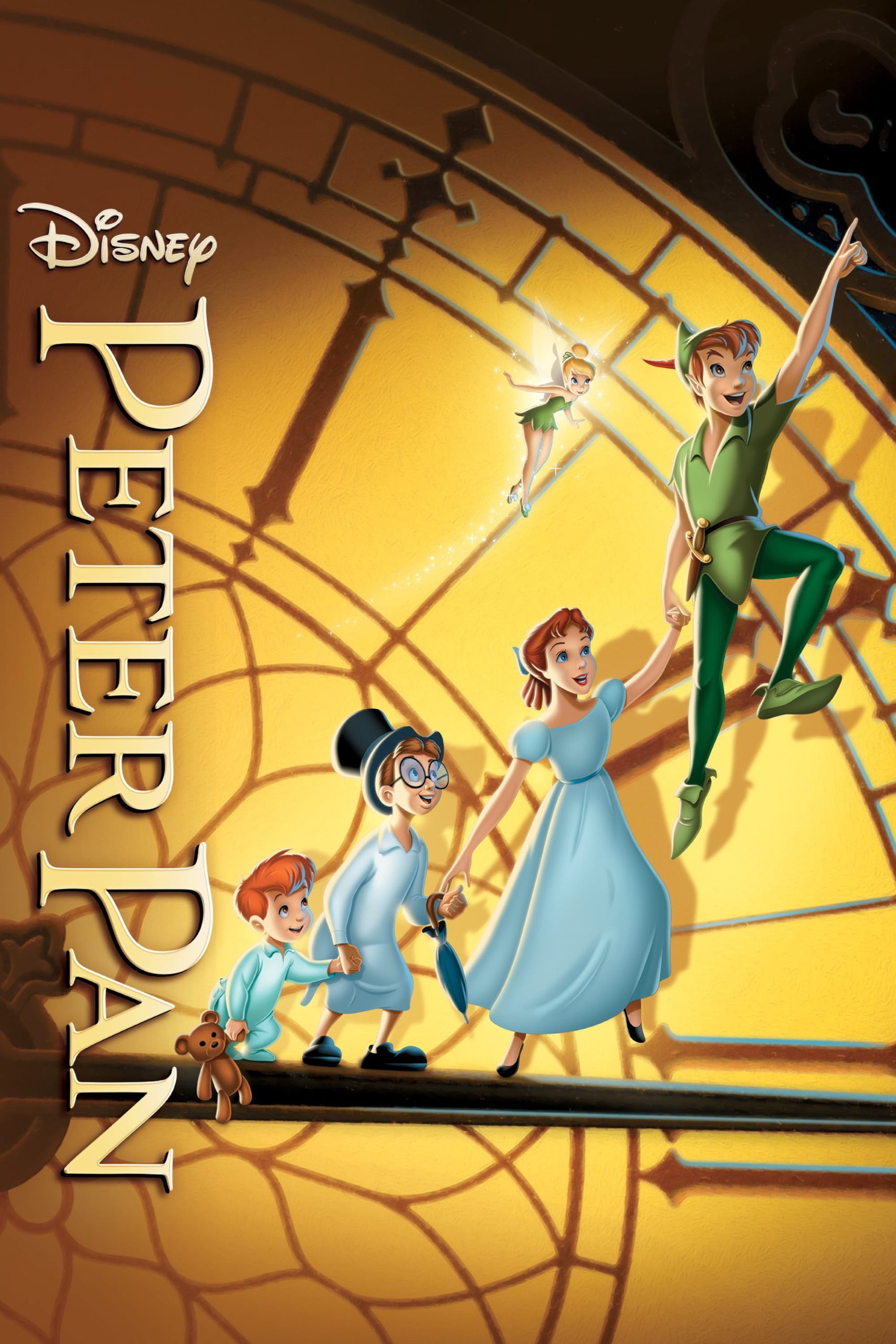
The London opening is the best-written stretch. Mr Darling (Hans Conried) cannot find his cufflinks, Nana the dog is put out in the yard, and Wendy (Kathryn Beaumont) is told this is her last night in the nursery. Then Peter (Bobby Driscoll) comes through the window after his shadow, Tinker Bell is shaken out over the children like pepper, and they are gone. We have watched the four of them circle the clock face and head out over the river more times than we can count, and we still sat up. It is the whole city laid out in blue and gold under a child’s feet, and under that the song “You Can Fly”, which has the sense to be simple.

Then there is Hook. Conried voices him as well as Mr Darling, and the doubling is the film’s one real idea about fathers: the same voice fussing over a shirt front and over a hook. His Hook is a vain, easily frightened dandy with a lace cuff and a weak stomach, and the animators give him more expression than anyone else on screen. Bill Thompson’s Smee is a soft, kindly idiot who keeps trying to shave him at the wrong moment. Between them and the crocodile, who arrives with a clock ticking in its stomach, the film has a running joke it never wears out. We laughed at every humiliation, and there are perhaps a dozen.

Never Land itself is flat, saturated colour: a pink lagoon, green light inside Skull Rock, a purple night over the pirate ship. The colour is the part of the film that has dated least; the backgrounds look like painted paper rather than a place, which suits a story that is meant to be dreamt. Oliver Wallace’s score is brass and bells and keeps quoting the songs back at us, which wears thin. Donald Halliday cuts the whole thing at a run. No scene lasts more than a few minutes, which is a mercy for a six-year-old and a cost for anyone who wanted to know who these people are.

Now the trouble. The film’s idea of women is that they hate each other on sight: Tinker Bell tries to have Wendy shot, the mermaids try to pull her under, Tiger Lily has almost nothing to say. Tinker Bell is a lovely piece of pantomime drawing, all hips and sulks, and a spiteful little character, and the film thinks this is charming. Then the Lost Boys and the Darling brothers are marched to the Indian camp, and the film stops for a song explaining the colour of the Indians’ skin. It is racial caricature with a tune attached, several minutes of it, and it is also the one stretch where the drawing gets lazy, the same three gags about noses and war-whoops. We winced through all of it. It is the only part of the film we would be glad never to see again.

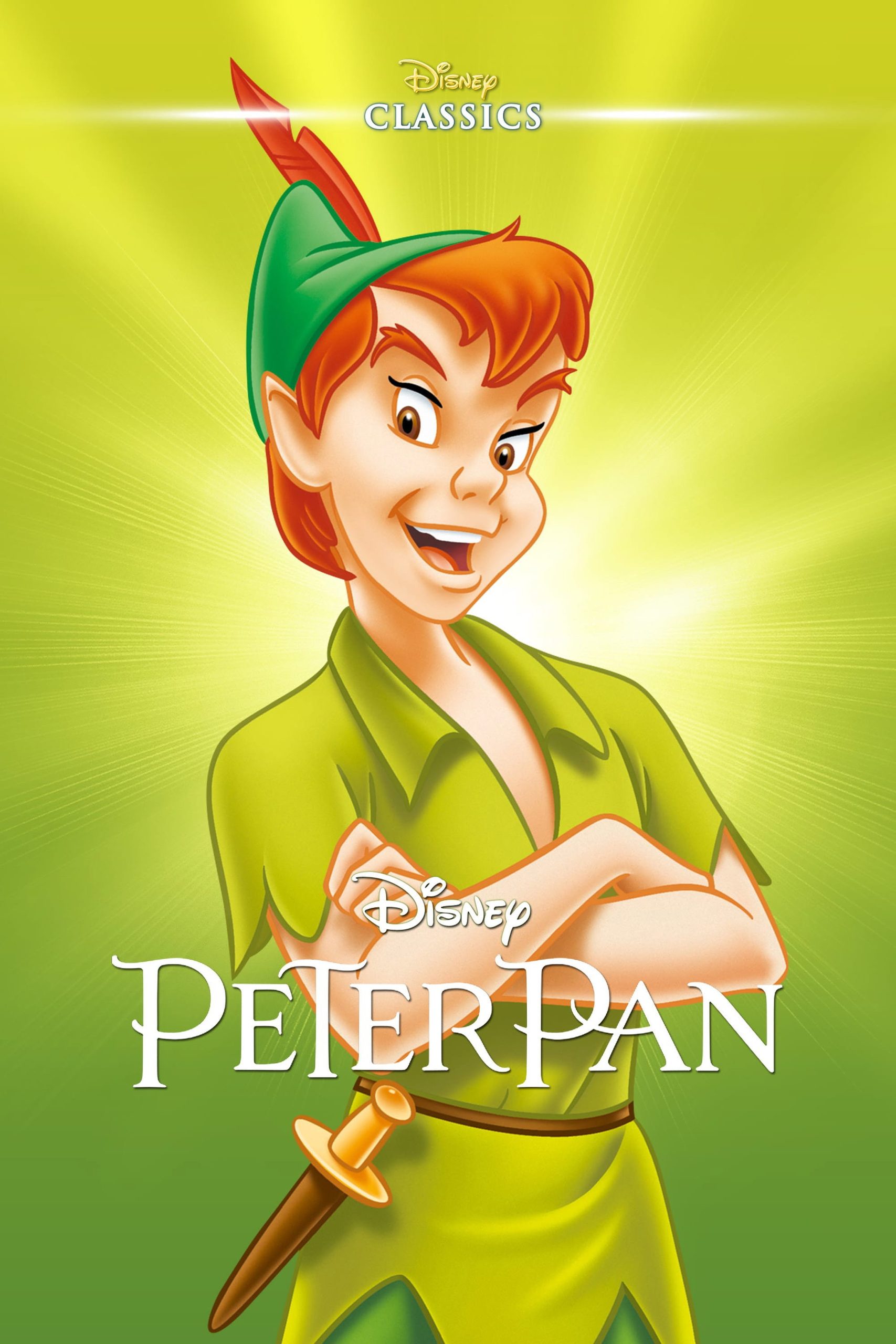
Peter himself is the other loss. Driscoll gives him an American swagger and a laugh like a car horn, and the film is content with that: a cocky boy with a knife who is right about everything. Barrie’s Peter is heartless and forgets people, and the play knows that not growing up is a kind of death. Disney’s has no interest in sorrow. Wendy, who in Barrie chooses to go home and pays for it, here mostly stands at the edge of the frame looking worried while the boys have the fun.

Against the studio’s own record, Pinocchio (1940) took a child somewhere frightening and let him feel it; this one runs past the frightening bits with a whoop. Watch it with a child if you have one, be ready to talk during the camp scene or to skip it, which costs the story nothing, and stay for Hook. It runs 77 minutes and carries a U certificate.
Critical consensus AI synthesised

66
Positive
8
Mixed
4
Negative
1

Most critics like Disney’s Peter Pan, and the praise gathers in two places. The first is the look of it: the Technicolor animation and the colour and design schemes of Mary Blair are singled out repeatedly, even in reviews that have little time for the rest. The second is Captain Hook, whom several critics call the most entertaining thing on screen, with the crocodile, Smee and Tinker Bell close behind. The songs, the flying sequences and the brash energy of the action are mentioned often, and the earliest review is warm about the voice work of Bobby Driscoll, Kathryn Beaumont and Hans Conried.

The reservations are just as consistent. Most later reviews object to the depiction of the Native Americans, and several find that Disney softens Barrie’s darker thoughts about growing up into something thin and muddled. The spread is wide. The Guardian finds Barrie’s magic almost entirely absent, and Slant Magazine, the lone outright negative, calls the film a footnote in Disney’s output.

The Hollywood Reporter
5 February 2019 · THR Staff
90*

The critic praises the Disney animated adaptation for its charm and beauty in capturing the imaginative spirit of childhood in a way that captivates both adults and children. They highlight the Technicolor fantasy sets, lilting music score, and direction by Hamilton Luske, Clyde Geronimi, and Wilfred Jackson.

Read the full review →
Variety
31 December 1952 · Variety Staff
90*

The review calls the Disney animated feature a cartoon of enchanting quality that brings Barrie's fantasy to the screen with strong voice work and lively action. It praises the performances of Bobby Driscoll as Peter, Kathryn Beaumont as Wendy, and Hans Conried as Hook, while noting the score highlights the comedy and adventure.

Read the full review →
Empire
31 July 2006 · Ian Nathan
75*

The critic praises the film's enchanting animation, catchy songs, energetic wit and the memorable Captain Hook as a standout villain. However, it notes that the Disney approach softens the darker, more complex themes of J.M. Barrie's original play about growing up.

Read the full review →
Los Angeles Times
14 July 1989 · Charles Solomon
70*

The re-release review describes the 1953 Disney film as one of the most exciting and colorful in the canon, highlighting its brash energy, flying sequences, and comic Hook-crocodile battles as magical cinematic moments. It notes the film's enduring appeal while criticizing the dated depiction of the Indians.

Read the full review →
The AV Club
14 March 2007 · B- · Scott Tobias
70

The review finds that the 1953 film restores some innocence to Peter Pan amid modern associations but notes that time has not been kind due to problematic stereotypes and superficial handling of growing up. It singles out Captain Hook as the most entertaining element that saves the movie.

Read the full review →
Time Out
27 March 2014 · PM
70*

The critic notes Disney's alterations to the source material, such as American voices and songs, but concludes that overlooking these allows viewers to enjoy the film's vibrant Technicolor animation.

Read the full review →

Cast

If you liked this, try…

Peter Pan poster

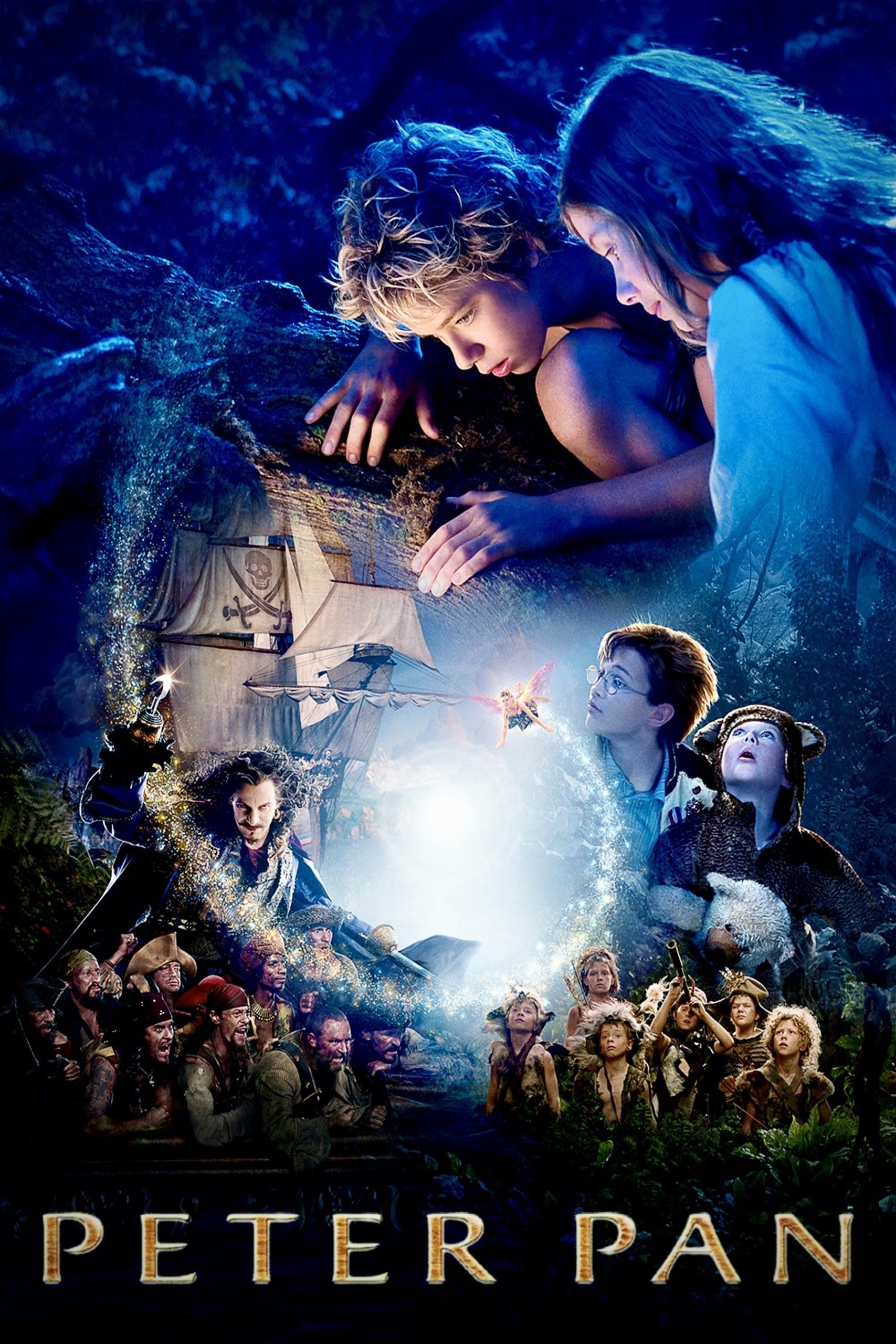
Peter Pan

2003 · The live-action version that keeps Barrie’s sadness, and Jason Isaacs doubles Hook and Mr Darling.

Kiki's Delivery Service poster86

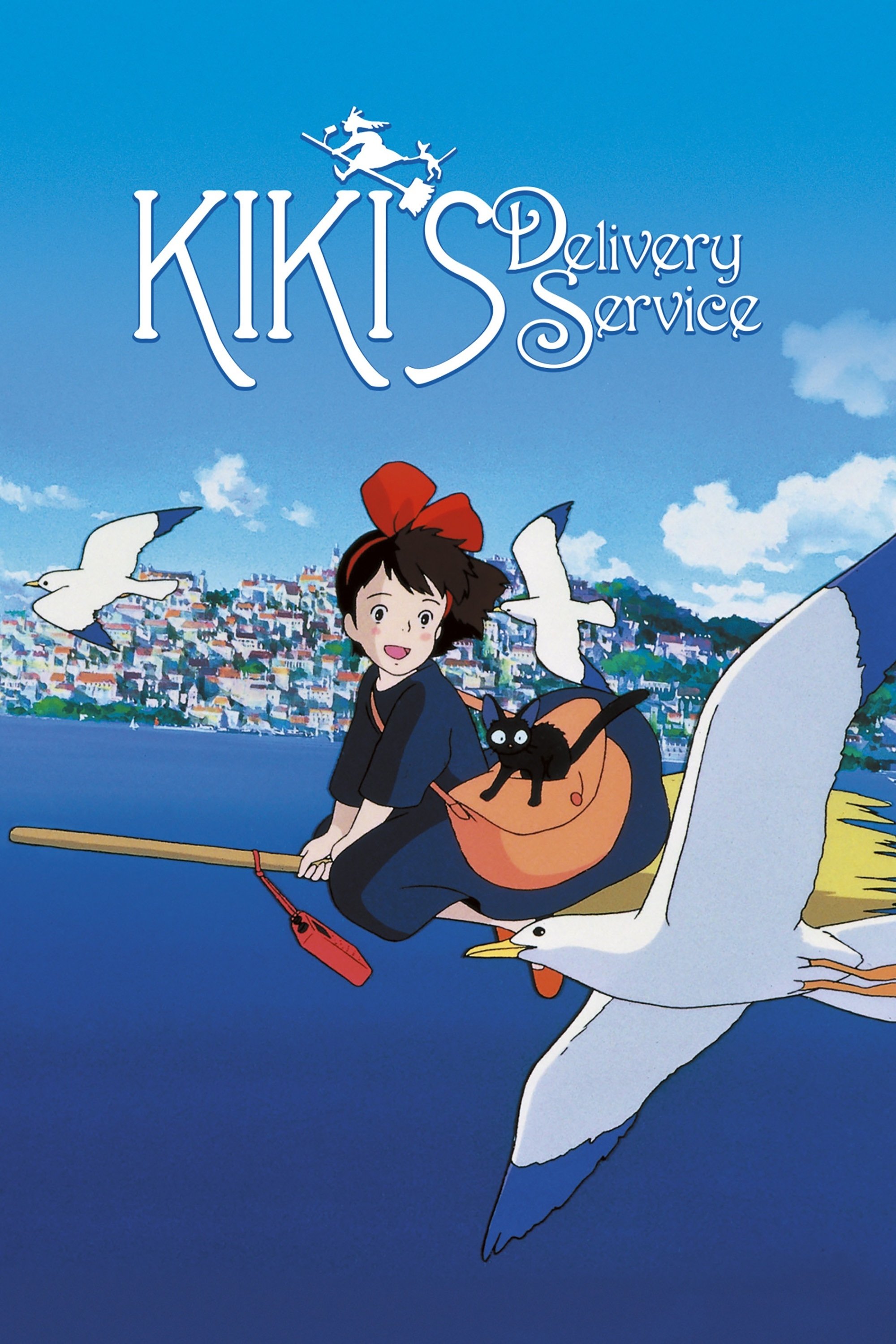
Kiki's Delivery Service

1989 · A girl flies over a city and has to grow up anyway; Miyazaki lets it hurt.

The Thief of Bagdad poster

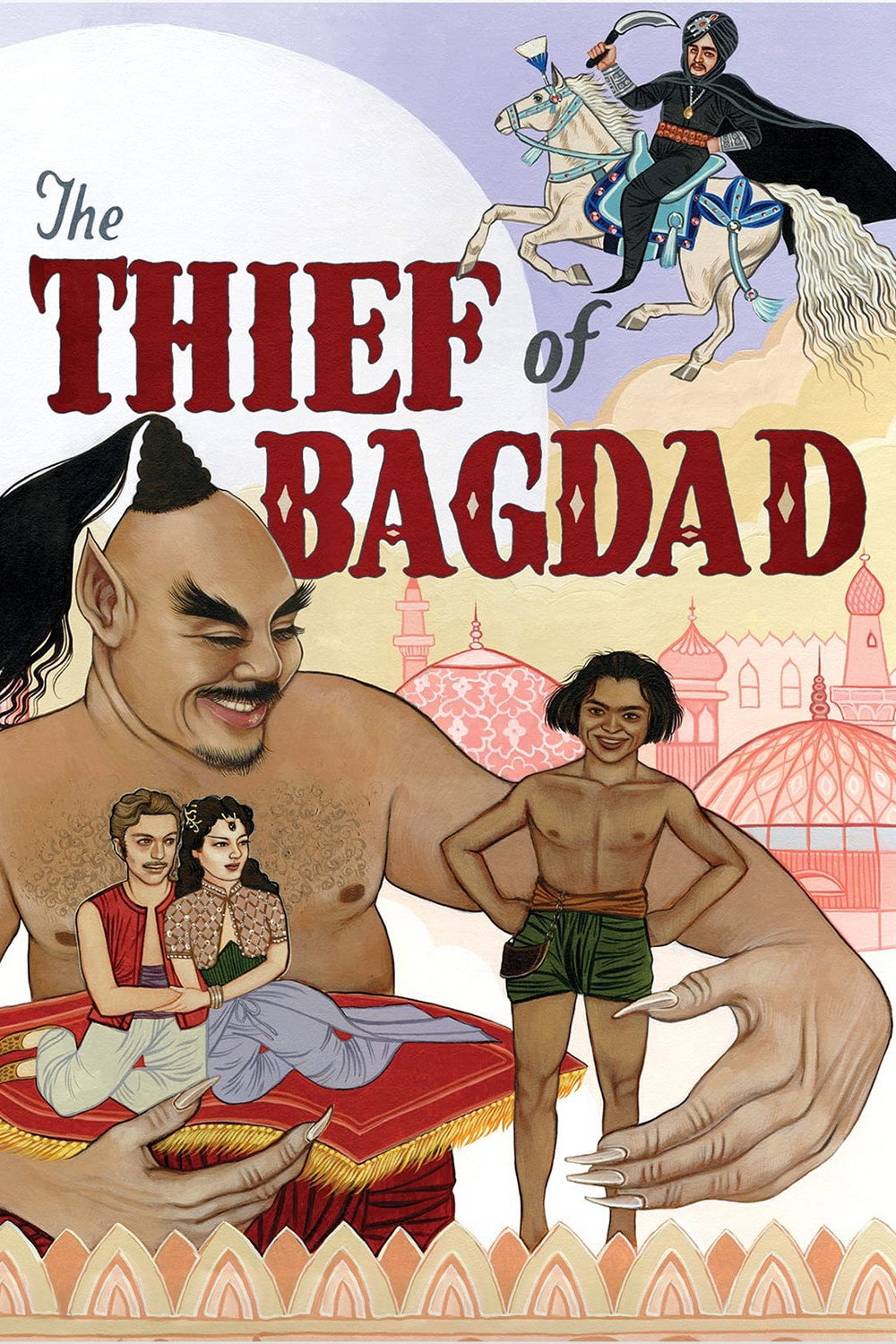
The Thief of Bagdad

1940 · British Technicolor fantasy with a flying carpet, a genie and a properly wicked villain.

Song of the Sea poster

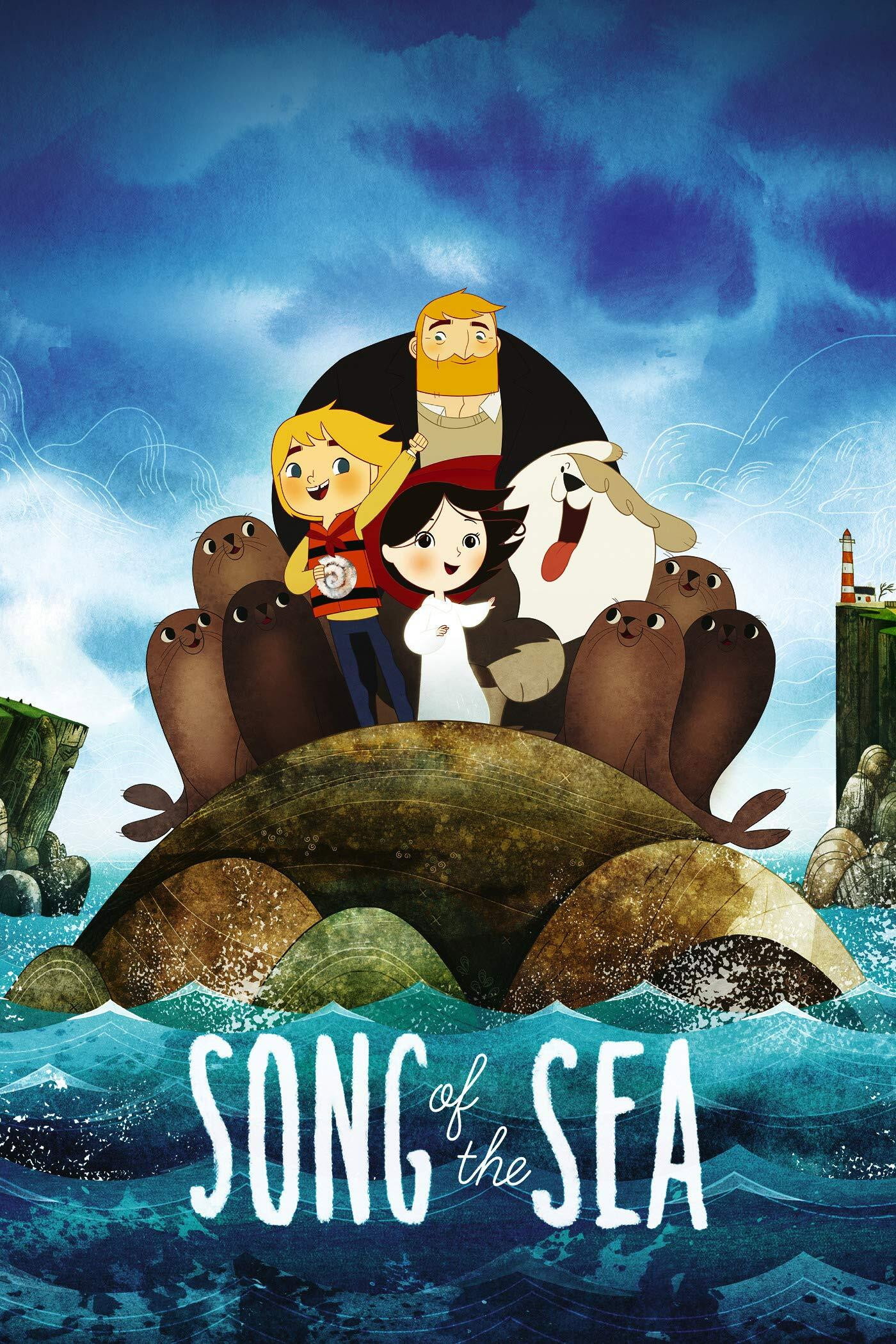
Song of the Sea

2014 · Irish animation about a brother, a sister and a lost mother, drawn like a picture book.

Finding Neverland poster

Finding Neverland

2004 · Johnny Depp as Barrie, and the story of where the boy who would not grow up came from.