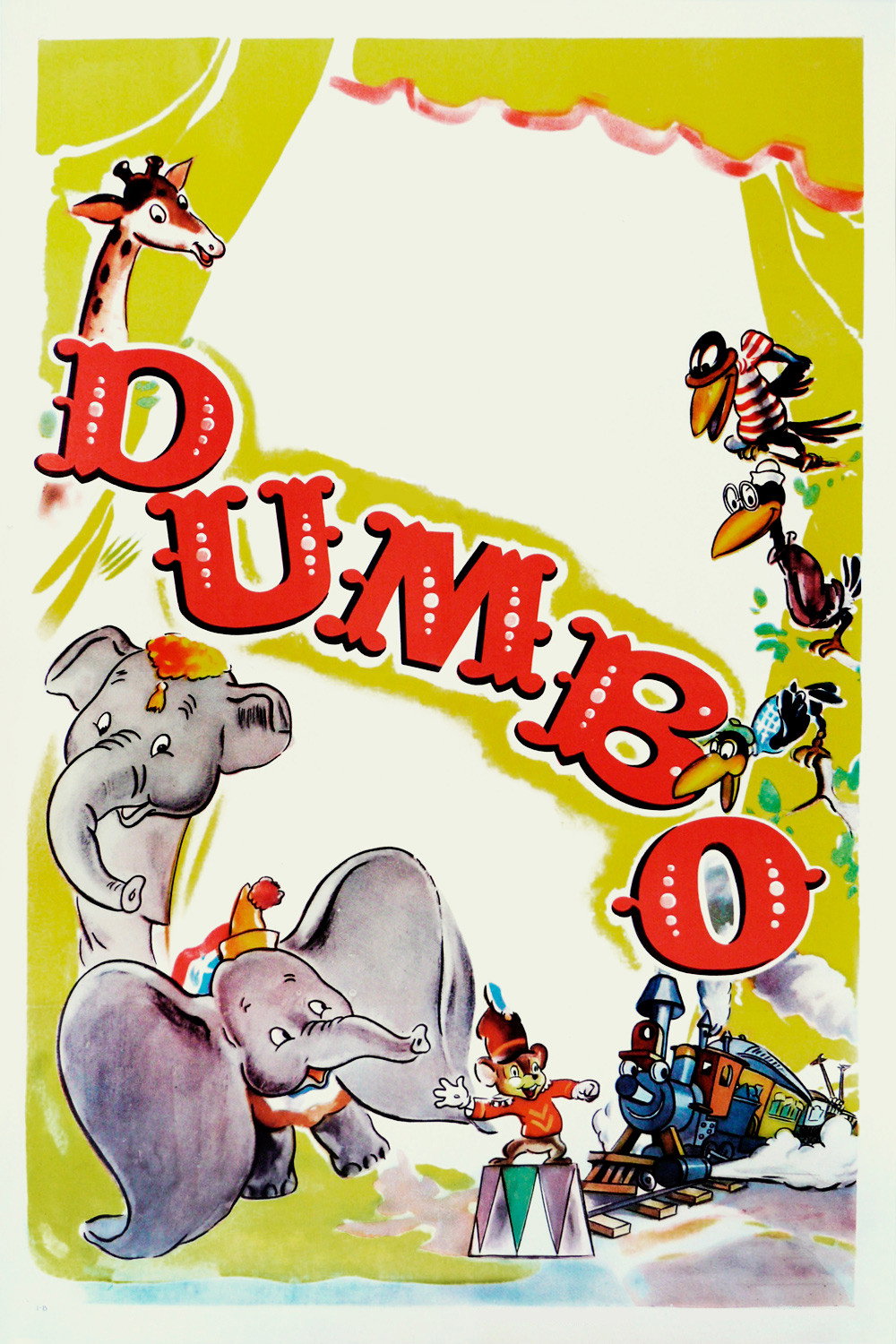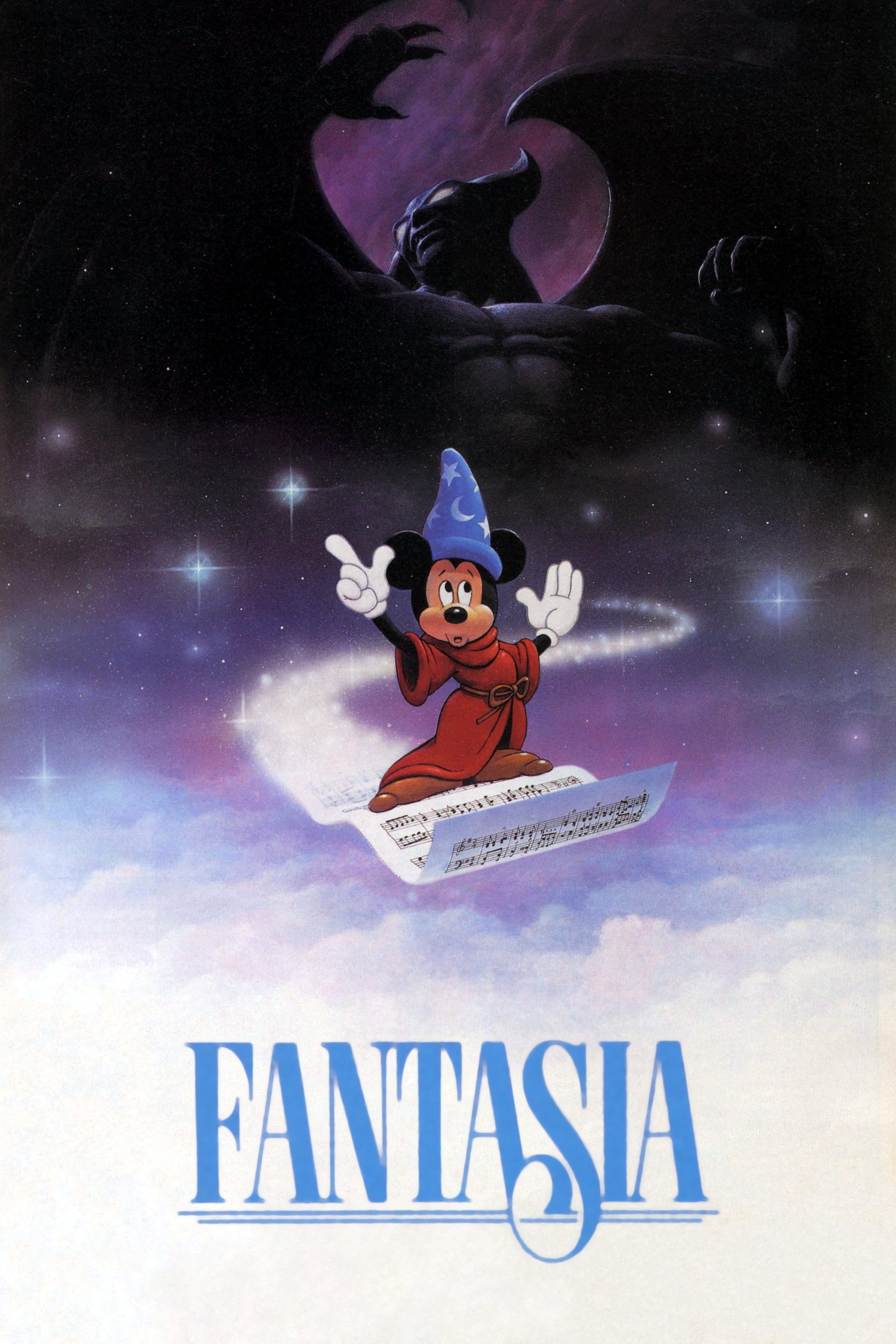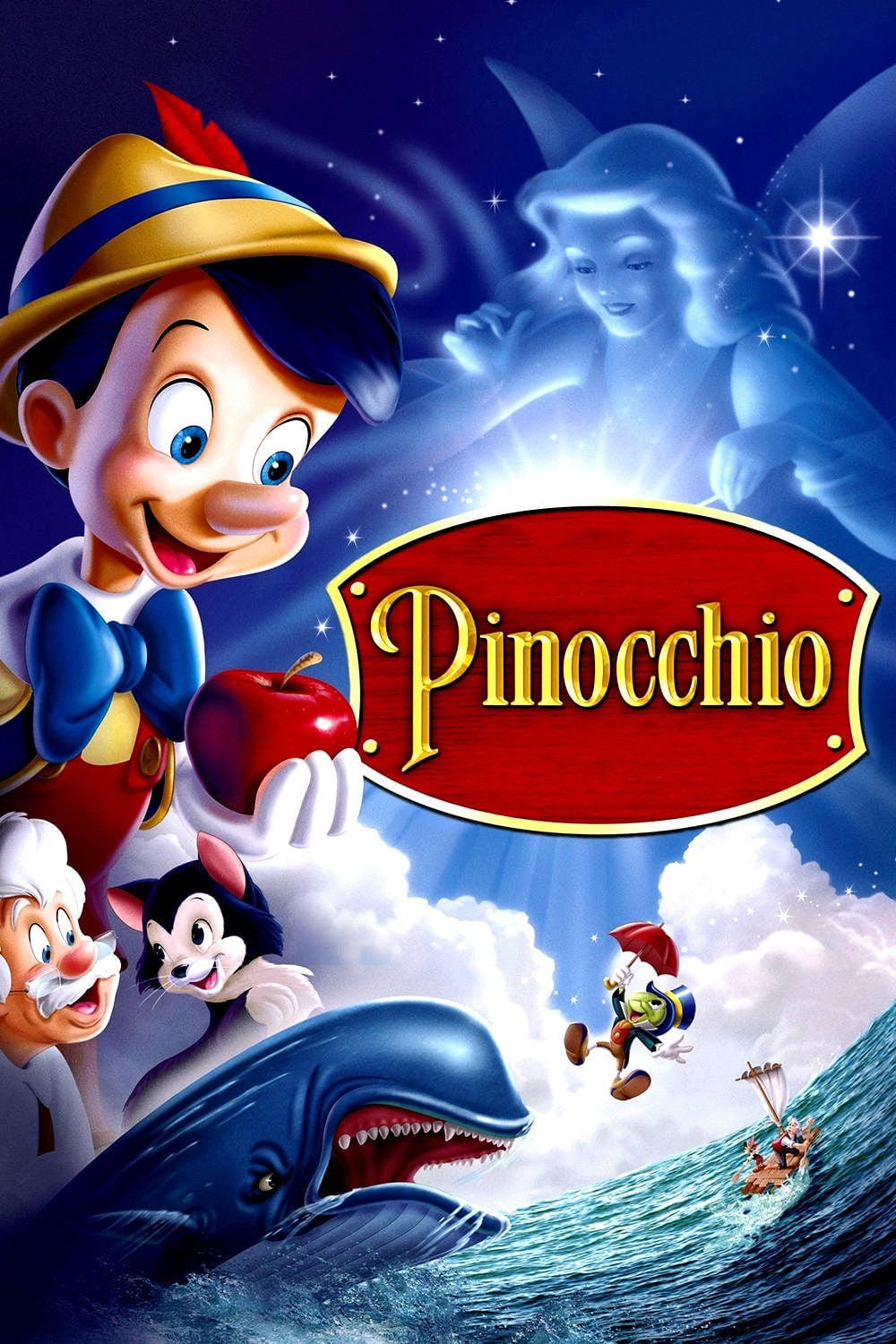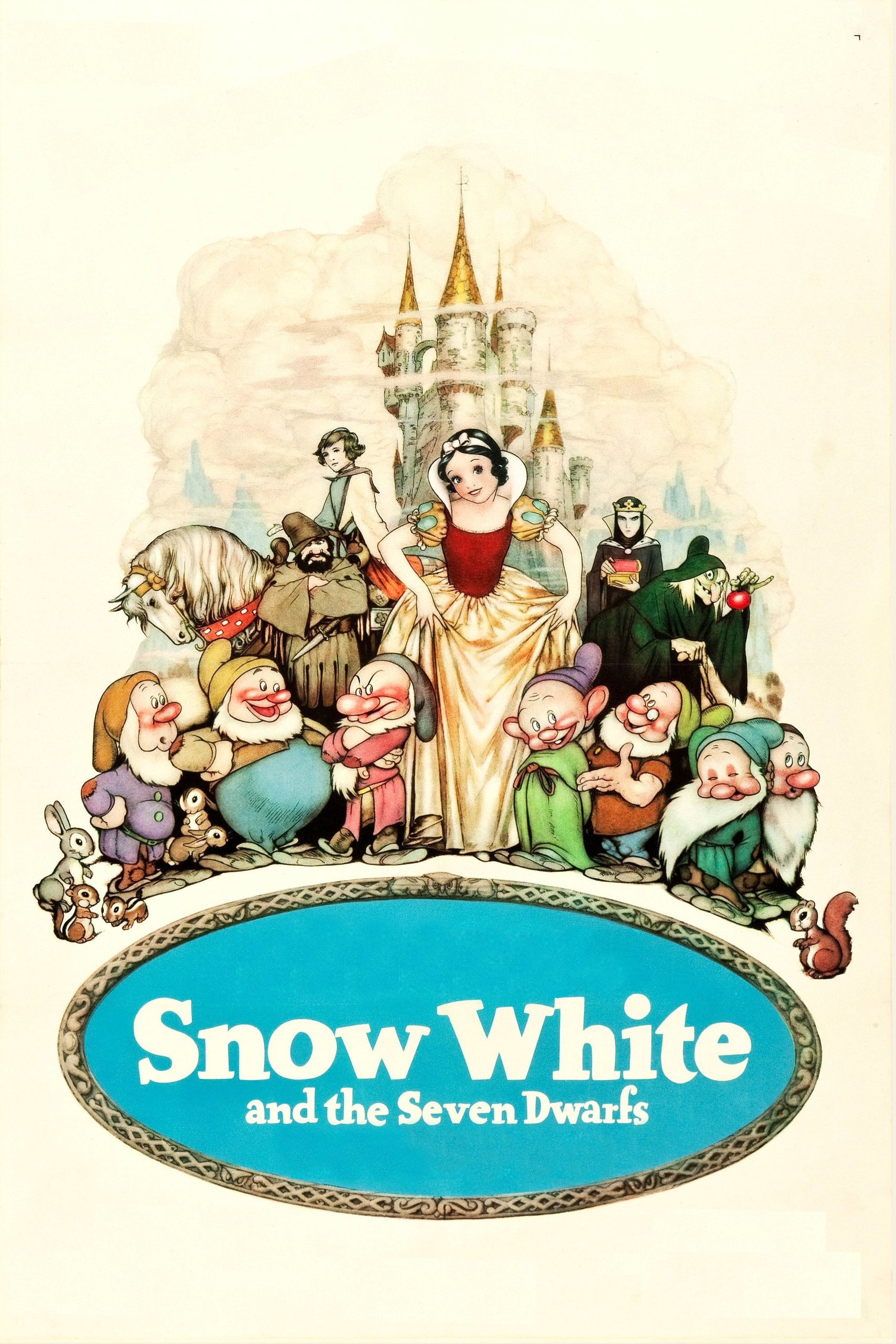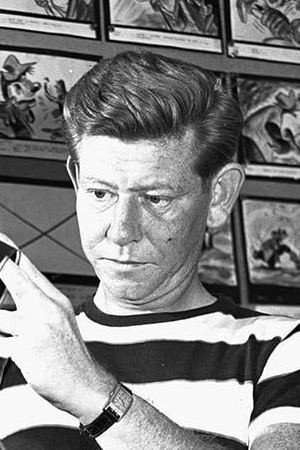
Wilfred Jackson was the Disney director who made the pictures keep time. He spent thirty years fitting drawings to music, on shorts and then on sequences of the studio's first features, and the results are still on the beat.
Fi1m perspective
Watch a Disney cartoon from the early 1930s and try to catch the picture off the beat. You will not. Wilfred Jackson was the man who worked out how to hold animation to music, first on Steamboat Willie (1928), where he helped synchronise the sound, and then across the Mickey Mouse and Silly Symphonies shorts he directed through the following decade. His method was a metronome and a sheet of paper ruled into bars, so that every drawing had its place in the tune before anyone drew it. It sounds like bookkeeping. On screen it is the difference between a cartoon that dances and one that merely moves.
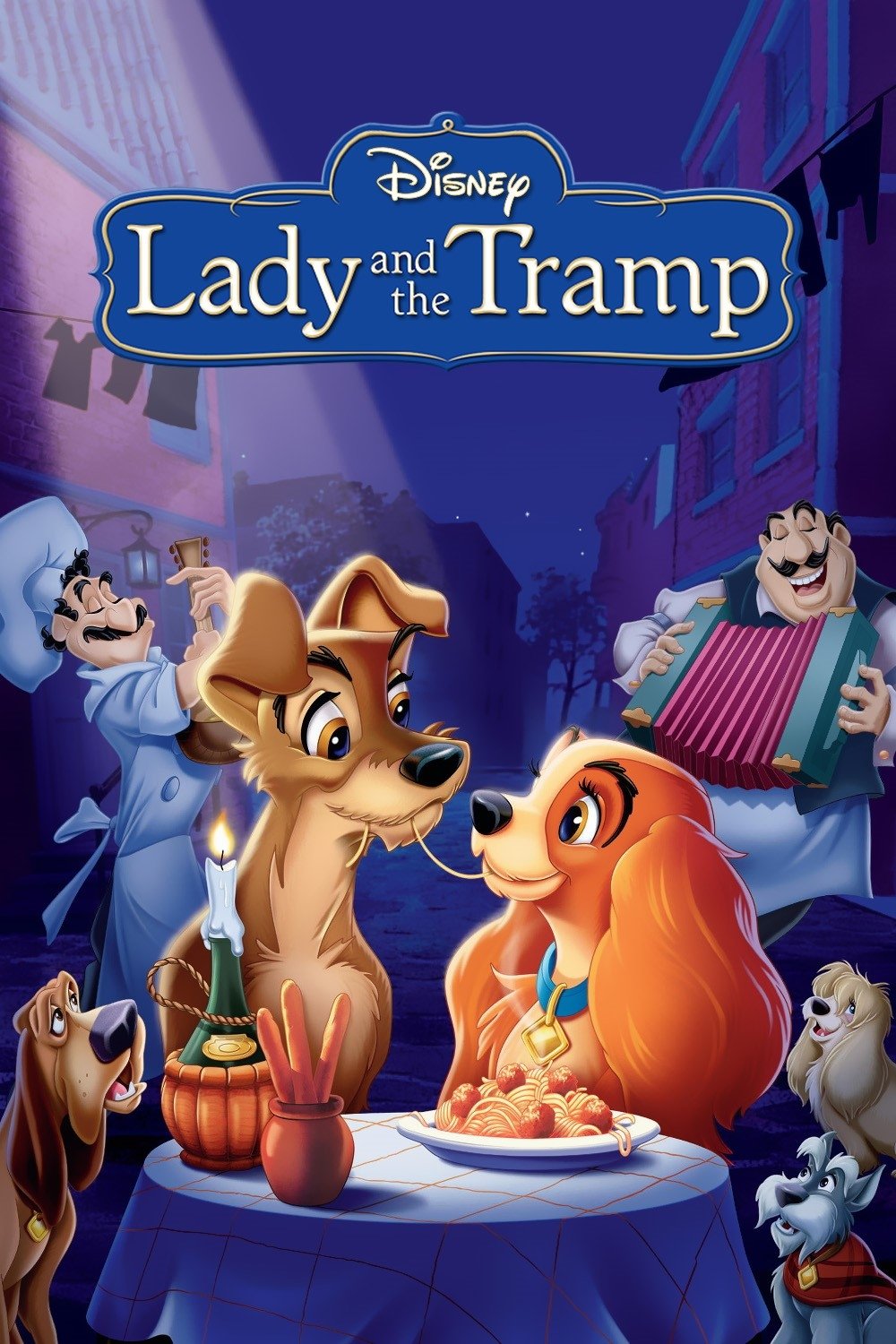
The Old Mill (1937) is where the method meets the studio's new multiplane camera, and it remains the short we would show anyone who thinks a Silly Symphony is a trifle. There is barely a story; the camera moves through layers of glass and the drawings move with the score. The same year Jackson became a sequence director on Snow White and the Seven Dwarfs, handling song scenes and the dwarfs, and from then until Lady and the Tramp (1955) his name is on nearly every feature the studio made, usually beside Hamilton Luske or Clyde Geronimi. In the 1950s he moved to the animated segments of Disney's television programme, and he retired in 1961.
The sequence for which we would pick him out is the Night on Bald Mountain and Ave Maria passage in Fantasia (1940). Two pieces of music, one loud and one quiet, and a turn between them; we have seen it more times than we can count and that turn still makes us hold our breath, because Jackson cuts on the music and not a frame before it. Whether that is direction or timing is not a distinction that mattered to him. His whole method treated them as one job.
The difficulty in praising him is that Disney features were made by many hands and he was, by his own account, one voice among them. "Walt used to deal pretty directly with the animators," he said. "I was usually present, so I knew what the drift was, but they were the guys who did it." Our reviews of Snow White and Pinocchio (1940) admire the fear and the craft in both without being able to say which frames are his, and we suspect nobody can. What his colleagues did agree on was that he was the most exacting director in the building, thorough to the point of being teased for it, and that he was decent to the people doing the drawing.
So take him at his own valuation and then add a little. If you want to see what he did, put on a Silly Symphony, turn the sound up and watch the feet. They land where the music says.
Biography
Wilfred Jackson (24 January 1906 – 7 August 1988) was an American animator, musical arranger and director. He joined Walt Disney Productions in 1928 and worked on the studio’s early shorts before becoming a director of Mickey Mouse and Silly Symphonies cartoons. Several of the shorts he directed won Academy Awards.
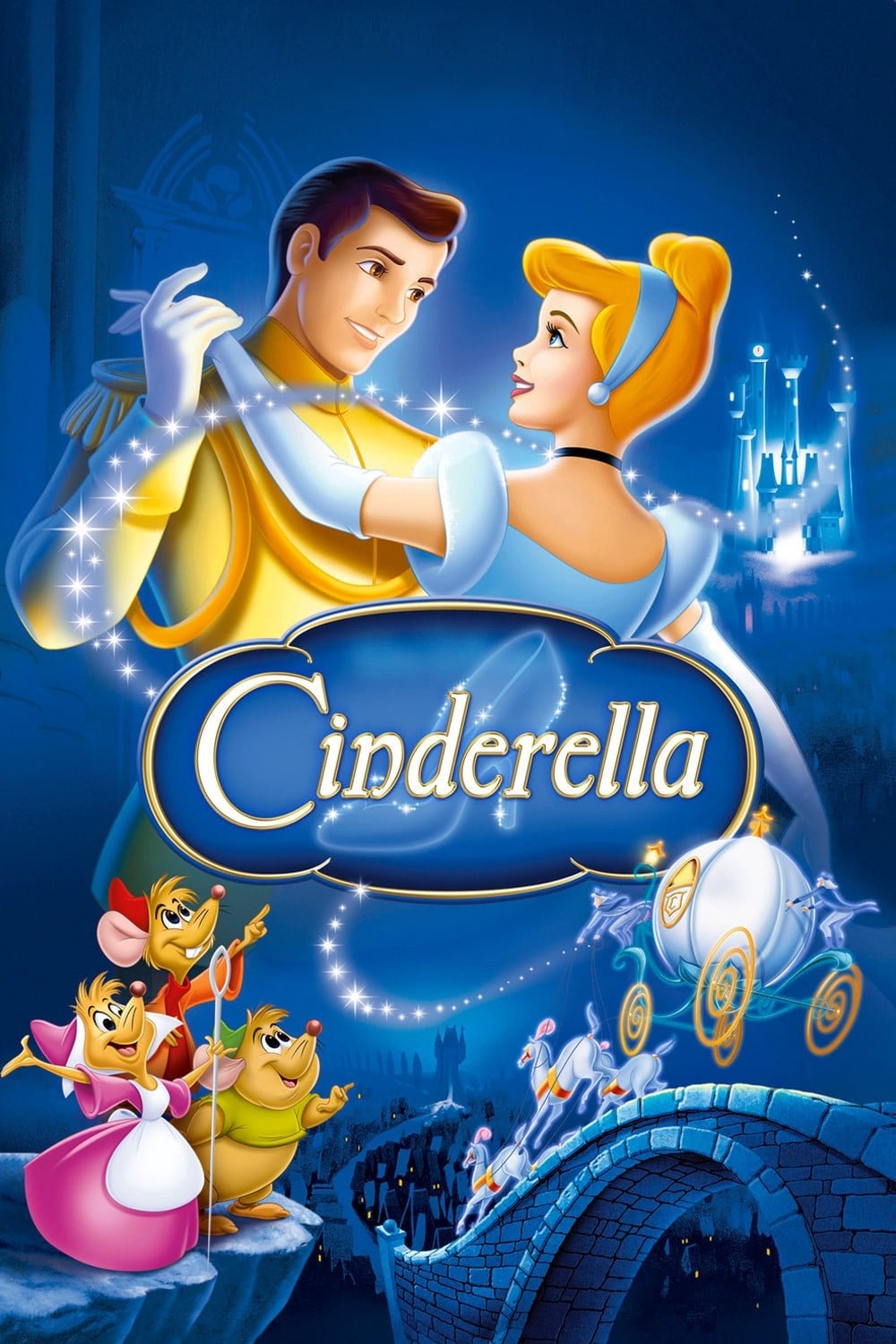
Jackson served as a sequence director or co-director on Disney animated features including Snow White and the Seven Dwarfs (1938), Pinocchio (1940), Fantasia (1940), Dumbo (1941) and Cinderella (1950). He later contributed to television productions for the Disneyland series. He retired from the studio in 1961.