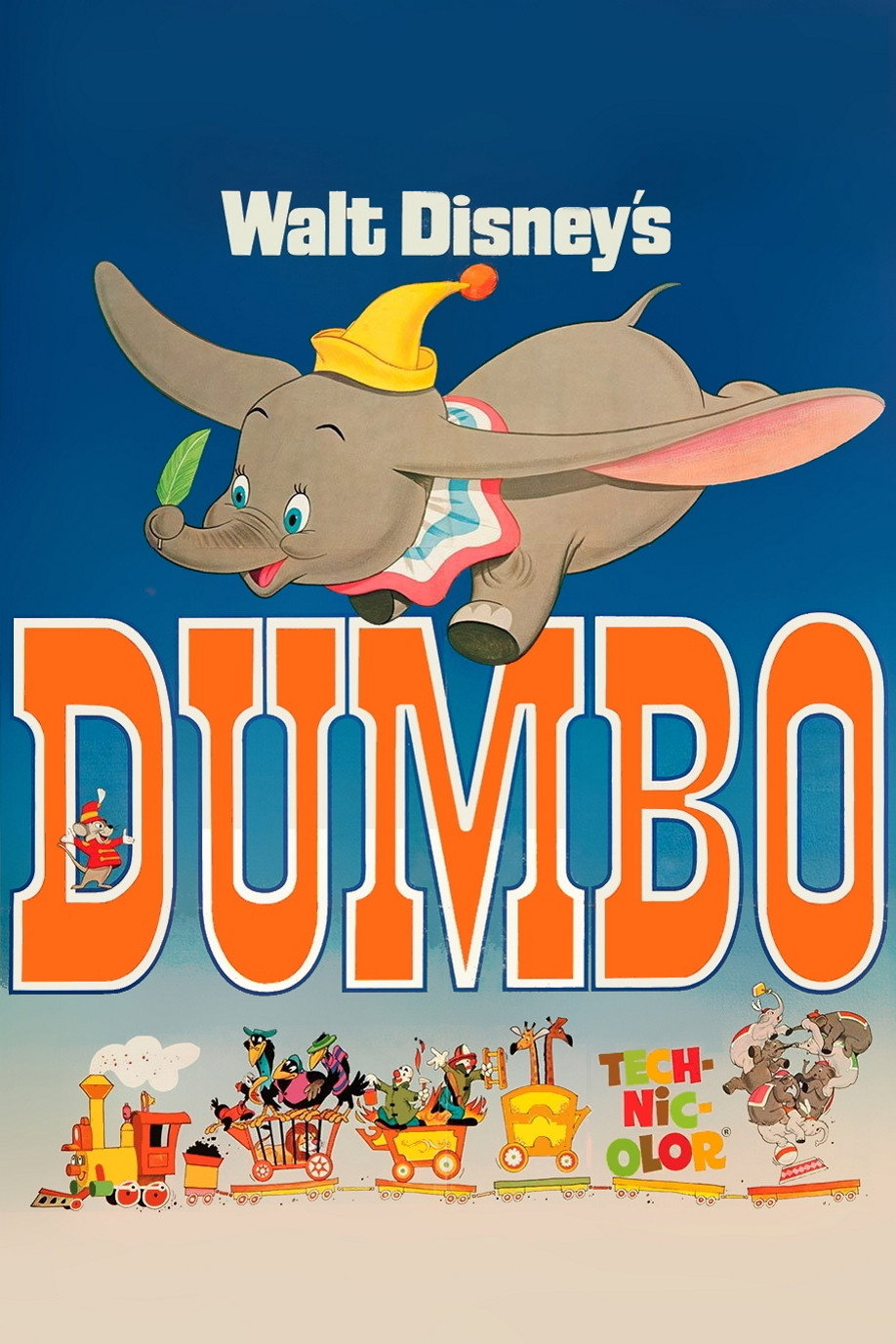
At 64 minutes, this is Disney at its plainest and most direct: a baby elephant, his jailed mother and a mouse, drawn simply and felt deeply. One sequence has aged badly, and we say so, but we would not be without the film.
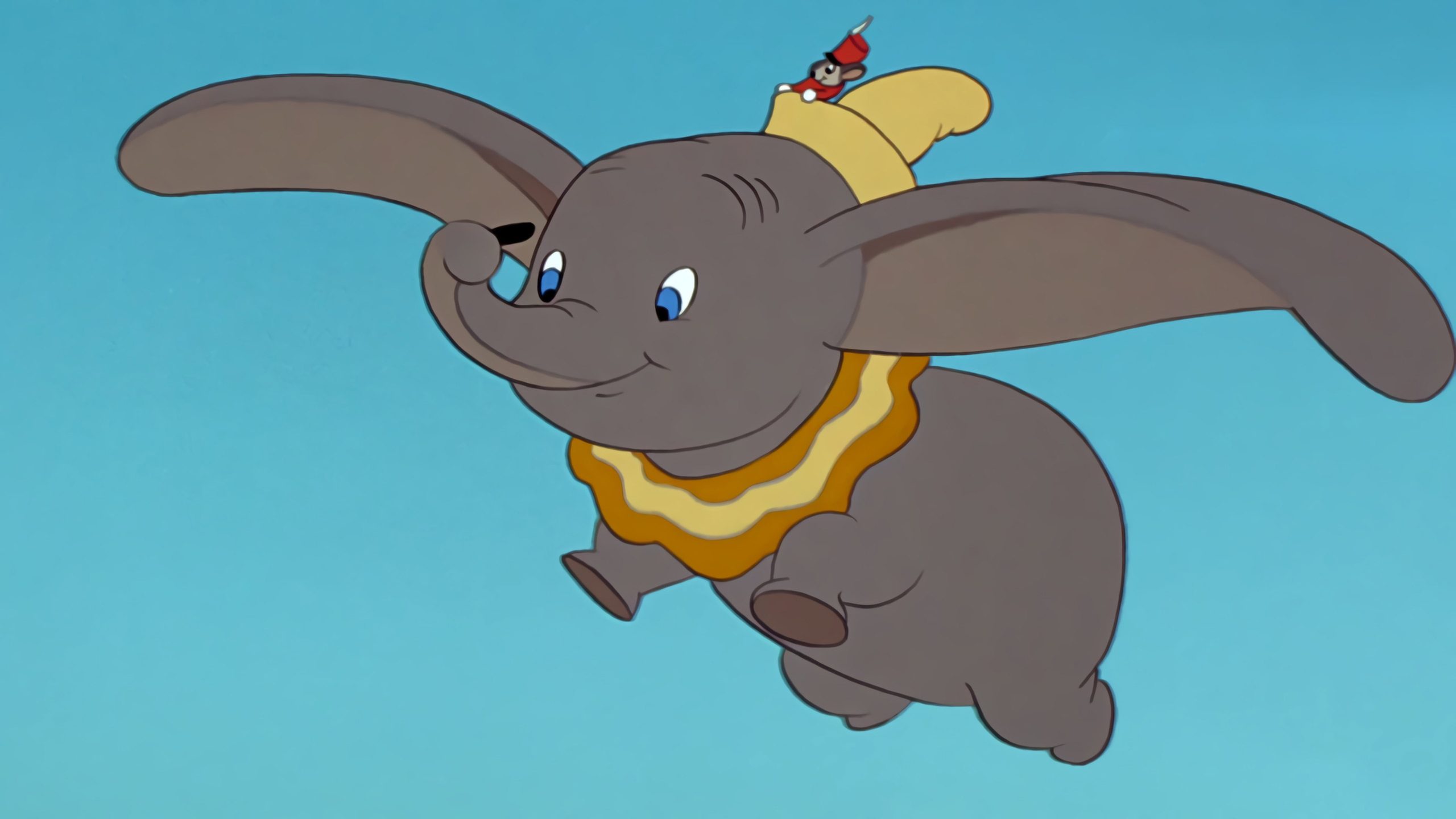
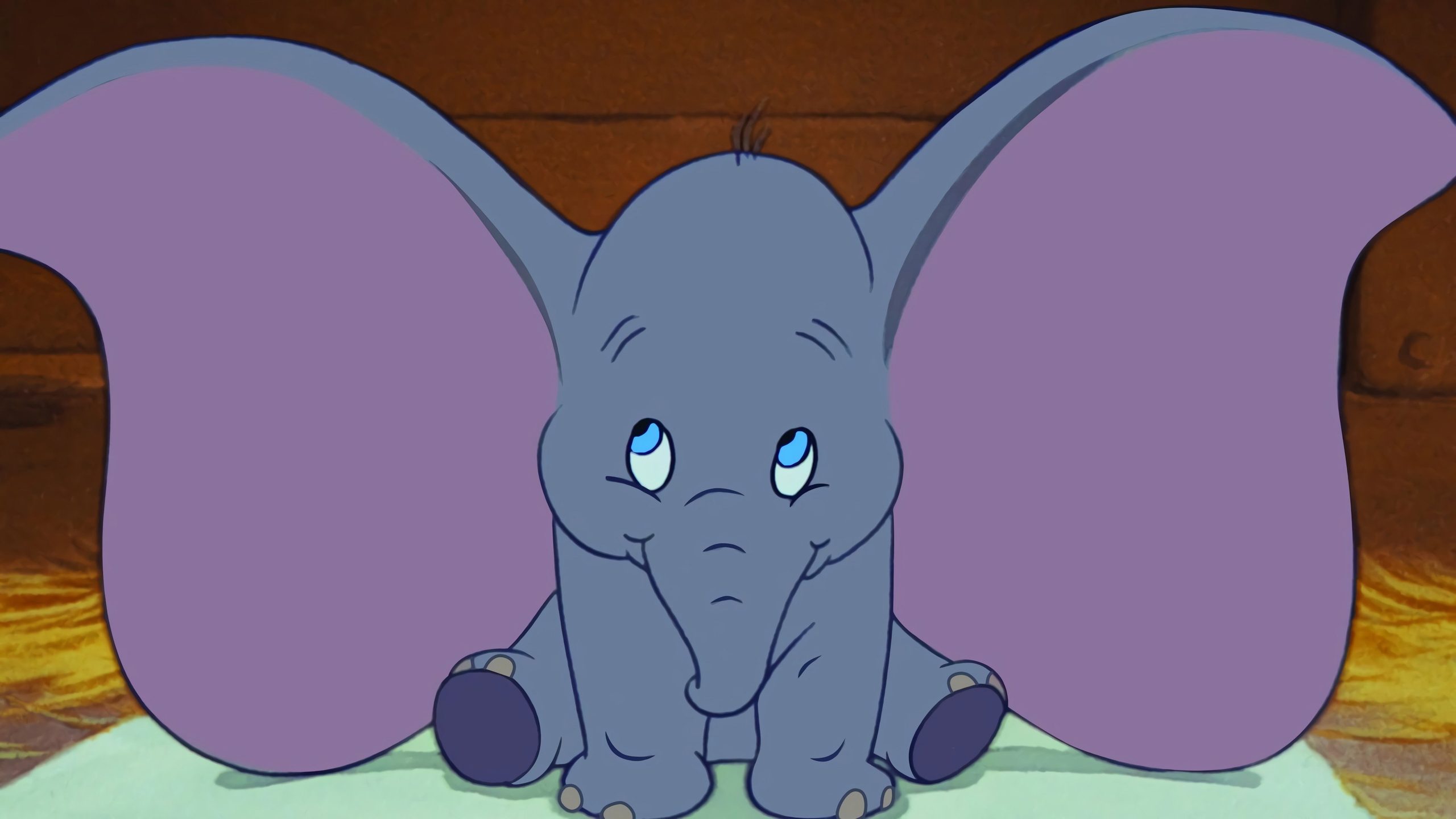
Storks deliver babies to a circus wintering in Florida, and everybody gets one except Mrs. Jumbo. Hers arrives late, in the beak of a stork (Sterling Holloway) who sings the whole birthday song first. The baby has ears that reach the floor. The other elephants christen him Dumbo, and the film spends its remaining hour on what a small creature does when everyone around him has decided what he is. At 64 minutes it is smaller and plainer than Pinocchio and Fantasia, and we think it the best of that first run of features. One stretch has aged badly, and we will not pretend otherwise.
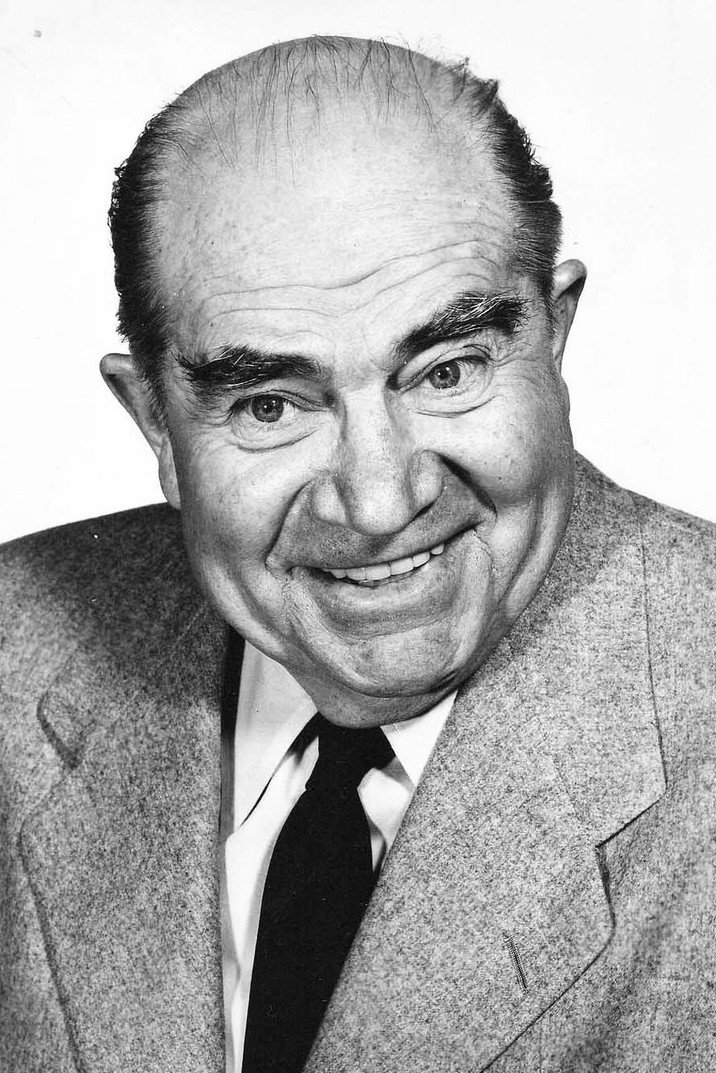
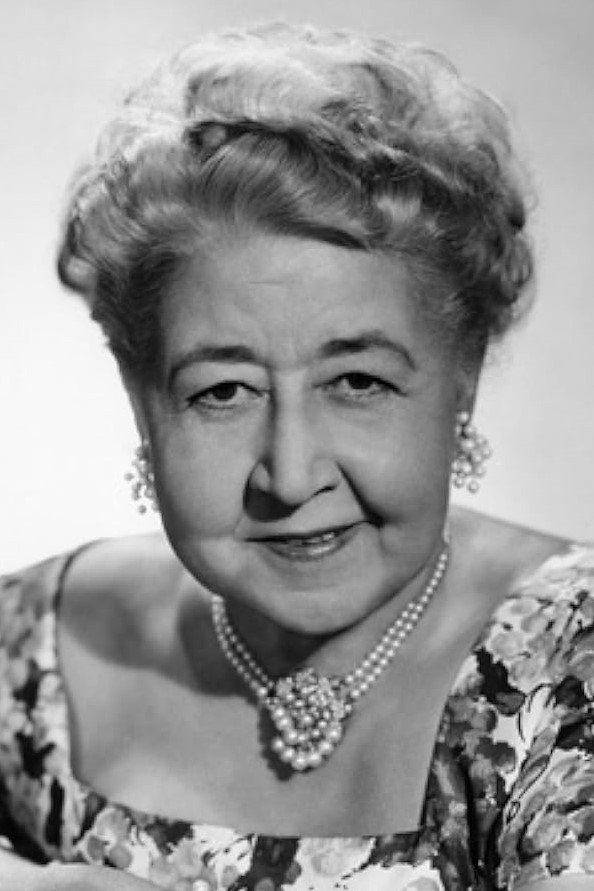
Joe Grant and Dick Huemer’s screenplay, from a book by Helen Aberson and Harold Pearl, sets the cruelty up quickly and gives it voices. The gossiping cows (Sarah Selby, Noreen Gammill and Dorothy Scott) fan themselves and titter; the Elephant Matriarch, voiced by Verna Felton, decides the child is a disgrace. Felton also voices Mrs. Jumbo, so the mother and her chief tormentor share a throat. Herman Bing’s Ringmaster is a fool with a whip. Into this walks Timothy Q. Mouse (Edward Brophy), a fast-talking city mouse in a red band uniform, who scatters the elephants with a word and sits down beside the outcast.
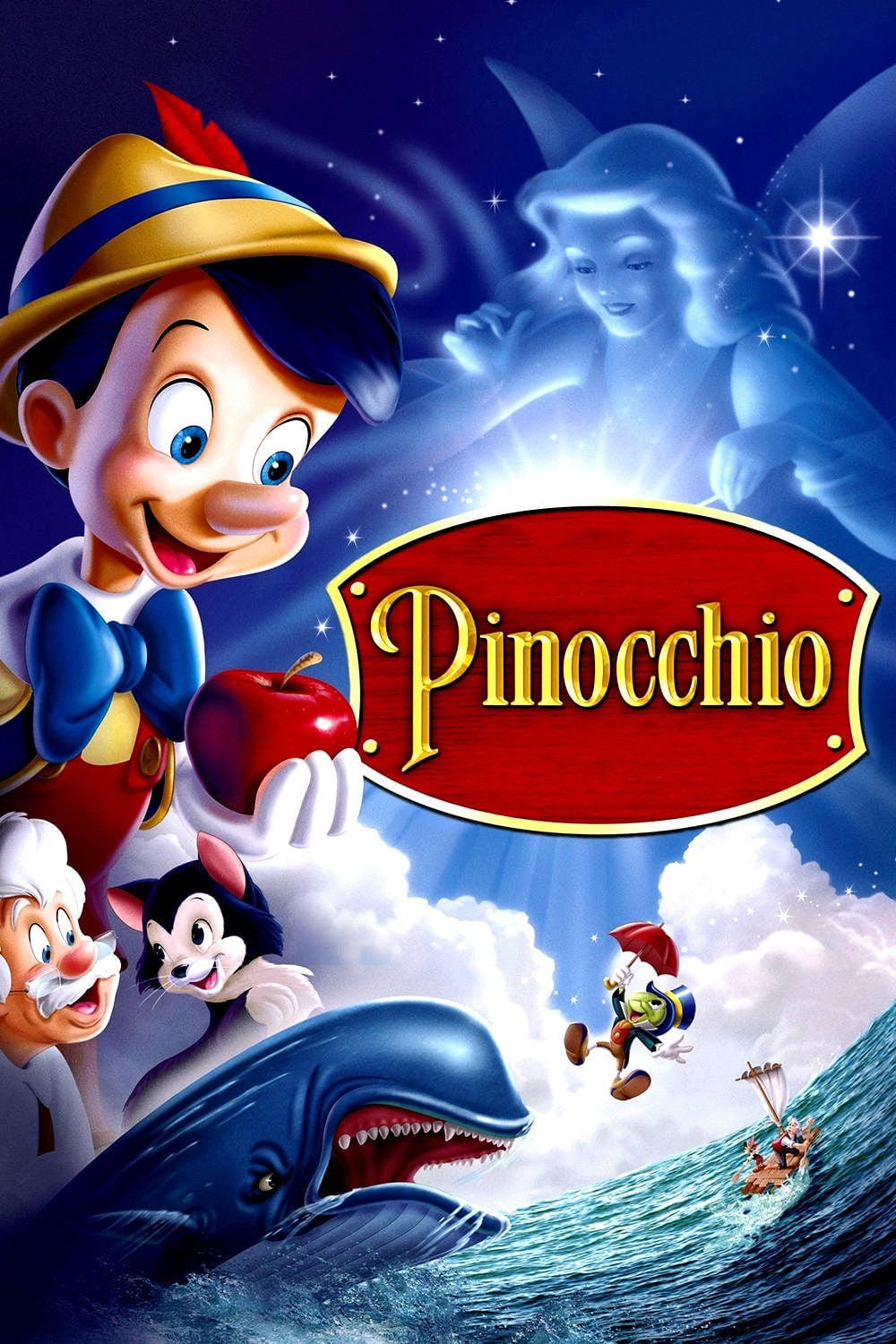
Six directors are credited, Ben Sharpsteen, Bill Roberts, Wilfred Jackson, Jack Kinney, Samuel Armstrong and Norm Ferguson, with Walt Disney producing, and the film speaks with one voice. The backgrounds are thin washes of colour, the sort a child could manage with a paintbox, and they suit the story better than the polish of Pinocchio would have. The camera keeps low, at the height of a small elephant, so the clowns are legs and the crowd is a wall. The night the tent goes up is the best-looking passage: rain slanting across the lamps, elephants pushing poles in the mud, lightning showing the canvas a second at a time. The train, Casey Jr. (Margaret Wright), groans up the hills. Dumbo never says a word, and the animators do everything with his eyes and those ears.
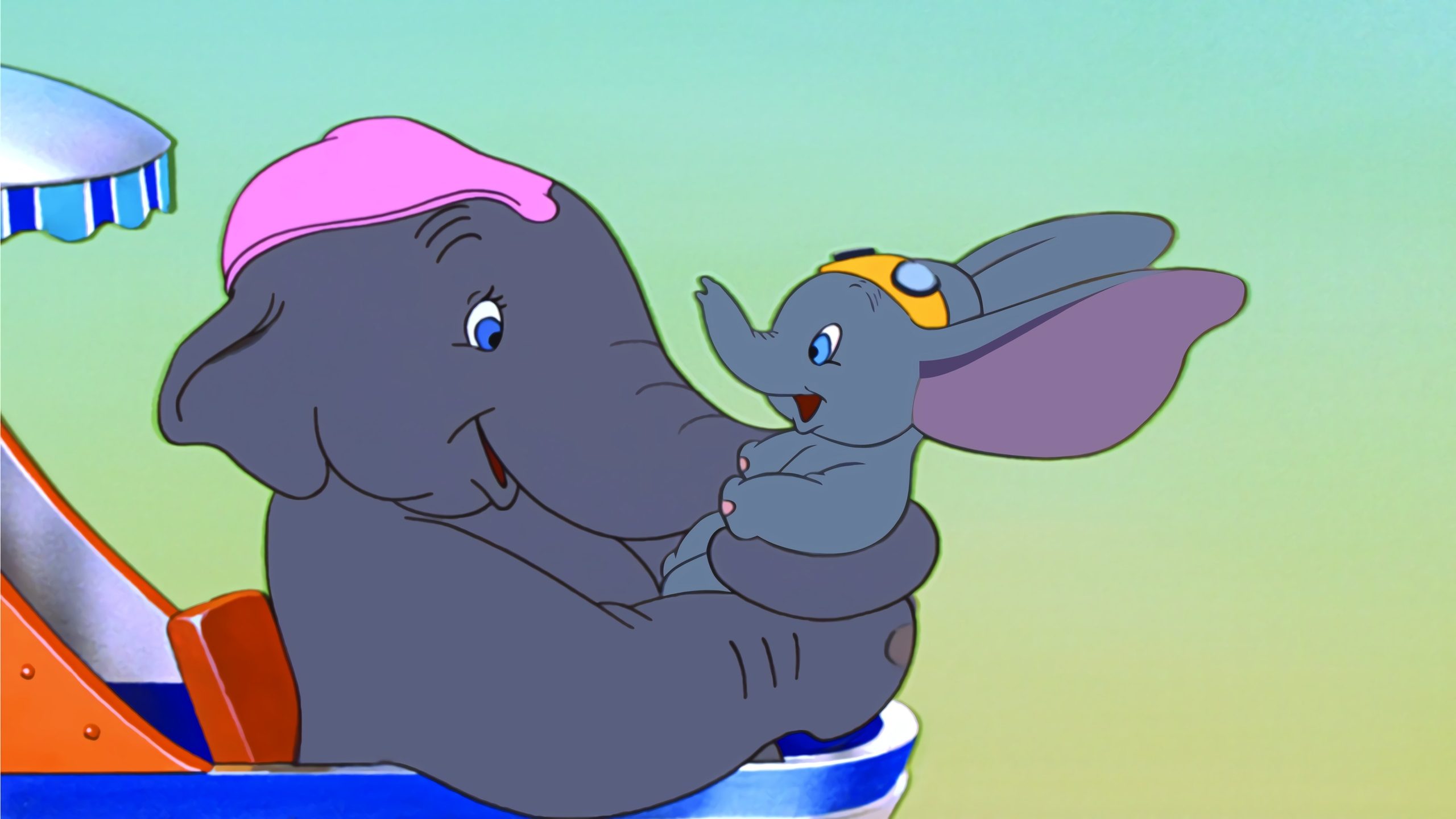
Then there is the wagon. Mrs. Jumbo has been chained in a barred cart with a sign calling her mad, and Timothy walks Dumbo over at night. We never see her face. One trunk comes through the bars, finds the child and rocks him, while Frank Churchill and Oliver Wallace’s score plays its one lullaby and the film cuts to the other circus mothers asleep with their young. We have seen this more times than we would admit and it got us again; the adult beside us on the sofa had to study the ceiling. What does it is how little is used. A trunk, some bars, a song that never pushes, and a small creature who cannot tell anyone what he feels.
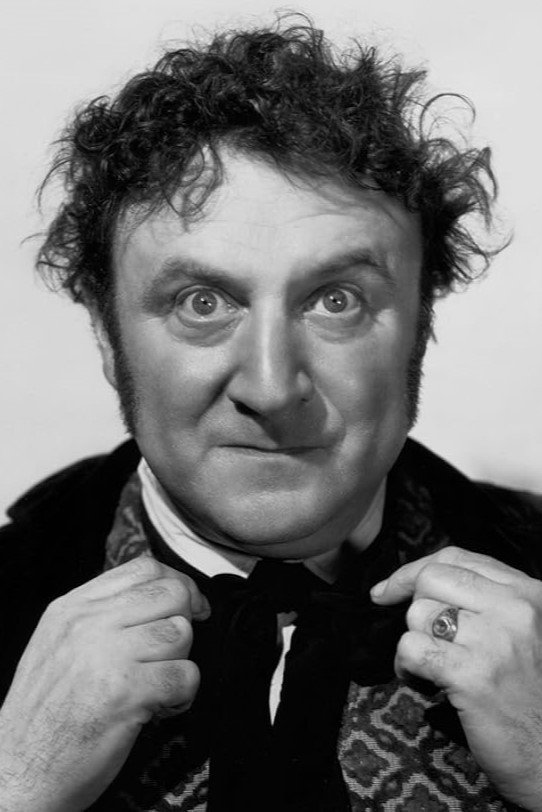
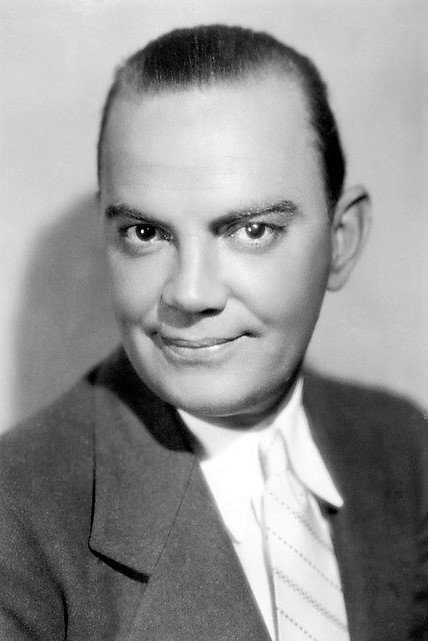
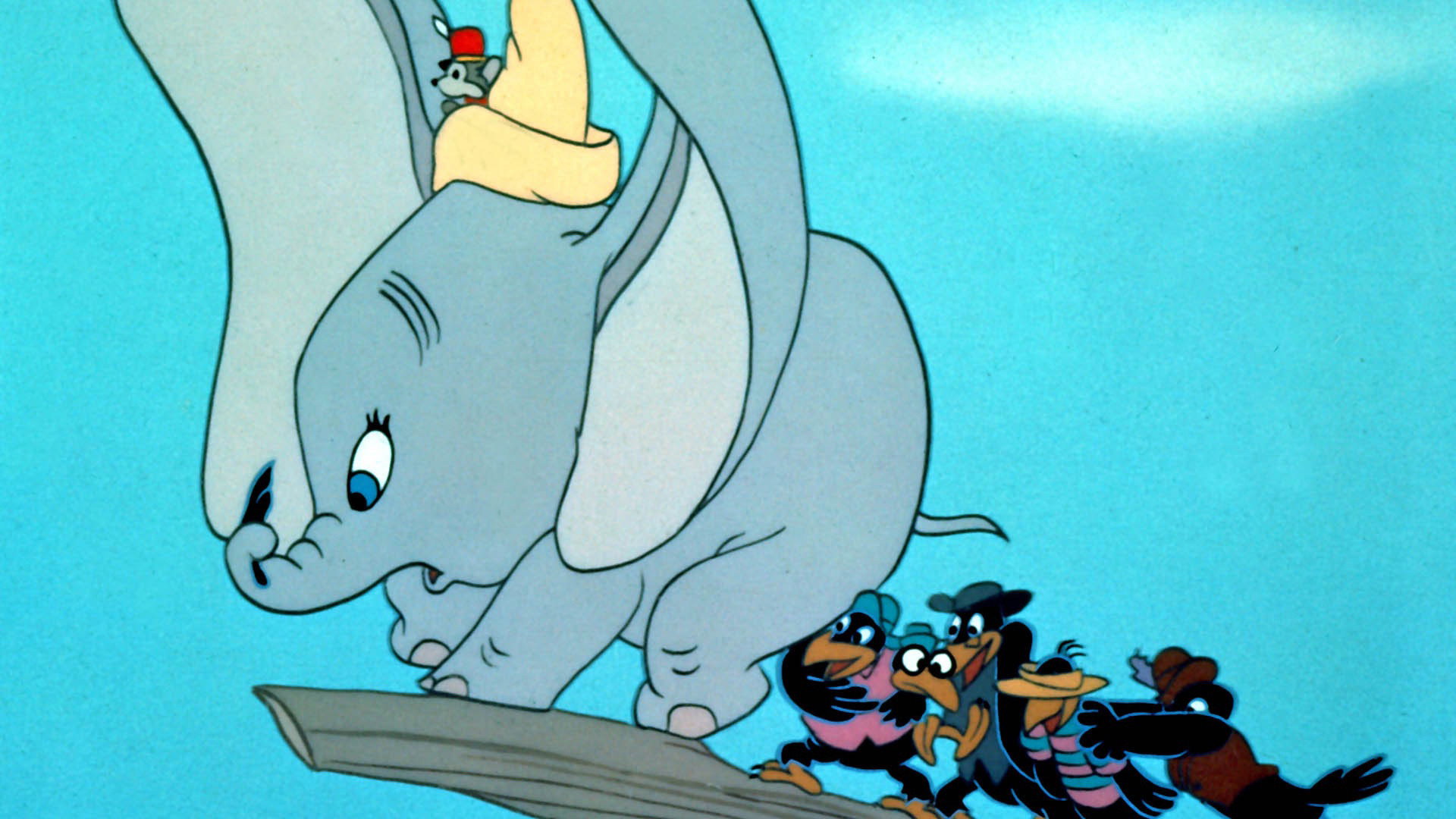
The second half takes a turn we will not describe, though two sequences in it are famous enough to name. “Pink Elephants on Parade” is a few minutes of elephants turning into camels, skaters, snakes and dancers against a black screen; it is the boldest drawing in the film, and belongs to Fantasia more than to a circus story. The crows are the other. They are drawn and voiced, with Cliff Edwards leading and Hall Johnson, James Baskett and Jim Carmichael behind him, as a minstrel-show idea of Black men: idle and loud, there for laughs before kindness. The labourers who raise the tent are drawn as dark shapes without faces. The crows carry a scene the plot cannot do without. We winced, and a viewer today should.
Set against the other Disney features of the period, it is the least ambitious and the most complete. Pinocchio is richer to look at and twice as busy; Fantasia is grander and duller. Dumbo wants one thing, to make you feel for a creature who cannot speak, and it does it with almost no waste. The clowns’ act is the slow patch, and we found it more tiresome than the film thinks it is.
It carries a U certificate and earns it, though a small child may need a hand held through the wagon scene. Watch it with one if you have one about, and do not blame the sniffing on them.