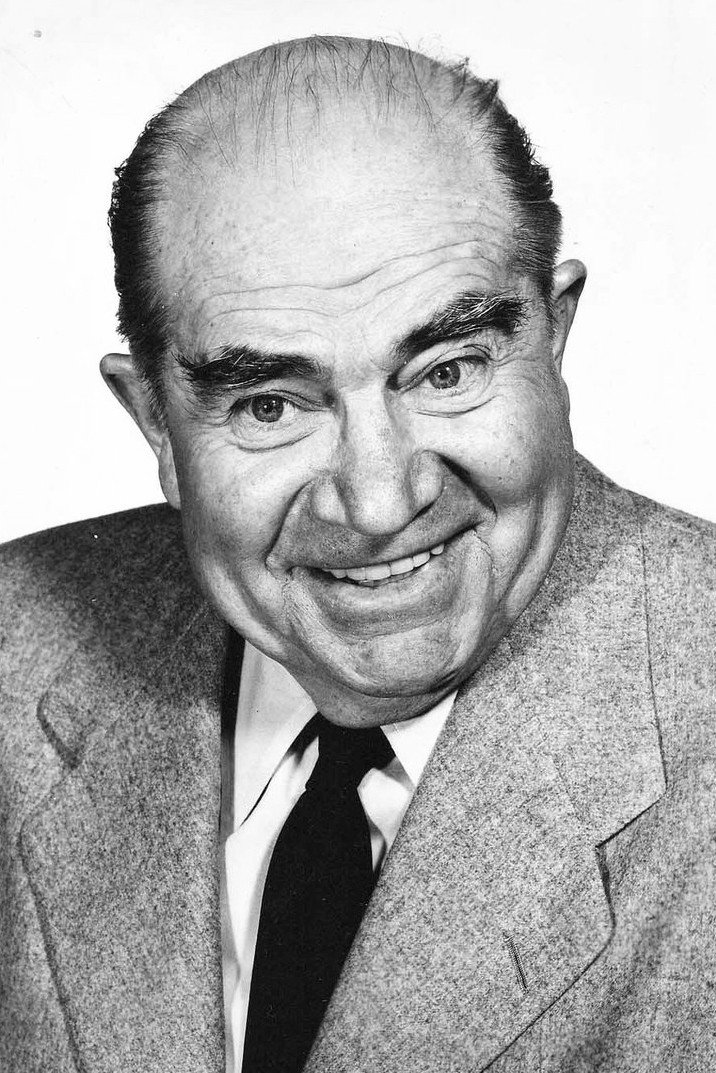
A short, bald New Yorker with a rasp built for gangsters and dumb cops, Edward Brophy spent two decades as the fast-talking sidekick, and the part that has lasted longest is the one where nobody saw his face: the mouse in Dumbo.
Fi1m perspective
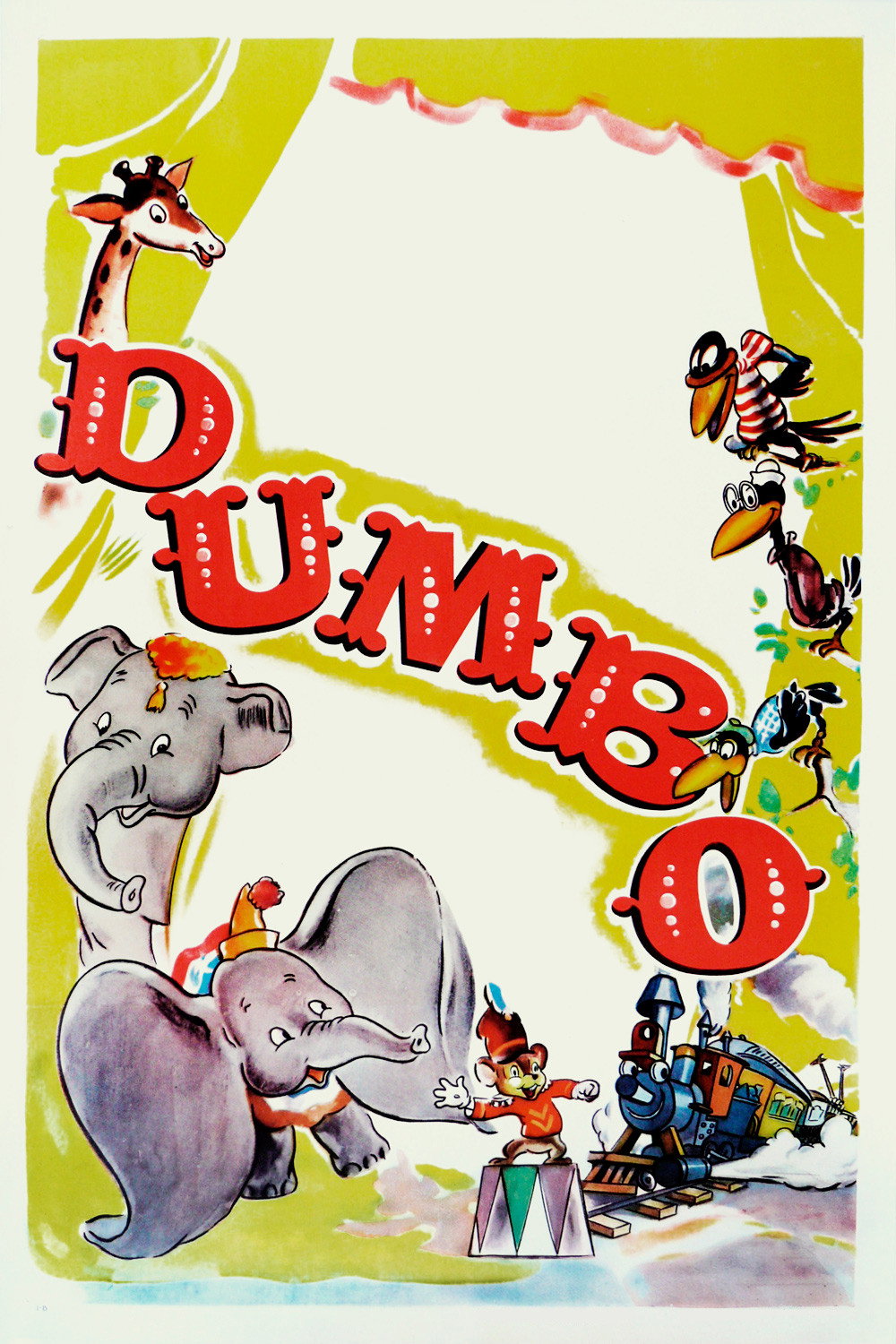
A mouse in a red band uniform walks up to a ring of elephants, says a word, and they scatter. Then he sits down next to the one they were all sneering at. That is Edward Brophy's entrance in Dumbo (1941), and he is not in the credits for it. The voice is high, quick and unmistakably New York, the same instrument he had been using for years to play hoodlums and flat-footed policemen, pointed here at a baby elephant.
He had come in through the side door. From 1920 he took small parts and worked behind the camera as an assistant director and production manager, first at Norma Talmadge's studio and then at MGM. An uncredited scene in a bathhouse stall opposite Buster Keaton in The Cameraman (1928) got him noticed, and by 1934 he was acting full time. What followed was two decades of comic gangsters, dumb cops and sidekicks: the loyal manager Tim in The Champ (1931), a Rollo brother in Freaks (1932), Joe Morelli in The Thin Man (1934), Goldie Locke at Tom Conway's elbow in the Falcon films of the mid-1940s, and three pictures for John Ford. The 1950s brought fewer parts.
The type was narrow and he knew every inch of it. Short, bald, with a voice that seemed to come out through the nose, he played the Brooklyn hoodlum and the slow cop as Damon Runyon might have written them, comic more often than not. Critics have generally thought him better when the script let him be funny than when it asked him to play it straight, and on the evidence of the parts he kept getting, the studios agreed.
It is Dumbo that shows what the type could carry. Joe Grant and Dick Huemer's script spends its first minutes on cruelty, gossiping cows, a Matriarch who decides the child is a disgrace, a Ringmaster with a whip, and the film is getting hard to sit through when Timothy turns up. We were more moved by that mouse sitting down beside the outcast than we had any right to be, and the reason is Brophy's pace: he does not slow down to be kind, he is kind at the same speed he does everything else, as if it were simply the next job. A gentler voice would have made it sentimental. A tough guy's voice makes it a decision.
The face did twenty years of steady work in other people's pictures and the voice did 64 minutes in one, and it is the voice that people remember. Start with the mouse. Then go looking for the small bald man standing next to Keaton or Conway, who turns up in more films than you would guess.
Biography
Edward Santree Brophy was an American character actor and comedian. Born in New York City, he attended the University of Virginia and began working in films in the 1920s, initially in production roles before focusing on acting.
He appeared in numerous films of the 1930s and 1940s, including Freaks (1932), The Thin Man (1934) and The Thin Man Goes Home (1944), and worked with directors such as Buster Keaton and John Ford. Brophy is also known for his uncredited voice performance as Timothy Q. Mouse in Walt Disney's Dumbo (1941) and for roles in the Falcon film series.
He was married to Ann S. Brophy from 1925 until his death on 27 May 1960 in Pacific Palisades, California.