Babe is a funny, tender family film that takes its animals seriously without asking us to stop laughing at them. Chris Noonan earns the sentiment, though Nigel Westlake’s music occasionally insists on more than we need.
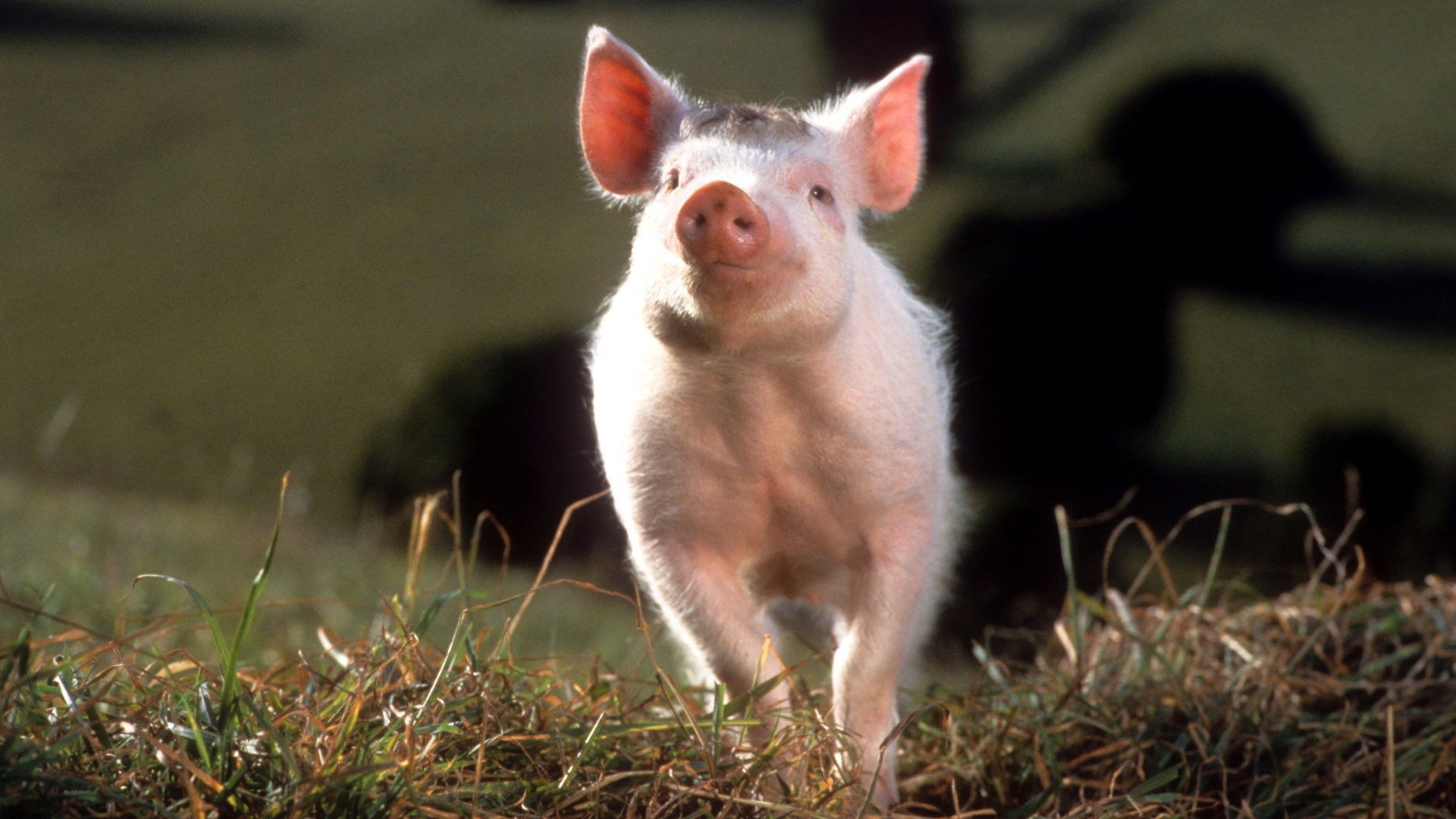
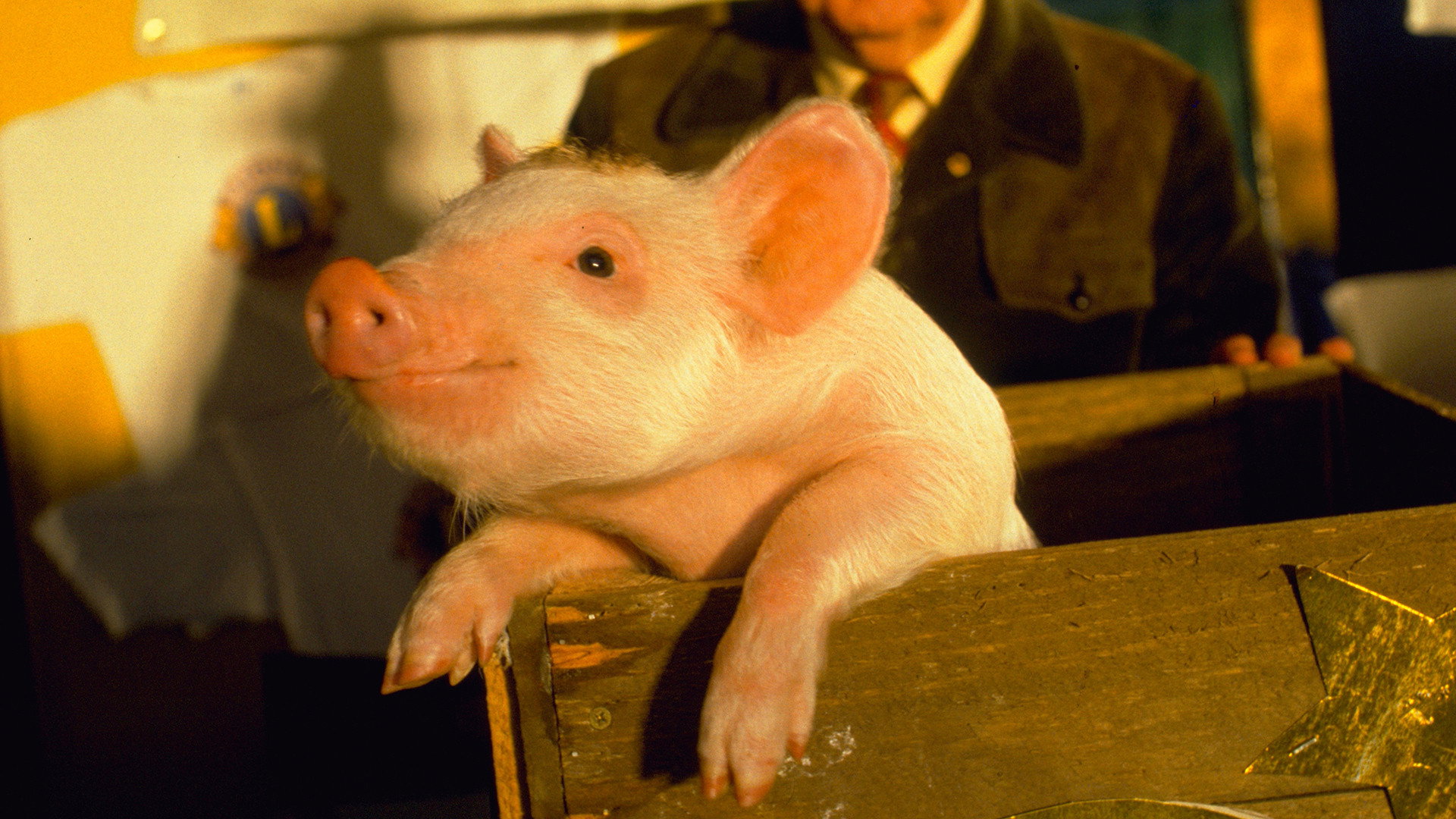
We recommend Babe warmly: it is funny about animals and unusually thoughtful about the ways they are taught to behave. Director Chris Noonan and his fellow screenwriter George Miller build a farmyard comedy around a piglet whose politeness challenges assumptions about what he is for. The idea is easy to understand, but Noonan finds enough differences among the animals to keep it interesting. Their upbringing matters to the story, including that of the creatures whose rules get in Babe’s way.
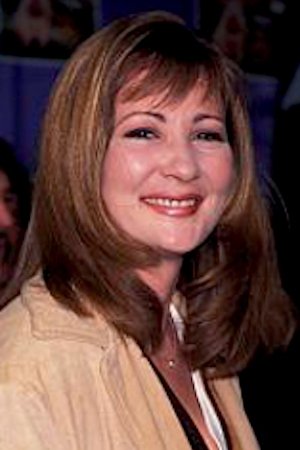
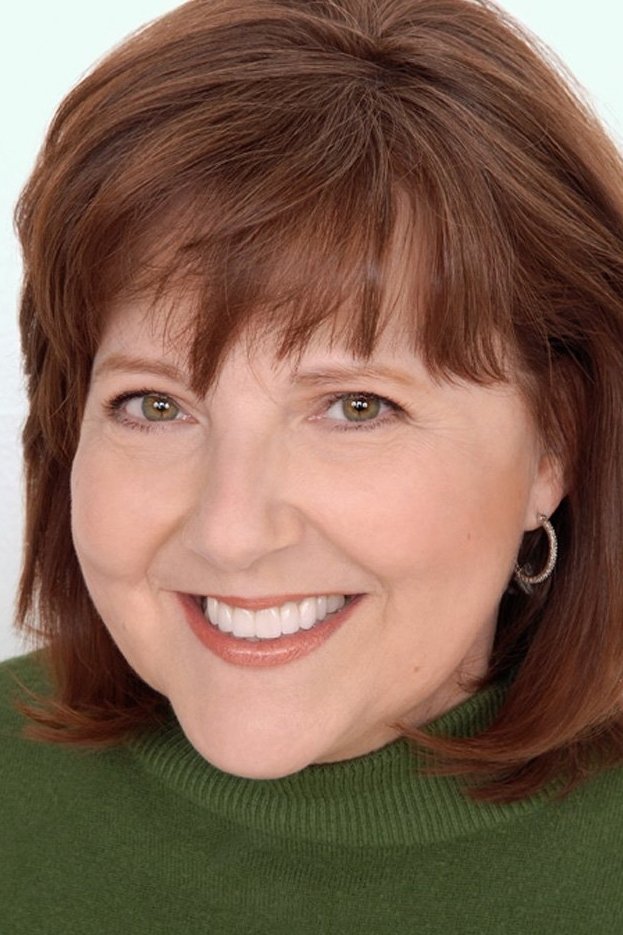
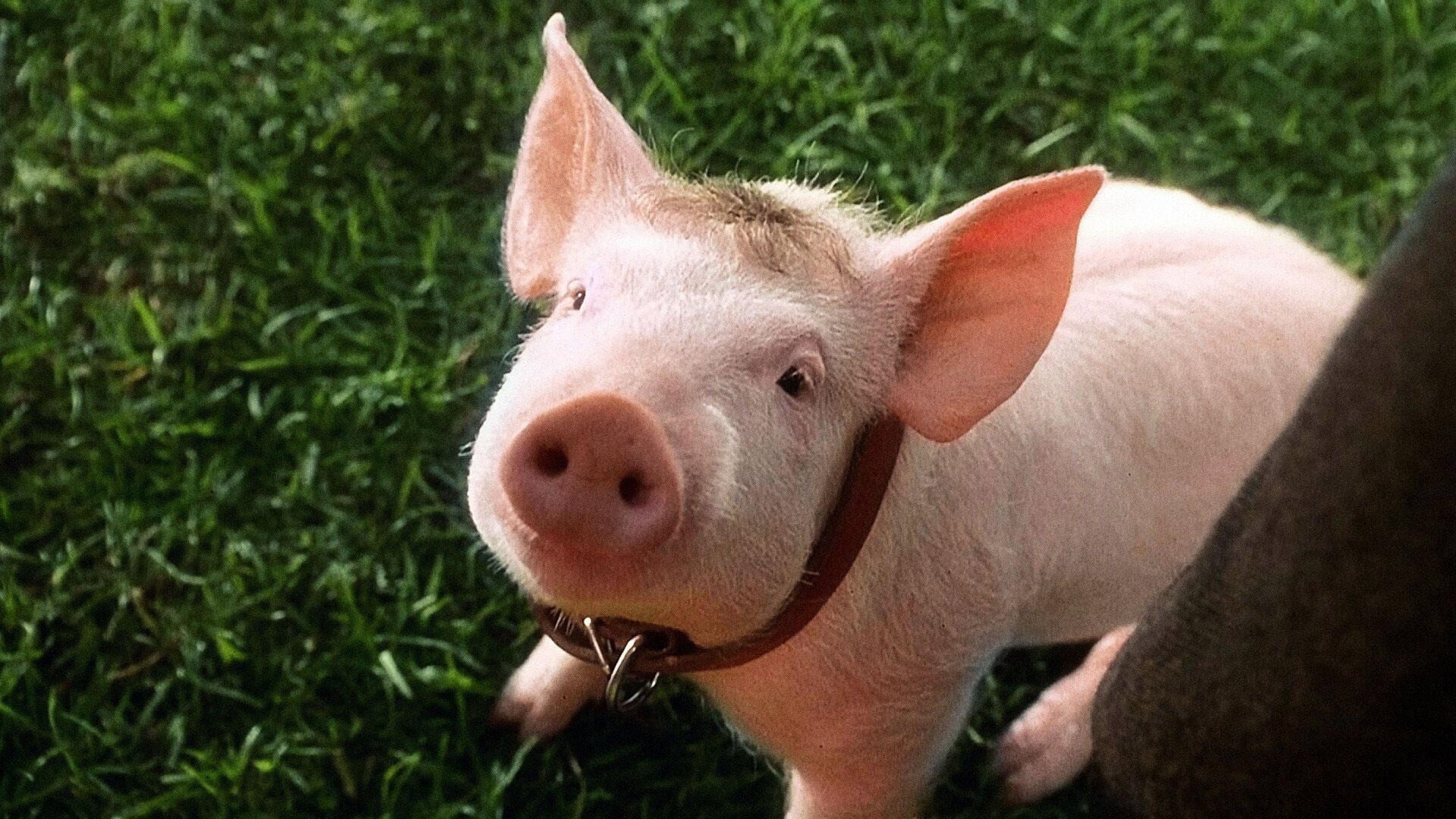
Christine Cavanaugh gives Babe a voice we can believe belongs to someone still learning how things work. His courtesy could easily become a tiresome lesson for children; her delivery makes it sound like a sincere attempt to understand whoever is in front of him. We were moved by that politeness. The piglet keeps treating the other animals as worth listening to, even when their expectations leave little room for him. Cavanaugh lets that decency sound ordinary, which is harder than making it adorable.
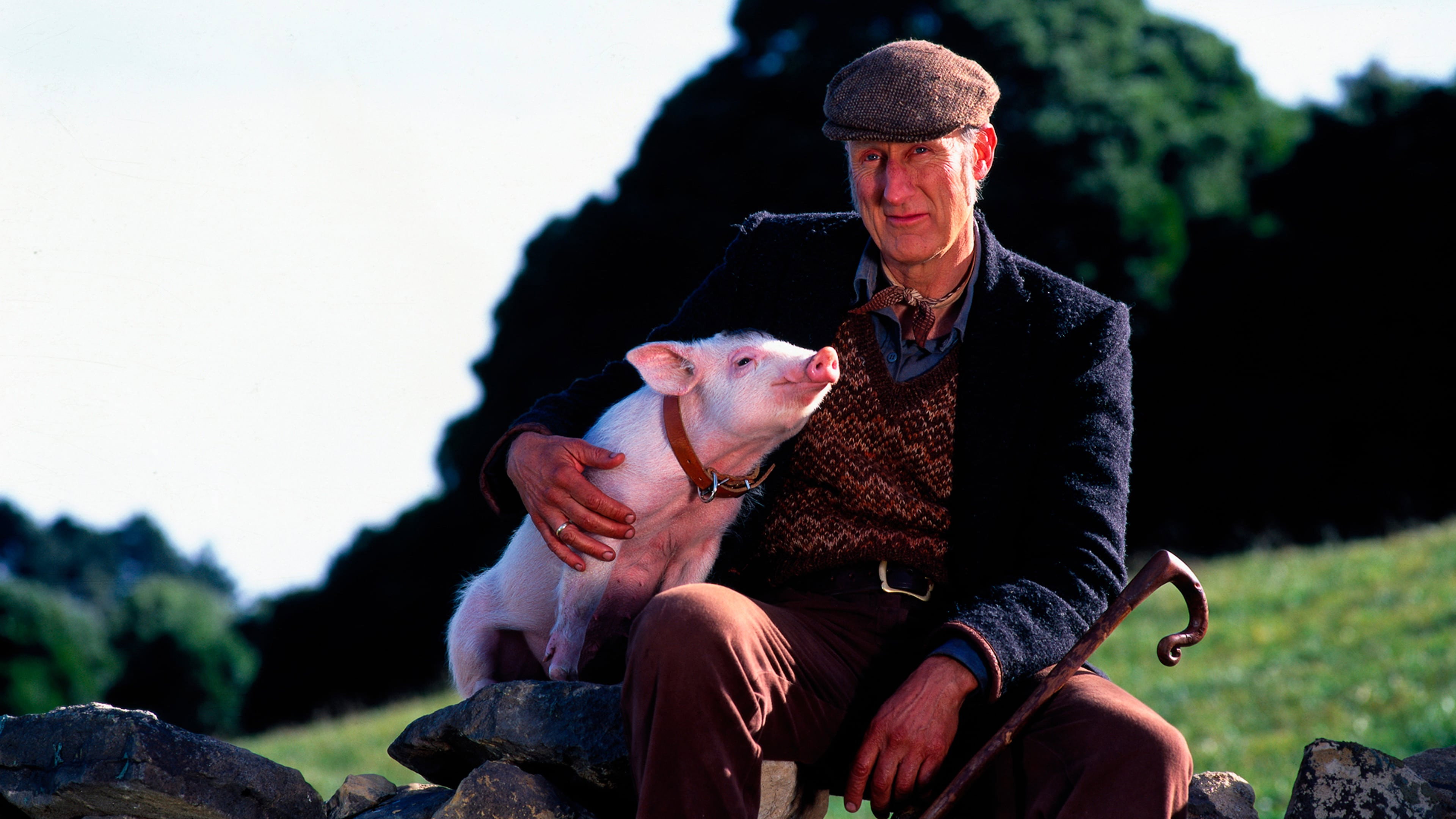
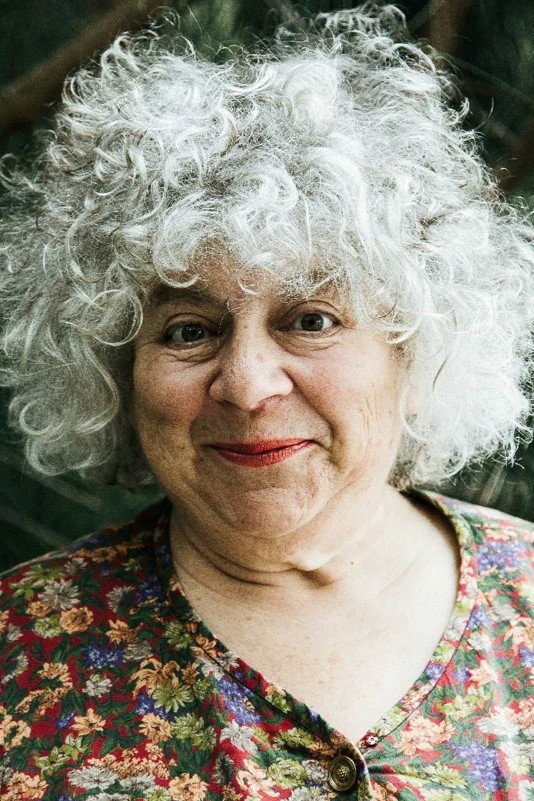
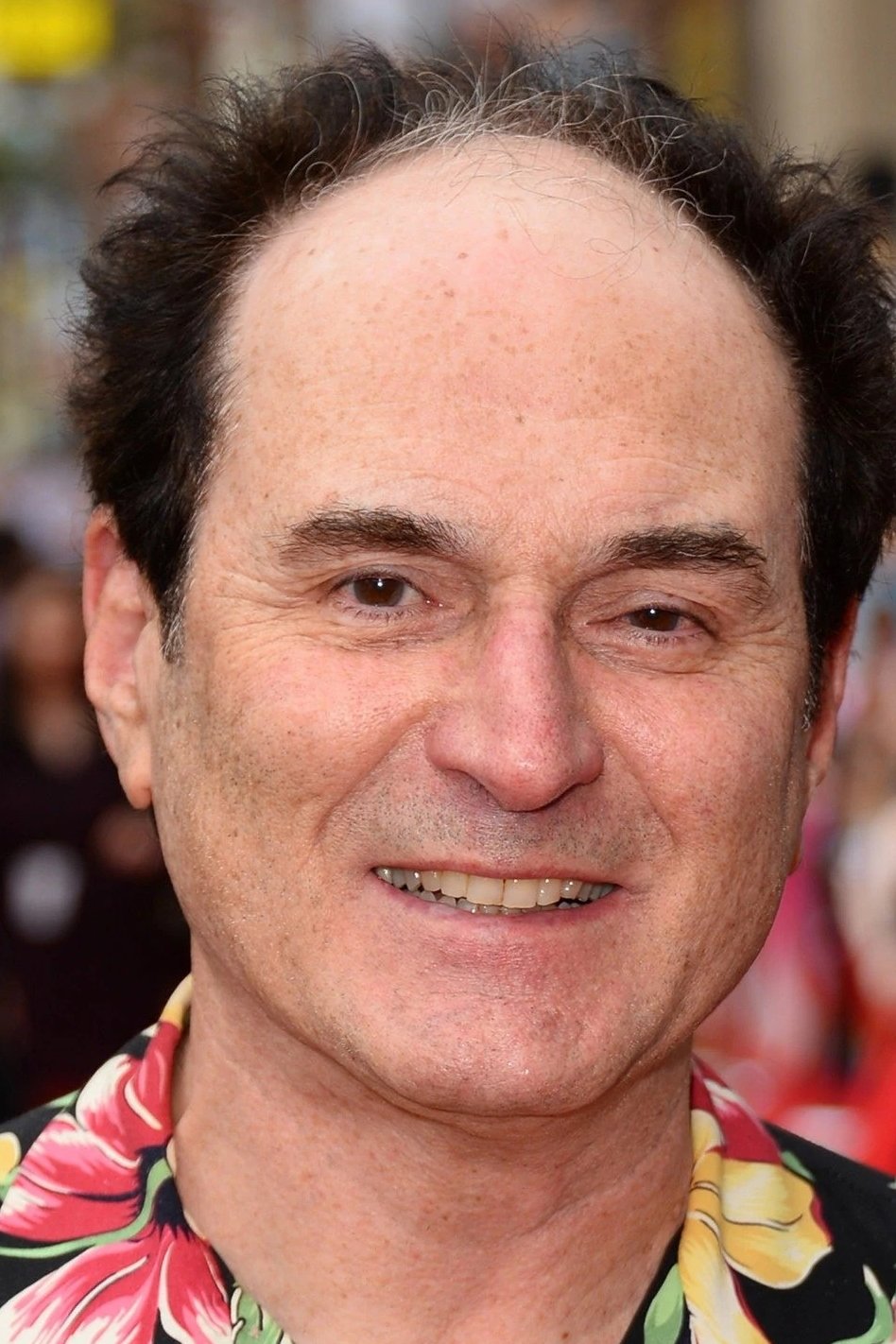
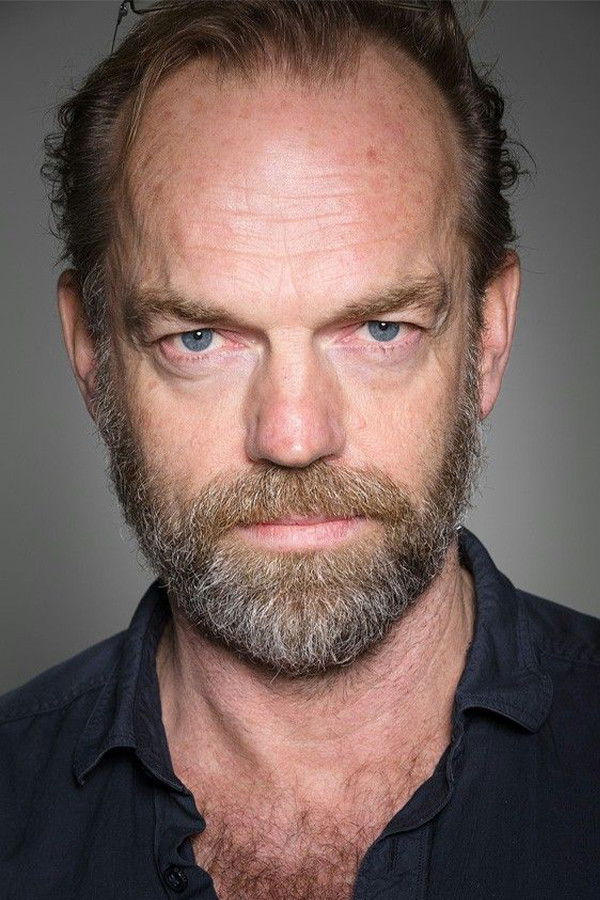
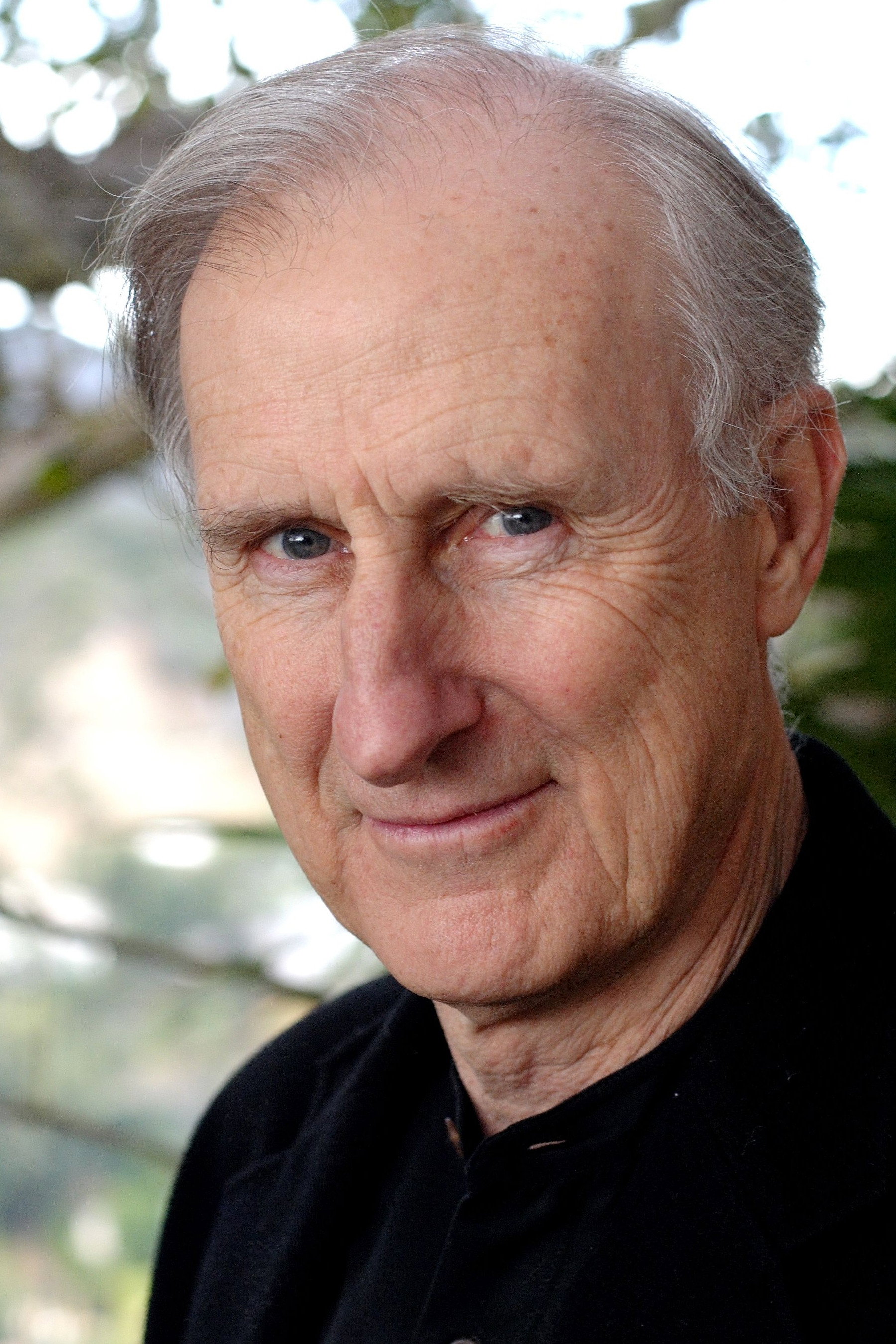
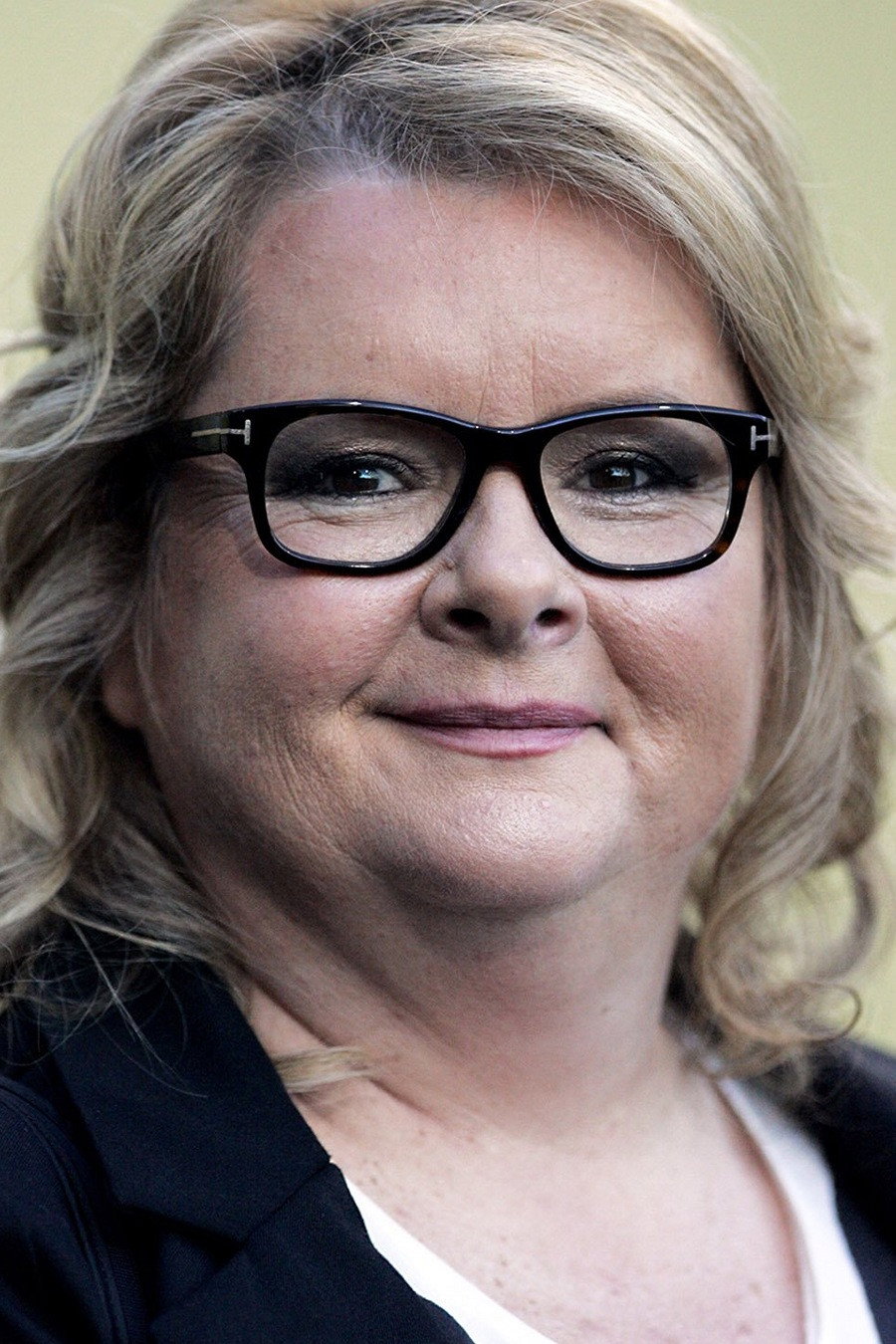
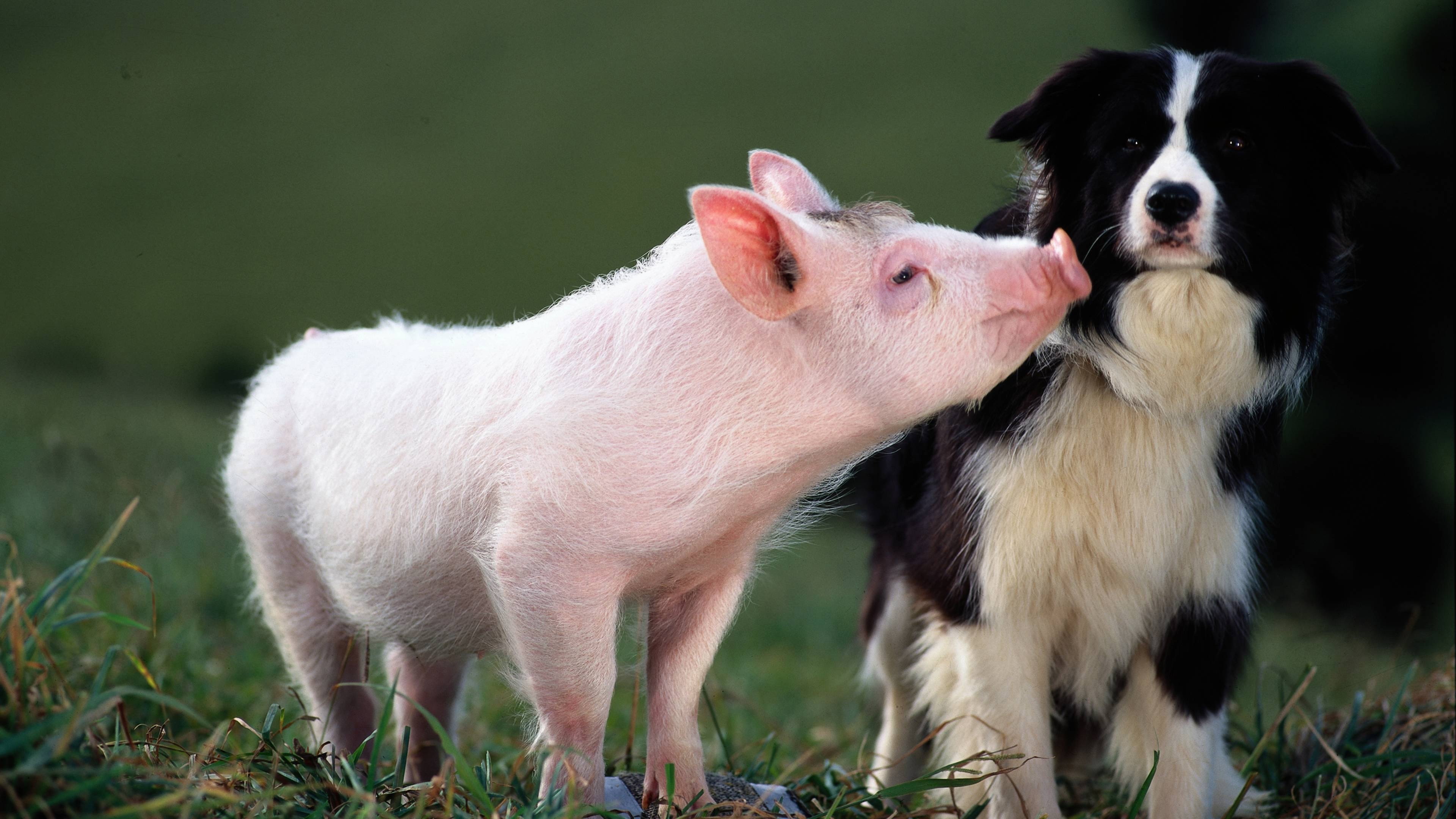
James Cromwell’s Farmer Hoggett is just as important to the film’s credibility. His quiet performance is a useful restraint in a film whose animal cast has so much to say. Miriam Margolyes as Fly, Hugo Weaving as Rex and Danny Mann as Ferdinand give the farmyard a pleasing variety of voices, rather than competing to be the funniest noise. We can recognise different temperaments without feeling that every creature has been assigned a single joke.
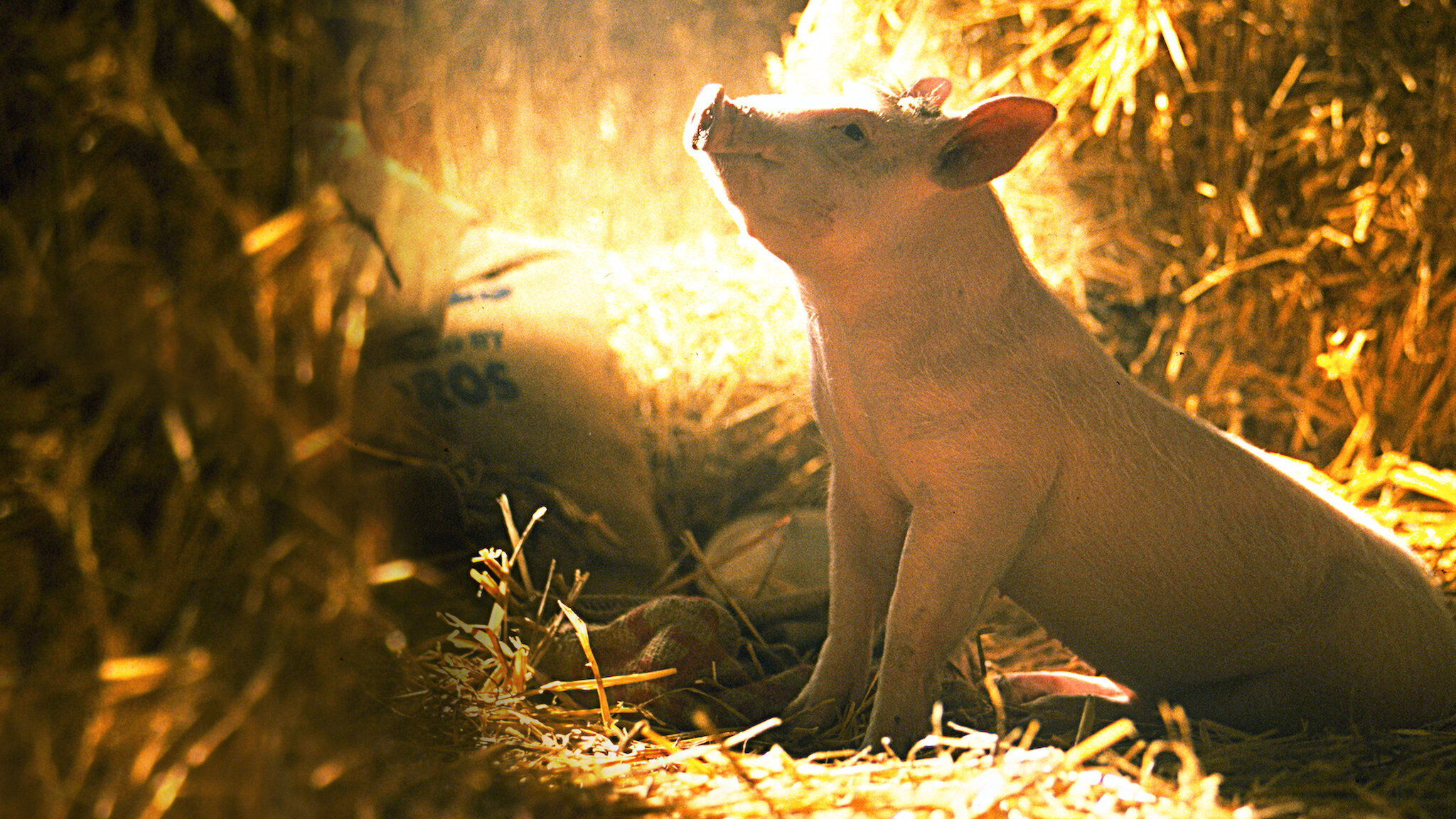
The mixture of live animals and animatronic doubles is persuasive because it does not demand to be noticed. Cinematographer Andrew Lesnie gives the livestock the attention usually reserved for human actors, and the animals remain interesting to watch even when they are not speaking. Roger Ford’s production design gives the farmyard the inviting orderliness of a picture book, which makes the animals’ fixed ideas about their allotted jobs feel quite at home there. The setting helps us understand why they expect everyone to stay in their place.
Editors Marcus D’Arcy and Jay Friedkin make the conversations feel like exchanges, with room for us to register a response before the next voice takes over. Their comic timing helps the effects disappear into the performances. At 92 minutes, the film has time for separate personalities without letting the farmyard become a procession of comic turns. Noonan keeps our attention on how these creatures understand one another, and on the trouble that follows when they assume too much.
Nigel Westlake’s score is the reservation. Its encouragement can grow so emphatic that it starts doing a job the performances have already done, and we occasionally wanted it to leave the pig alone. A quieter score would have let Cavanaugh’s small, courteous voice do more of the work. Noonan’s light touch elsewhere makes this easier to notice, though it never overwhelms the humour or our interest in the animals.
What we value in a family fable is the willingness to let children recognise unfairness without explaining every last bit of it to them. Babe does that, and its interest in manners never makes it priggish. The humour gives adults something to enjoy alongside the lesson, without requiring a separate set of knowing jokes. If a talking pig sounds too sweet for the evening, give this one the chance to speak.