Norm Ferguson drew feeling before he drew anatomy, and his characters were among the first at Disney to look as though they were thinking. As one of six directors on Pinocchio and Dumbo he is hard to isolate, and both films are the better for it.
Fi1m perspective
The dog cannot get the flypaper off. That is the whole of the joke in Playful Pluto (1934), and Norm Ferguson stretches it out until Pluto is plainly working the problem, pausing, trying again, getting crosser. Nobody had made a cartoon animal think in front of an audience quite like that before. Ferguson's drawing was loose and rough, and he did not much care whether a leg bent the way a leg should so long as the feeling came through. He also drew faster than anyone in the building, turning out about eighteen feet of animation a week when the studio average was ten.
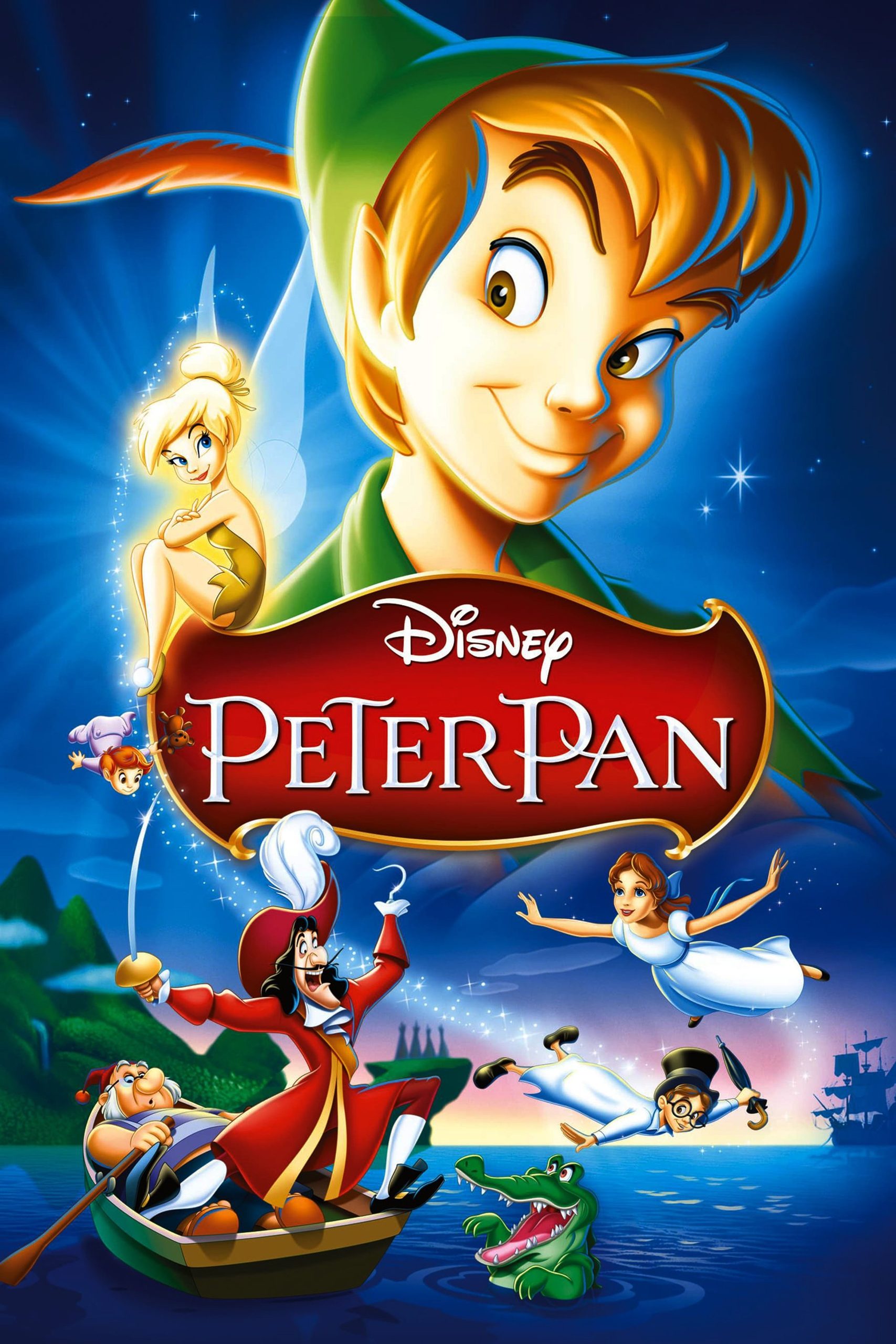
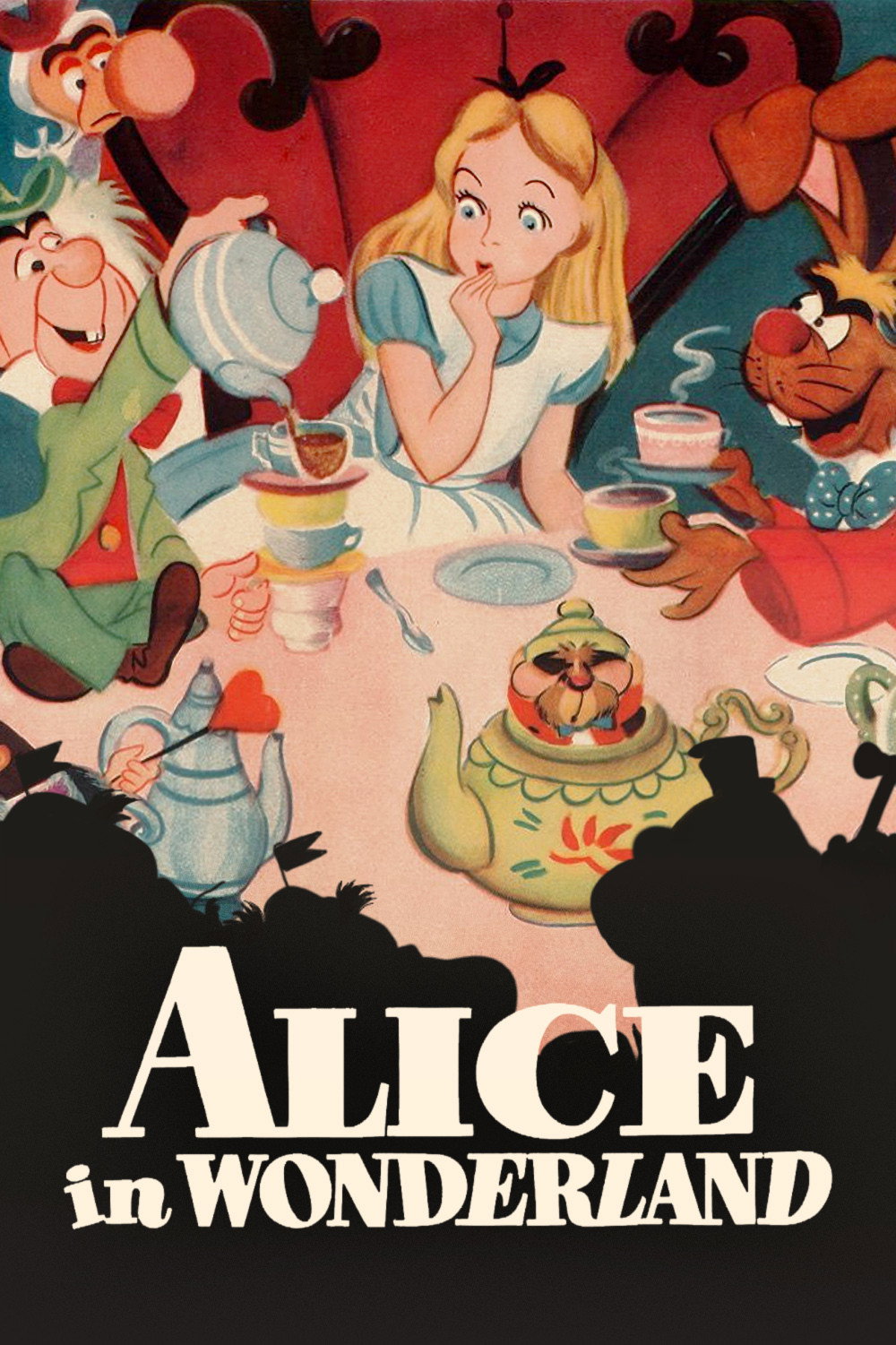
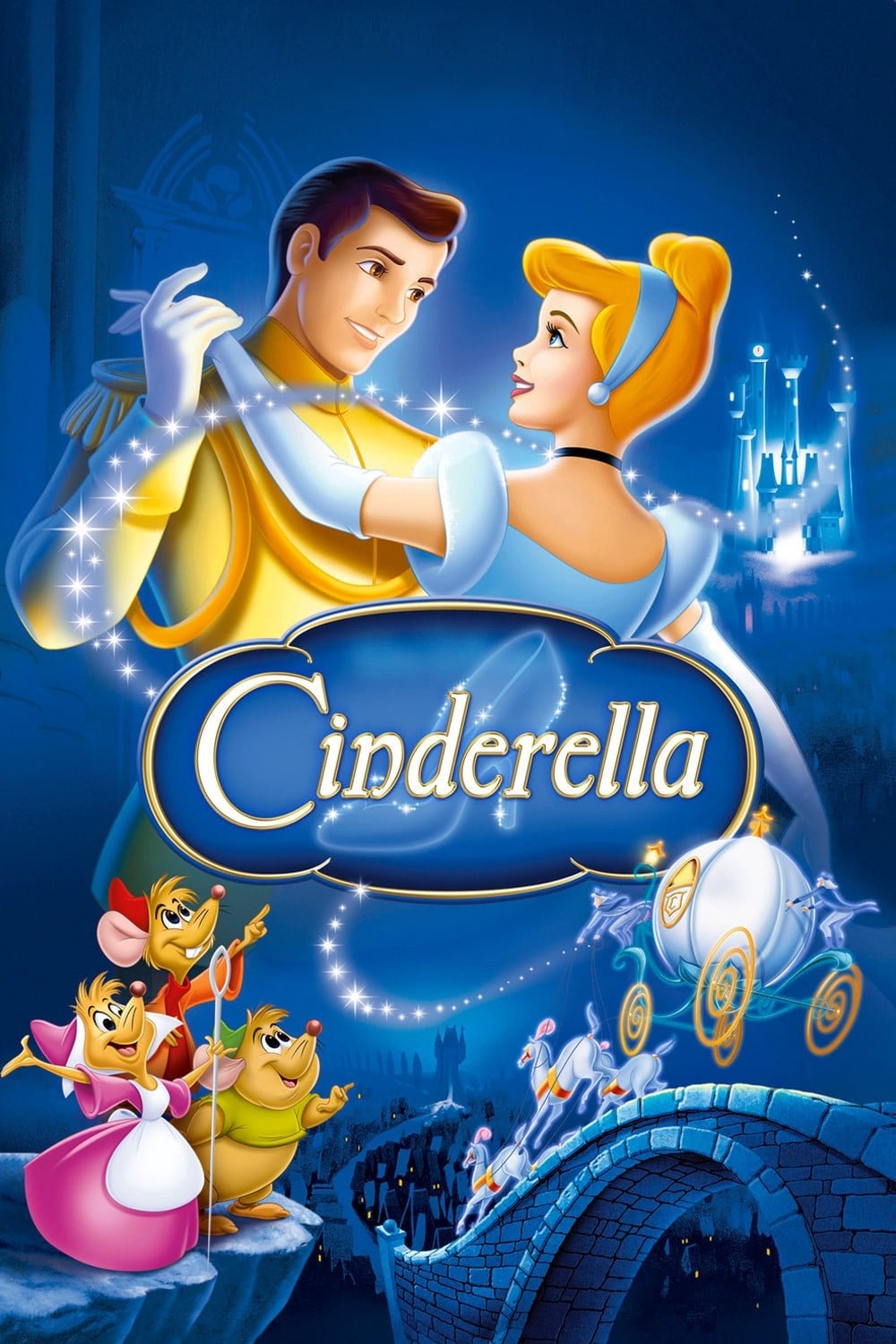
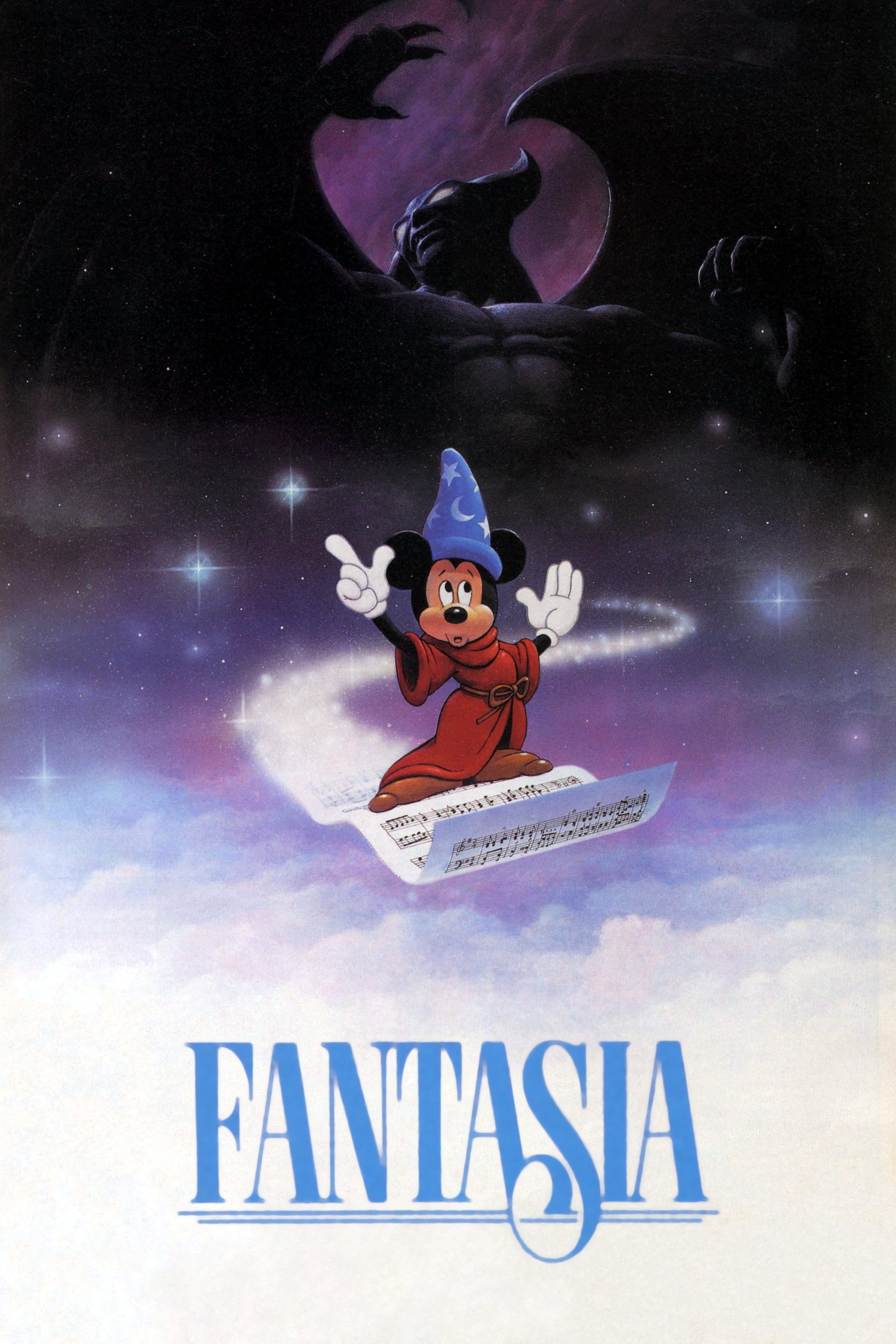
He had come to Disney in 1929 by way of Paul Terry's studio and a course in stenography, and he rose quickly on the shorts. From Snow White and the Seven Dwarfs (1937) he moved onto the features as a supervising animator, and his first big job there was the witch, the studio's first proper villain. He was a sequence director on Pinocchio (1940), on Fantasia (1940), where he had the Dance of the Hours, and on Dumbo (1941). Then a step up: director and production supervisor on Saludos Amigos and The Three Caballeros (1944). He went back to directing animation on Cinderella, Alice in Wonderland and Peter Pan, and left the studio around 1953.
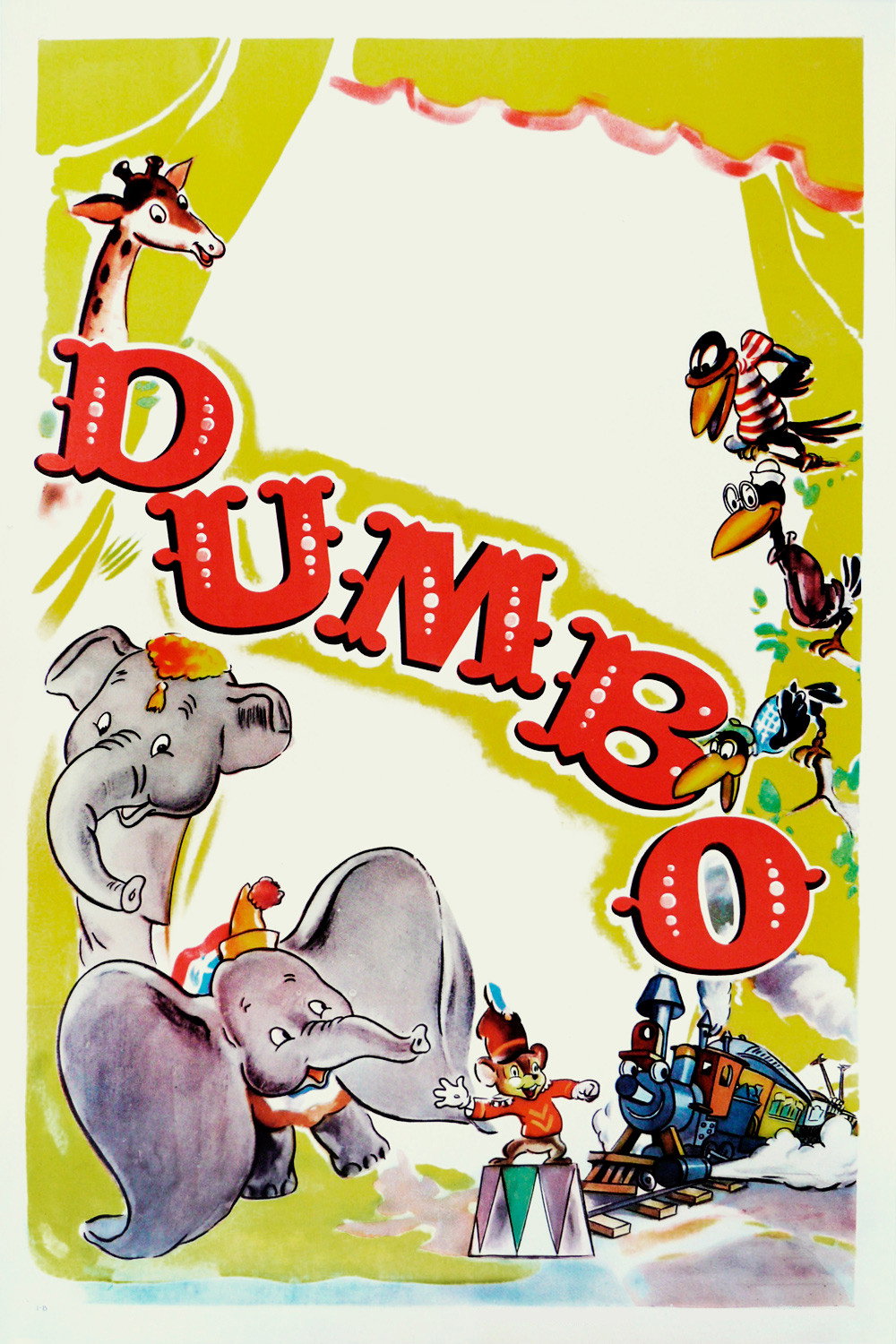
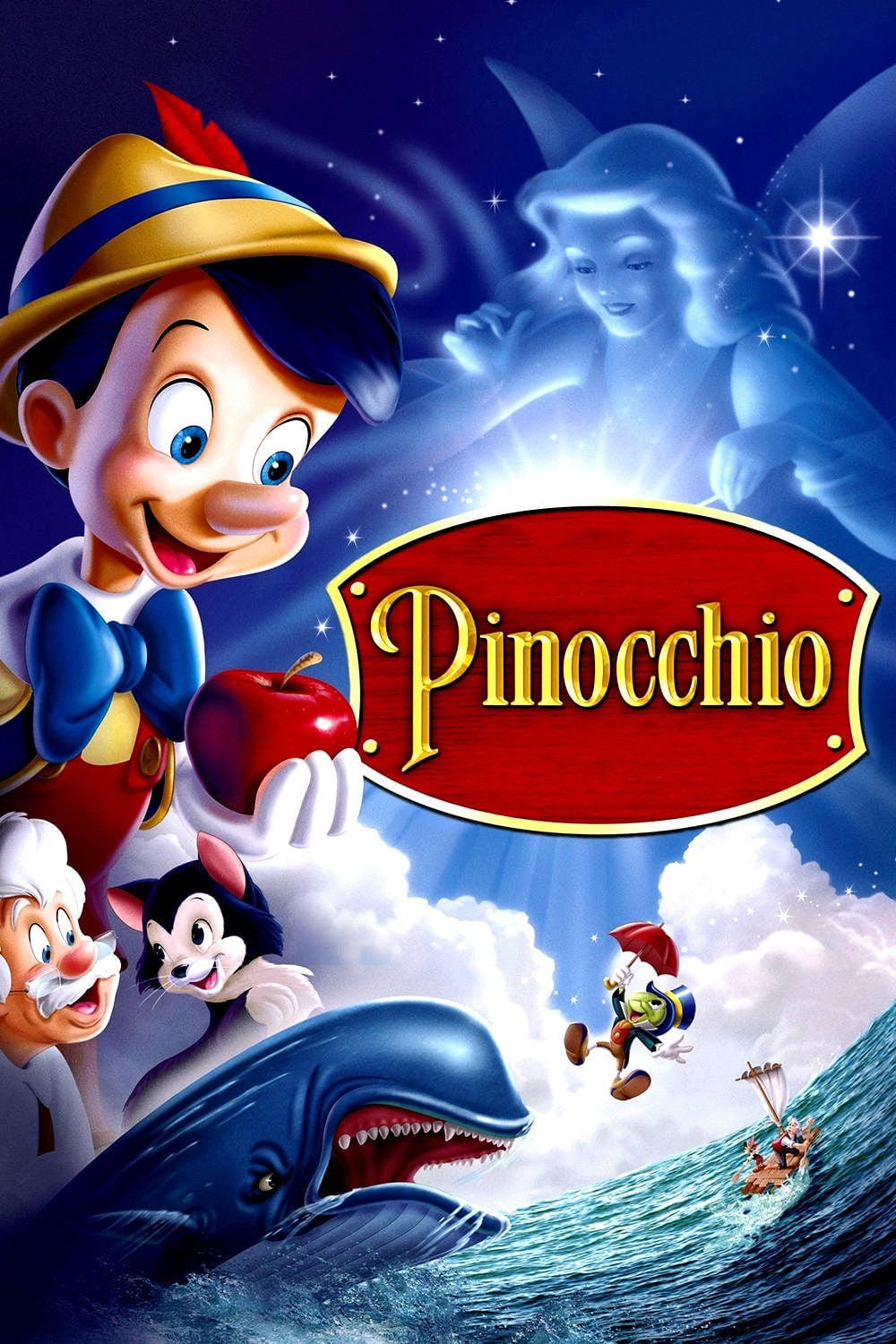
The two films we have reviewed are the two where his kind of drawing mattered most. Pinocchio is a fable about a child lied to by every adult he meets, and Ferguson had the fox, J. Worthington Foulfellow, and his silent cat Gideon, the first of the liars. We found the film frightening as children and find it stranger now, because the villains are so plainly enjoying themselves and nobody in the film seems to think that odd. Dumbo is the opposite case: 64 minutes, backgrounds in thin washes a child could manage, the camera kept at the height of a small elephant. Six directors are credited, Ben Sharpsteen, Bill Roberts, Wilfred Jackson, Jack Kinney, Samuel Armstrong and Ferguson, and the film speaks with one voice. A baby elephant who never says a word, played entirely through his eyes and ears, is exactly the sort of problem a man who drew feeling first was built for.
Which leaves the difficulty of writing about him at all. Sharpsteen supervised, Hamilton Luske worked alongside him, and the studio was arranged so that no single hand showed. Ferguson's name sits sixth on a list of six, and on the evidence of the screen that was the job done properly. Watch Dumbo for the film, then Pinocchio for the fox, and remember that somewhere in a 1934 short there is a dog with a sheet of flypaper who started all of it.
Biography
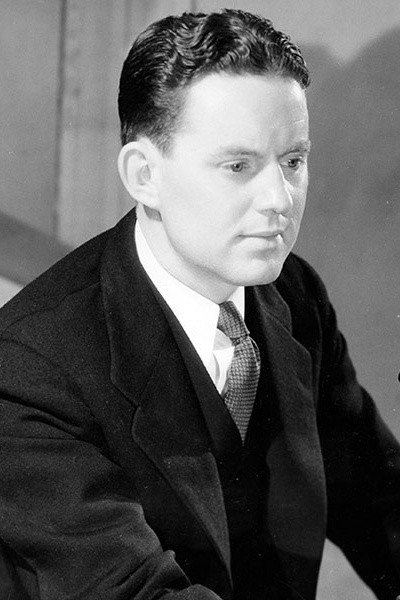
William Norman Ferguson (1902–1957), known professionally as Norm or Fergy, was an American animator and director at Walt Disney Studios. He joined the studio in 1929 after earlier work at Paul Terry’s Fables Pictures and studies at the Pratt Institute. Ferguson contributed to numerous shorts, including the Academy Award-winning Three Little Pigs (1933), and developed characters such as Pluto.
He served as supervising animator on Snow White and the Seven Dwarfs (1937) and as sequence director on Pinocchio (1940), Fantasia (1940) and Dumbo (1941). Later credits include production supervisor and director roles on Saludos Amigos (1942) and The Three Caballeros (1944), and directing animator on Cinderella (1950), Alice in Wonderland (1951) and Peter Pan (1953). Ferguson received the Winsor McCay Award in 1987 and was inducted as a Disney Legend in 1999.