Film review

Cinderella

1950 · Directed by Clyde Geronimi, Wilfred Jackson, Hamilton Luske · 1h 14m · MPA G

In a sentenceA superb cat, a chilling stepmother, and a prince we could not describe under oath

FamilyFantasyAnimationRomance

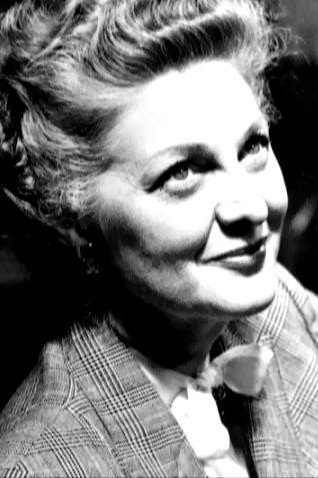
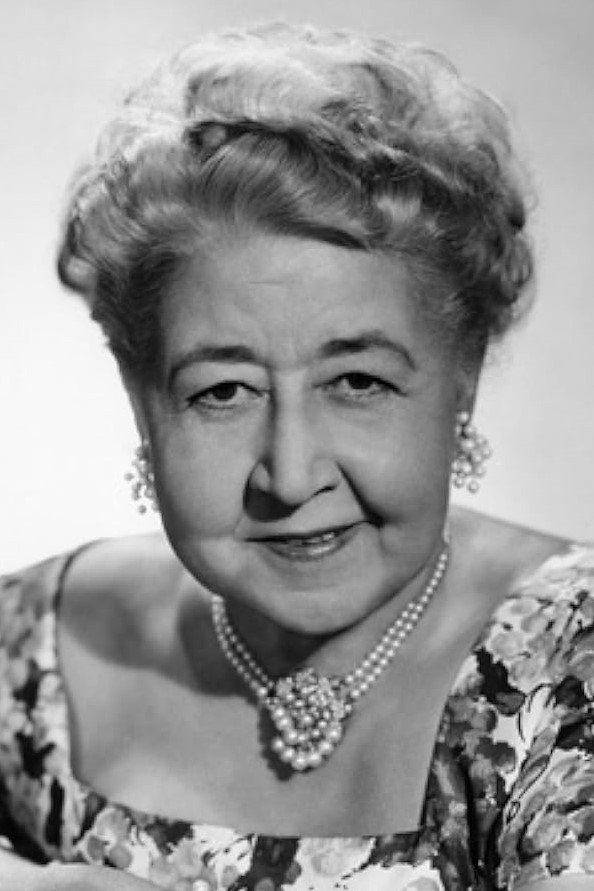
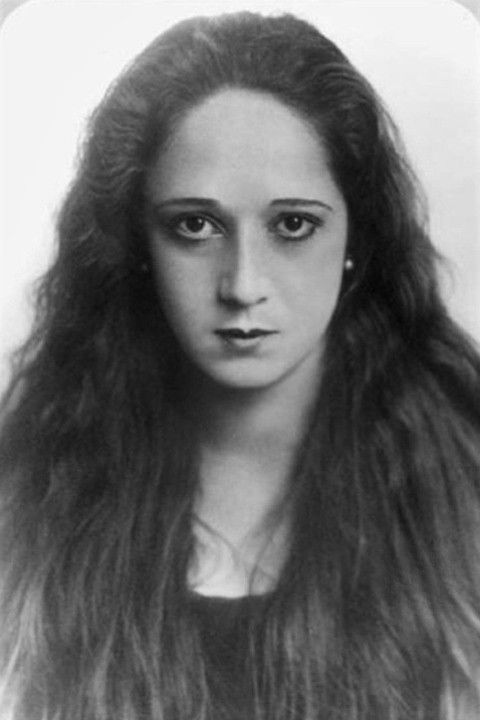
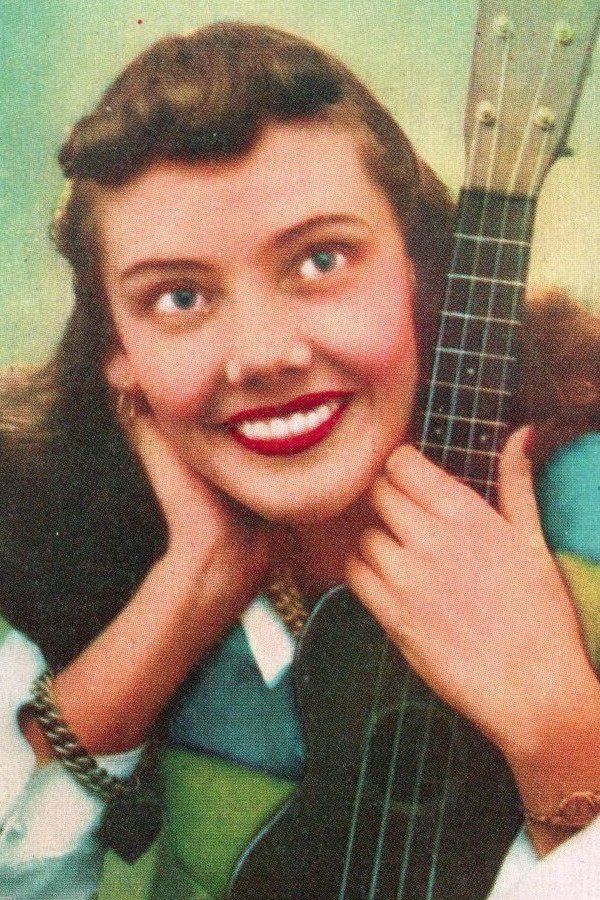
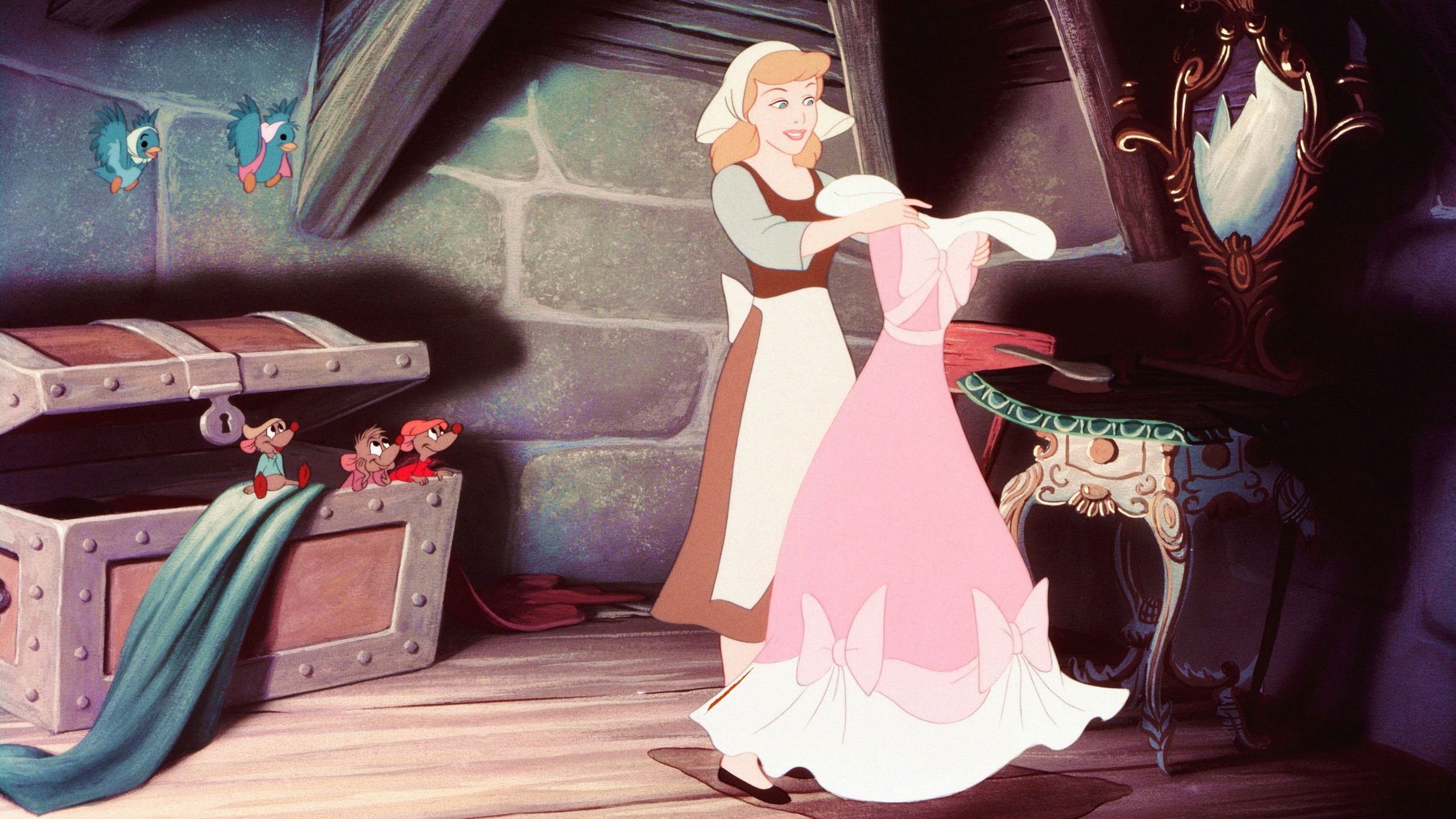
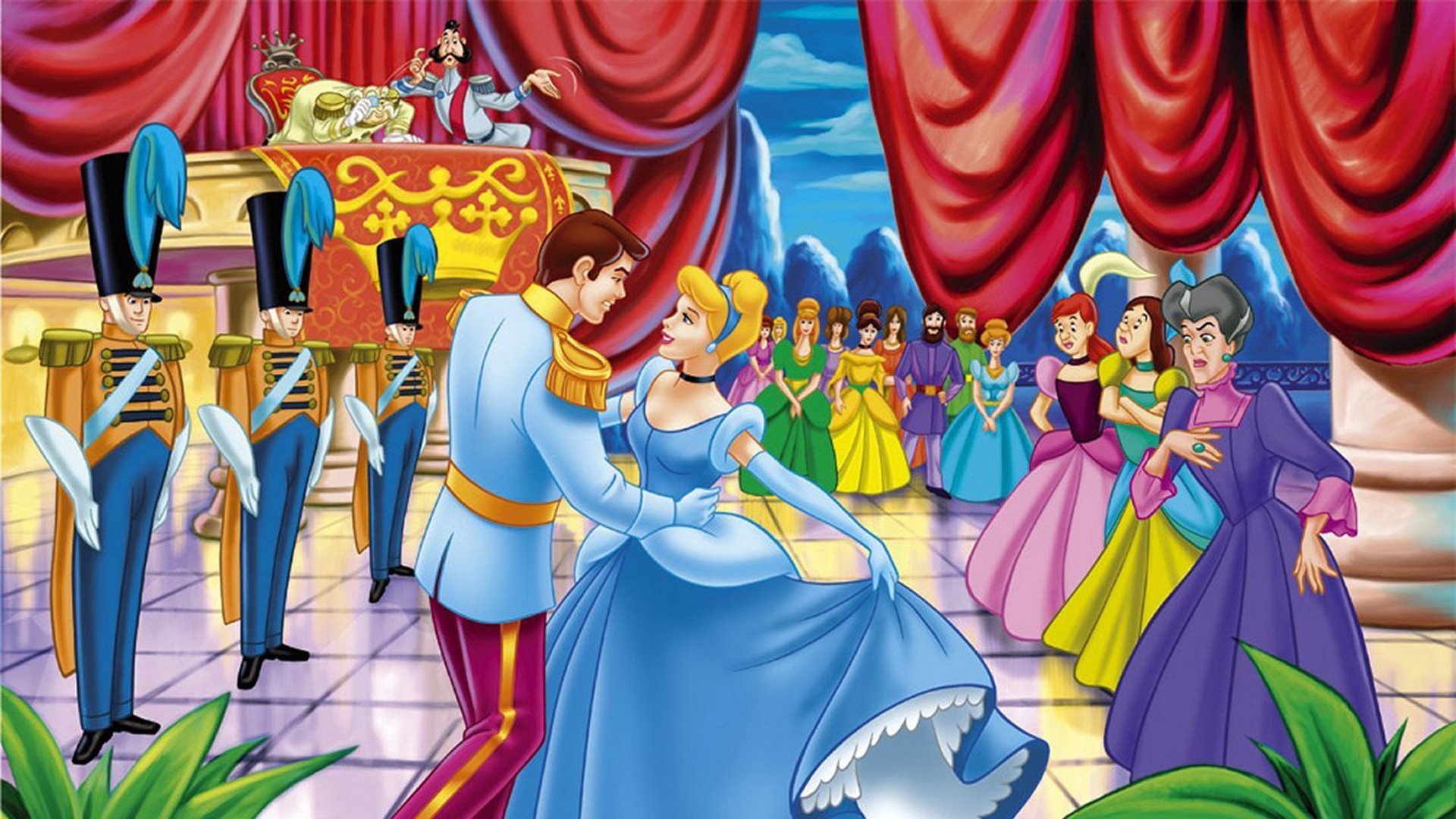
Cinderella (Ilene Woods) lives in her late father’s château as the unpaid servant of her stepmother, Lady Tremaine (Eleanor Audley), and her stepsisters Anastasia (Lucille Bliss) and Drizella (Rhoda Williams). She rises before dawn, feeds the chickens, scrubs the floors and dresses the household’s mice, among them Jaq and the newly rescued Gus (both Jimmy MacDonald), while keeping them out of reach of the cat Lucifer. At the palace, the King (Luis van Rooten) wants grandchildren and orders a ball to which every eligible maiden in the kingdom is summoned. When the invitation reaches the château, Lady Tremaine agrees that Cinderella may go, provided her chores are finished and she has something suitable to wear.

Fi1m review

Disney’s telling of the Perrault story is short, tidy and often lovely, and its villain is one of the studio’s best. Its heroine and her prince are the thinnest things in it, and the mice have to carry the middle third.

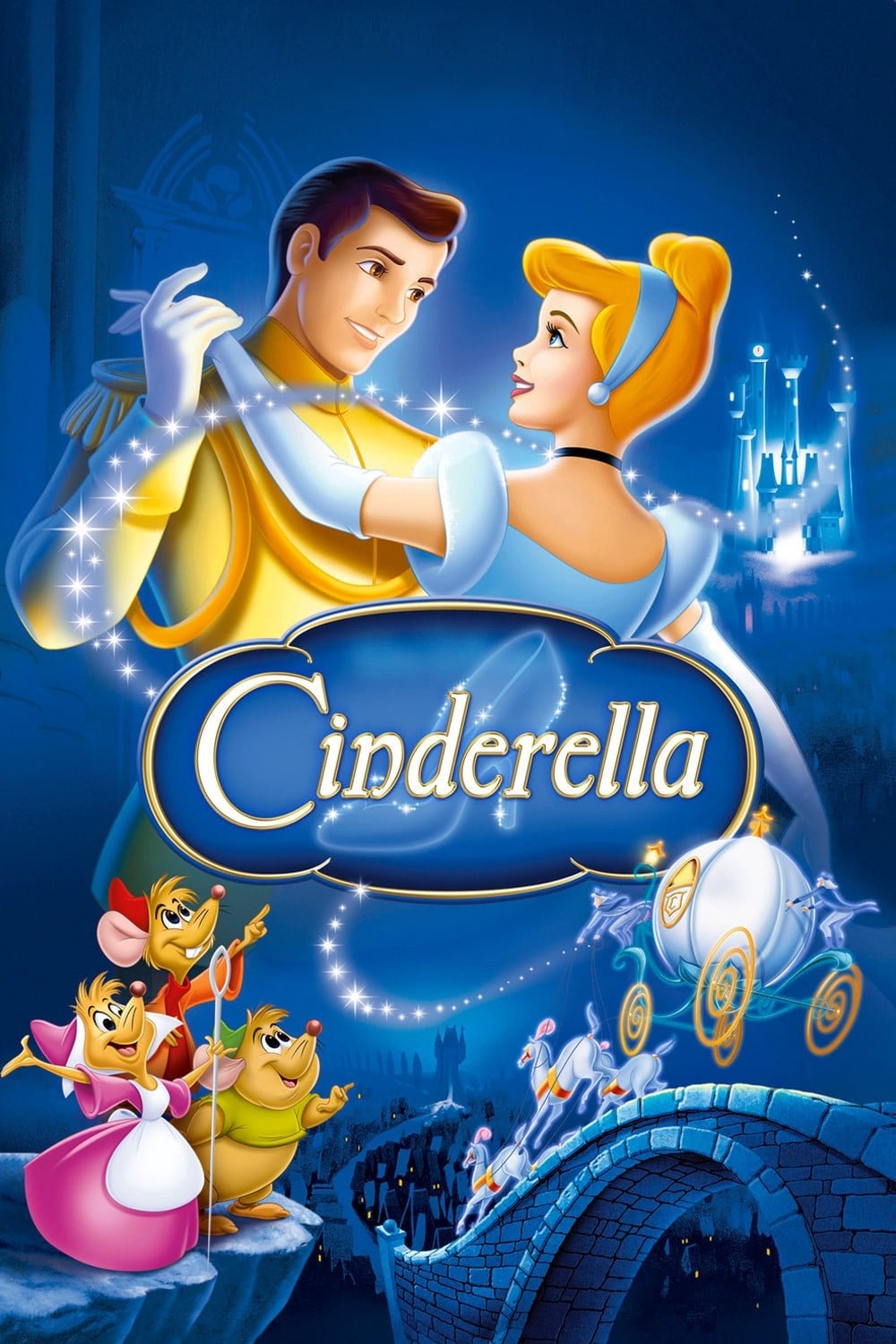
Walt Disney’s Cinderella takes the Charles Perrault story and does almost nothing clever with it. The girl is good, the stepmother is bad, the shoe fits. What the three directors, Clyde Geronimi, Hamilton Luske and Wilfred Jackson, add is a small cast of animals, a cat with real menace, and a running time of 74 minutes in which not a great deal is wasted. It is a good film, and it is good mostly at the edges, where the people are not.

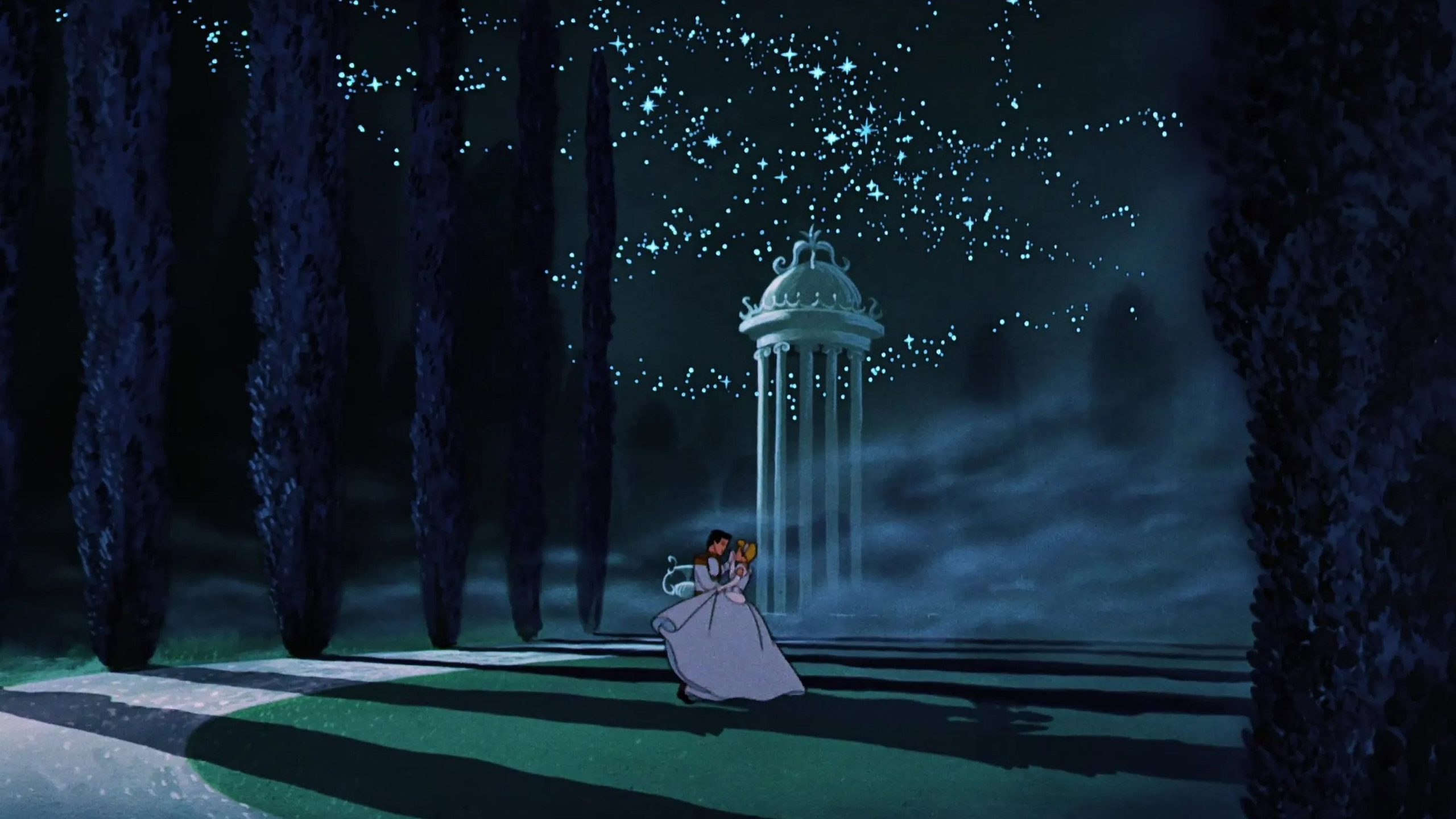
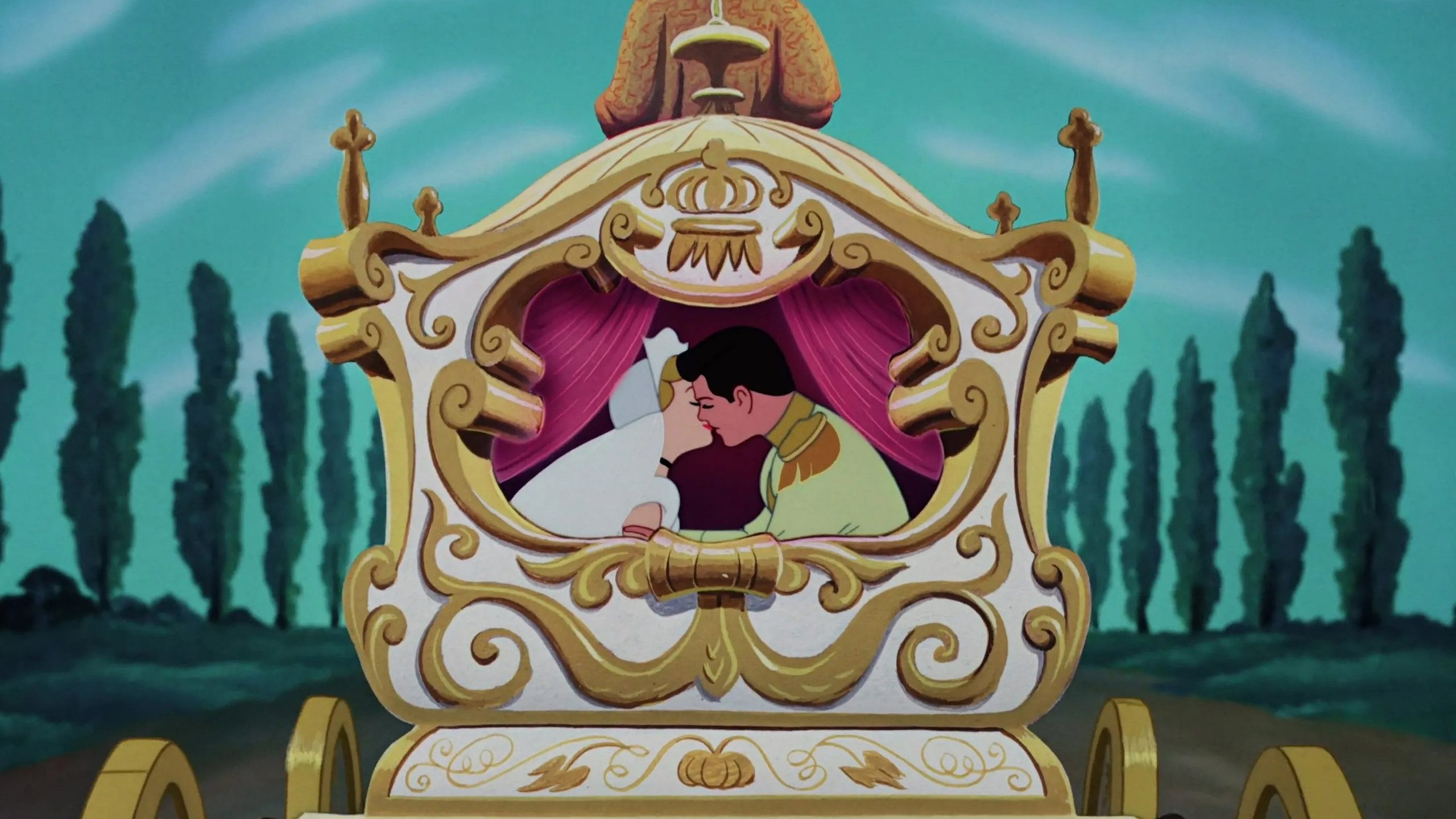
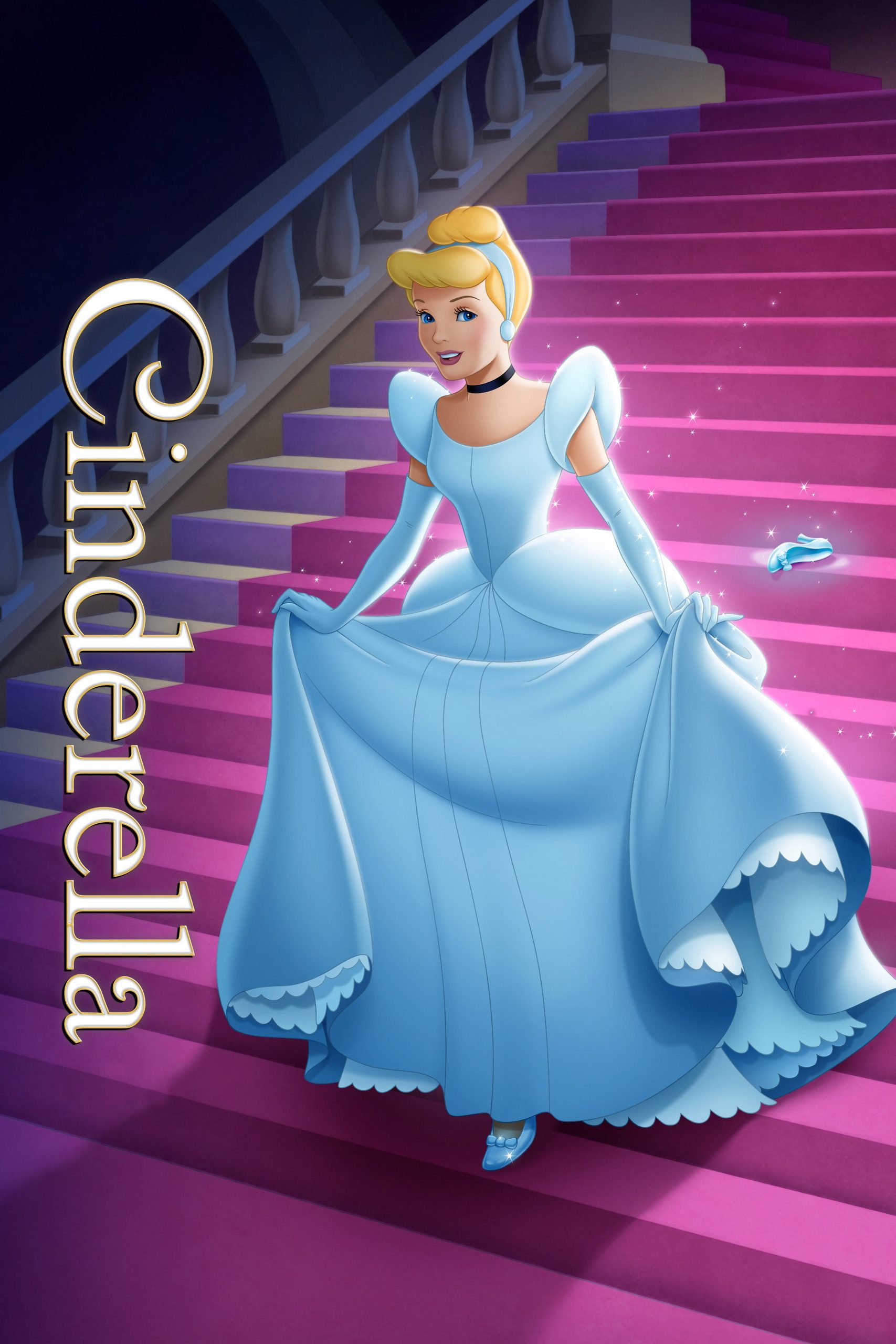
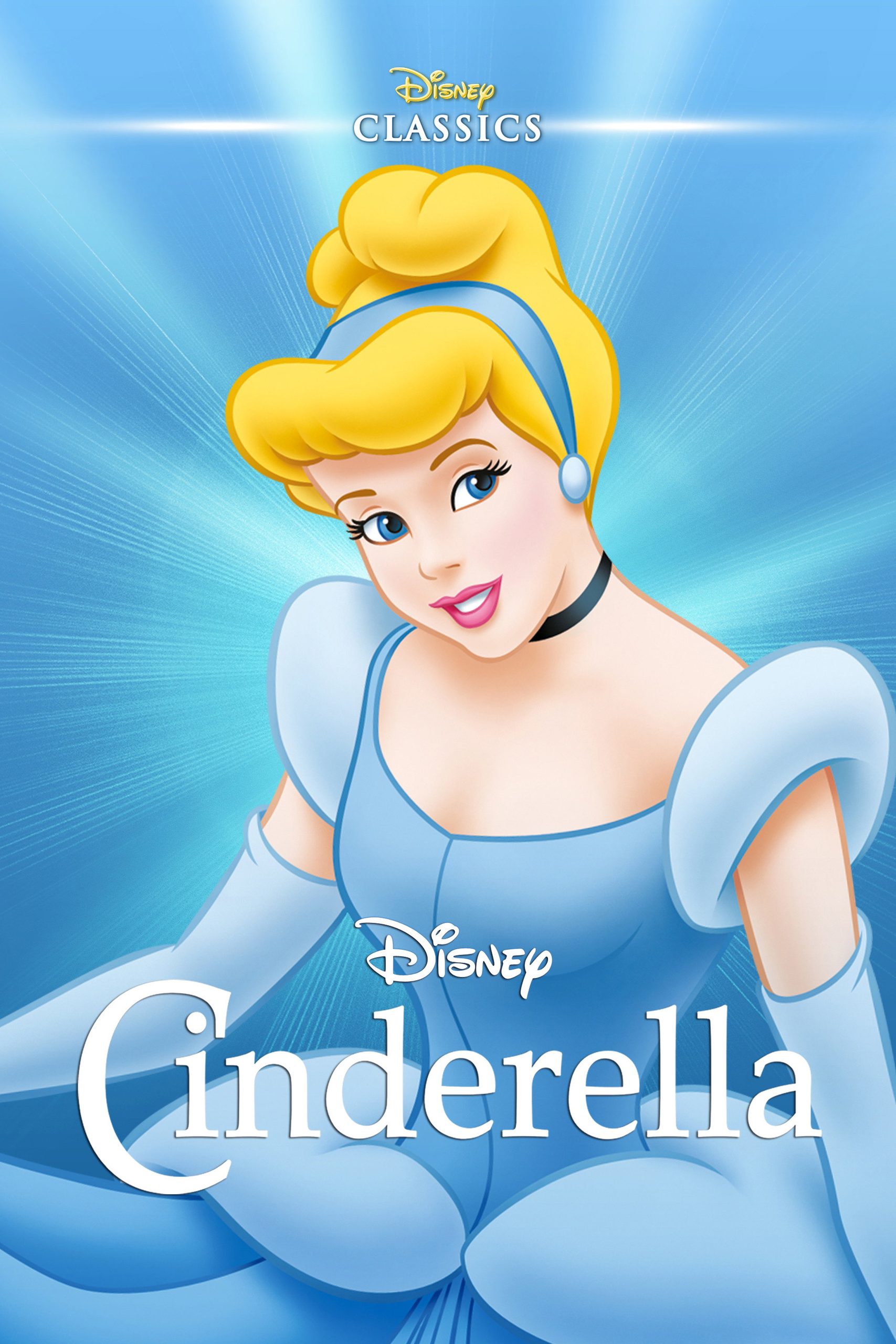
The centre is the trouble, and it was the trouble in 1950 too. Cinderella, voiced by Ilene Woods, is patient, tidy and pleasant, sings beautifully, and wants almost nothing except a night off. Woods gives her a low, sensible warmth that is more likeable than the drawing, which is a doll with good posture. The Prince barely speaks. Mike Douglas supplies his singing voice for one duet, and that is the whole of his personality. When the film asks us to care whether these two find each other, we found we were checking on the mice instead.

The mice, happily, are excellent. Jaq is thin and quick and in charge; Gus is round, new, and cannot carry more than two grains of corn without dropping one. Jimmy MacDonald voices both in a speeded-up chatter you have to lean into, and the animators give them a whole physical comedy of climbing, hauling and hiding. Their enemy is Lucifer the cat, who is drawn with a face that can smile, and who is the first Disney animal we can remember who plans. Every scene with the cat and the mice has a shape: a goal, an obstacle, a near miss. It is the tightest storytelling in the film.

Then there is Lady Tremaine. Eleanor Audley plays her with a voice that never rises, and the design gives her a long grey face and eyes that catch the light like a cat’s. She never lays a hand on Cinderella. She simply finds one more task, or turns a small permission into a small trap, and Audley makes every “of course” sound like a door closing. The stepsisters, Drizella (Rhoda Williams) and Anastasia (Lucille Bliss), are drawn as grotesques and voiced to match, all elbows and shrieking, and their music lesson is the funniest scene in the film that does not involve a mouse.

We should own one reaction. There is a scene, roughly halfway, involving a dress and the stepsisters, which we will not describe, and which upset us far more than we expected a film with a U certificate to manage. It works because the film has spent its first half showing how long and how many small hands it took to make the thing, so that when it is undone in seconds we felt the cost. That is the storytellers’ patience paying off, and the story is credited to eight of them, among them Bill Peet, Ken Anderson and Ted Sears.

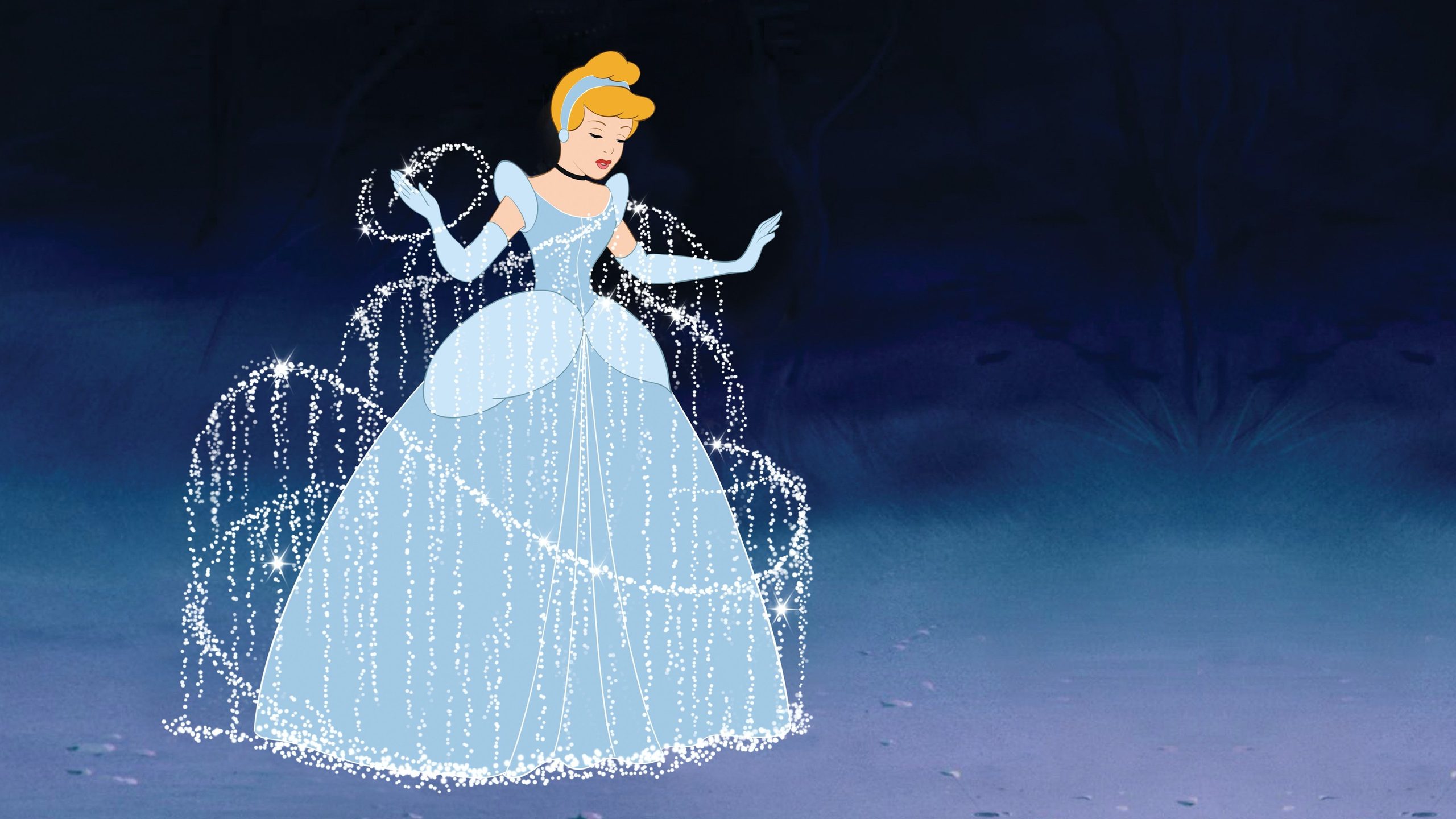
Verna Felton’s Fairy Godmother arrives late, bustling and forgetful, with a wand she cannot find, and the transformation she sets off is the loveliest stretch of animation here. The dress builds itself out of light. Earlier, Cinderella sings to her reflection in a row of soap bubbles, each carrying a slightly different copy of her, and it is the kind of small visual idea the film could have used more of. The score by Oliver Wallace and Paul Smith is handsome and stays out of the way; the songs are simple and stick, “A Dream Is a Wish Your Heart Makes” most of all. Donald Halliday cuts it tight, and scenes end when they have finished.

Against the studio’s own standard it sits below Snow White and the Seven Dwarfs (1937) and Pinocchio (1940), which had grander frights and stranger imaginations. It is also steadier than either at the level of the individual scene, and it never sags. The colour is bright and occasionally too sweet. The King and the Grand Duke, both voiced by Luis van Rooten, are a good double act of bluster and nerves.

Show it to a child and watch the child watch the cat. Watch it yourself for Audley, whose stepmother has not dated a day, and admit that you cannot remember the Prince’s face by the time the credits end. Nobody can.
Critical consensus AI synthesised

69
Positive
4
Mixed
2
Negative
0

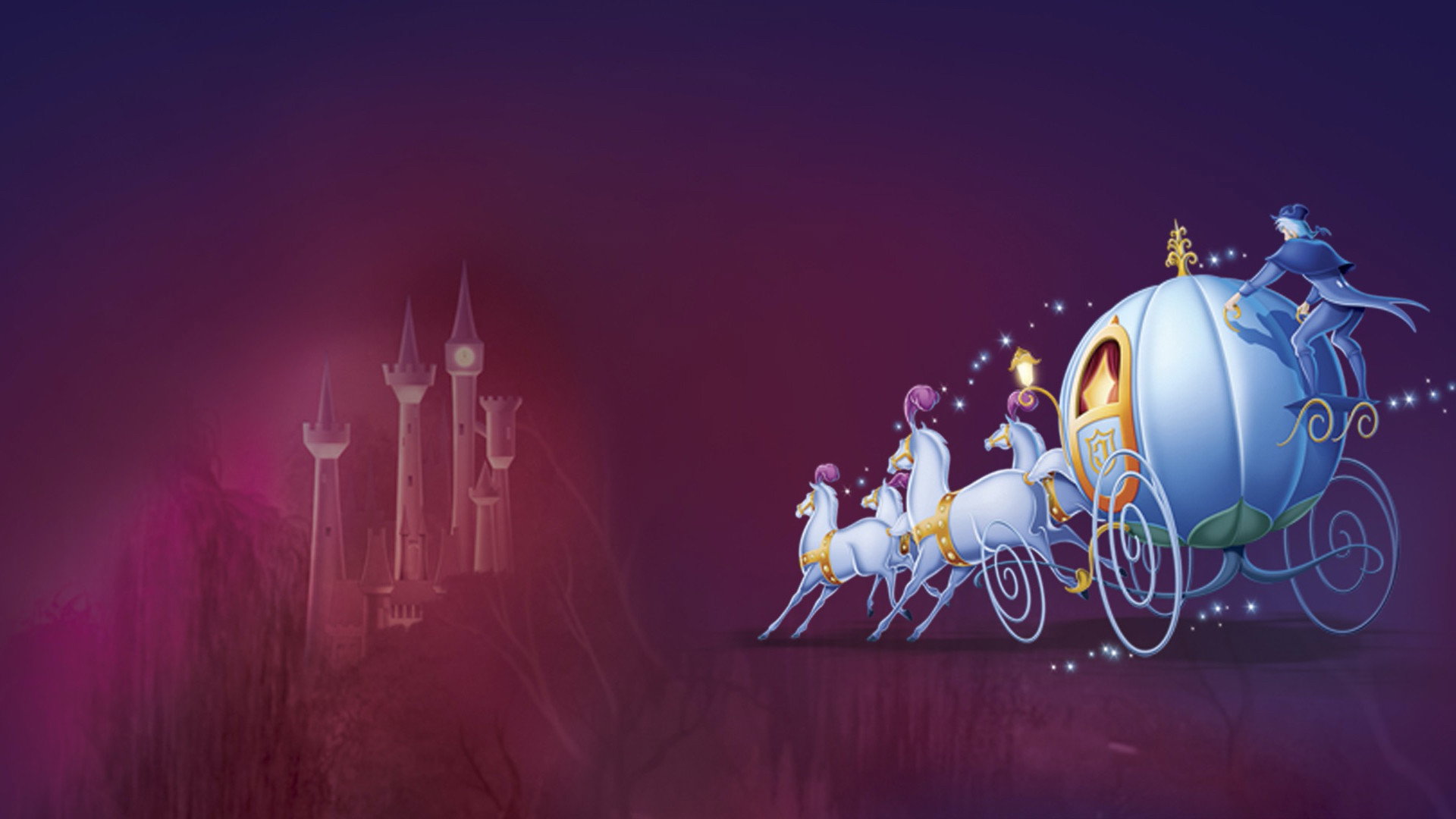
Most critics like Cinderella, and they like it for the same reason: the animals. The mice, the cat and the Fairy Godmother draw the warmest notices across six decades of reviews, along with the songs and the score. Several also single out small pieces of design, from the colour scheme and soap-bubble reflections to the stepmother’s look, and the midnight flight is picked out as the film’s most dramatic sequence.

The reservation is just as consistent. Nearly every review finds Cinderella and the Prince bland, doll-like figures beside the livelier supporting cast, and the spread is narrow, running from lukewarm to warm with no outright dismissal. Sight and Sound is the coolest, placing it below Snow White and Pinocchio and objecting to the colours and songs others enjoy. Slant Magazine takes a different line, finding the animation effective but the romantic ideal unhealthy. Eye for Film stands alone in defending Cinderella herself as a sensible, modern heroine.

RogerEbert.com
20 November 1987 · Roger Ebert
80*

The animation and lively animal characters keep the film engaging and exciting even on re-viewing decades later. Some central human characters feel bland and typical of the postwar 1950s era, but the story and details still work well.

Read the full review →
Empire
1 January 2000
70*

The critic notes that the film has lost some lustre due to bland lead characters compared to later Disney works, but praises the supporting comic elements like the Fairy Godmother, mice, score, and villainous cat for providing charm and maintaining its popularity. Overall, it is seen as beautiful, classic, and enjoyable family entertainment despite the flaws.

Read the full review →
Variety
31 December 1949 · Variety Staff
70*

The film succeeds more with its clever animal characters than with the bland, doll-like central figures of Cinderella and the Prince. Inventive supporting characters, solid musical numbers and strong songs stand out.

Read the full review →
Slant Magazine
4 October 2005 · Eric Henderson
60*

The critic finds the direction sensible and the animation effective in its simplicity, especially the mice sequences and the stepmother's design, but argues the film promotes harmful unrealistic romantic ideals.

Read the full review →
Sight and Sound
1 February 1951
55*

The critic views it as a return to earlier Disney style and more successful than recent films, though it falls short of Snow White and Pinocchio due to factory methods. Praise goes to the animals, the King and Chancellor, the Fairy Godmother, and dramatic scenes like the midnight flight; complaints target the cutie doll figures, grotesque sisters, vulgar colors, and slushy songs.

Read the full review →
Eye for Film
13 April 2011 · Amber Wilkinson
80*

The critic finds Disney's traditional retelling of the Perrault tale enjoyable largely due to its subsidiary animal characters and slapstick, along with artistic touches like color design and soap-bubble reflections. Cinderella herself is seen as a pleasant, smart, and modern heroine whose story still teaches worthwhile lessons about kindness and dreams.

Read the full review →

Cast

Awards

Academy Awards, 1951

Nominated
Best Original Musical Score
Nominated
Best Sound

Berlin International Film Festival, 1951

Won
Golden Bear

If you liked this, try…

Sleeping Beauty poster

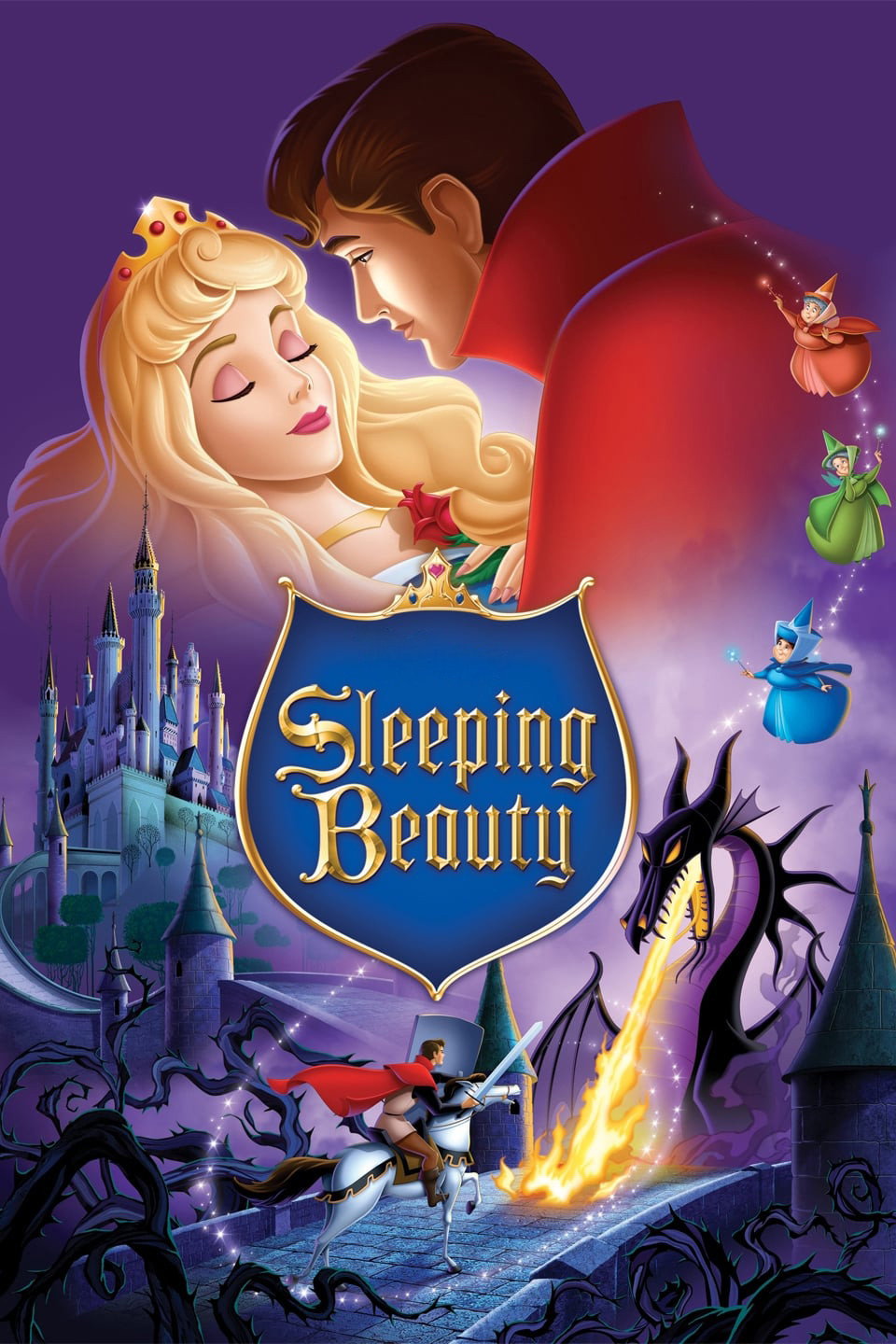
Sleeping Beauty

1959 · Eleanor Audley again, as Maleficent, in Disney’s most elegantly drawn fairy tale.

La Belle et la Bête poster

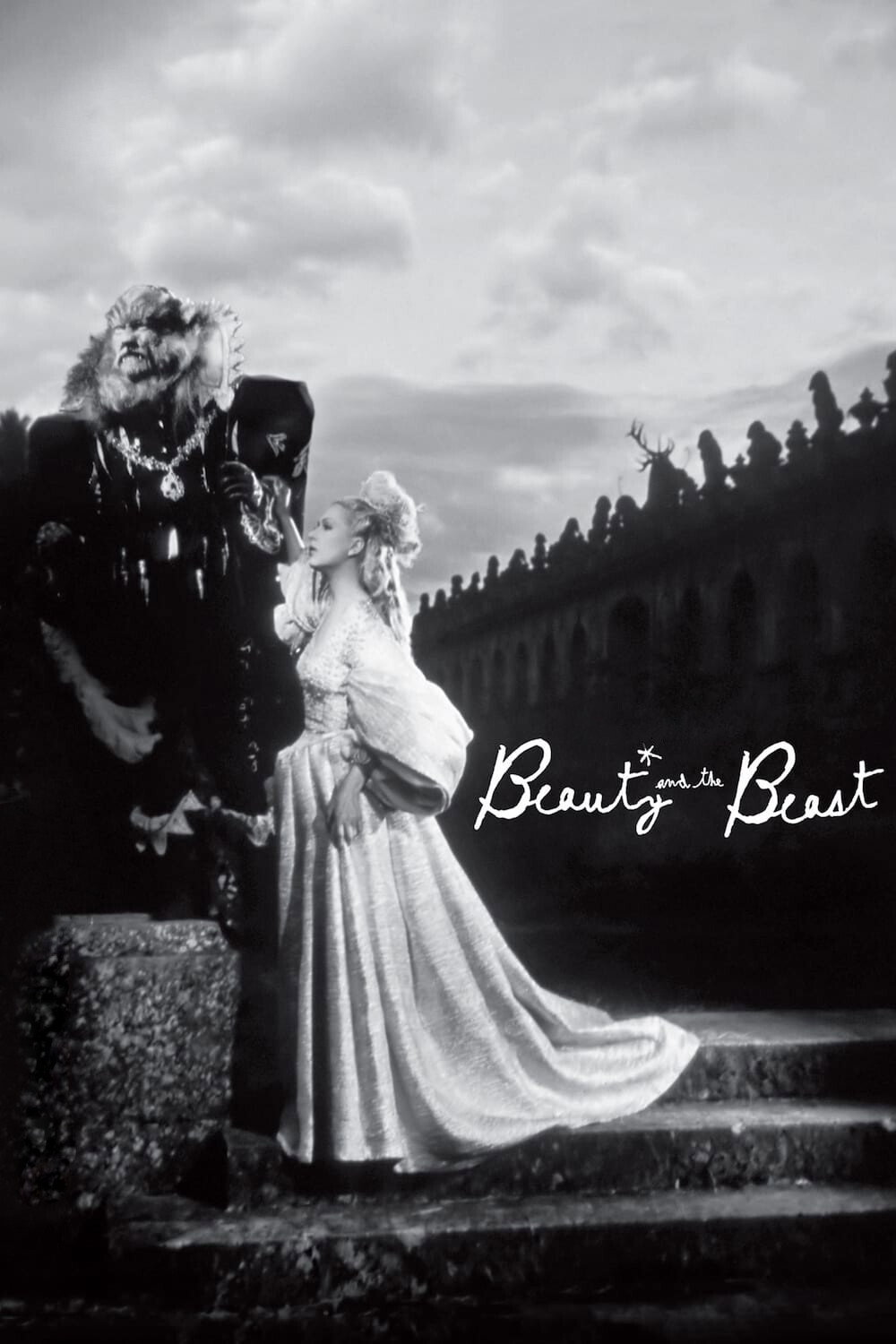
La Belle et la Bête

1946 · Cocteau’s live-action fairy tale, all candlelit corridors and arms holding the lamps.

Three Wishes for Cinderella poster

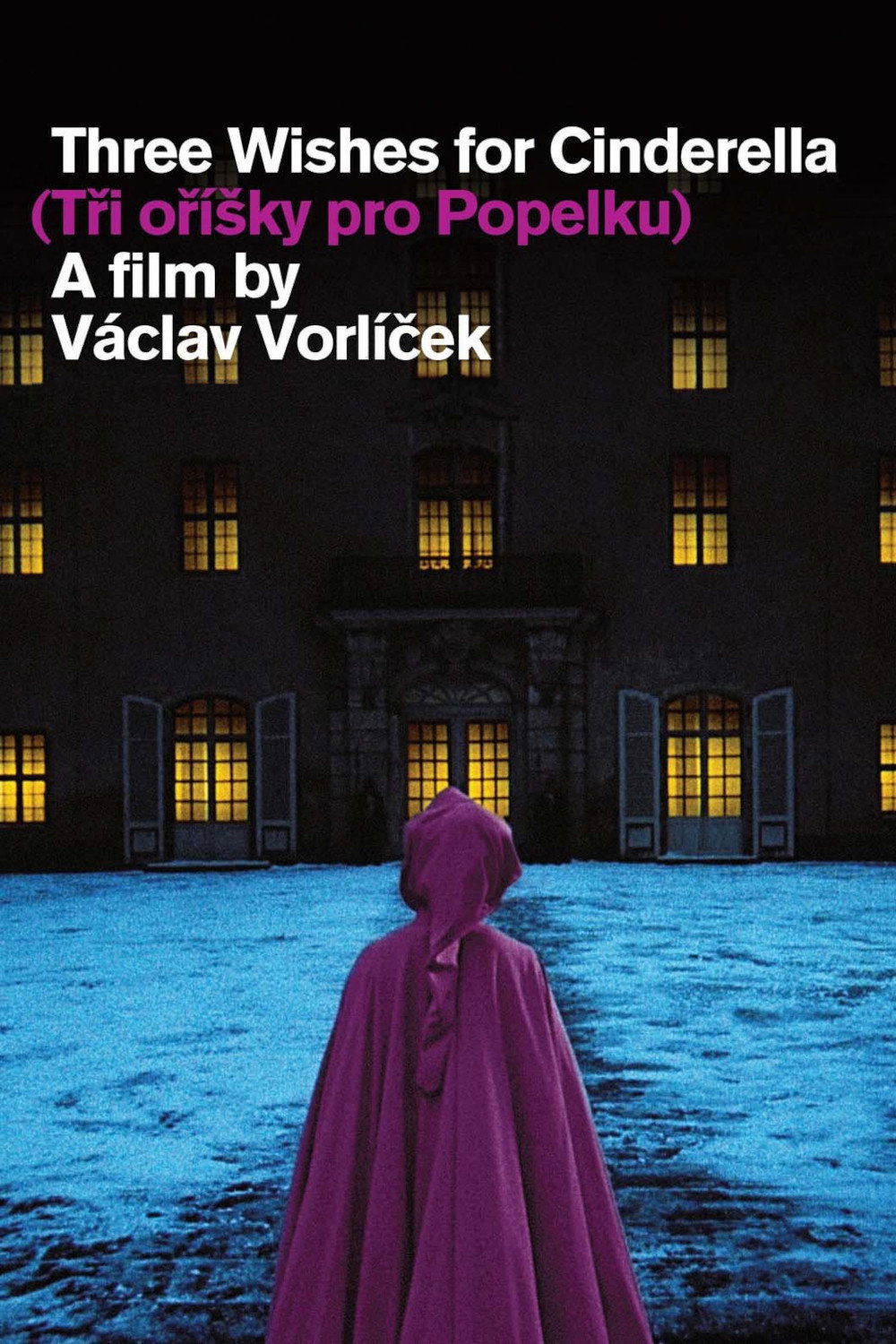
Three Wishes for Cinderella

1973 · The Czech version, with a heroine who rides, shoots and answers back.

The Slipper and the Rose poster

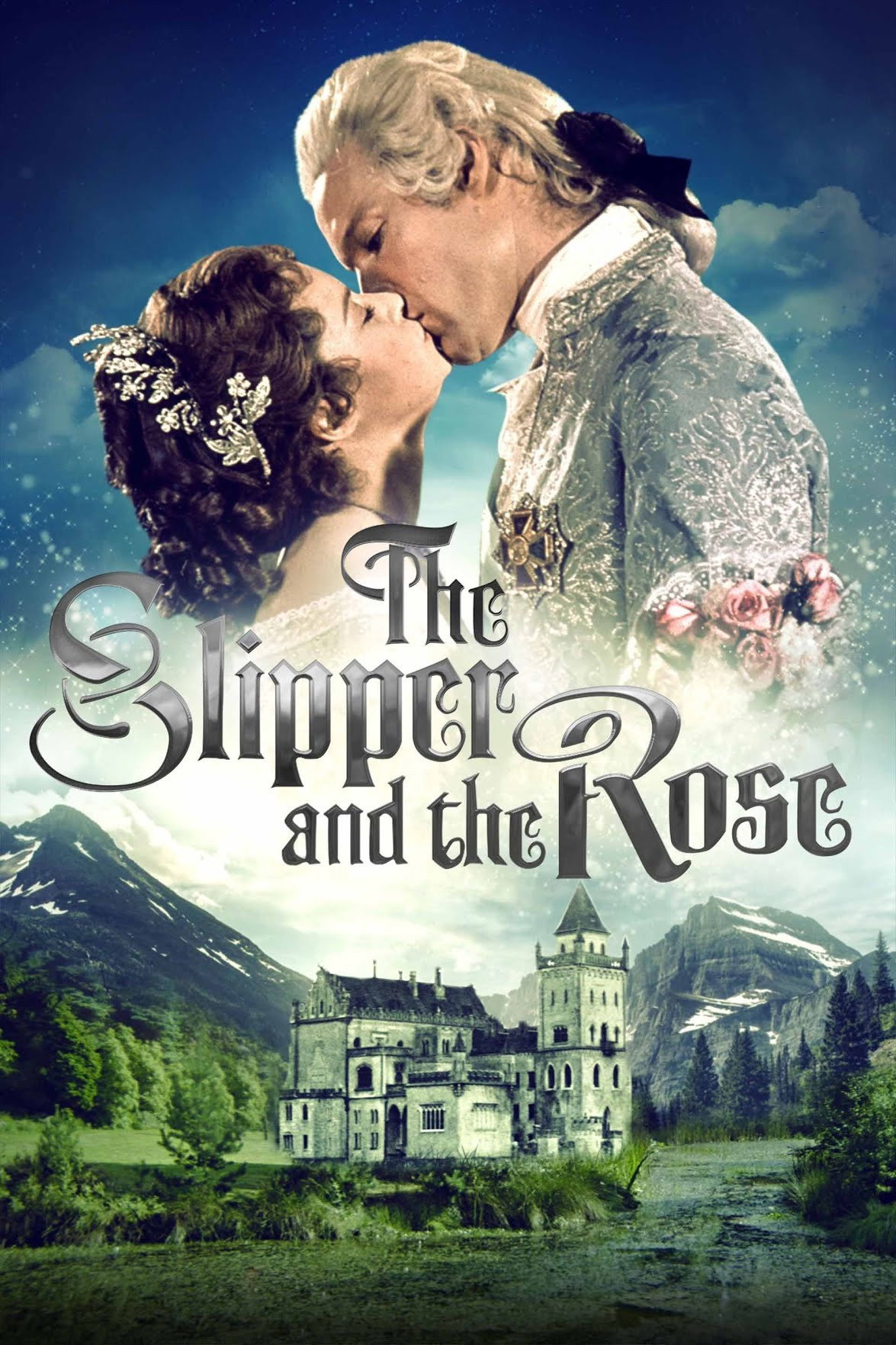
The Slipper and the Rose

1976 · A British musical Cinderella, long and lavish, with Richard Chamberlain’s prince given a personality.

Ever After poster

Ever After

1998 · Drew Barrymore’s Cinderella with no magic at all and a stepmother worth fearing.