Film review

Snow White and the Seven Dwarfs

1938 · Directed by David Hand, Ben Sharpsteen, William Cottrell, Larry Morey, Perce Pearce, Wilfred Jackson · 1h 23m · MPA G

In a sentenceThe heroine is a wisp, the prince a coat stand, and the film belongs to a woman shouting at a mirror

FantasyAnimationFamily

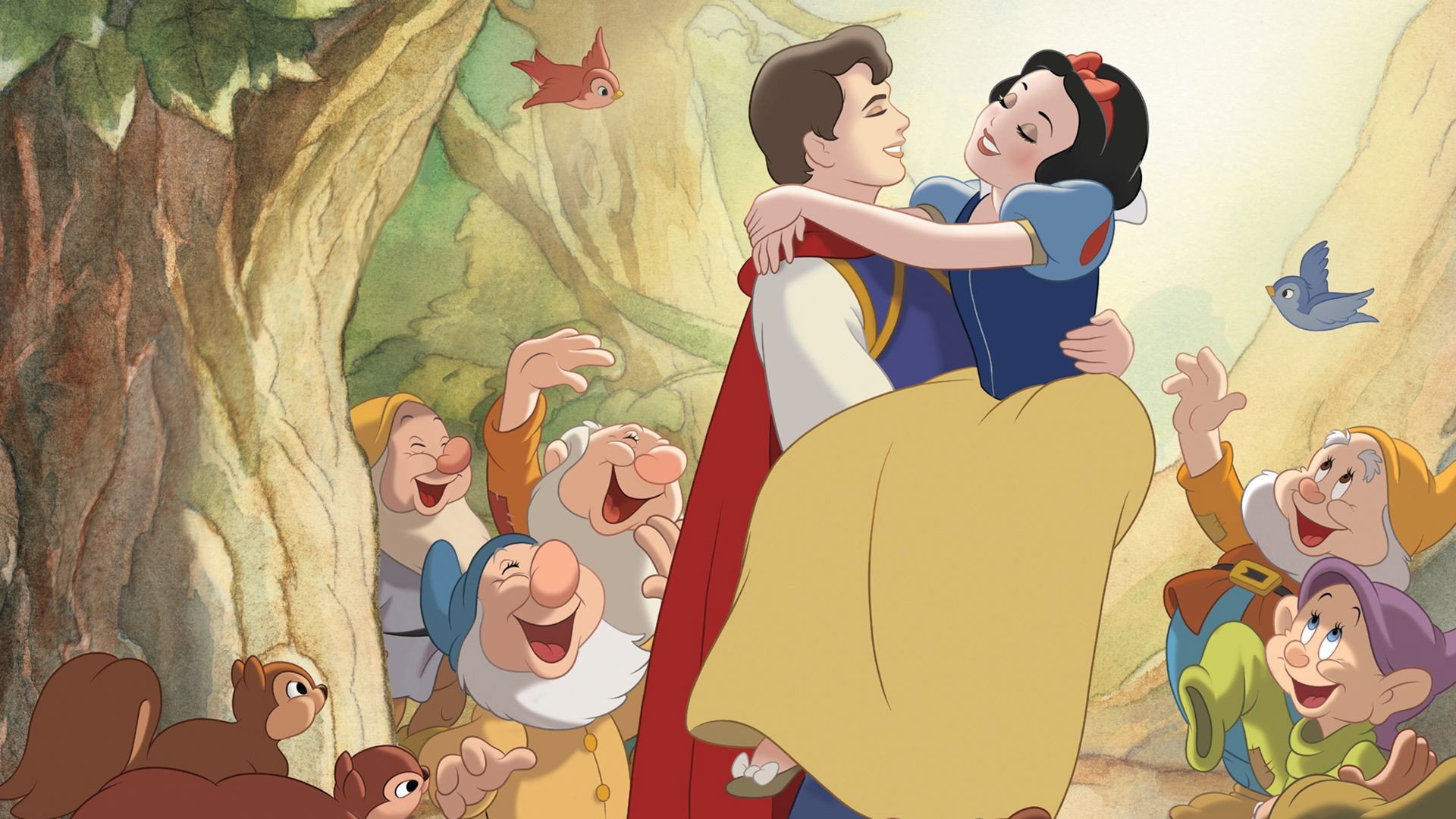
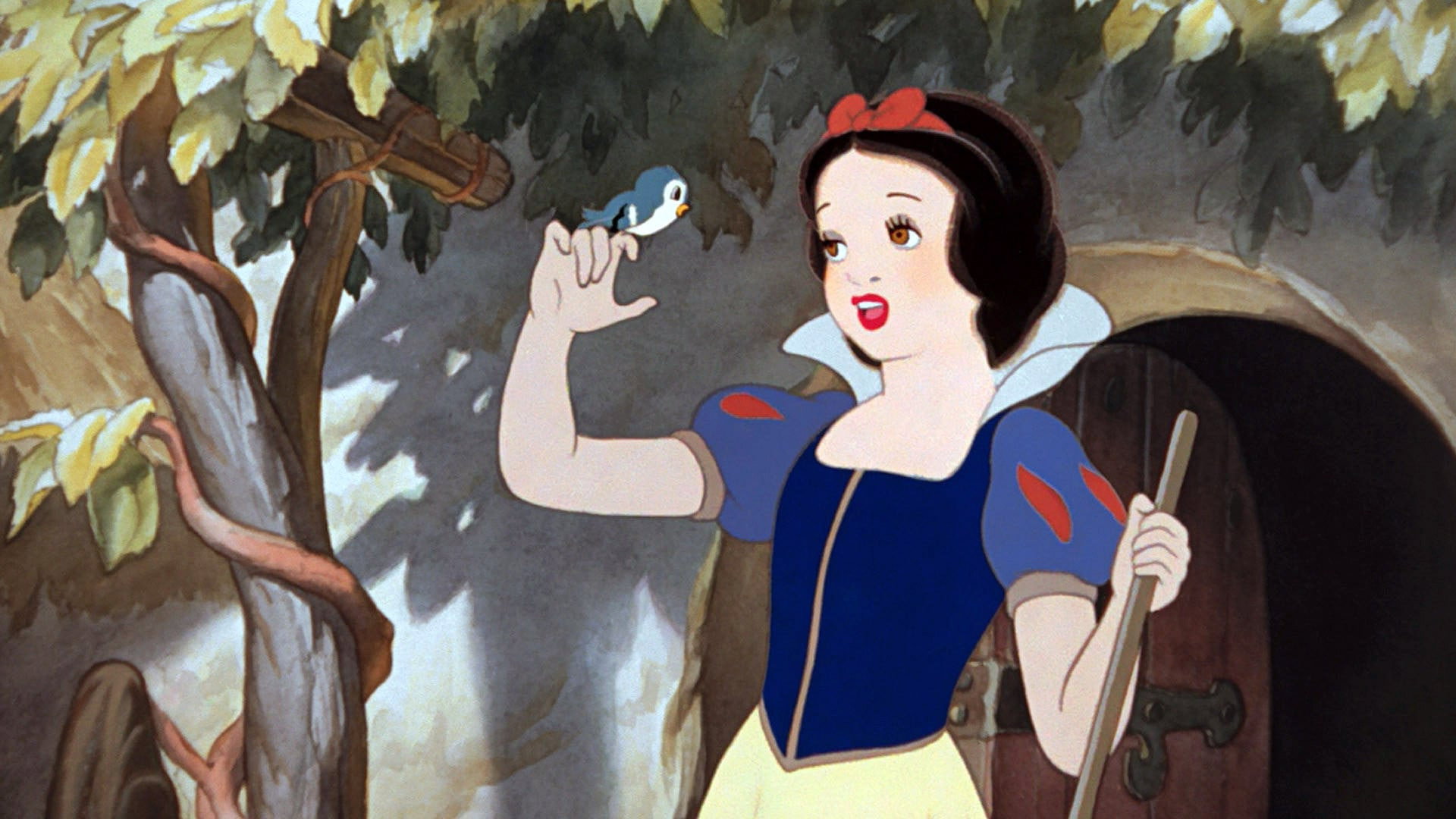
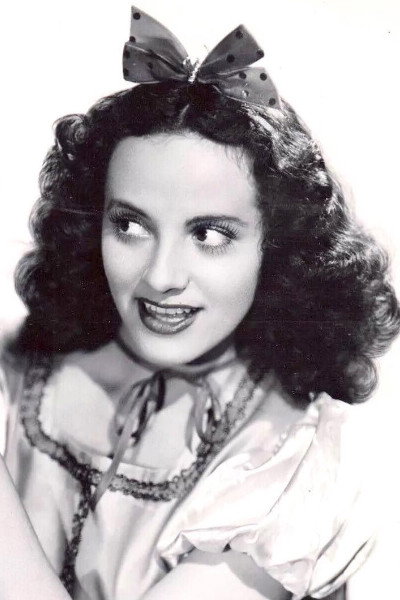
Snow White (Adriana Caselotti), a princess, scrubs the castle steps because her stepmother the Queen (Lucille La Verne) will not have a rival. Each day the Queen asks the Magic Mirror (Moroni Olsen) who is fairest, until it names the girl. The Queen orders her huntsman to take Snow White into the forest and bring back her heart in a box. He cannot, and tells her to run. She flees through a wood that seems to reach for her, finds an untidy cottage with seven small beds, and cleans it with the animals’ help. At dusk its owners march home from the mine, singing: Doc (Roy Atwell), Grumpy (Pinto Colvig), Dopey (Eddie Collins) and four others.

Fi1m review

The first feature-length Disney film still frightens and still charms, and its Queen is one of the great screen villains. Its heroine is barely there and its prince less so. See it anyway; nearly everything animated that followed is standing on it somewhere.

Walt Disney’s studio had spent years on short cartoons when it tried a feature, and the question when this reached British cinemas on 24 February 1938 was whether anyone would sit through 83 minutes of drawings. Six directors share the credit, eight writers worked on the script, and the story is the Grimms’ tale with the cruelties trimmed and the dwarfs given names. It is still worth an evening. The surprise is not that it holds up but how strange and how dark it remains.

The Queen is the reason. Lucille La Verne voices her low and level, a woman who has never had to repeat herself, and the animators draw her in long straight lines and hold her still while everything else in the film bounces. She stands before the Magic Mirror (Moroni Olsen), a face that surfaces in smoke and tells her the one thing she does not want to hear, and the film’s coldest moments are hers. La Verne also voices the crone the Queen later becomes, and we will not describe how or where that goes, except to say that the cellar is the best-drawn room in the film and the one we thought about on the way home.

We were frightened, and we are a long way past five. Snow White (Adriana Caselotti) runs from the huntsman into the forest and the forest turns on her: trunks grow faces, branches become hands, a floating log opens its jaws, and dozens of eyes come on in the dark. Bill Melendez cuts it faster and faster until she falls, and then the light comes up and the eyes are rabbits and deer. The relief is as well judged as the terror. We had forgotten how long the film is prepared to keep a child in the dark before it lets her out.

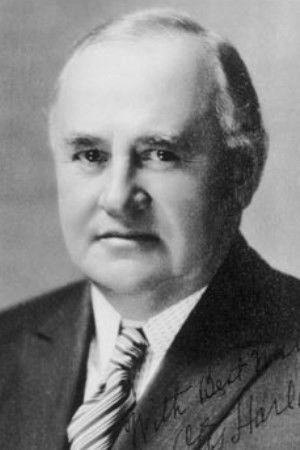
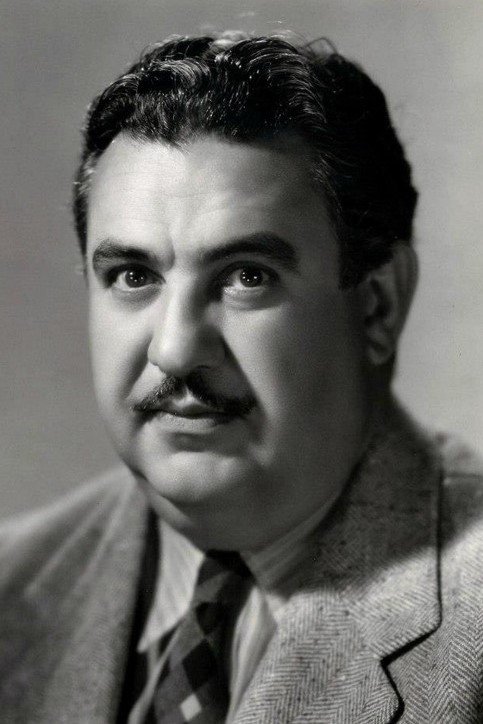
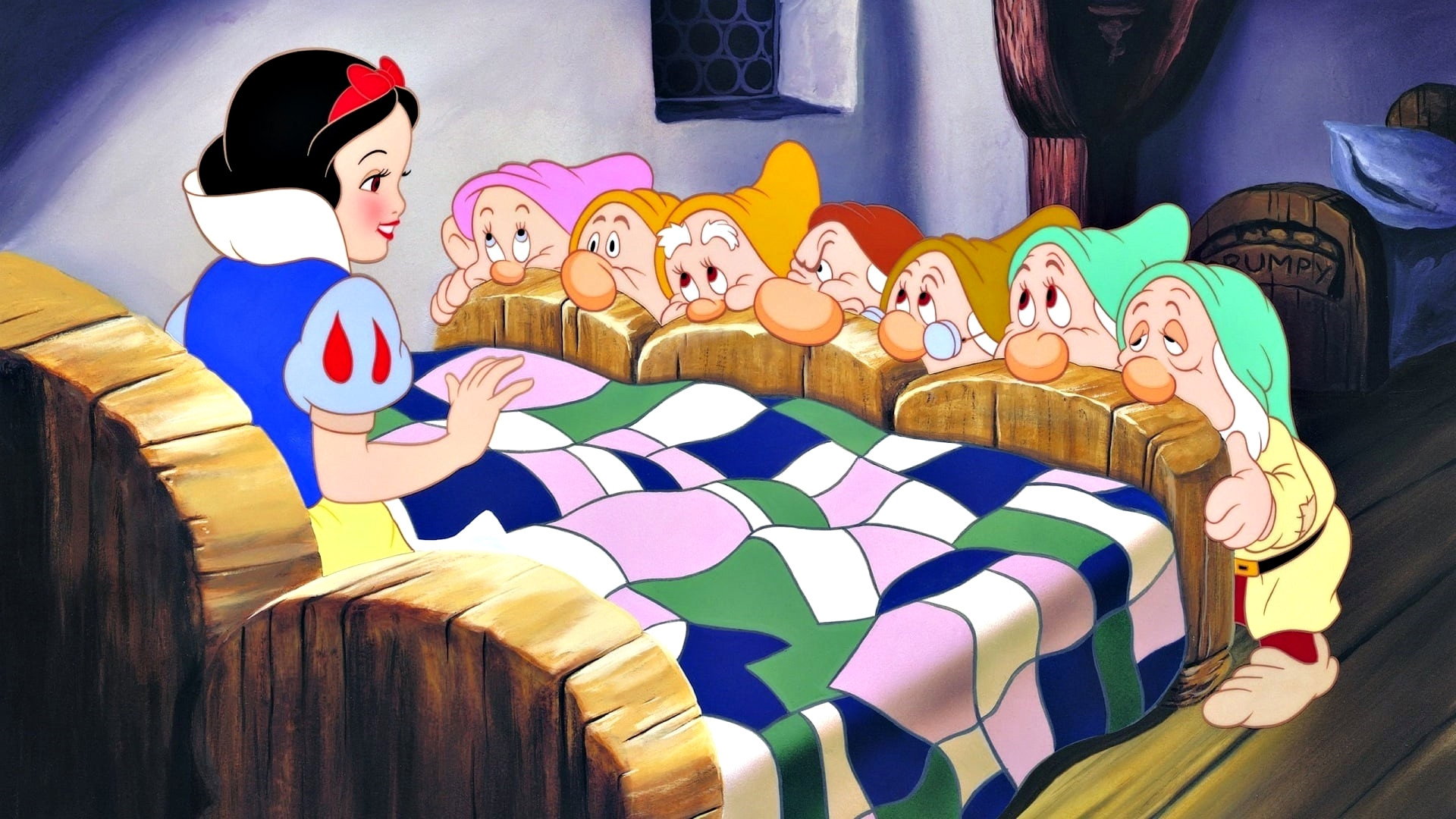
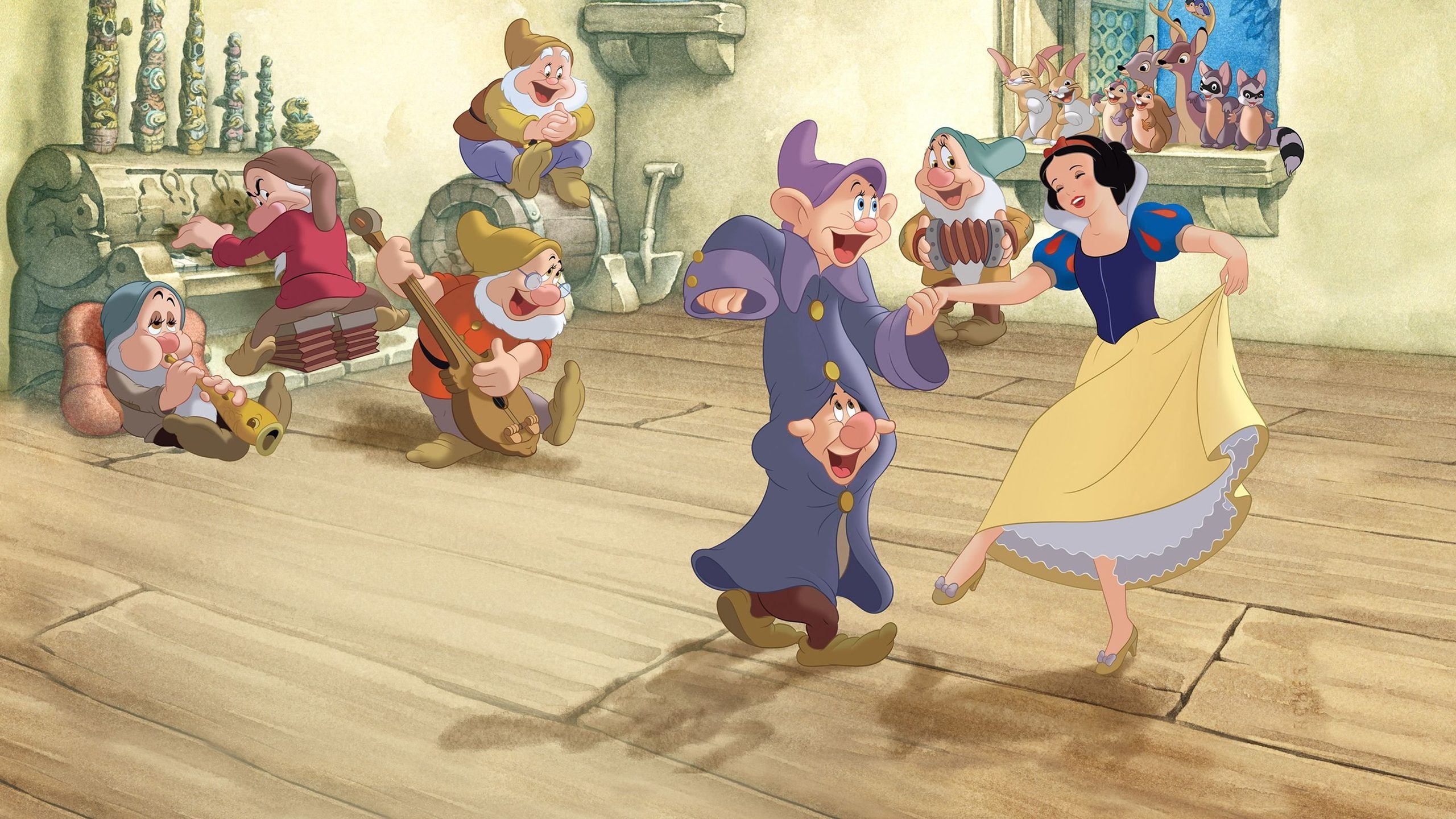
Then the dwarfs come home and it becomes a comedy. Doc (Roy Atwell) leads and tangles every sentence he starts. Grumpy (Pinto Colvig) refuses to be won over and is, slowly, which is the film’s one properly written change of heart. Dopey (Eddie Collins) never speaks and steals most scenes he is in; we laughed out loud when he rearranged his ears and again when he tried to swallow a bar of soap. Happy (Otis Harlan), Bashful (Scotty Mattraw), Sneezy (Billy Gilbert) and Sleepy (Colvig again) make up the seven, and the washing scene, in which seven small men are made to face a tub of water, is the funniest thing in it.

What does not work is the middle of the story, which is Snow White herself. Caselotti’s soprano is thin and the character is thinner: she cooks, cleans, scolds and waits, and she wants nothing of her own beyond a man she has met once. That man, the Prince (Harry Stockwell), appears at a well, sings, and is then largely absent. The dwarf business, good as much of it is, also stalls the plot for the better part of half an hour. One critic has called the whole film insipid and badly paced. On the middle stretch we see the point; on the rest we think they are wrong.

The songs are the other reason it survives. Frank Churchill, Paul Smith, Leigh Harline and Edward H. Plumb are credited with the music, and Whistle While You Work and Heigh-Ho are the ones people still know, but the score is at its best when it stops being songs: the low strings under the Queen, the woodwind that follows each animal down the stairs. The music moves when the drawings move, beat for beat. That habit sounds mechanical and is what gives the film its rhythm.

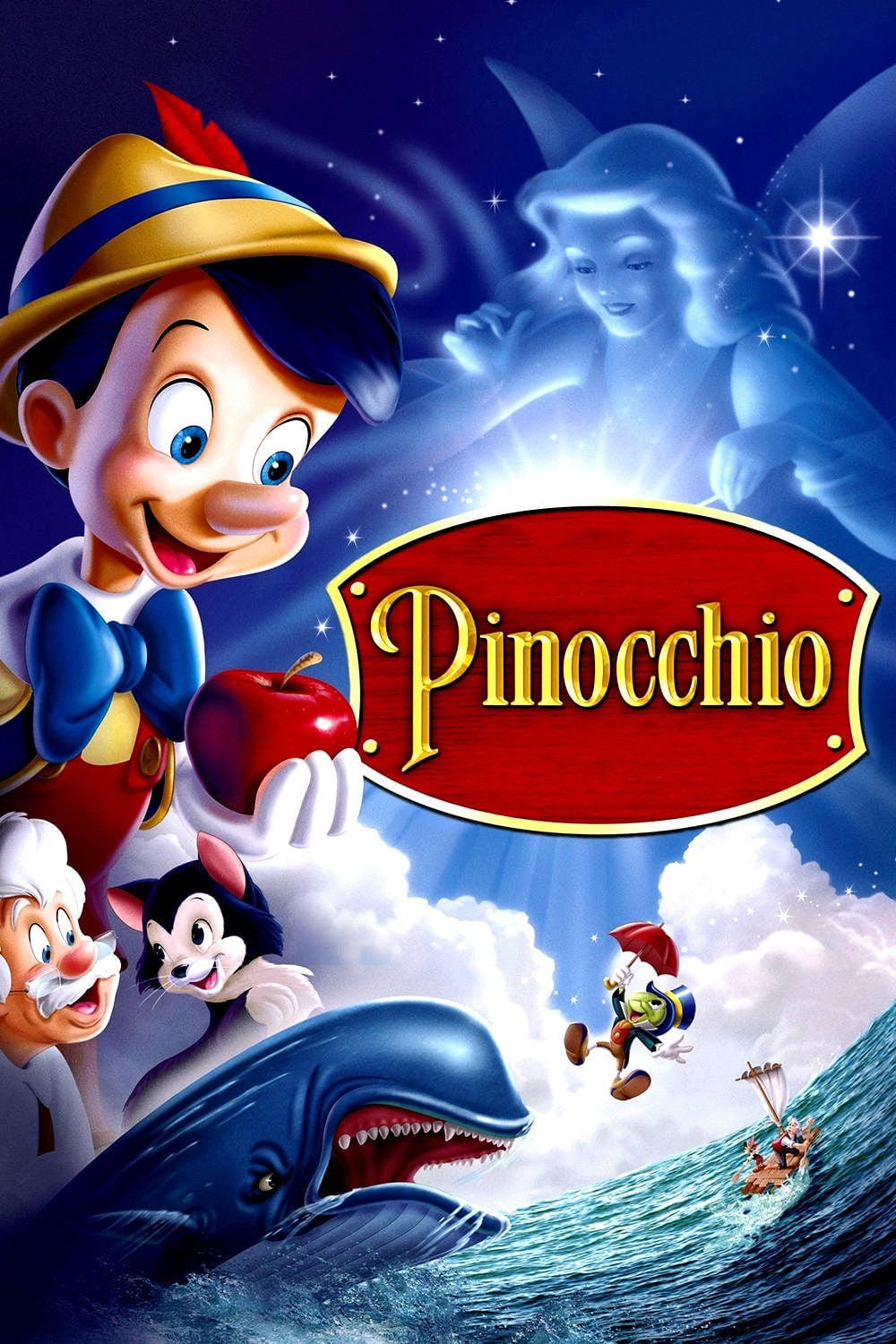
Set against what came after it, from Pinocchio (1940) on, this is the roughest and the boldest. Later features are smoother, better plotted and kinder to their heroines, and none of them is as afraid of the dark.

Watch it with a child of five, sit them where you can see them, and count how long the forest takes to work. Certificate U, 83 minutes, and a knife drawn well inside the first quarter of an hour.
Critical consensus AI synthesised

80
Positive
11
Mixed
0
Negative
1

Most critics treat the film as a landmark, and the praise clusters on the animation itself: the detail in every frame, the colour, and the way editing, camera angles and sound give the forest flight an intensity the medium had not managed before. The dwarfs and the forest animals are singled out repeatedly as the characters that still charm, and several reviews note that the songs and slapstick keep it fun for children eighty years on.

The reservations are mild and scattered. A few critics find the wicked stepmother overdone, the dwarfs’ dialogue a touch tough, or some scenes too frightening for the youngest viewers, and others allow that the animation looks dated beside what came after. The spread is narrow, with one clear dissent: Slant Magazine finds the characters insipid and the pacing abysmal, granting only the craft and the historical importance. Paste still faults the film for confining American animation to children’s entertainment.

Los Angeles Times
16 July 1987 · Charles Solomon
90*

A landmark in animation history that set box-office records and introduced big-time cinema techniques to the medium, establishing standards of emotional depth and technical skill that later features struggled to surpass. Scenes like the forest flight demonstrate unprecedented emotional intensity through editing, camera angles, color, motion, and sound.

Read the full review →
Sight and Sound
90*

The critic finds it difficult to spot flaws in this lovely film full of beauty, tenderness, fantasy and humour that perfectly captures a child's dreams. They single out the near-perfect animation that brings the dwarfs, queen and animals to life, while noting some scenes may be too scary for young children.

Read the full review →
The Hollywood Reporter
20 December 2022 · THR Staff
90*

The critic calls the film a masterpiece of entertainment for all ages that proves length is no handicap in animation. It highlights the innovative drawing, animation, color, music, and the dwarfs' comedic characters as key strengths.

Read the full review →
The New Yorker
8 January 1938 · John C. Mosher
90*

The first feature-length Disney film is entrancing and skillfully avoids the pitfalls of its length and artifice, refreshing even jaded adults with its fairy-tale charm. The director excels with animals, birds, coloring, and Snow White herself, though the wicked stepmother is somewhat overdone and the dwarfs' dialogue is a bit too tough.

Read the full review →
The New York Times
12 July 1987
90*

The film remains a landmark whose revolutionary impact on animation and cinema has been taken for granted as it became a beloved classic. Its original release set box-office records and influenced generations of artists and filmmakers.

Read the full review →
Empire
1 January 2000 · William Thomas
80*

This animated treatment does the well-known story absolute justice as a timeless classic that remains fun thanks to its scary moments, slapstick humour and memorable sing-along songs like Whistle While You Work and Heigh-Ho.

Read the full review →

Cast

Awards

Academy Awards, 1938

Nominated
Best Score, Adaptation or Treatment

If you liked this, try…

Pinocchio poster

Pinocchio

1940 · The studio’s next feature, darker still, with a whale and a better-drawn boy

The Adventures of Prince Achmed poster

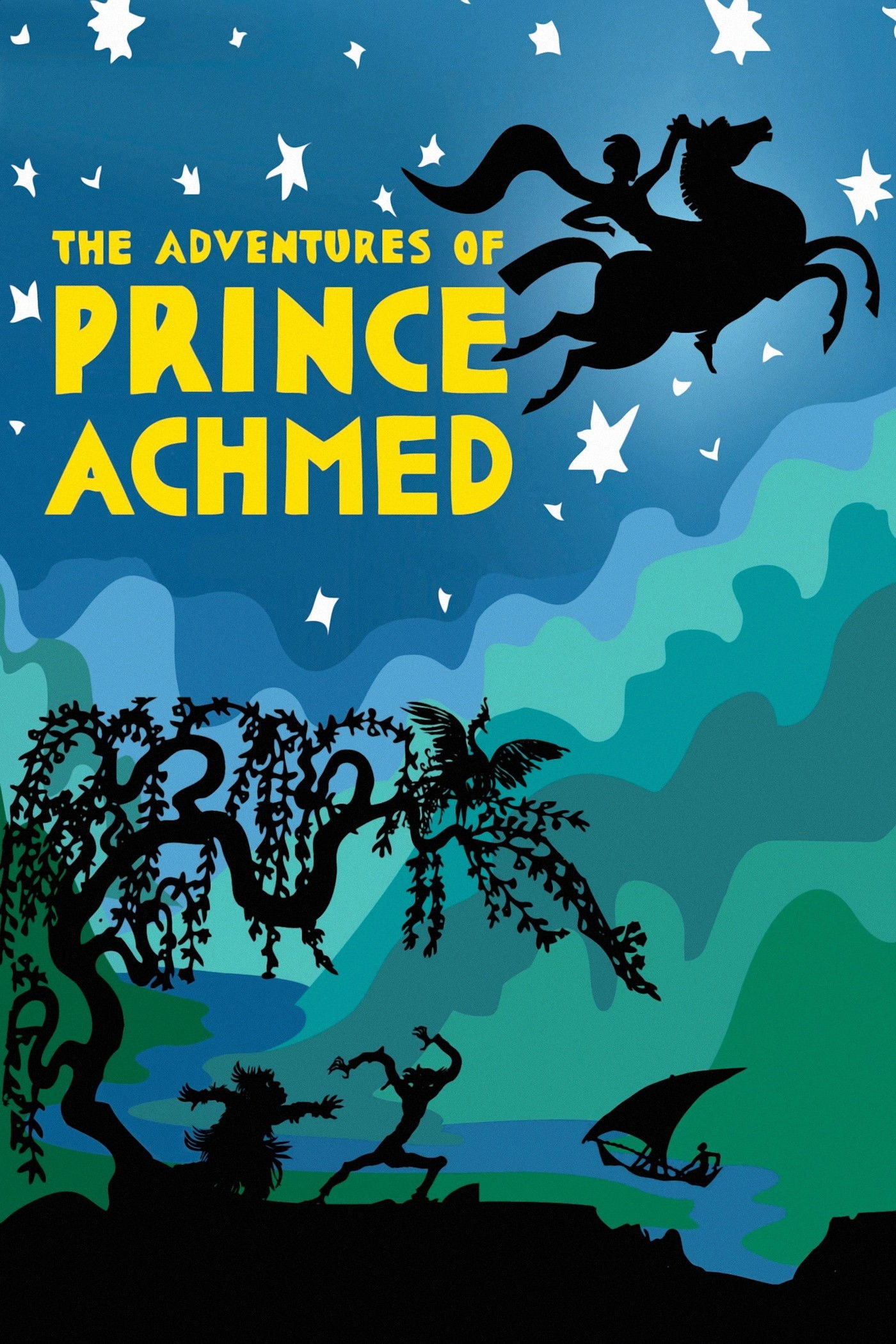
The Adventures of Prince Achmed

1926 · Silhouette animation from a decade earlier, a fairy tale cut from black paper

Spirited Away poster92

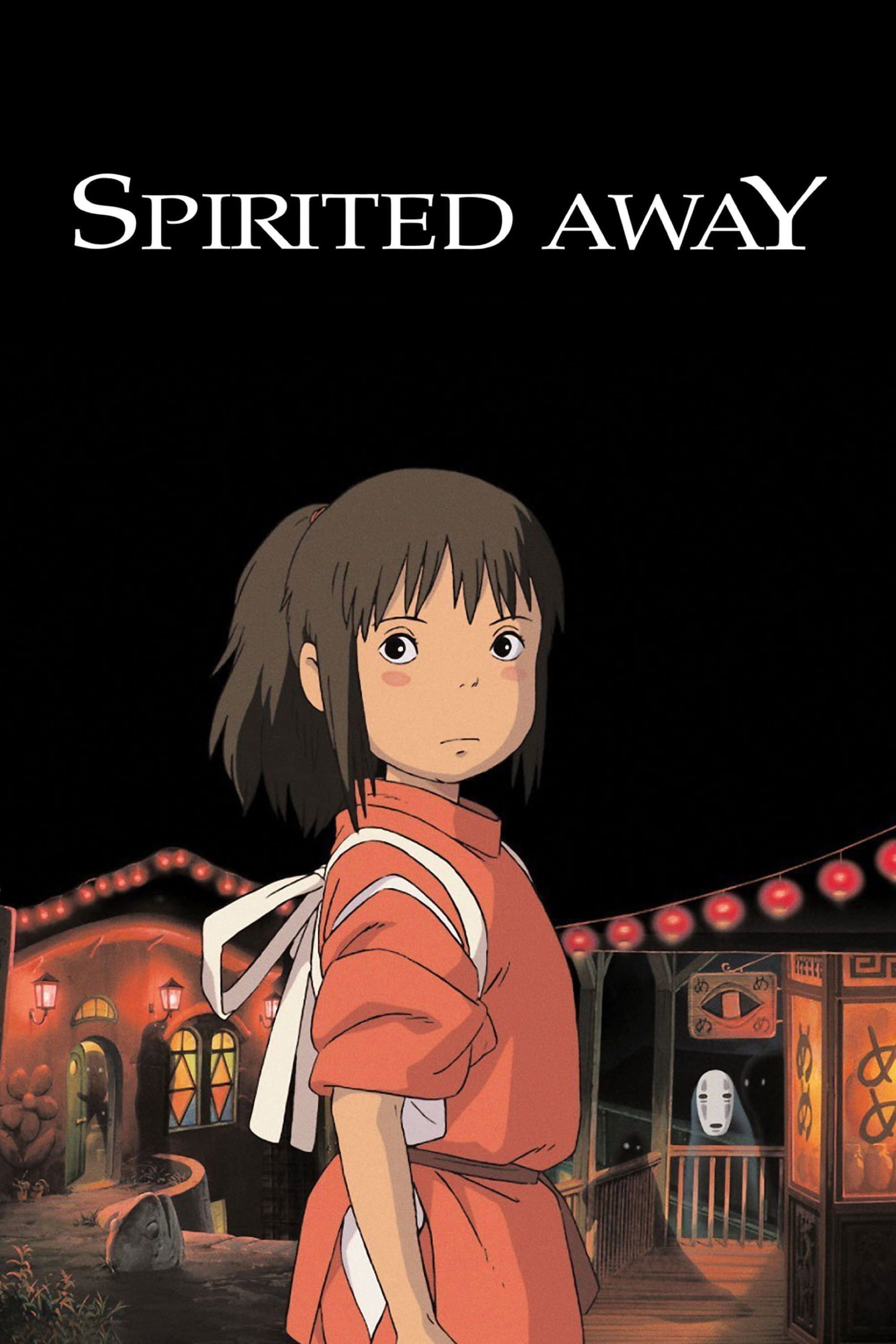
Spirited Away

2001 · A girl lost in a stranger house than the dwarfs’, and braver than Snow White

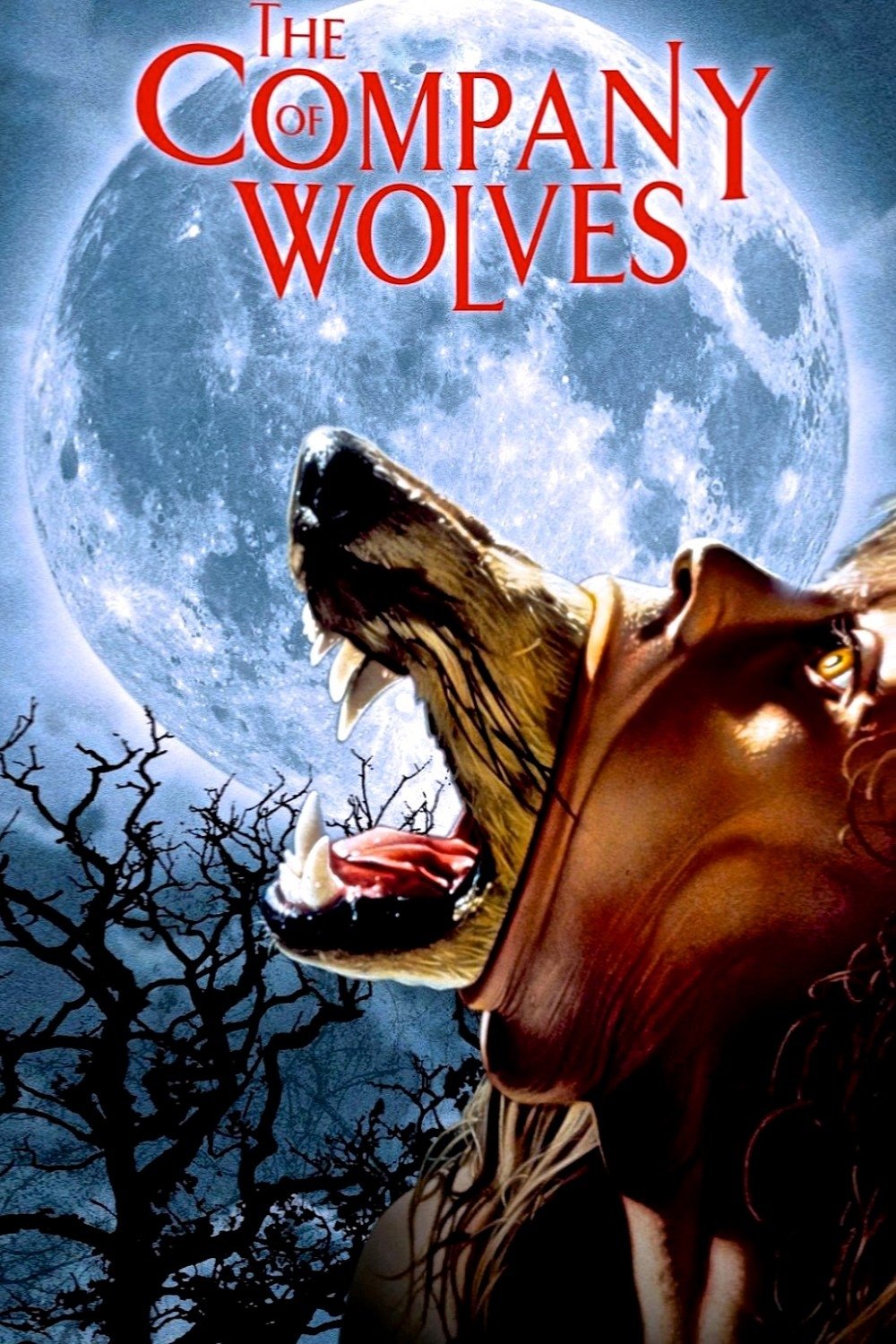
The Company of Wolves poster

The Company of Wolves

1984 · The Grimm forest for grown-ups, with the fear left in and the wolves closer

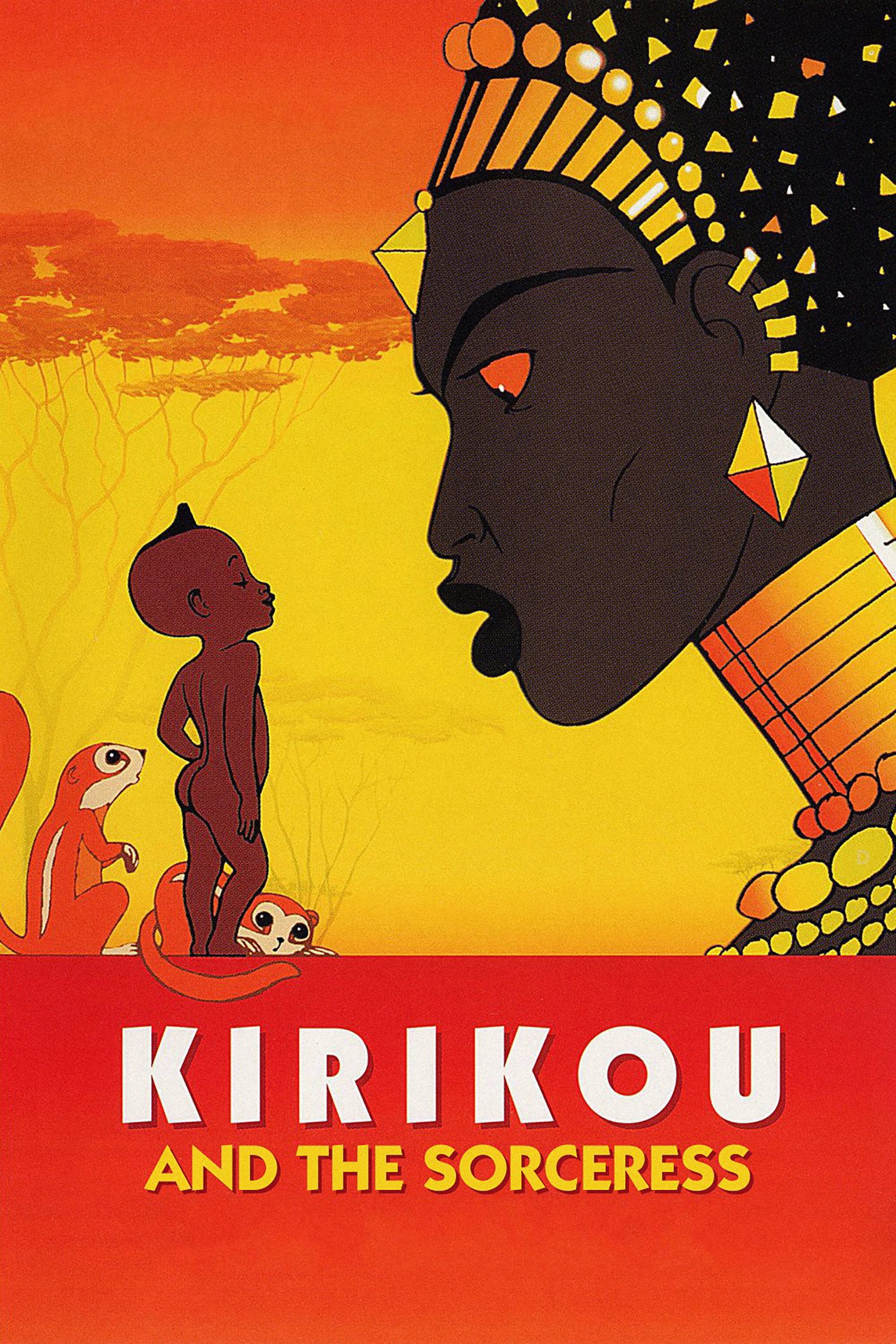
Kirikou and the Sorceress poster

Kirikou and the Sorceress

1998 · A West African fairy tale, flat colour and a sorceress to rival the Queen