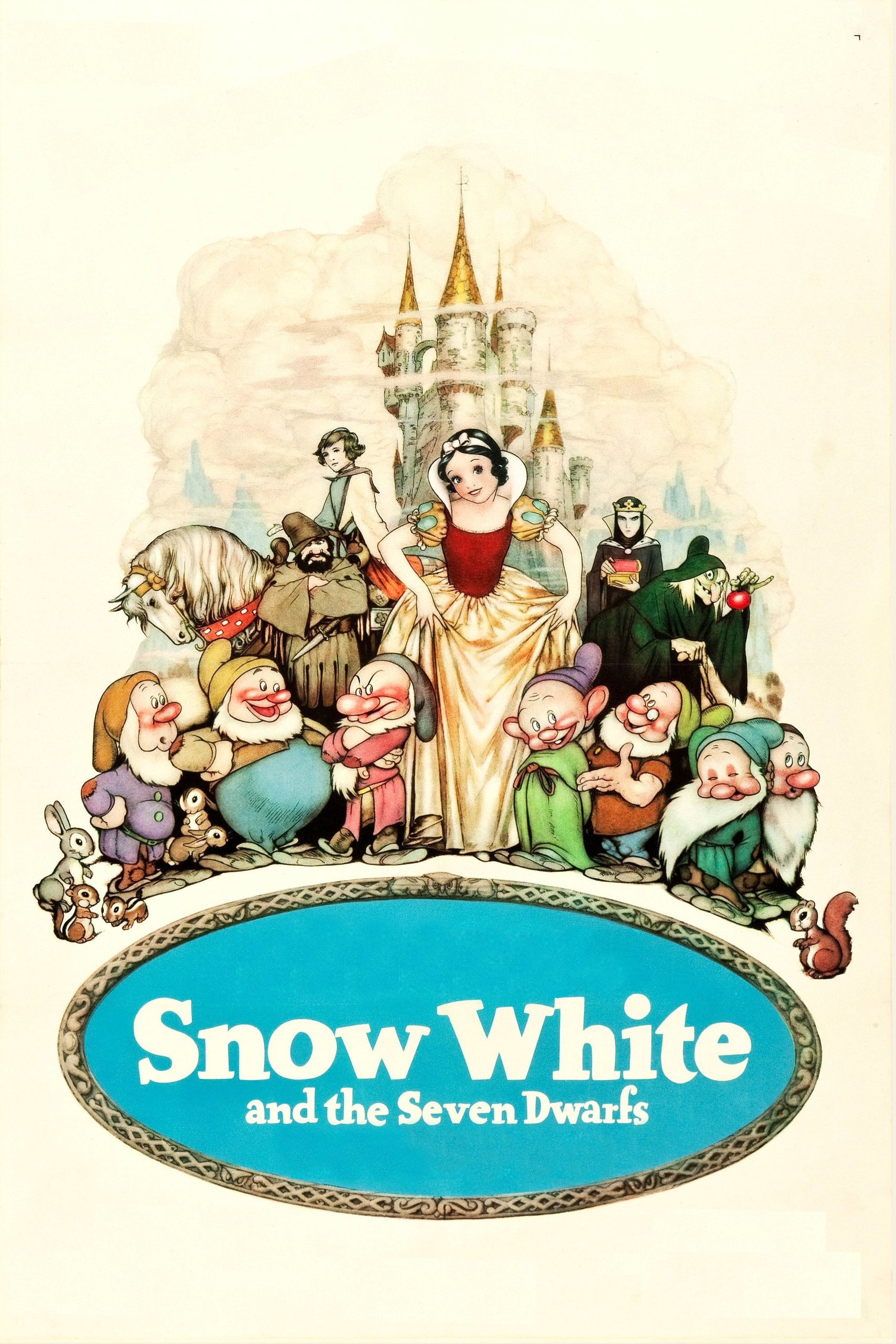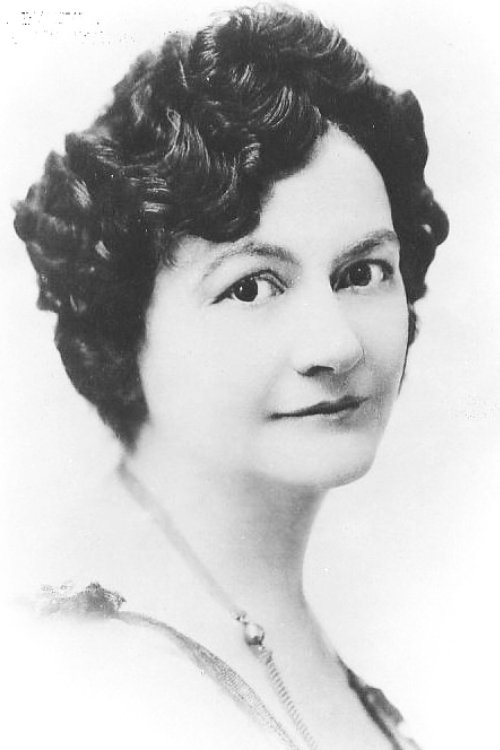
Lucille La Verne spent nearly fifty years on the stage and gave her last performance with her voice alone, as the Queen in Snow White and the Seven Dwarfs. She is the reason that film still frightens, and the rest of her screen work is a footnote to it.
Fi1m perspective
She never raises her voice. The Queen in Snow White and the Seven Dwarfs (1938) speaks low and level, each line laid down once and left there, and that is Lucille La Verne's decision. The animators drew the Queen in long straight lines and held her still while everything else in the film bounced; La Verne matched them, or they matched her. When the Magic Mirror tells her the one thing she does not want to hear, she does not shout. She goes quieter. It was her final professional performance, and she gave it without her face.
Almost everything before it happened on a stage. She began as a child in summer stock in Nashville, made her Broadway debut in 1888 and spent decades as a leading lady with stock companies across America. Her great part came in 1923, when she originated Widow Cagle in Sun-Up and went on to play her more than 3,000 times, on Broadway, on tour and in Europe. She wrote and directed for the theatre too, and for a while in the late 1920s had a house named after her. A film career ran alongside from 1915, mostly in supporting character parts: Mother Frochard in D.W. Griffith's Orphans of the Storm (1921), Ma Magdalena in Little Caesar (1931), The Vengeance in A Tale of Two Cities (1935). The pattern is plain. Once sound arrived, Hollywood heard that voice and cast it as hard mothers and harder women, and the versatility she was known for on stage narrowed to a type.
The type, as it turned out, was the right one. That voice, dry, unhurried, faintly amused by other people's fear, is exactly what the Disney film needed, and it is what makes the Queen one of the great screen villains rather than a painted face with good lines. La Verne also voices the crone the Queen later becomes, and we will say nothing about how, except that the cellar where it happens is the best-drawn room in the film. We were frightened of her as children and, watching again as adults, found we still were: it is the levelness that does it, the sense of a woman who has never once been contradicted and does not intend to start now.
She once told the New York Times: "I used to think when I was slaving along in unknown stock companies that the world was made up of blizzards, thermometers that registered a hundred in the shade, icy cold dressing rooms, lumpy iron bedsteads, fried steaks, one-night stands and salary ghosts that never walked." You can hear all of that in the Queen, a woman who has done the one-night stands and will not be hurried by anyone. La Verne retired after Snow White and died in 1945. Stage work does not keep, and hers went with the people who saw it. The film remains, and the Queen is the part of it to watch.
Biography
Lucille La Verne was an American actress who began her career on the stage as a child and made her Broadway debut in 1888. She became known for her work in stock companies and on Broadway, including creating the role of Widow Cagle in the 1923 play Sun Up, which she performed more than 3,000 times across tours.
She appeared in silent and early sound films from 1915, with roles including Mother Frochard in Orphans of the Storm (1921), Ma Magdalena in Little Caesar (1931), and The Vengeance in A Tale of Two Cities (1935). Her final film role was voicing the Queen and the Witch in Walt Disney's Snow White and the Seven Dwarfs (1937).
La Verne was born in Nashville, Tennessee, and died in Culver City, California, on 4 March 1945.