Hand did not draw the Queen or the forest; he made sure they arrived on time and in the same film. Snow White and the Seven Dwarfs is the case for what a supervising director is worth, and it is a strong one.
Fi1m perspective
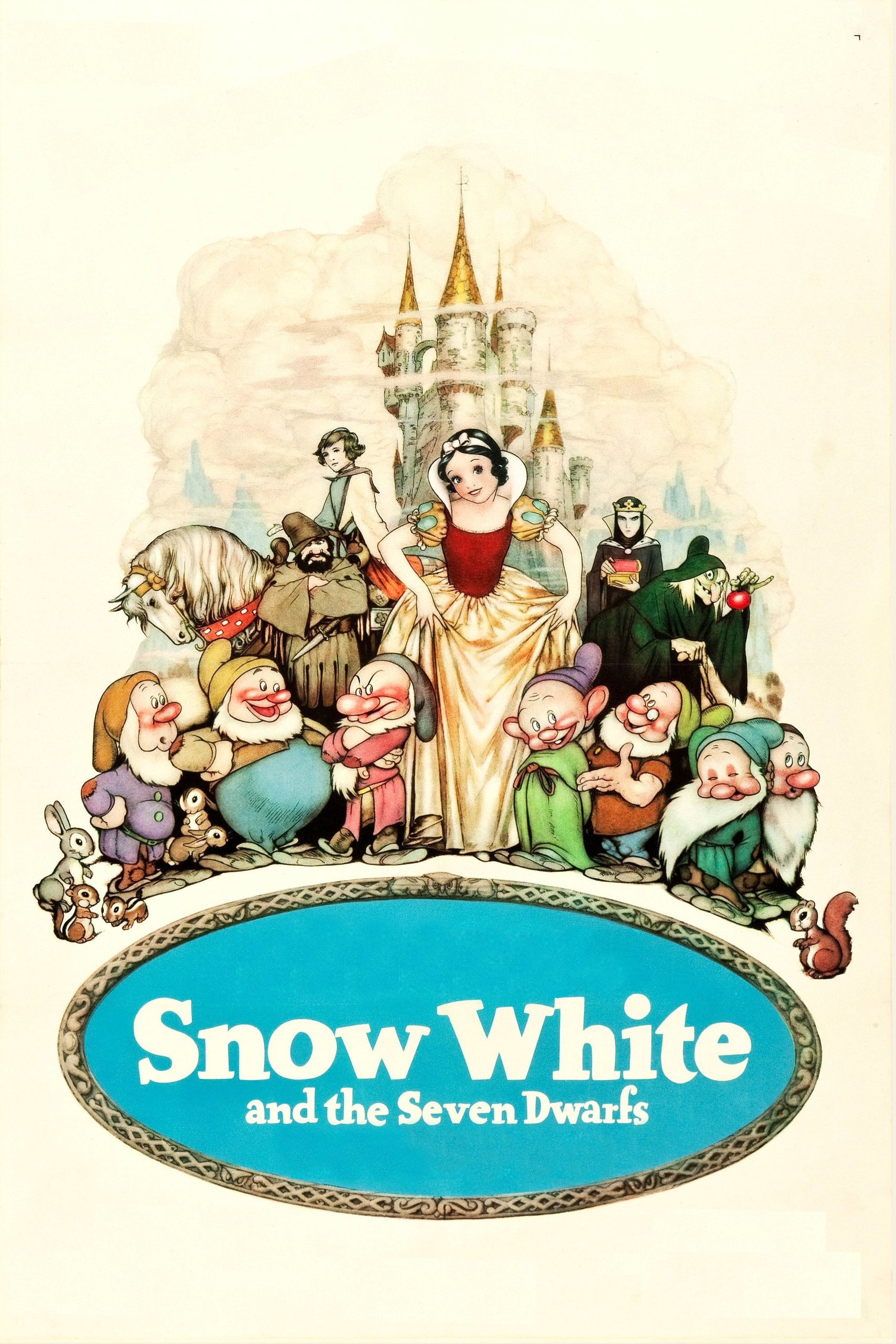
Snow White runs from the huntsman into the trees, and the trees grow faces. Branches turn to hands, a log opens its jaws, dozens of eyes come on in the dark, and the cutting gets faster until she falls. Then the light comes up and the eyes are rabbits and deer. Nobody drew that sequence alone. The forest, the dwarfs and the Queen at her mirror were animated by different men in different rooms, and David Hand's job on Snow White and the Seven Dwarfs (1938) was to see that what they made was one film.
We were frightened by that forest, and we are a long way past the age it was drawn for. What frightened us was not any single drawing but how long the film keeps a child in the dark before it lets her out, and how exactly the relief is judged when it comes. Timing across a whole studio is a supervisor's business, so we are prepared to give Hand some of the credit for it.
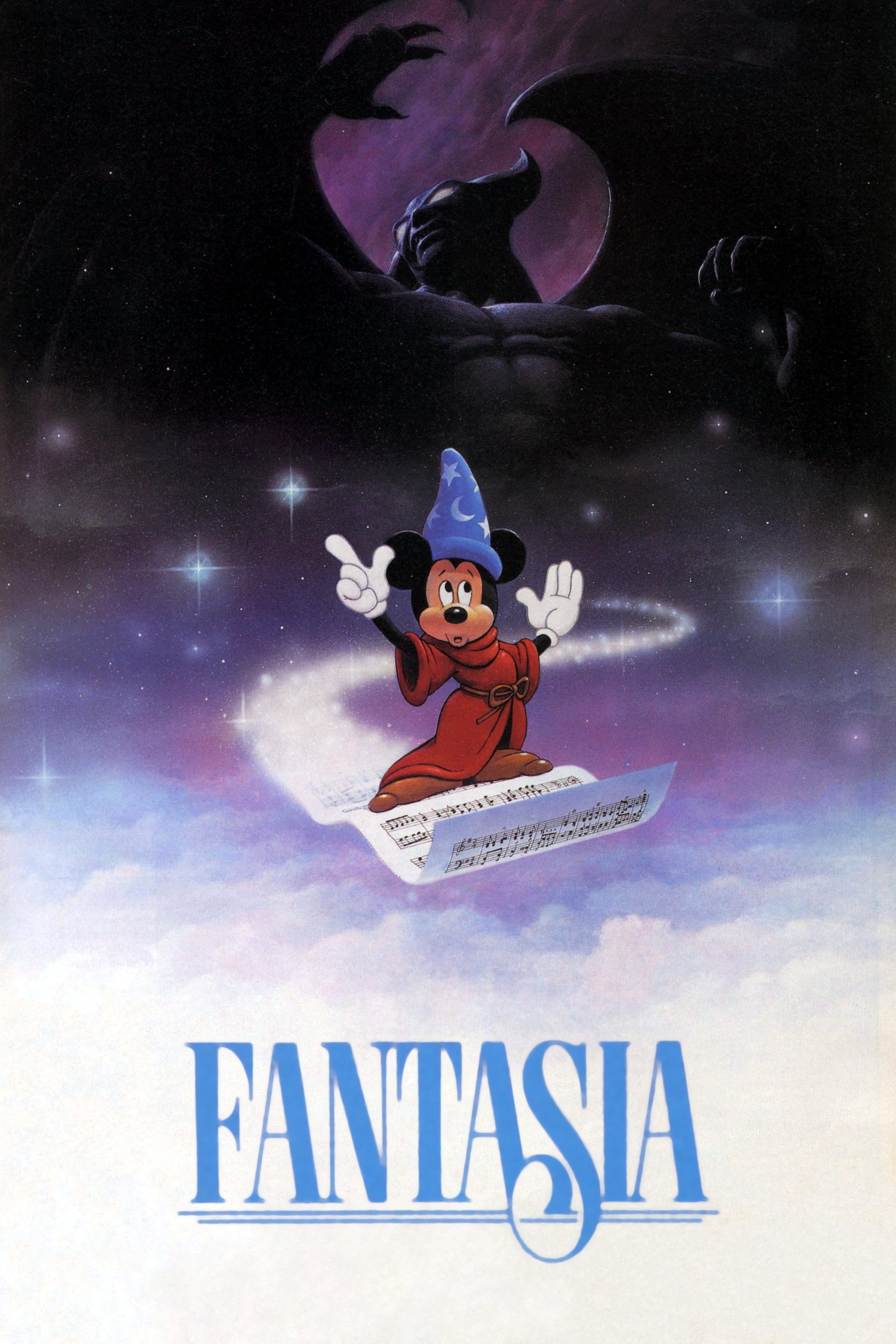
He came up on Fleischer's Out of the Inkwell in the 1920s, joined Disney in 1930 to animate Mickey Mouse and Silly Symphony shorts, and had his first directing credit with Building a Building (1933). Shorts such as Three Orphan Kittens (1935) followed, and he trained younger animators alongside Ben Sharpsteen. Then came the features: supervising director on Snow White, work on Fantasia (1940), supervising director again on Bambi (1942), which we have not reviewed and which people remember for its animals moving like animals. He left the studio in 1944.
The honest limit of a piece like this is that Hand's talent was for making Walt Disney's decisions happen. He kept the budgets and the schedules and translated the instructions from upstairs into finished footage, and he was good at it. But a studio run on one man's say-so has no real room for a second in command, and by 1944 Hand had found that out. We cannot point to a shot in Snow White and say that is Hand rather than Disney or one of the animators. We can say the film holds together, and that holding together was his job.
He then came to Britain and set up Gaumont British Animation for J. Arthur Rank in 1946, making the Animaland and Musical Paintbox series. The studio closed in 1950 after four years, and the films were little seen outside this country. He went back to America and spent the rest of his working life on industrial and commercial animation. Watch the forest sequence again, then, and remember that somebody had to make sure the terror arrived on the right day. It is not a glamorous thing to be remembered for. It is a rarer one than it sounds.
Biography
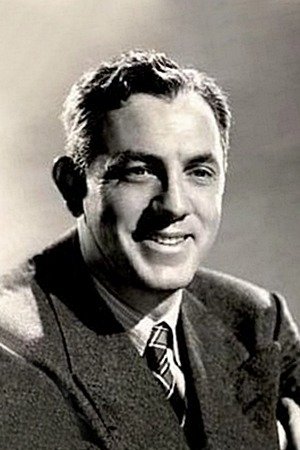
David Hand, also credited as Dave Hand, was an American animator and director. He began his career in the 1920s working on Max Fleischer’s Out of the Inkwell cartoons before joining Walt Disney Productions in 1930.
At Disney he directed numerous shorts in the 1930s, including Building a Building (1933), Three Orphan Kittens (1935) and Thru the Mirror (1936). He served as supervising director on the features Snow White and the Seven Dwarfs (1937) and Bambi (1942), and contributed to Fantasia (1940).
Hand left Disney in 1944 and later established Gaumont British Animation in the United Kingdom, where he produced cartoon series until 1950. He was named a Disney Legend in 1994.