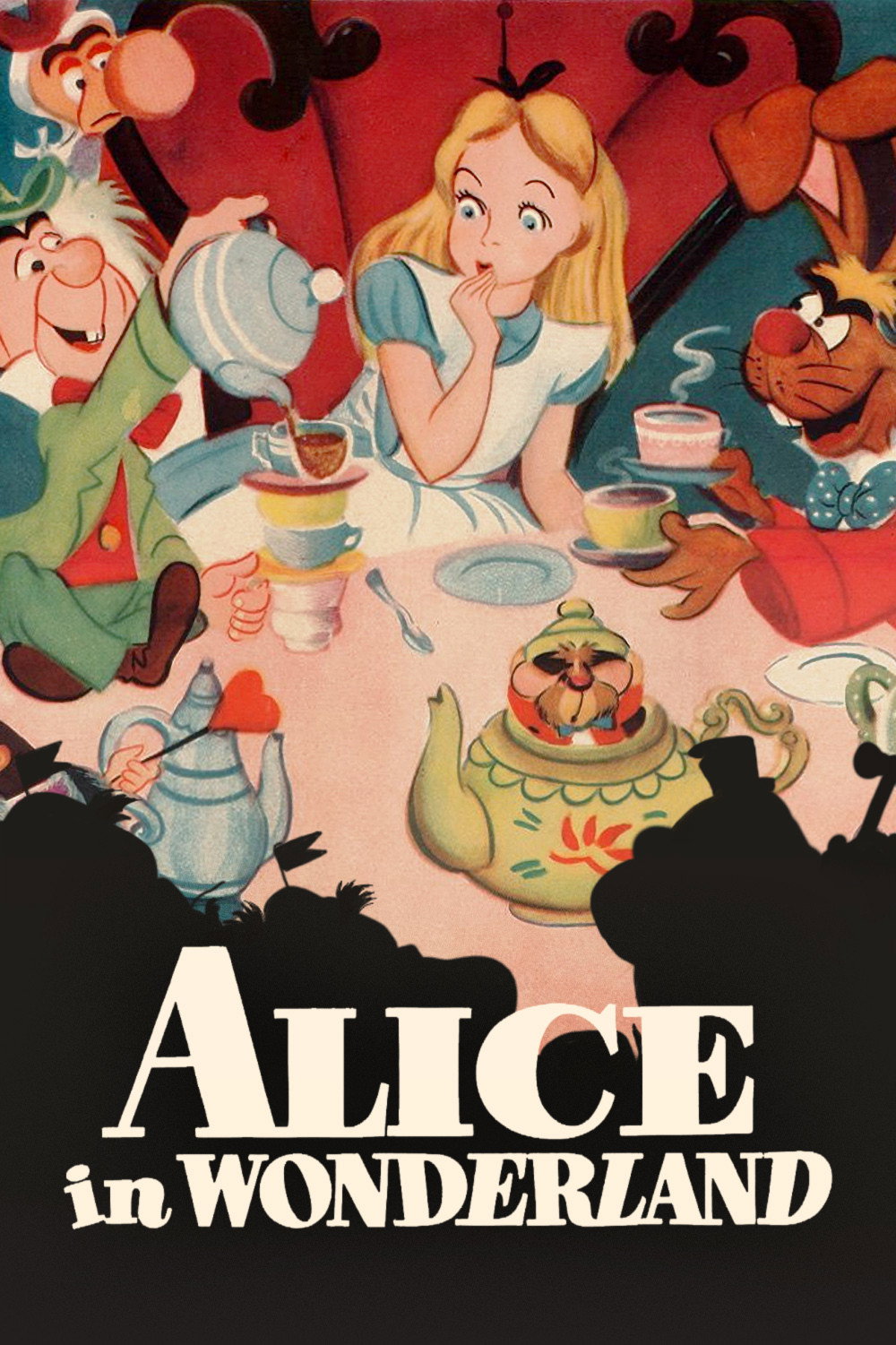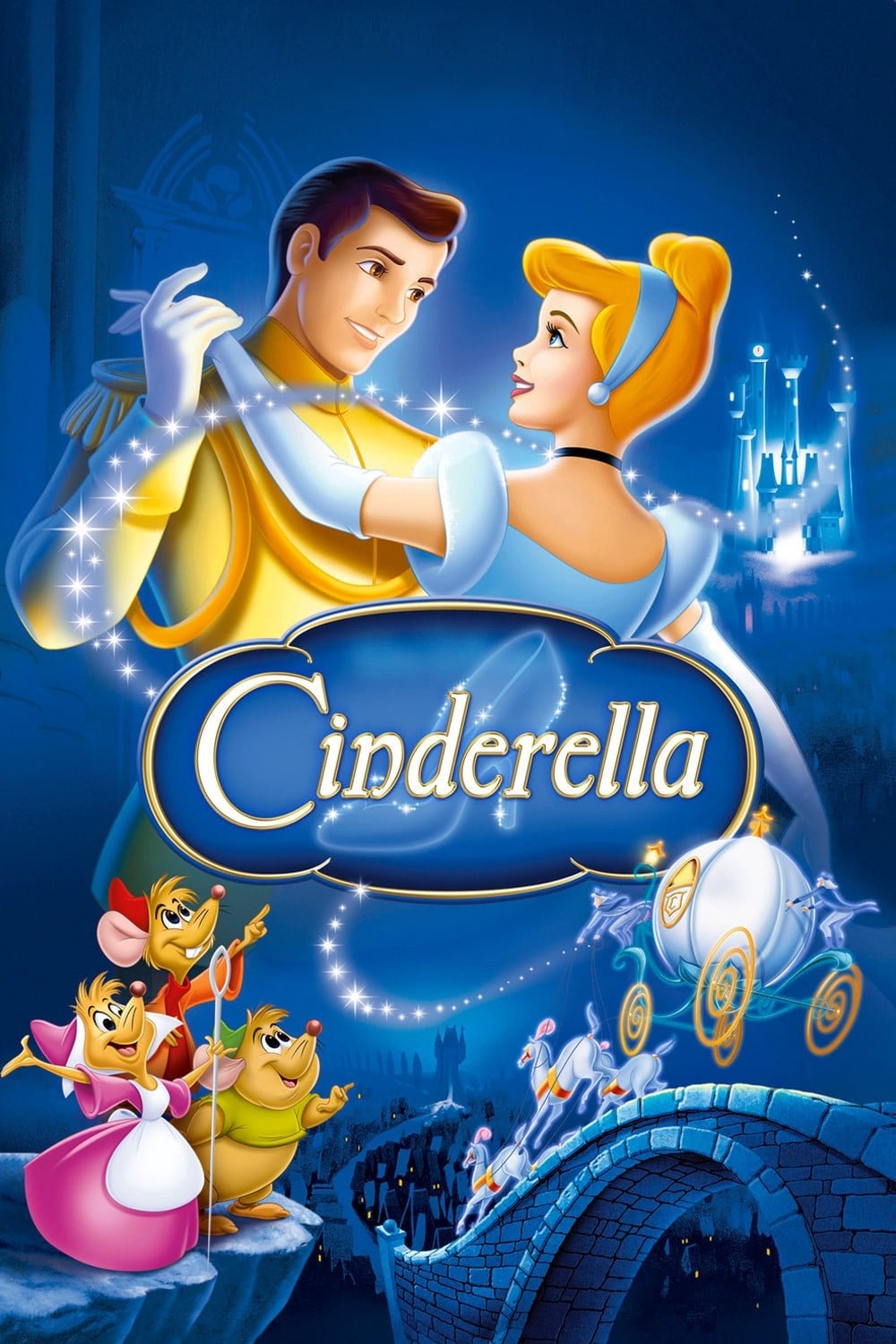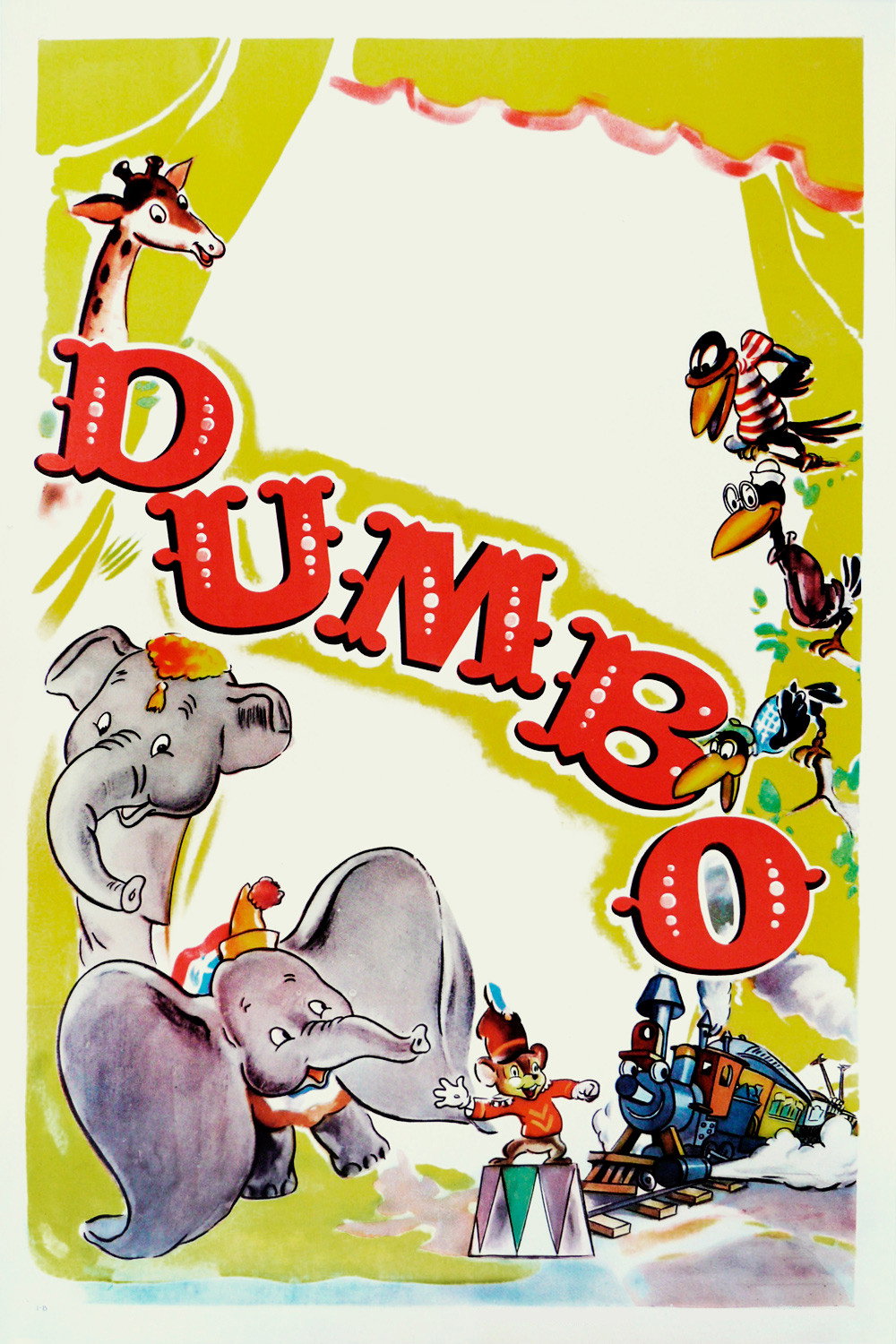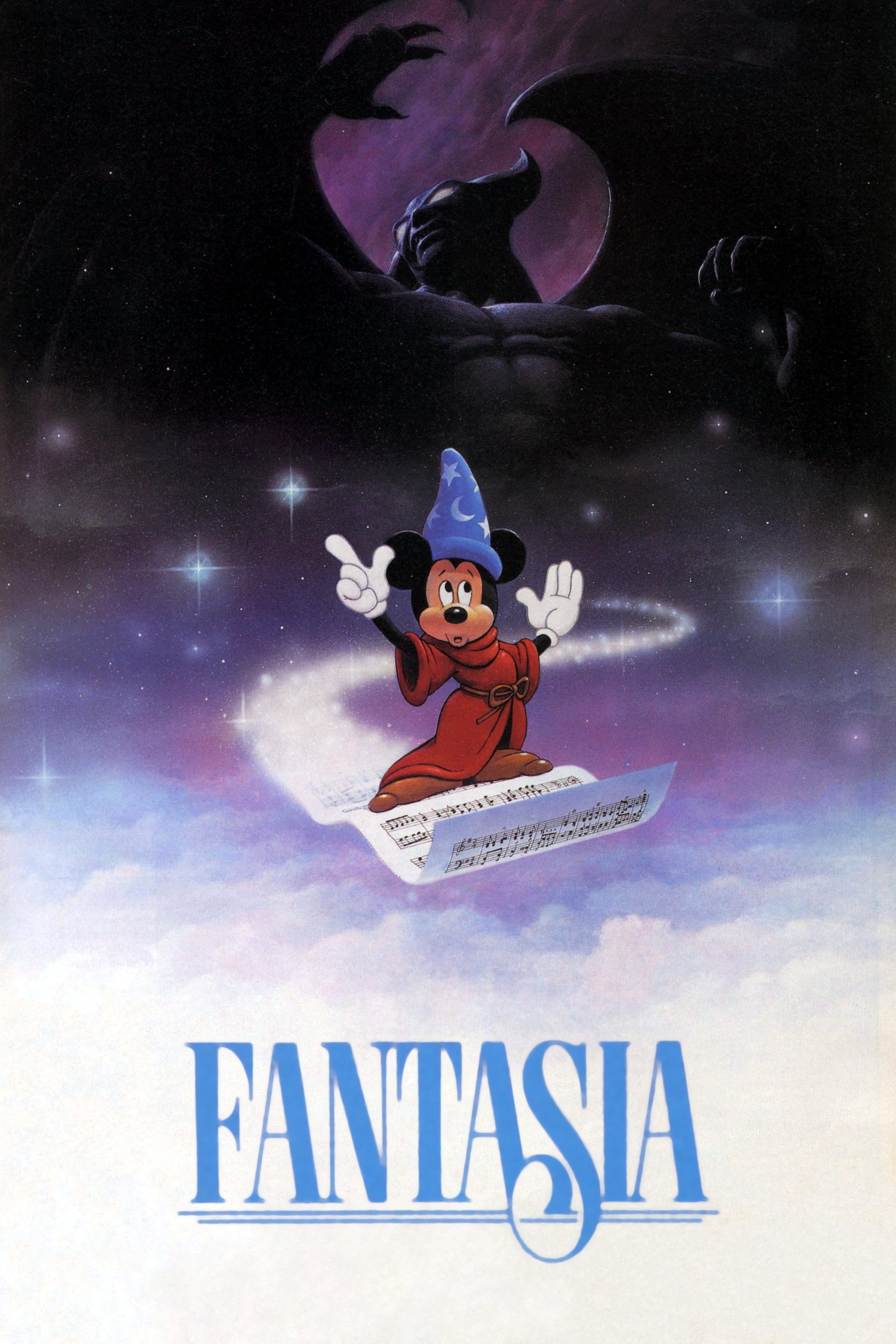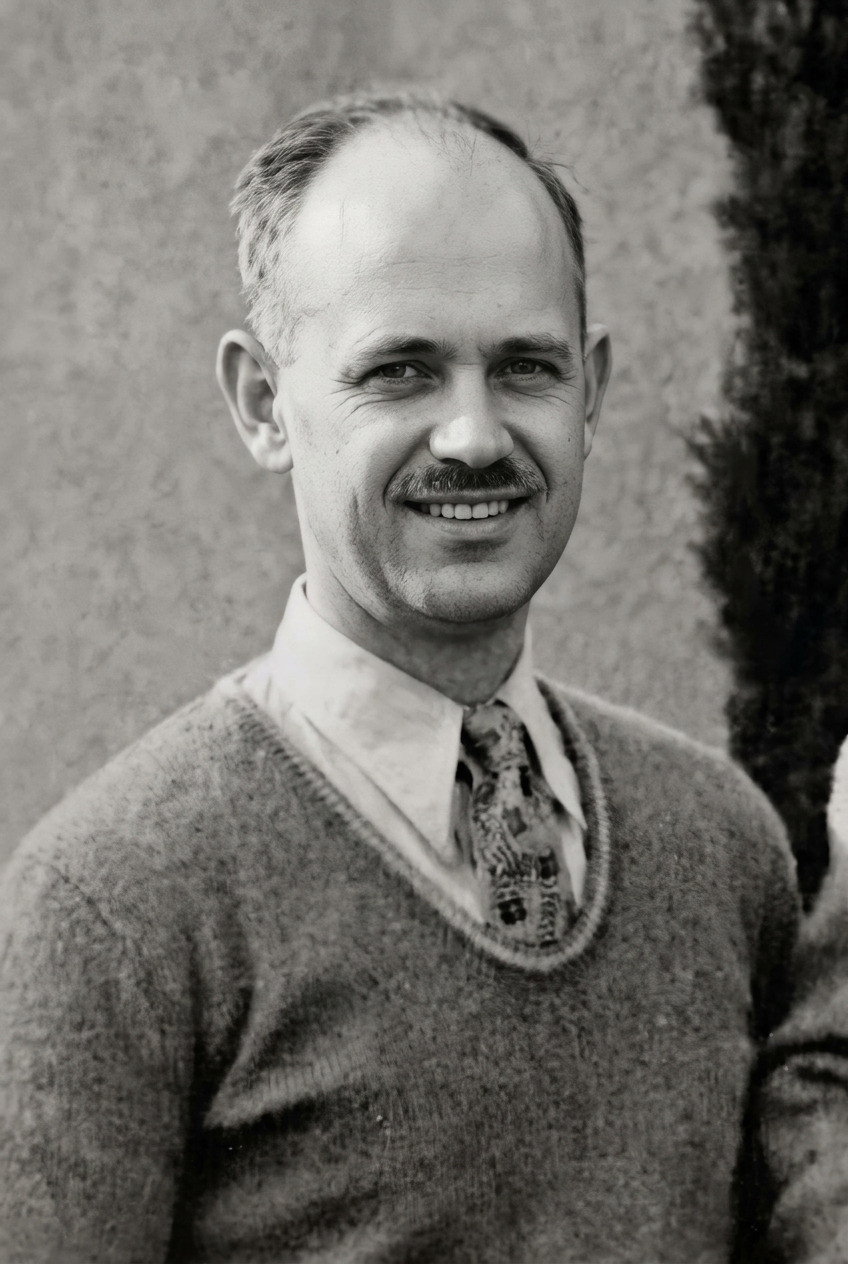
Ben Sharpsteen's name sits on the title cards of the first Disney features, and his hand is hard to find on its own. He directed the dwarfs' best minutes in Snow White, then kept the studio's machine running; the craft is real, the signature faint.
Fi1m perspective
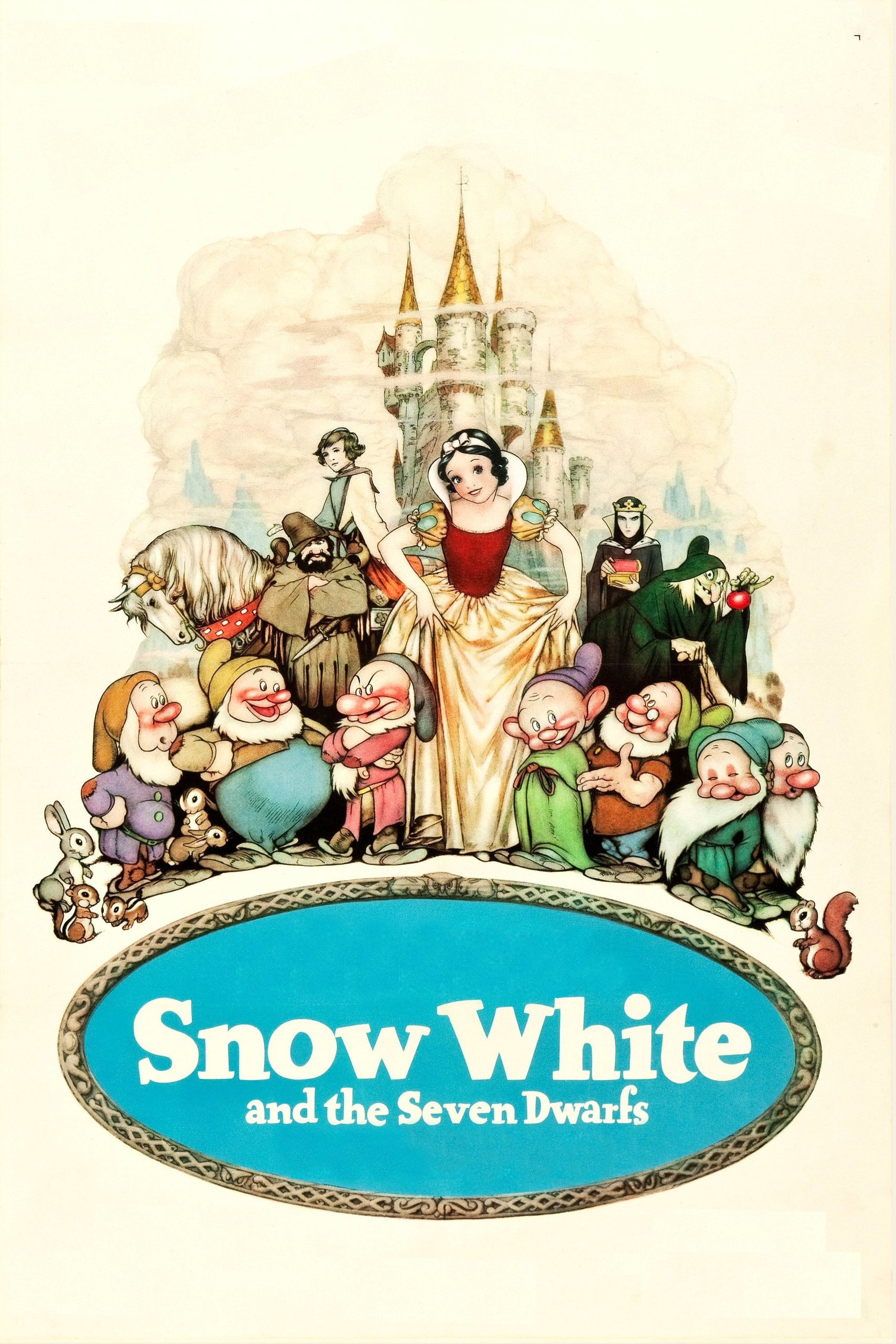
Seven small men walk home from a mine, singing. Nothing else happens in the 'Heigh-Ho' march, and it is the stretch of Snow White and the Seven Dwarfs (1937) that people can still hum without having seen the film since childhood. That sequence was Ben Sharpsteen's. He was one of the sequence directors on the picture and directed eight of its sequences, most of them the dwarfs', so when our review calls the film charming, a good deal of the charm is his, even though the review does not name him. Neither did anyone else, much. That is the shape of the career.
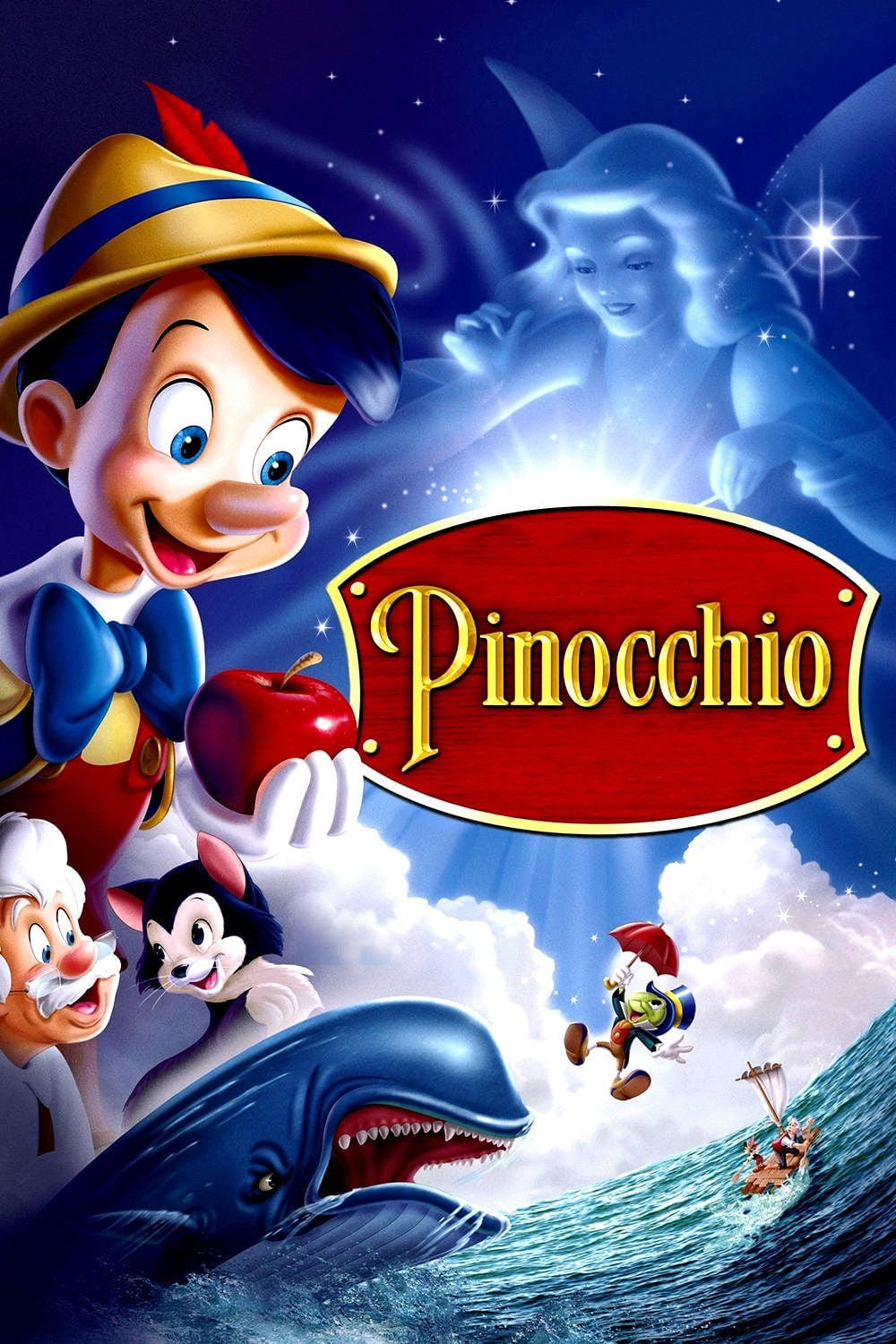
He had been animating in New York since 1919 and joined Walt Disney in March 1929 as an animator, directing shorts from 1934. After Snow White he was supervising director on Pinocchio (1940) and Dumbo (1941) and production supervisor on Fantasia (1940), working alongside David Hand under Disney himself. Those credits describe a foreman more than an author: the man who made sure a hundred drawings a day added up to a picture that finished on time. From the late 1940s he turned to live action, directing and producing the True-Life Adventures nature documentaries, among them Water Birds (1952) and Secrets of Life (1956), and anthology television until about 1959.
What he was good at is plain in the dwarfs. They are the only people in Snow White who behave like people: they bicker, they dawdle, they are frightened of a girl. The heroine, as our review says, is barely there, and the prince is less so, and the film survives because the seven characters in the middle have weight and timing. We were more moved than we expected to be by that march home, and we can say why: nothing is at stake in it. Seven tired men are walking back from work, singing because they are nearly there, and the film gives them the time to do it.
What he was not is an artist you can pick out of a frame. Nobody has much criticised him, and that is not the compliment it sounds like; nobody attacks the foreman, because nobody can point to what he did. Our own review of Snow White praises the Queen, the fright and the charm without once needing his name. He was reliable in a building full of people who were not, and the first features got made because of it. That is a real thing to have done. It is not the same as having a cinema.
So the recommendation is the film, not the man. See Snow White, watch the dwarfs, and know that the part you liked best was probably his. Then note where he went next. Having supervised an elephant that flies, he spent his fifties filming birds that do.
Biography
Ben Sharpsteen (also credited as Benjamin Sharpsteen) was an American film director and producer. Born on 4 November 1895 in Tacoma, Washington, he joined the Walt Disney studio in 1929 as an animator after earlier work at Hearst International Film Service and other animation studios. He directed numerous short films before serving as a sequence director on Snow White and the Seven Dwarfs (1937) and supervising director on Pinocchio (1940), Fantasia (1940) and Dumbo (1941).
Sharpsteen later took on producing and supervising roles across feature animation and the True-Life Adventures documentary series, several of which received Academy Awards. He retired from the studio in the early 1960s but contributed to later projects. He founded the Sharpsteen Museum in Calistoga, California, and died on 20 December 1980 in the Napa County area.