Verna Felton's husky voice gave Disney its matriarchs: the mother and her chief tormentor in Dumbo, the forgetful Fairy Godmother in Cinderella. She was cast as the same woman again and again, and made each one a different person.
Fi1m perspective
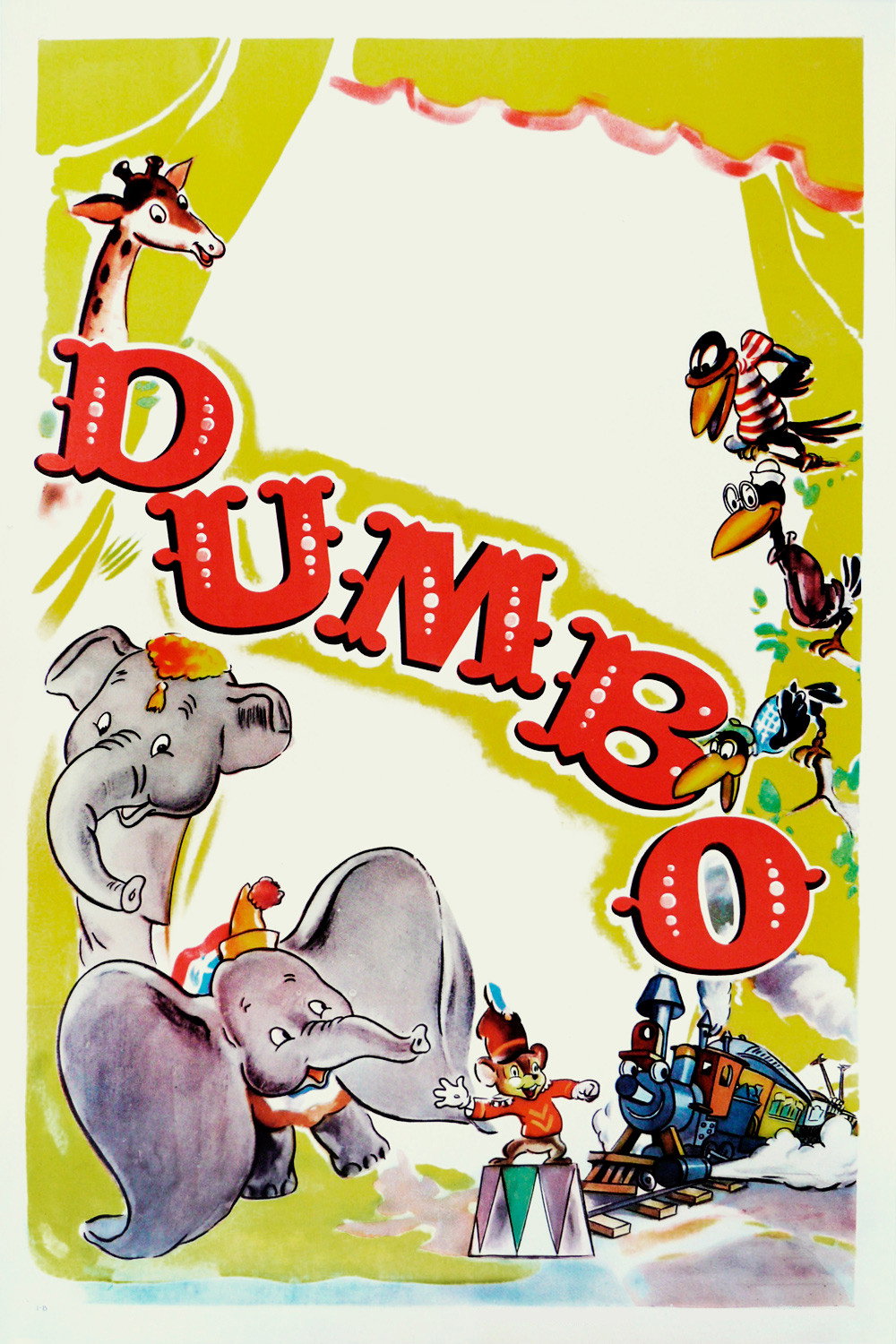
In Dumbo (1941) the baby elephant's mother and the elephant who decides he is a disgrace are the same woman. Verna Felton voices both Mrs Jumbo and the Elephant Matriarch, and if nobody told you, you would not guess. The voice is low and husky and does not hurry, and she uses it one way for tenderness and another for judgement, and neither leaks into the other. It was her first job for Disney. She went on to voice five more of the studio's features, most of them as somebody's mother, aunt or godmother.
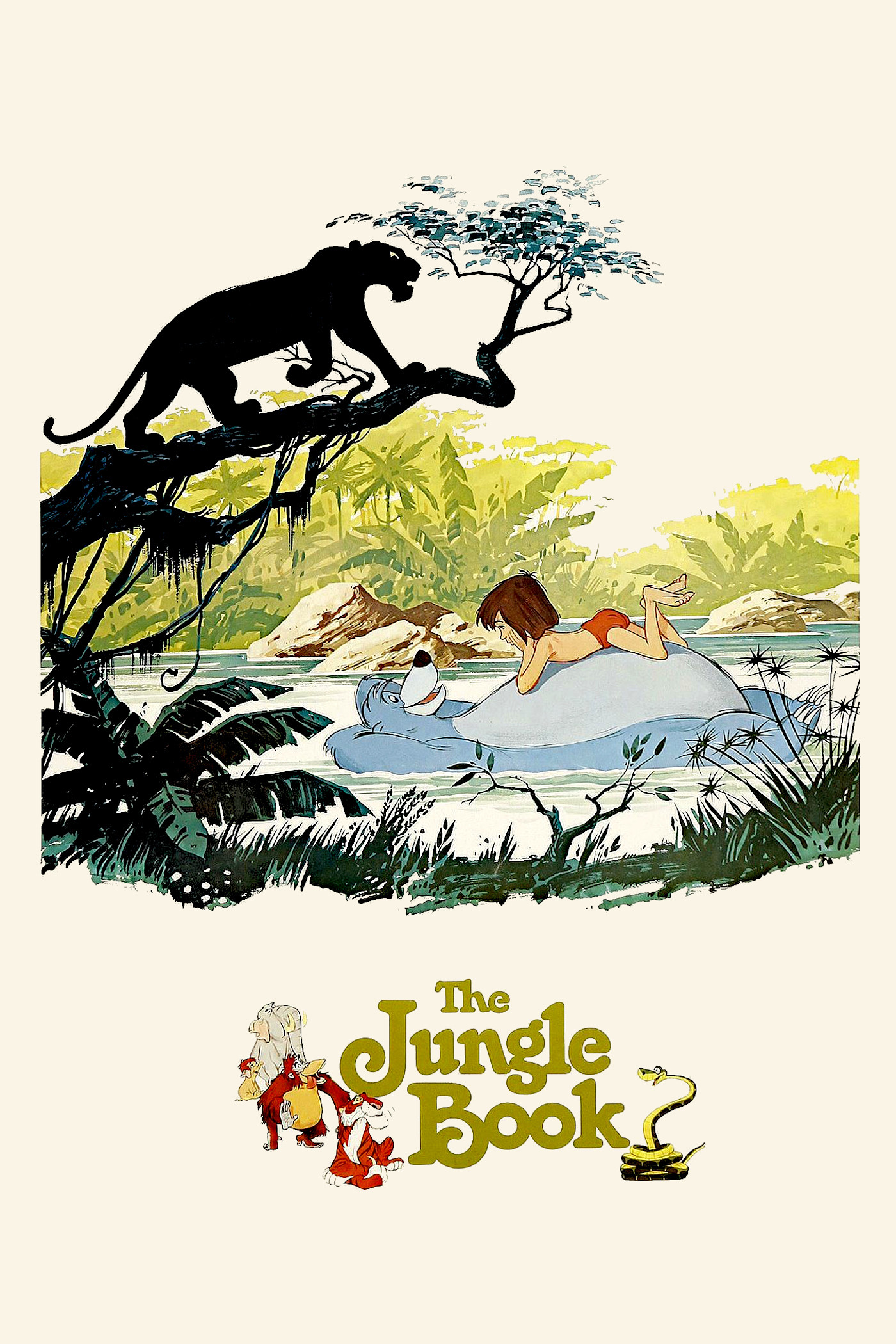
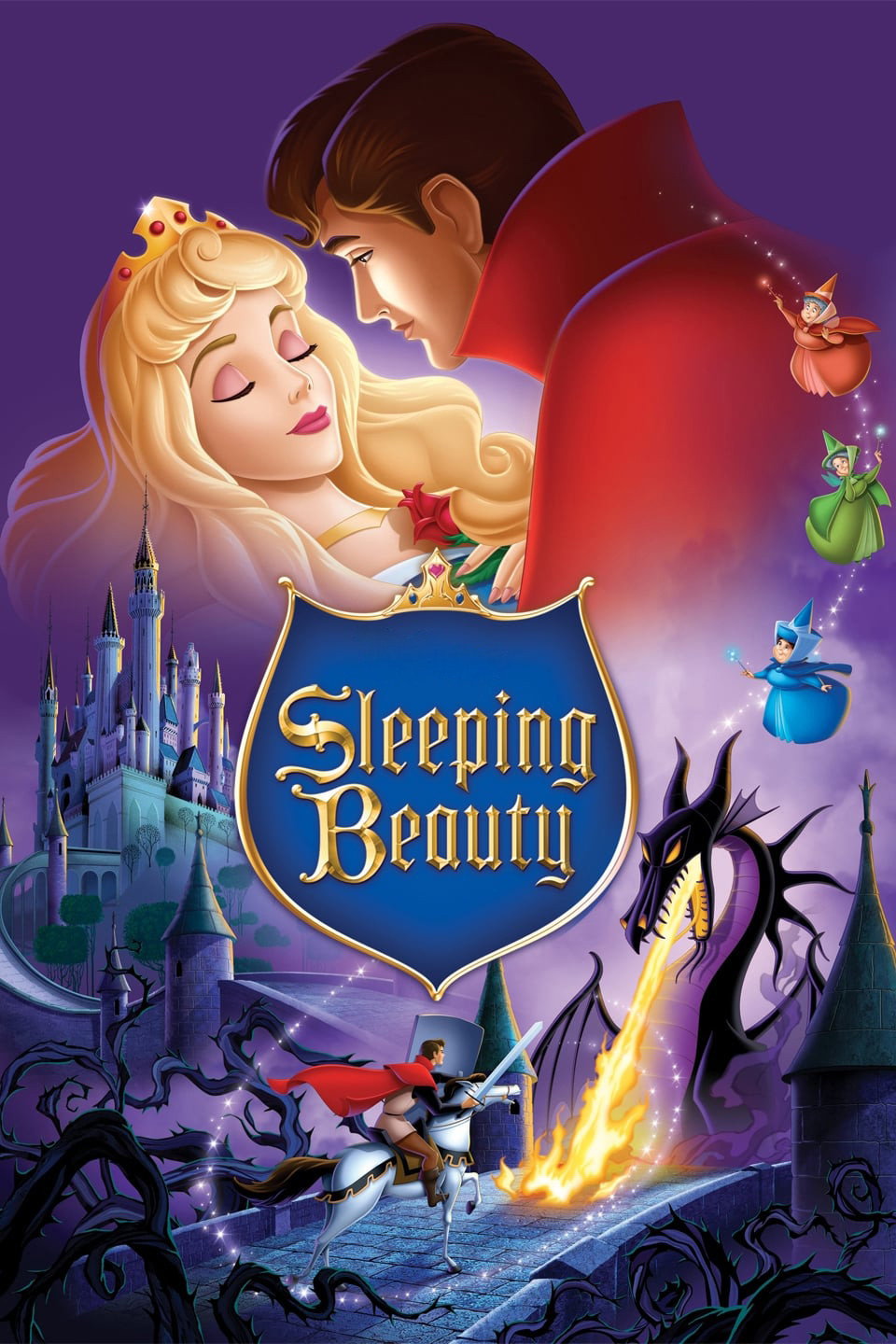
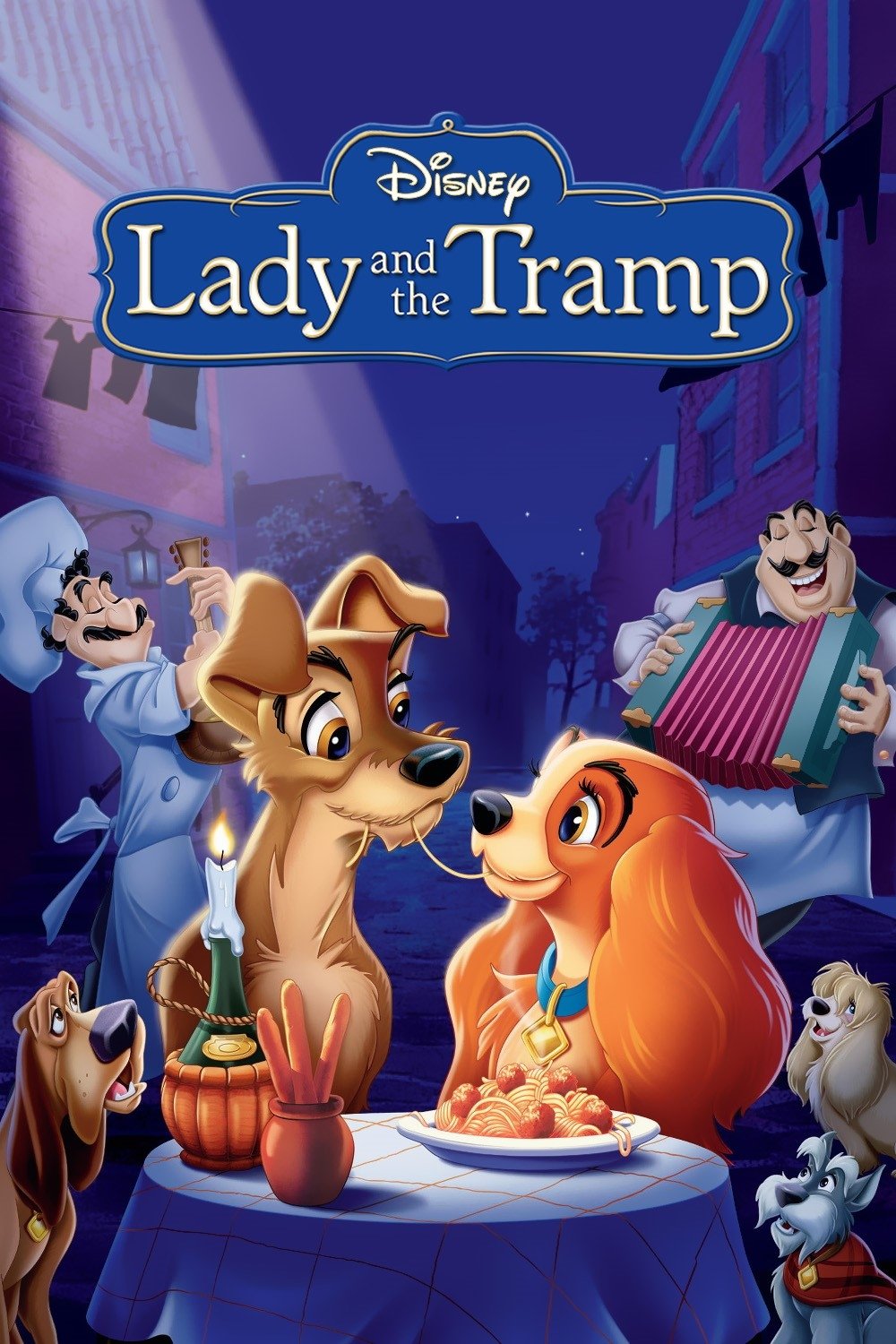
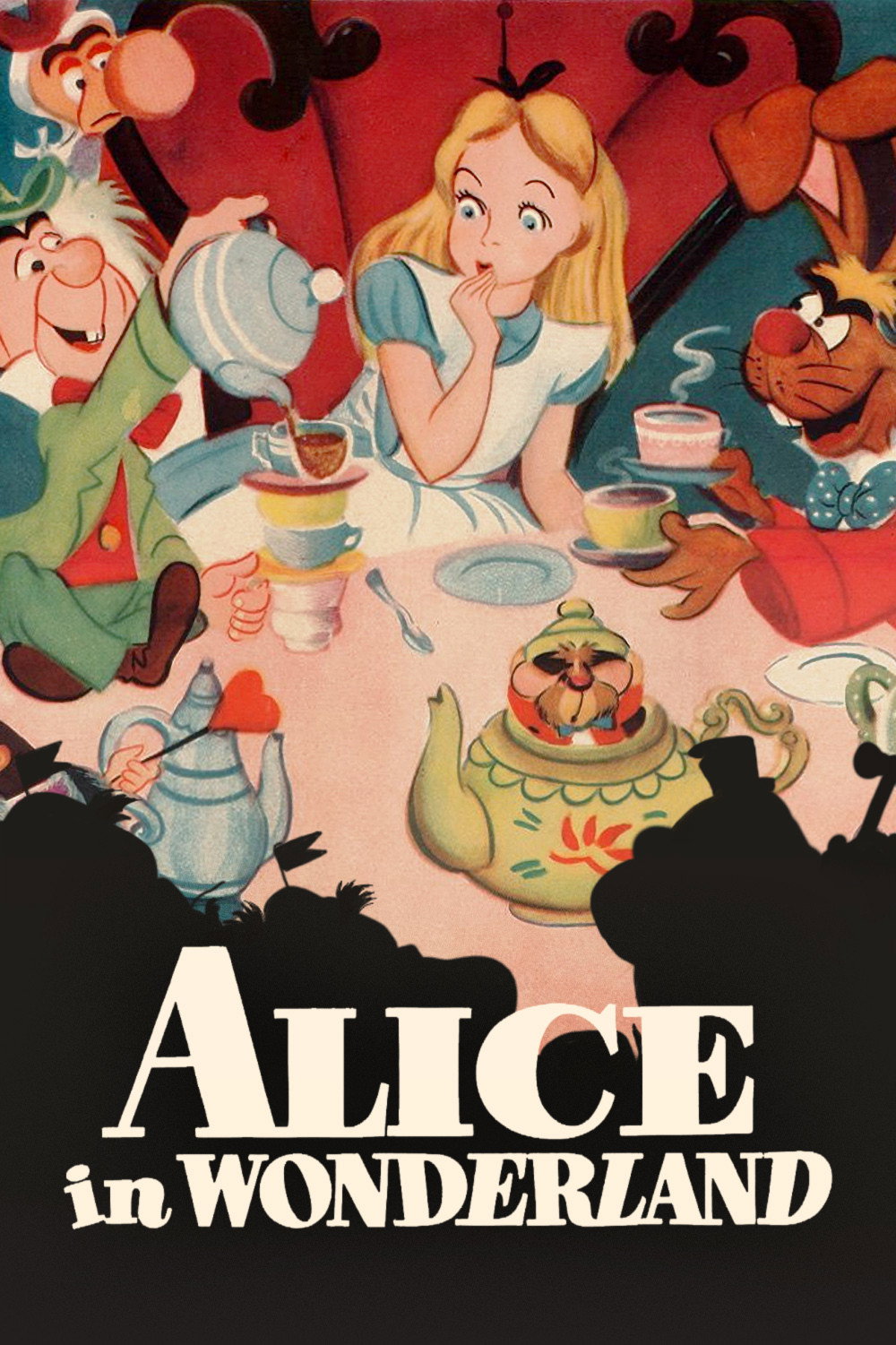
She had been working since she was a child, on the stage from around 1900, and by the 1930s she was a radio regular, playing Mrs Day on The Jack Benny Program. Film and Disney work began in 1940. Television followed: five years as Hilda Crocker in December Bride (1954–59) and then its spin-off. The cartoons ran alongside all of it. After Dumbo came the Fairy Godmother in Cinderella (1950), the Queen of Hearts in Alice in Wonderland (1951), Aunt Sarah in Lady and the Tramp (1955), Flora and Queen Leah in Sleeping Beauty (1959) and, last, Winifred in The Jungle Book (1967), released after her death.
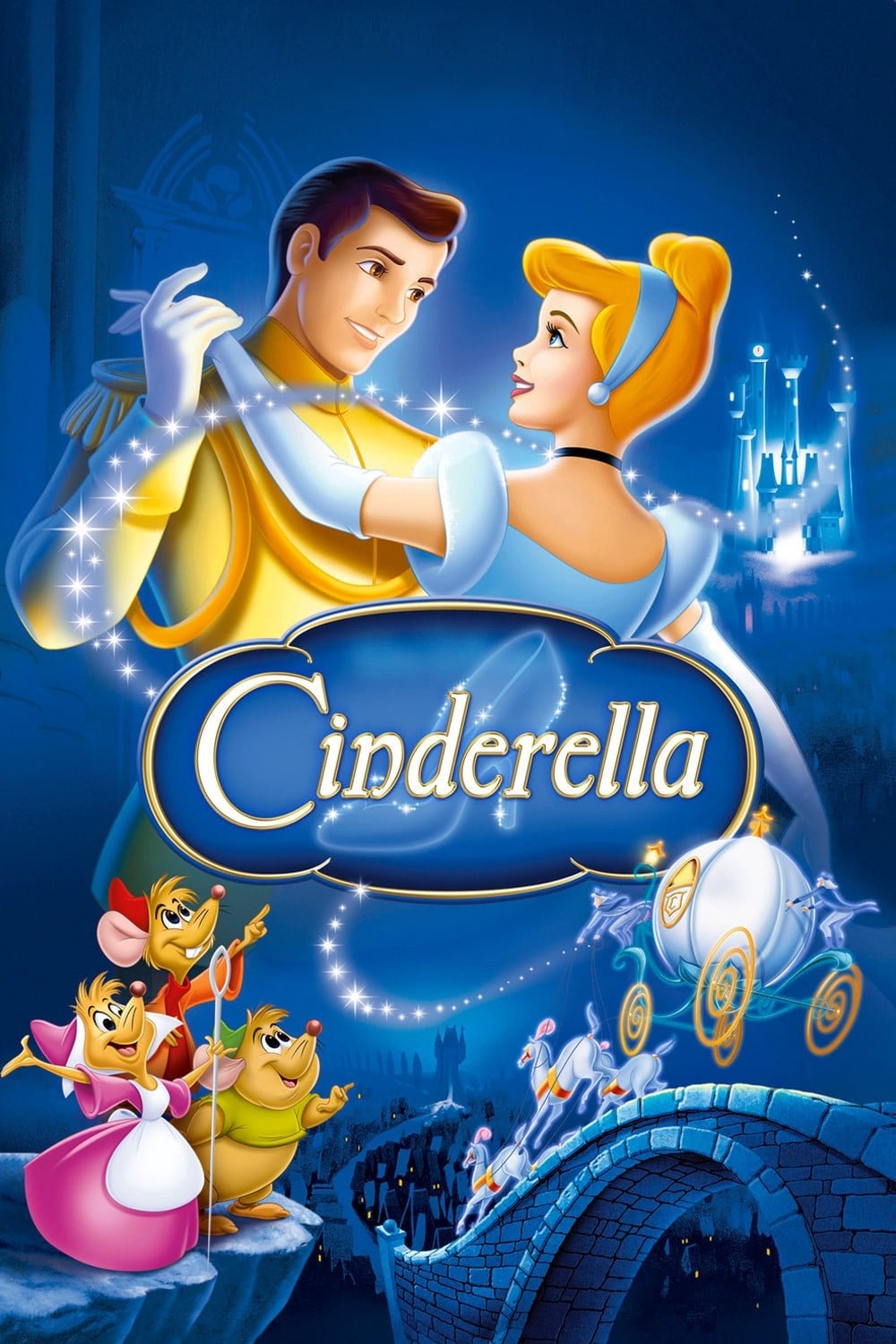
The Fairy Godmother is the one most people carry with them, and it is easy to see why. She arrives late, bustling, cannot find her wand, and the transformation she sets off is the loveliest stretch of the film; the dress builds itself out of light while she fusses. Felton plays her as a woman with a great deal of power and a poor memory, and the comedy sits in the gap between them. It is a small part in a film that is only fair, with a heroine and a prince thinner than the mice. She is on screen for a few minutes and she is what you remember.
But Dumbo is the better film and the better work. Knowing that the mother and her chief tormentor share a throat unsettled us more than we expected from a cartoon elephant, and the reason is how carefully Felton keeps the two apart: the contempt in the ring and the love in the pen come from one place, and she never lets them touch. It is the kind of acting that gets no credit because it is designed not to be noticed, and she was uncredited for it.
The reservation is the obvious one. Felton played the motherly, the grandmotherly and the stern for most of her life, on radio, on television and in the cartoons, and it is fair to wonder what else she might have done. The nearest answer is the Queen of Hearts, the same instrument turned entirely to temper. Disney knew what it had and kept asking for it. If you want to hear what she could do, watch Dumbo and Cinderella in the same evening; the same woman is in both, and you will not once mistake one for the other.
Biography
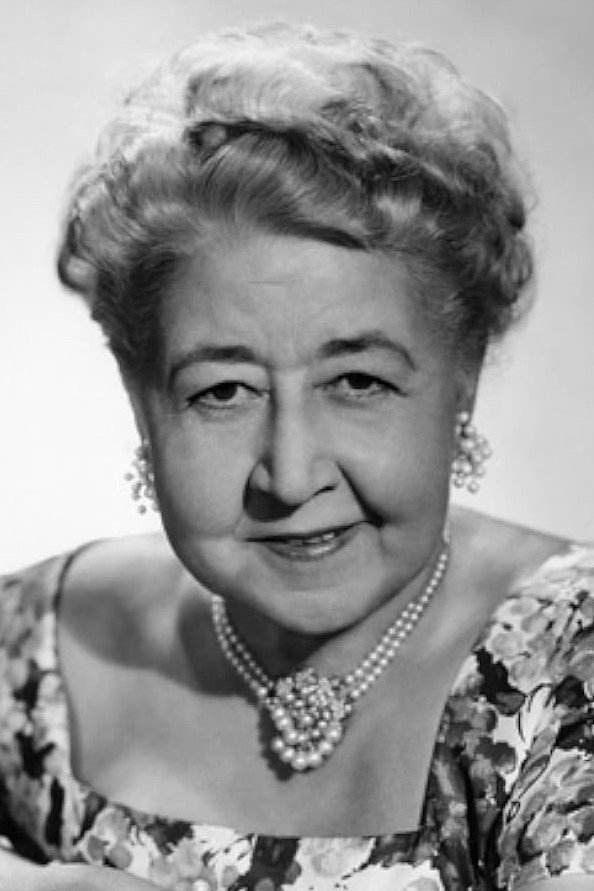
Verna Arline Felton was an American actress. Born on 20 July 1890 in Salinas, California, she began performing on stage as a child and later worked extensively in radio from the 1930s, appearing on programmes including The Jack Benny Program and The Great Gildersleeve.
She provided voices for several Walt Disney animated features, including the Elephant Matriarch and Mrs. Jumbo in Dumbo (1941), the Fairy Godmother in Cinderella (1950), the Queen of Hearts in Alice in Wonderland (1951), Aunt Sarah in Lady and the Tramp (1955), Flora in Sleeping Beauty (1959) and Winifred in The Jungle Book (1967). She also voiced Pearl Slaghoople in The Flintstones.
On television she played Hilda Crocker in December Bride (1954–1959) and its spin-off Pete and Gladys. Felton died on 14 December 1966 in Los Angeles, California.