Disney’s dog romance is small, slow and drawn with real love for how an animal moves, and the spaghetti scene is as good as its reputation. One sequence has aged badly, and the humans are a blank; the dogs carry it anyway.
Walt Disney’s studio, in 1955, made a film in which almost nothing happens. A spaniel grows up in a comfortable house, worries that a baby will take her place, meets a mongrel and spends a night on the town. The three directors, Clyde Geronimi, Wilfred Jackson and Hamilton Luske, treat that as enough. Lady and the Tramp runs 76 minutes and is in no hurry for any of them. It is a small, warm, well-observed film, and better for not pretending to be a large one.
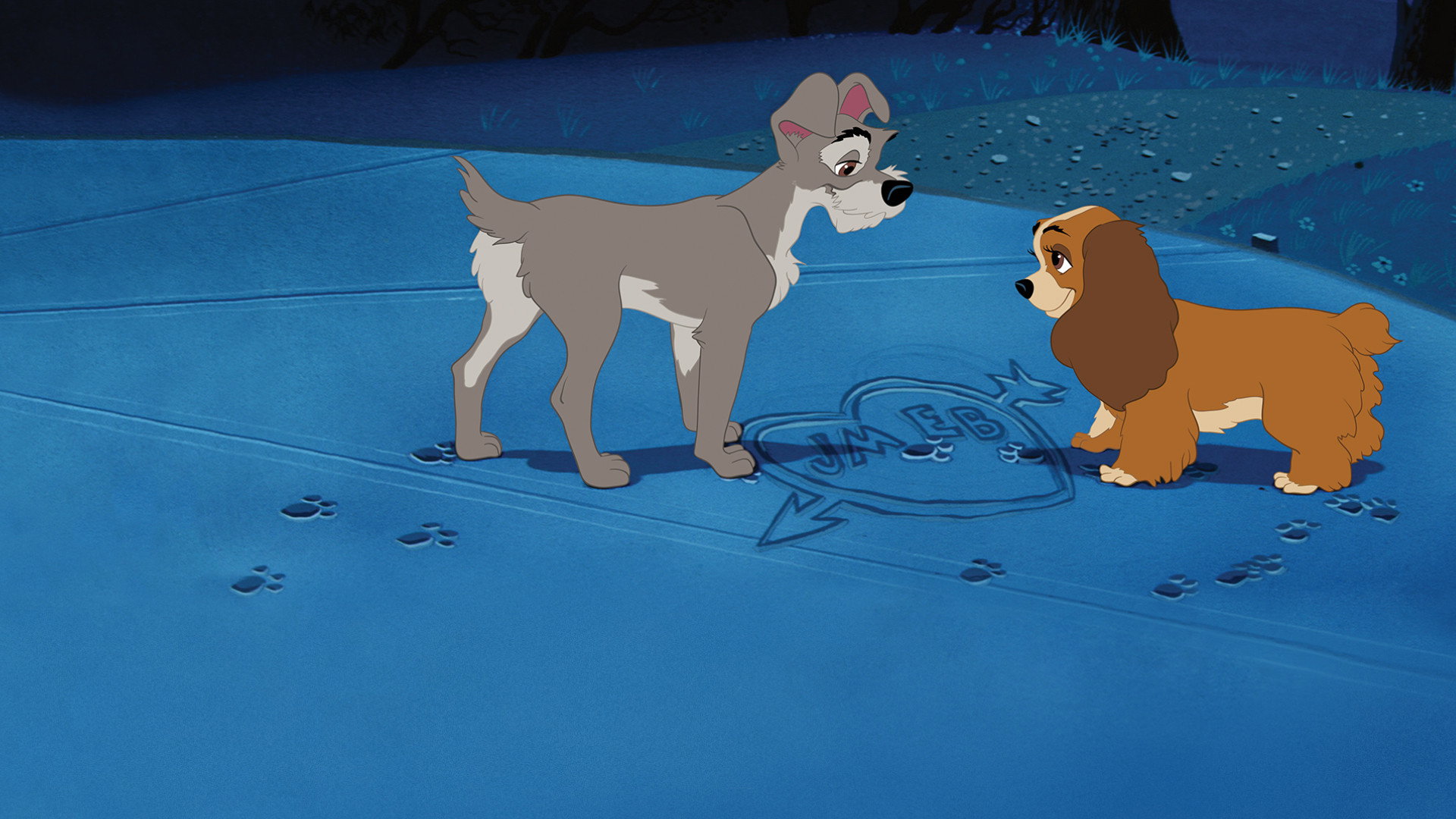
The choice that makes it is the camera height. The film is drawn from where a dog stands, so the humans are trousers, skirts and hands coming down from above, and Jim Dear and Darling barely have faces for the first ten minutes. The wide CinemaScope frame lays the town out sideways: long porches, long fences, a street full of things to sniff. The animators have watched dogs. Lady shakes off water from the nose backwards, the way a real one does; Trusty lowers himself onto a step in three stages; Tramp trots with his weight forward and his tail up, a dog who owns whichever road he is on.
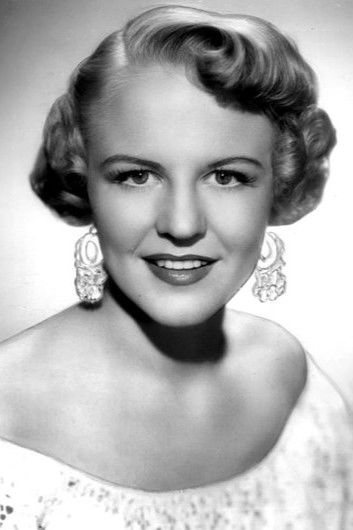
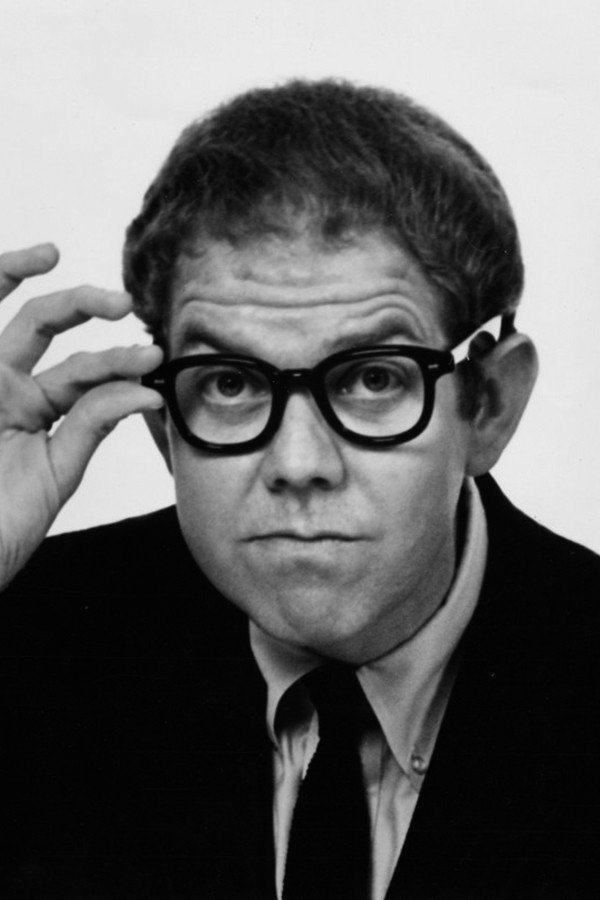
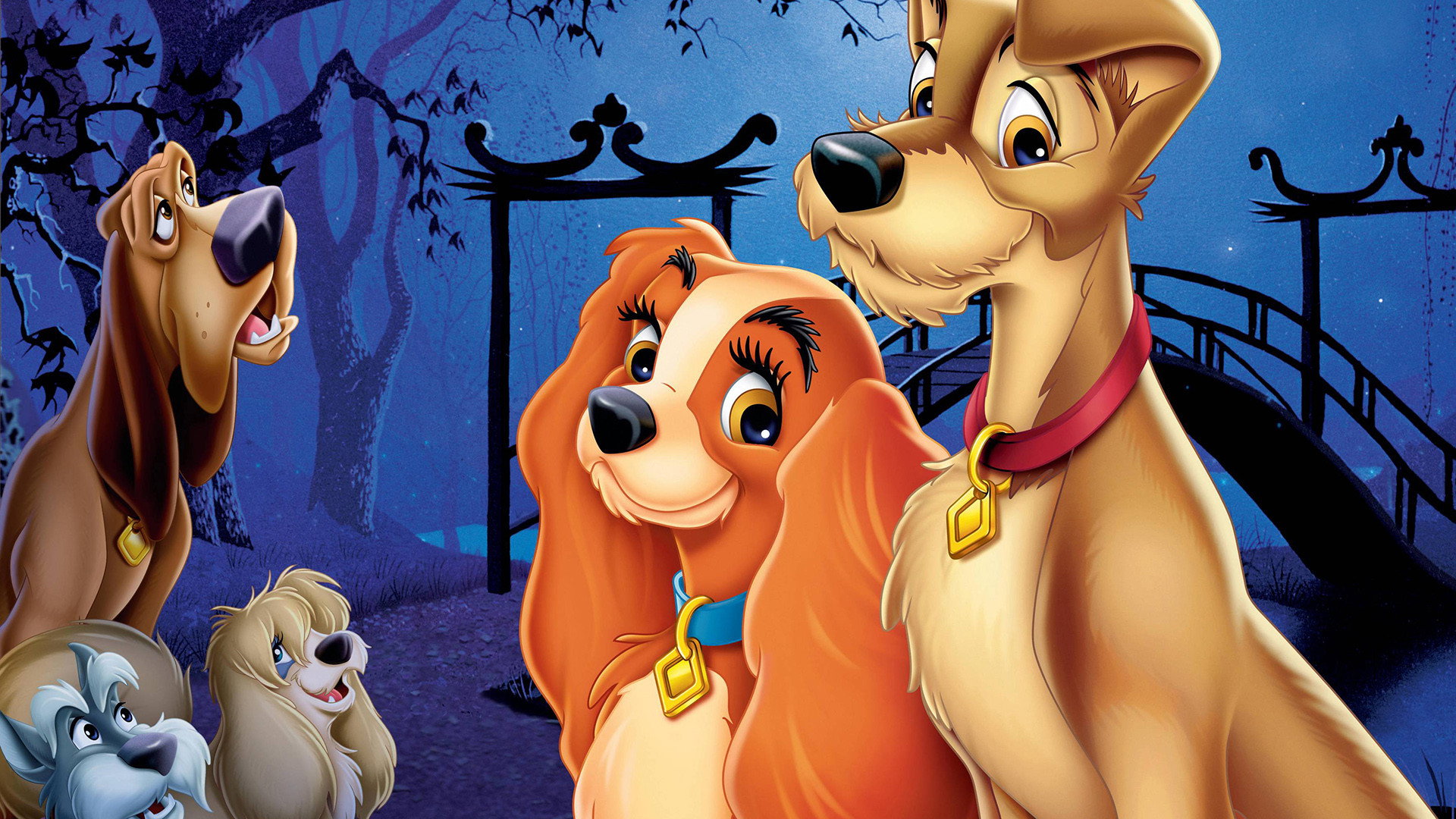
The dogs around the edges are where the writing is best. Bill Thompson’s Jock disapproves of everything on principle and does it in a Scots accent. Bill Baucom’s Trusty is the last to know he has lost his nose, and is forever beginning a story about his grandpappy Old Reliable. Stan Freberg’s beaver, met at the zoo, cannot stop working long enough to listen, and his scene with Tramp is the funniest thing in the film. In the pound, Peggy Lee’s Peg, a floozy with her fringe in her eyes, sings ‘He’s a Tramp’ to a chorus of strays and steals the picture in about two minutes.
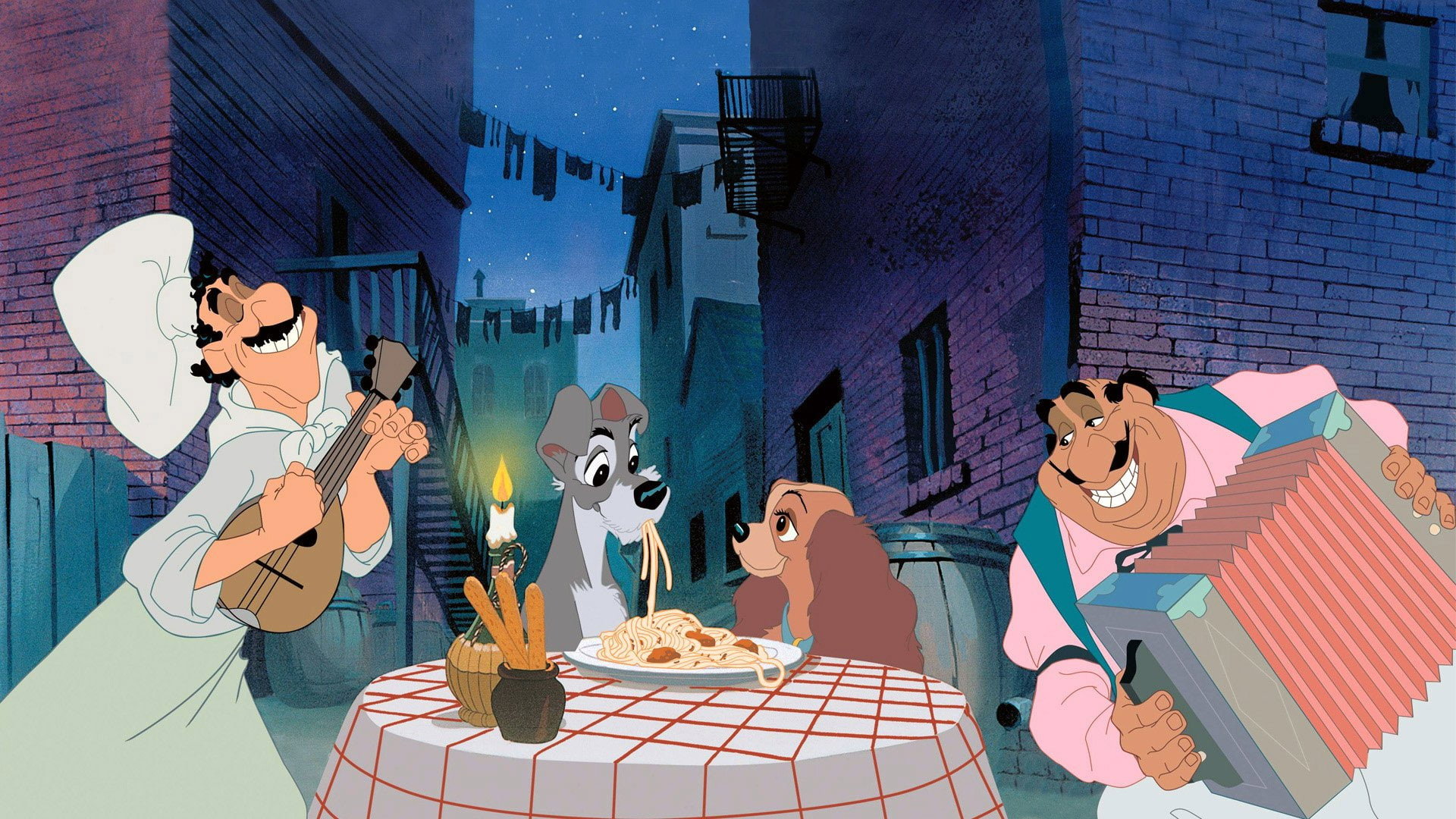
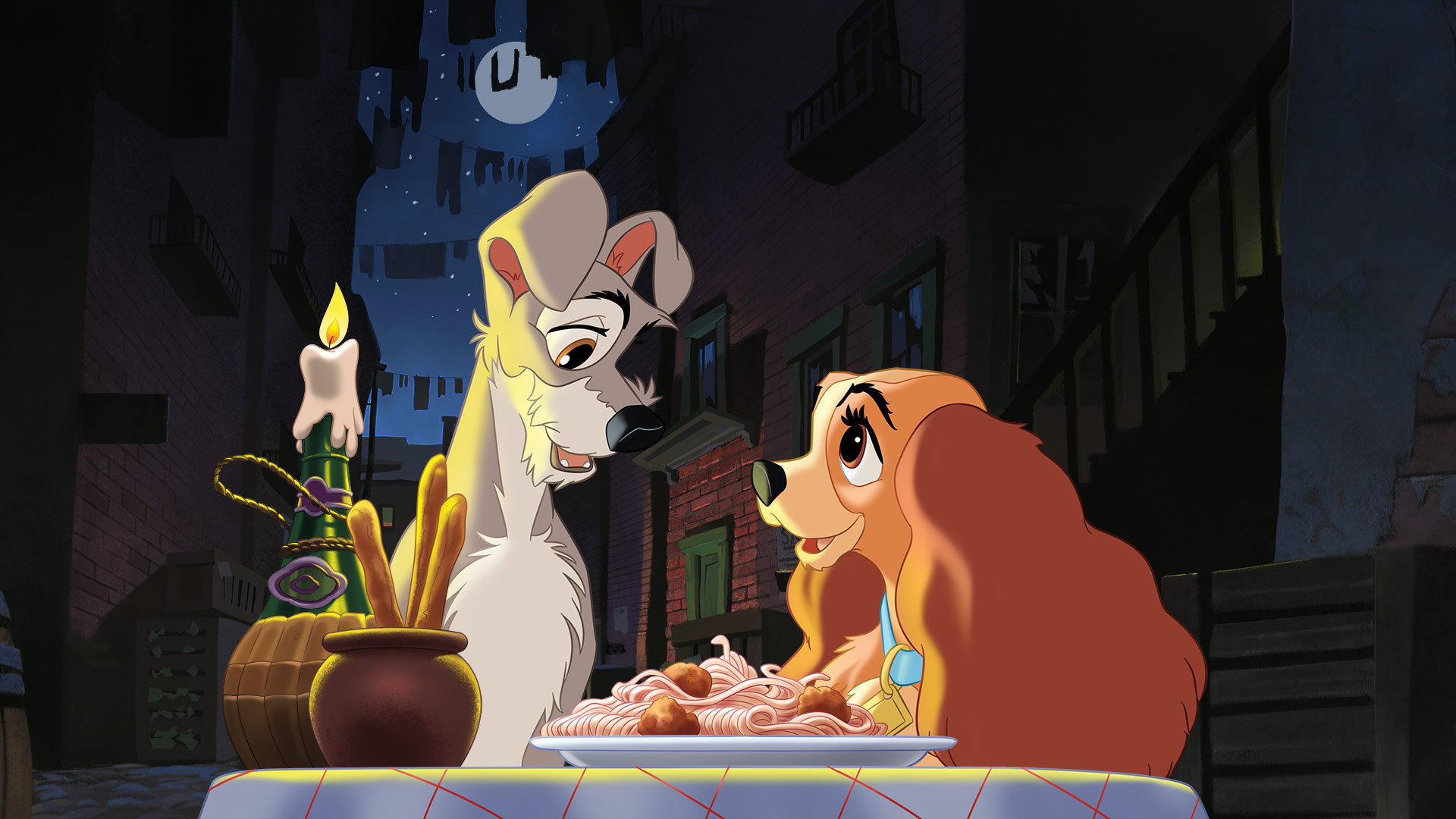
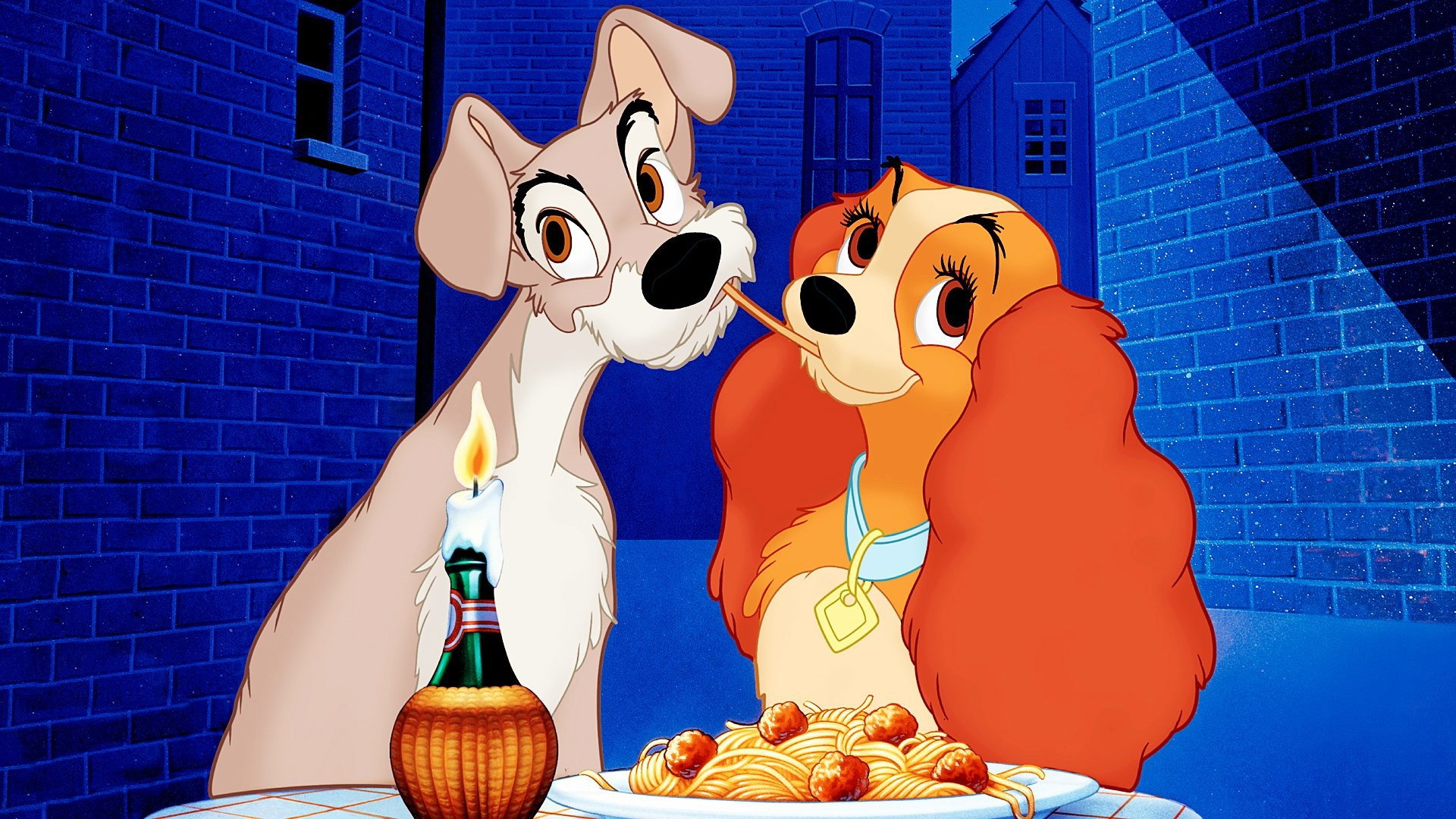
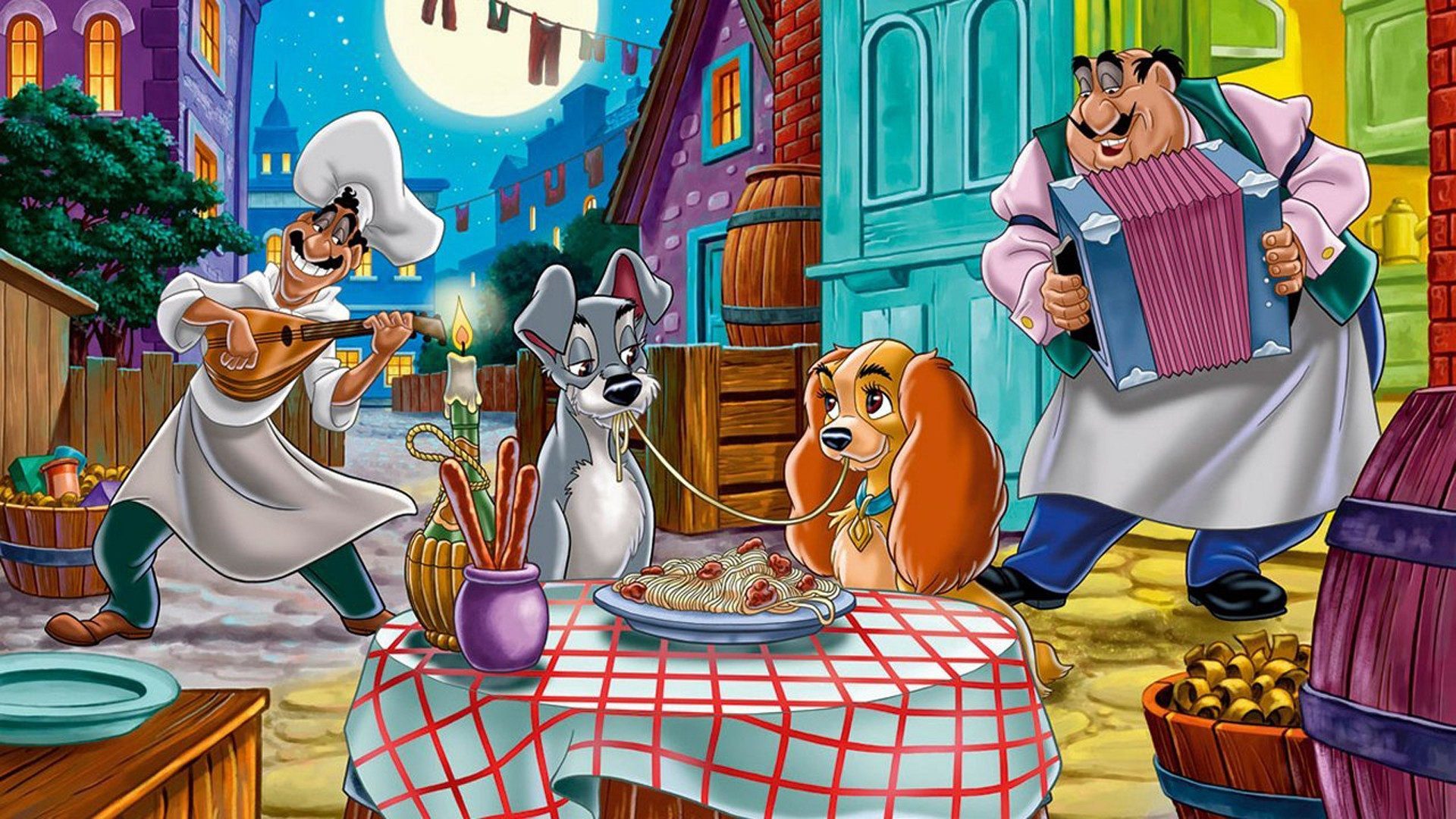
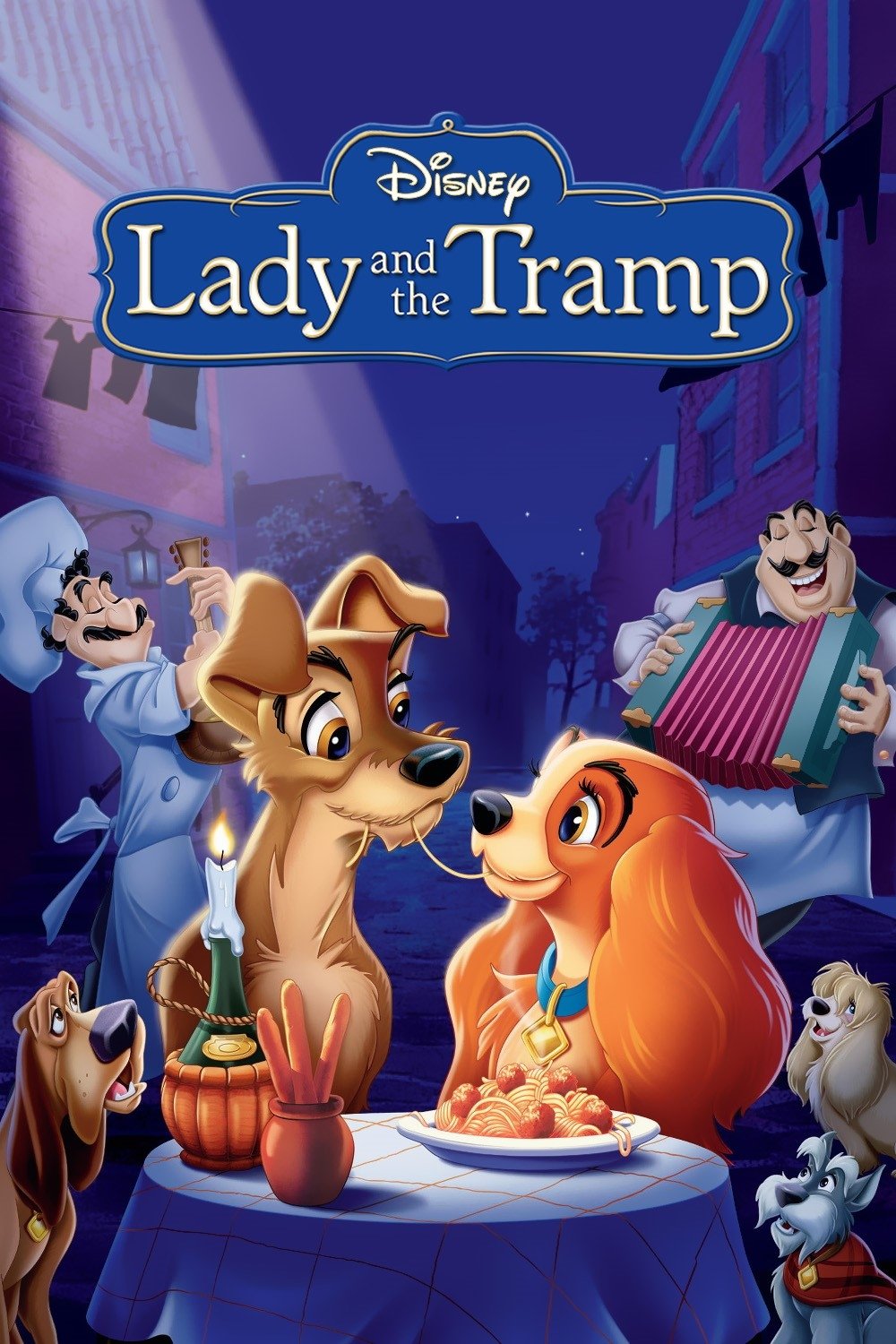
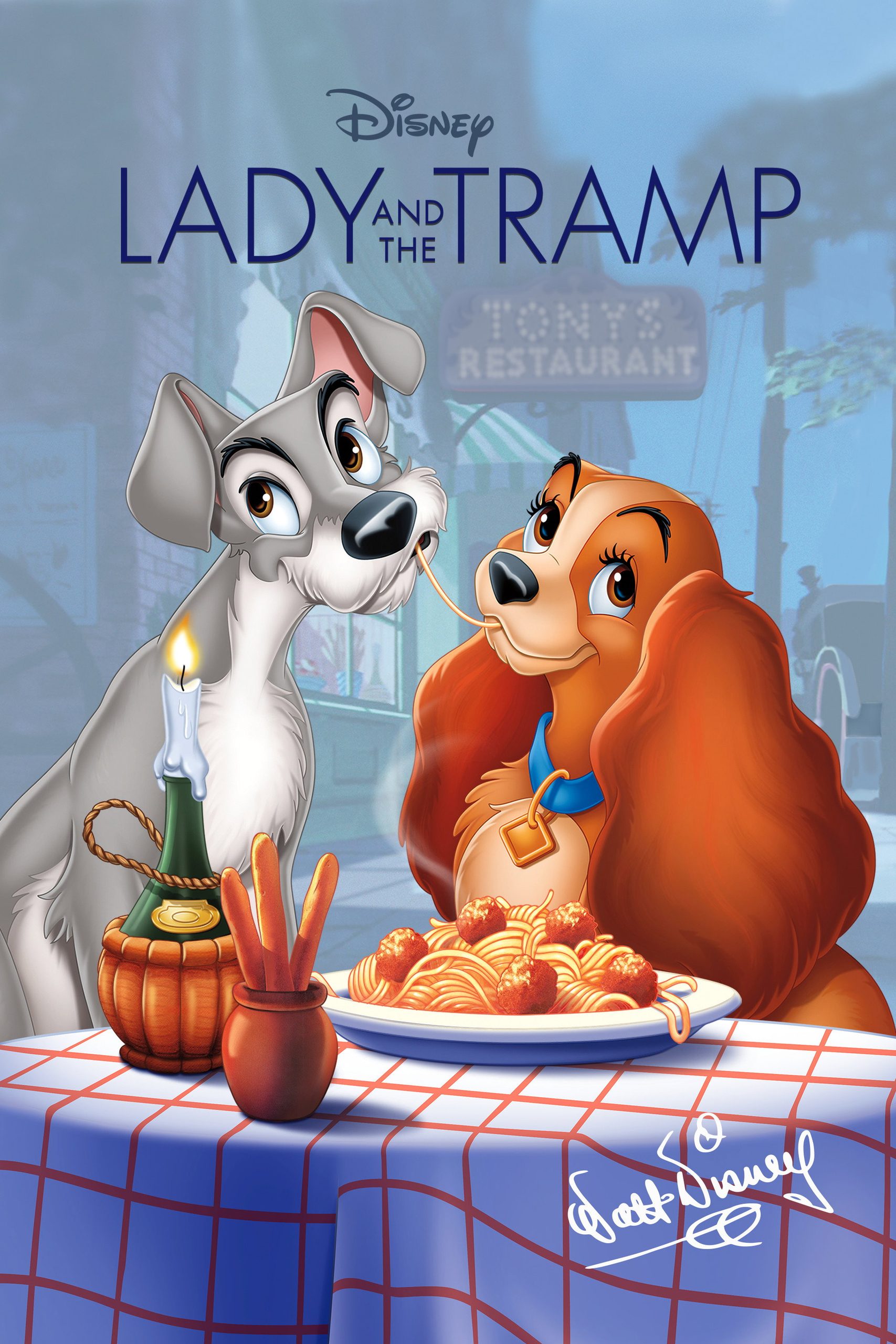
And then there is the dinner. Tony (George Givot) and Joe (Bill Thompson) bring a plate of spaghetti out to the alley behind the restaurant, light a candle stuck in a bottle, and sing ‘Bella Notte’ over an accordion while two dogs eat from the same plate and arrive at the same strand. What surprised us was how quiet it is: the song is soft, the alley is lit by that candle and a few windows, and the dogs do the rest with their eyes. We came prepared to be unmoved by one of the most reproduced images in animation, and we were not. It got us, because of the pause before the meatball, which lasts exactly as long as it should. Oliver Wallace’s score underneath is strings and little else, and Donald Halliday, who cuts the rest of the film briskly, lets this one sit.
Now the caveats, and one is not small. Aunt Sarah’s Siamese cats, Si and Am, also voiced by Peggy Lee, are drawn and sung as a pair of Asian caricatures, slanted eyes and buck teeth and a singsong number about goldfish. It runs a couple of minutes, it is ugly, and time does not excuse it. Be ready for it if you are watching with children. Less seriously, the humans are dull: two nice people who own a dog, and when they leave for their trip we did not miss them. The plot, once Tramp arrives, is a run of scrapes, and the ending, which we will not describe, comes in a rush.
Against the studio’s other work it is the modest one. Cinderella (1950) and Peter Pan (1953) had castles and pirates; this has a back garden, a pound and a butcher’s shop. Ward Greene’s novel and the story by Erdman Penner, Ralph Wright, Don DaGradi and Joe Rinaldi keep the stakes at a level a dog would understand: dinner, the baby, whether the door will be opened. That is harder to sustain for 76 minutes than a witch, and mostly they sustain it.
Watch it with someone small, or with someone who was once small, and be prepared to say something about the cats. It carries a U, it is over before anyone gets restless, and the dogs are better company than the people, which we suspect was the point.