Wes Anderson’s Isle of Dogs is a funny, touching adventure whose dogs deserve every minute we spend with them. The crowded plotting and the distance it keeps from its Japanese human characters are harder to excuse.
Wes Anderson’s Isle of Dogs makes a good, odd adventure out of a boy’s search for his dog, then gives that adventure more political business than it needs. A quarantine has put the dogs on a rubbish island in a future Japan, where being unwanted means having to learn to survive among the waste. The cruelty of that arrangement gives the jokes some weight and the search a reason to matter. The boy is Atari Kobayashi, voiced by Koyu Rankin.
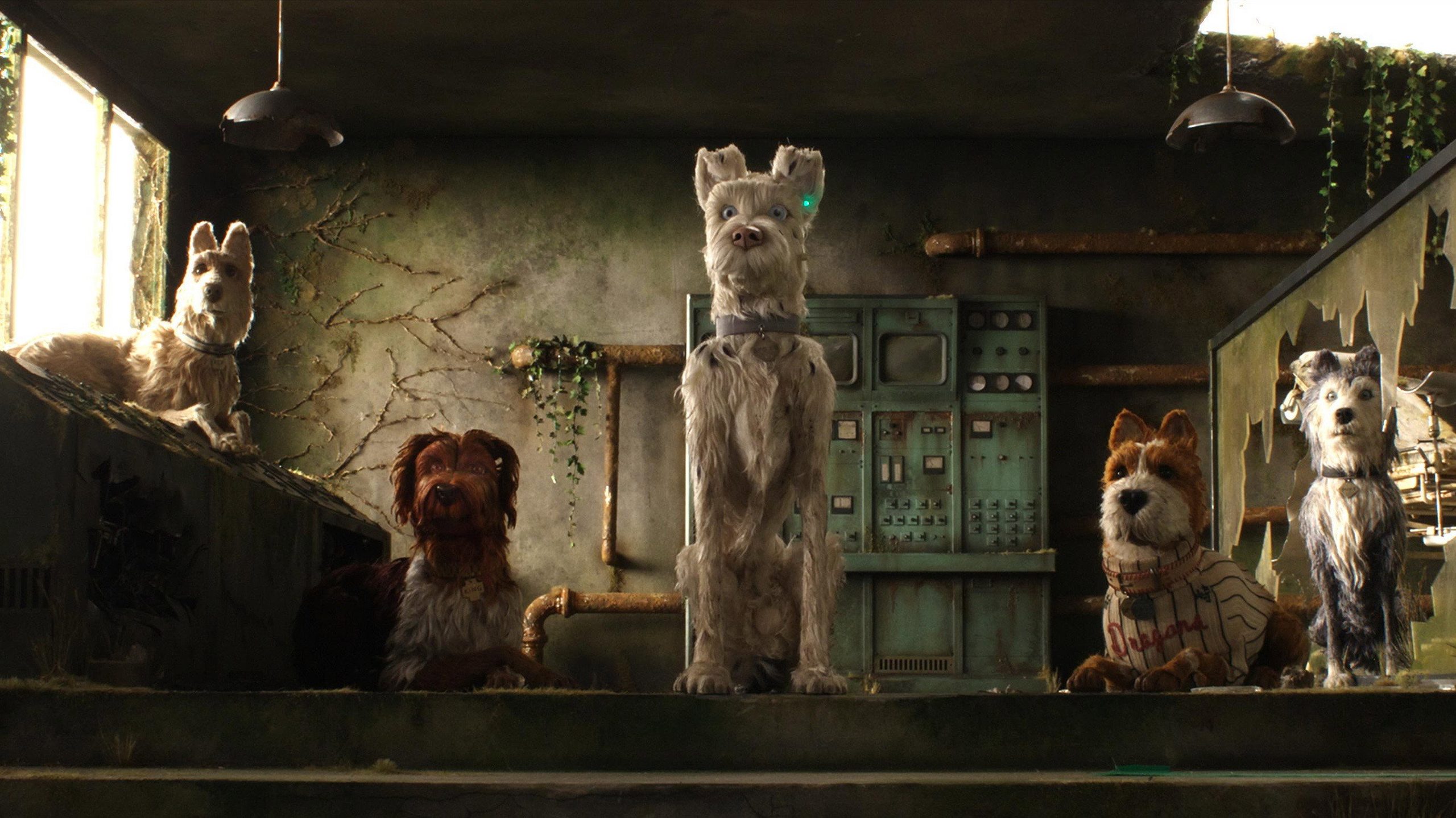
Production designers Adam Stockhausen and Paul Harrod make the island worth inspecting without letting us forget what it contains. There is pleasure in the care lavished on the rubbish, but the place remains bleak enough to make the dogs’ predicament credible. Tristan Oliver’s cinematography makes the heaps feel large enough to get lost in, while keeping the dogs’ movements clear against them. This is an unusually unwelcoming setting for an animated adventure, and the animals have to live in it.
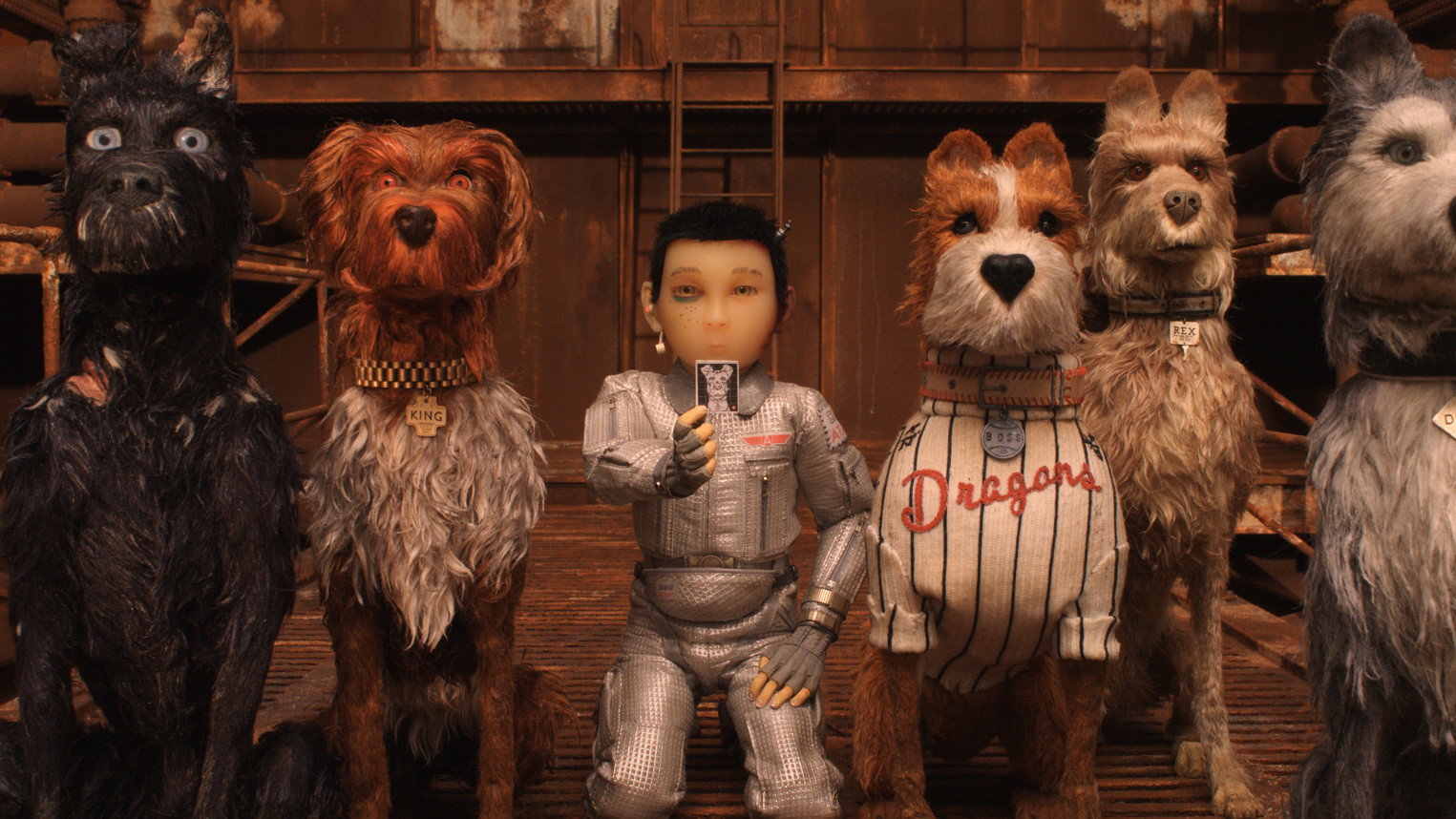
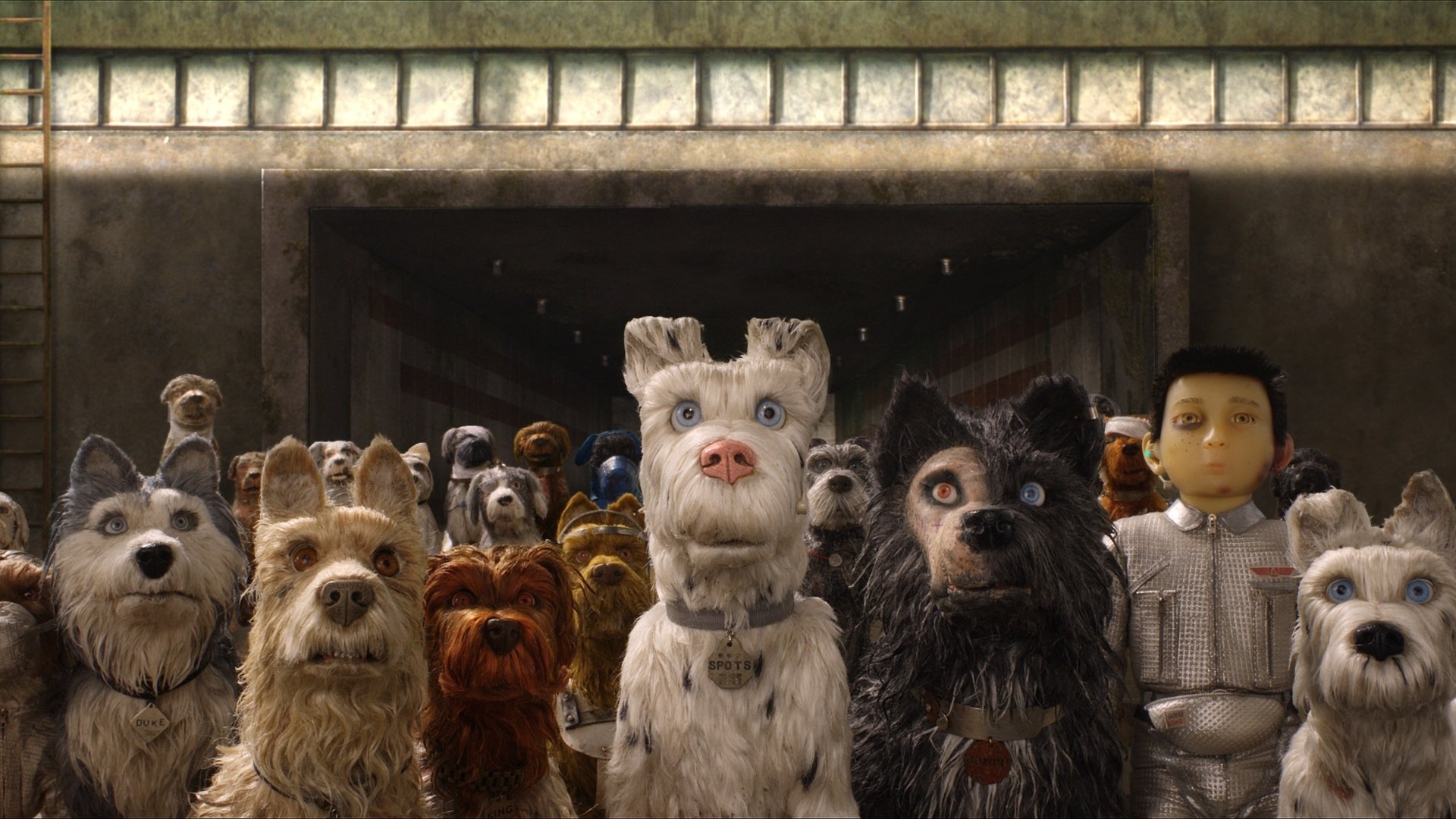
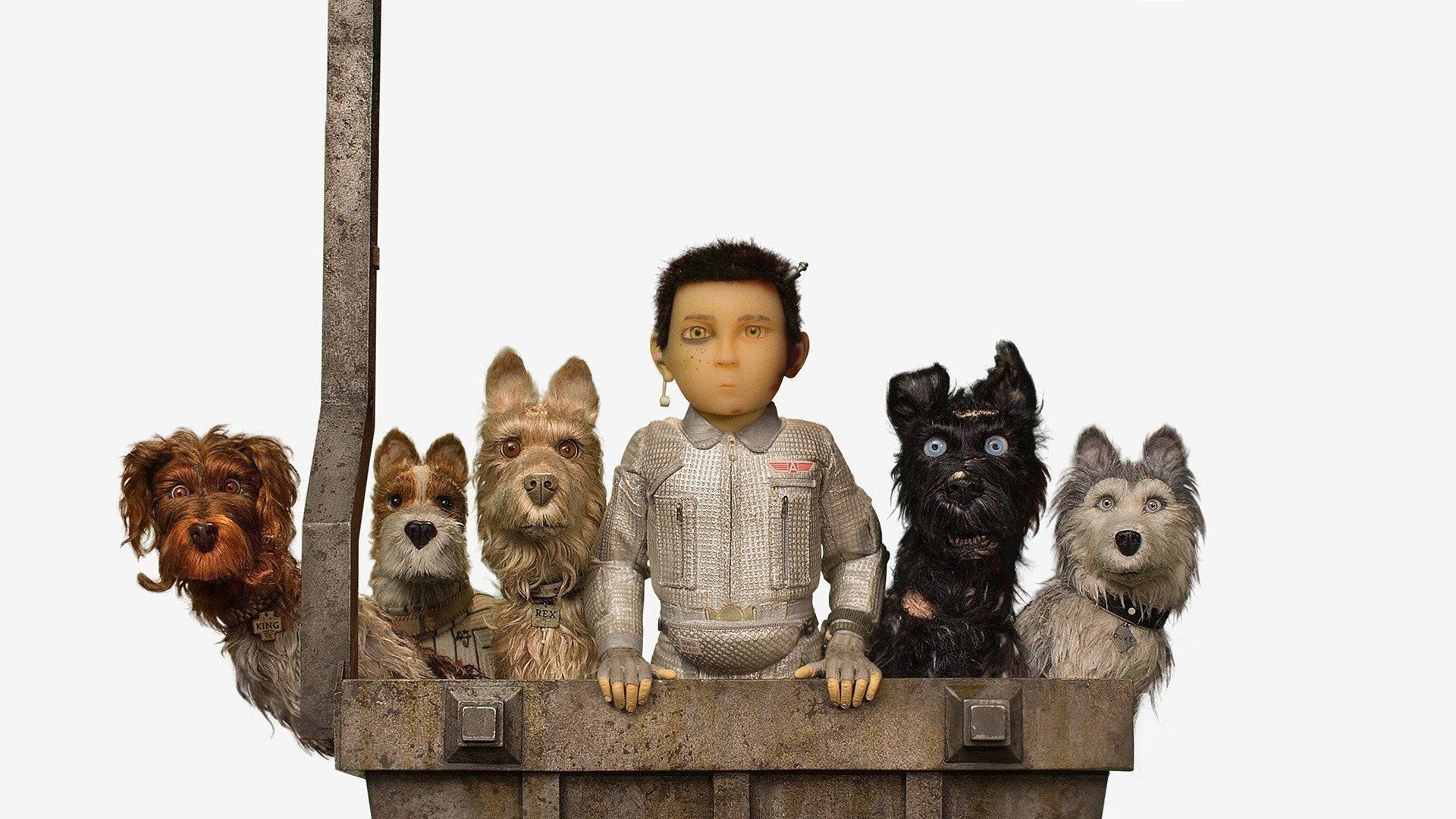
Bryan Cranston’s Chief holds our attention because the voice has enough weariness to make the dry delivery sound earned. The stop-motion animation gives the dogs small, distinct movements, and their physical expressiveness is as important as the spoken jokes. We were unexpectedly upset by their struggle to survive among the rubbish; the precision of those movements makes their discomfort hard to dismiss as a joke. The ensemble also offers drier pleasures, with Edward Norton as Rex, Bob Balaban as King and Bill Murray as Boss.
Alexandre Desplat’s score supplies welcome momentum, giving the journeys a lift without pretending that this is a cosy setting. Editors Ralph Foster and Edward Bursch have the harder task of keeping the chapter-structured story moving, and the divisions initially give the search a pleasing order. As the plot fills up, however, the same arrangement starts to feel fussy: another piece of explanation, another interruption before we can return to the animals. The increasingly hurried passages leave less time for the canine performances that make the search worth following.
The treatment of the Japanese human characters is harder to shrug off. Much of their dialogue arrives without subtitles, so we are asked to follow tone and behaviour where the dogs can explain themselves. There is a sensible animal’s-eye idea there, but Wes Anderson does not give the humans enough compensating individuality, and they can seem like people positioned to move the plot along. That distance matters when the film asks us to care about the politics as well as the search.
As a talking-animal adventure, this is welcome for its willingness to make its creatures awkward and vulnerable, rather than reliably comforting. The humour can be bleak, and the bursts of savagery deserve more notice than the PG certificate might suggest. At 101 minutes it is not a long film, though the accumulated plot can make it feel like one near the finish. Older children who enjoy the peculiar may take to it more readily than anyone expecting a reassuring pet story.