Wes Anderson’s handmade animal caper is funny, warm and good on family irritation. The script sometimes enjoys its own cleverness too much, but the voices and the stop-motion give it plenty of life.
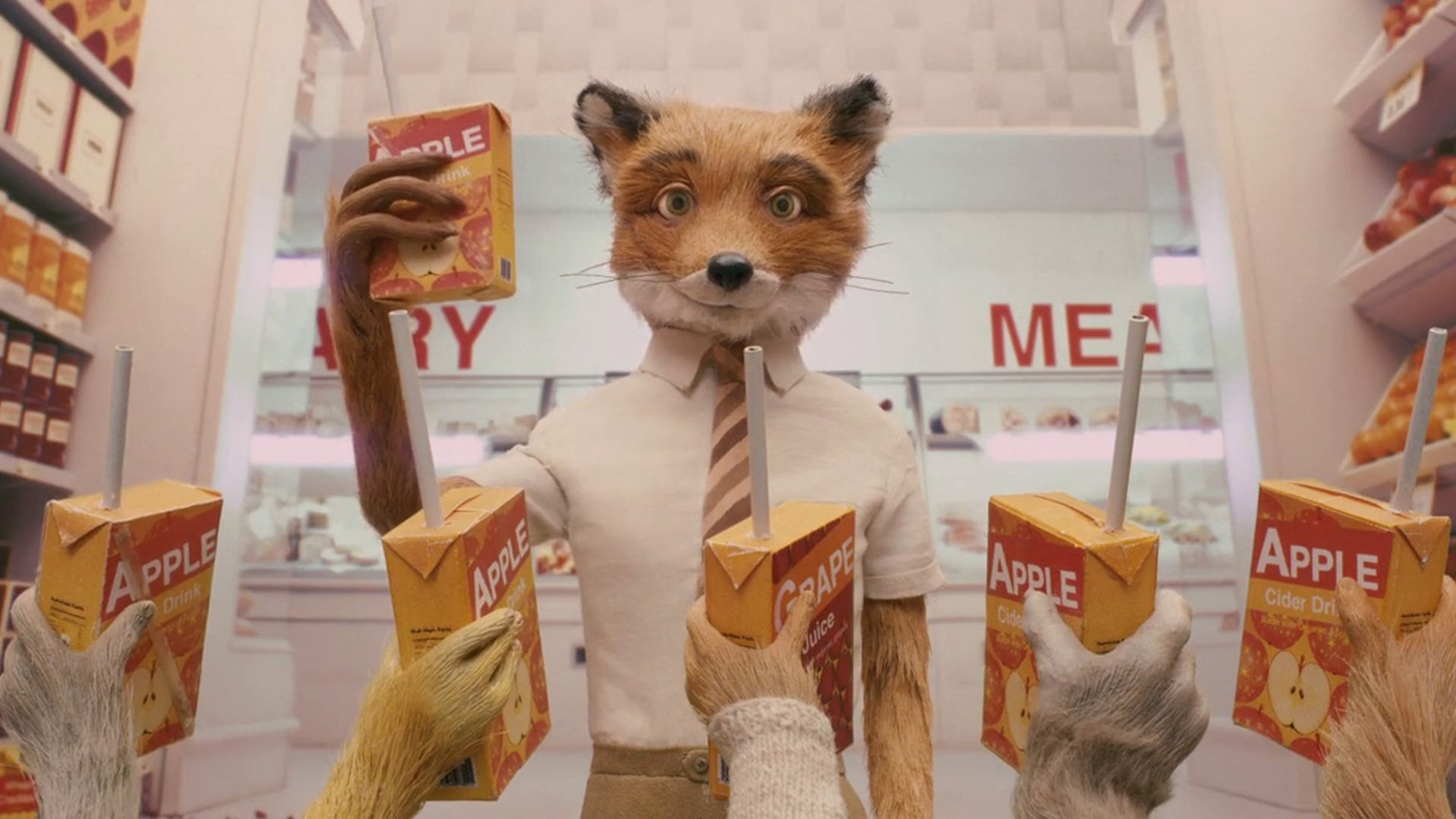
Fantastic Mr. Fox is a warm, funny family caper, with a little too much fussing over its own cleverness. Wes Anderson and co-writer Noah Baumbach adapt Roald Dahl’s novel with an interest in animals who have domestic responsibilities and still want to behave like animals. The stop-motion gives that problem a useful physical form: furred creatures carry familiar human grievances, and their appearance makes the complaints funnier. At 87 minutes, the film has room for both the family and the adventure.
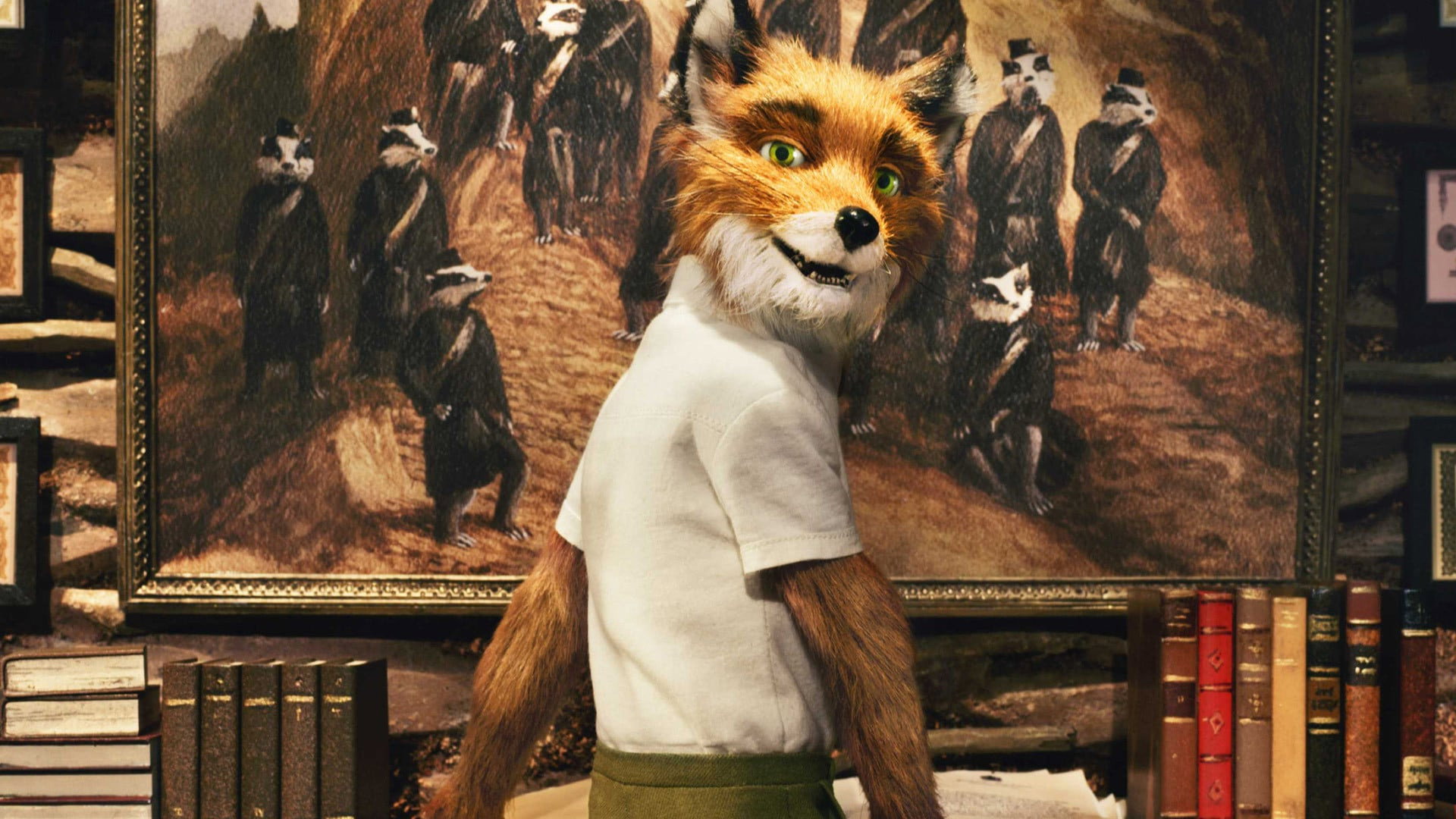
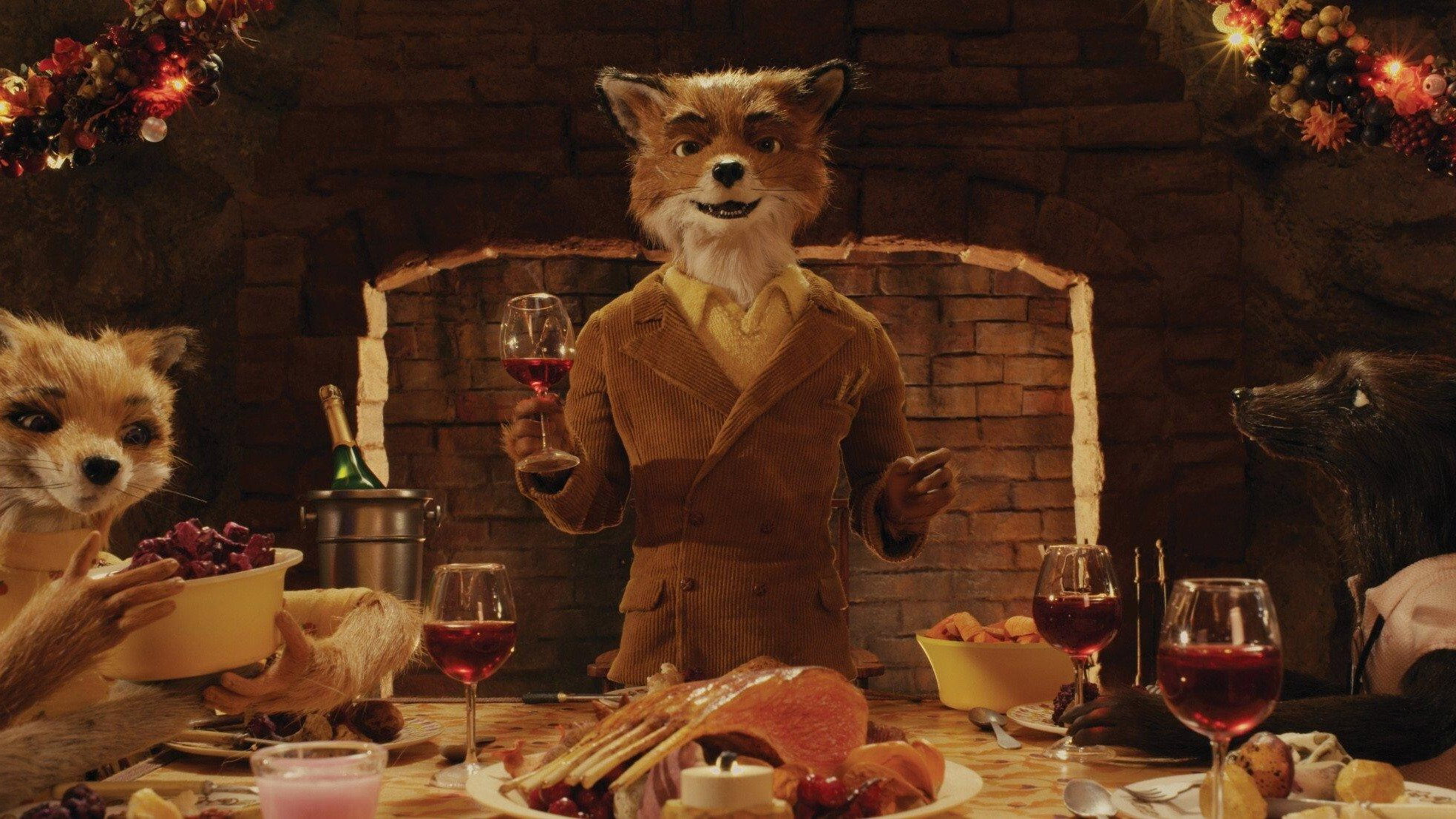
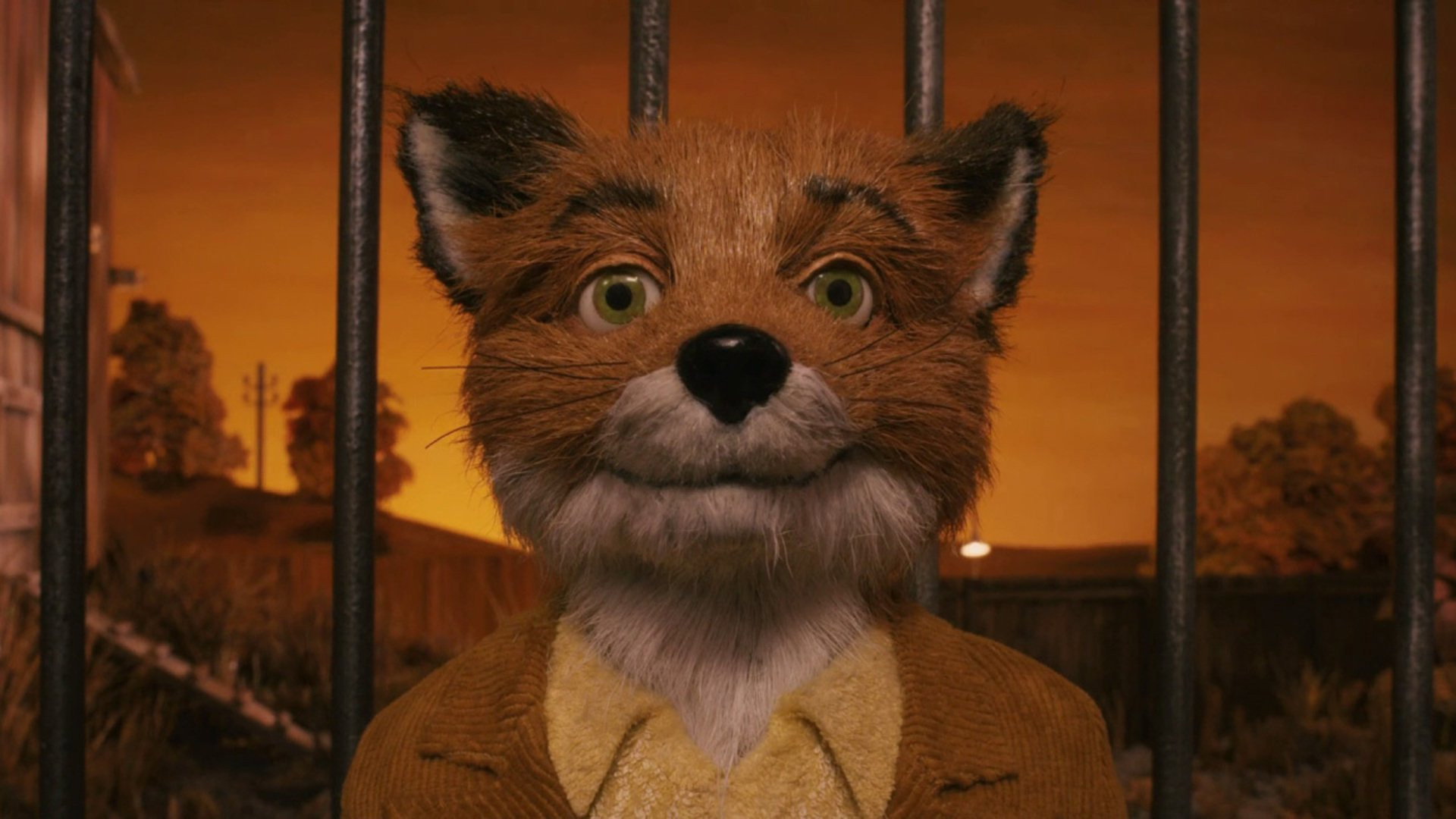
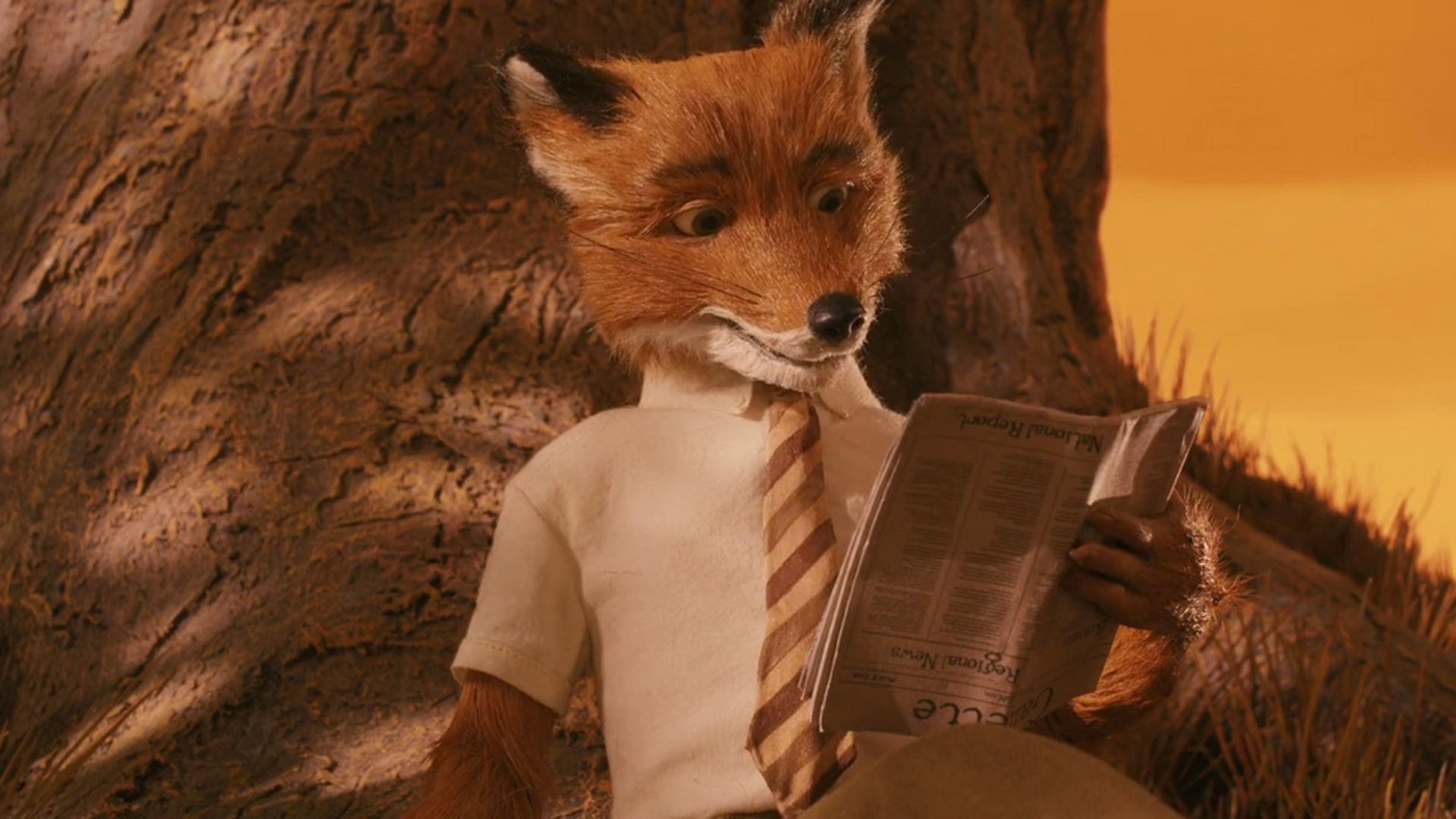
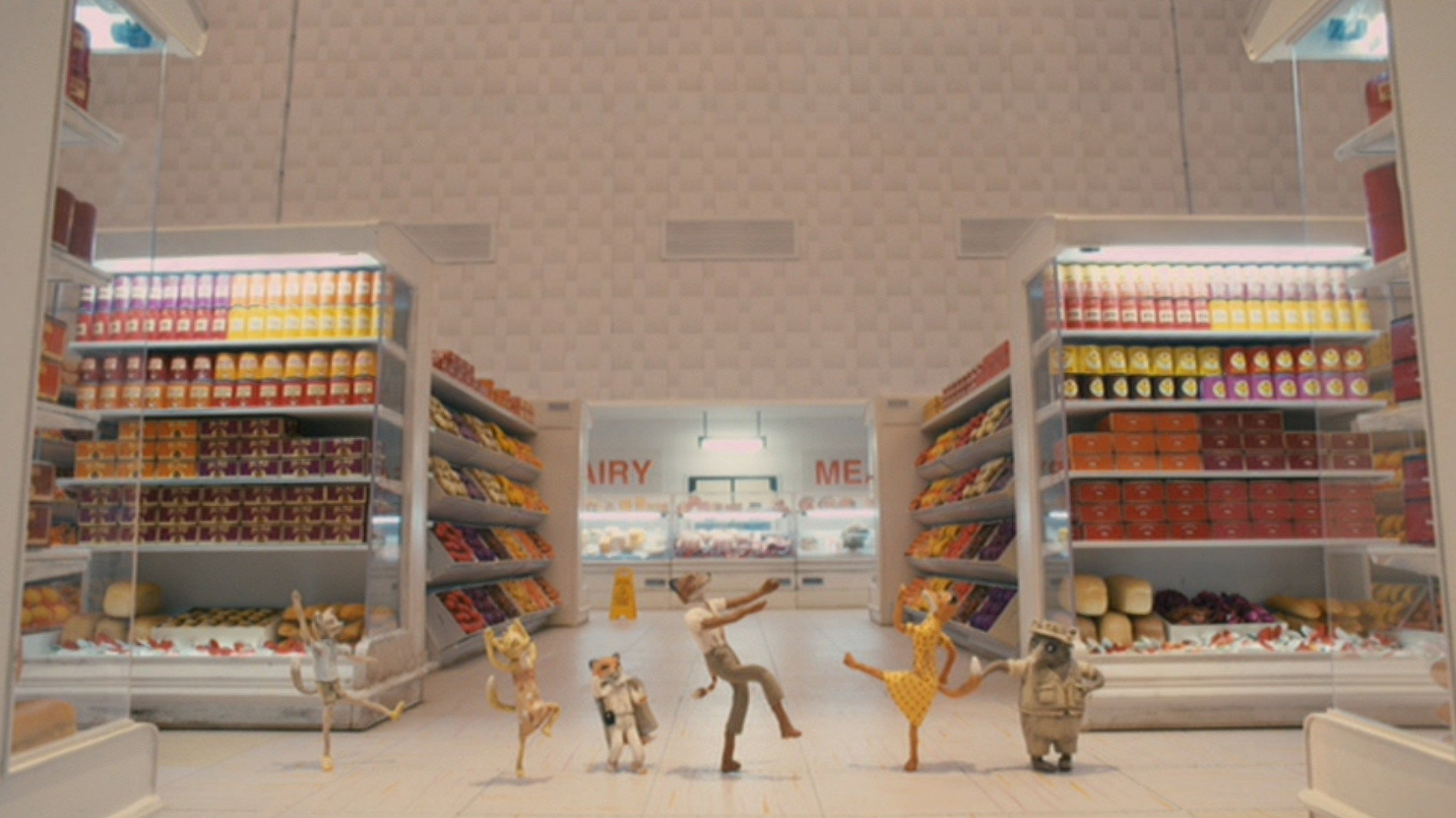
Production designer Nelson Lowry gives the animals surroundings that look made by hand and reward close inspection. The puppets retain the slightly awkward presence of physical objects, while cinematographer Tristan Oliver’s autumnal colours make their fur part of the pleasure of looking. This is animation that lets us notice the materials without losing interest in the characters. Even when the conversation becomes sophisticated, the animals remain amusing things to have put in front of a camera.
George Clooney makes Mr Fox sound like a fellow who has rarely doubted the value of his own suggestions. We laughed at that assured voice coming from a furry face, because he sounds certain that charm will settle any objection. Meryl Streep’s Mrs Fox has enough irritation in her voice to suggest considerable experience of this confidence. Their exchanges suggest a long domestic history without requiring the screenplay to stop and provide one.
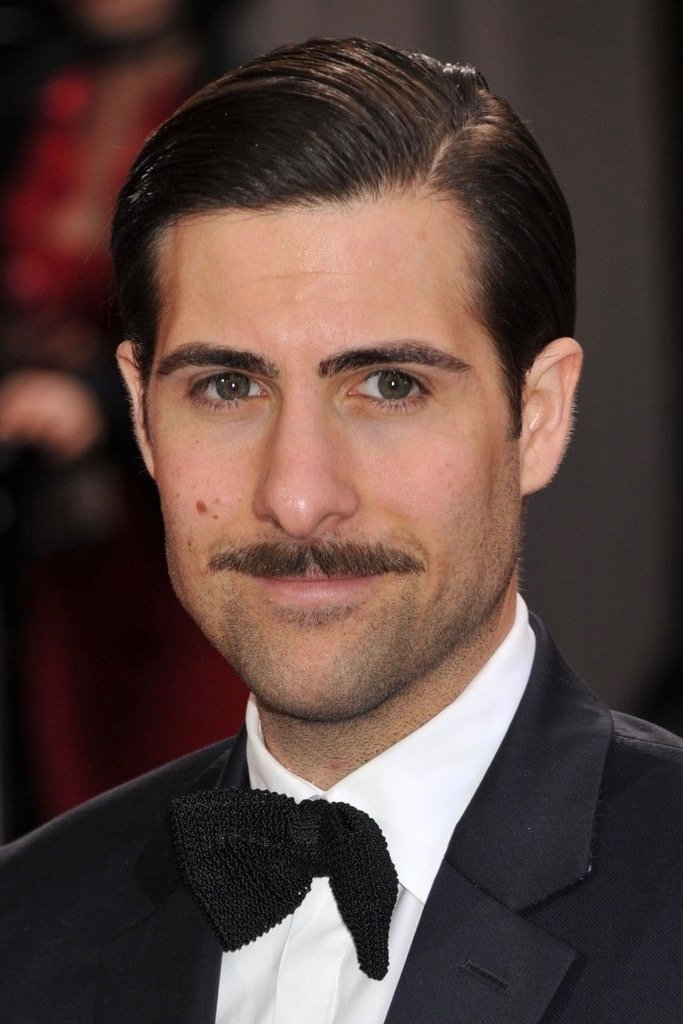
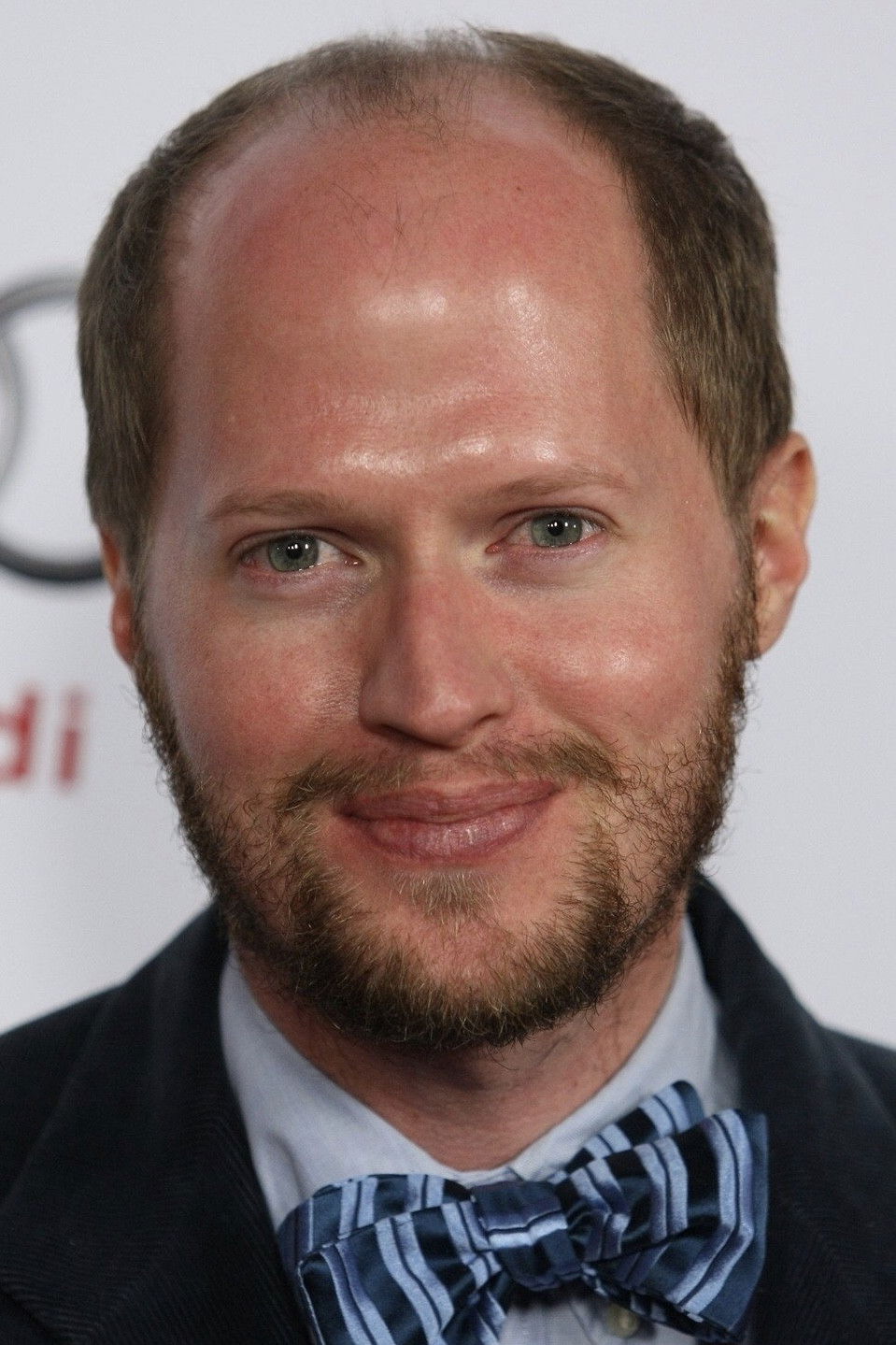
Jason Schwartzman’s prickly Ash gives the family scenes an awkwardness that stops them becoming too comfortable. Eric Chase Anderson’s Kristofferson offers a gentler voice, and the difference is useful even before we consider what either character says. Wes Anderson and Baumbach allow affection to coexist with relatives finding one another tiresome. That is a recognisable basis for a family comedy, and the cast handles it without asking for sympathy at the end of every exchange.
Editors Stephen Perkins and Ralph Foster favour a brisk pace, which suits the caper and the dry delivery of the jokes. Much of the pleasure lies in how quickly the film moves past a funny detail, trusting us to have caught it. Alexandre Desplat’s score helps keep the action buoyant without making the domestic scenes sound unduly solemn. There is a welcome lightness to the music in a film already busy with voices and incident.
The trouble comes when that speed begins to hurry things that deserve a little more time. Anderson and Baumbach’s screenplay occasionally jumps between set pieces before the quieter family exchanges have had enough room, and some of the knowing dialogue sounds too pleased with itself. We wanted the characters to be allowed to feel awkward for longer, without another clever remark coming along. Those interruptions are a modest frustration, but they make the emotional moments less persuasive than the comic ones.
As family animation, it is pleasingly relaxed about characters who are vain, difficult or simply bad company. The wild-animal behaviour keeps the domestic complaints from taking over, and there is enough affection to make the squabbling worth attending to. That gives adults something to recognise without making the film depend on adult recognition. Choose it for a family evening when nobody needs the animals to set a good example.