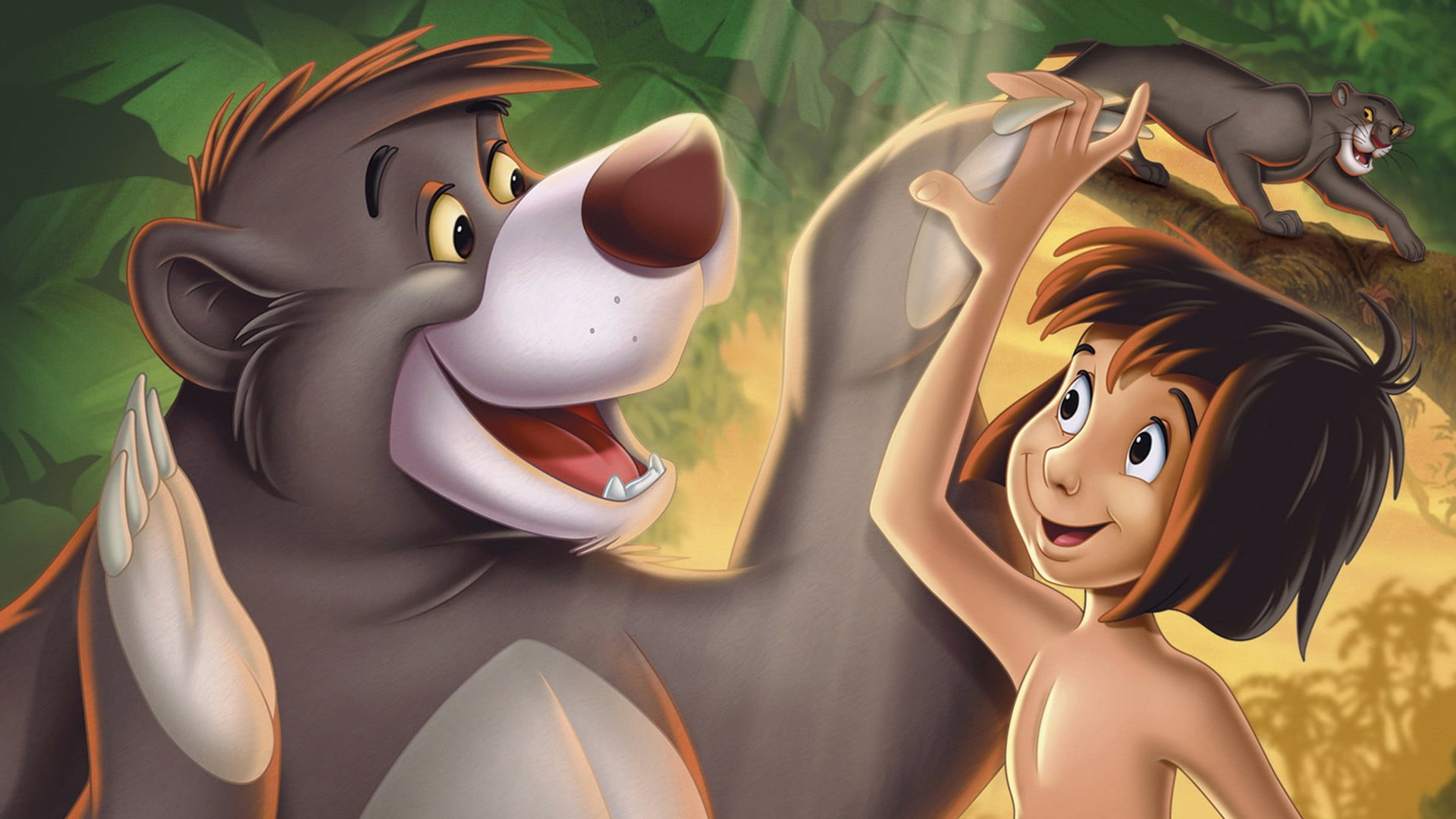
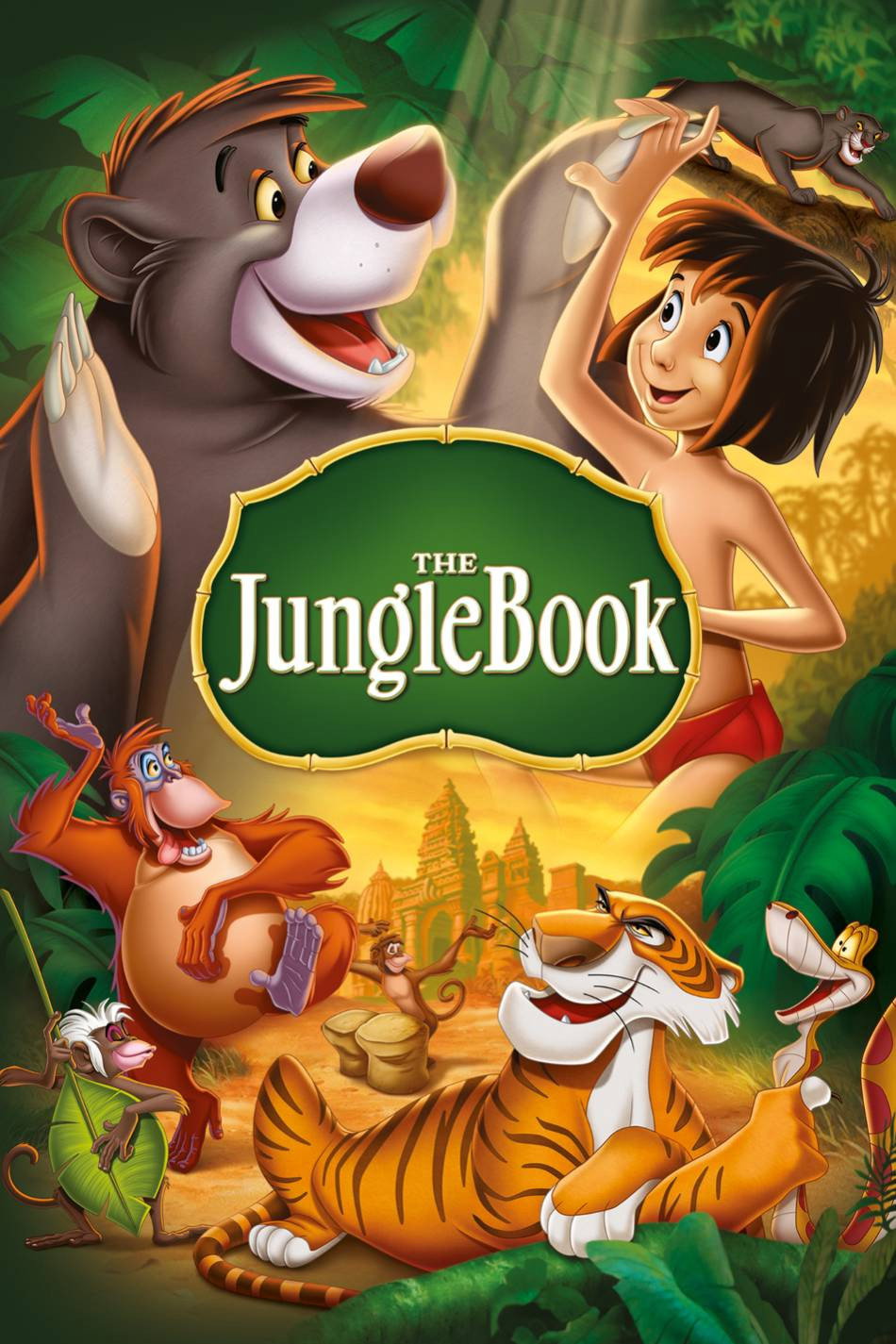
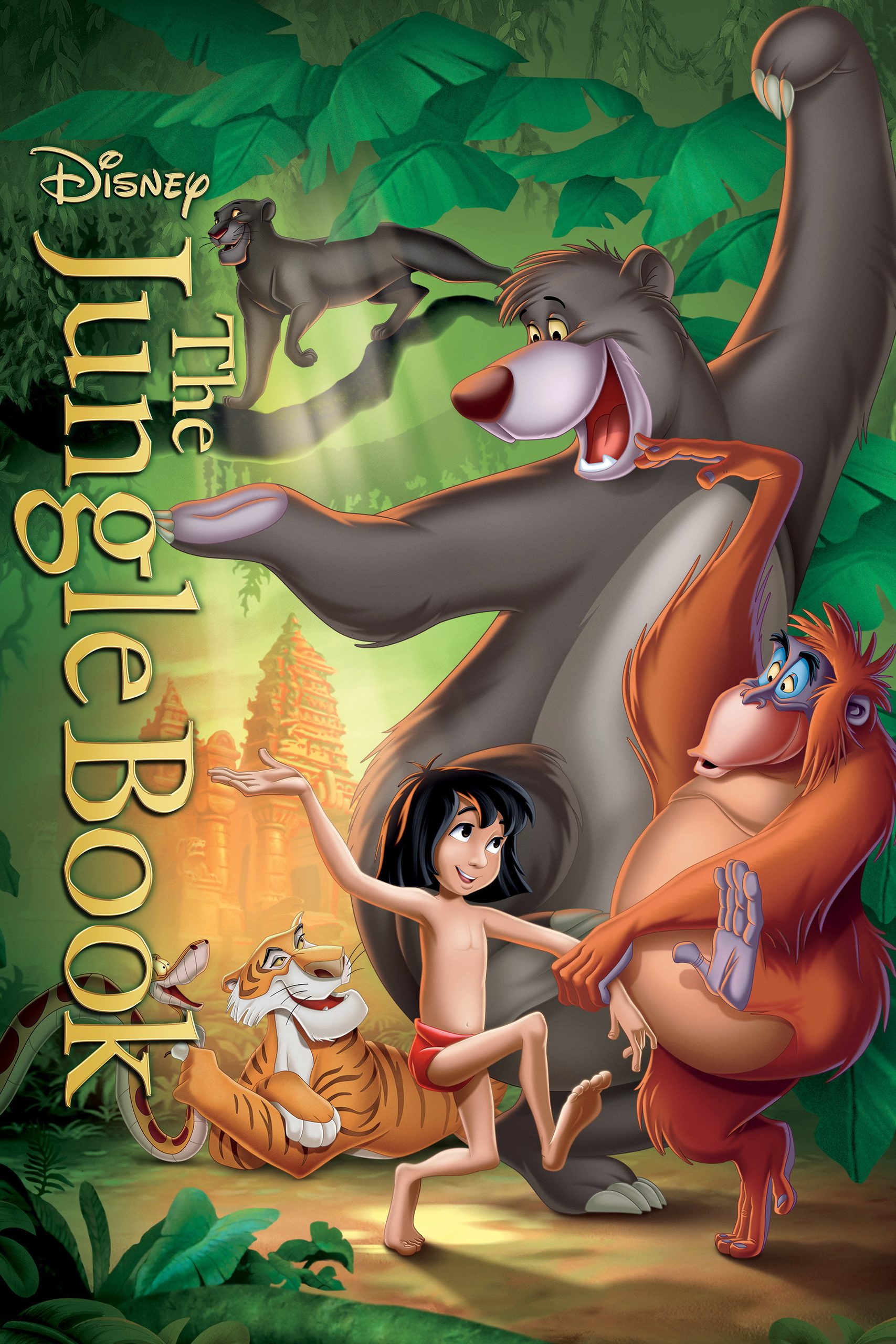
Disney’s loose, swinging version of Kipling has almost no story and does not miss it. Phil Harris’s Baloo, George Sanders’s tiger and two songs everyone knows carry 78 minutes that still play as fresh as they did in 1967.
Wolfgang Reitherman’s The Jungle Book takes Rudyard Kipling’s Mowgli stories, keeps the names and throws away nearly everything else. The story team of Ralph Wright, Ken Anderson, Larry Clemmons and Vance Gerry replace Kipling’s Law of the Jungle with a string of comic turns, each one built around a song. It was the last animated feature Walt Disney supervised himself. It is also, at 78 minutes, one of the studio’s loosest and most likeable films, and the looseness is most of the pleasure.
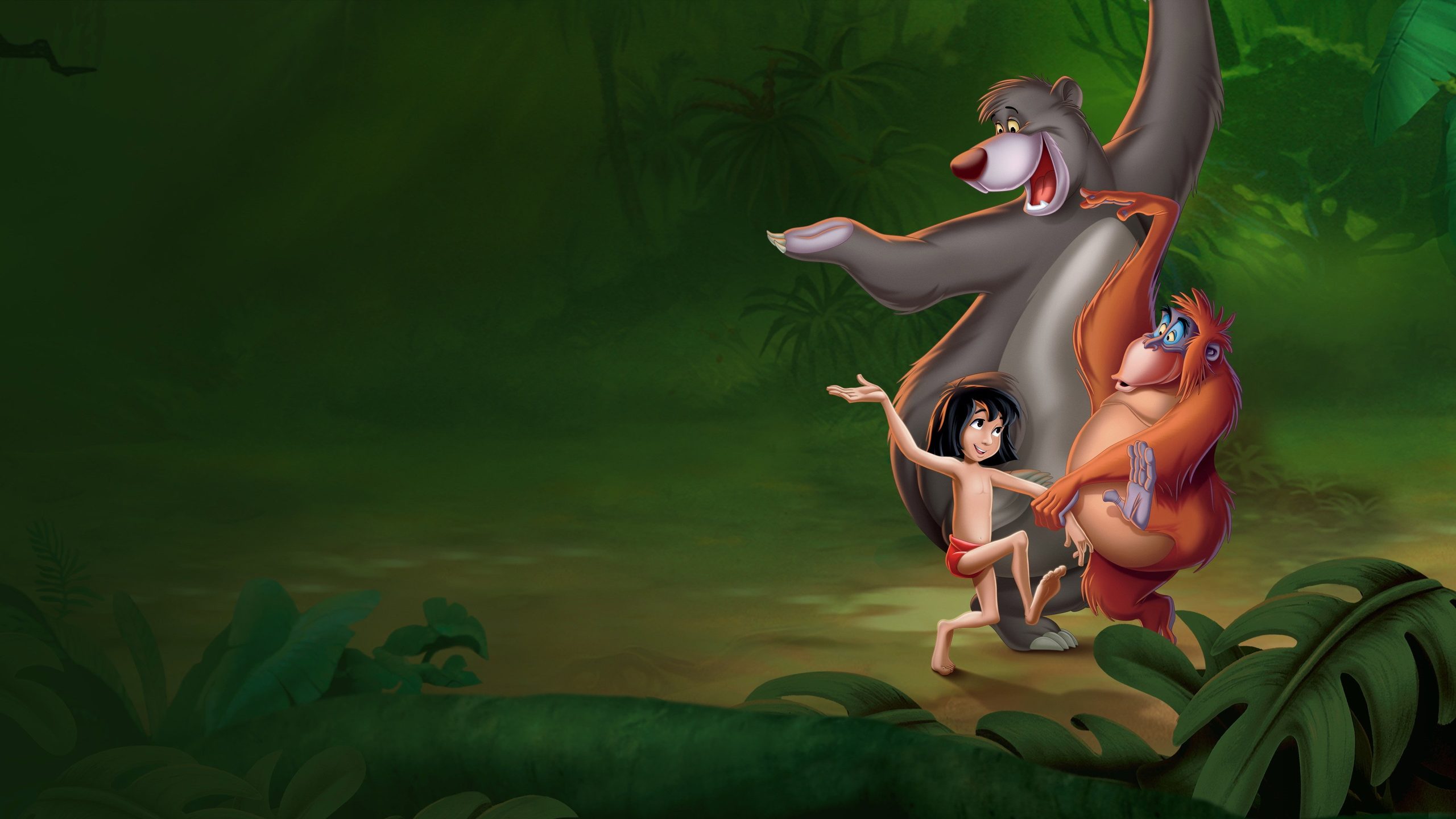
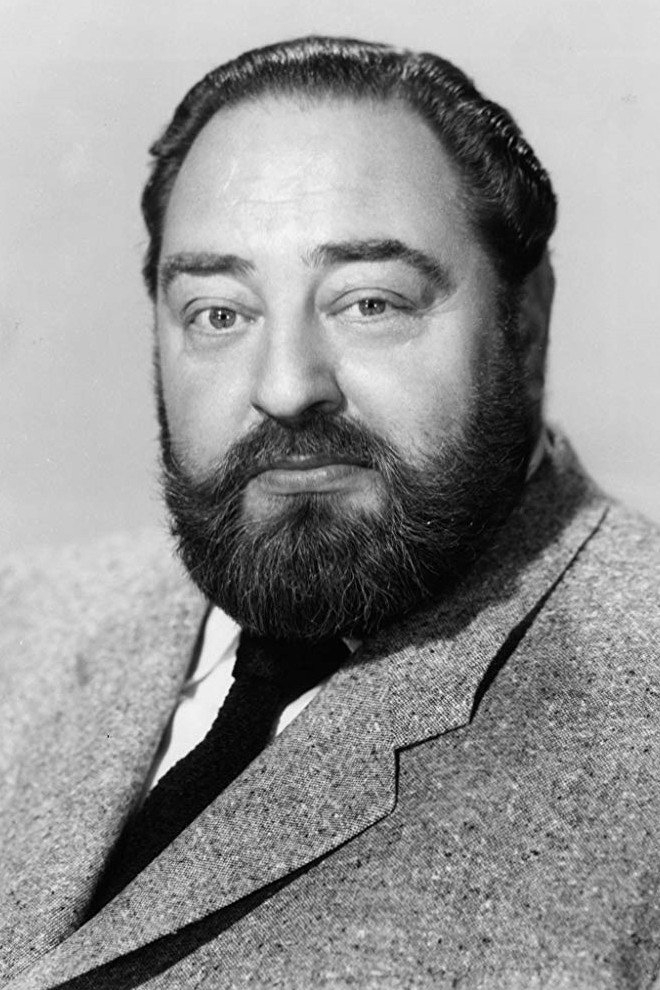
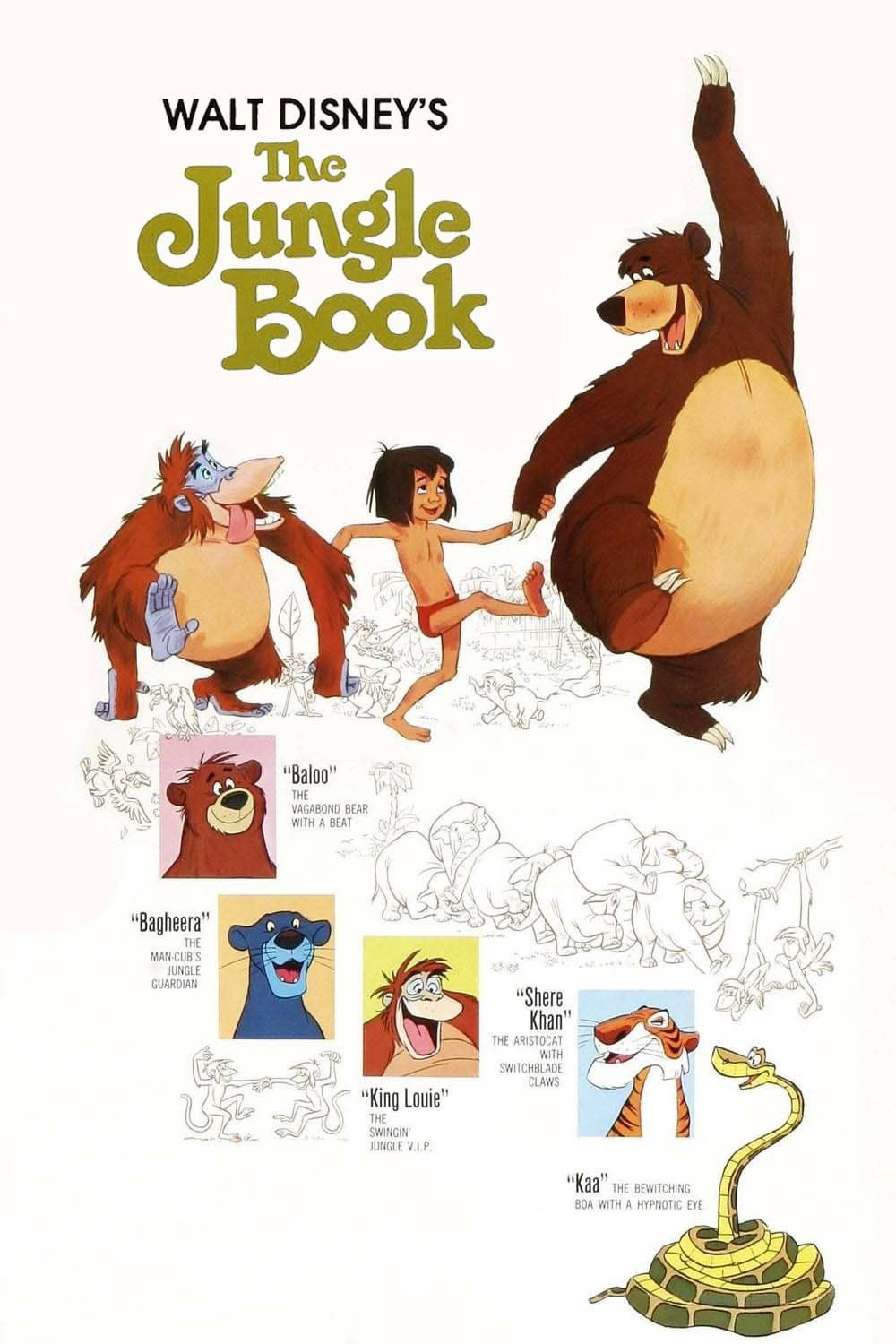
The setup is dealt with briskly. Bagheera (Sebastian Cabot) finds a baby in a wrecked boat, the wolves raise him, and when the tiger Shere Khan (George Sanders) comes back to the district the pack decides Mowgli (Bruce Reitherman) must be taken to the man-village. Bagheera sets off with him and the film promptly stops being a journey. Every mile or so somebody new walks out of the undergrowth and the plot waits politely while they do their act.
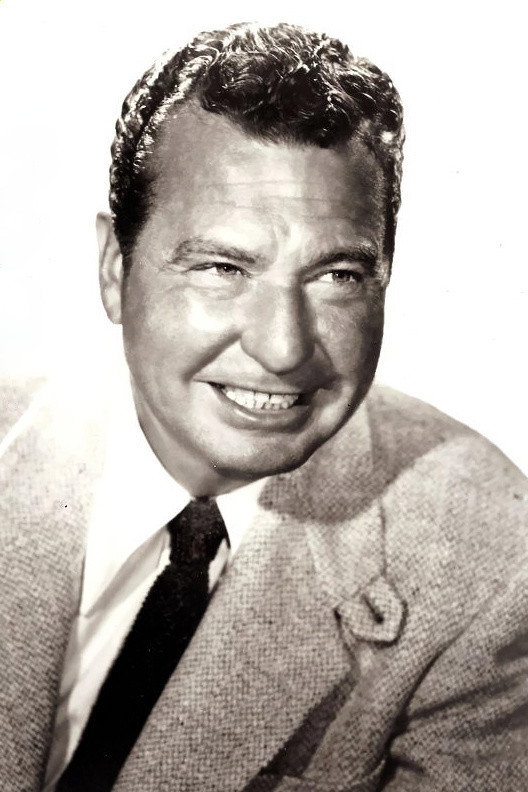
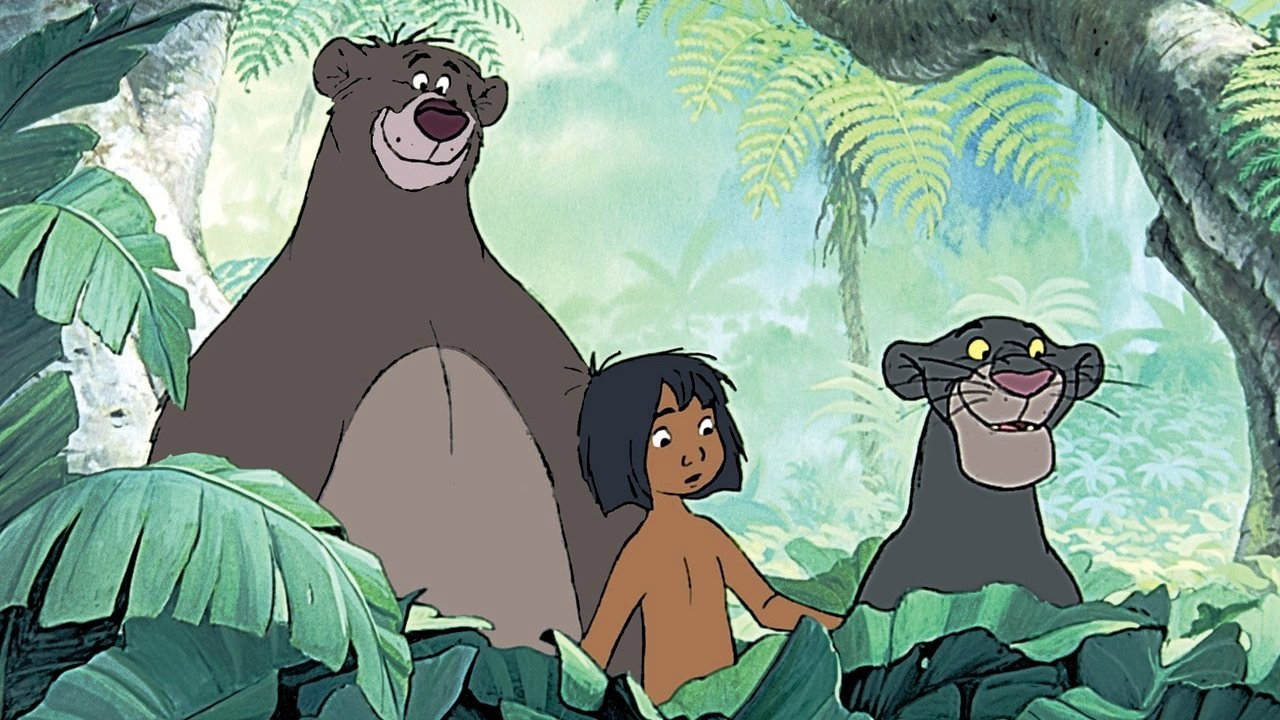
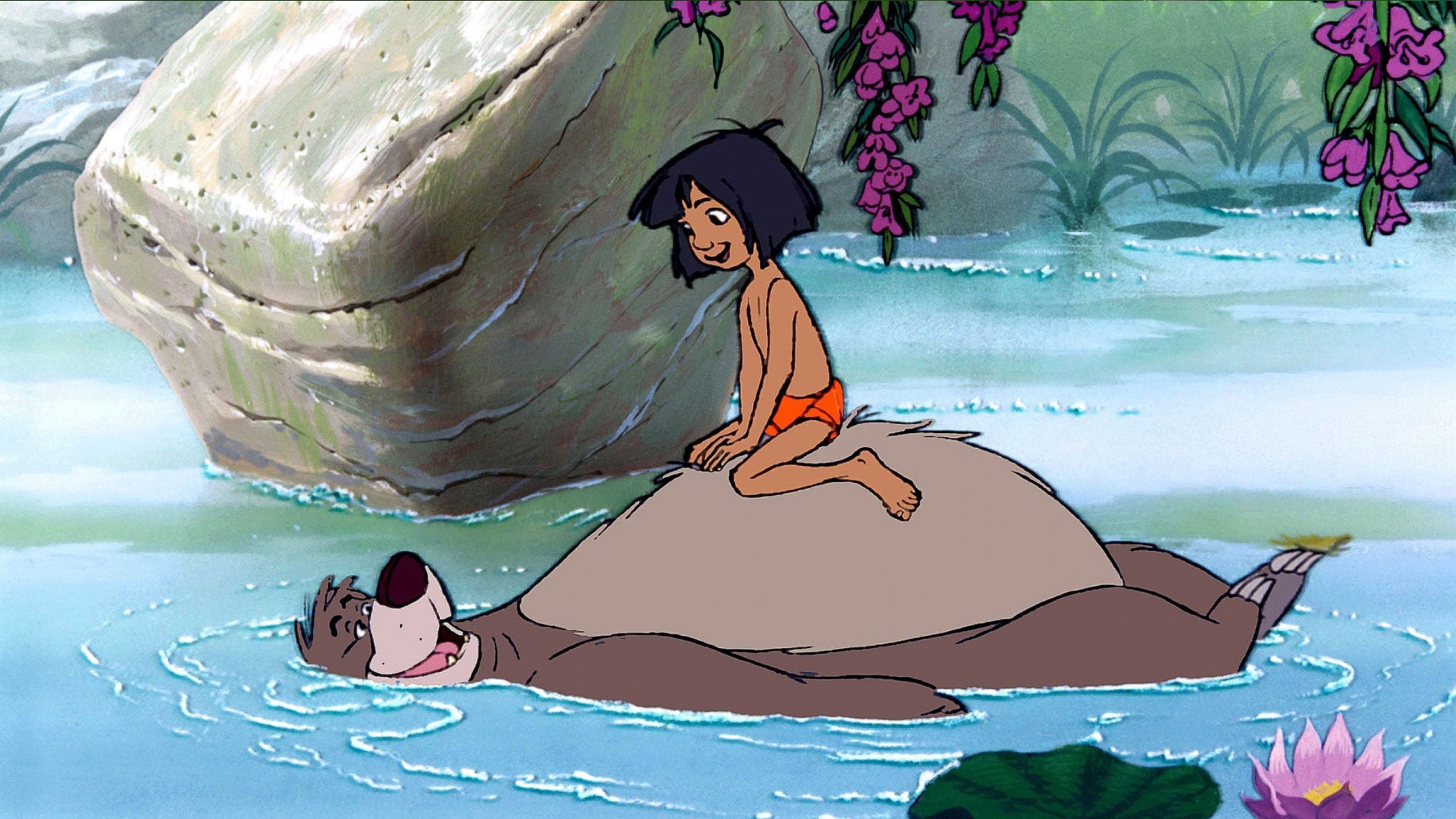
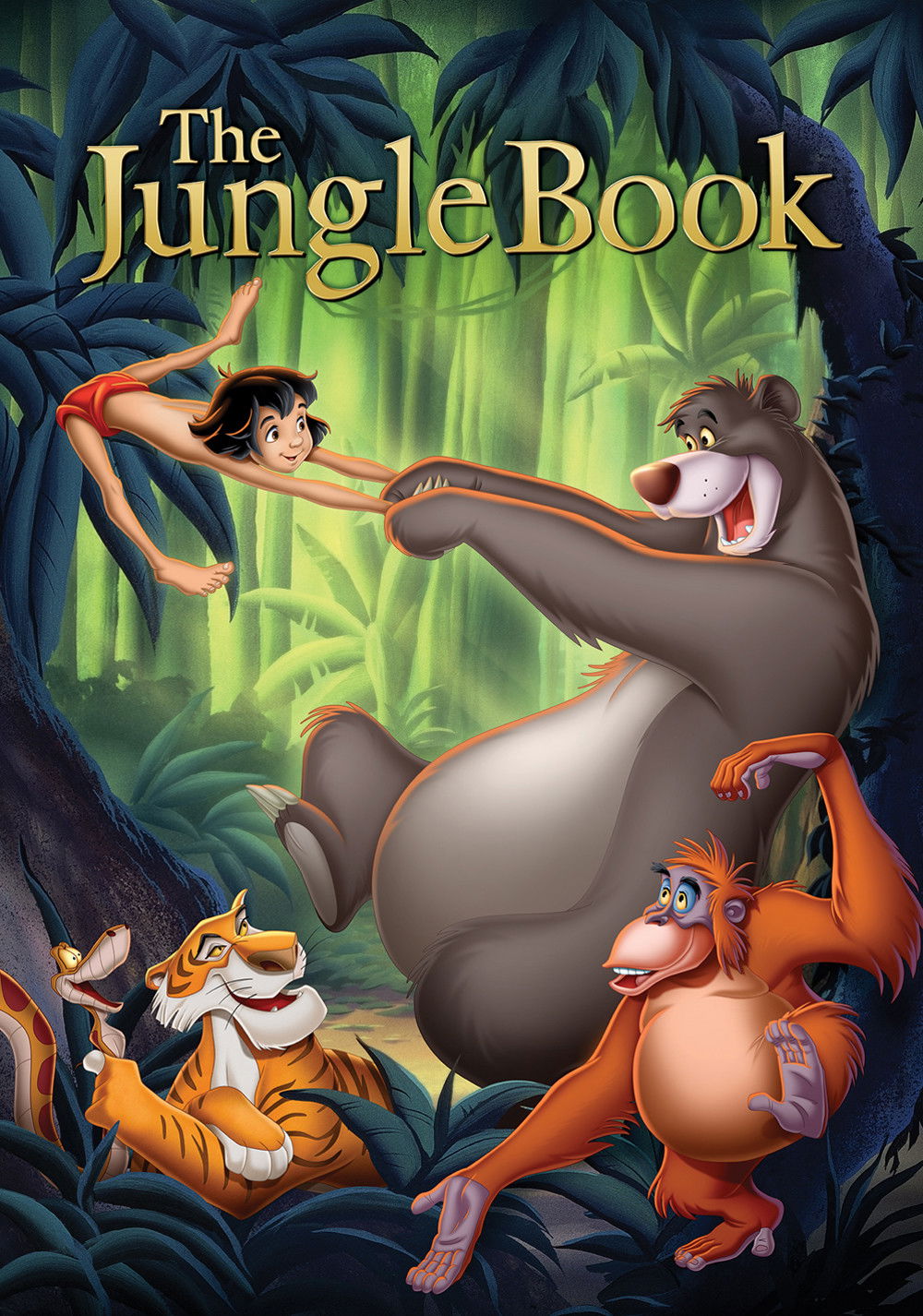
The act that matters is Baloo. Phil Harris plays the bear as a man who has never once been in a hurry, and he talks and sings in what sounds like the same breath. The Bare Necessities is staged around a belly scratched against a tree trunk and a float down a river, and the animators draw the bear as a bag of sand that has somehow learned rhythm. We laughed out loud, more than once, at a cartoon bear, and it was because Harris makes every line sound like he has just thought of it.
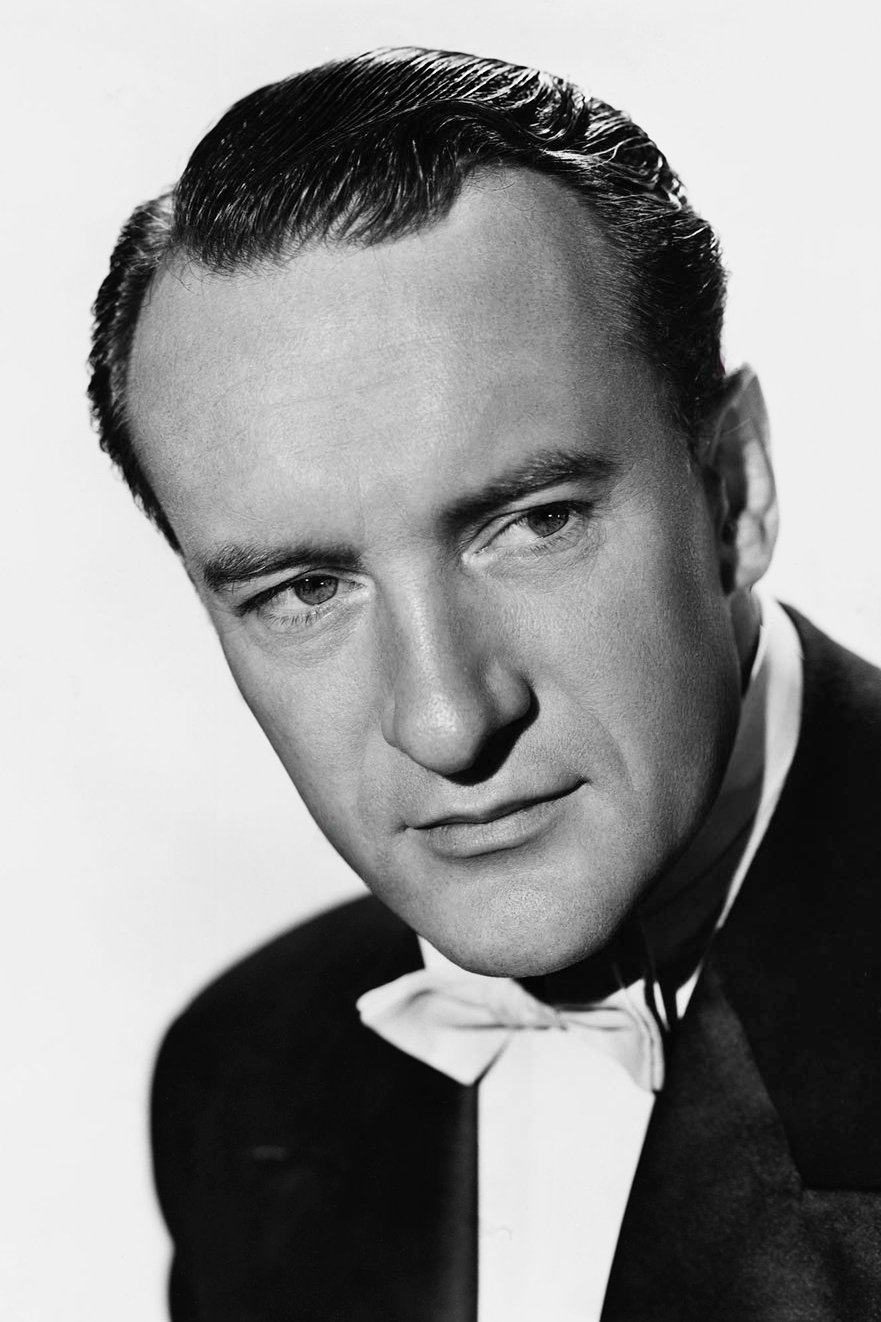
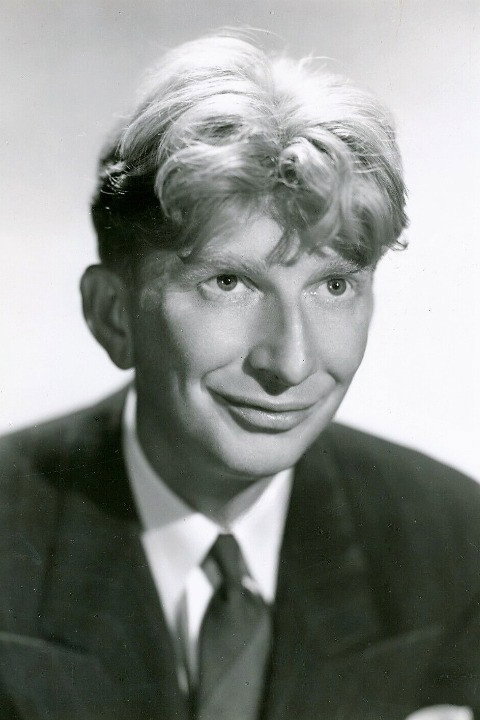
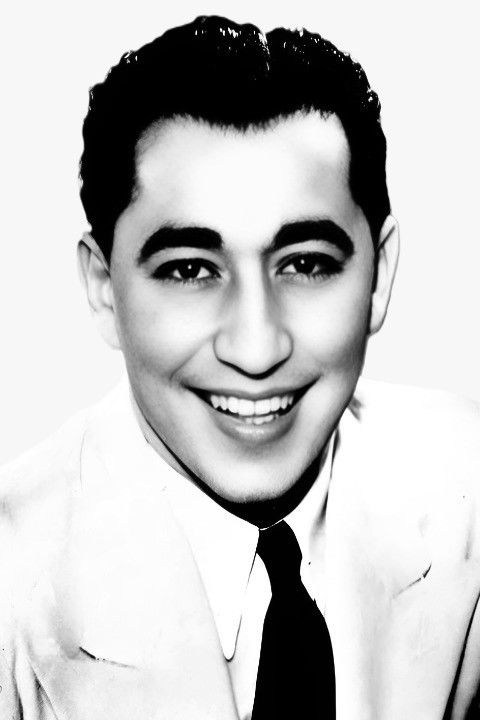
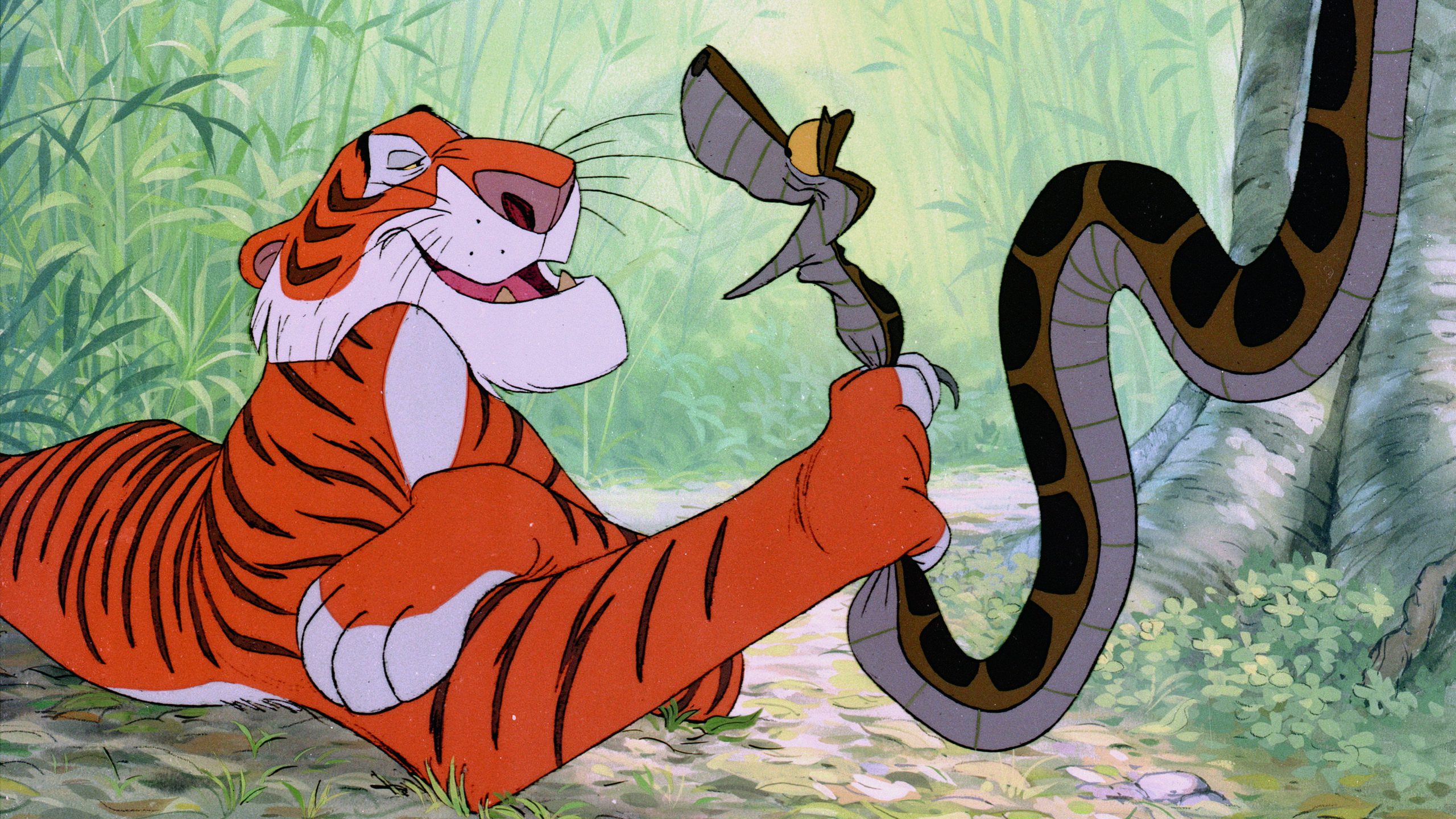
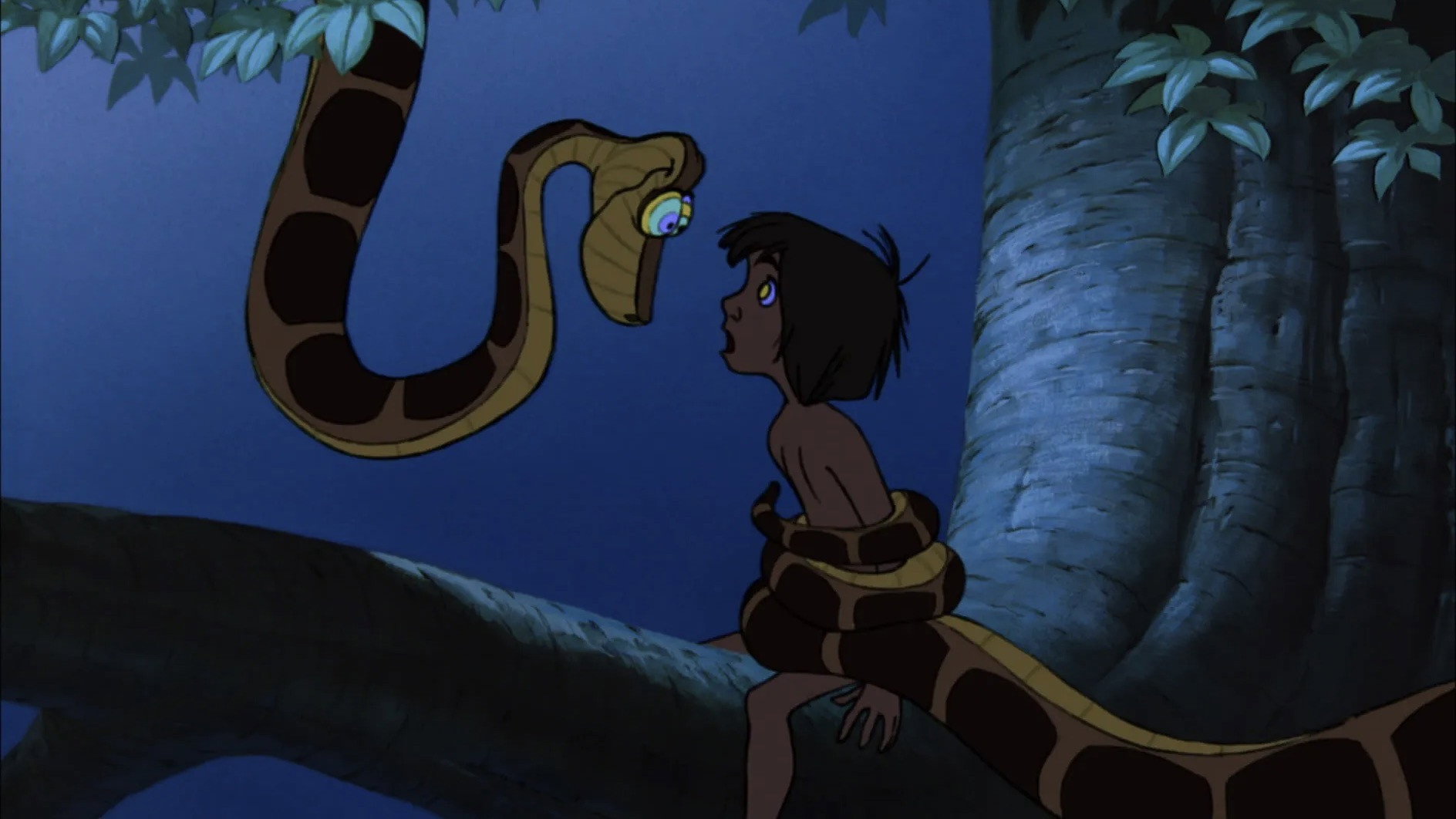
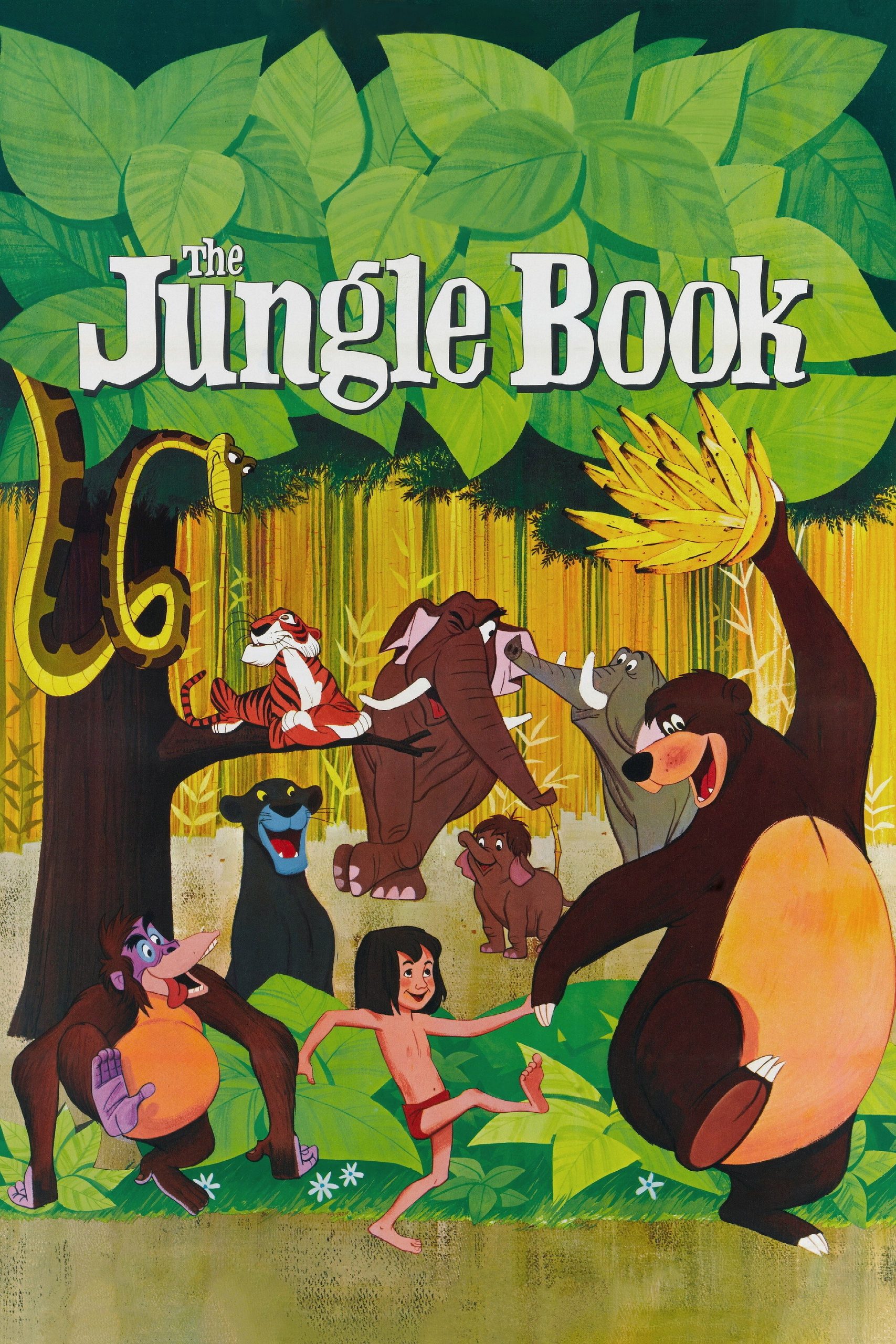
The villains are better still. Sanders gives Shere Khan a purr and never raises his voice, and the tiger is frightening because he is courteous; he asks after Kaa’s health while pinning the snake’s tail under one paw. Sterling Holloway’s Kaa has a lisp, a coil for every occasion and a pair of spinning eyes, and we will admit that the hypnosis scene made us uneasy at six and still does. Louis Prima’s King Louie turns a ruined temple into a nightclub for his big number, scatting so fast the drawings can barely keep up. Late on, four vultures (Chad Stuart and Lord Tim Hudson among them) turn up to be miserable in harmony. Colonel Hathi (J. Pat O’Malley) marches his elephants through in step and forgets why.
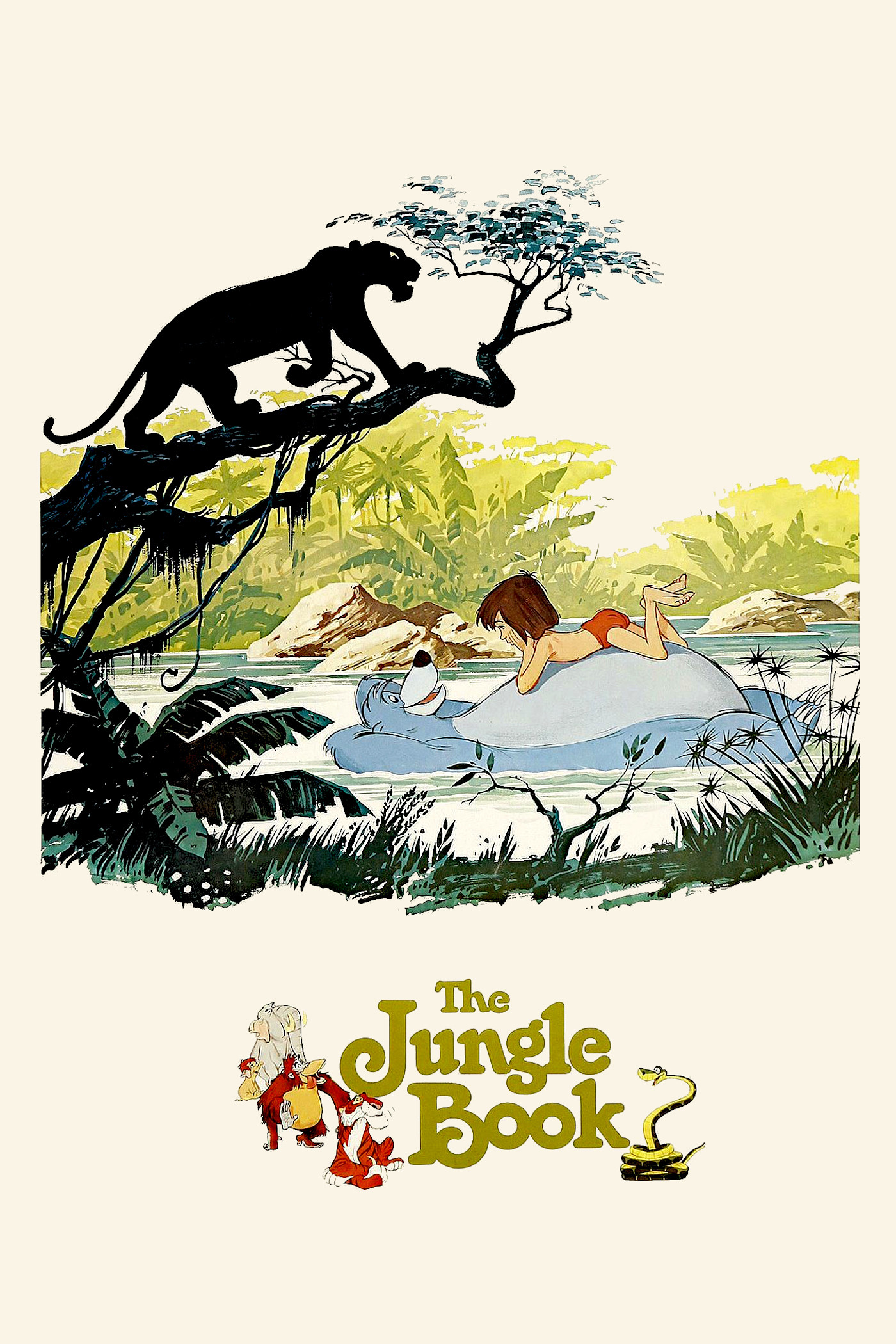
The drawing is rough on purpose. The pencil lines are left in the outlines, so the animals look sketched rather than inked, and they move against painted backgrounds in flat greens and browns, stacked in layers so the jungle has depth without detail. George Bruns’s score sits low under the songs and gives Shere Khan a growl of brass every time he strolls into frame. Editors Norman Carlisle and Tom Acosta keep each encounter to the length of its joke and no longer. Nothing here outstays its welcome, which is rarer in animation than it should be.
What the film does not have is a hero who does anything. Mowgli wants to stay in the jungle, and that is his one wish for 78 minutes; things happen to him and he is carried, shoved, hypnotised and kidnapped from one to the next. Because the film is so relaxed about this, we did not much mind until the last ten minutes, when it suddenly needs us to care what he decides. The ending has divided people since 1967, and we will not describe it, except to say it arrives fast and asks for a change of heart in about two minutes of screen time. Kipling’s readers will find none of the book’s weight, and the Times critic who called it ugly in 1967 was not entirely mad about the colour, which is muddy in places.
Set against the studio’s earlier features, this is a small film with small ambitions, and it is funnier than most of them. It runs 78 minutes and carries a U. Put it on with children, who will want the bear song again, or without them, in which case you will want the tiger.