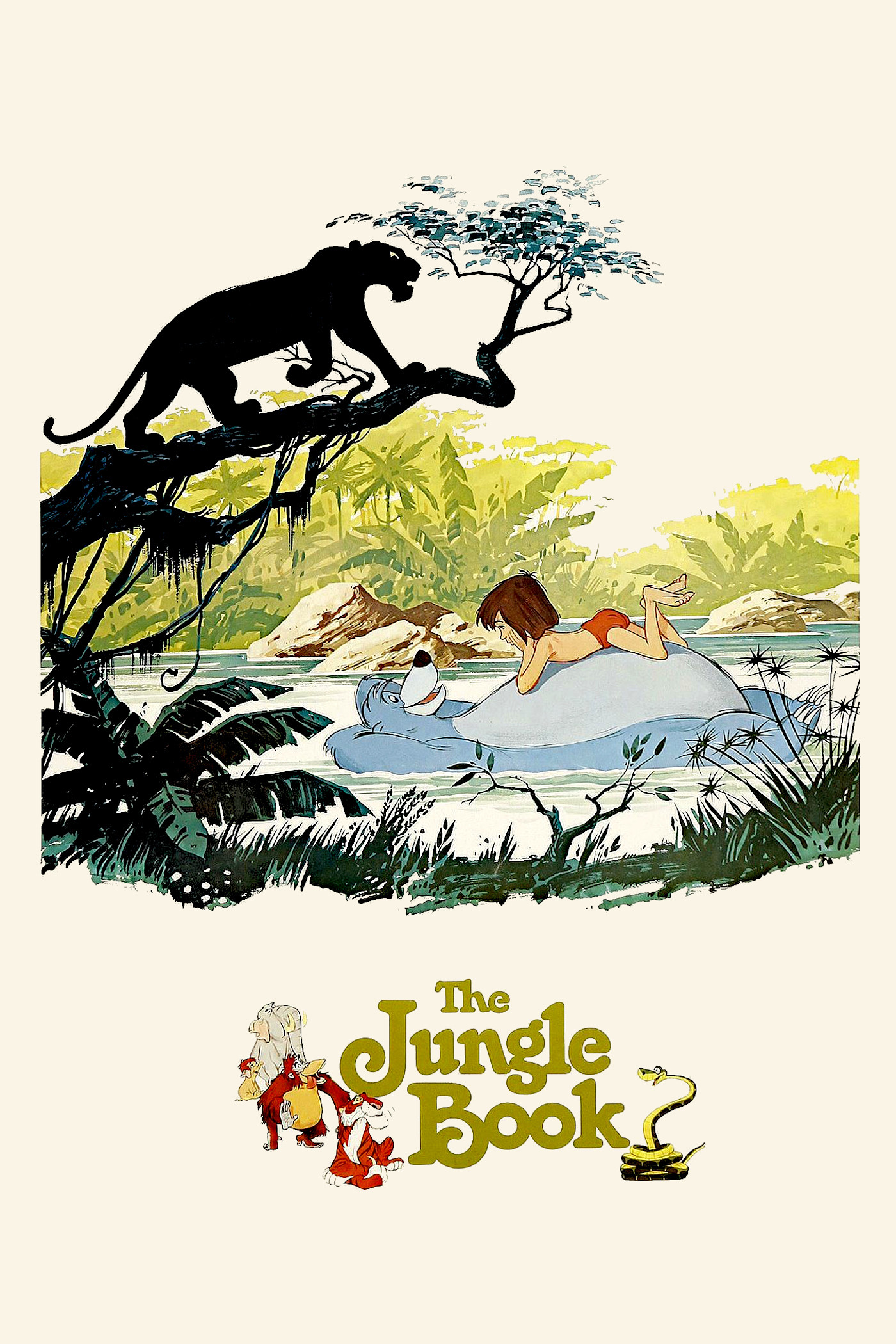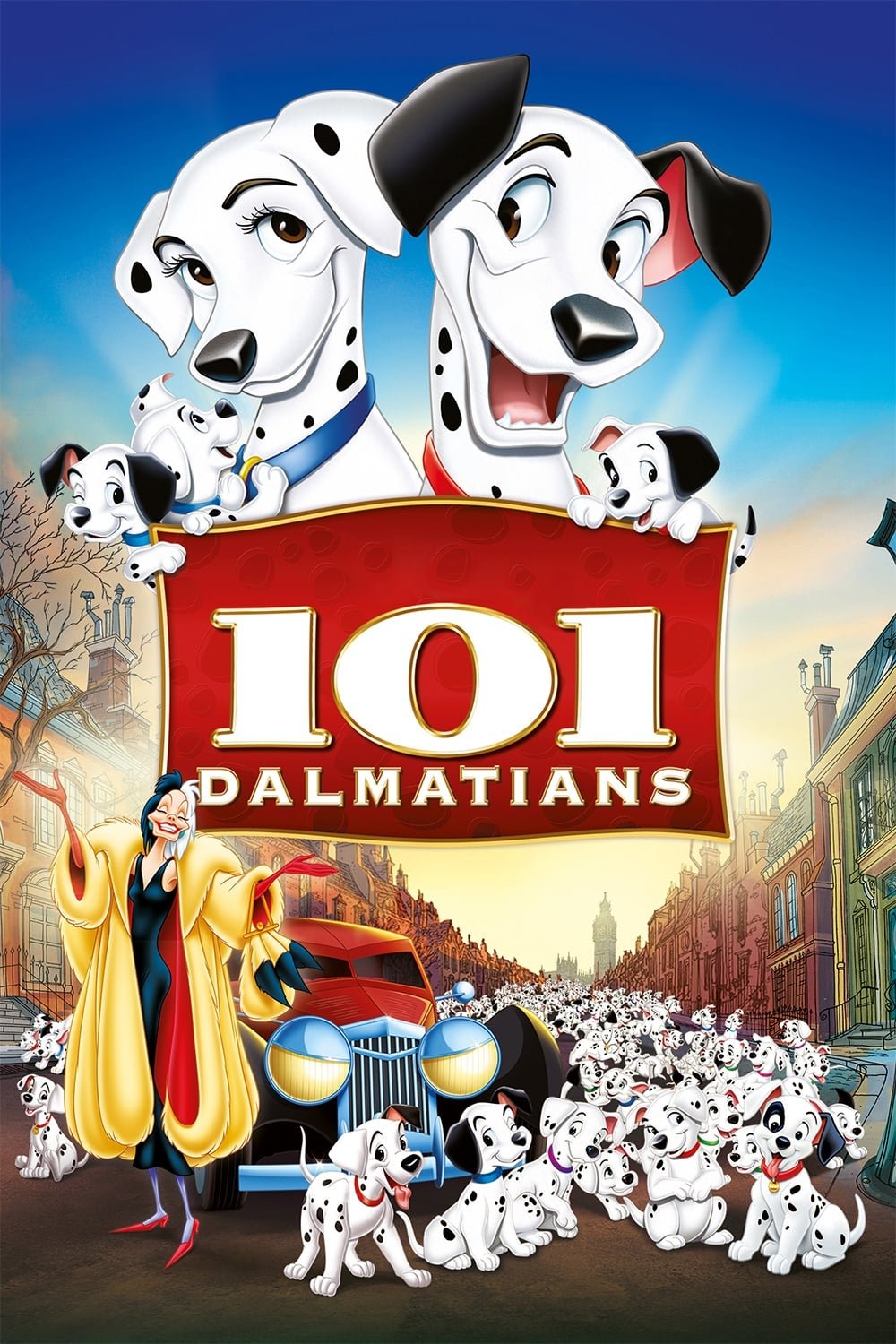
The man who kept Disney's cartoons going after Walt died made films with almost no story and plenty of personality, and knew it. When the voices were right, as in The Jungle Book, that was enough. Elsewhere it depended on who was in the booth.
Fi1m perspective
Somewhere in the middle of The Jungle Book (1967) Bagheera is walking Mowgli to the man-village and the film stops. Phil Harris's bear ambles out of the undergrowth, sings, and the plot sits down and waits until he has finished. A mile on it happens again with somebody else, and the journey never really gets going. This was not carelessness. It was how Wolfgang Reitherman made films, and he said so: "If something had to give between story and character, it has to be story."
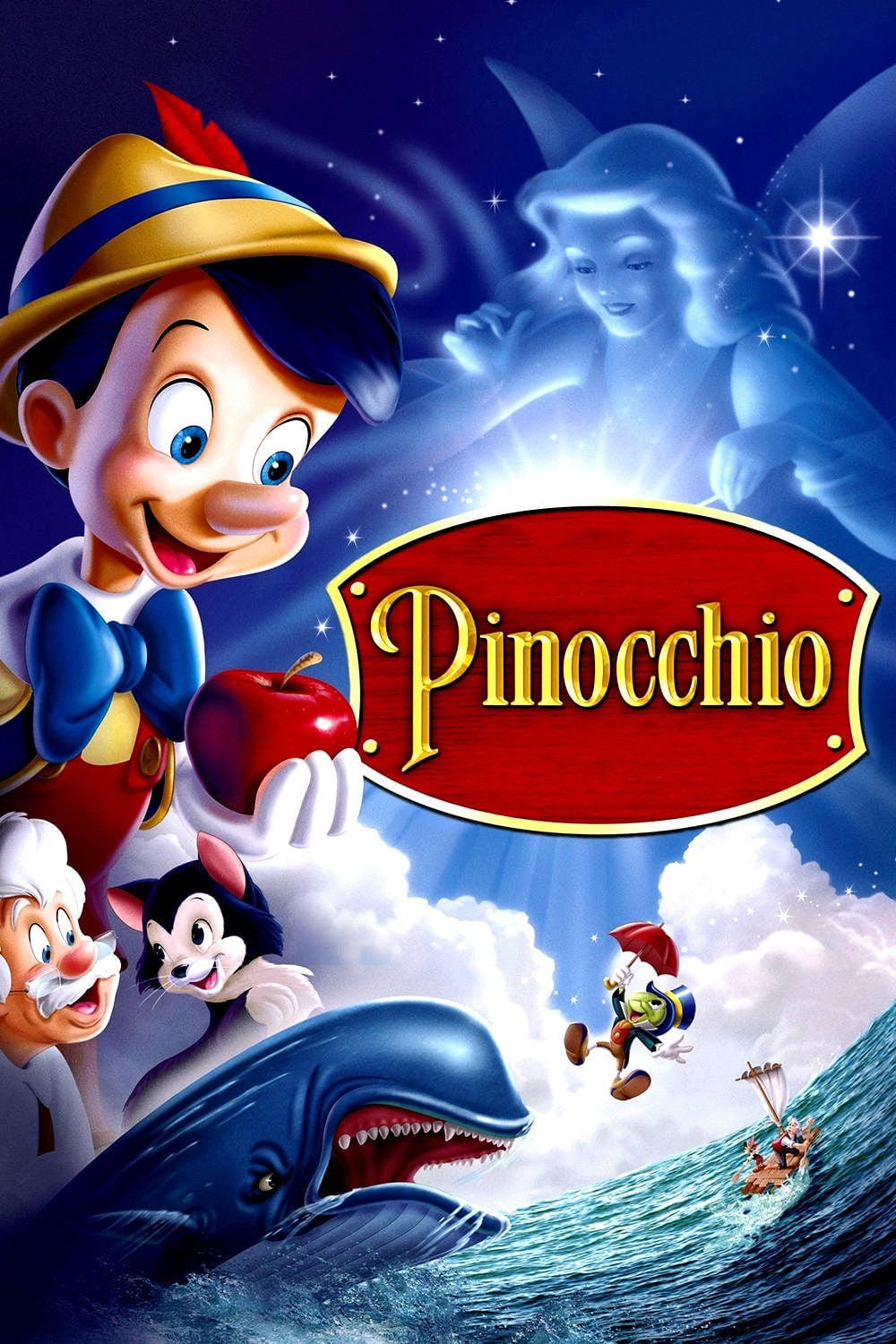
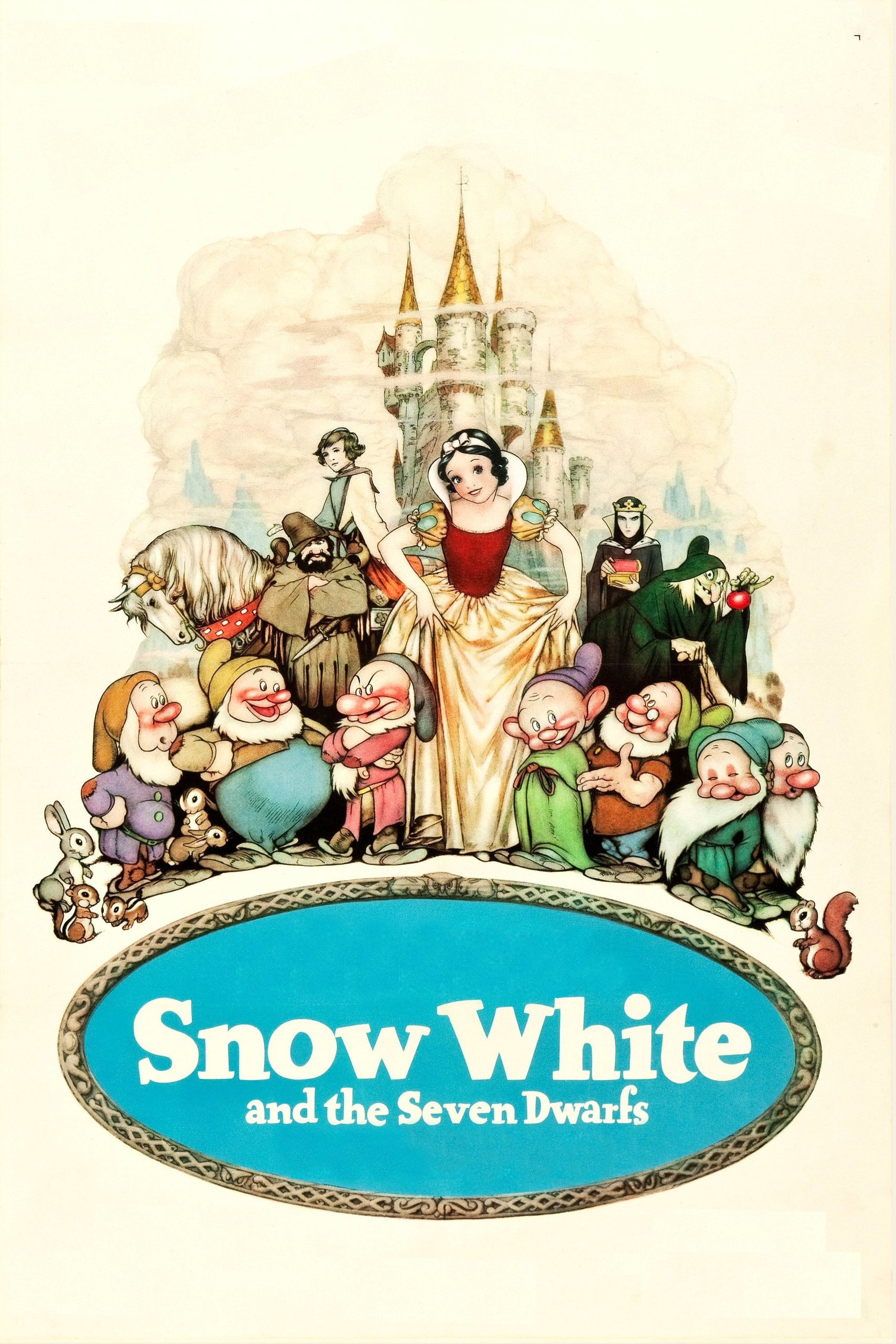
He had been at Disney since 1933, first as an animator on the Silly Symphonies and Snow White and the Seven Dwarfs, then, after war service and a return in 1947, as one of the studio's Nine Old Men. His own taste was for movement, fights and chases and things falling over, and the dragon sequence in Sleeping Beauty (1959), on which he was a sequence director, is the clearest early sign of it. He did the same job on One Hundred and One Dalmatians (1961), then became the first person to direct a Disney animated feature on his own with The Sword in the Stone (1963). After that the features were his: The Jungle Book, The Aristocats (1970), Robin Hood (1973), The Rescuers (1977), with Pooh shorts between them, until he retired in 1981.
What he could do, and what the films live on, is voices. He cast actors with a manner and let the animators, Milt Kahl above all, who supervised on five of his films, draw the manner. George Sanders as a tiger, Phil Harris as a bear, Sebastian Cabot as the panther who has to put up with both: each is a performer given fur. We went back to The Jungle Book expecting to be fond of it and instead laughed out loud, mostly at Harris and at the way the whole film shrugs and waits for him. It runs 78 minutes, it has almost no story, and we never once missed it.
The other habit is harder to admire. Reitherman reused animation from earlier films, and by The Rescuers some of his own animators were unhappy about it. The reason was money, and the films of the period were made to be cheap. The effect, once you know to look, is that they start to repeat themselves.
He ran Disney animation through the years when it had stopped trying to astonish anybody, and he kept it running, which is not nothing. If you have not seen The Jungle Book in a while, see it again. It is the whole case for his way of working, and it is over before the way of working starts to show.
Biography
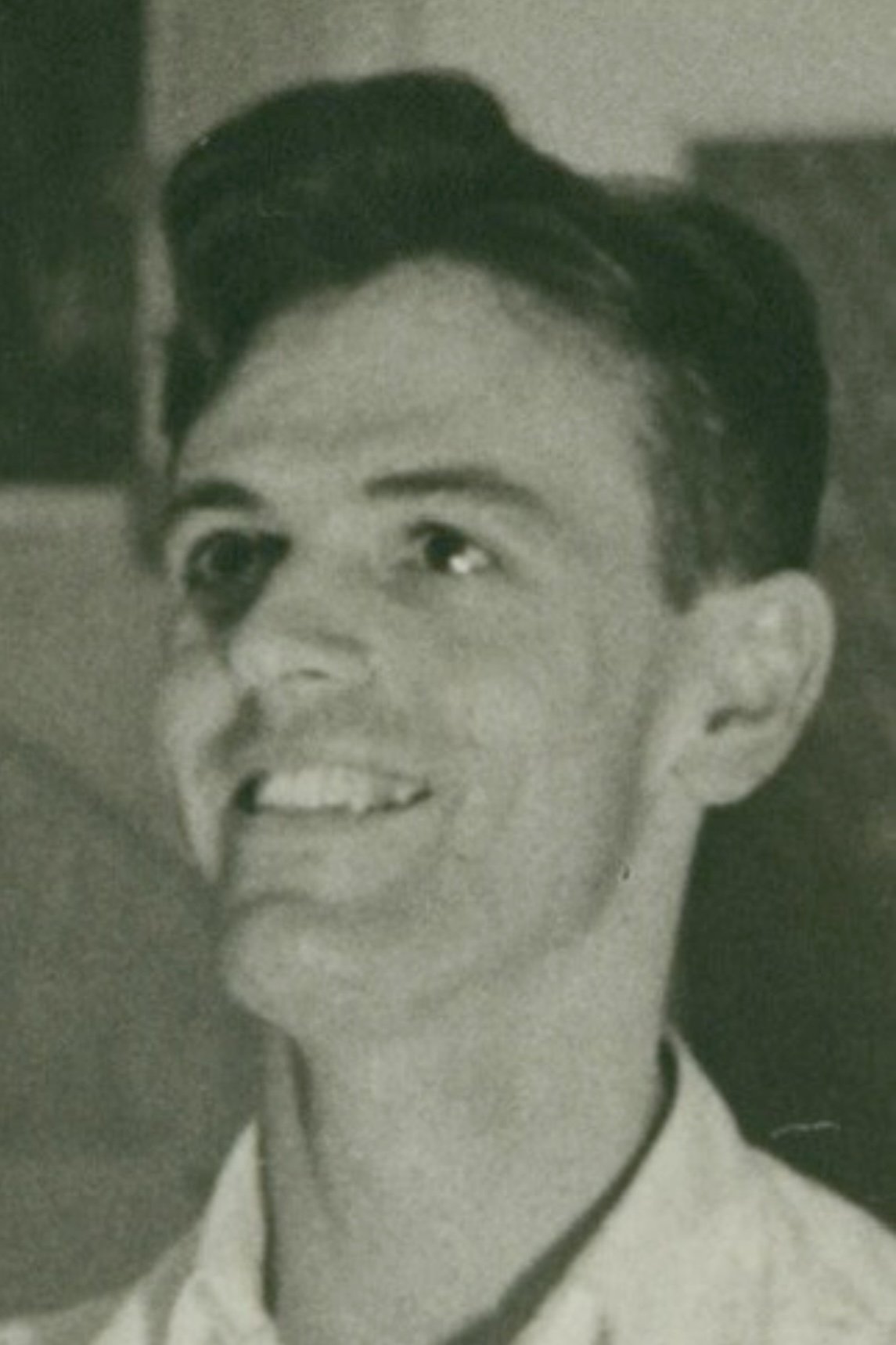
Wolfgang Reitherman (1909–1985), also credited as Woolie or Wooly Reitherman, was a German-born American animator, director and producer. He joined Walt Disney Productions in 1933 after studying at the Chouinard Art Institute and became one of Disney's Nine Old Men.
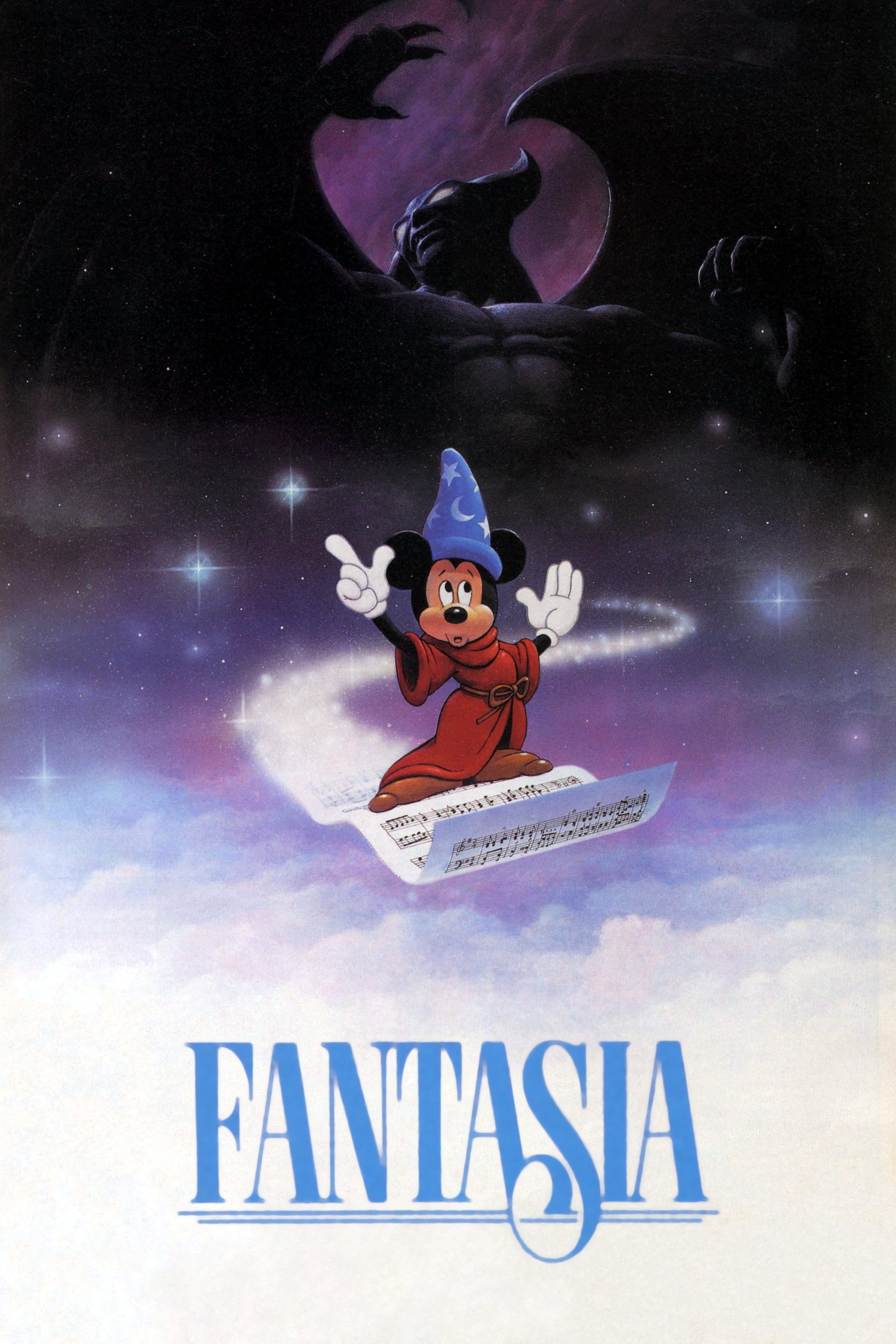
Reitherman worked on numerous Disney features from Snow White and the Seven Dwarfs (1937) onwards, providing animation for sequences including the dinosaur fight in Fantasia (1940). From the late 1950s he served as sequence director on films such as Sleeping Beauty (1959) and One Hundred and One Dalmatians (1961). He became the studio's first sole director of an animated feature with The Sword in the Stone (1963) and went on to direct The Jungle Book (1967), The Aristocats (1970), Robin Hood (1973) and The Rescuers (1977). His short Winnie the Pooh and the Blustery Day (1968) won the Academy Award for Best Animated Short Film. Reitherman was posthumously named a Disney Legend in 1989.