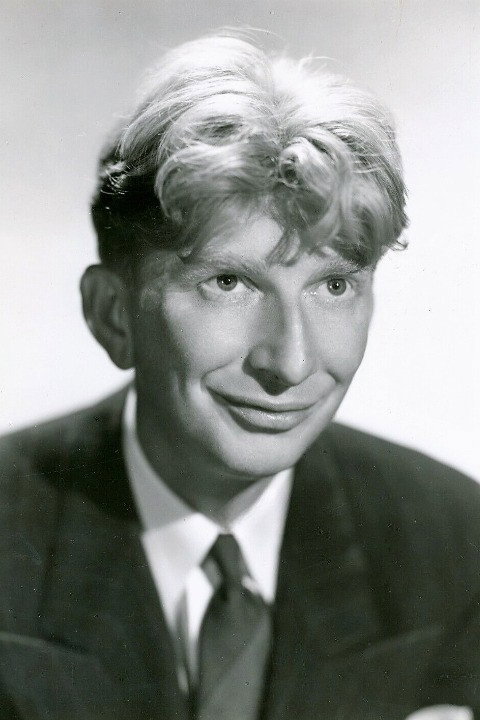
A high, cracked, unhurried voice that sounds like a child who has lived a long time. Holloway lent it to Disney from 1941 into the 1970s, mostly as animals, and it worked best when a character was built around it from the start.
Fi1m perspective
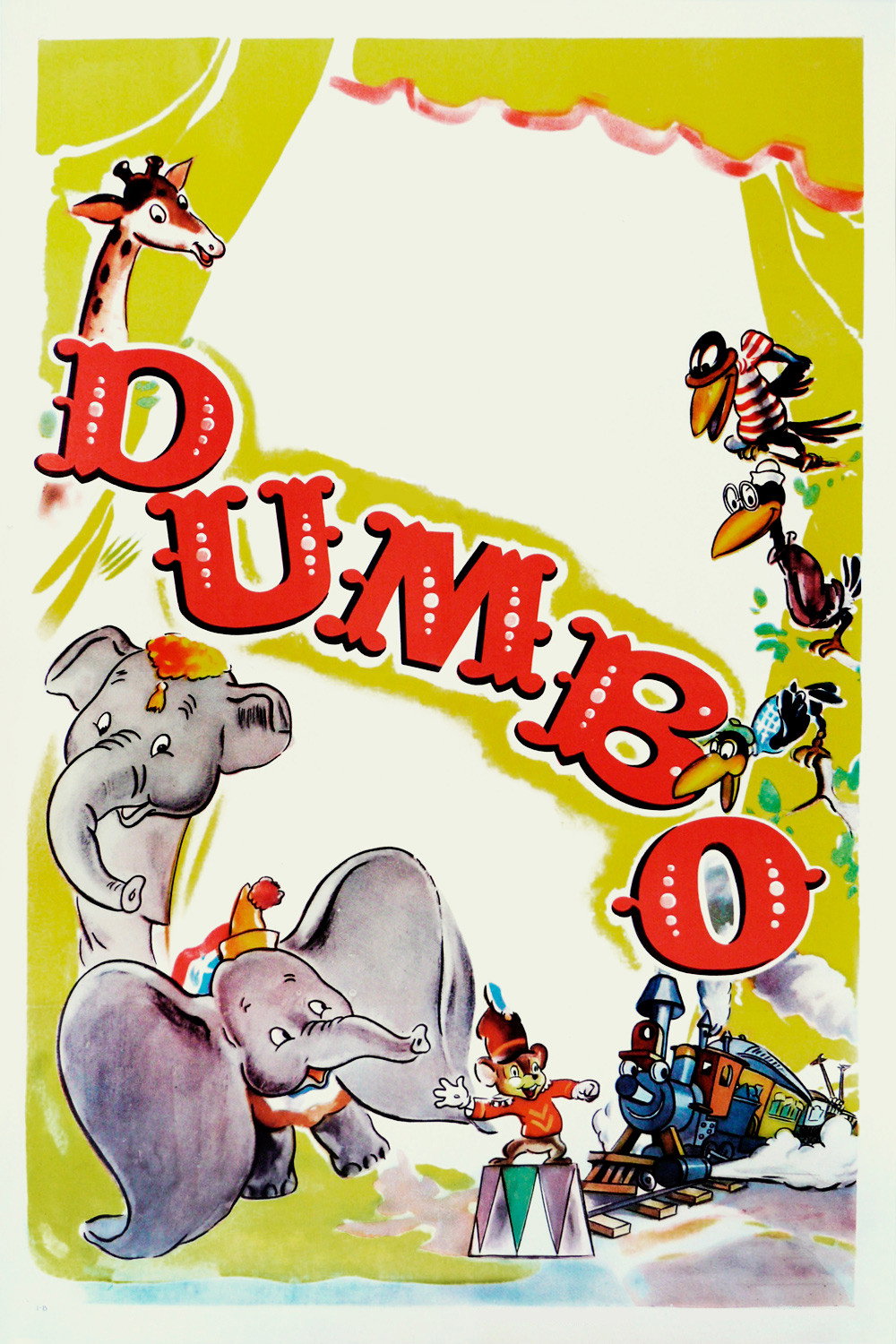
A stork arrives at a circus wintering in Florida with a late delivery, and before he will hand over the baby he sings the birthday song, all of it, to the end. That is Sterling Holloway's first job for Disney, in Dumbo (1941), and it is most of what you need to know about him. The voice sits somewhere between a boy and an old man, high and a little cracked, in no hurry, and quietly pleased with itself. Dumbo is 64 minutes long and has no time to spare for a song nobody asked for, and we laughed anyway, because the stork's determination to finish gets funnier with every verse.
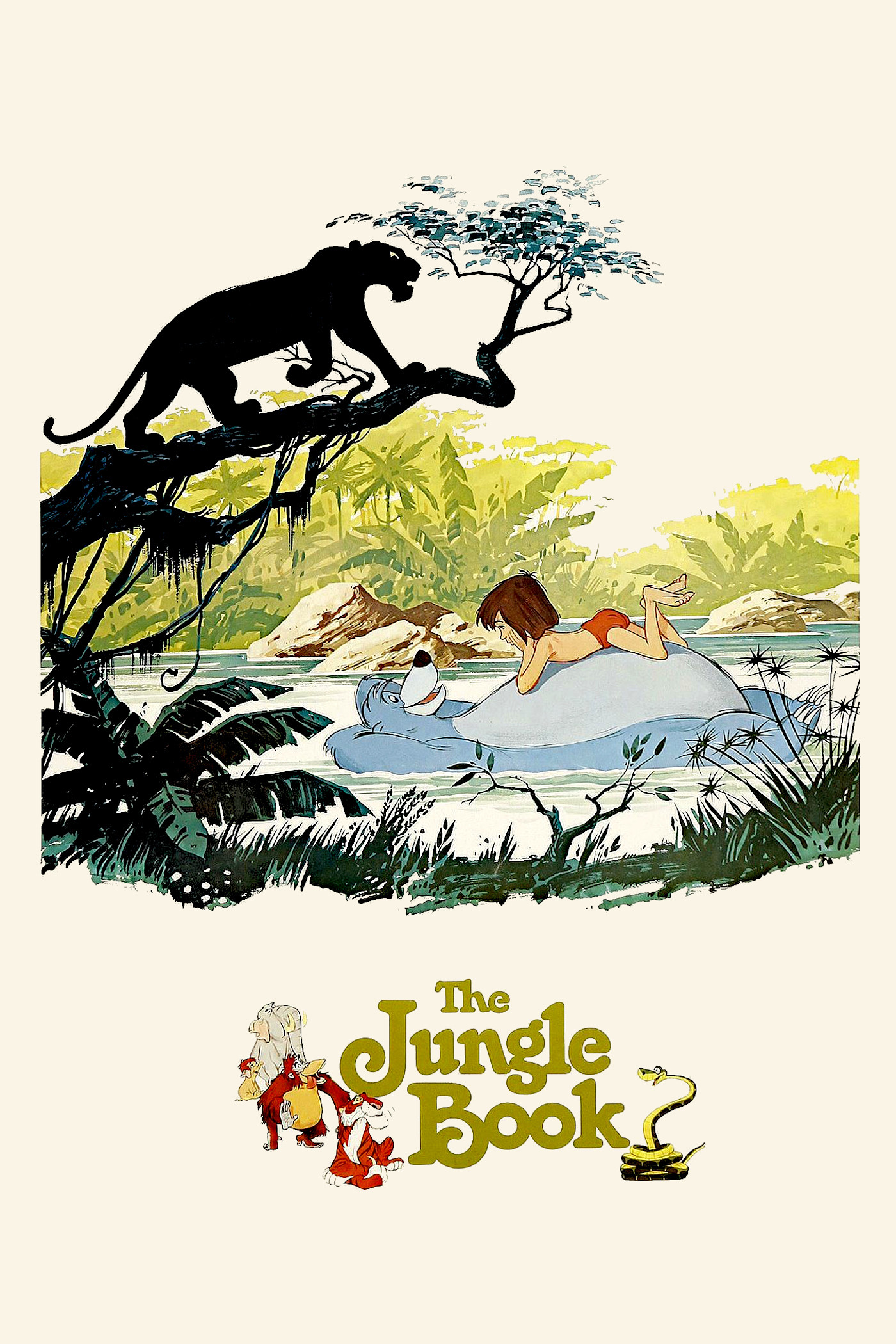
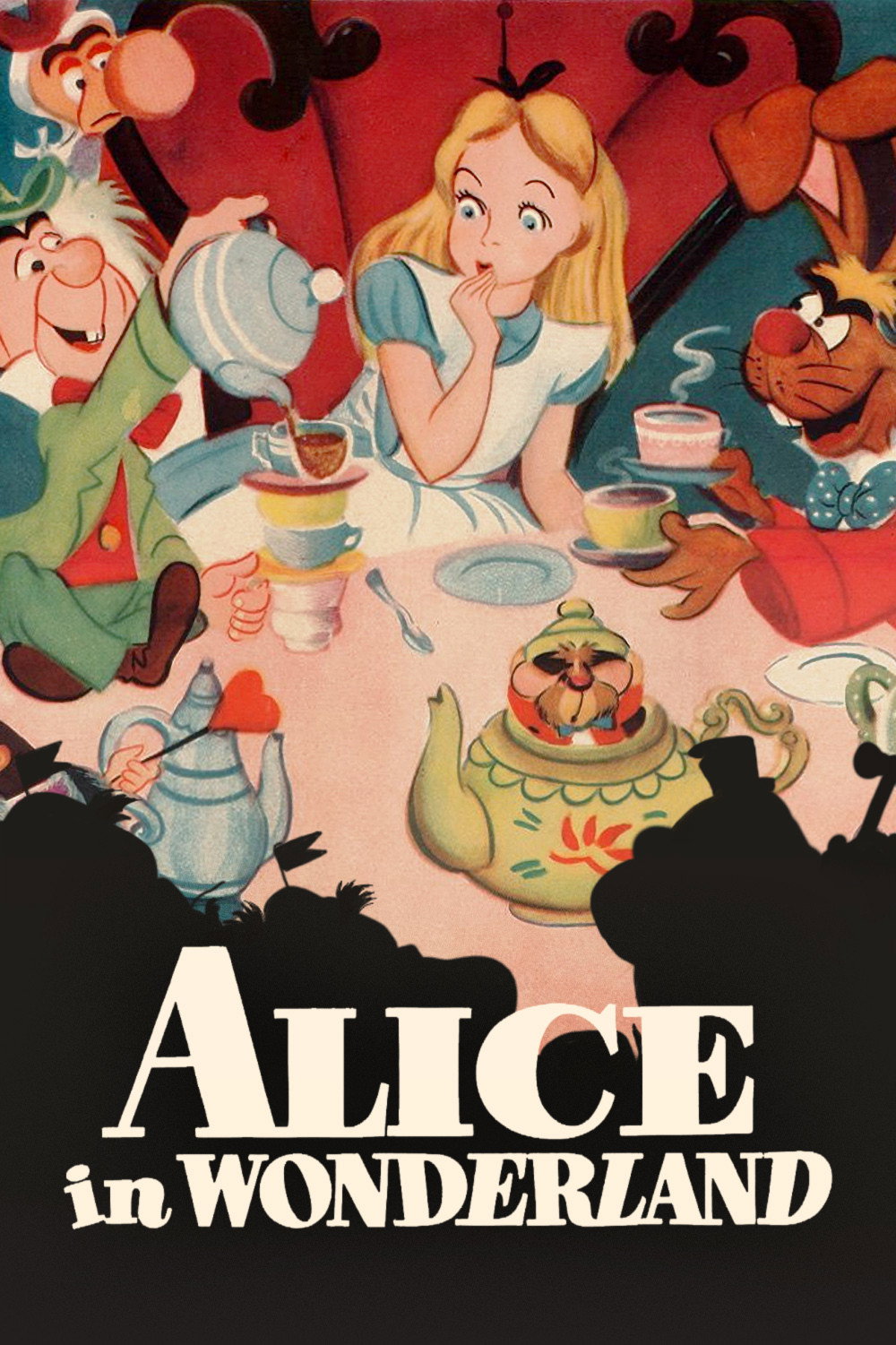
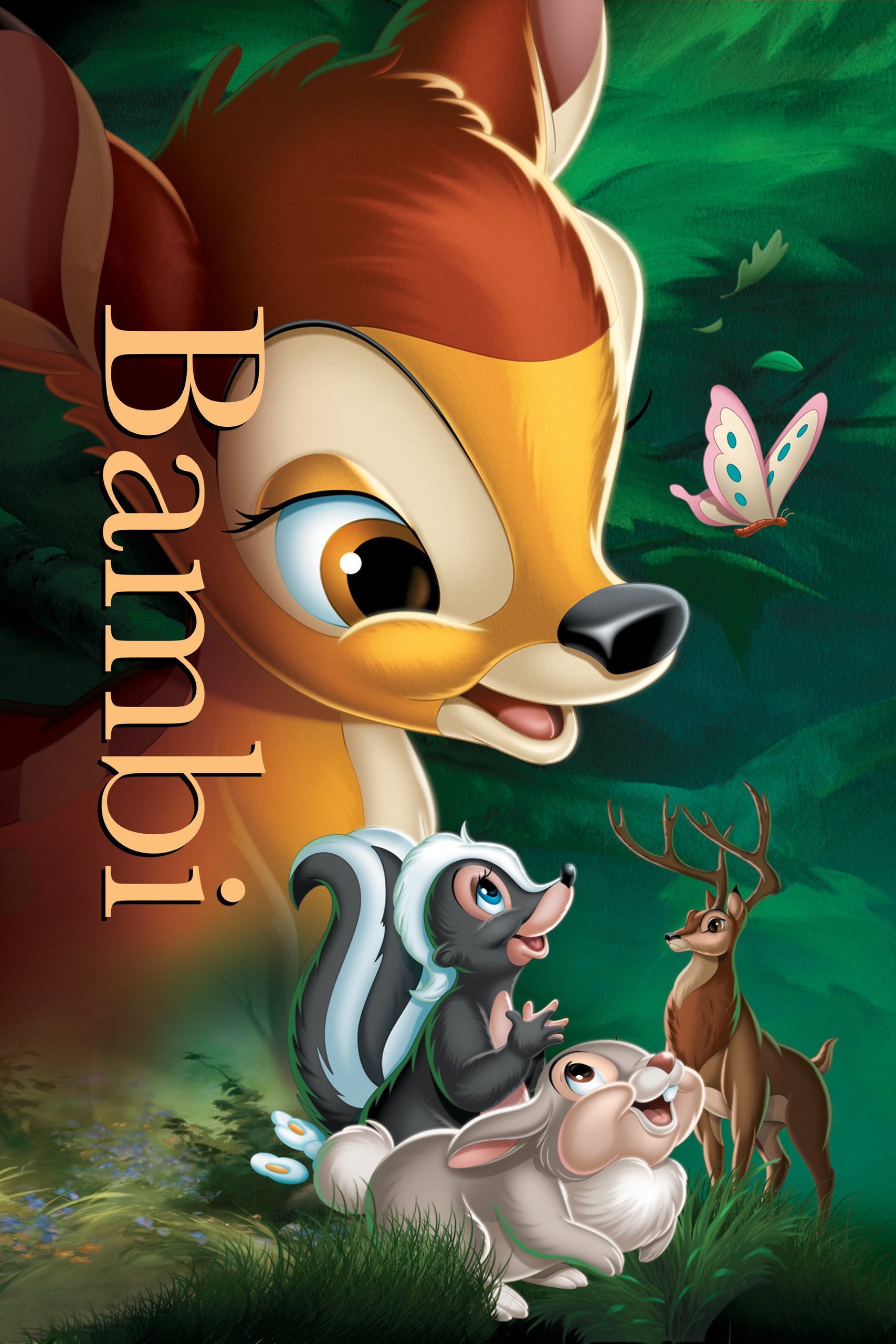
Nobody had found that use for him before. He had come up through New York revues and Broadway in the mid-1920s and gone to Hollywood in 1927, where for the next fourteen years he was the comic juvenile, the rube, the delivery boy, and not much else. Walt Disney heard the same voice and built characters around it. After the stork came Flower in Bambi (1942), the Cheshire Cat in Alice in Wonderland (1951), Kaa in The Jungle Book (1967), Roquefort in The Aristocats (1970) and Winnie the Pooh, in featurettes gathered in 1977 as The Many Adventures of Winnie the Pooh, often on the same cast list as Verna Felton, who shares five films with him. His last live-action part came in 1977 as well. The recording booth was where he spent the second half of his career, and it was the right place.
It did not always work. In Bambi the animals grow up and the children who voiced them are replaced, and Holloway's adult Flower, like Sam Edwards's Thumper, cannot match the child who came before. The voice is a grown man's idea of innocence, and next to the real thing it sounds like an impression. He was better when a character was drawn to his pace rather than handed to him halfway through: Pooh, whose slowness is the whole joke, or Kaa, where the same sleepy drawl is turned round and made into a threat. Holloway said Disney came to him when he could not find the right voice for the snake, and that he decided to "make Kaa have a distinct ache in his back". That is how he worked. The voice was fixed; what changed was where he put the discomfort.
Start with the stork, who will not be hurried. Then go to Bambi and listen for the moment the children leave, because it tells you exactly what the voice could do and what it could not.
Biography
Sterling Holloway was an American character actor and voice artist. Born in Cedartown, Georgia, he trained at the American Academy of Dramatic Arts in New York and began his career on Broadway in the 1920s before appearing in numerous live-action films from the 1930s onwards.
He is best known for his distinctive voice work with Walt Disney Productions, including Mr. Stork in Dumbo (1941), Adult Flower in Bambi (1942), the Cheshire Cat in Alice in Wonderland (1951), Kaa in The Jungle Book (1967), Roquefort in The Aristocats (1970) and the title role in the Winnie the Pooh featurettes through The Many Adventures of Winnie the Pooh (1977). Holloway was named a Disney Legend in 1991.