Disney’s best-looking film and one of its coldest. Eyvind Earle’s backgrounds and Eleanor Audley’s Maleficent are worth the evening on their own; the princess barely appears, and is asleep for much of the time she does. Good, with that caveat.
Walt Disney’s Sleeping Beauty is the best-looking film the studio made in its first three decades, and one of the coldest, and the two facts are connected. Every frame has been designed down to the last leaf. The people in it are the least interesting things on screen. It is a good film and we recommend it, for the backgrounds and the villain rather than for the girl in the title.
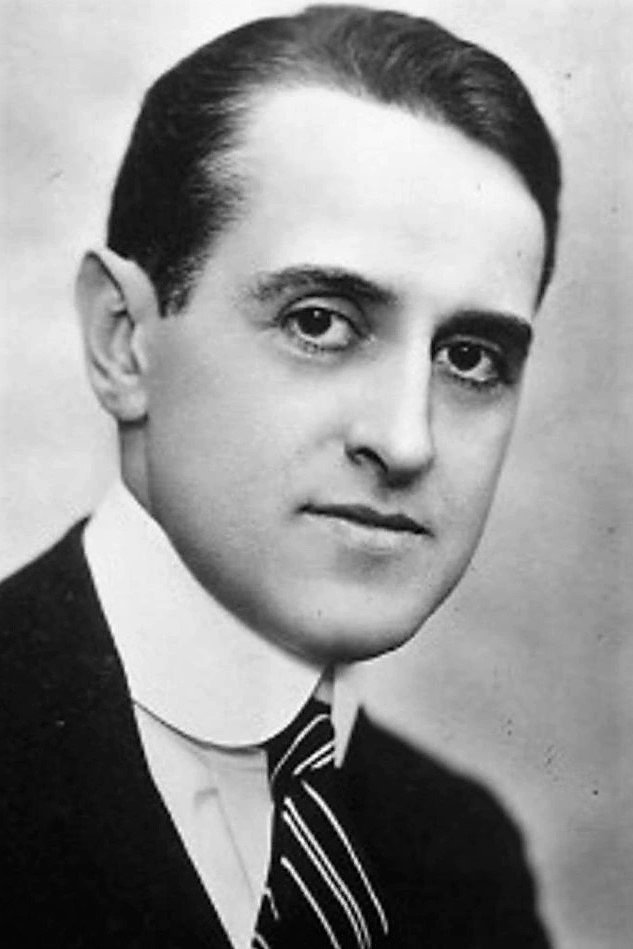
The story is Charles Perrault’s, adapted by Erdman Penner from the work of a team of story writers, and Clyde Geronimi directs. A princess is cursed at her christening, hidden in a forest cottage by three fairies, and meets a prince in the woods on her sixteenth birthday without either of them knowing who the other is. That is most of the plot. The film runs 75 minutes and spends a good many of them on wide, still views of a kingdom nobody seems to live in.
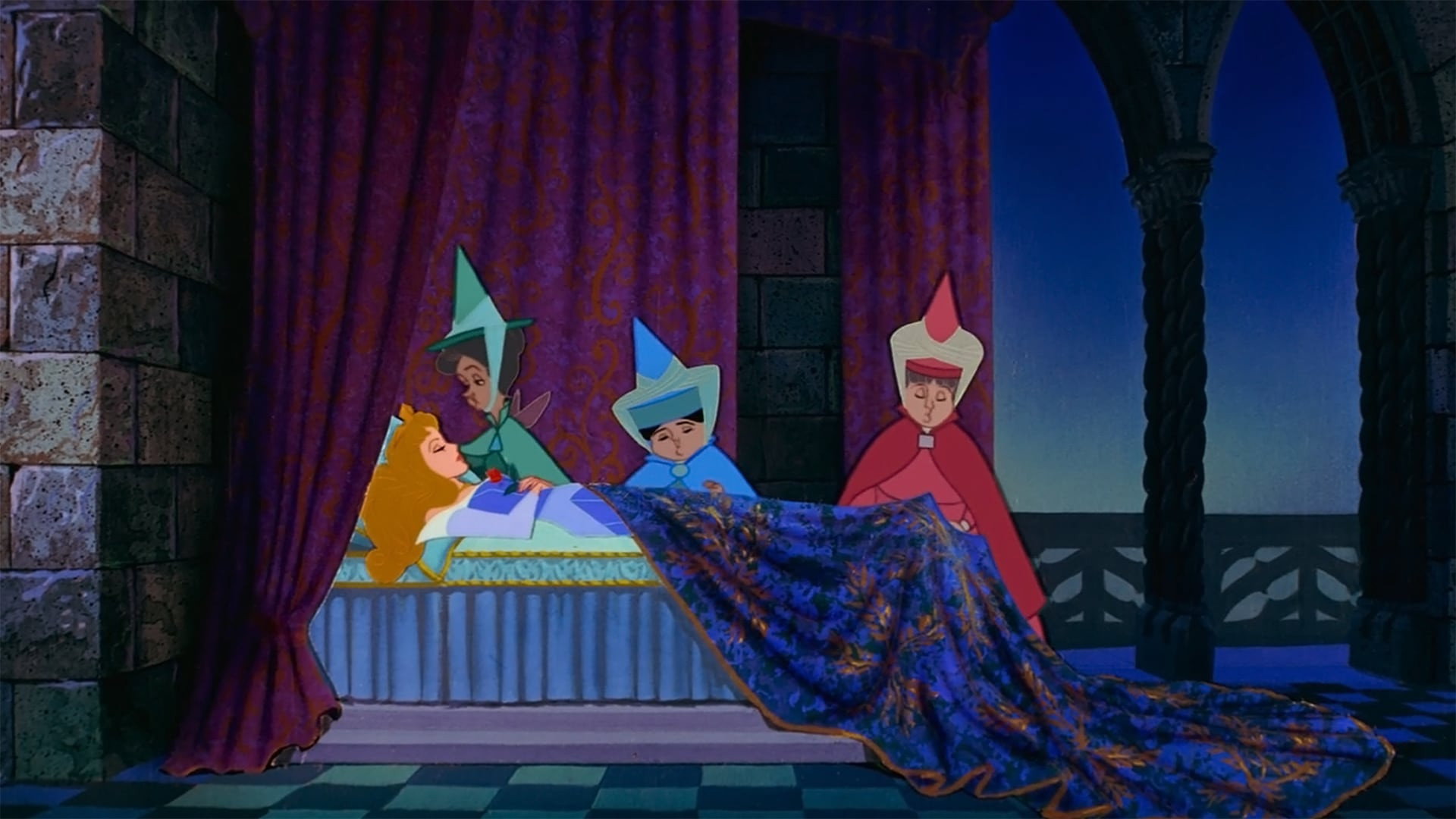
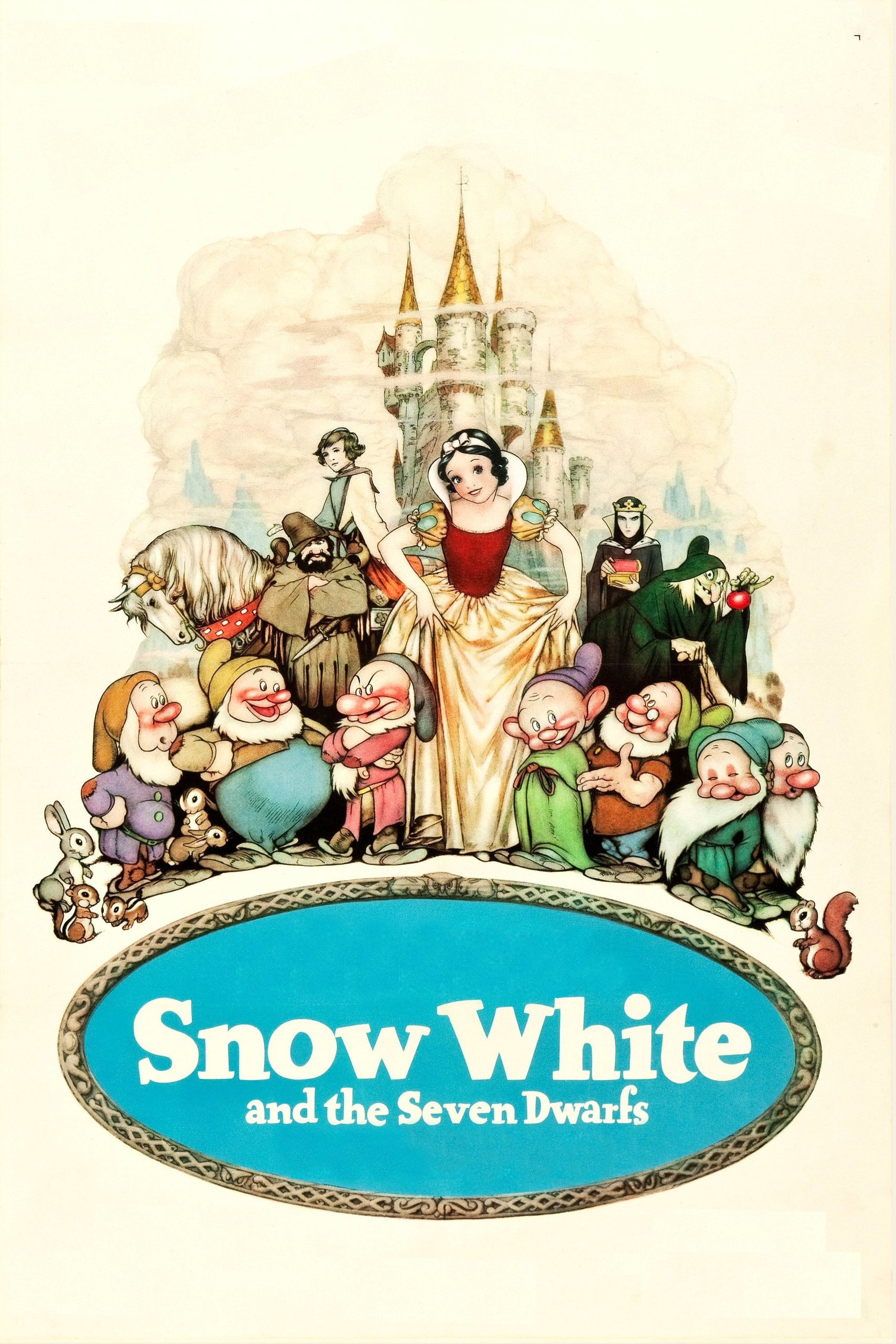
Those views are the point. The colour and styling belong to Eyvind Earle, and they look like nothing else Disney made: trees that rise straight up like cathedral columns, foliage laid in flat tiers, a castle built of stacked rectangles on a horizon drawn with a ruler. Where Snow White and the Seven Dwarfs (1937) is soft and round, this is hard-edged and vertical, closer to a medieval manuscript than to a storybook. Shot in widescreen Technirama, it fills the frame side to side and asks you to look at the edges. We did, and we kept doing it.
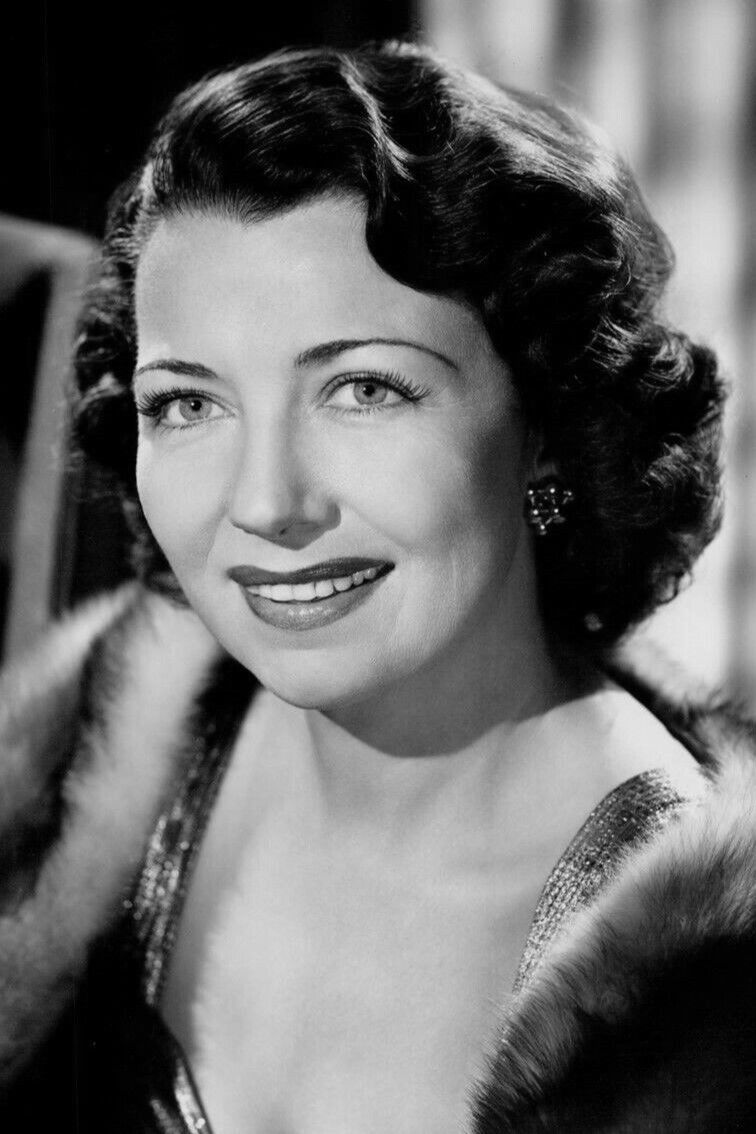
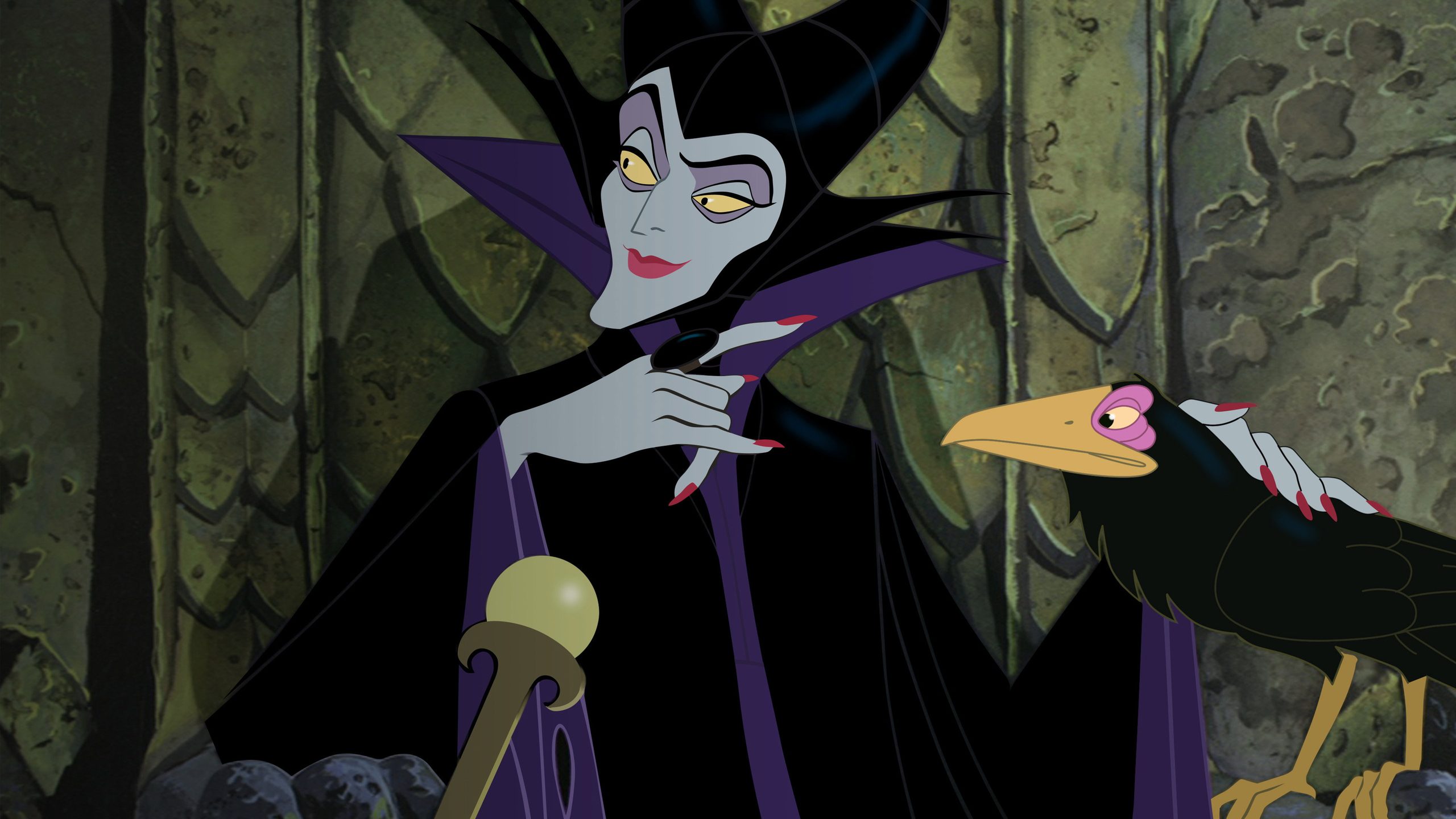
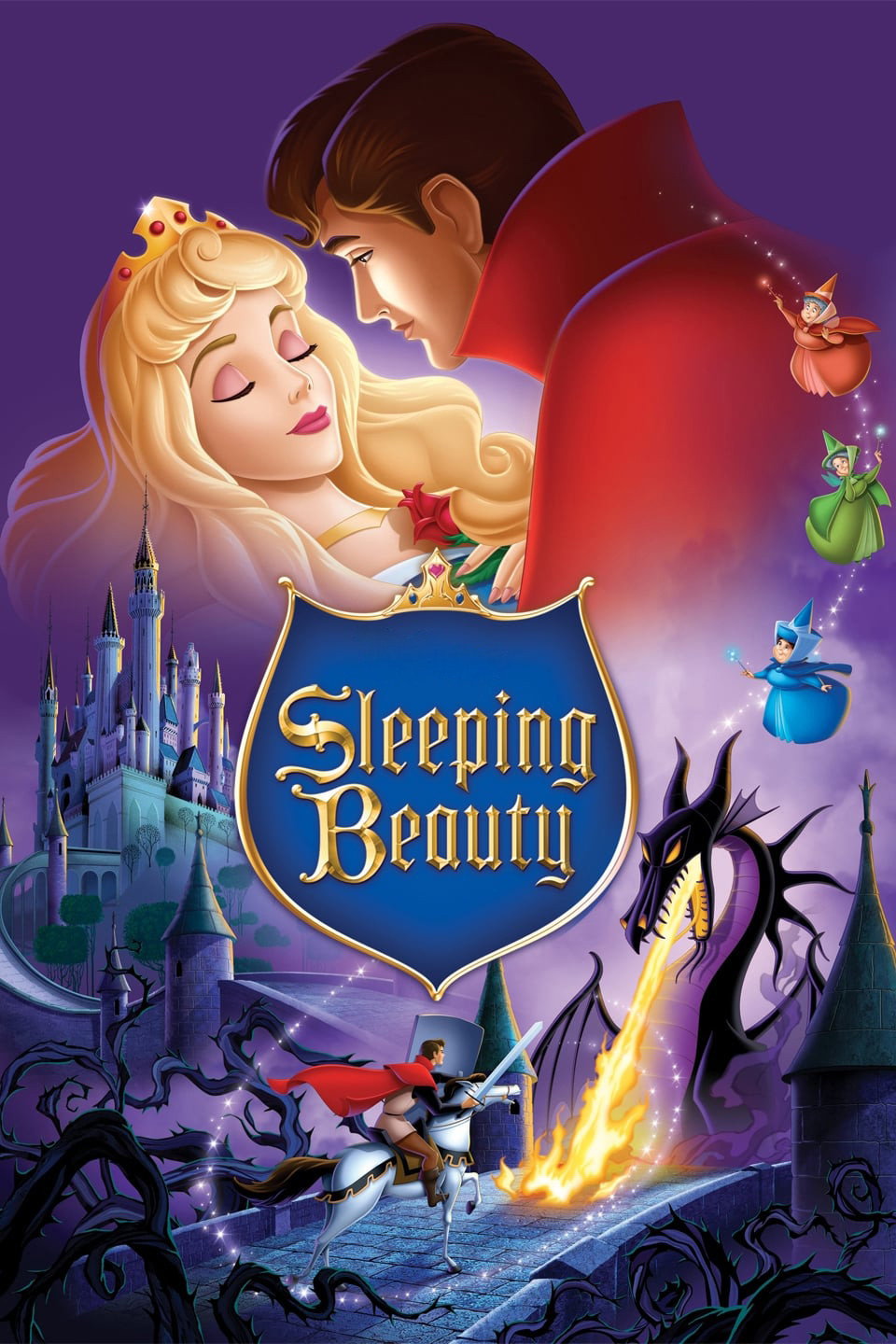
Eleanor Audley’s Maleficent is the other reason to watch. She arrives at the christening in a burst of green flame, horned, with a raven perched on her staff, and she does not shout. She asks, pleasantly, whether she was not wanted, and we found the pleasantness colder than any threat; she was the first thing on a cinema screen that frightened us as children, and the way she holds a pause still does. The animators give her long fingers and a slow turn of the head, and Audley gives her the diction of a hostess who has been snubbed and intends to be gracious about it for exactly as long as it suits her.
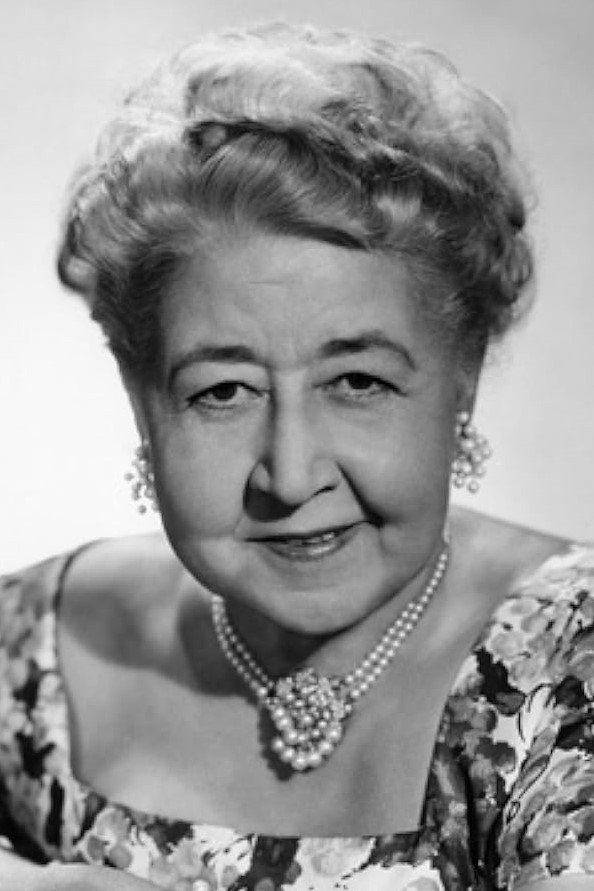
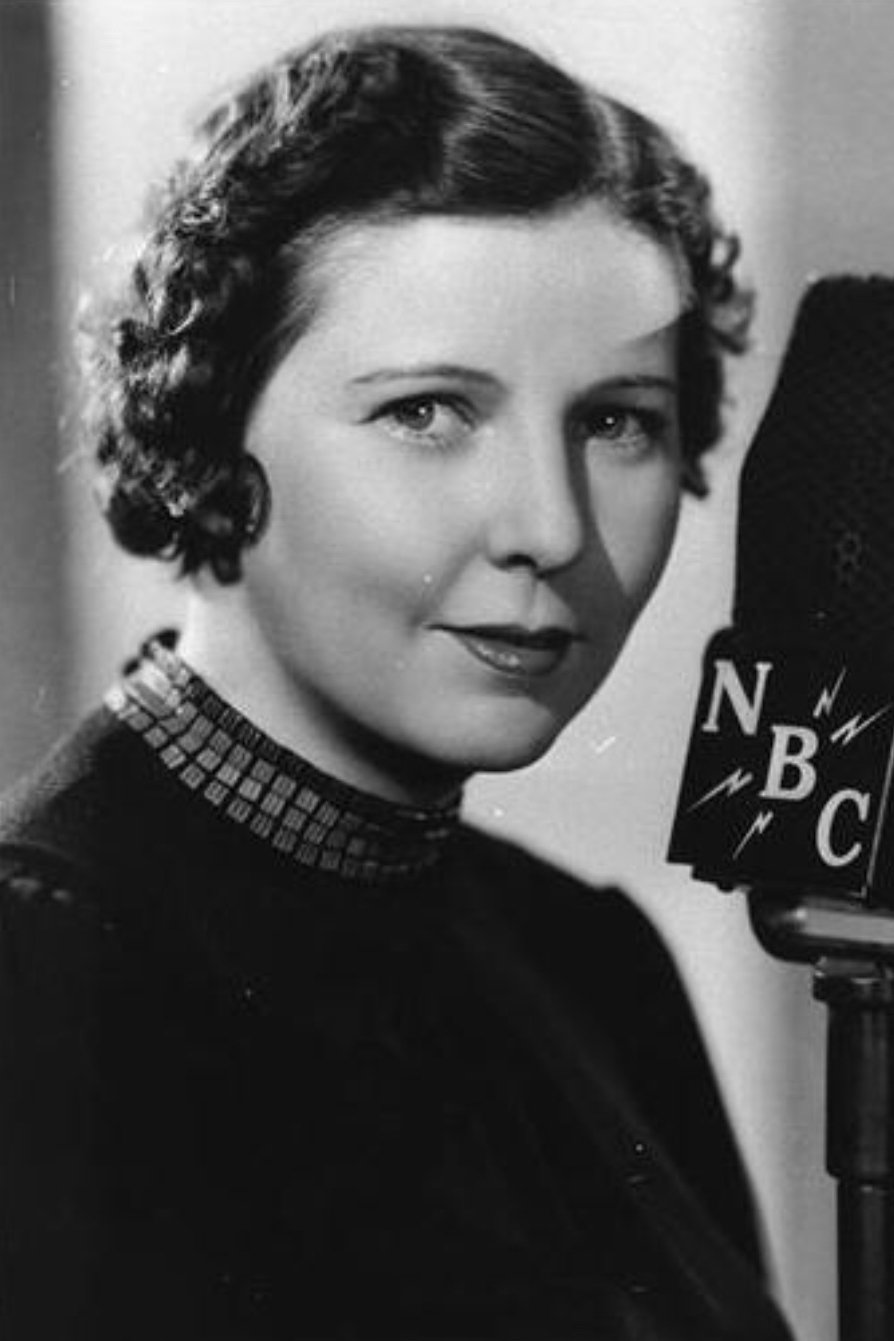
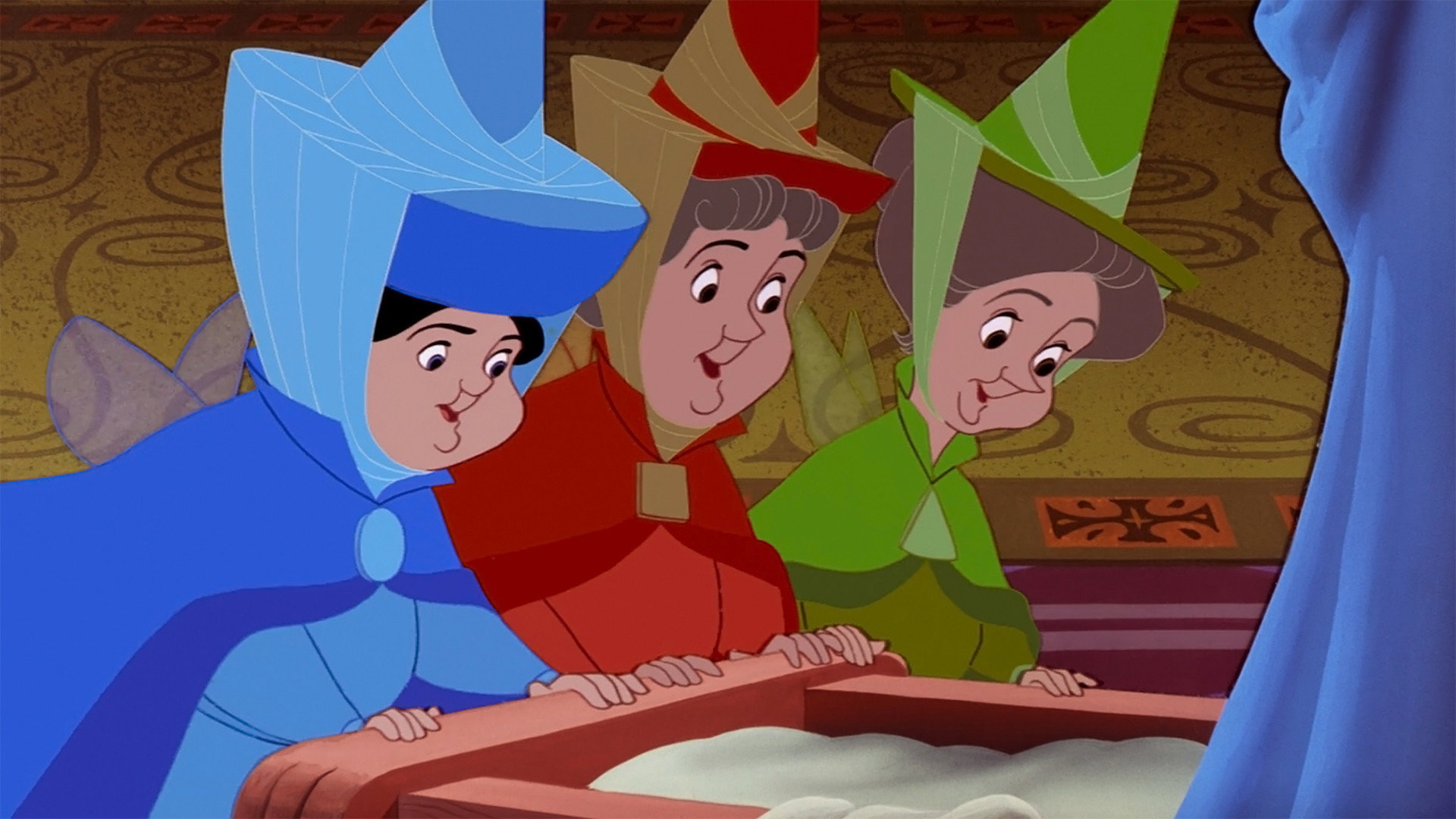
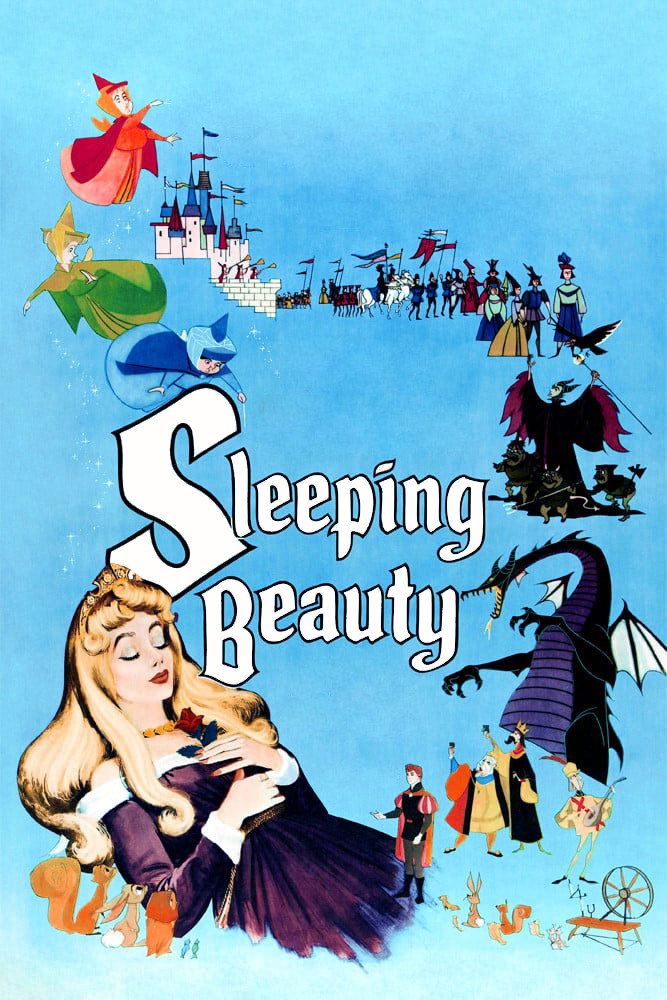
The three fairies carry the middle of the film. Verna Felton’s Flora is the one in charge, Barbara Jo Allen’s Fauna is the soft one, and Barbara Luddy’s Merryweather is the cross one, and the sequence in which they try to make a dress and a cake without magic is the warmest thing here. The dress fights back. The cake sags. The argument over whether the dress should be pink or blue, conducted with wands, is a good gag and is also how the villain finds them, which is neat writing.
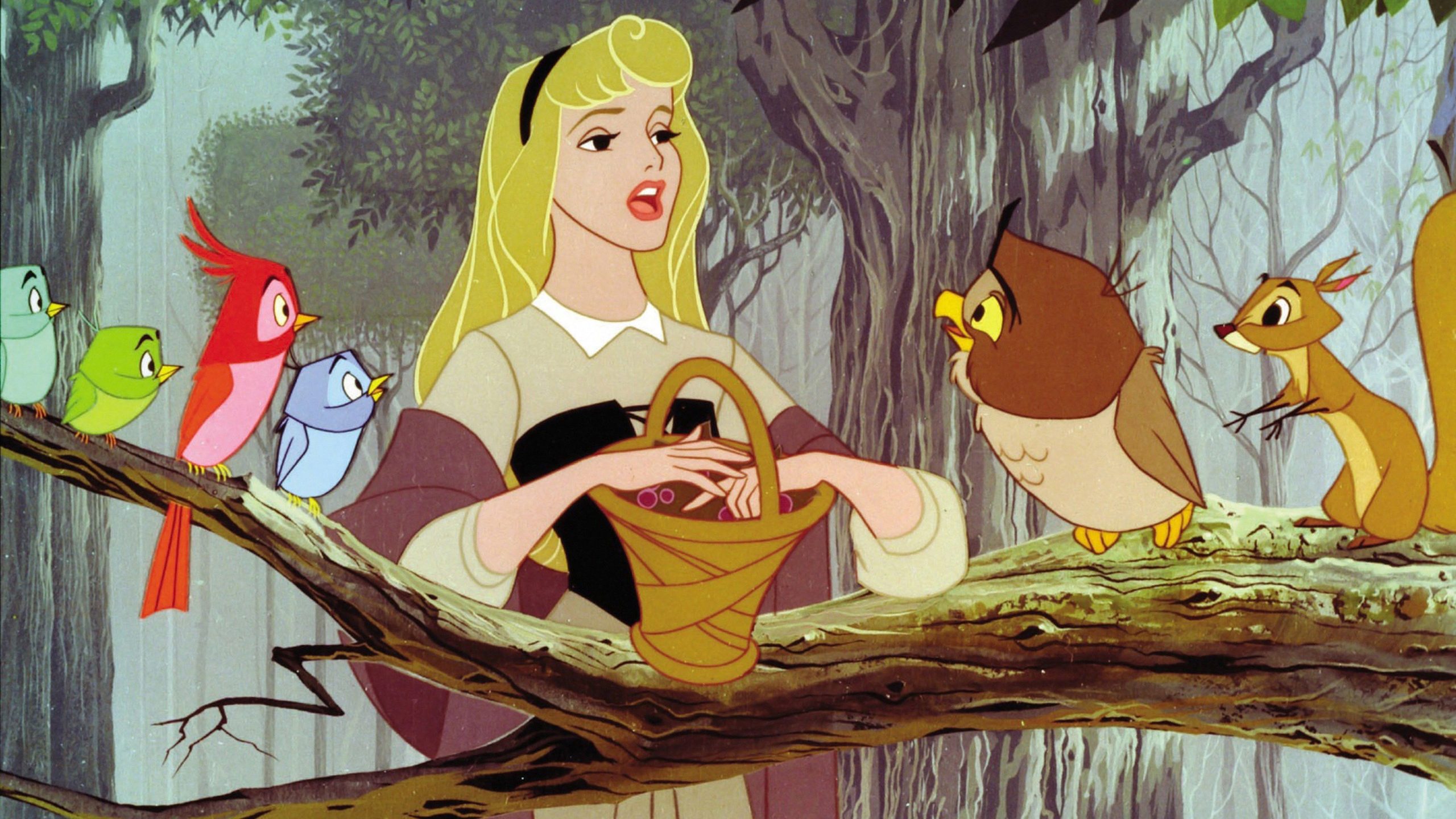
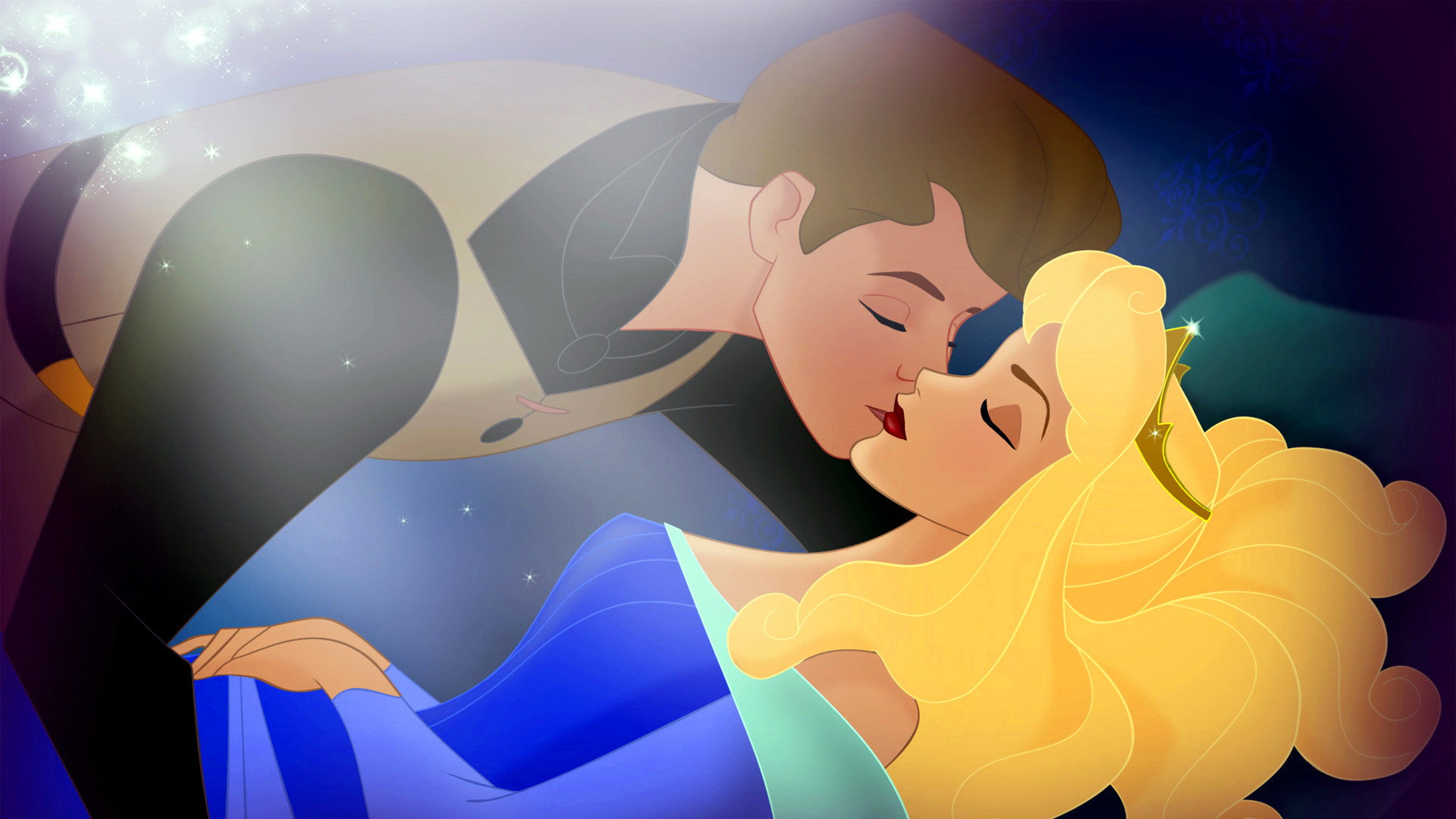
Aurora herself is the problem, and it is not Mary Costa’s fault. Costa’s soprano is lovely in the forest song, and the sequence in which she dances with her animal friends got up in a stranger’s cloak and boots is charming. But the princess has almost nothing to want, meets Bill Shirley’s Phillip for one duet and is sent home, and is asleep for a large part of the film that bears her name. Phillip at least gets a horse and a sword. She gets a bed.
George Bruns builds the score out of Pyotr Ilyich Tchaikovsky’s ballet, and it is the best decision the film makes. “Once Upon a Dream” is the ballet’s waltz with words on it, and the rest of the music has the same borrowed weight, so that a film with a thin story sounds as though it has a thick one. Roy M. Brewer Jr. and Donald Halliday cut it without slack, and the final confrontation, which we will not describe, moves a great deal faster than we remembered.
Watch it on the largest screen in the house and sit close, because the film was made to be looked at rather than followed. If you want a heroine who does something, look elsewhere. If you want to see what hand-drawn animation looked like when a studio was willing to draw every leaf, this is the one.