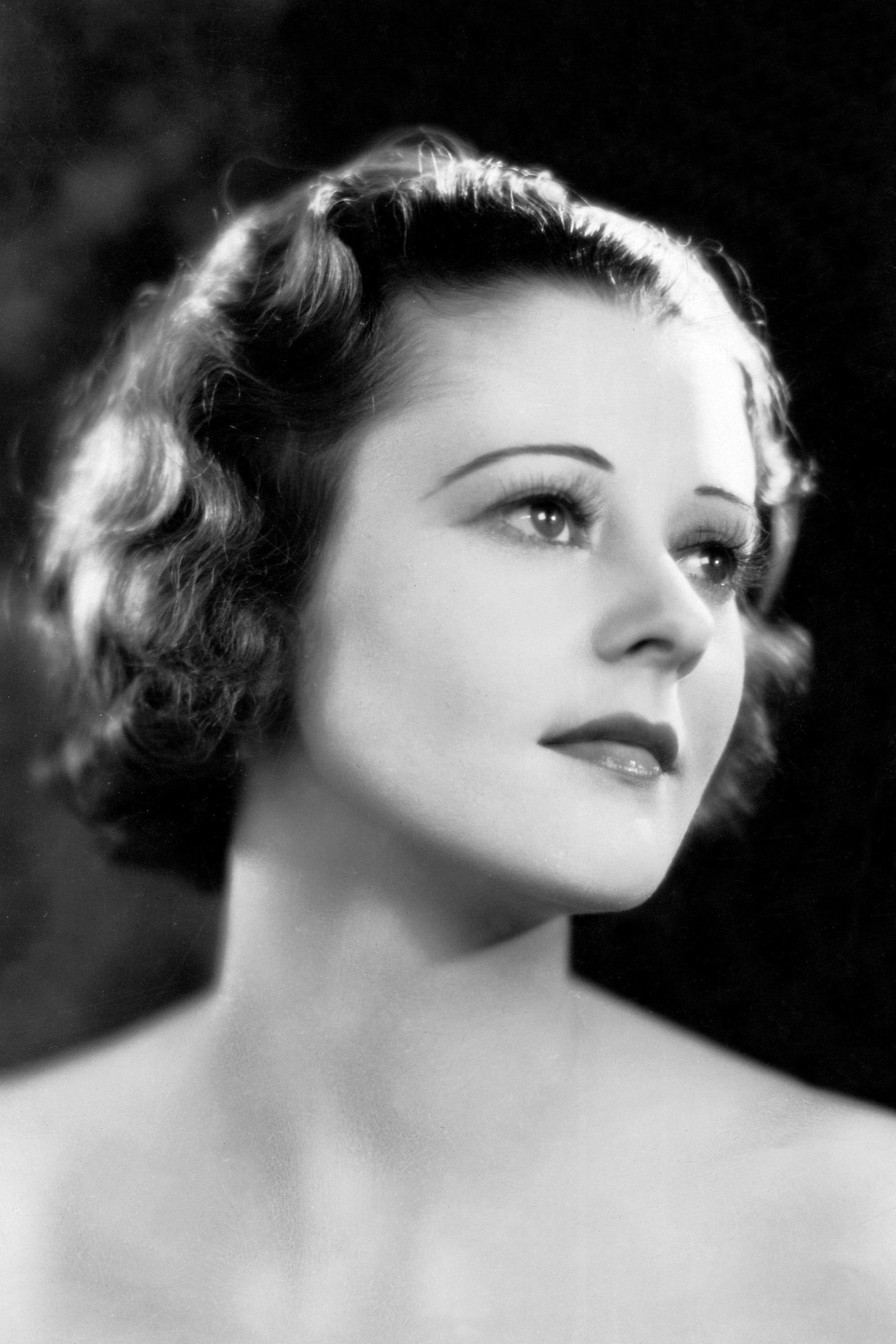
Heather Angel spent Hollywood being the quiet Englishwoman in the corner of other people's pictures, and did it with more feeling than the parts asked for. Two Disney voices are what survive, and they are, fittingly, the calm ones.
Fi1m perspective
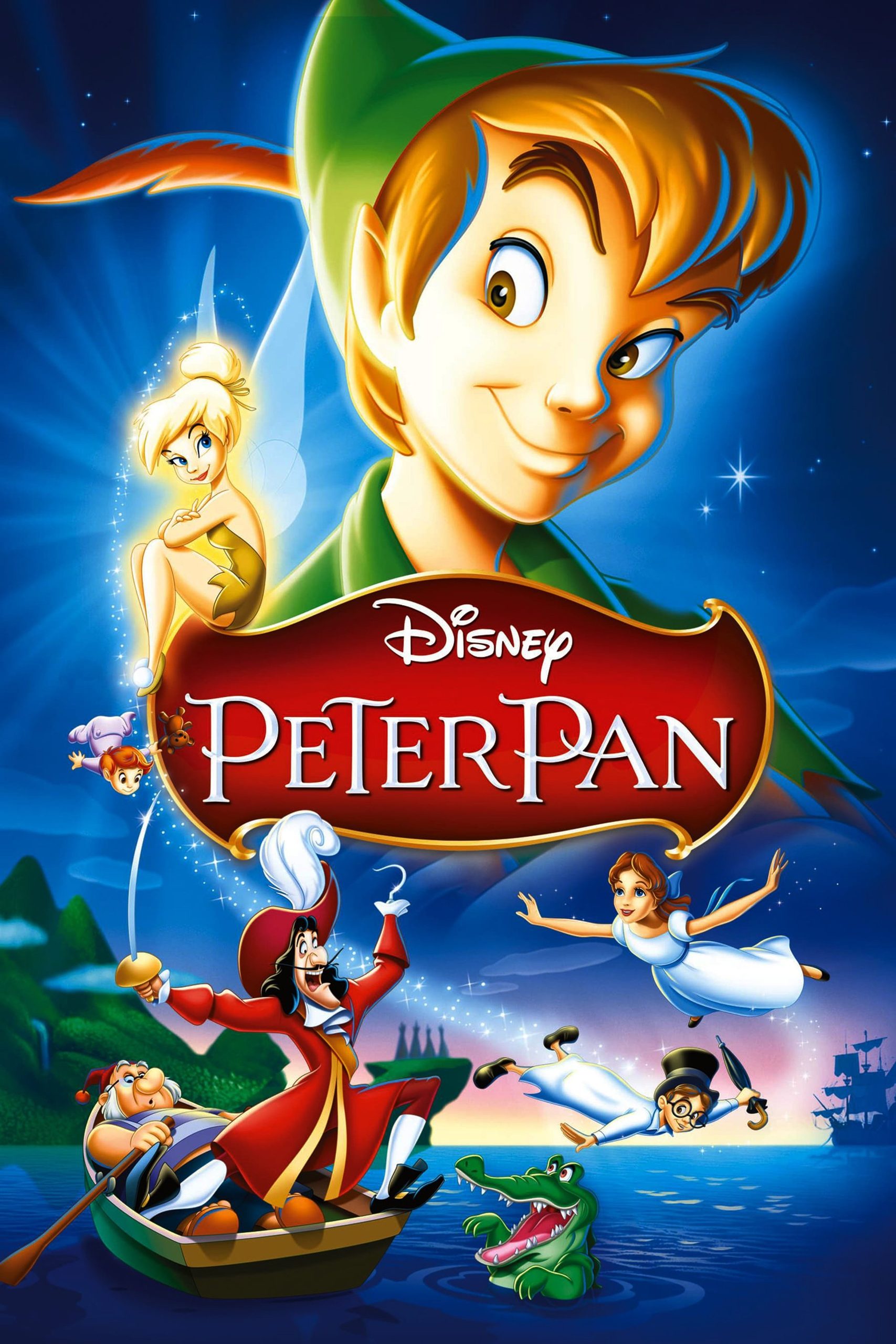
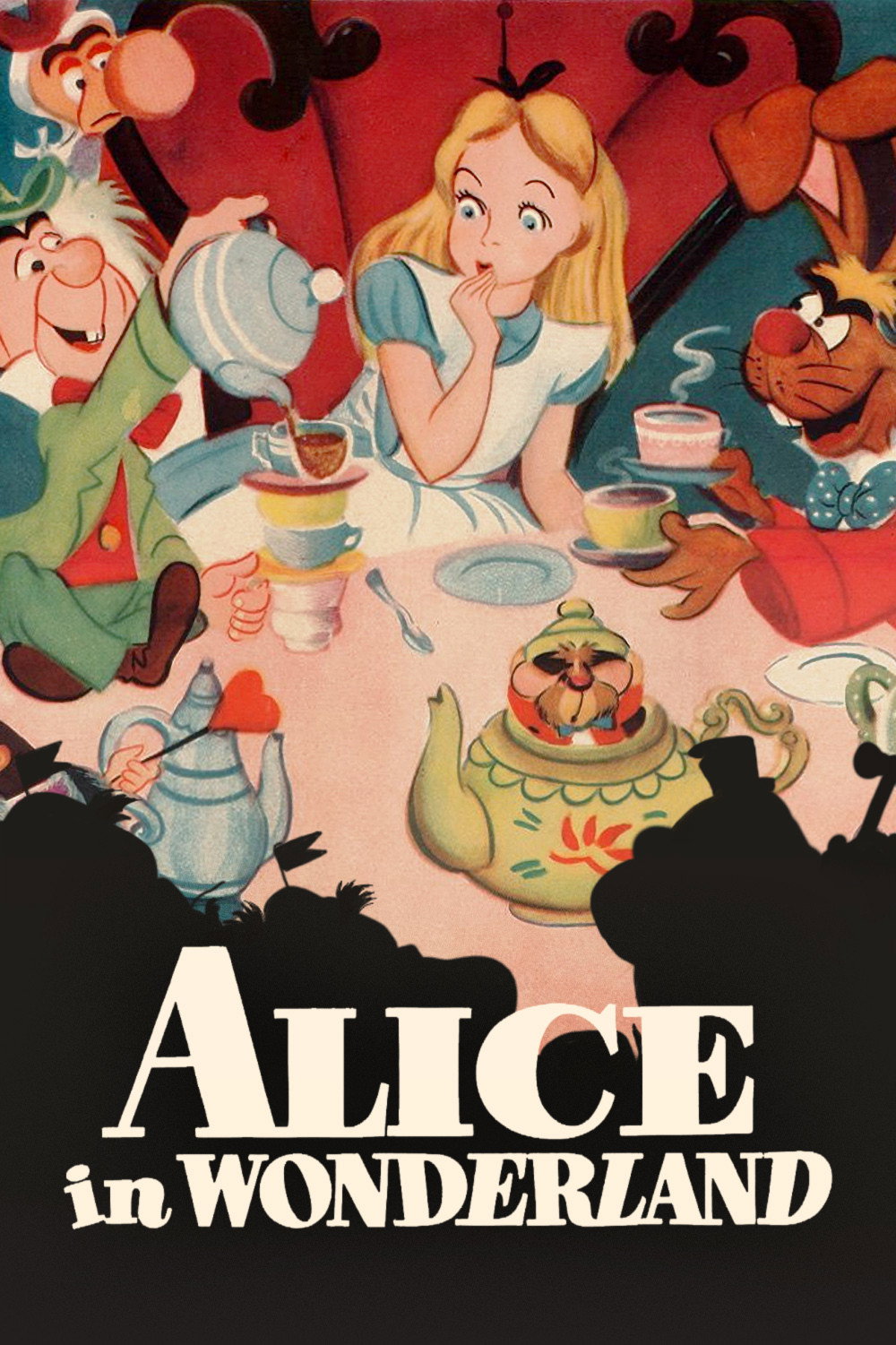
The first voice in Disney's Alice in Wonderland (1951) is not Alice's. It is her sister's, reading aloud from a history book on a riverbank while the child in the branches above wishes for a world where books are all pictures. Heather Angel reads the lesson in a clear, level English voice with no hurry in it, and the film hurries away from her the moment the White Rabbit appears. Two years later she was Mrs Darling, the mother in Peter Pan (1953), in the same tone. Neither film singles her out, and that is her career in two parts: the grown-up in the corner, speaking sense to people who are about to leave.
She had been doing it for twenty years by then. Trained on stage at the Old Vic from 1926, she made her first British films in 1931 and was in Hollywood by the early 1930s, where the studios saw a delicate, refined Englishwoman and cast her accordingly: sisters, maids, the other young woman in the picture. She was Kitty Bennet in Pride and Prejudice (1940) and Ethel the maid in Suspicion (1941). For five films between 1937 and 1939 she was Phyllis Clavering in the Bulldog Drummond mysteries opposite Ray Milland, B-pictures that kept her working and did nothing for her standing.
The complaint, made at the time and since, is that she was better than the parts, and the two films that show it are both ones where a director let her be unhappy. As Mary McPhillip in John Ford's The Informer (1935) she was praised for the depth she found in a supporting role. As Mrs Higley in Hitchcock's Lifeboat (1944) she plays a mother in despair in a boat full of louder people, and it is the performance most often remembered. The poise she brought from the stage suited period and literary pictures; the trouble was that poise is what casting directors bought and grief is what she was good at, and they rarely asked for both at once.
Our own moment with her is a small one. Watching Alice again, we were a little sorry to leave the riverbank. The film has already decided the sister is the dull adult and the history lesson is the thing to escape from, and Angel reads it as though it were worth hearing. It is a minute of screen time, and it is a fair account of what she was for: the steady grown-up voice that children have to run away from. Carroll and Barrie both needed one, and Disney went to the same woman for it twice.
Film work thinned after Lifeboat, and after the Disney parts came television. It was reported, near the end of her life, that she 'never enjoyed seeing herself on screen and never had a part in which she became involved', which is a bleak thing to say after a career that long and a hard one to argue with. The two parts that outlasted her are the ones in which she is not seen at all.
Biography
Heather Angel was an English actress, also credited as Heather Grace Angel. Born on 9 February 1909 in Headington, Oxford, she began her stage career at the Old Vic in 1926 and later appeared with touring companies. Her Broadway debut was in 1937.
She appeared in many British films before moving to Hollywood in the early 1930s. Her screen roles included parts in The Informer (1935), Pride and Prejudice (1940), Suspicion (1941) and Lifeboat (1944). She later returned to provide voices for the Walt Disney animated films Alice in Wonderland (1951), as Alice's sister, and Peter Pan (1953), as Mrs. Darling.
Angel received a star on the Hollywood Walk of Fame. She died on 13 December 1986 in California.