Elizabeth Gaskell takes money, manners and women’s daily concerns seriously without making everyone solemn. Cranford and North & South turn that attention into rewarding television, though both occasionally ask for more patience than they earn.
Fi1m perspective
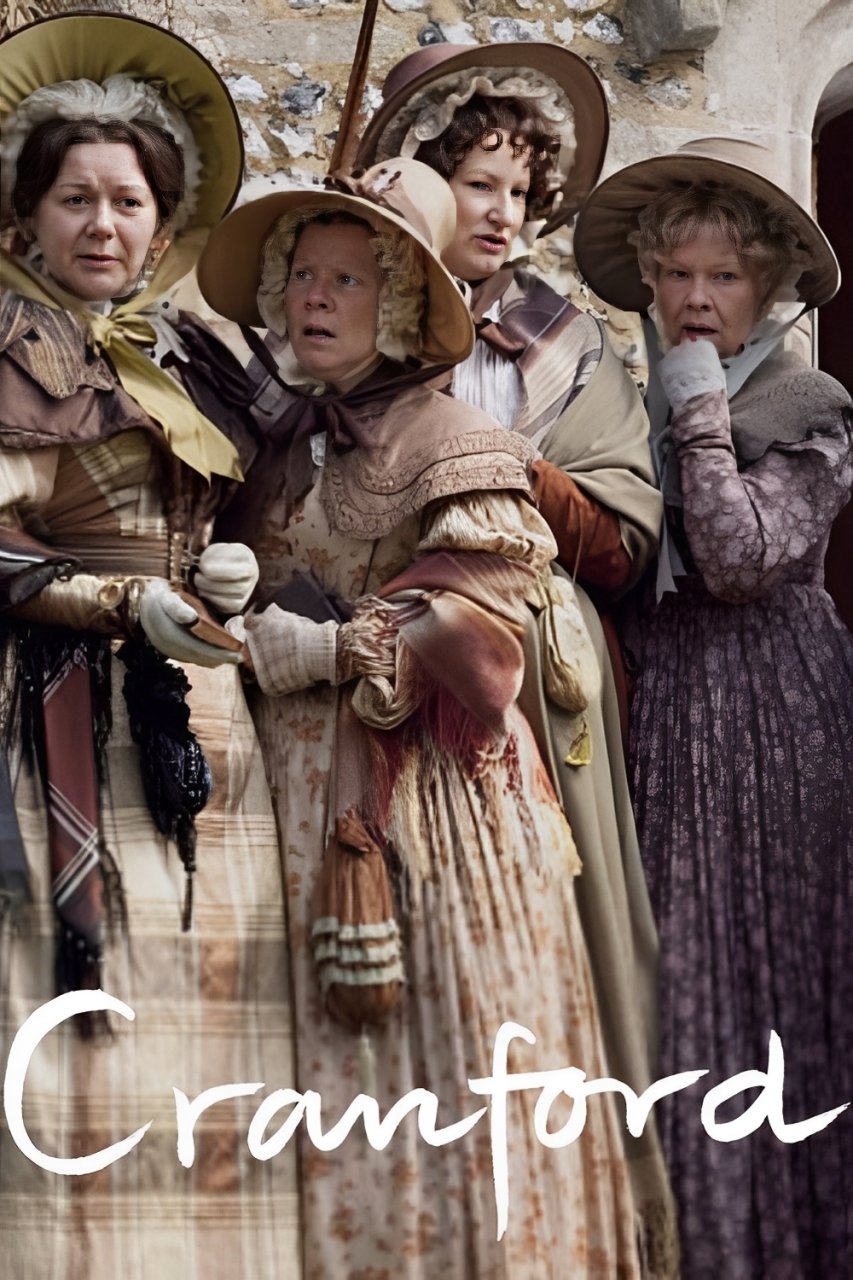
In Cranford (2007), doing things properly matters even when there is little money with which to do them. The older women’s concern for respectability can be funny, but the series lets us see why they persist. Gaskell gives such worries enough weight to sustain our interest without demanding that we find every custom sensible. We were moved by the attention paid to these women’s efforts to remain respectable as their circumstances changed.
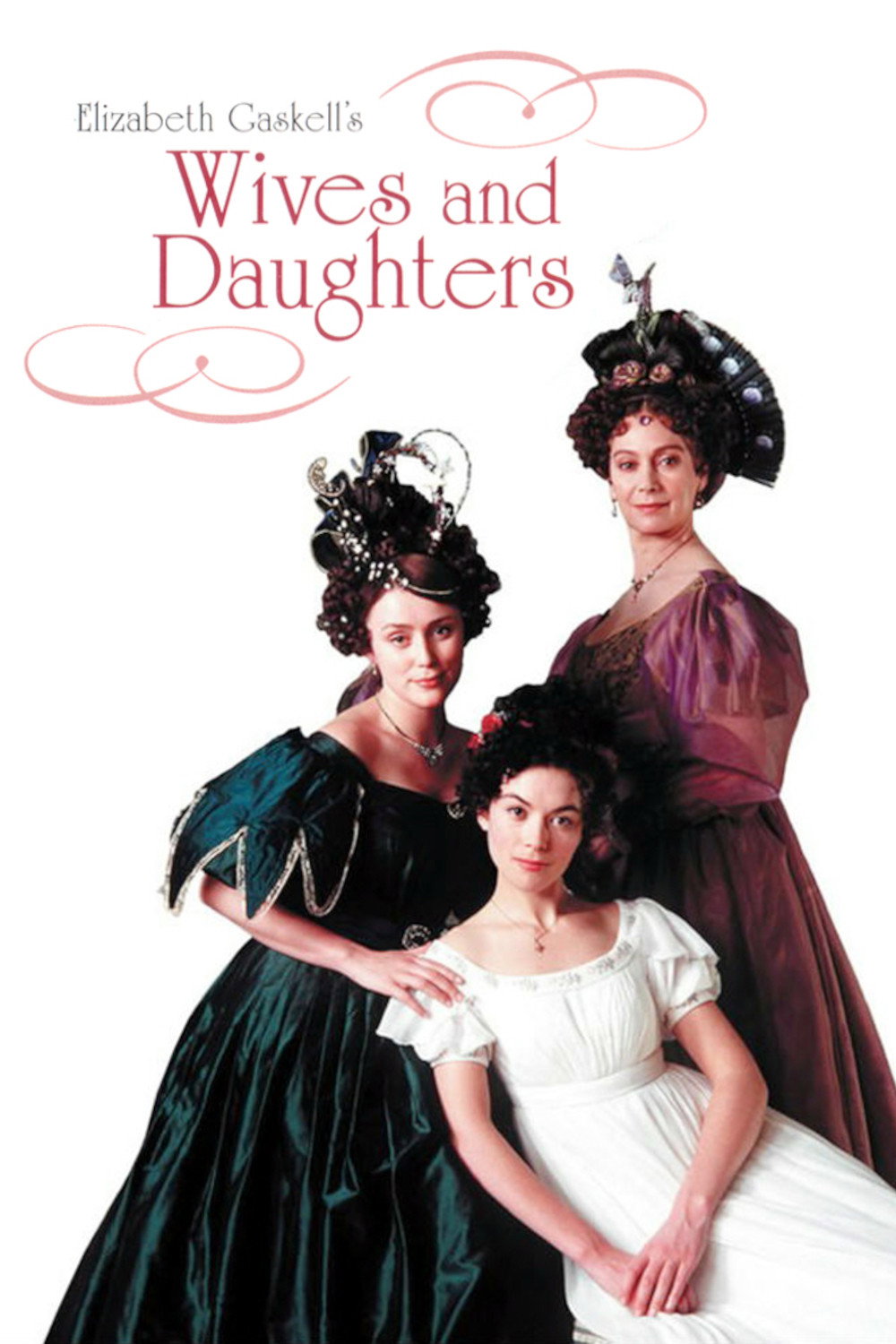
Her first novel, Mary Barton (1848), drew on Manchester factory life, while Cranford (1853) studied genteel provincial women. North and South (1855) set the rural south against the manufacturing north, bringing differences of class into sustained conversation. These settings give her different ways to examine who has money, whose habits count as respectable and who must accommodate whom. The later, unfinished Wives and Daughters (1866) continued her close examination of character and society.
Heidi Thomas’s screen adaptation preserves the humour in Cranford without treating its women as decoration. Directors Simon Curtis and Steve Hudson let us become interested in their insistence on correct behaviour, and the dialogue gives Eileen Atkins and Judi Dench room to be funny. The opening takes time to settle, and this genteel community can look a little too comfortable. We would have liked more pressure on that comfort. Still, the care taken over concerns that another drama might dismiss makes the slow start worth tolerating.
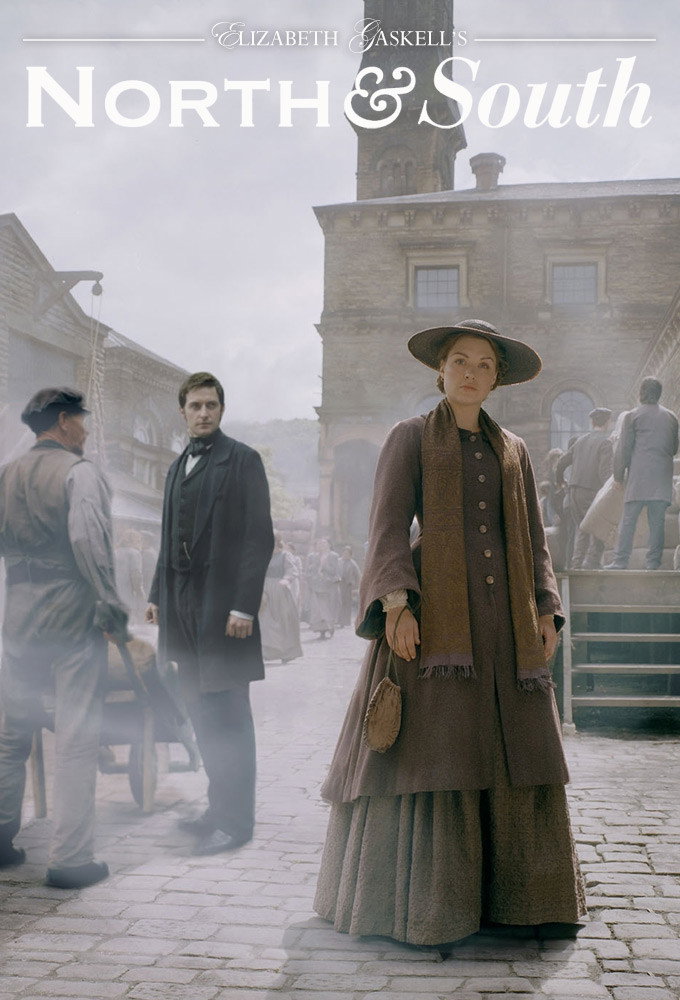
For a more argumentative evening, North & South (2004) makes its romance depend on differences of opinion. Director Brian Percival gives Margaret Hale and John Thornton’s romance four episodes, while Sandy Welch’s screenplay keeps their conversations awkward and their opinions distinct. The class divisions matter to the courtship, which makes the waiting worthwhile even when the pace drags. Gaskell’s interest in mutual understanding comes through because the adaptation gives those disagreements time and does not immediately soften them with a joke. Choose this one for the romance, provided there is also an appetite for hearing both sides out.
Biography
Elizabeth Gaskell was an English novelist and short story writer. Born Elizabeth Stevenson on 29 September 1810 in Chelsea, London, she grew up in Knutsford, Cheshire, after her mother's death. In 1832 she married William Gaskell, a Unitarian minister, and the couple settled in Manchester.
Her first novel, Mary Barton (1848), drew on her observations of industrial life. She is best known for Cranford (1851–1853), North and South (1854–1855) and the unfinished Wives and Daughters (1864–1866). These works were later adapted for television. Gaskell also wrote the biography The Life of Charlotte Brontë (1857). She died on 12 November 1865 in Holybourne, Hampshire.