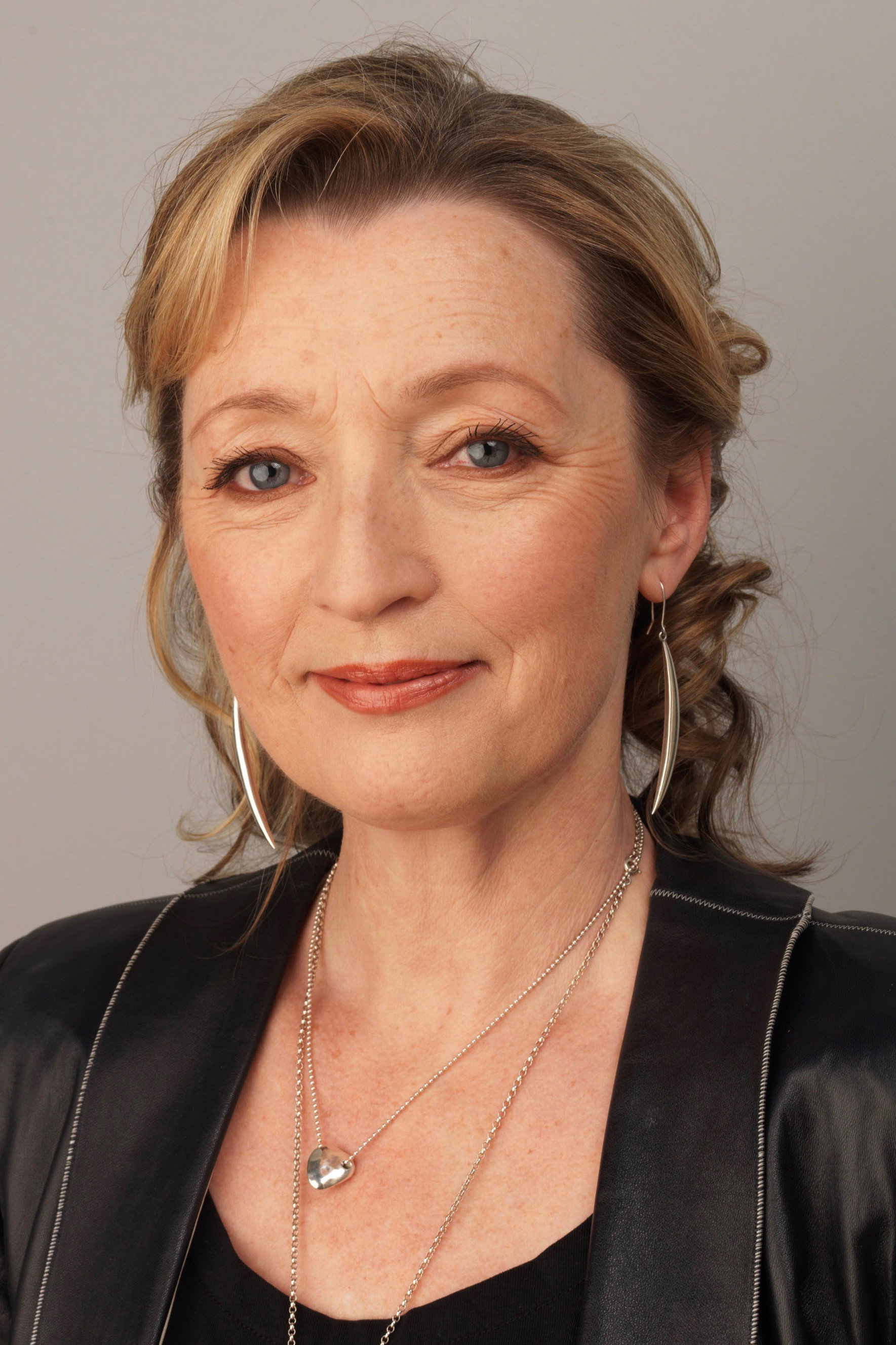
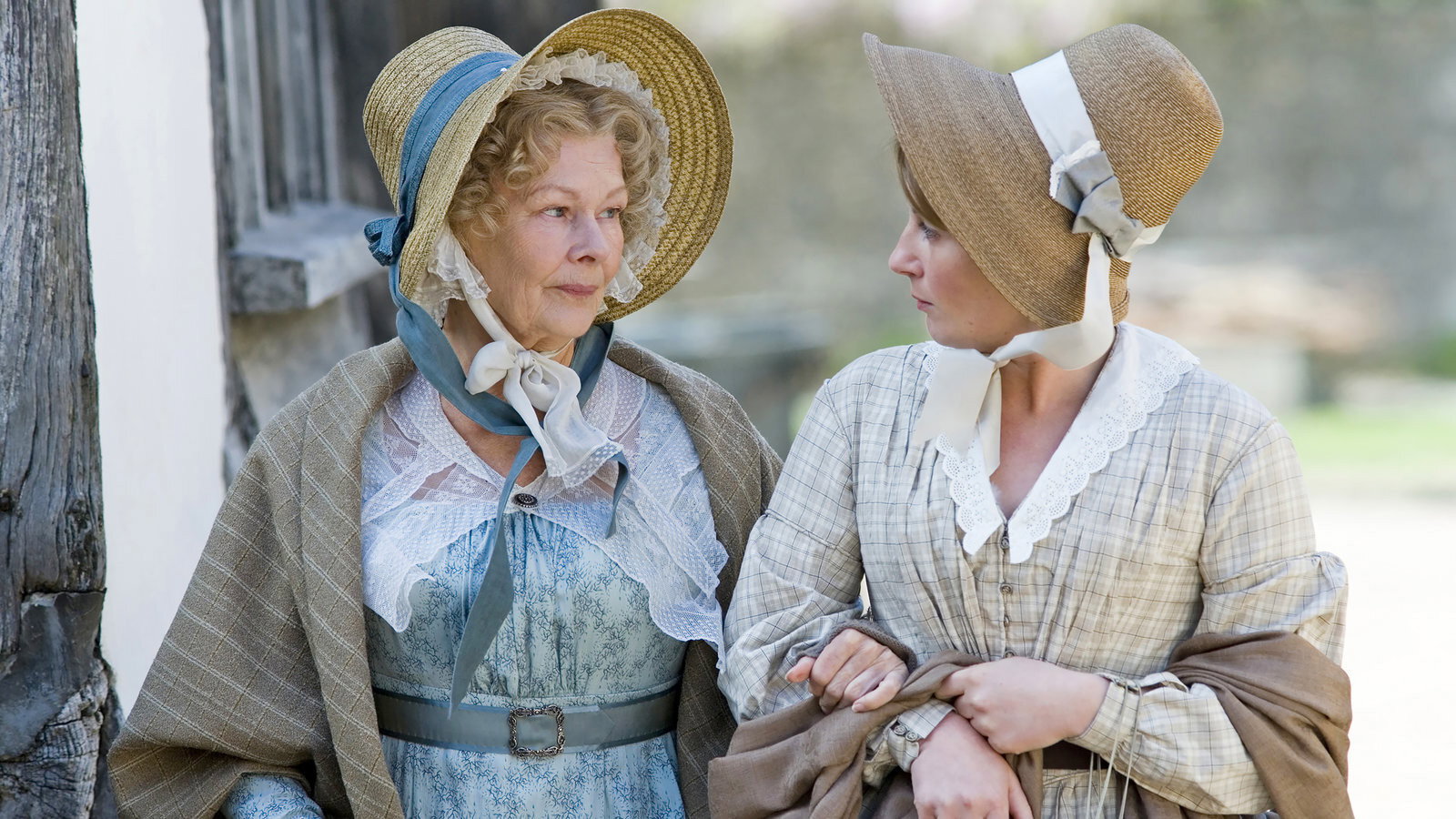
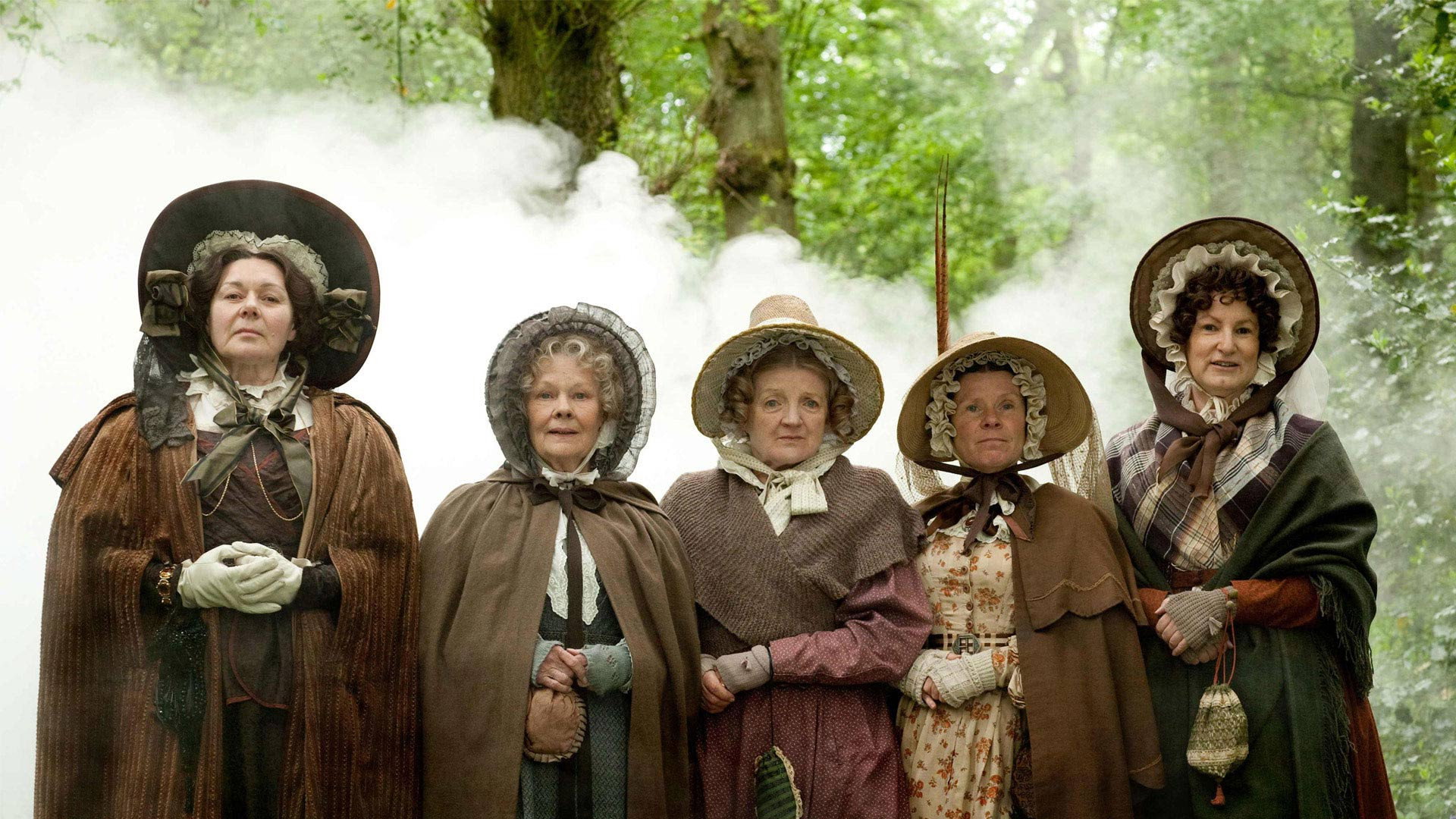
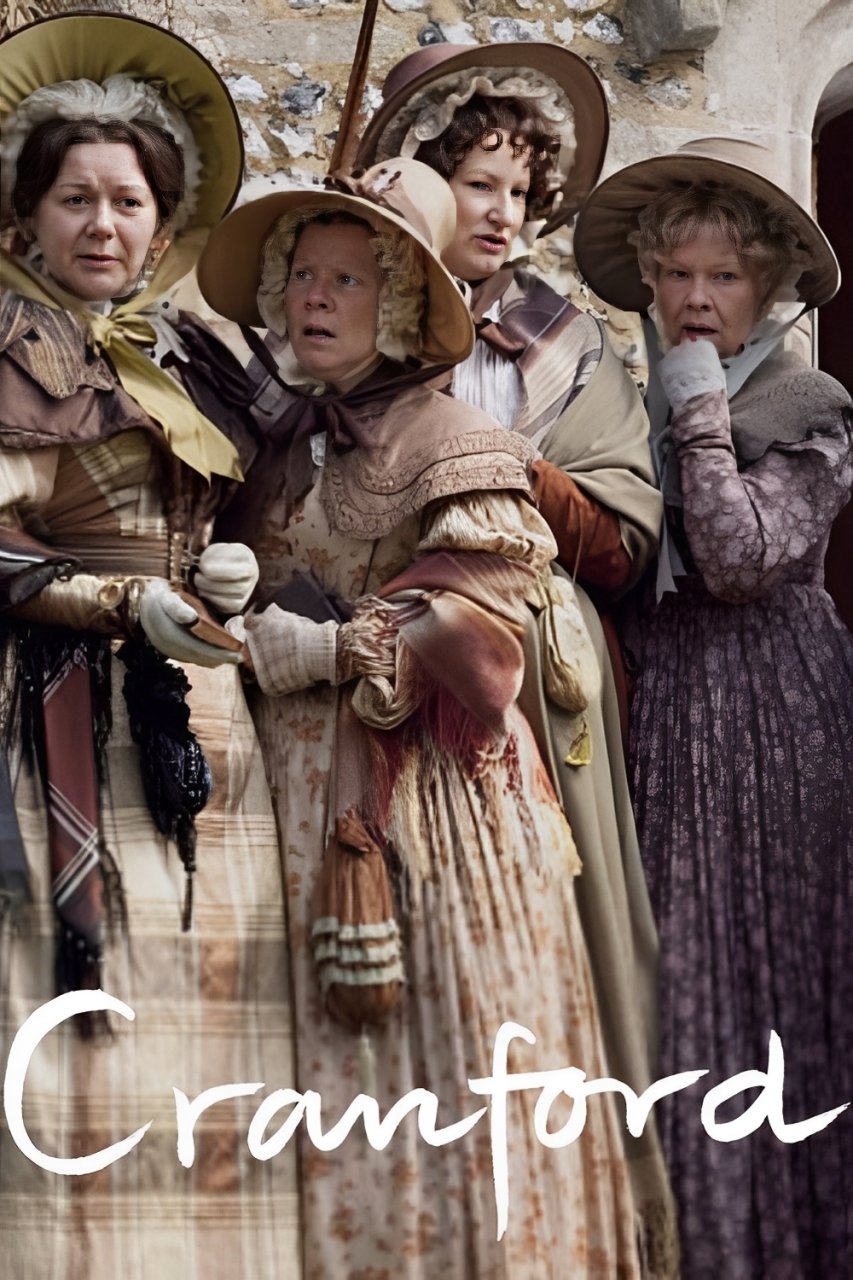
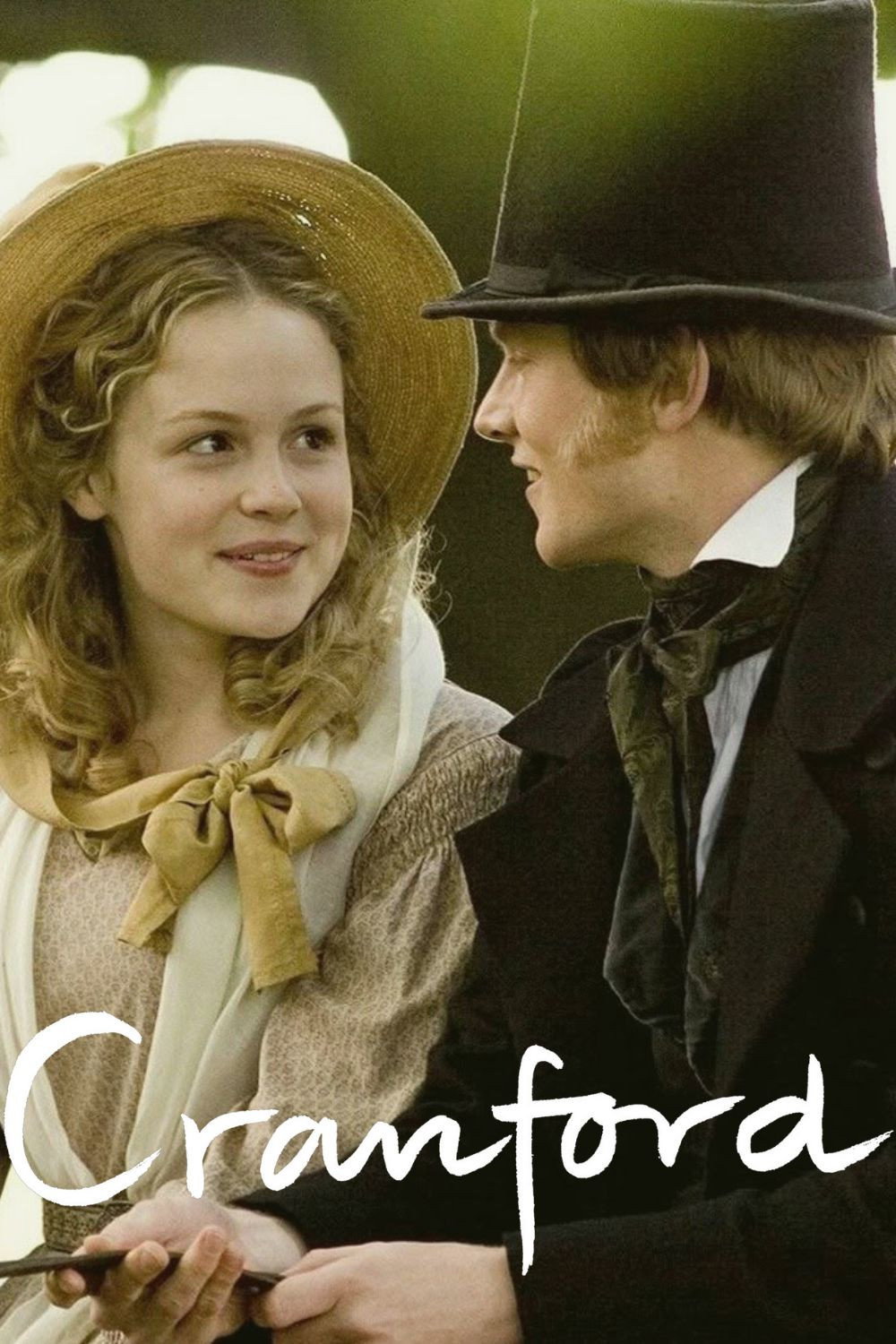
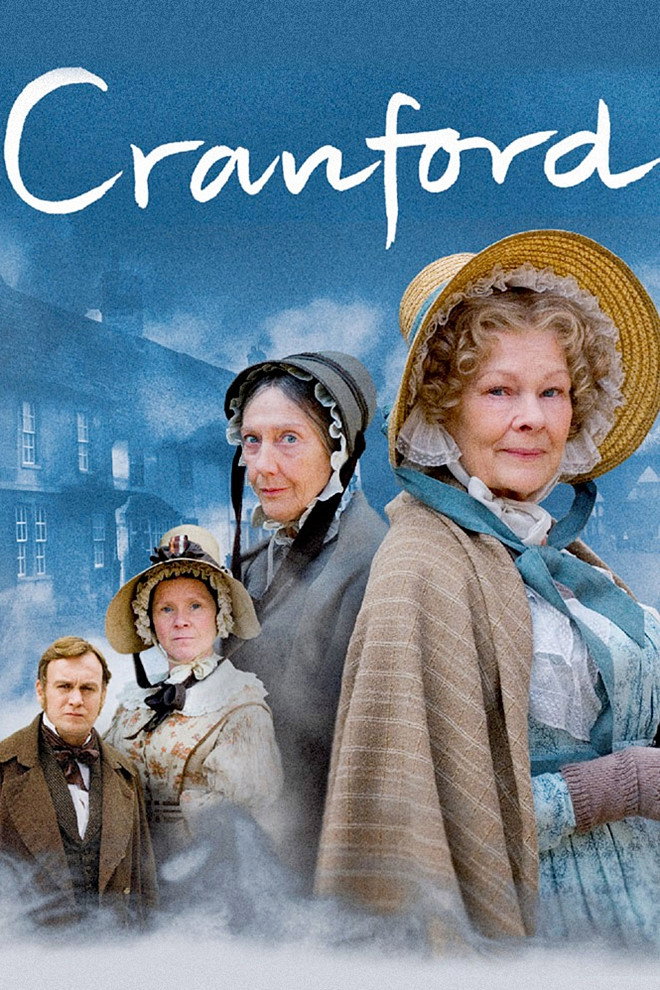
Eileen Atkins and Judi Dench make Cranford funny, moving and well worth the slow start. Its genteel community can look a little too comfortable, but the women are never treated as decorative.
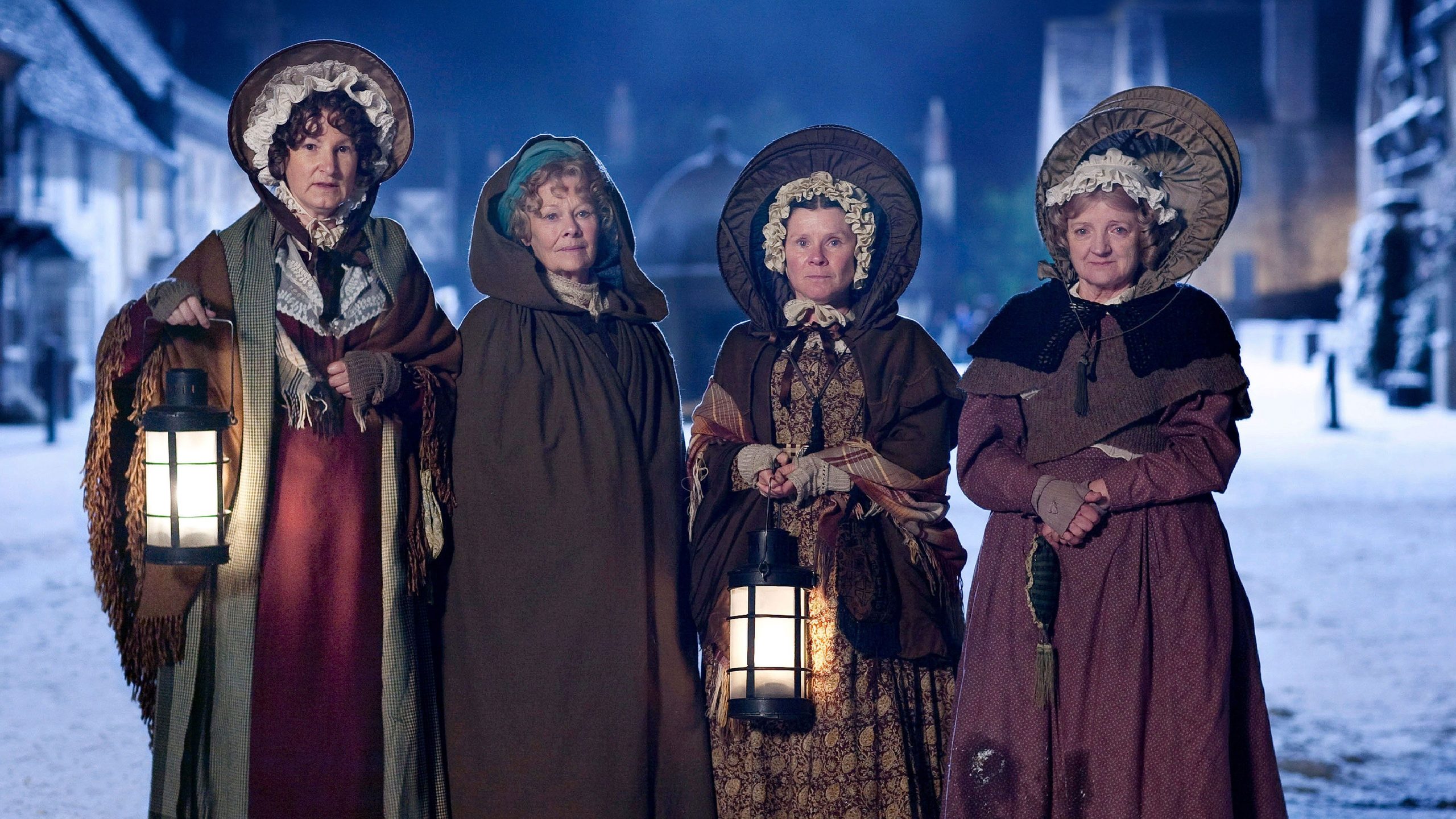
Cranford takes the daily concerns of a small community of older women seriously, including the concerns that look faintly ridiculous. Heidi Thomas’s adaptation of Elizabeth Gaskell deals with social customs, genteel poverty and the effort of remaining respectable when circumstances change. It is a funny, moving series, worth the patience its opening demands. Directors Simon Curtis and Steve Hudson trust us to become interested in people for whom doing things properly matters. The dialogue gives the actors plenty to enjoy without making every exchange sound prepared for applause.
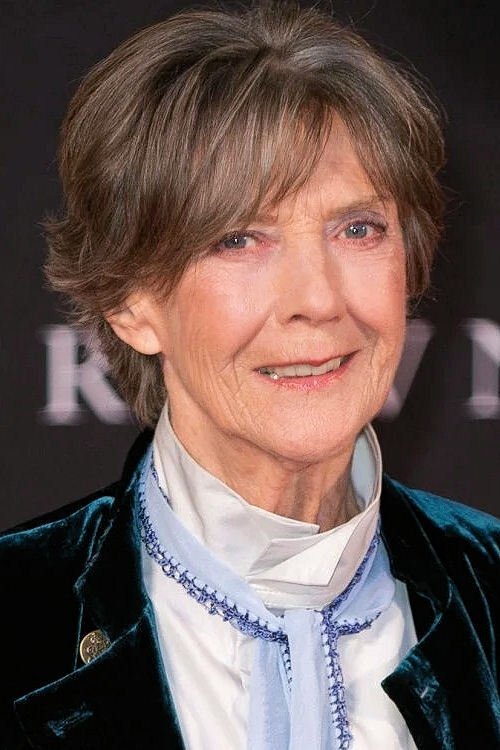
We laughed at the seriousness Eileen Atkins brings to Miss Deborah Jenkyns, particularly her concern for the proper way of doing things. She gives social disapproval a firmness that makes an objection feel settled before anyone has answered it. There is no wink asking us to enjoy the performance at the character’s expense, and that restraint matters. The comedy allows us to find her rules absurd while recognising the effort she puts into observing them.
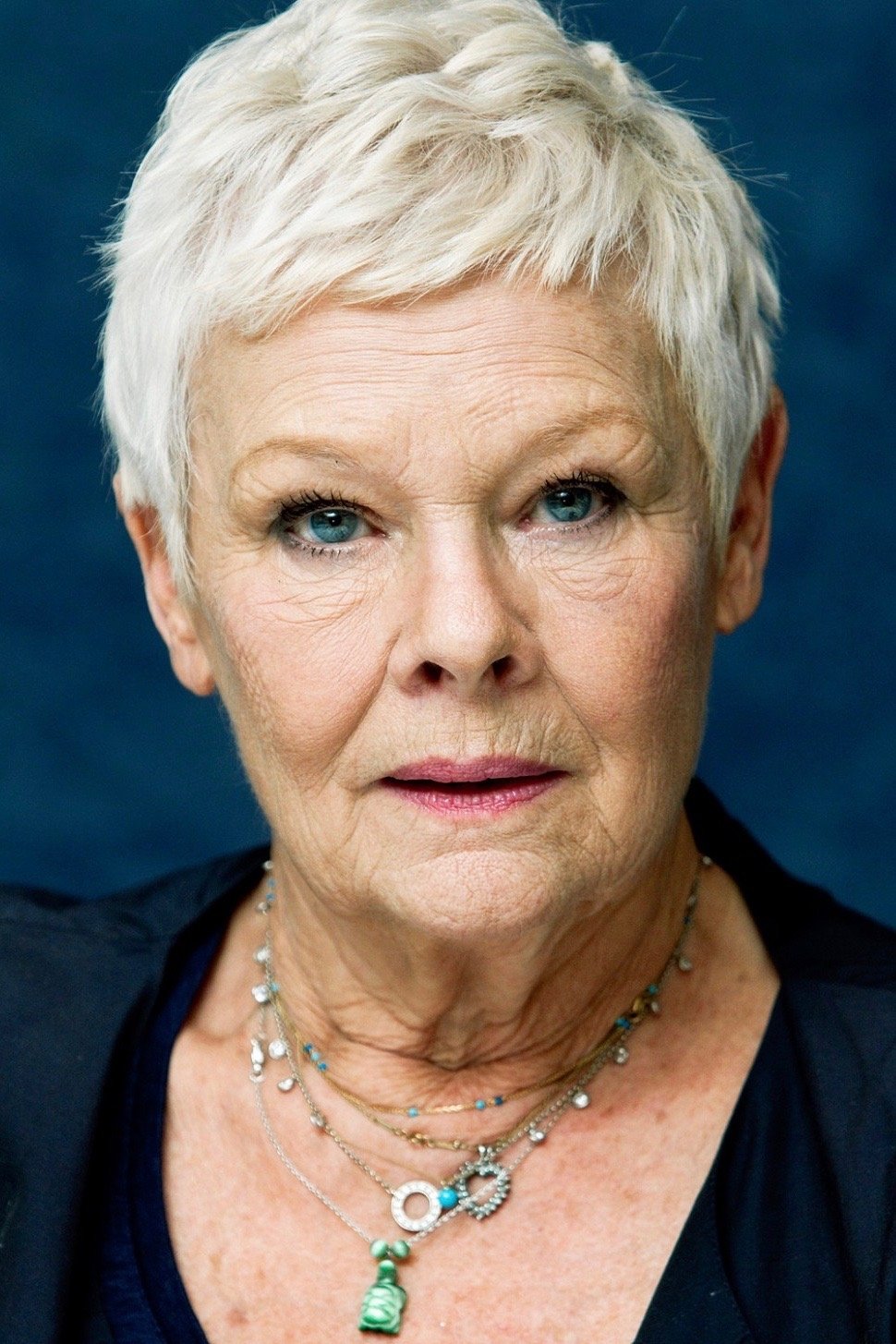
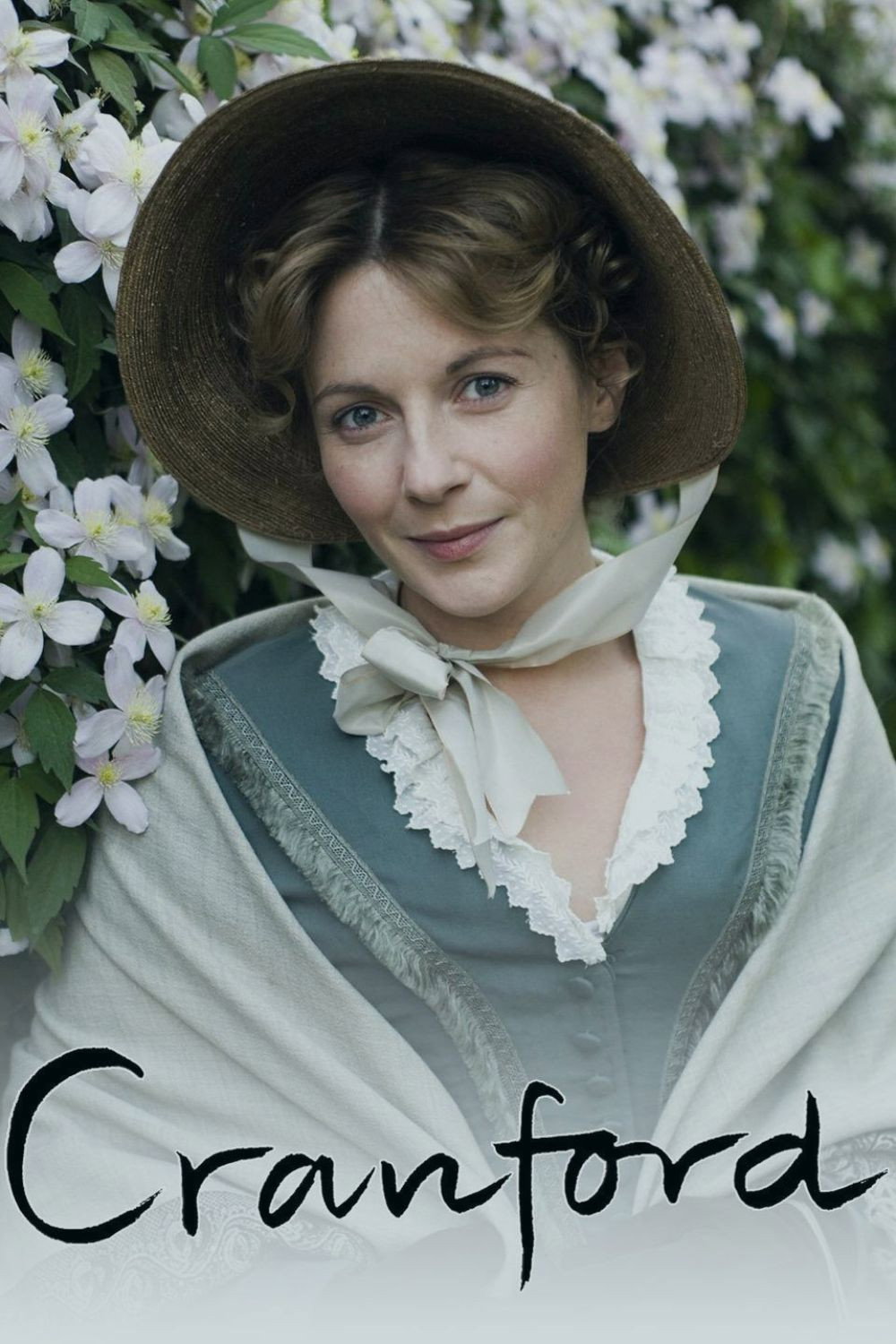
Judi Dench, as Miss Matilda Jenkyns, gives the quieter feelings just as much weight, without making every hesitation a request for sympathy. Beside Eileen Atkins’s certainty, her performance makes room for doubt and the wish to be kind. Lisa Dillon’s Mary Smith helps the ensemble feel less like a succession of actors waiting for their turn. What holds our attention is the way these performances accommodate one another, allowing a small response to matter as much as a speech.
Ben Smithard’s cinematography keeps our attention on the ensemble rather than encouraging us to inspect the period setting. Donal Woods’s production design is carefully judged, though its polish sometimes makes the genteel poverty seem more comfortable than it ought to. Jenny Beavan’s costumes give the concern with proper appearances a useful visible presence. This is persuasive work, but we occasionally wanted the surroundings to make us feel the strain of maintaining respectability as clearly as the actors do.
Frances Parker’s editing leaves room for those performances, at the cost of an opening that takes too long to establish where our attention should go. We can enjoy individual exchanges before feeling much need to see the next one. Carl Davis’s music supports the warmth without making the conversations feel small beside it. Once the various personalities become familiar, the leisurely pace begins to feel appropriate, because we have learned to notice what matters to them.
The series is at its most distinctive when it lets older women occupy the centre without turning them into examples of wisdom. They are allowed to be proud, awkward and funny, and their occasional foolishness does not cancel their right to be taken seriously. That feels unusually generous within a genre that can spend so much time admiring how people are dressed. Choose it for an evening when nobody needs the story to hurry.