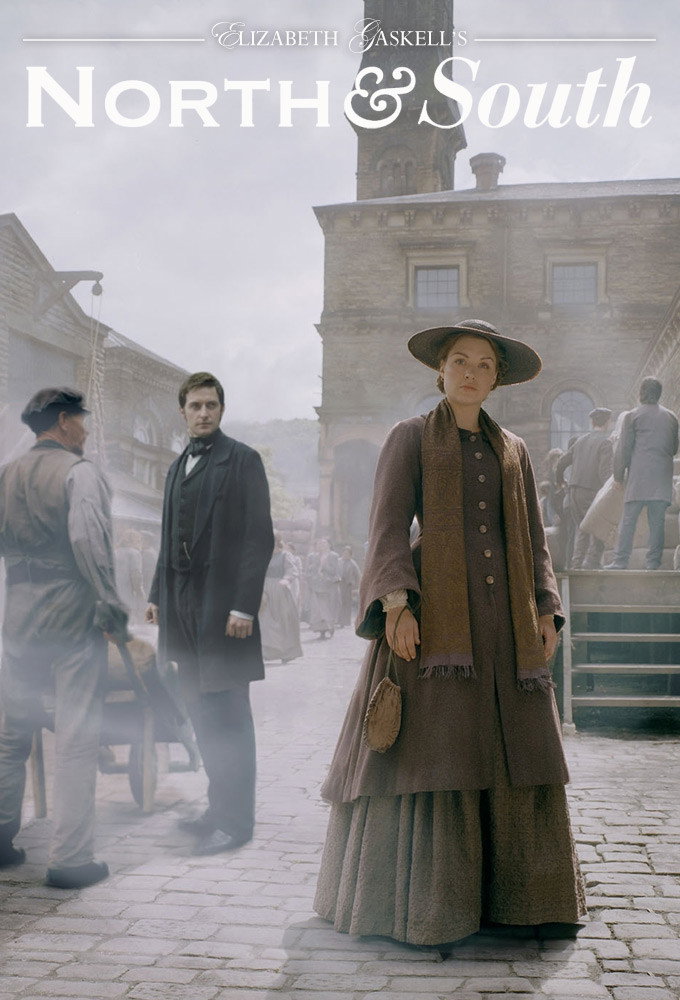
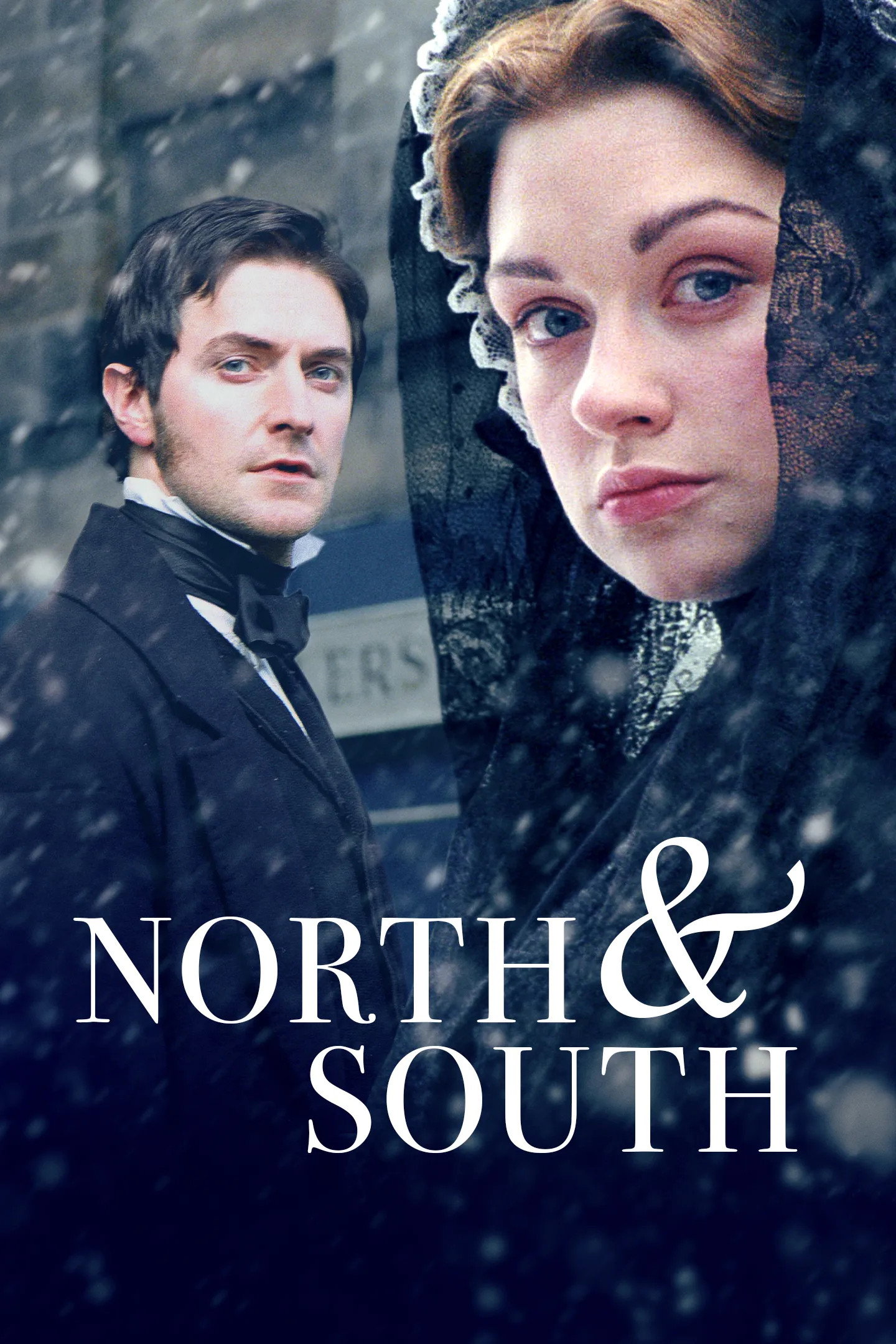
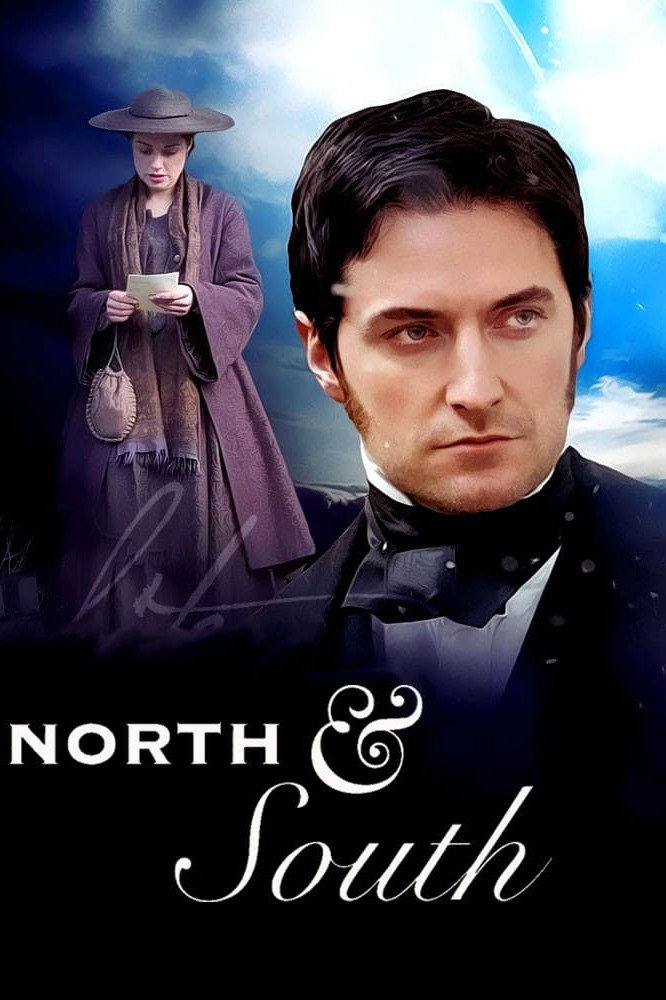
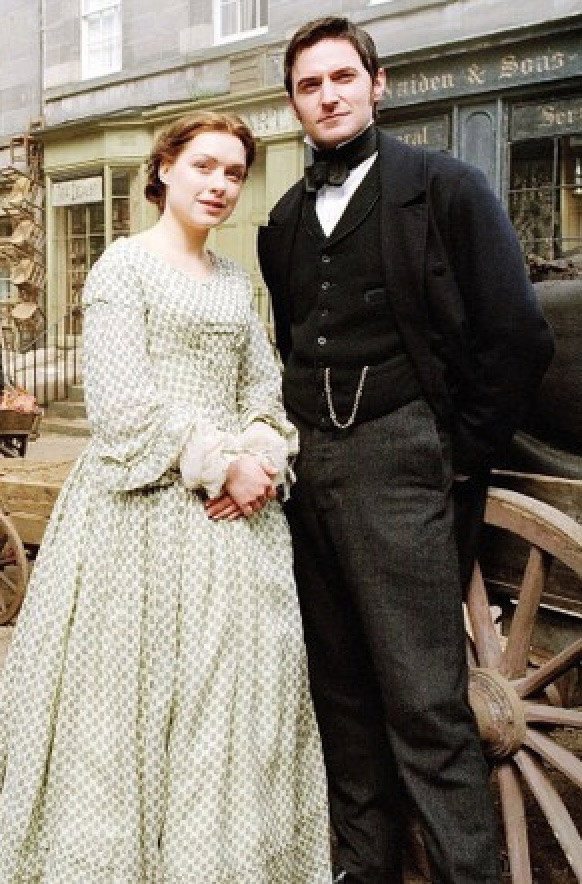
Brian Percival’s adaptation of Elizabeth Gaskell makes its romance worth the wait, with forceful performances and class divisions that matter. The pacing occasionally drags, but the sharp dialogue gives the patient viewer plenty to enjoy.
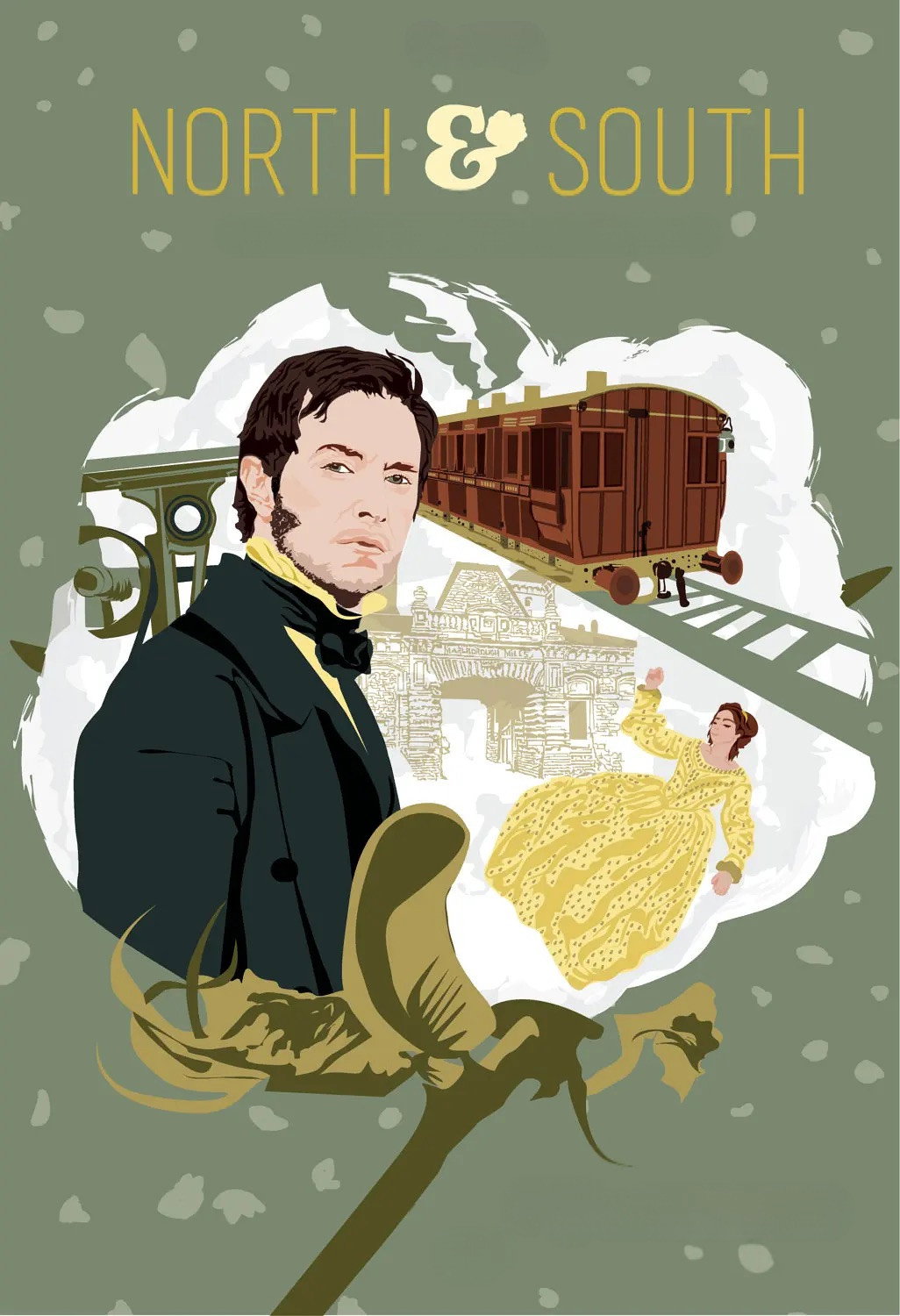
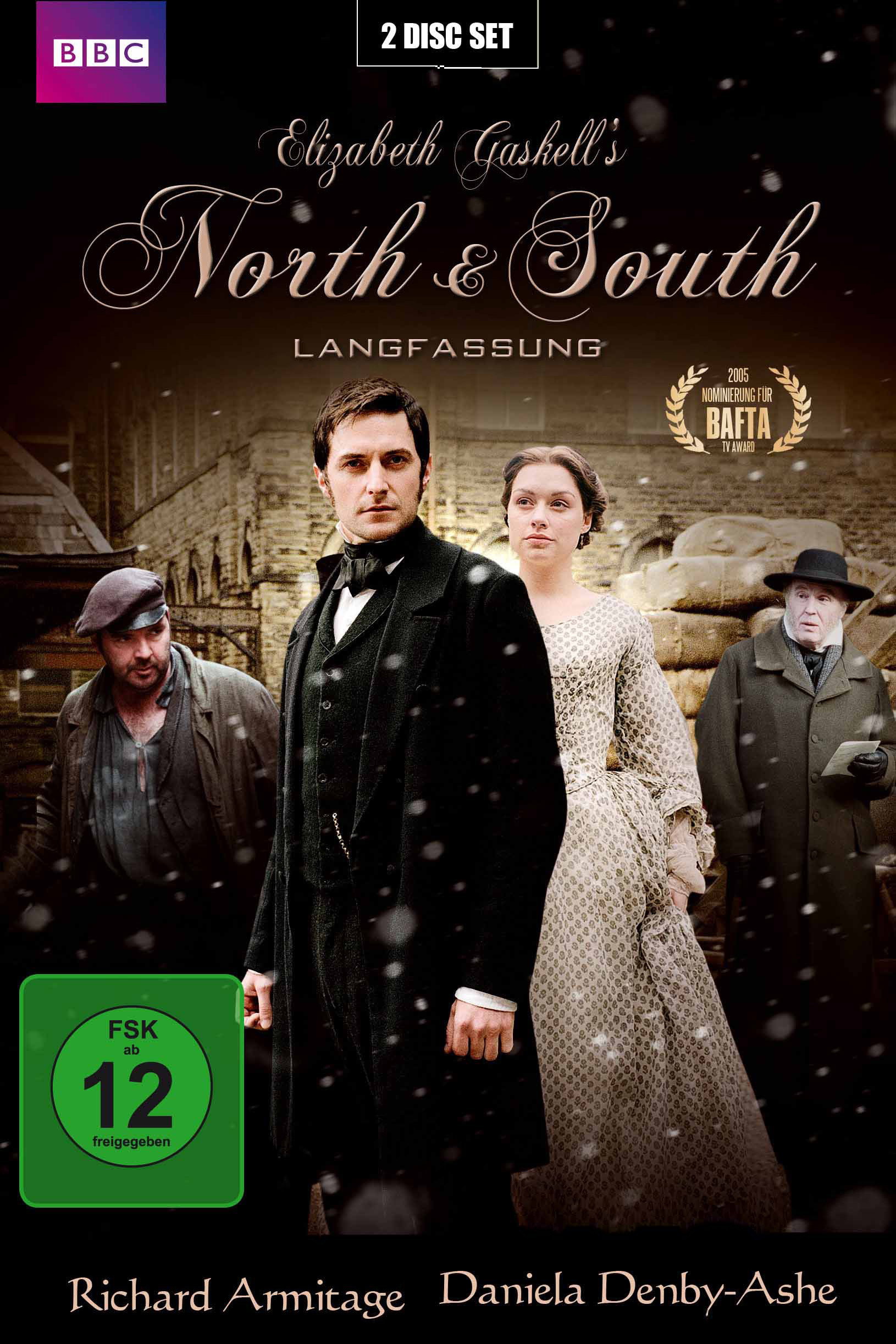
North & South takes love across a social divide seriously enough to make the disagreements worth hearing. Director Brian Percival has four episodes in which to persuade us that Margaret Hale and John Thornton deserve our attention, and largely uses them well. We recommend this Elizabeth Gaskell adaptation warmly, with a caveat about the stretches where patience begins to feel compulsory. Sandy Welch’s screenplay gives people distinct opinions and lets their conversations become awkward without immediately providing a charming way out.
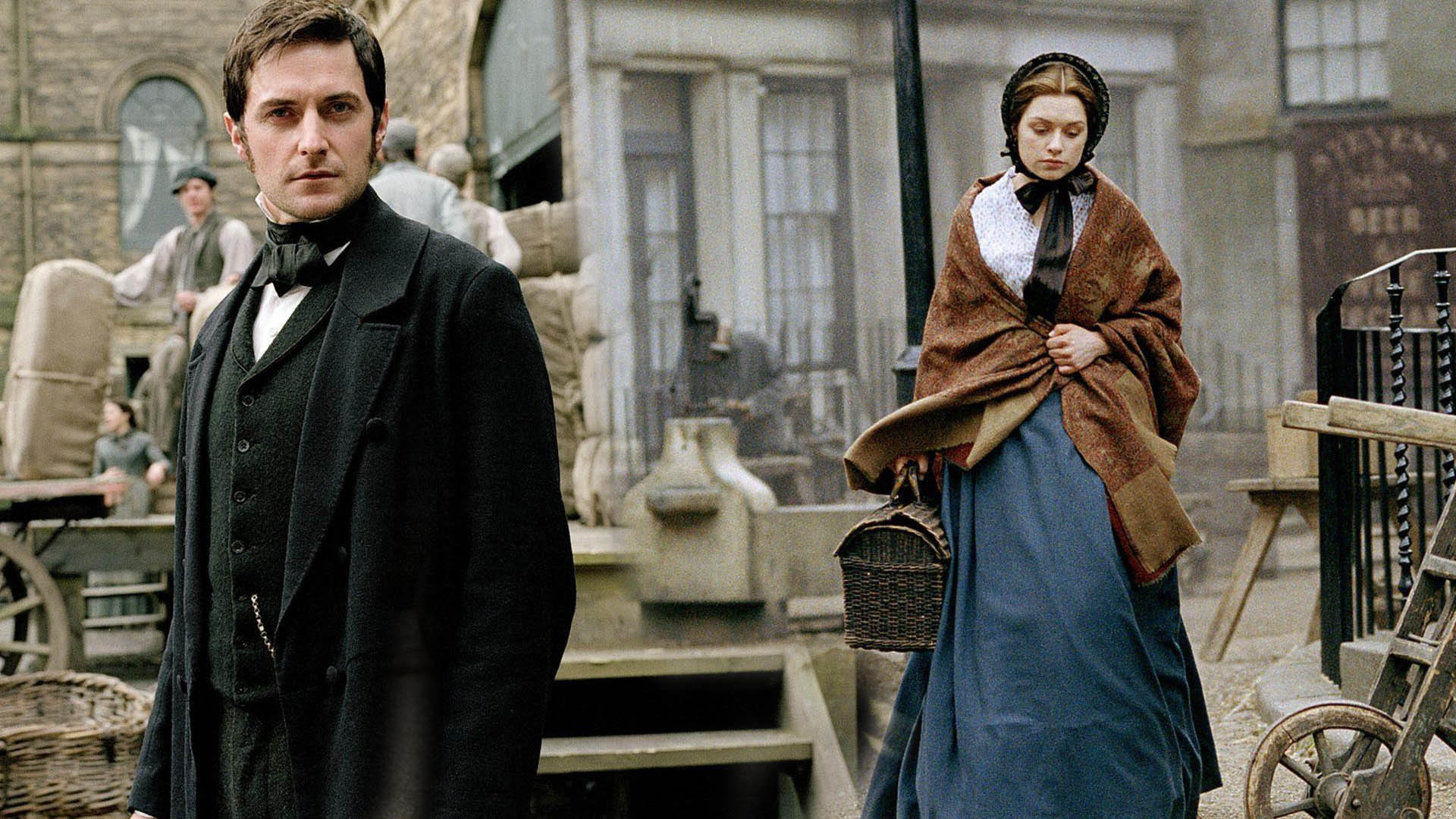
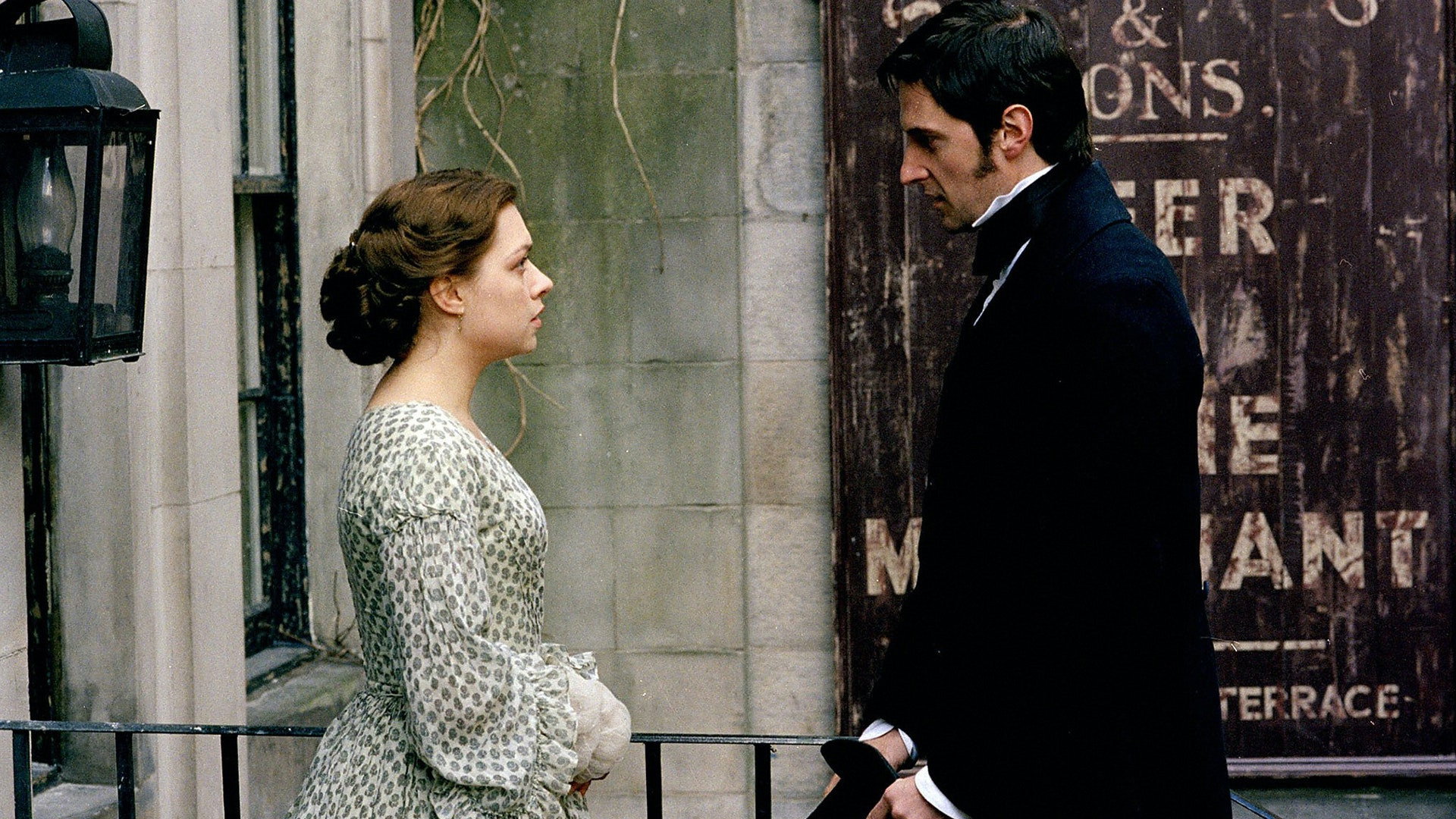
Daniela Denby-Ashe, as Margaret Hale, makes firmness an asset, even when it limits how readily we warm to her. Richard Armitage’s John Thornton is reserved enough that small changes in his manner become interesting, without requiring us to find every silence profound. We were moved by the way they listen to one another: both make taking another person’s words seriously look difficult. Their exchanges can be prickly, and the attraction gains from the sense that agreement will take some work.
Period romances can be impatient with anyone who gets between the leads, but the supporting performances here prevent the central relationship from claiming all our sympathy. Sinéad Cusack’s Hannah Thornton has an authority that demands attention even when it is unwelcome, while Brendan Coyle’s Nicholas Higgins feels like someone with concerns beyond the needs of the romance. Anna Maxwell Martin brings a welcome directness to Bessy Higgins. There is pleasure in watching actors allowed to insist upon a character’s point of view without having to make that character immediately agreeable.
Peter Greenhalgh’s cinematography gives the industrial setting a prominence that matters: the surroundings keep claiming our attention even while we are watching the people. There is a risk of making hardship too attractive, but the sharpness of the performances mostly prevents that. Simon Elliott’s production design makes these spaces convincing as places of work, rather than somewhere cleared out for a romantic scene. We believe that people have to spend their days here, and that helps the conversations about social differences feel less like a discussion arranged for our benefit.
Kristina Hetherington’s editing is generous to the actors, allowing an uncomfortable exchange to remain uncomfortable instead of cutting away for reassurance. That patience helps the courtship, although it also produces passages where the pace slackens and little is gained. Martin Phipps’s score supplies emotional emphasis that the leads do not always need. When the music presses a feeling already evident in their performances, we would prefer a little less help; there is enough happening between the actors to hold our attention without it.
Give it time, and resist the temptation to treat every conversation without the leads as an interruption. The supporting characters are worth attending to, particularly when their concerns complicate the pleasure of following a courtship. Choose it for an evening when two stubborn people trying to understand one another sounds more promising than a quick declaration.