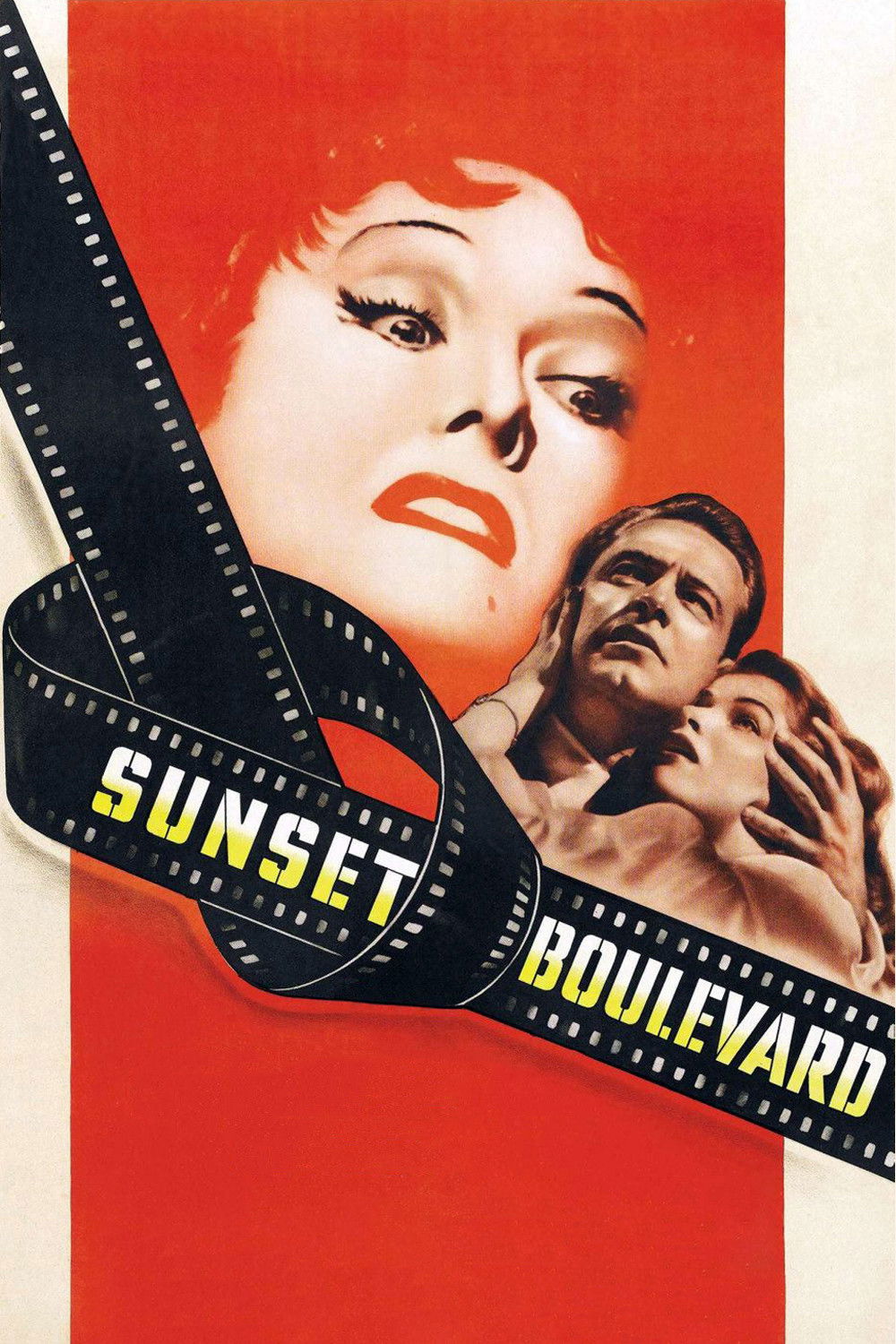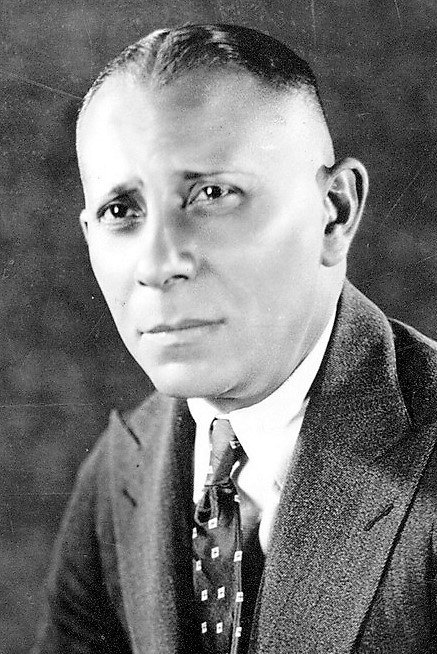
We value Erich von Stroheim for the unease beneath his sternness. Officers and aristocrats were his familiar territory, but Sunset Boulevard shows how troubling he could make a quiet, attentive man who has accepted too much.
Fi1m perspective
In Sunset Boulevard (1950), von Mayerling’s attentiveness does little to reassure us. Erich von Stroheim makes him hard to read, keeping his manner reserved while Gloria Swanson gives her faded star full theatrical expression. We were unsettled by his reserve: he suggests that too much has been accepted, and offers no reassuring explanation.
Blind Husbands (1919), which he wrote, directed and acted in, began a directing career built on exacting attention to settings and costumes. Greed (1924) was heavily edited, and he was removed from Queen Kelly (1929), after repeated conflicts over length and detail. From the mid-1930s, he worked primarily as a character actor in Europe, with occasional American roles. It is tempting to read the later acting through that lost directing career. That risks overlooking what he actually does in a scene.
Officers and aristocrats gave him parts in which authority was established before he had done much at all. Jean Renoir cast him as Captain von Rauffenstein in La Grande Illusion (1937), and Wilder as Field Marshal Erwin Rommel in Five Graves to Cairo (1943). Those performances are worth seeking out, though a stern officer can be too readily mistaken for the whole actor. In Sunset Boulevard, the reserve is harder to interpret, and that makes the performance more interesting to us.
Billy Wilder gets particular value from putting him alongside William Holden, whose conversational manner keeps Swanson’s theatricality from setting the volume for everyone. Von Stroheim is harder to read than either, so we have to pay attention in a different way. The screenplay sometimes enjoys humiliating its faded star more than it should, and no performance quite excuses that. Yet von Stroheim helps make her expansiveness effective without competing with it. Start with Sunset Boulevard, but do not spend the whole evening watching Swanson.
Biography
Erich von Stroheim was an Austrian-American actor, director and screenwriter. Born Erich Oswald Stroheim in Vienna on 22 September 1885, he emigrated to the United States in 1909. He began working in films as an actor and assistant to D. W. Griffith on titles including Intolerance (1916).
He directed and appeared in several silent-era films, among them Blind Husbands (1919), Foolish Wives (1922) and Greed (1924). After studio conflicts curtailed his directing career, he became a character actor, notably as Captain von Rauffenstein in Jean Renoir’s Grand Illusion (1937) and as Field Marshal Erwin Rommel in Five Graves to Cairo (1943).
Von Stroheim received an Academy Award nomination for Best Supporting Actor for his performance as Max von Mayerling in Billy Wilder’s Sunset Boulevard (1950). He died on 12 May 1957 in Maurepas, France.