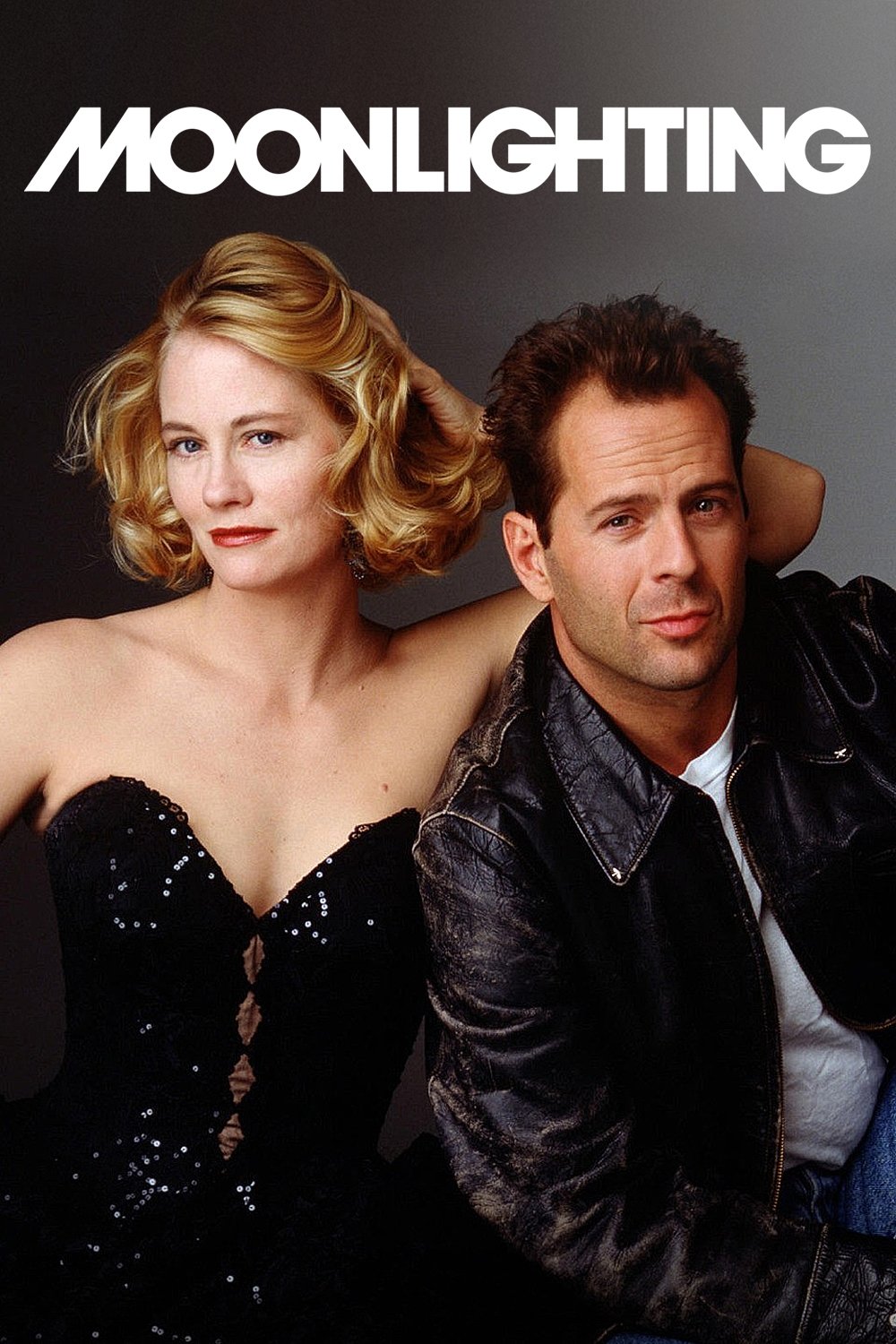
Glenn Gordon Caron makes attraction and irritation funny enough to sustain a detective series. We recommend Moonlighting warmly for its dialogue and its leads, while wishing he were slightly less pleased with the programme's cleverness.
Fi1m perspective
In Moonlighting (1985), Cybill Shepherd and Bruce Willis disagree as though neither has anything better to do. Caron makes the reluctance with which Maddie Hayes and David Addison enjoy each other's company the reason to stay with a detective comedy. We laughed at their quarrels because the performers make irritation such a convincing excuse to keep talking. The cases bring them together, and the writing gives them room to be amusing. This is a programme whose appeal depends heavily on liking the company; we do.
Caron's fast, overlapping dialogue supplies momentum without needing a quick cut for every line. That matters in a programme whose chief attraction is two people talking: the writing has to keep the exchange moving while leaving the actors something to do. The experiments go further, into black-and-white noir, Shakespeare adaptations, musical sequences and breaks through the fourth wall. There is pleasure in that willingness to try things inside a detective series, but our reservation is straightforward. When the programme starts admiring its own ingenuity, it keeps us waiting for the people we came to see.
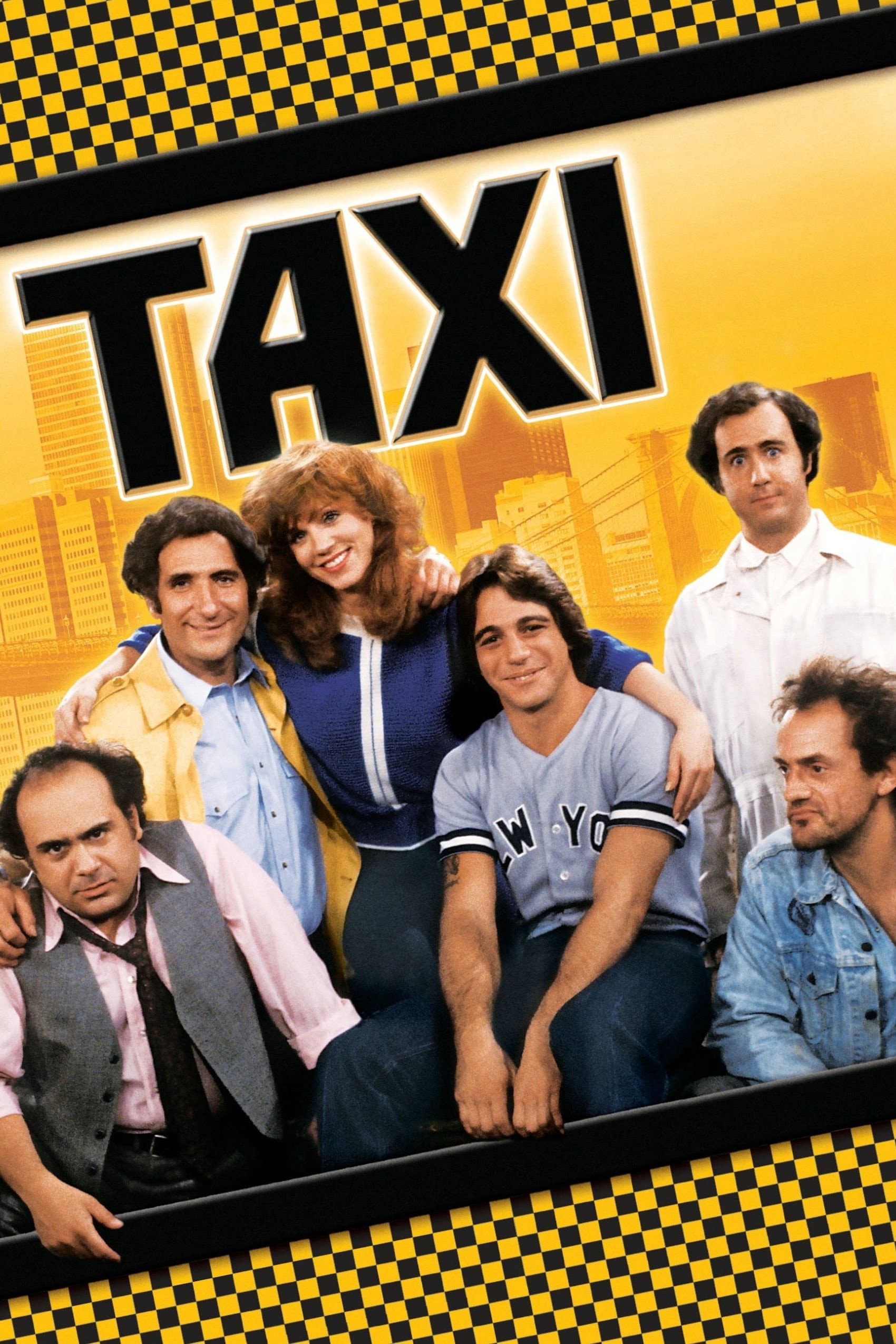
He wrote for Taxi (1978) and Remington Steele before creating Moonlighting, then moved into features while the series was still running. He directed his first feature, Clean and Sober (1988), starring Michael Keaton, between seasons. Three more films preceded his return to television as creator of Now and Again (1999), followed by Medium (2005). The latter's combination of procedural stories and supernatural elements continued his interest in mixing genres, though it is the romantic detective comedy that gives us the clearest evidence of what he does well.
Shepherd and Willis deserve a substantial share of the credit; a script needs performers who can make repeated disagreement appealing. Caron allows for that pleasure, then occasionally interrupts it with another display of cleverness. We would happily forgive some excess for another exchange between these two. Start with Moonlighting, provided solving the case is not the main attraction.
Biography
Glenn Gordon Caron, sometimes credited as Glenn Caron, is an American writer, director and producer. He was born on 3 April 1954 in Oceanside, New York. After graduating from the State University of New York at Geneseo in 1975, he worked in advertising and studied improvisation with Del Close and at Second City.
Caron wrote an episode of the series Taxi (1978). He later contributed to Remington Steele before creating the series Moonlighting (1985), on which he also wrote several episodes. He has created or written for other series including Medium (2005) and Bull (2016). His feature directorial credits include Clean and Sober (1988) and Picture Perfect (1997).
Caron received a Writers Guild of America Award for the Moonlighting pilot and was nominated for four Primetime Emmy Awards for the series.