Shōhei Imamura takes the appetites and daily troubles of poor people seriously, without making saints of them. We recommend his frank, unruly films, though his comparisons between people and animals can make human cruelty look unavoidable.
Fi1m perspective
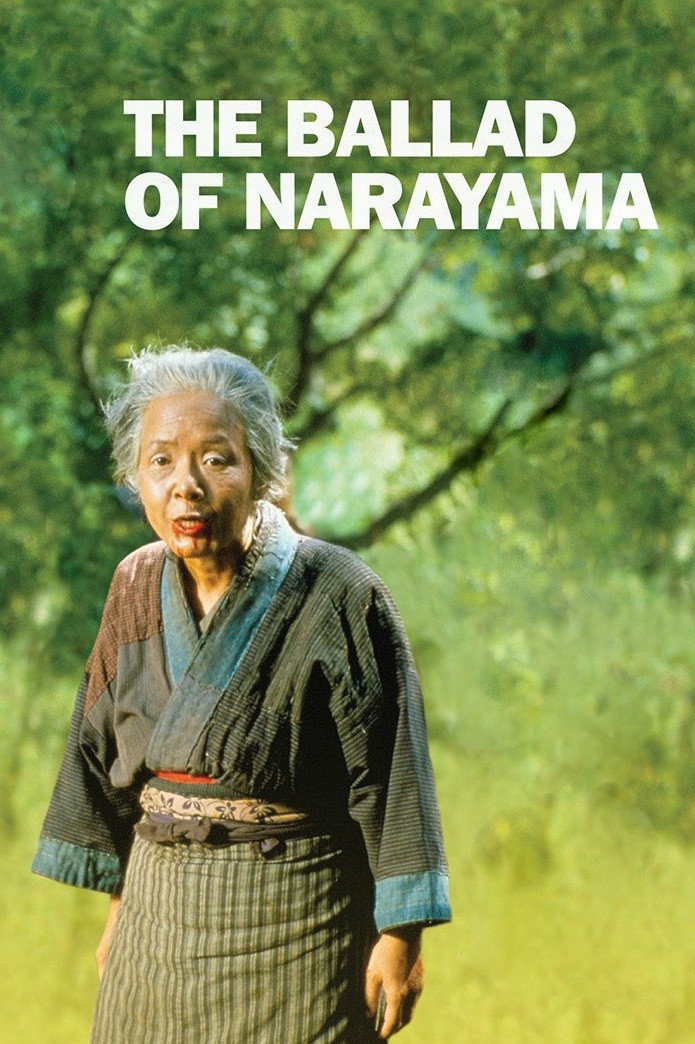
In The Ballad of Narayama (1983), gossip, sex and violence keep a mountain village occupied while an elderly widow prepares for the abandonment its custom requires. Imamura gives these people plenty to do besides demonstrate how hard their lives are. Sumiko Sakamoto’s unsentimental performance keeps Orin’s care for her family at the centre, without asking us to approve of the community around her. We were moved by that care, because kindness remains possible here even when cruelty has become an ordinary obligation.
With Pigs and Battleships (1961) and The Insect Woman (1963), his early personal films took up black-market life and a woman’s struggle to survive. The latter established his recurring attention to poor women who endure by adapting to what confronts them. His frames are often cluttered and his stories deliberately untidy, mixing fiction with documentary techniques. The mess suits lives in which good manners are unlikely to settle the most pressing problems.
Documentary methods entered his fiction in A Man Vanishes (1967), and he made a series of documentaries in the 1970s before returning to fiction with Vengeance Is Mine (1979). That movement between forms helps explain why ordinary business gets so much space in The Ballad of Narayama. He watches a community at work rather than reducing it to a single appalling practice. Later, Black Rain (1989) brought quieter observation to the lives of Hiroshima survivors.
The Ballad of Narayama also shows where his method can go wrong. Placing human cruelty beside animal behaviour so insistently risks suggesting that the villagers could no more change their customs than change their species. We resist that suggestion, and the repeated comparisons become less useful as the people grow more interesting. The village’s sexual frankness works better: it makes the inhabitants physically alive without pretending that hardship has made them decent. Start with The Ballad of Narayama, but choose an evening when a film this harsh will be welcome.
Biography
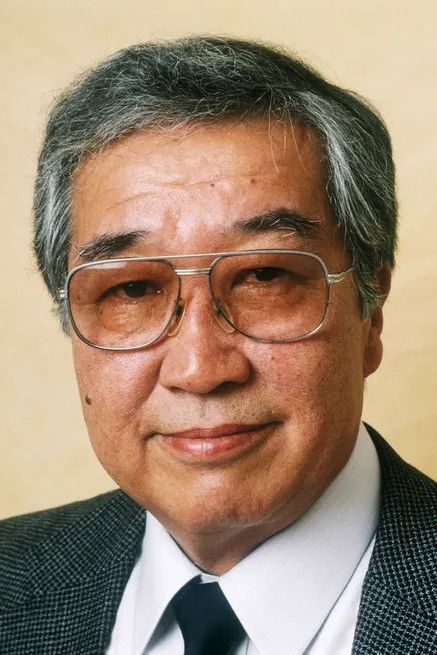
Shōhei Imamura (15 September 1926 – 30 May 2006) was a Japanese film director and screenwriter. He studied at Waseda University and began his career as an assistant director to Yasujirō Ozu at Shochiku on films including Early Summer (1951) and Tokyo Story (1953). He later worked at Nikkatsu and became associated with the Japanese New Wave.
Imamura directed The Insect Woman (1963), Profound Desires of the Gods (1968), Vengeance Is Mine (1979), The Ballad of Narayama (1983), Black Rain (1989) and The Eel (1997). He received the Palme d'Or at the Cannes Film Festival for both The Ballad of Narayama and The Eel, making him the only Japanese director to win the award twice.