Shōhei Imamura’s The Ballad of Narayama is a harsh, moving drama, carried by Sumiko Sakamoto’s unsentimental performance. The comparisons between villagers and animals grow insistent, but the family’s predicament deserves the attention the film asks of us.
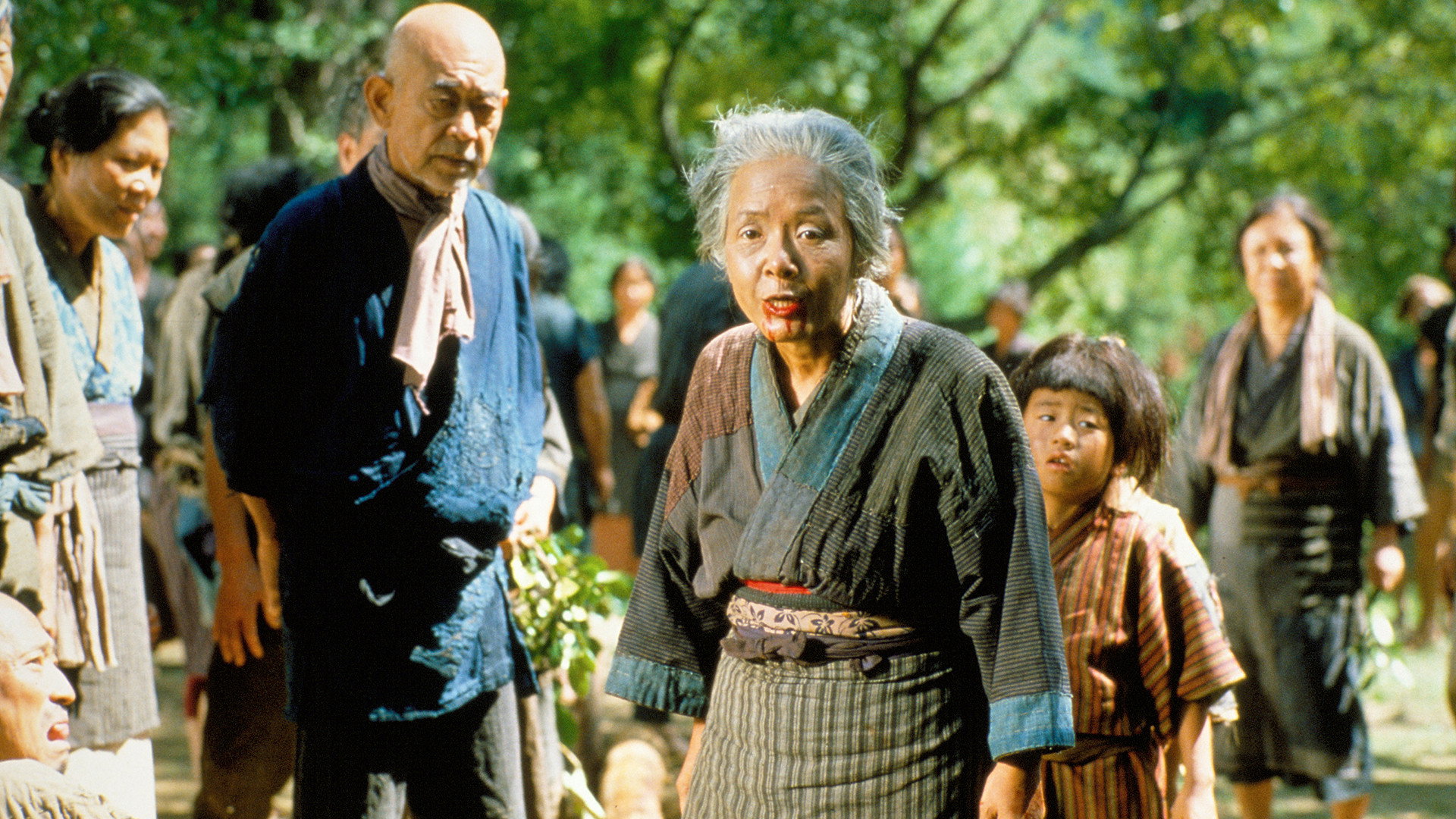
Shōhei Imamura’s The Ballad of Narayama is a harsh, moving film, worth the effort its cruelty asks of us. In a remote mountain village, the elderly are abandoned by custom, and a widow prepares for what her community regards as the proper course of things. He gives her family’s needs as much attention as the rule that threatens to remove her from it. That attention matters: the village has ordinary business to conduct, and its inhabitants do not suspend their appetites because we might find their customs appalling.
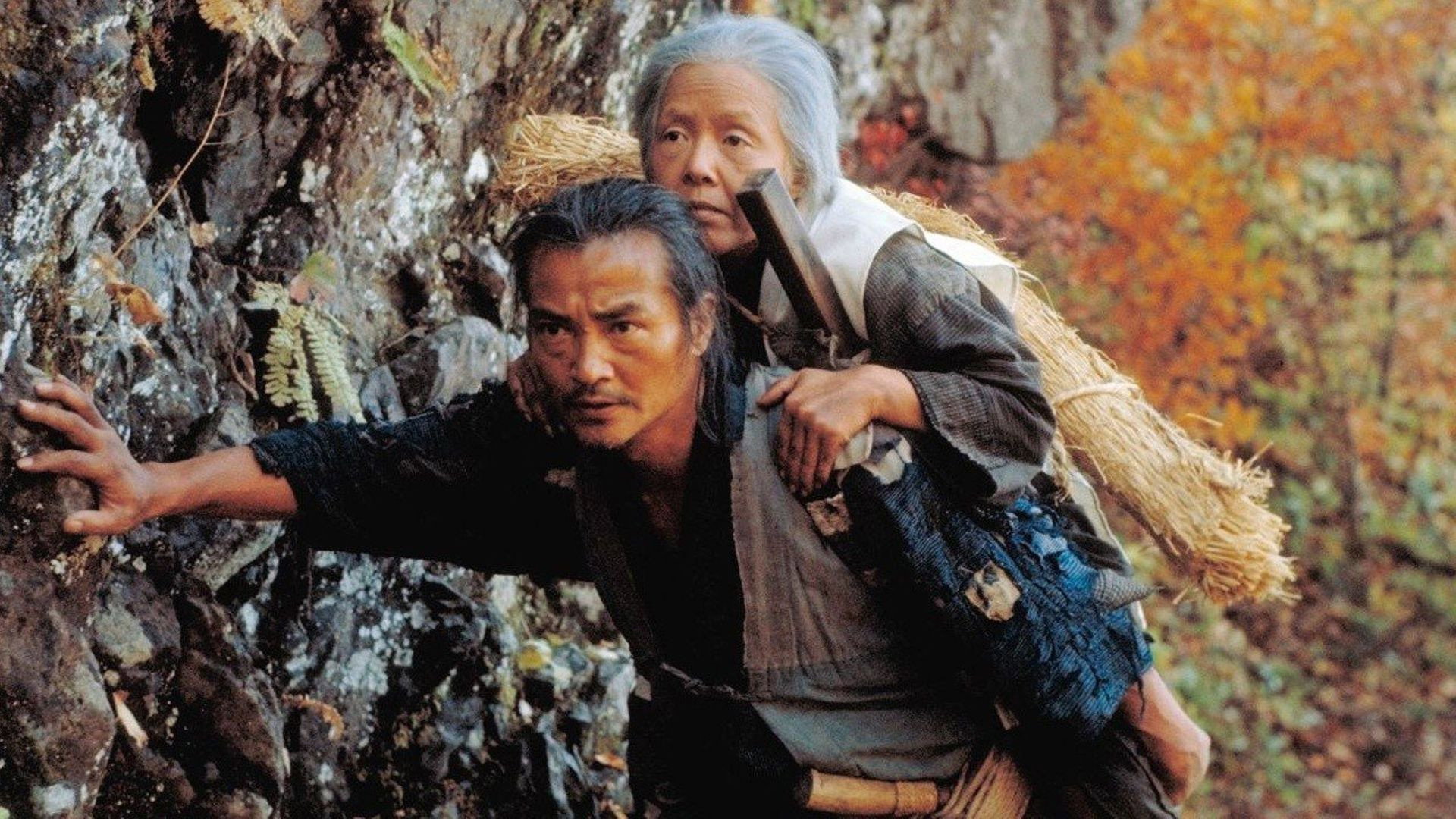
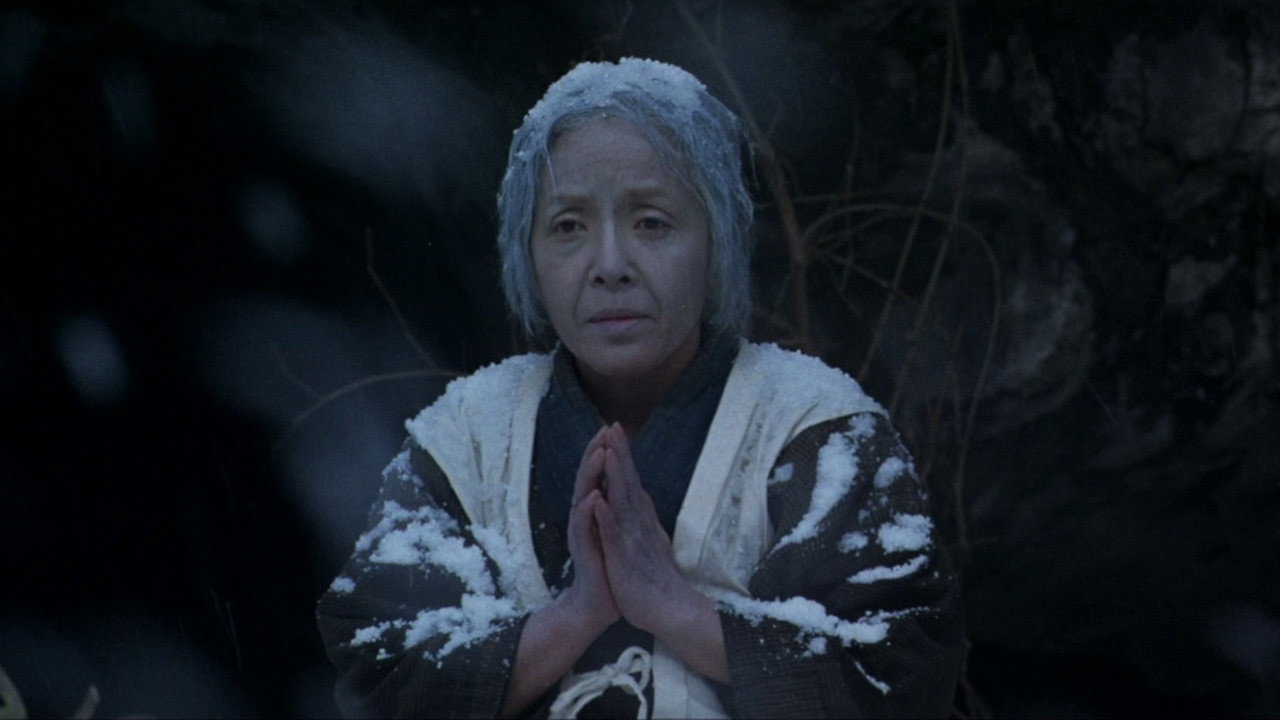
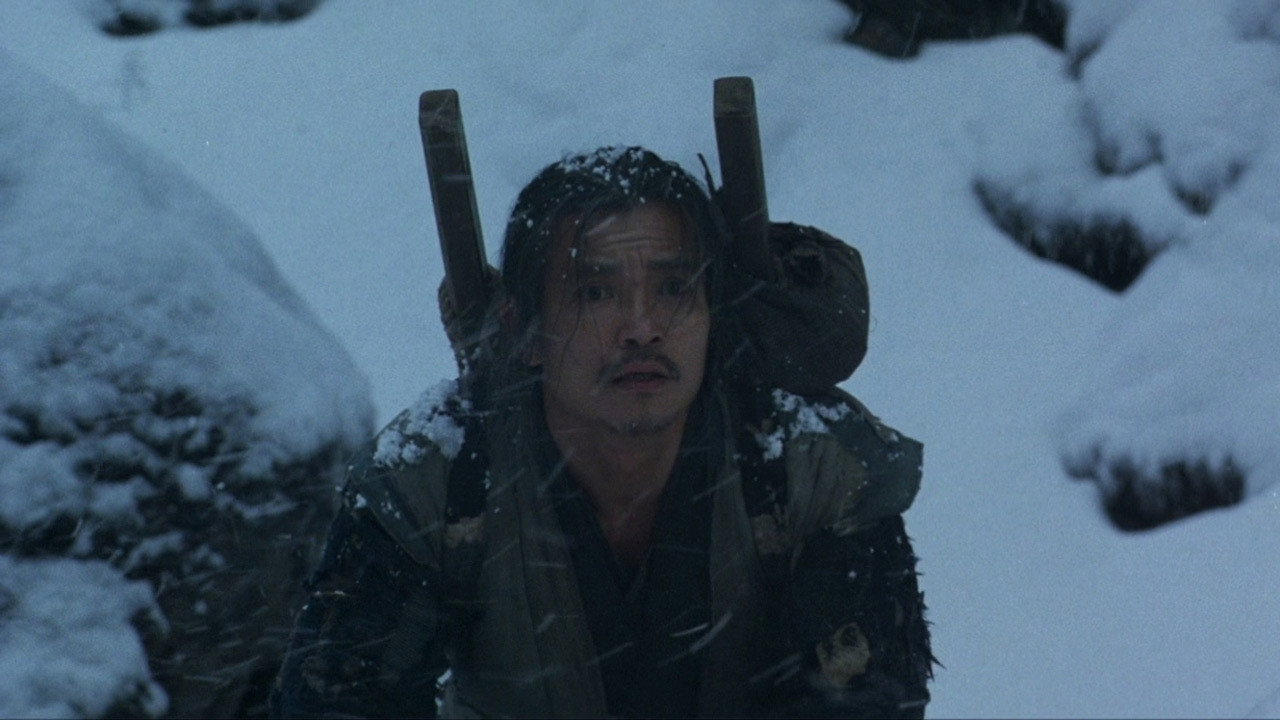
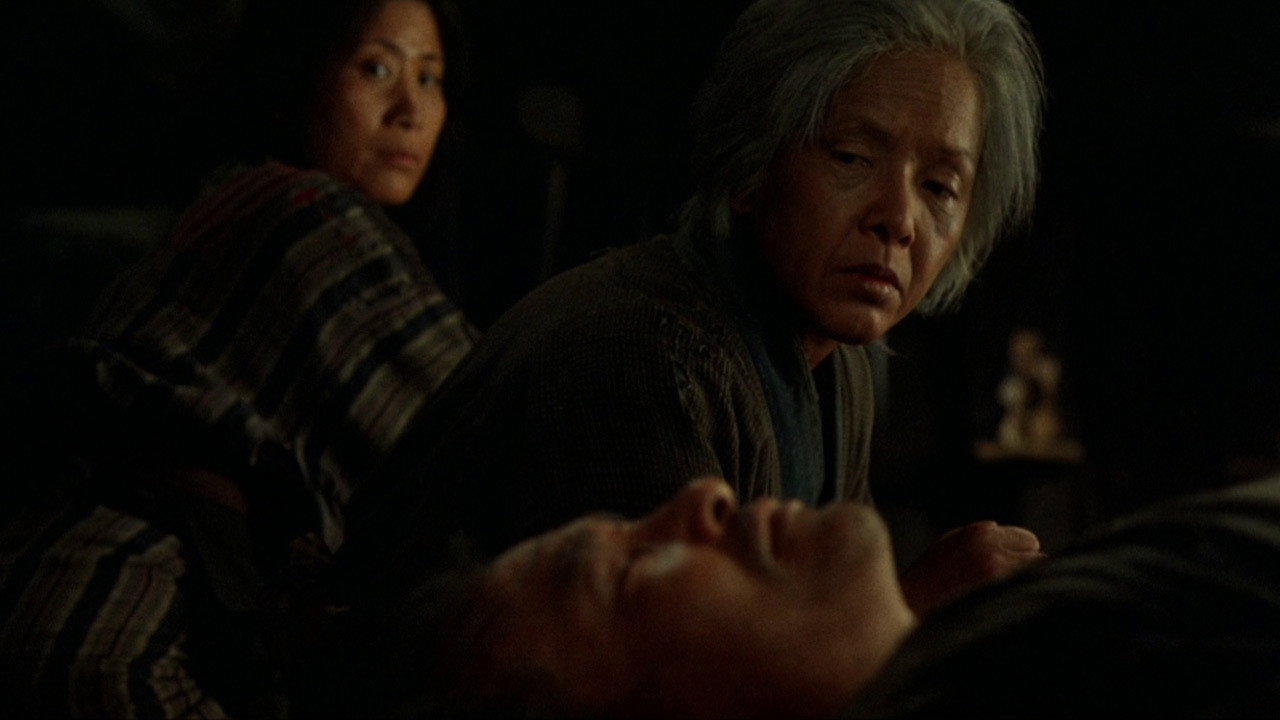
Sumiko Sakamoto makes Orin’s preparations compelling because her practical concern for her family is so difficult to separate from her acceptance of the custom. We were horrified by her continuing to look after people while preparing to be abandoned herself. The care remains ordinary, which makes it harder to watch than a performance built around declarations of suffering. Ken Ogata, as her son Tatsuhei, keeps the family relationship close enough for the impending obligation to hurt.
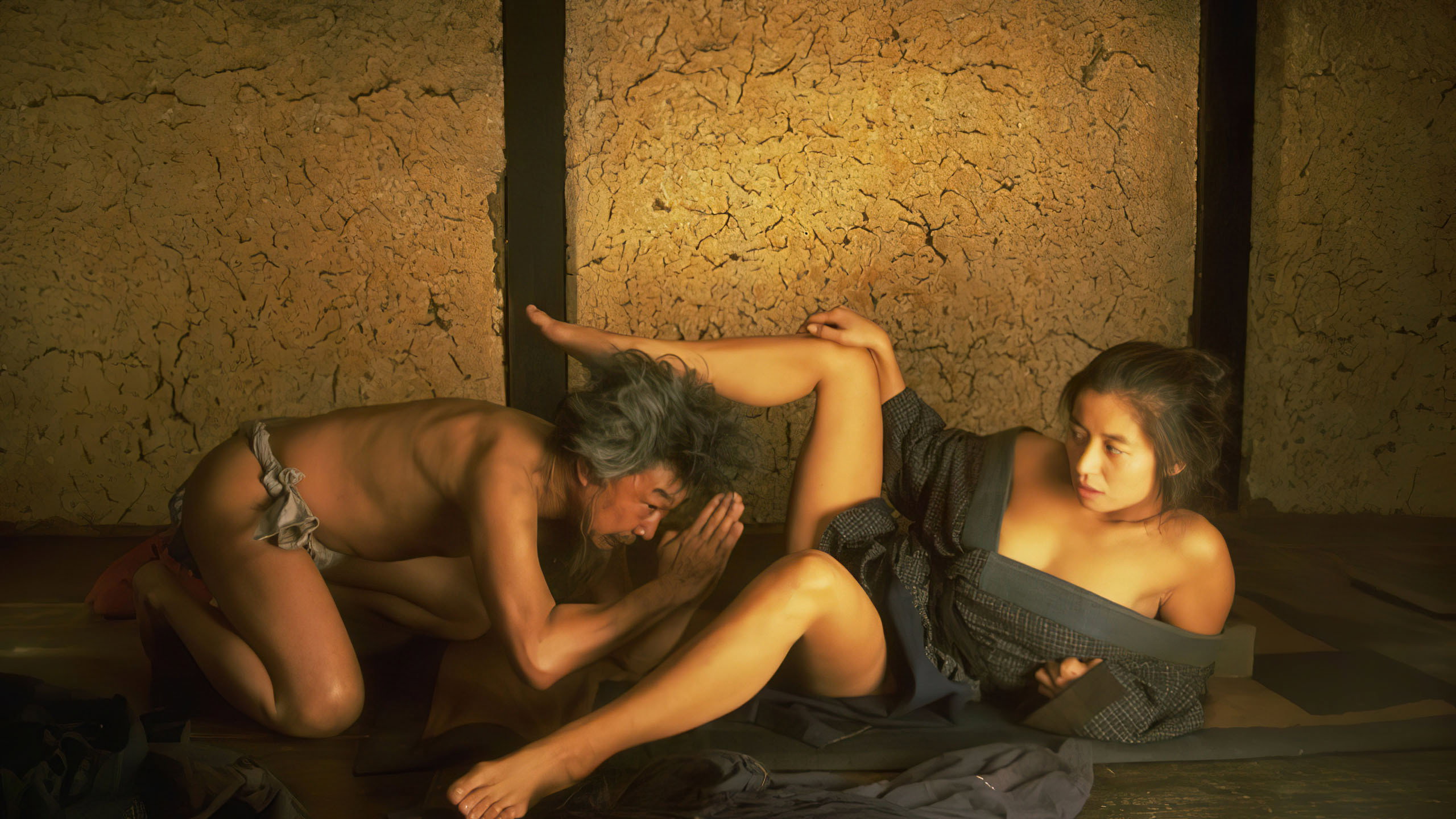
Around them, gossip, sex and violence keep the village busy, and Shōhei Imamura allows room for humour that can be difficult to welcome. These people have desires and grievances beyond the fate of one elderly woman, which prevents the film from becoming a solemn procession towards a lesson. The sexual frankness helps: it makes the community seem physically alive, however harsh its rules. Rural dramas can make hardship look morally improving; these villagers remain capable of doing appalling things to one another.
Masao Tochizawa’s cinematography makes the surrounding nature forcefully present, so that the villagers never seem detached from the animals whose behaviour the film keeps setting beside theirs. Its beauty is also a risk: the picturesque views occasionally make hardship too agreeable to look at. Gorô Kusakabe’s production design is more useful to the drama when it supports the ordinary business of village life. The family preparations need a home we can believe in, and that part of the film persuades.
The editing, credited to Masahito Watanabe, Fusako Matsumoto, Hajime Okayasu, Yoshiko Onodera and Toshihiko Kojima, gives all this behaviour plenty of room. At 130 minutes, the film does linger too long over parallels between human appetites and animal life, once we have understood the connection. Shinichiro Ikebe’s music helps sustain the seriousness of Orin’s preparations amid the gossip and sexual activity. The strongest passages need only Orin’s preparations and the family’s response; the wider observations occasionally delay our return to them.
There is a danger in placing human cruelty so close to animal behaviour: a custom can start to look like something nobody could change. Shōhei Imamura sometimes pushes us towards that conclusion, and we resist it. Yet Orin’s care for her family keeps the drama from turning into a lecture about survival, because kindness is part of this village too. That is why the film remains moving after its comparisons have become familiar. Give it an evening when comfort is not the chief requirement.